



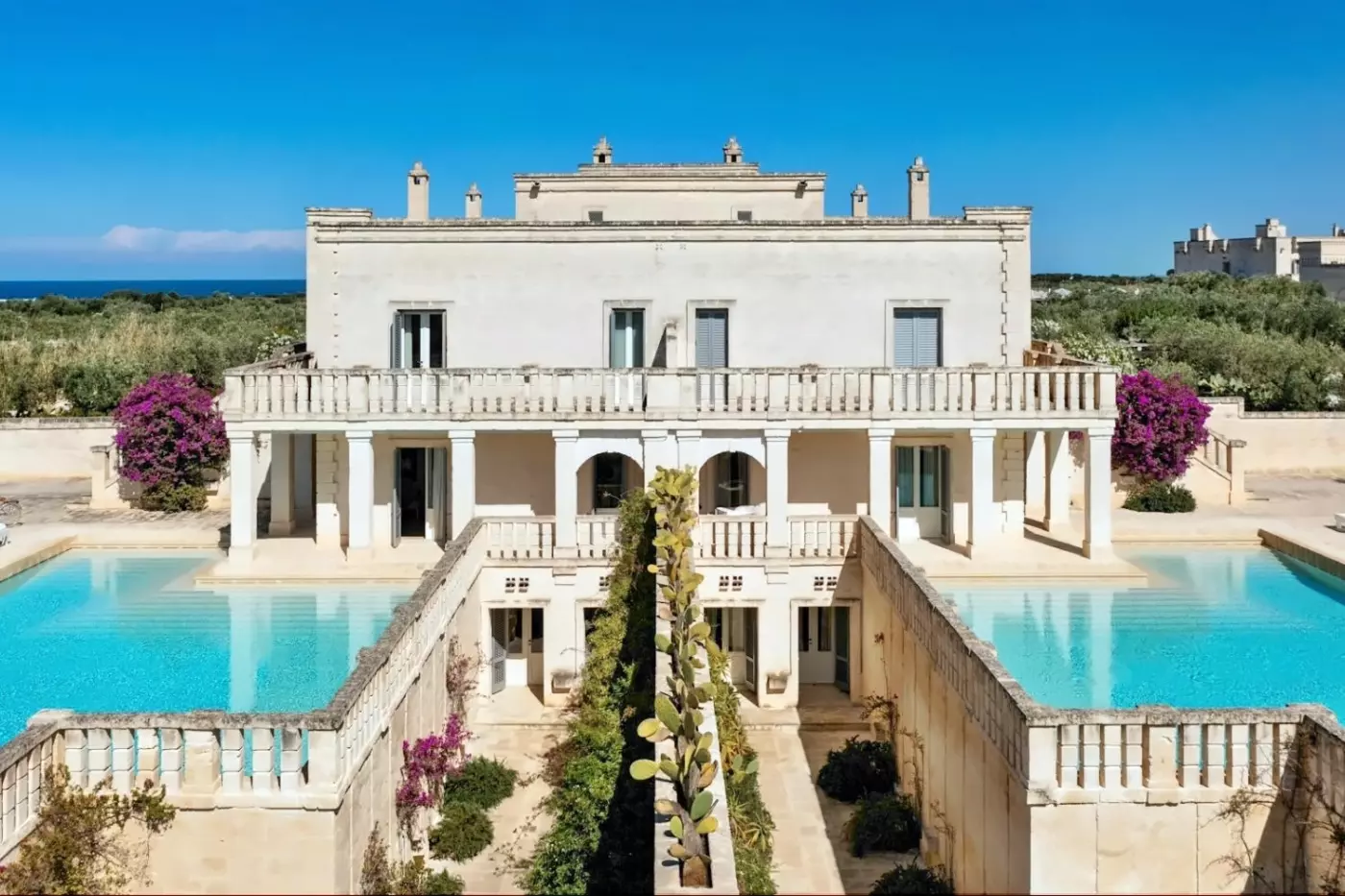
Borgo Egnazia
Prices From 781 USD
+3
More amenities
- Sauna
- Wellness
- Golf
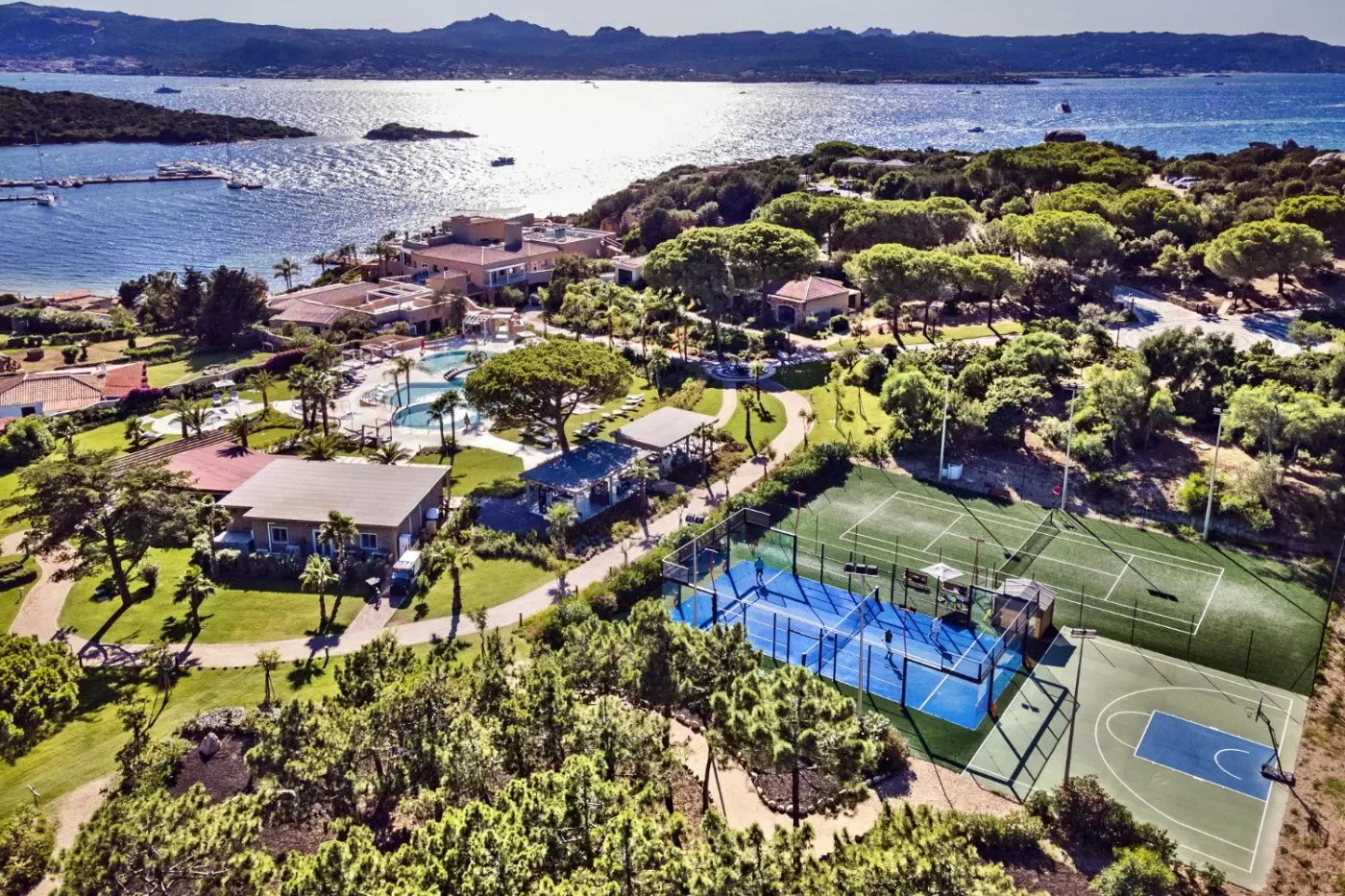
Borgo Egnazia is a luxury resort in Savelletri di Fasano, Puglia, between the Itria Valley's olive groves and the Adriatic Se...
Please choose a hotel or destination from the list.
We couldn’t open your search results. Please try again.
Your private search
Finding exceptional stays
Choose your Italy itinerary before choosing its hotels. Art cities, vineyard country, lakes, islands and the Dolomites offer different ways to spend the day. A city-and-countryside journey gives cultural visits and quieter time their own bases; a coastal or mountain holiday needs a more focused route. Start with the places and experiences that matter most, then select the luxury hotels that make that journey work.
Prices From 781 USD
More amenities
Borgo Egnazia is a luxury resort in Savelletri di Fasano, Puglia, between the Itria Valley's olive groves and the Adriatic Se...
Prices From 1’166 USD
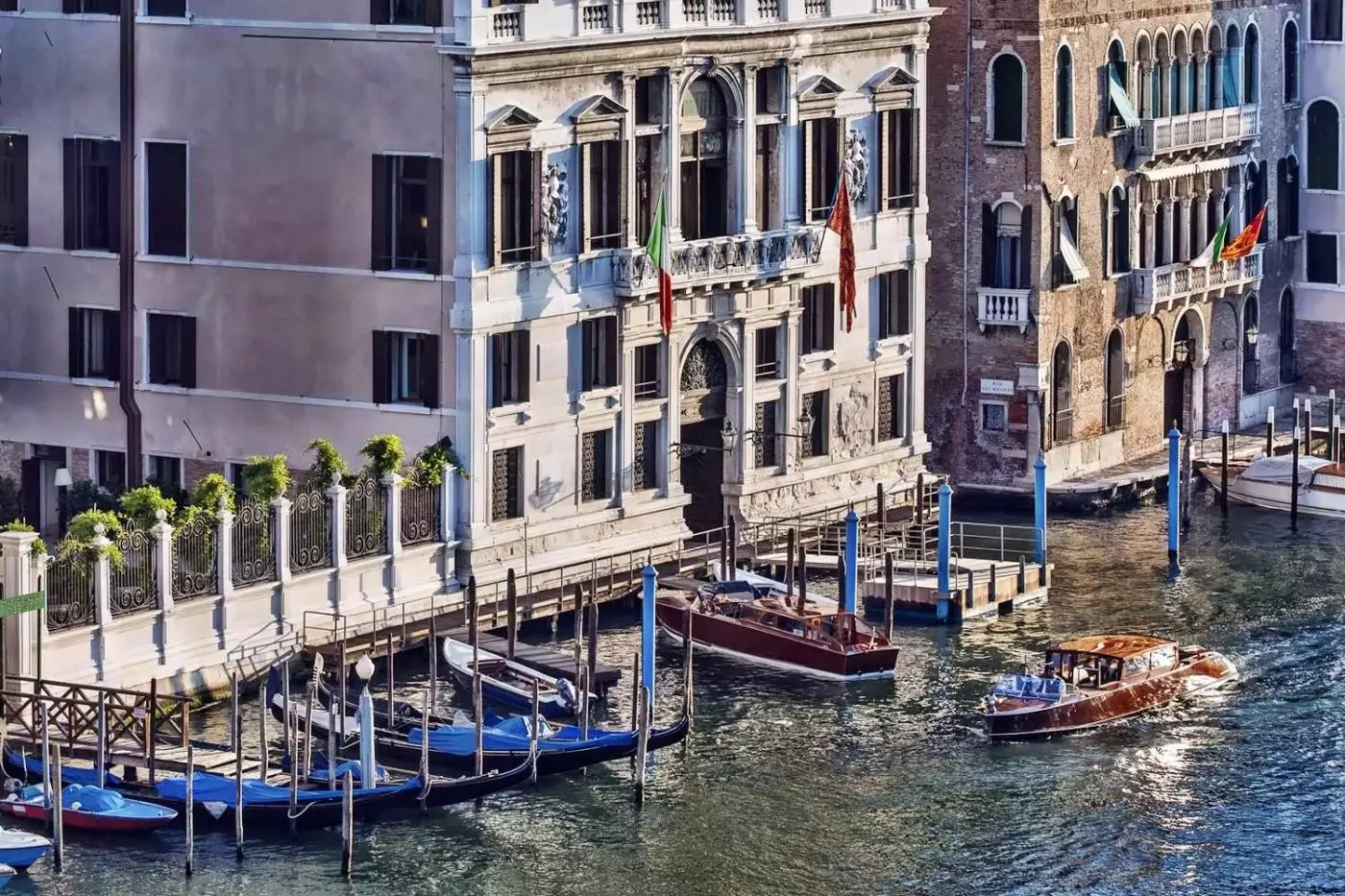
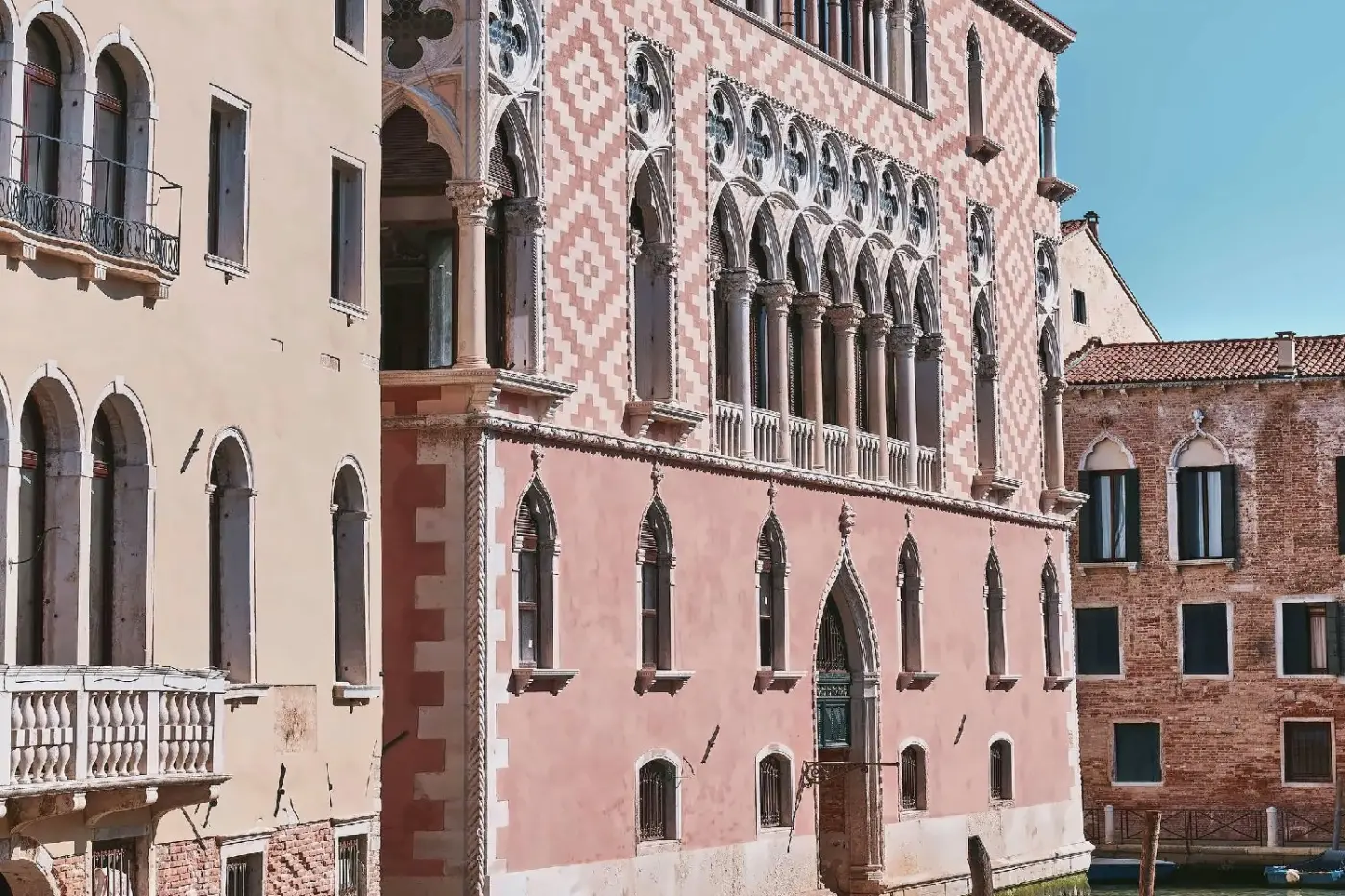
Aman Venice occupies Palazzo Papadopoli on the Grand Canal, a 16th-century residence in Venice's San Polo district. Its 24 ro...
Prices From 1’012 USD
More amenities
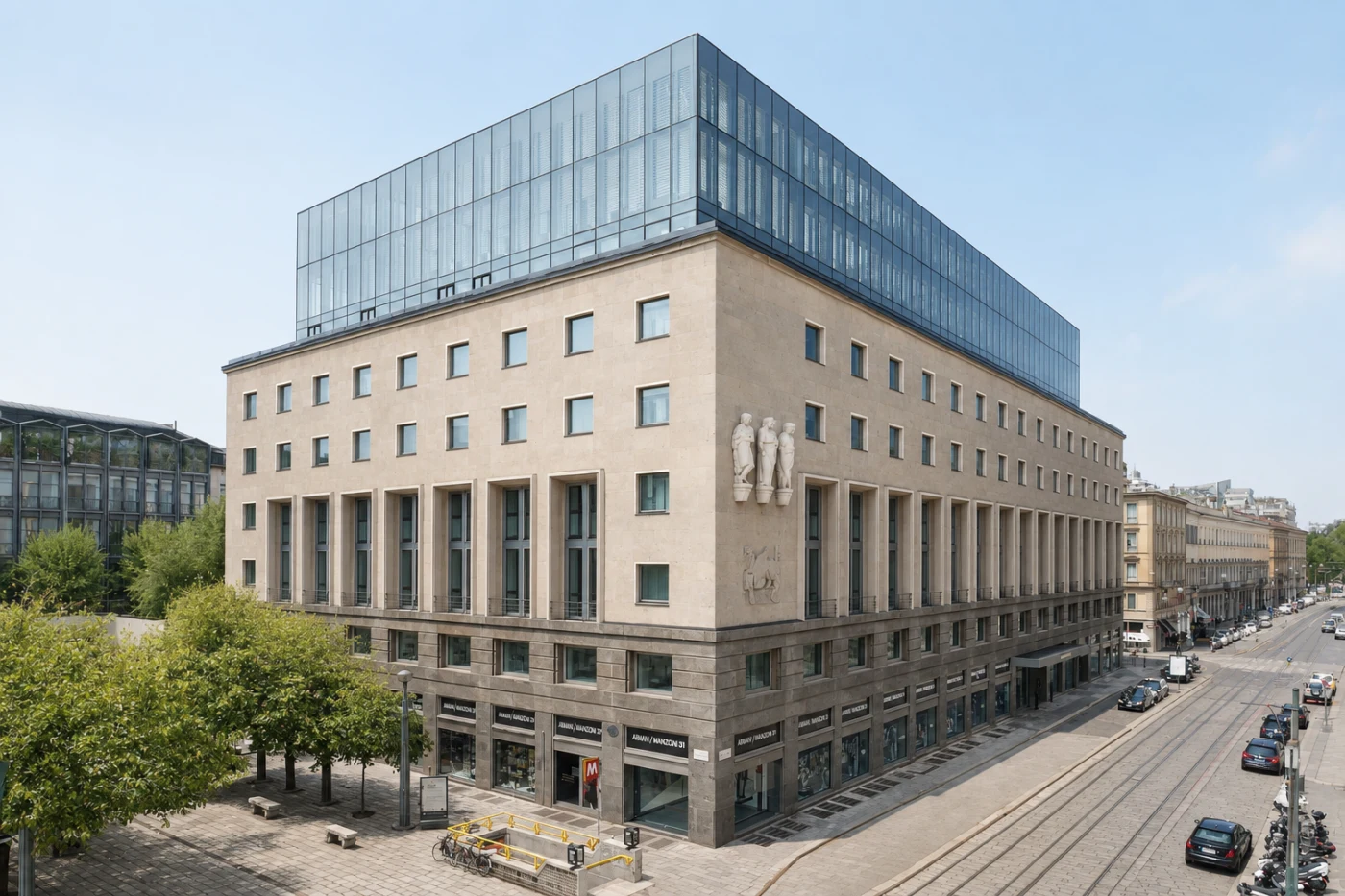
Armani Hotel Milano occupies the Manzoni 31 building in Milan's fashion district. At Via Alessandro Manzoni 31, the hotel is...
Prices From 719 USD
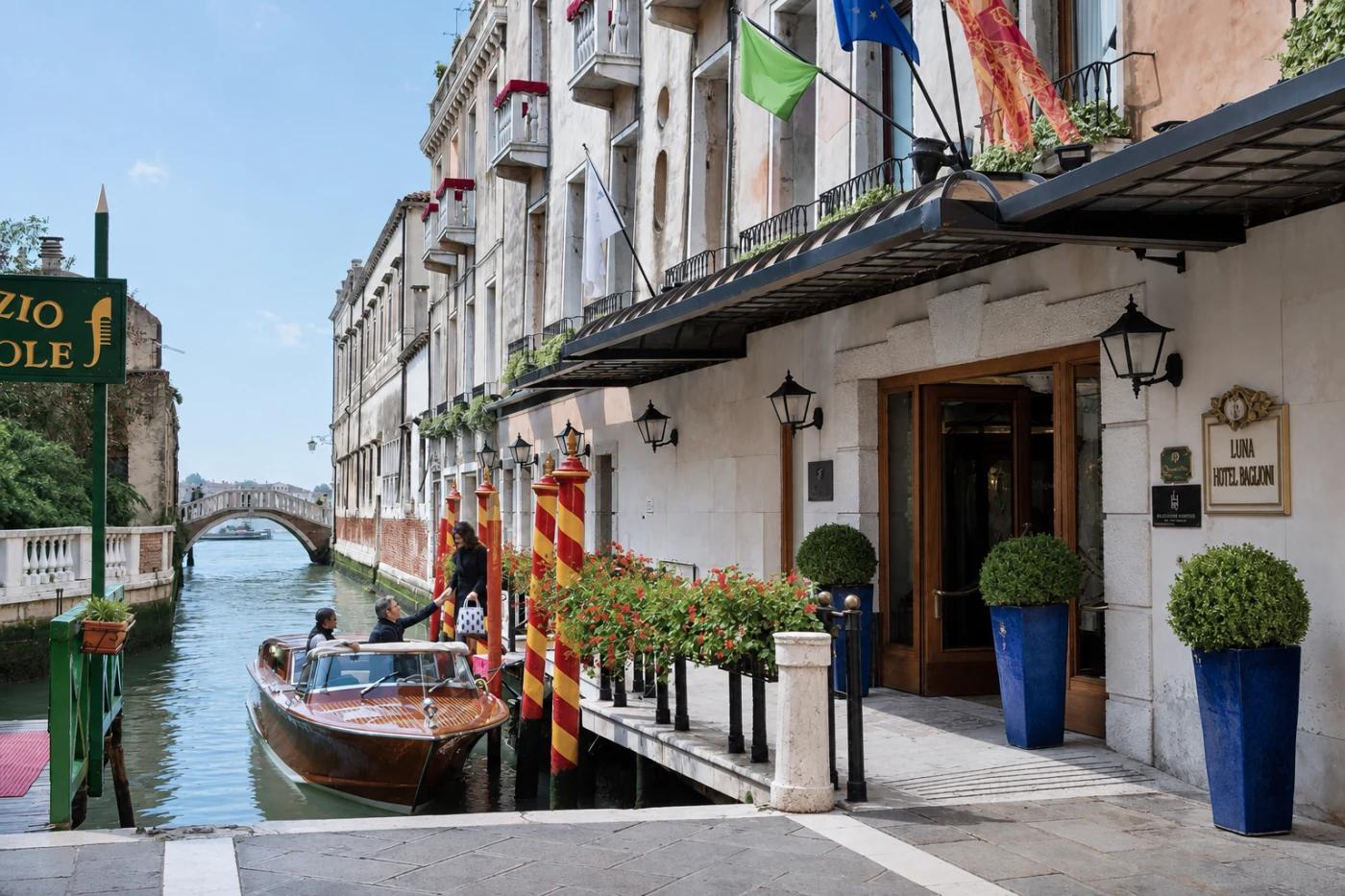
Baglioni Hotel Luna sits just off Piazza San Marco in Venice, at San Marco 1243. The lagoon and the Royal Gardens are close b...
Prices From 488 USD
More amenities
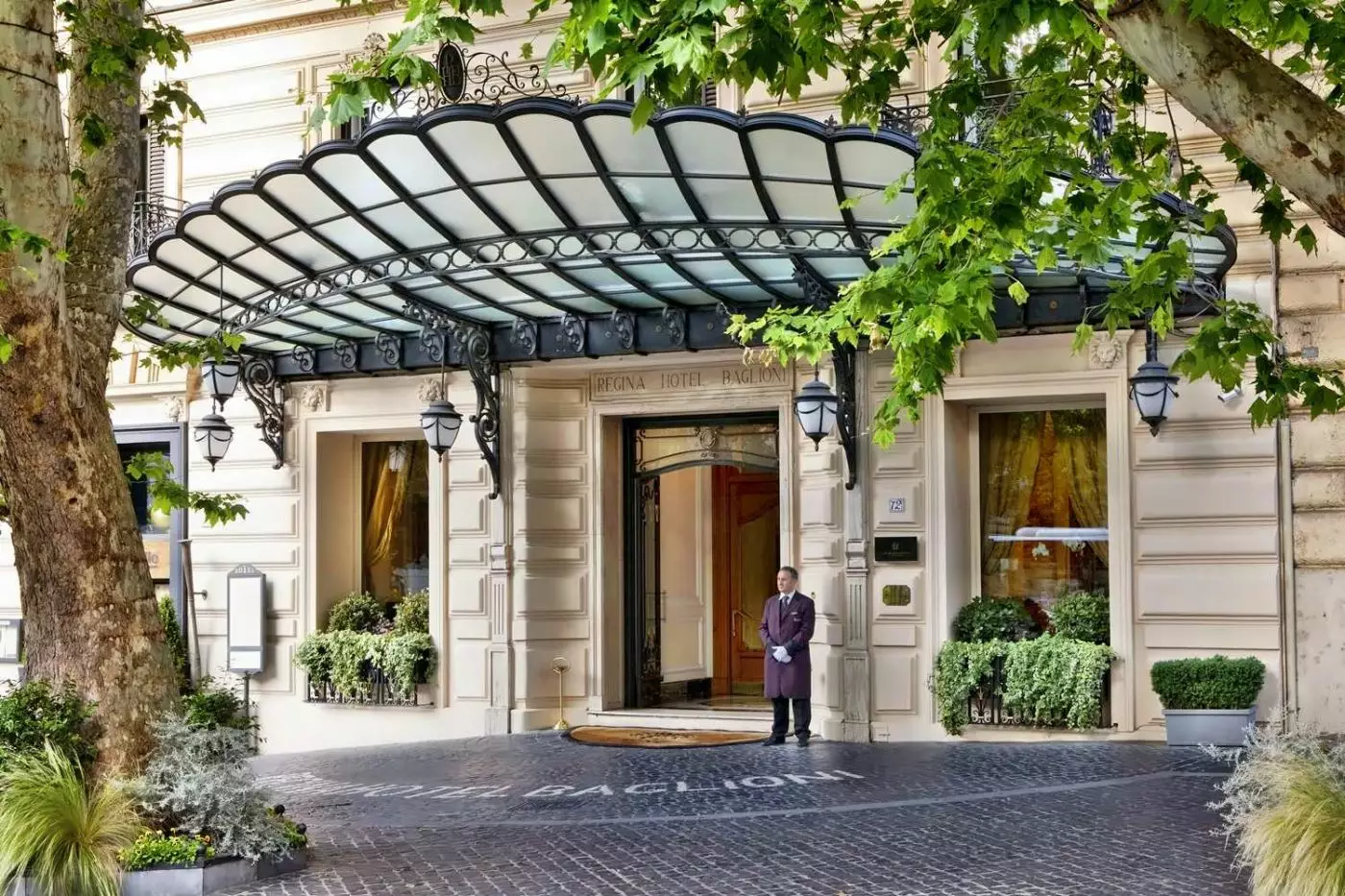
Baglioni Hotel Regina is a five-star hotel on Rome's Via Veneto, at 72 Via Vittorio Veneto. Guests can walk to Villa Borghese...
Prices From 1’116 USD
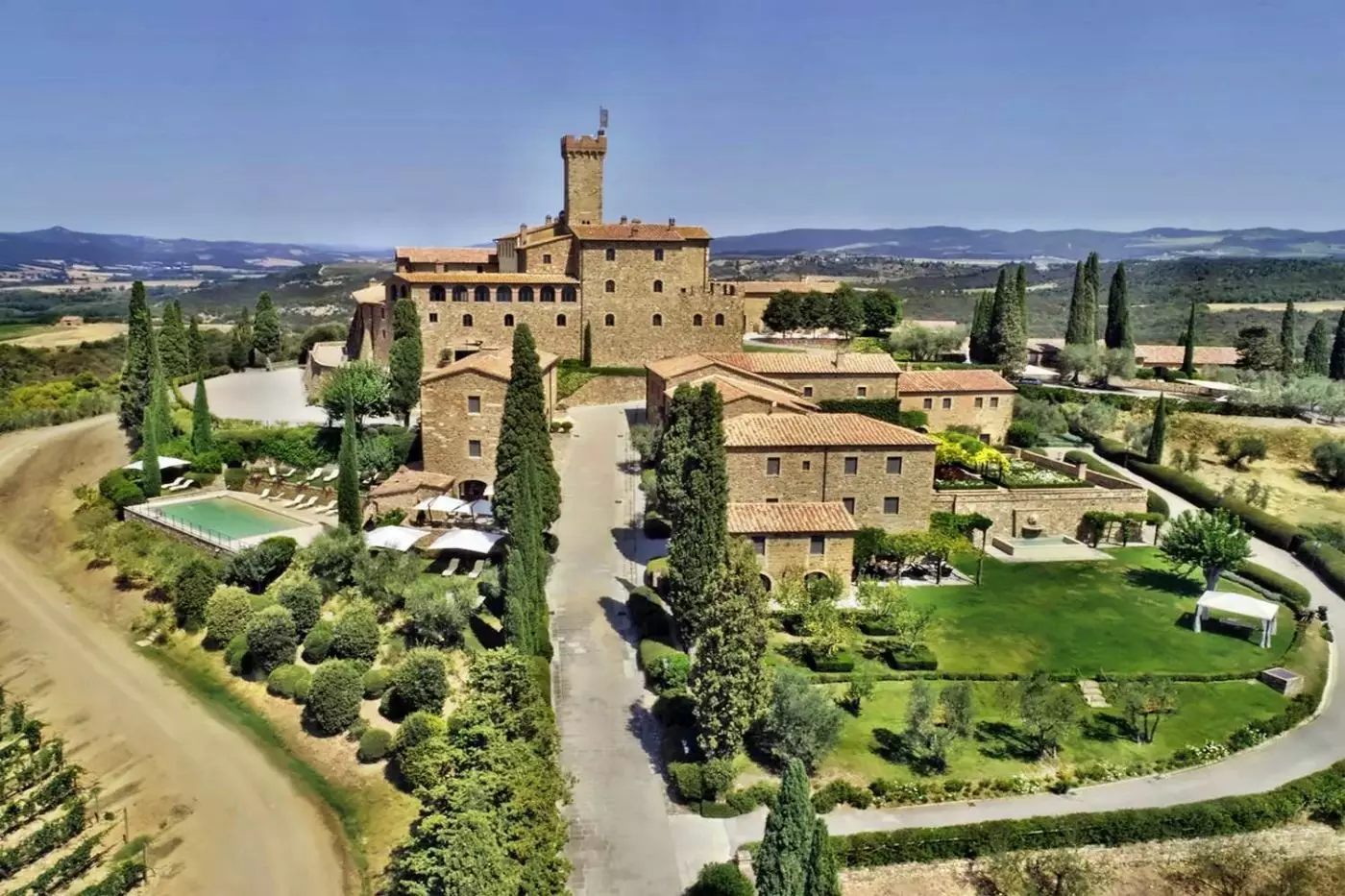
Castello Banfi Il Borgo is a small wine resort in Montalcino, Tuscany, beside the Castello di Poggio alle Mura. Its twelve su...
Prices From 2’154 USD
More amenities
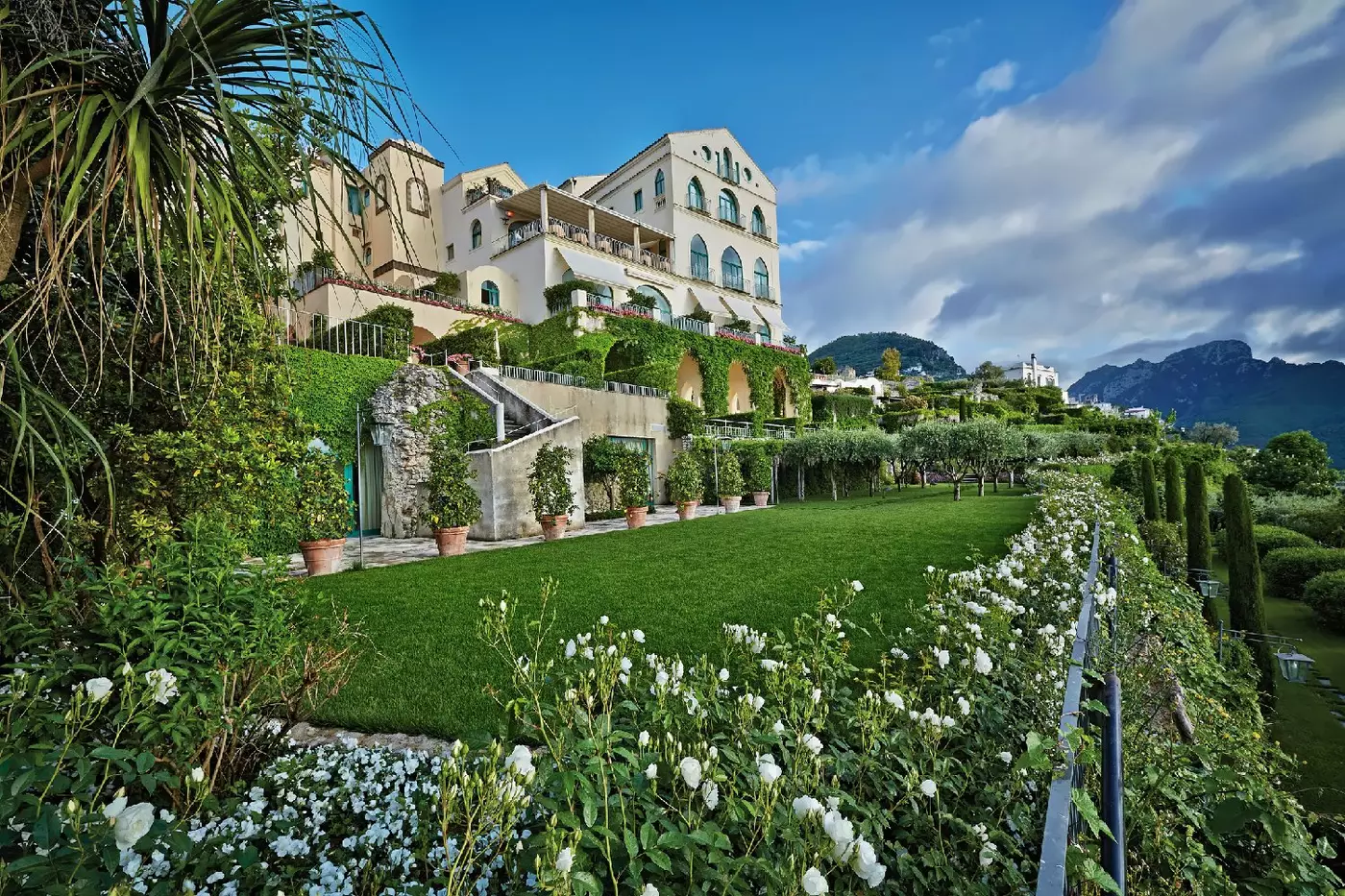
Caruso, A Belmond Hotel, Amalfi Coast occupies an eleventh-century palace in Ravello, Italy, high above the sea. Gardens, ter...
Prices From 913 USD
More amenities
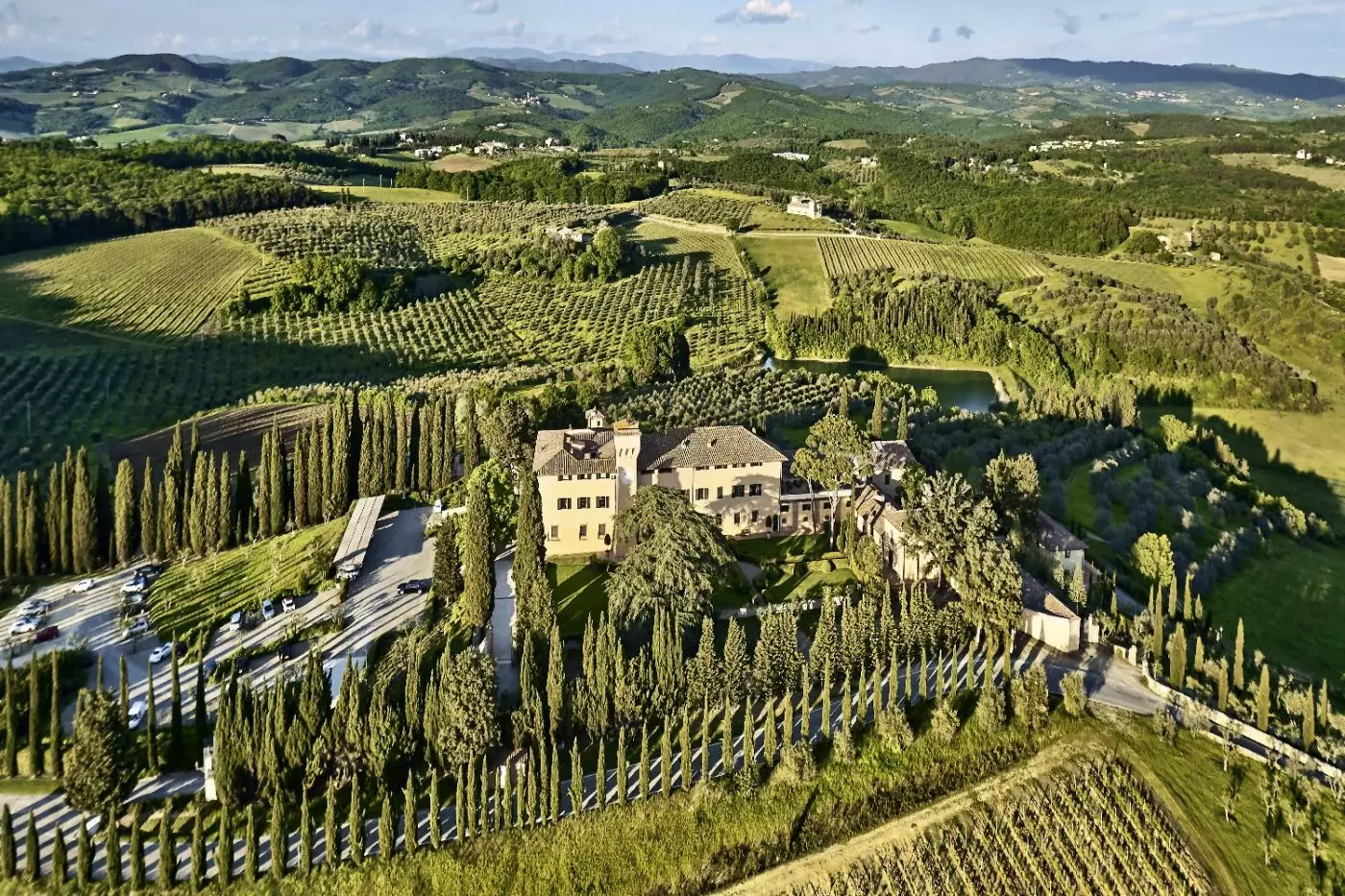
COMO Castello Del Nero is a twelfth-century castle hotel in Tuscany, set on a 740-acre Chianti estate between Florence and Si...
Prices From 993 USD
More amenities
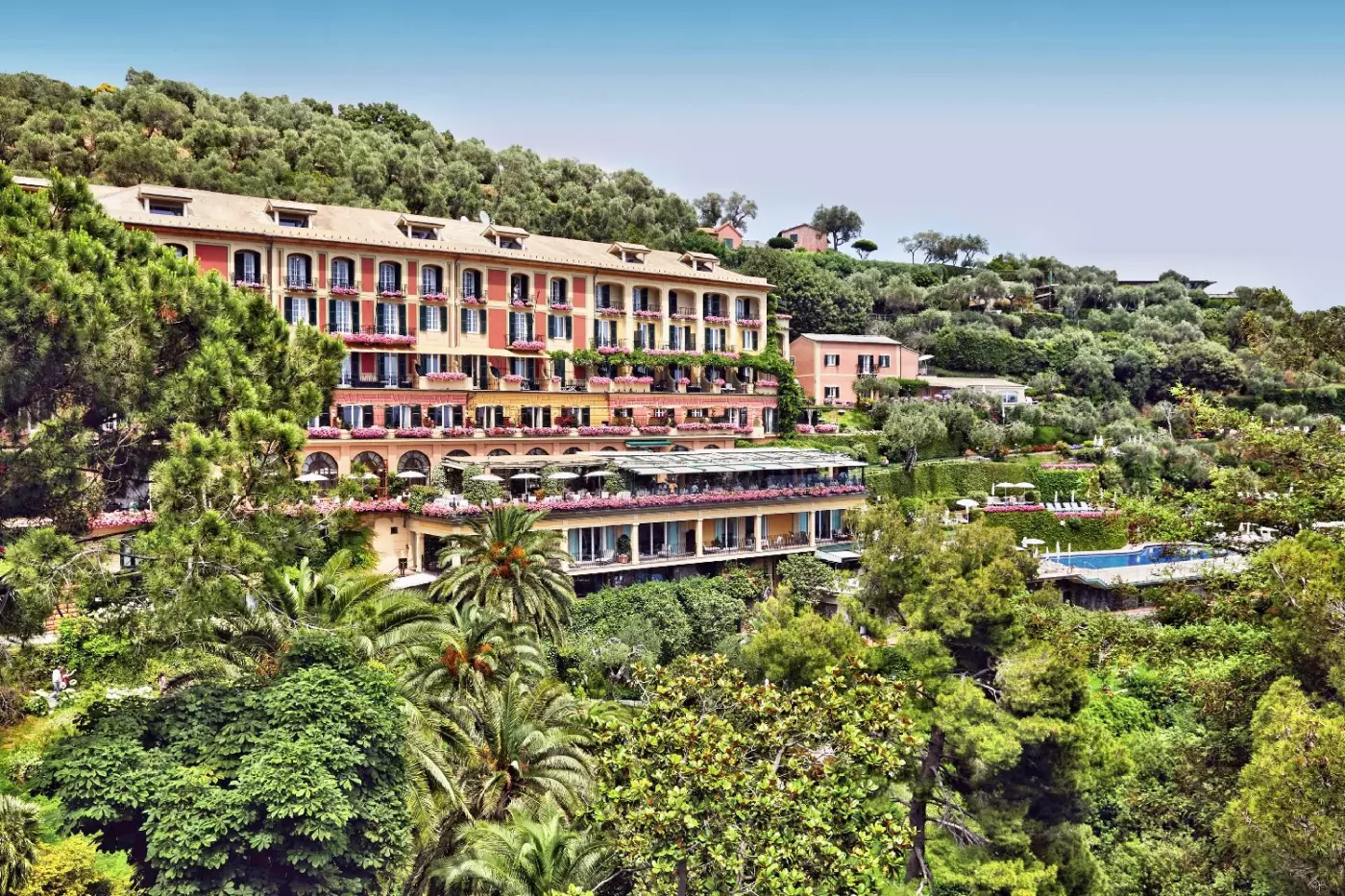
Splendido, A Belmond Hotel, Portofino overlooks the bay from a hillside on the Italian Riviera. The former monastery sits amo...
Reserved for You
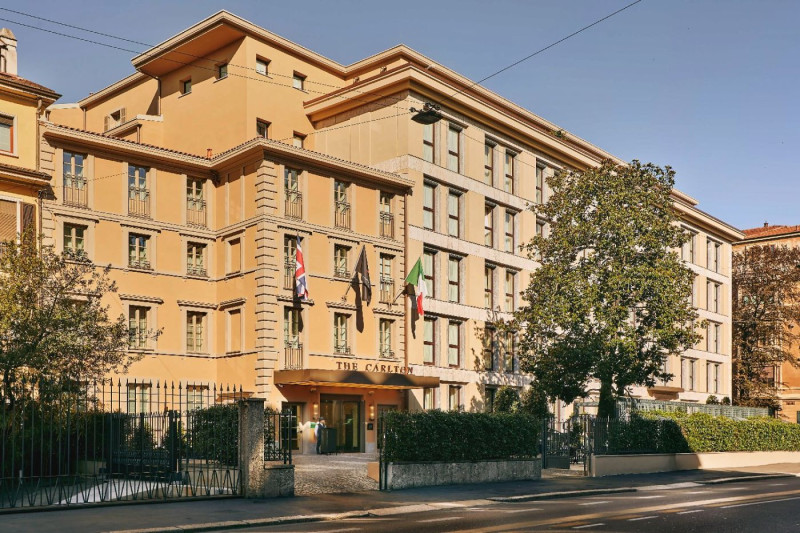
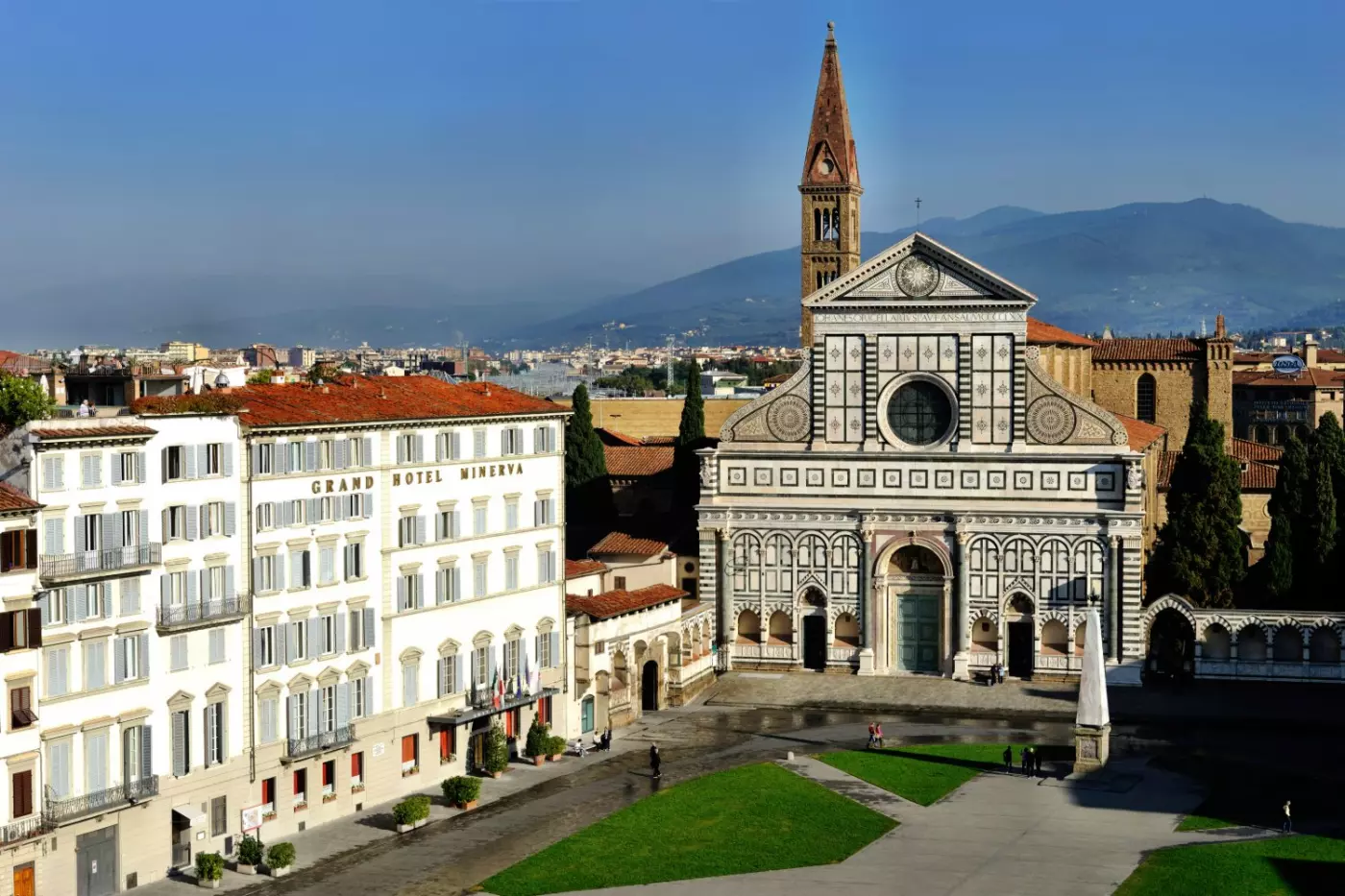
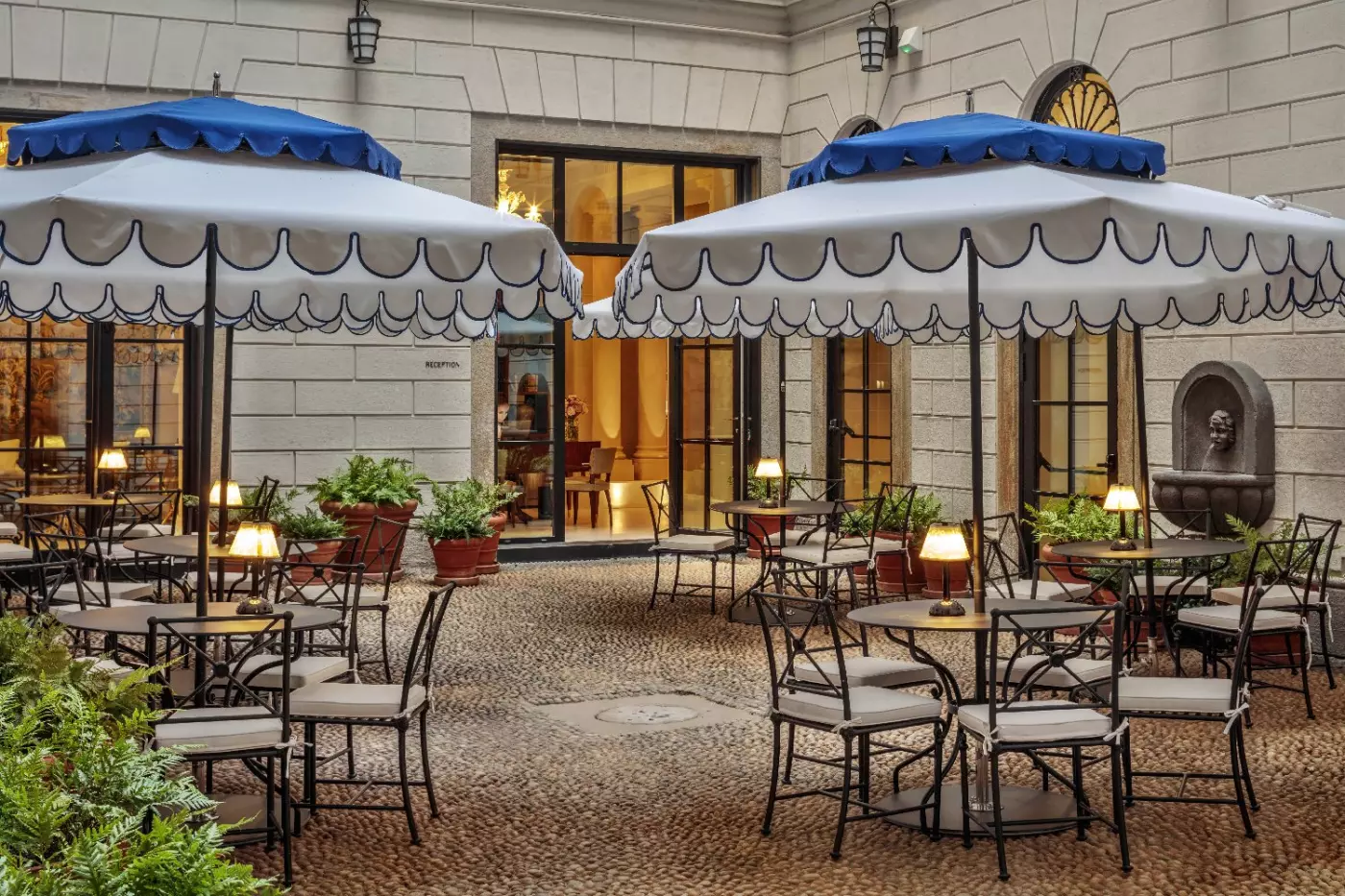
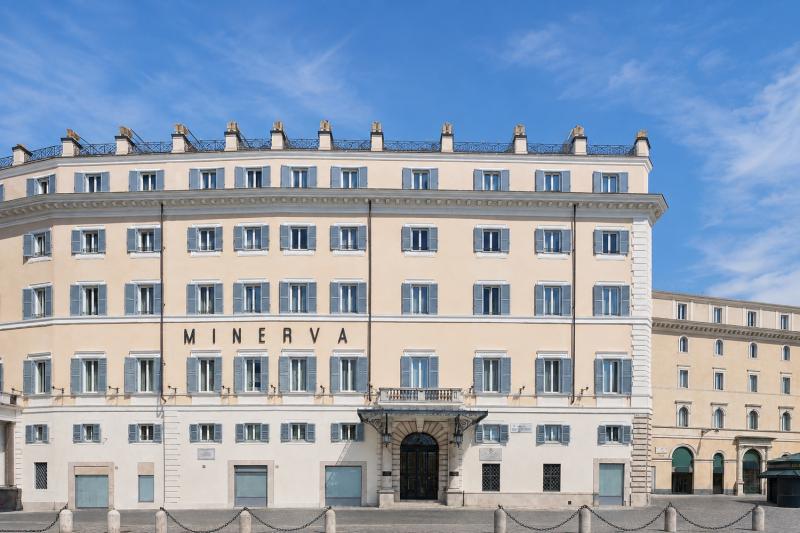
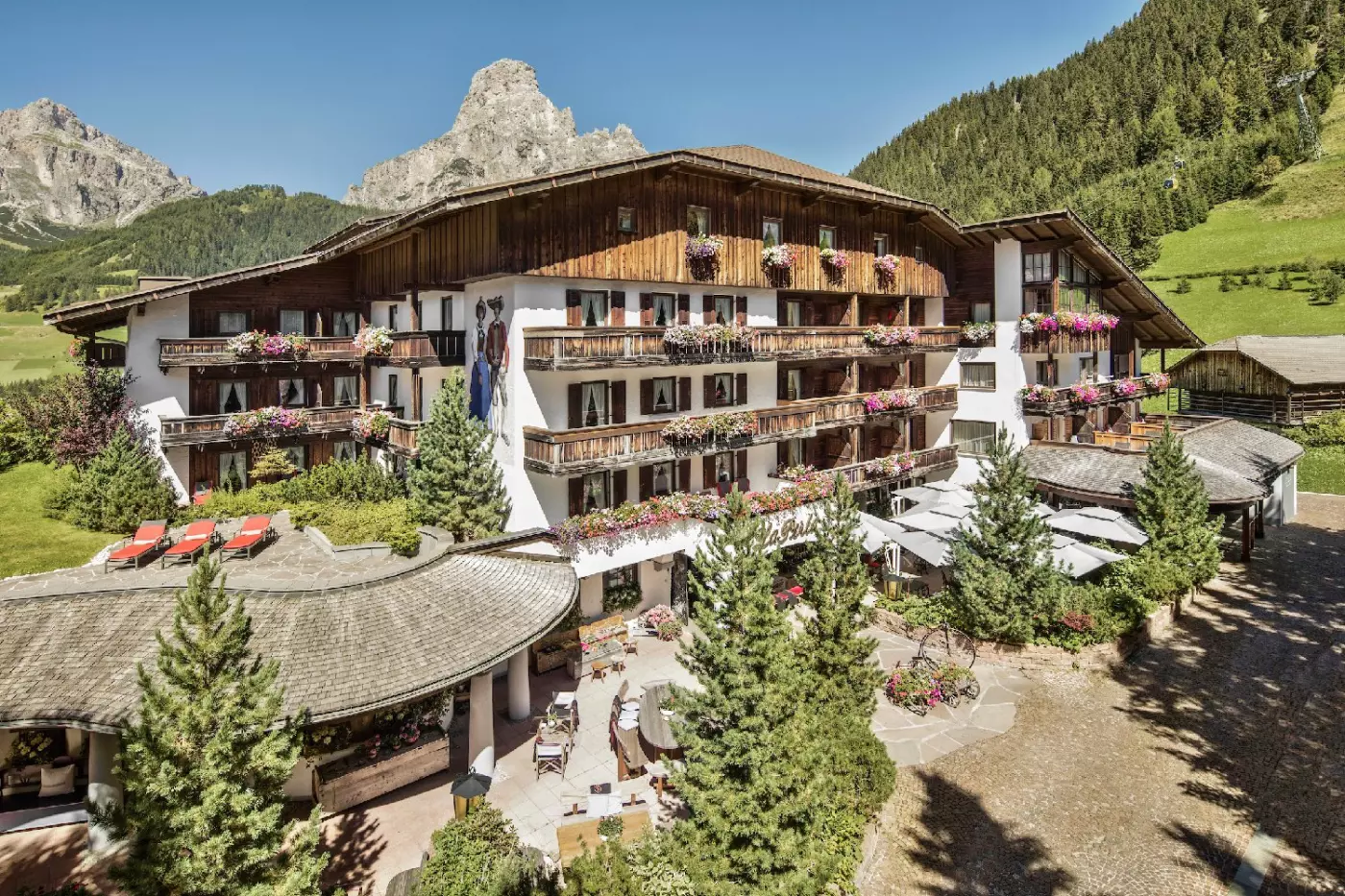
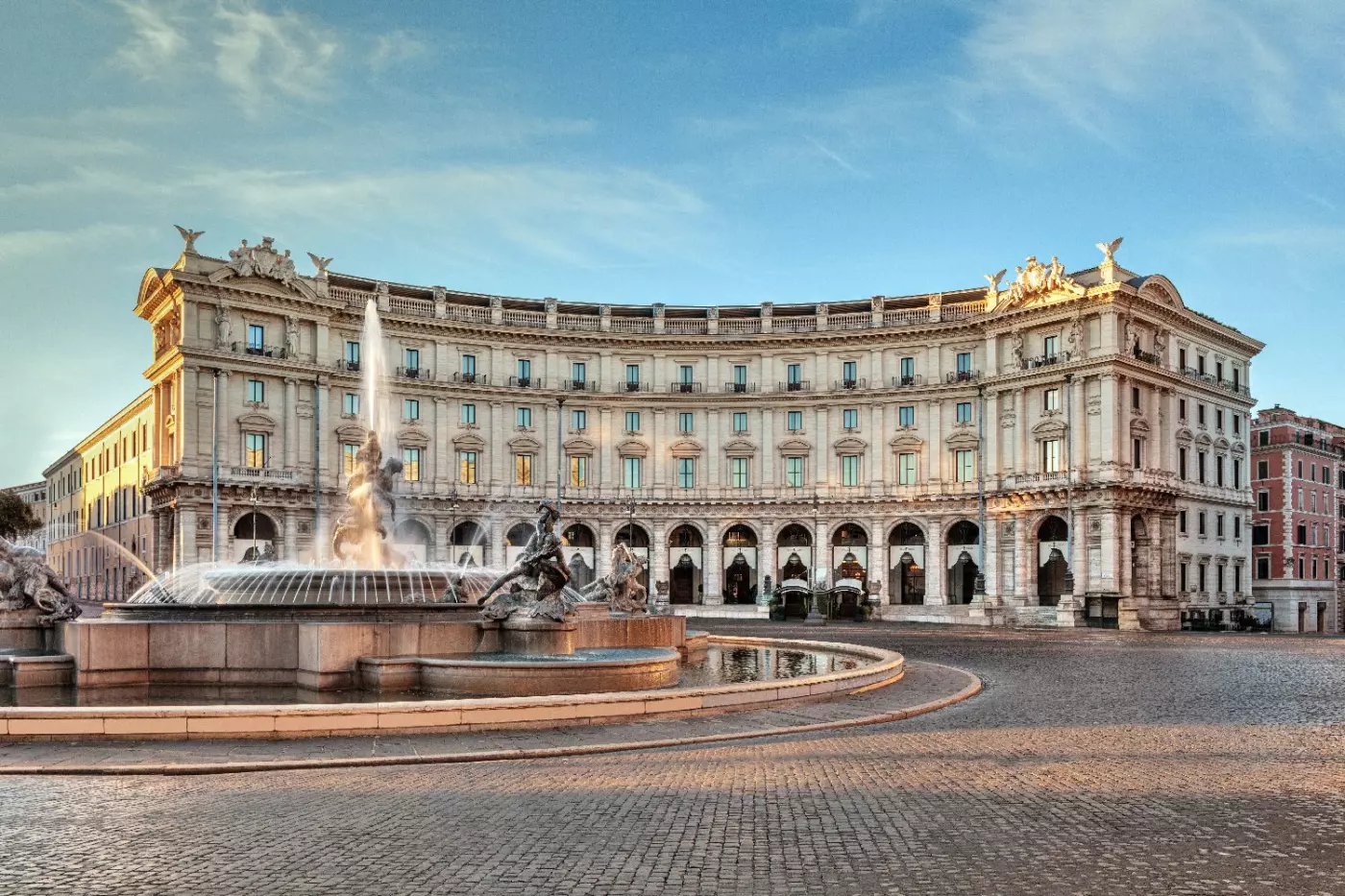
Rome, Florence and Venice reward different kinds of exploration: Rome’s layered history, Florence’s art and historic streets, and Venice’s canals and lagoon setting. The Roman Forum puts temples, political monuments and judicial basilicas into one archaeological landscape. In Florence, Botticelli’s Birth of Venus and Primavera at the Uffizi give Renaissance painting a clear focus. Venice’s Doge’s Palace tells a different story through the Great Council, Senate and other state chambers, where decoration celebrates the republic that governed from them. Frecciarossa routes connect the cities, making this a useful sequence when culture is the reason for traveling. Choose the rail service around the city order rather than adding a return to the first base.
Within that journey, a historic address can deepen the connection to a place. Aman Venice puts Rococo interiors within the Venetian stay.
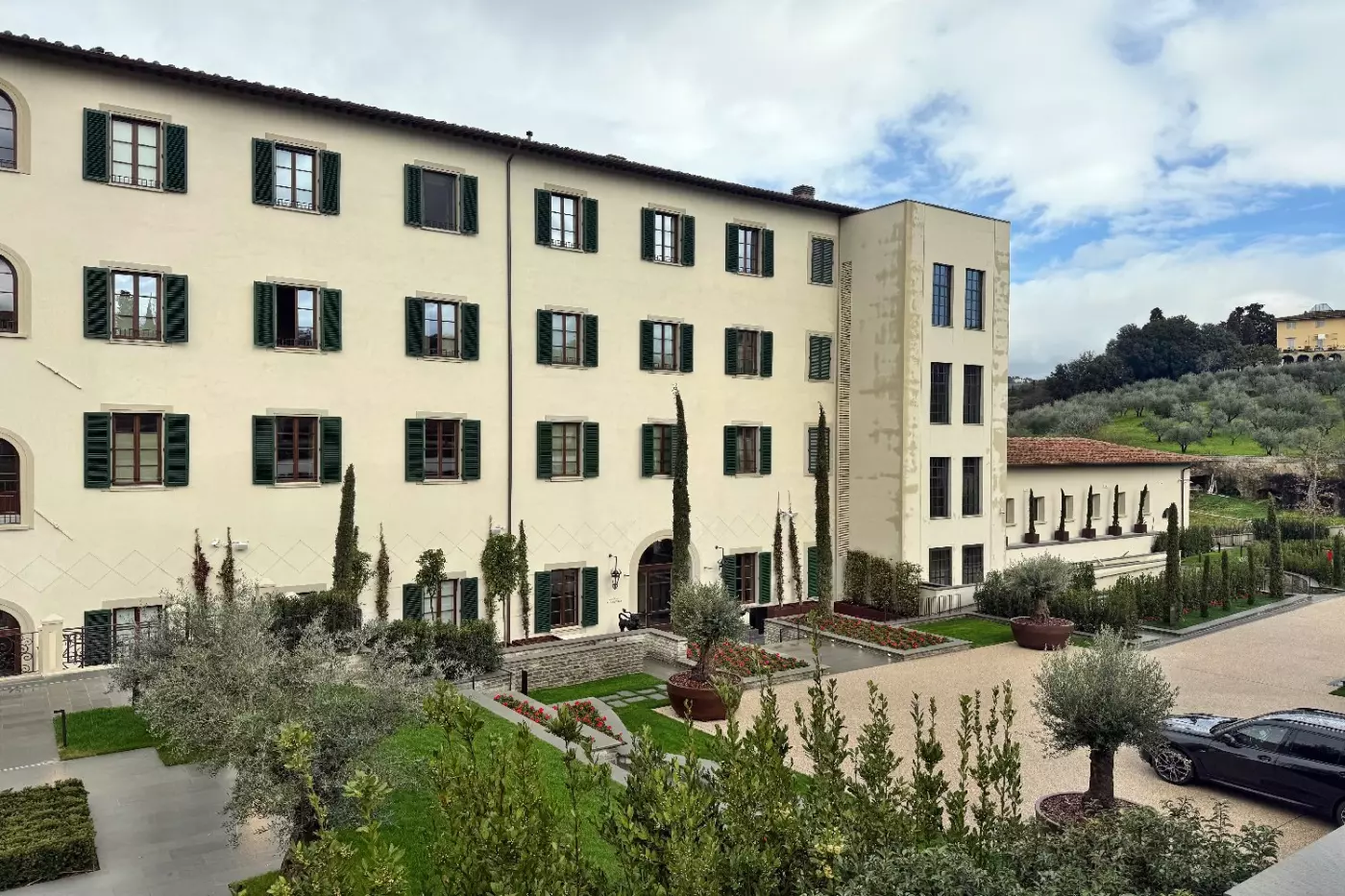
Florence works as the city base; Chianti adds vineyard landscapes, olive groves and medieval villages. The countryside around Barberino Tavarnelle and San Casciano gives the rural stage a different rhythm from Florence’s streets. Choose an estate base for those countryside days rather than moving in and out of the city for every outing.
COMO Castello Del Nero is one example of Chianti’s historic estate setting.
Milan suits a visit shaped by design and shopping. Lake Como adds lakeside towns, gardens and time on the water. Choose a particular shore base for that second stage: Bellagio occupies a central promontory, Cernobbio has a villa setting, and Varenna’s waterfront promenade leads into the village.
Compare the outings you want from each town before settling the hotel address. A stay centered on gardens and village walks has a different daily plan from one built around boat excursions.
Amalfi and Positano put you in coastal towns, while Ravello sits above the coast. An elevated base favors the outlook and village setting; a coastal address keeps sea-level activities closer to the day’s plans. Select that setting before comparing hotels.
Capri is a separate island choice. Give it a dedicated stage if island time is central to the holiday, or keep the mainland coast as the base for exploring its towns. Arrange any sea connection around the actual route and sailing for your dates.
The Valle d’Itria brings olive groves, vineyards and white trulli into the landscape around Alberobello, Locorotondo and Cisternino. It suits a stay with village visits and time in the countryside, where the surroundings give a rural luxury retreat its purpose.
Decide how much of the trip belongs to those inland outings and how much to the coast. A rural base gives village exploration priority; a coastal stay puts days beside the water first.
Taormina sits above the Ionian Sea, combining a historic town with a coastal outlook. Choose it when exploring the town belongs alongside time by the water. Sardinia offers a different focus, with sandy beaches and granite coastal landscapes that can make the shore itself the center of the holiday.
San Cassiano in Alta Badia is a starting point for excursions in the Dolomites. The Armentara meadows add a pastoral side to the mountain stage: farmer-shaped pastures, orchids, larch meadows and stone pine forest contrast with the surrounding rock scenery. The La Crusc sanctuary adds a cultural landmark to an outing around Armentara.
After selecting the regions and bases, compare Italy hotel offers for the conditions and value of the stays that fit your route.
Choose the season around the part of Italy and the activity that matter most. Spring is a good starting point for lake gardens and countryside days; autumn suits vineyard visits and regional food. Summer is the natural choice for a holiday centered on beaches or mountain walking.
A ski holiday has a different calendar from an Alpine walking trip. For a mixed itinerary, match the coastal or mountain portion first, then fit the city stays around it. Seasonal resort opening dates and outdoor facilities still need to match your travel dates; one suitable season for a city does not establish the operating calendar of every hotel elsewhere.
A car is most useful when the itinerary includes rural estates and visits spread across the countryside. For the city portion, weigh that flexibility against parking and restricted driving areas. Many Italian cities have ZTL zones, where access depends on local permits, days and hours; the rules vary by city.
Renting a car for the countryside portion can be more practical than keeping it throughout the trip. Decide where you will collect and return it around the hotel sequence, and establish any relevant driving permission before taking it into a historic center.
Michelin Keys recognize the overall hotel experience, including architecture and design, service, comfort, distinctive character and the relationship between quality and price. Michelin stars assess a restaurant’s cooking. These distinctions help with different decisions: a hotel stay and a particular meal.
Use the hotel recognition as one part of your shortlist, then compare the setting and accommodation that fit your trip. If fine dining is important, look at the restaurant separately instead of treating a hotel’s Keys as a restaurant award.
Start with the visits that are central to the journey, then settle the hotel dates around them. For an itinerary including Florence’s Uffizi and the Vatican Museums in Rome, use each museum’s own booking pages and choose the experience you want before finalizing the city sequence.
The Uffizi’s official ticket platform is tickets.uffizi.it; the Vatican Museums use tickets.museivaticani.va. Vatican garden visits and museum visits are distinct choices. Booking the important cultural experiences early in your planning leaves the rest of the itinerary free for less structured time at the hotels.
Look for the exact property in Italy’s official EU Ecolabel services register, maintained through ISPRA, or in the European catalogue. The Italian search lets you narrow the result by company, region and province, which helps identify the property behind a hotel’s name.
Use the current listing for that individual hotel when comparing environmental credentials. A general commitment to sustainability and a verified certification are different forms of evidence, and one property’s listing does not certify every hotel in its brand.