



Grand Hotel Excelsior Vittoria Sorrento
Prices From 1’539 USD
+2
More amenities
- Wellness
- Culture
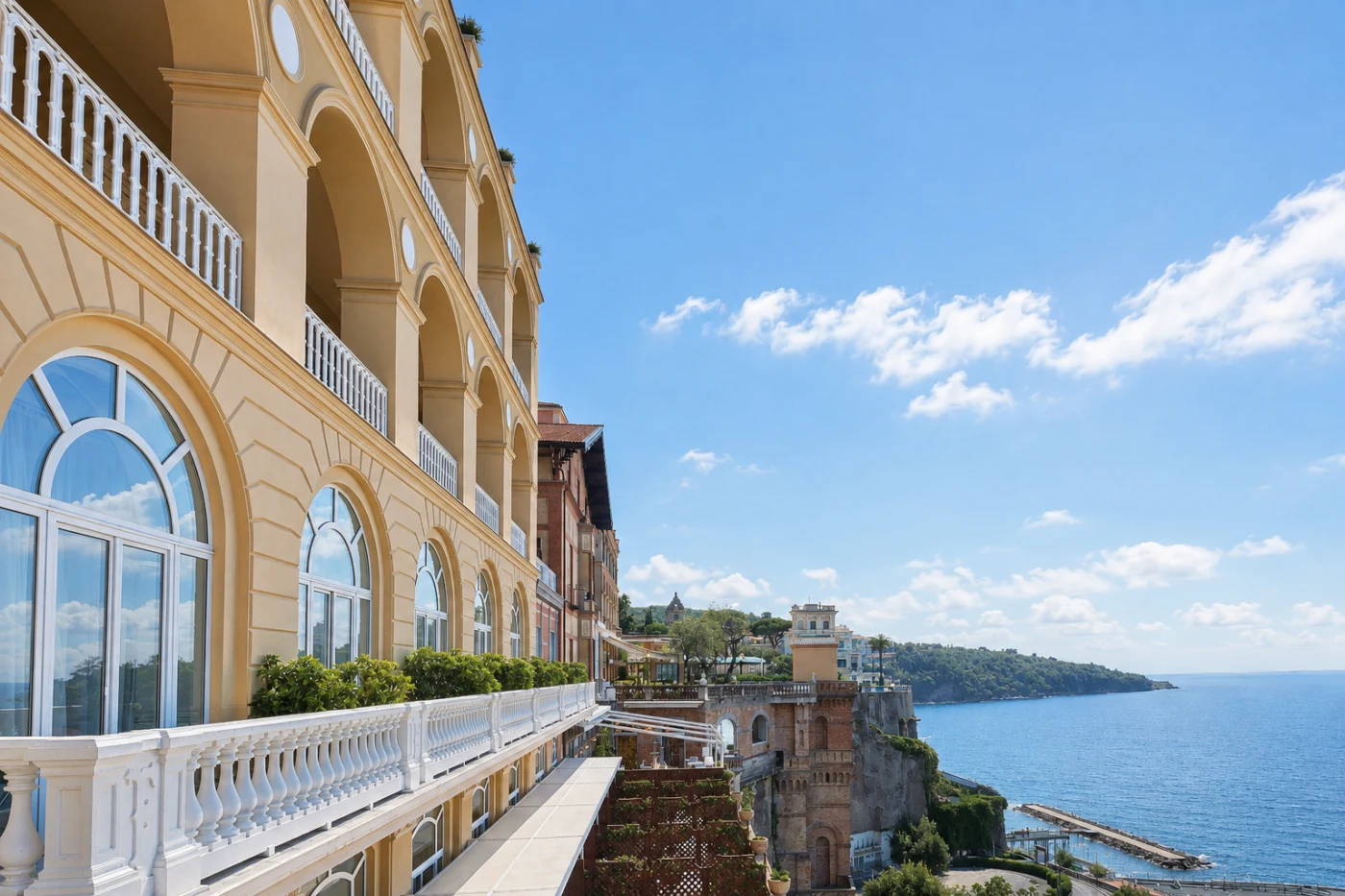
Grand Hotel Excelsior Vittoria stands in the center of Sorrento on Piazza Tasso, high above the Bay of Naples with views towa...
Please choose a hotel or destination from the list.
We couldn’t open your search results. Please try again.
Your private search
Finding exceptional stays
Stay in Sorrento for the town as well as its coastal outlook. Luxury hotels around Piazza Tasso, Via Correale and Piazza della Vittoria put different parts of the centre into the visit. The appeal is the combination of an established town, cultural interests and time above the sea, with a maritime quarter below. Give those local experiences a place before filling the stay with departures elsewhere.
Prices From 1’539 USD
More amenities
Grand Hotel Excelsior Vittoria stands in the center of Sorrento on Piazza Tasso, high above the Bay of Naples with views towa...
Prices From 456 USD
More amenities
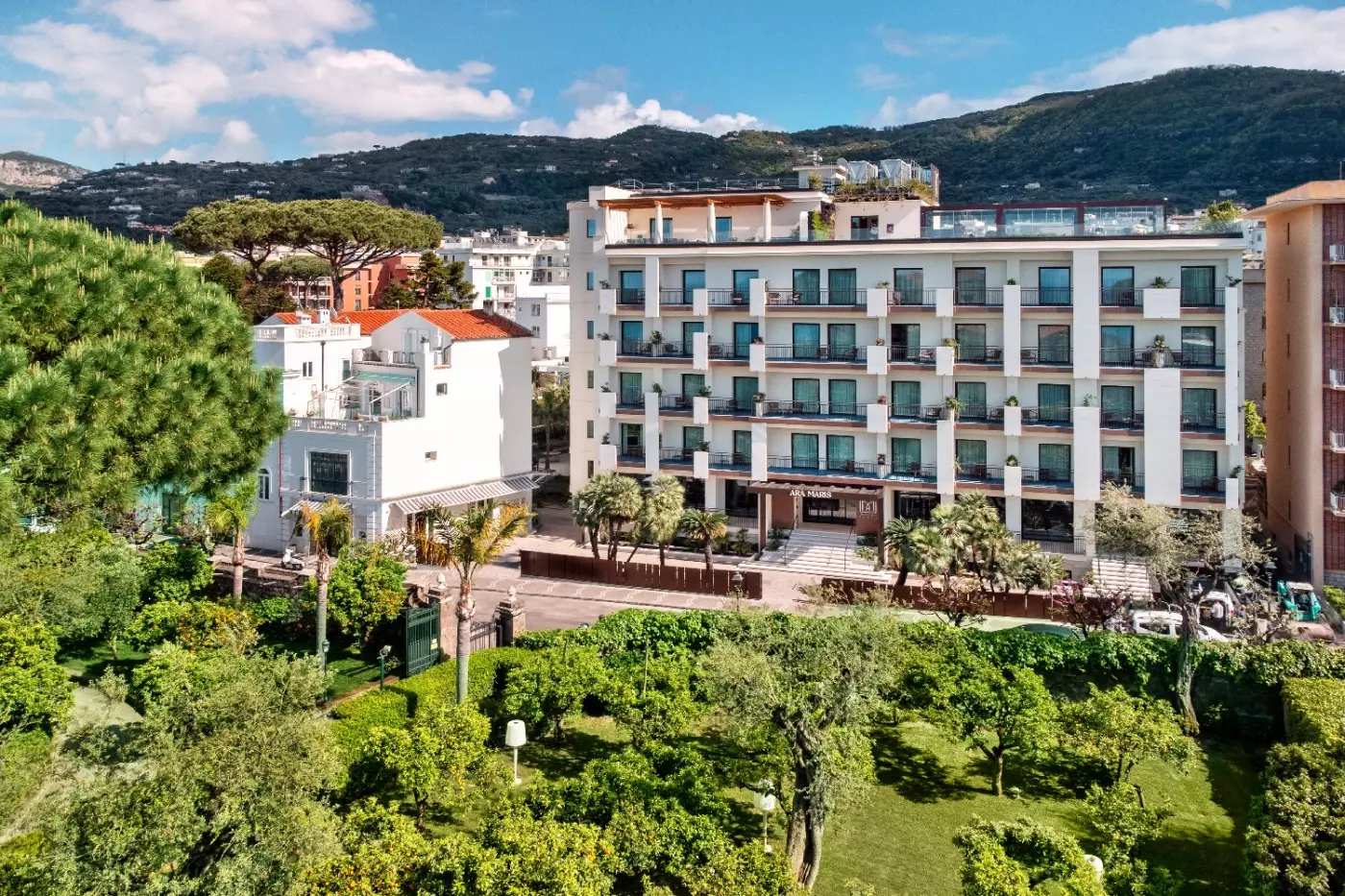
A Mediterranean garden and a Gulf of Naples rooftop give Ara Maris Sorrento two different places to pause between walks throu...
Prices From 673 USD
More amenities
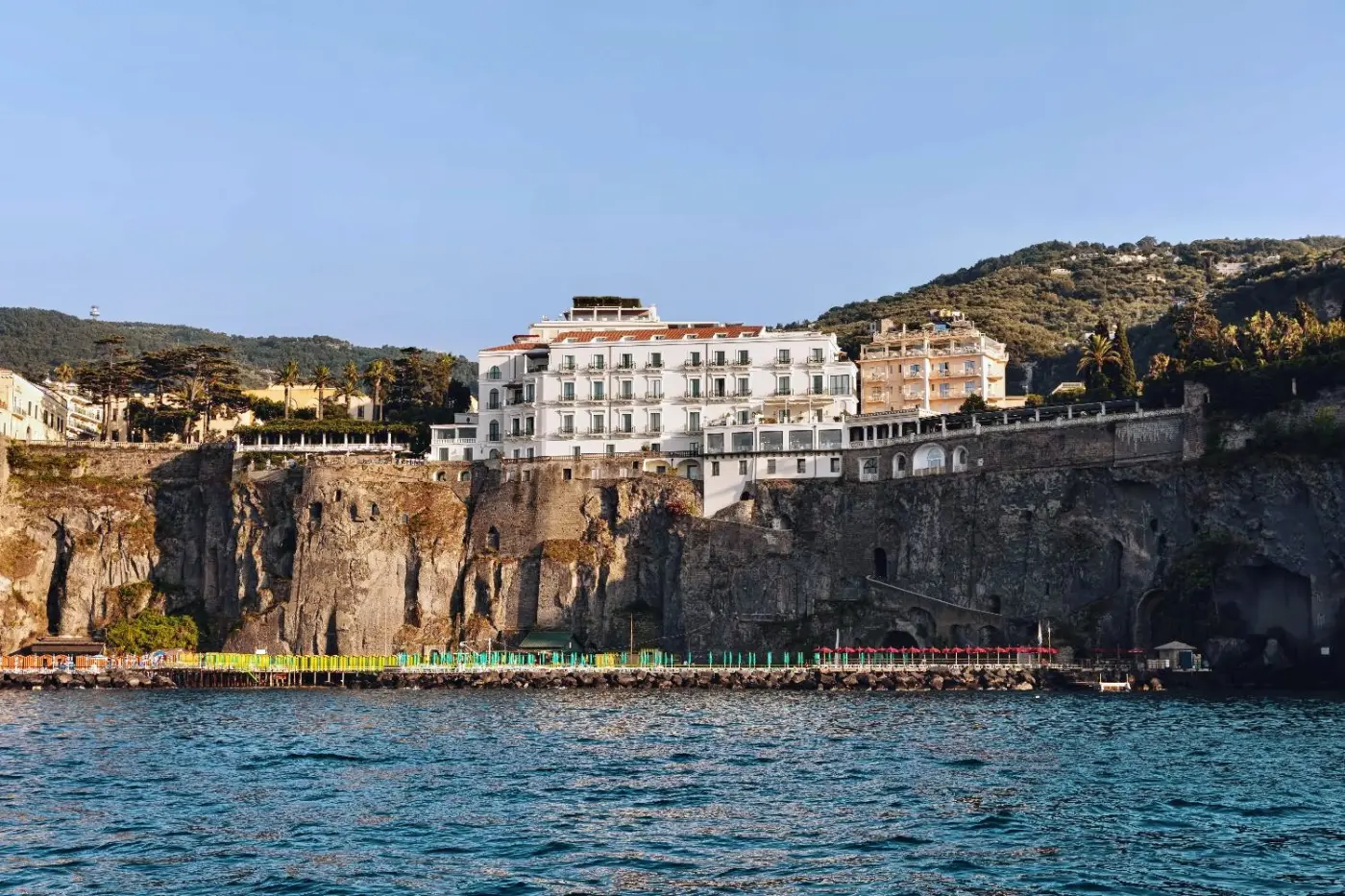
Bellevue Syrene 1820 is a five-star hotel in Sorrento overlooking the Gulf of Naples. It has views toward Mount Vesuvius and...
Grand Hotel Excelsior Vittoria has its address on Piazza Tasso, Ara Maris on Via Correale and Bellevue Syrene on Piazza della Vittoria. These are Sorrento town bases rather than three equivalent stretches of a beach resort. The town’s elevated coastal edge also means that a sea outlook and a water-level setting are different things.
Choose the address around the time you want outside the hotel. Piazza Tasso gives a clear central reference for town plans; Via Correale and Piazza della Vittoria bring their own immediate surroundings into the decision. Match the actual entrance and the route you intend to use to your party, rather than translating a central label into a promise of an effortless walk everywhere.
Marina Grande introduces the older maritime side of Sorrento below the upper town. Make that change of setting deliberate: go for the waterfront atmosphere and the character of the village, then leave time to enjoy it. It need not be merely a quick photograph squeezed between a hotel breakfast and a departure for another destination.
Via San Cesareo adds a civic-history stop within the old town at Sedil Dominova. The former meeting place of the nobility has a yellow-and-green tiled dome, a distinct landmark among the central lanes. Choose this street when the interest is Sorrento’s historic town fabric, rather than descending to the maritime quarter. The building’s former political role gives the stop a different subject from a church cloister or a craft collection.
The Santa Maria della Pieta alley offers another concentrated architectural choice. Palazzo Veniero brings late Byzantine style, while the medieval Palazzo Correale has Catalan influences. Choose these lanes for the older palaces woven into the town, contrasting with the grand hotels above the sea. This Palazzo Correale is a historic building in the alley, distinct from the Correale Museum and its decorative-art collections.
The Positano destination guide explains that village’s distinct settings when a coastal combination adds another base to the stay.
The Museobottega della Tarsialignea, known as MUTA, explores local inlay through historic work, materials, techniques and contemporary design. Its setting in Palazzo Pomarici Santomasi gives the subject a dedicated place in the old town. Choose it to understand the craft behind an object, checking separately if a guided visit or workshop is part of your plans.
The Correale Museum brings together European porcelain, including work from Capodimonte, Meissen and Sèvres, alongside paintings and other collections. Choose a particular material or artistic subject to give the visit focus. Consult the current presentation before arriving; a museum’s collection is broader than the works that may be on display on a particular day.
Notice how crossed arches on two sides contrast with round arches on octagonal supports elsewhere. Reused architectural elements add another layer to the building’s history. Choose the stop for that close observation rather than simply a quiet backdrop, and respect the current arrangements for the church, cloister and any activities taking place.
The surviving ravine preserves the remains of old mills below the modern town. It reveals a different relationship between Sorrento’s terrain and its working history from the coastal panorama. Treat it as a landscape to observe from permitted public positions; seeing ruins below street level does not establish a visitor path into them.
At Porta Parsano Nuova, a surviving section of Greek defensive wall lies below the modern street and can be viewed through a grille. It provides a focused archaeological detail within the town, rather than a complete fortified circuit. Look for that specific surviving fabric and check local arrangements before expecting access beyond the visible remains.