



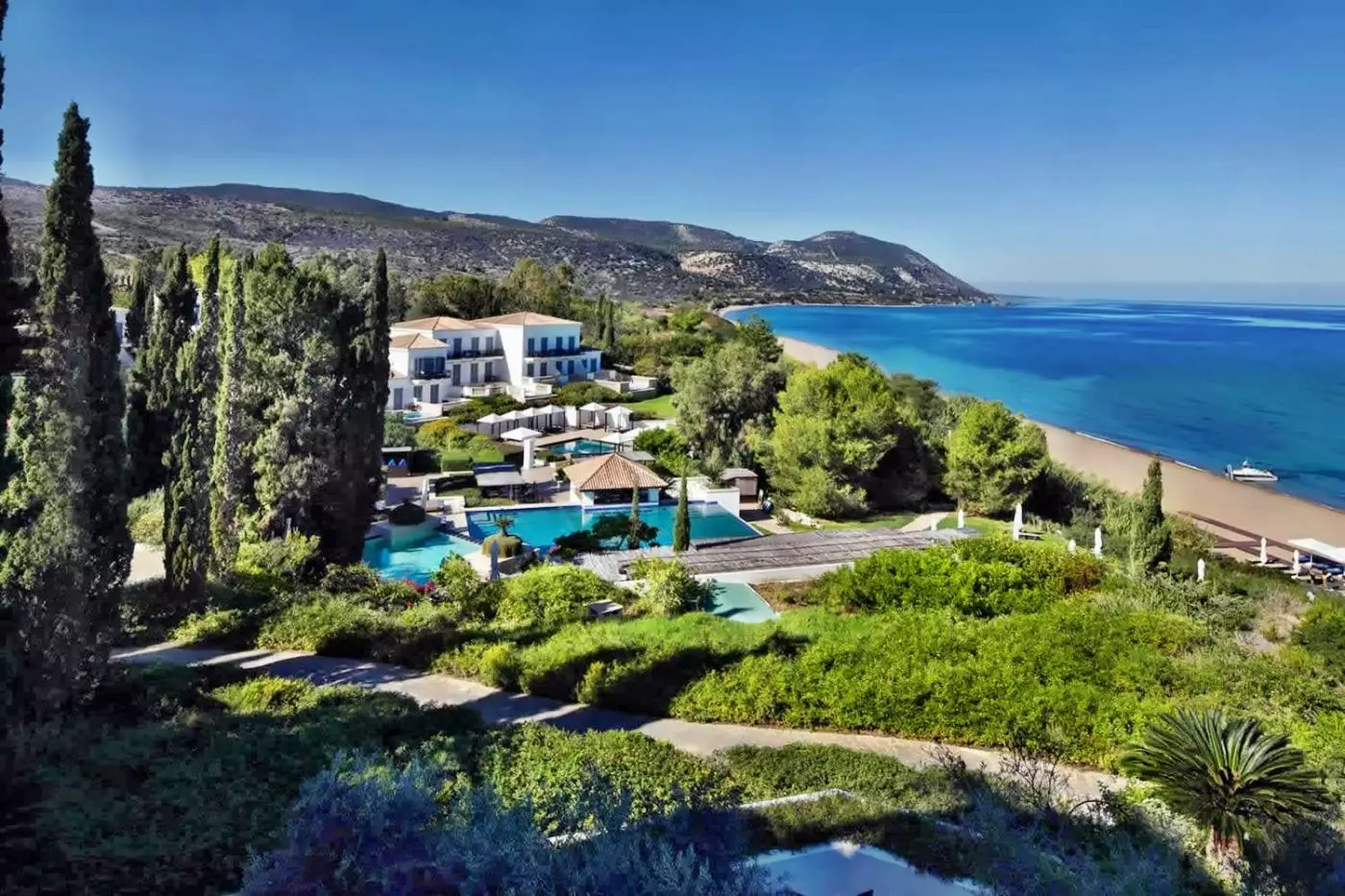
Anassa Hotel Cyprus
Prices From 693 USD
+3
More amenities
- Sauna
- Wellness
- Beach
Anassa Hotel Cyprus overlooks Chrysochou Bay from Neo Chorio, near Latchi and the Akamas Peninsula on Cyprus's northwest coas...
Please choose a hotel or destination from the list.
We couldn’t open your search results. Please try again.
Your private search
Finding exceptional stays
A Cyprus luxury stay can combine coastal time with ancient settlements, mountain villages and a distinct craft tradition. Choose the part of the island that should shape the daily return before comparing hotels. The current collection ranges from the Latchi and Akamas setting in the northwest to the coastal hotel district around Limassol, with inland outings arranged as separate parts of the visit.
Prices From 693 USD
More amenities
Anassa Hotel Cyprus overlooks Chrysochou Bay from Neo Chorio, near Latchi and the Akamas Peninsula on Cyprus's northwest coas...
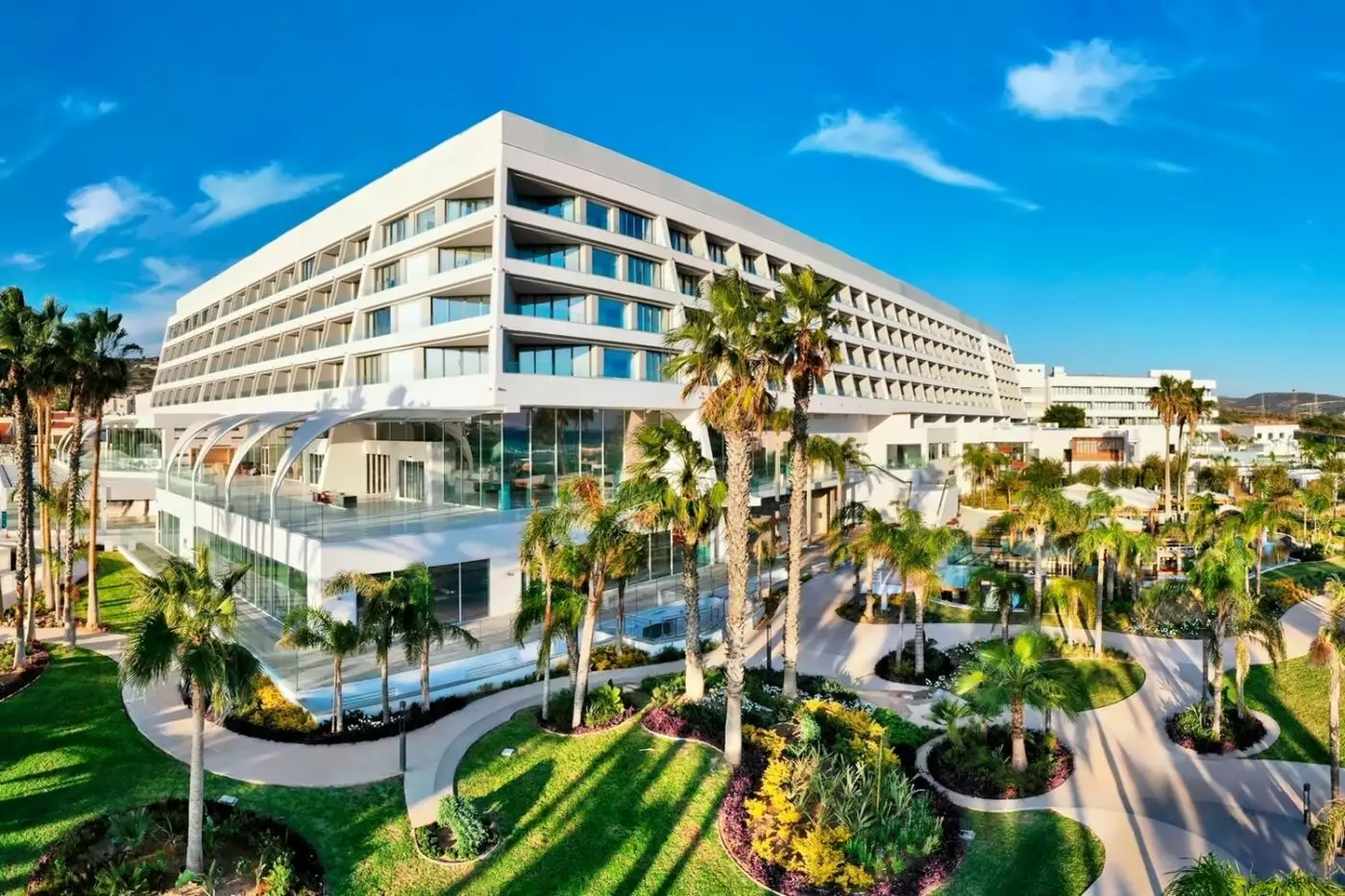
Prices From 302 USD
More amenities
Parklane Limassol occupies a generous stretch of coast east of the city, with enough space for a beach holiday to take severa...
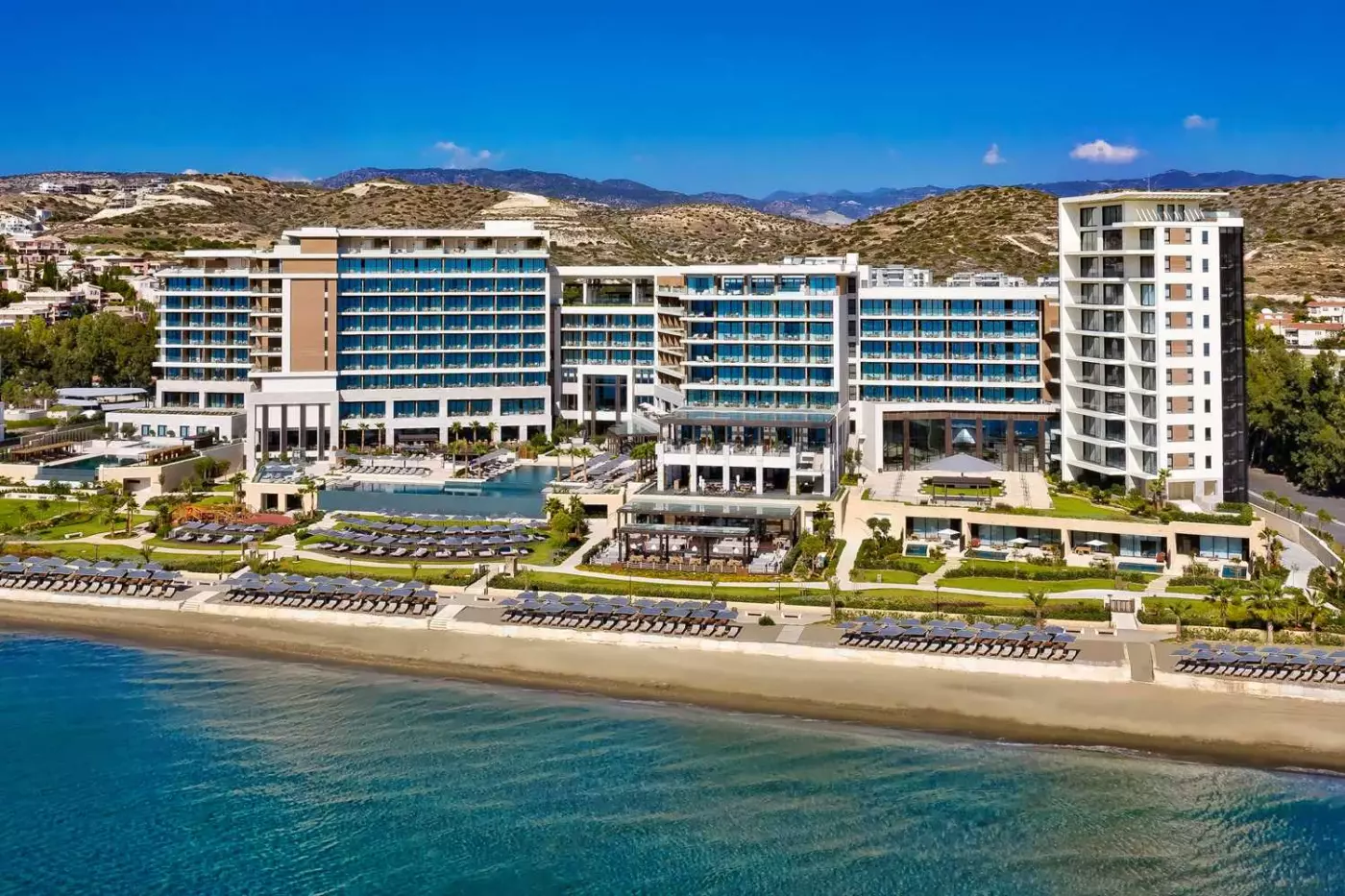
Prices From 433 USD
More amenities
Amara Hotel Limassol is a contemporary beachfront hotel on the eastern side of Limassol, near the ancient site of Amathus and...
Anassa is near Latchi, on Chrysochou Bay close to the Akamas Peninsula. This northwestern base gives the stay a different geographic focus from Limassol's coastal hotel choices. Choose it when time around that part of the island belongs at the center of the holiday, rather than expecting the same daily routes from every Cyprus hotel.
Amara is on Amathus Avenue in Agios Tychonas, while Parklane's address is in the Pyrgos area of Limassol. These are coastal resort settings, distinct from an entrance in the city's historic center. Decide how often you want to make city visits and how much of the stay will remain at the hotel. The location should support that balance before an individual room becomes the deciding factor.
The Troodos mountains add an inland contrast to the coastal stay. Villages and vineyard landscapes make the change meaningful when you want to explore beyond the resort. Omodos belongs to the wine-producing villages of the southern Troodos slopes, giving an outing a specific place and subject rather than simply a direction away from the beach.
Kakopetria in the Solea Valley offers a different inland day from Omodos’s wine-country setting. The old quarter’s narrow stone-paved alleys and restored houses with wooden balconies give domestic architecture the focus, with pine forests along the Karkotis Valley around the village. Choose this part of Troodos for a village-and-forest landscape, rather than making every inland outing depend on a tasting or a major archaeological monument.
Lefkosia, also known as Nicosia, adds an urban chapter away from the coast. Its sixteenth-century Venetian walls frame the old city. Within them, Laiki Geitonia’s restored eighteenth-century buildings house shops, tavernas and craft centres in a pedestrian neighbourhood. Choose the capital for this compact pattern of urban heritage and everyday street life, contrasting with the mountain villages and the collection’s coastal resort bases.
The archaeological park preserves mosaic floors from richly decorated Roman villas. Choose time to look closely at the imagery and domestic setting rather than treating the mosaics only as a brief stop beside the coast. Check current visitor routes and displays before organizing the day, without assuming that every excavated area is open.
The theatre is part of a wider archaeological site associated with an ancient city-kingdom. Choose it with that broader urban history in mind rather than expecting one structure to explain the whole place. A visit to the site and attendance at a particular performance are separate arrangements; neither follows from a hotel booking.
Lefkara is known for lace embroidery and filigree silverwork. Decide whether you want to understand the making, browse finished pieces or arrange a practical session. Confirm the particular encounter you want rather than treating every shop visit as a demonstration or assuming that a workshop forms part of an ordinary sightseeing stop.
The settlement belongs to the Neolithic period, offering a different historical perspective from Cyprus's Roman monuments. Reconstructed circular dwellings help explain the built environment alongside the archaeological remains. Choose it for that early settlement story, and check the current route and interpretation rather than approaching it as another classical ruin.
No. The World Heritage property comprises ten churches across the mountain region. Their religious architecture and painted interiors deserve a selective plan rather than an assumption that one entrance covers them all. Identify the churches you want and establish individual visiting arrangements, respecting their religious setting and avoiding an overfilled circuit.