



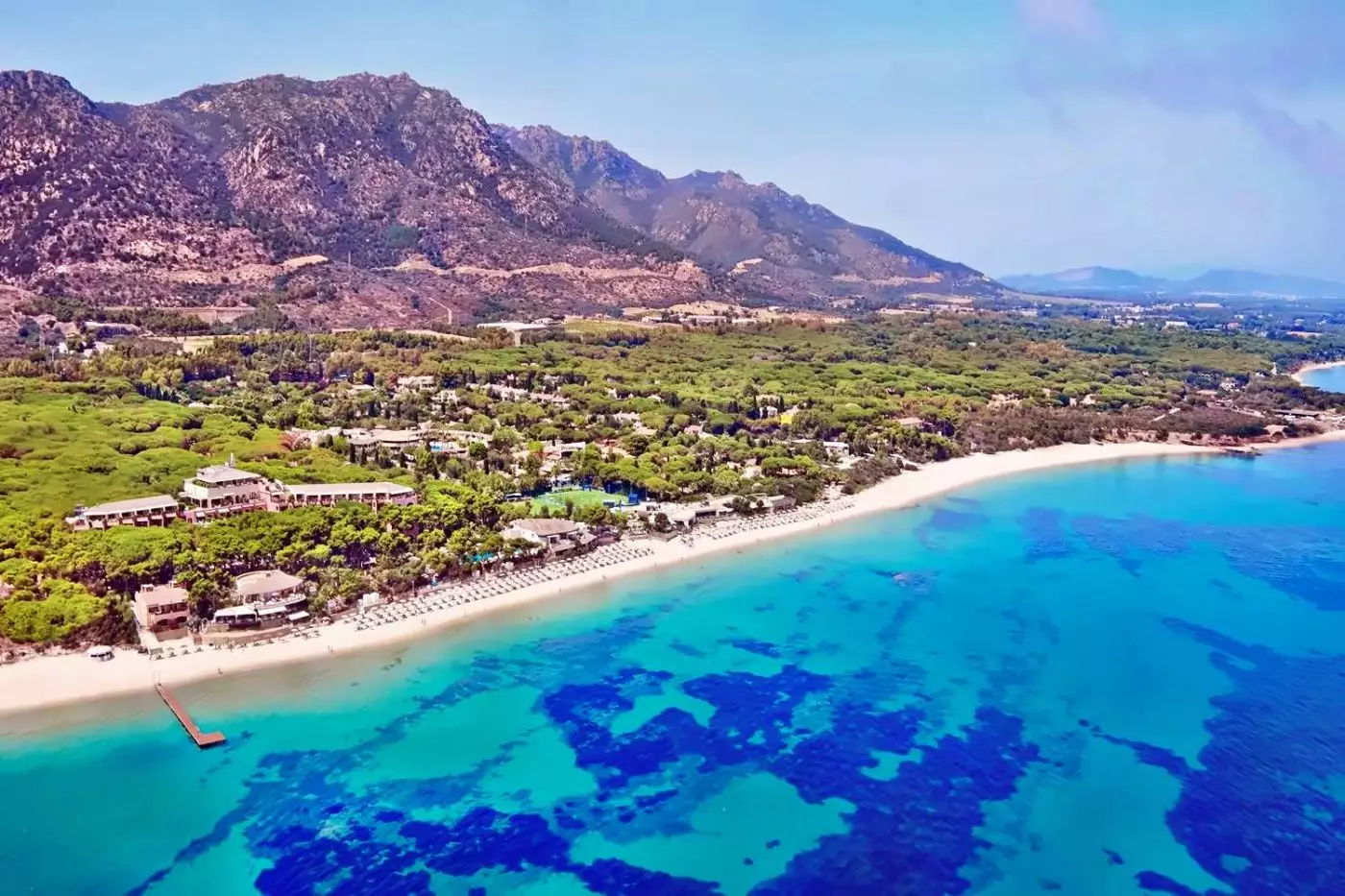
Hotel Il Castello
Prices From 959 USD
+4
More amenities
- Sauna
- Wellness
- Beach
- Romantic
Forte Village Hotel Il Castello stands close to the beach on Sardinia's southern coast, within the gardens of Forte Village R...
Please choose a hotel or destination from the list.
We couldn’t open your search results. Please try again.
Your private search
Finding exceptional stays
Choose Cagliari for a city stay with southern Sardinia within the wider plan, or give the coast its own resort stage. This collection spans distinct places: Palazzo Doglio in Cagliari, Il Castello at Forte Village in Santa Margherita di Pula, and Conrad Chia Laguna in Chia. They do not provide three interchangeable city addresses, so settle the setting before comparing the hotels.
Prices From 959 USD
More amenities
Forte Village Hotel Il Castello stands close to the beach on Sardinia's southern coast, within the gardens of Forte Village R...
Prices From 342 USD
More amenities
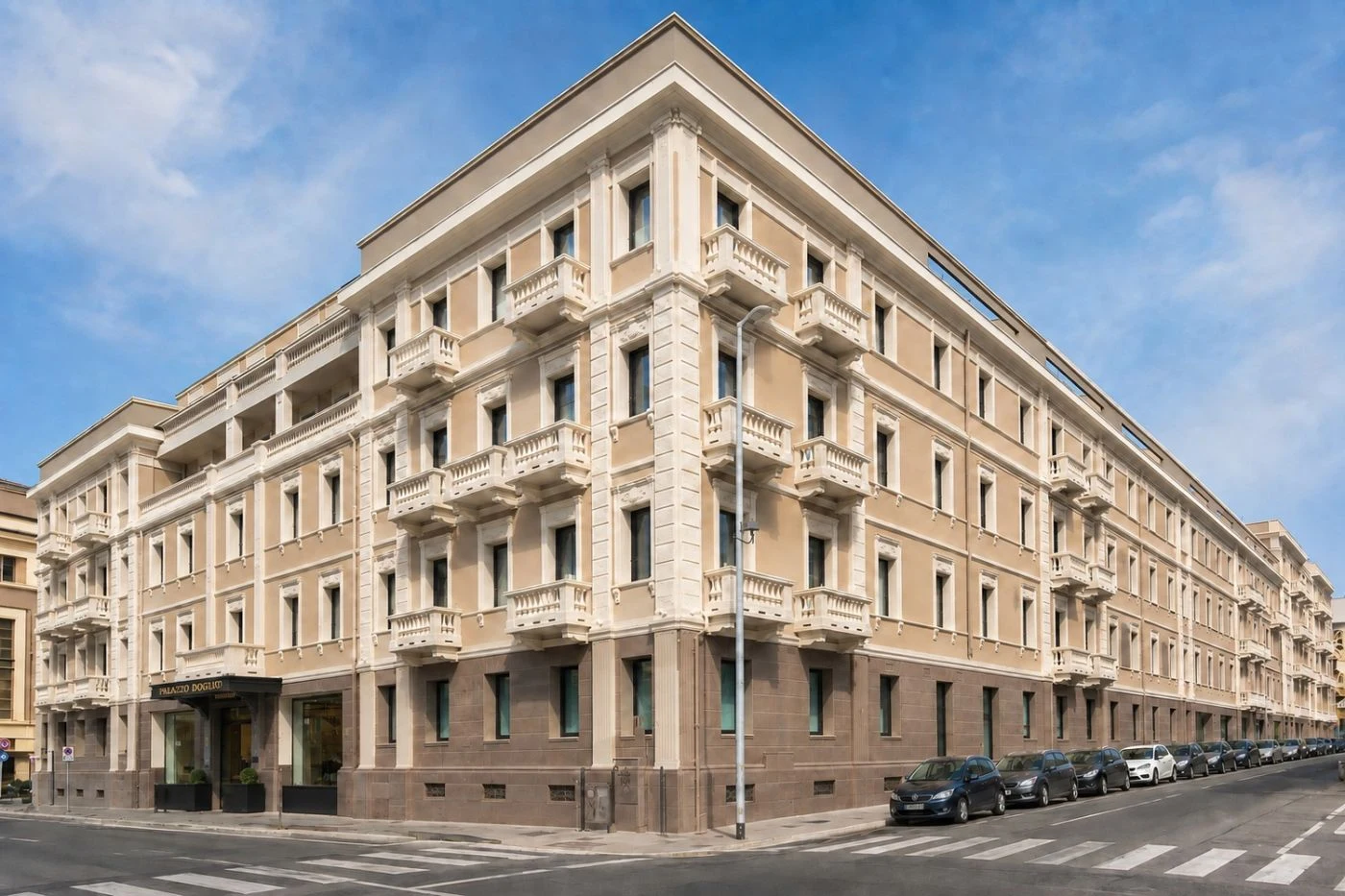
Palazzo Doglio is a 72-room hotel in central Cagliari, Sardinia, built around the social courtyard known as Corte Doglio. It...
Prices From 387 USD
More amenities
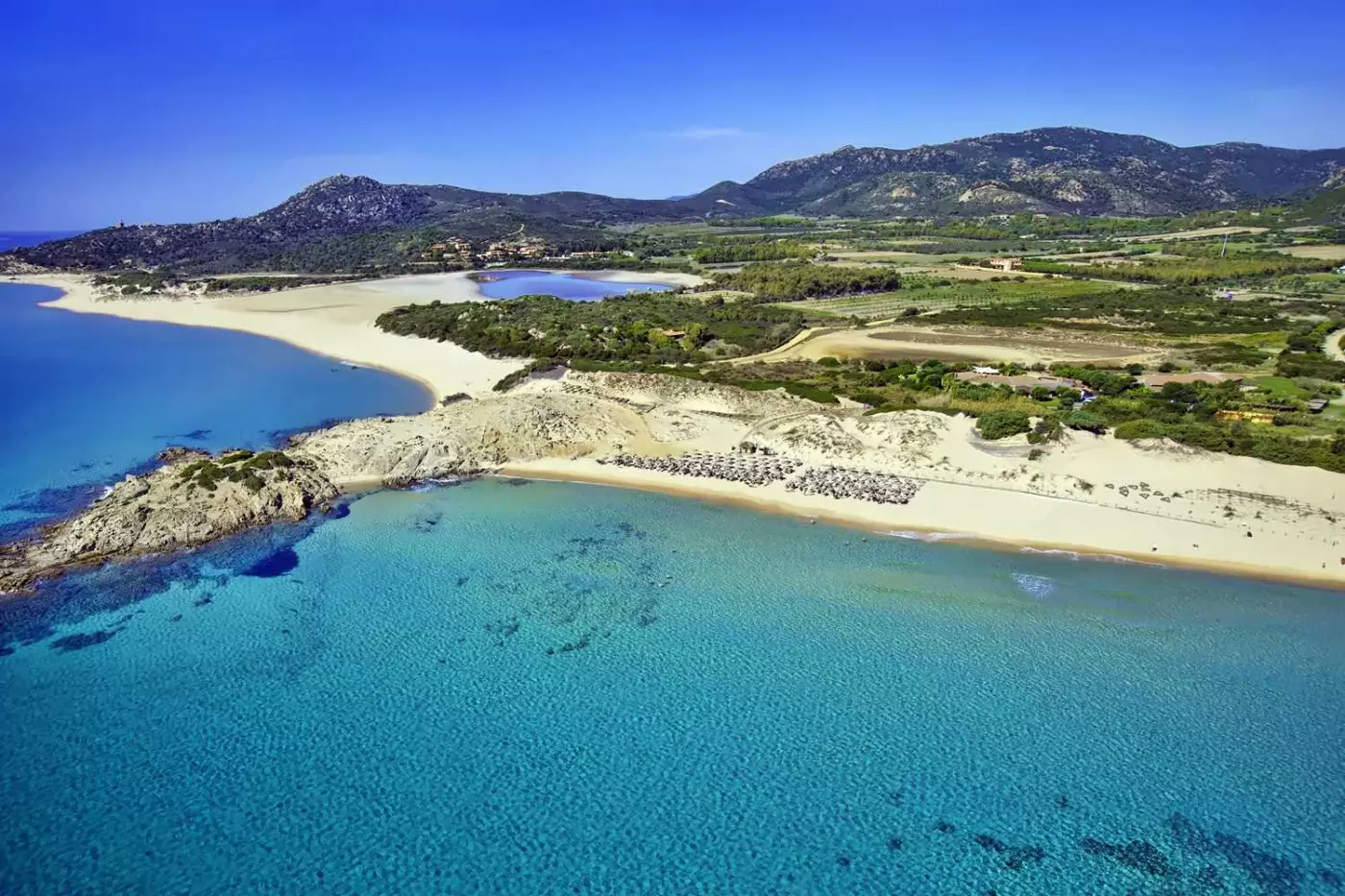
Conrad Chia Laguna Sardinia is a hill-set resort above Chia Bay on Sardinia's southern coast. It sits within the wider Chia L...
Reserved for You
The elevated Castello quarter and the Marina district provide different perspectives on Cagliari. Castello brings bastions, historic streets and the cathedral into the city day; below it, Marina leads toward the Via Roma porticos and the waterfront. Choose a visit around the district’s character rather than assuming every part of the old city belongs to one level walk.
Palazzo Doglio’s Vico Logudoro address offers the collection’s city base, with a courtyard setting that can give the return to the hotel a role in the day. Use that urban reservation when meals, cultural visits and time in Cagliari are the purpose. A coastal resort can be another stage, but it is a different decision from choosing a city address.
Il Castello belongs to Forte Village at Santa Margherita di Pula, while Conrad Chia Laguna is in Chia in the municipality of Domus de Maria. Choose either area because you want a southern coastal resort stay, not because the collection’s Cagliari label makes the hotel part of the city centre.
Cagliari's Roman amphitheatre occupies a natural hollow on the slopes of Buon Cammino. Its builders cut seating into the rock and used excavated material to form the arena level. Choose it for the engineering of a performance space within the terrain, rather than expecting the portable objects of the archaeological museum below. The surviving structure also records loss: parts of the monumental facade and seating have disappeared, changing how the arena reads today.
At Bonaria, the small Gothic-Catalan sanctuary stands beside a much larger neoclassical basilica. The older building has a pointed entrance and rose window, while the complex's wooden Madonna and Child belongs to the sanctuary's religious history. Choose this hill for that contrast in architectural scale and style, distinct from the port-side archaeological layers at Sant'Eulalia. The Italy guide covers the broader national journey.
Within the Cittadella dei Musei in Castello, the Archaeological Museum introduces Sardinian history through material including Nuragic bronzes and Phoenician jewellery. Choose it for a collection-based view of the island’s past. It is a different experience from exploring one archaeological site outdoors, and a useful subject for a focused city visit.
The Sant’Eulalia complex in the Marina district combines a church, treasure museum and archaeology below the church. Choose it for the layers of the port-side city rather than expecting only a gallery of objects. Confirm which parts of the complex you want to visit instead of assuming that a single name establishes every interior or guided activity.
Nora’s archaeological site is on the Capo di Pula promontory, outside Cagliari city. It offers a coastal setting for exploring an ancient settlement with Phoenician, Punic and Roman history. Retain Pula and the actual site in your plans, rather than confusing it with an archaeological museum visit in the capital.
Molentargius-Saline is a wetland and former saltworks landscape beside the urban area around Cagliari and Quartu Sant’Elena. Choose it for that environment rather than treating it as another beach. Select an appropriate visitor route and respect the wildlife; the setting does not establish a particular sighting or unrestricted access across the park.
The Bronze Age complex at Barumini introduces the island’s distinctive nuraghi architecture. It is a separate inland excursion, with a different subject from the city’s later historical layers or the coast. Choose it when that prehistoric heritage interests you and arrange the actual visit, rather than assuming it is part of a Cagliari hotel reservation.