



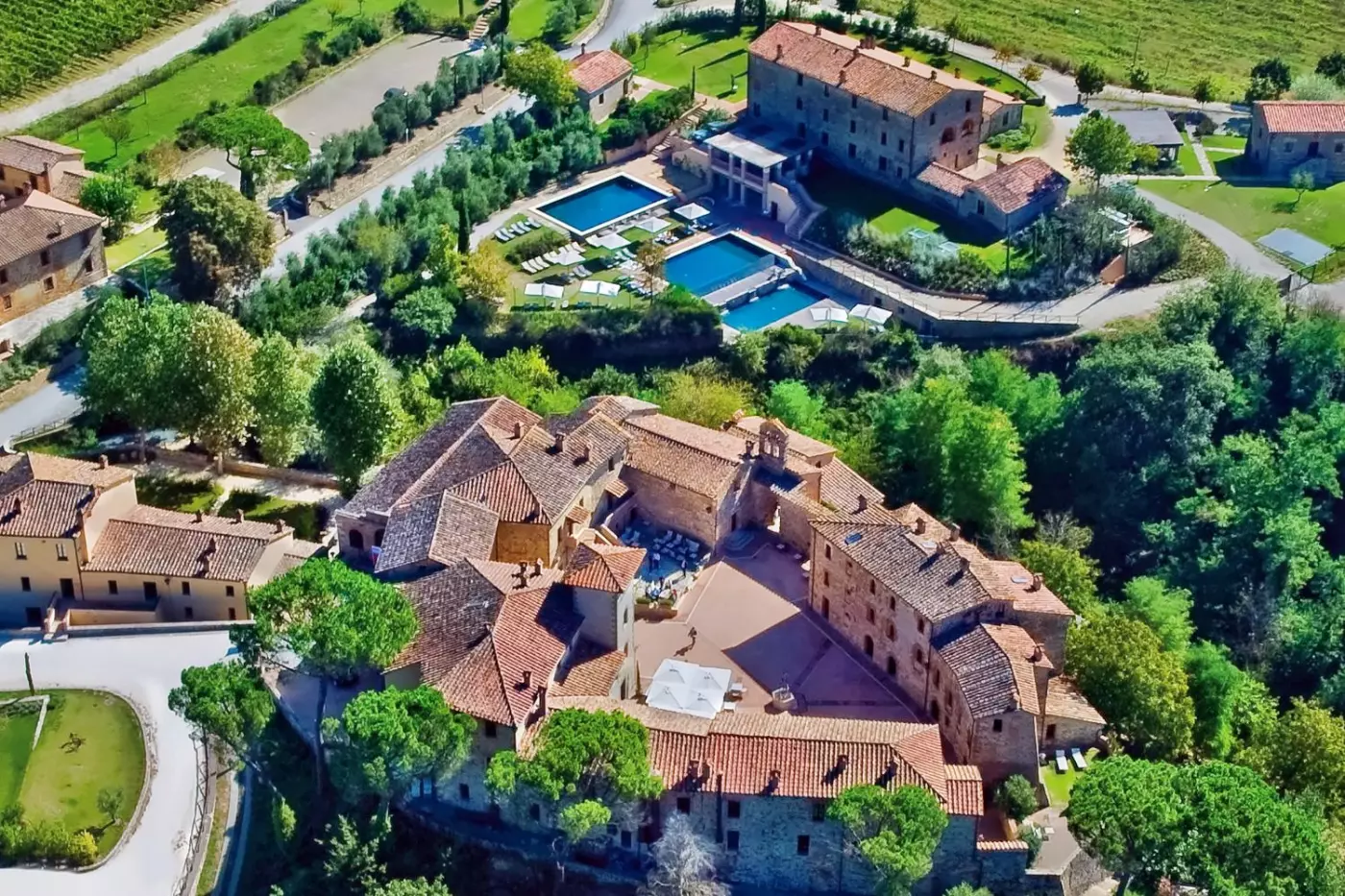
Castel Monastero
Prices From 557 USD
+2
More amenities
- Wellness
- Culture
Castel Monastero is a medieval hamlet resort near Siena in Tuscany, with rooms arranged around an old monastery piazza and th...
Please choose a hotel or destination from the list.
We couldn’t open your search results. Please try again.
Your private search
Finding exceptional stays
The countryside takes the lead around many luxury hotels in Siena, from morning walks to dinner nearby. Yet a hotel within the historic city creates a different experience from a rural estate. Decide whether Siena itself or the surrounding Tuscan landscape should set the rhythm, then choose an address that supports that choice.
Prices From 557 USD
More amenities
Castel Monastero is a medieval hamlet resort near Siena in Tuscany, with rooms arranged around an old monastery piazza and th...
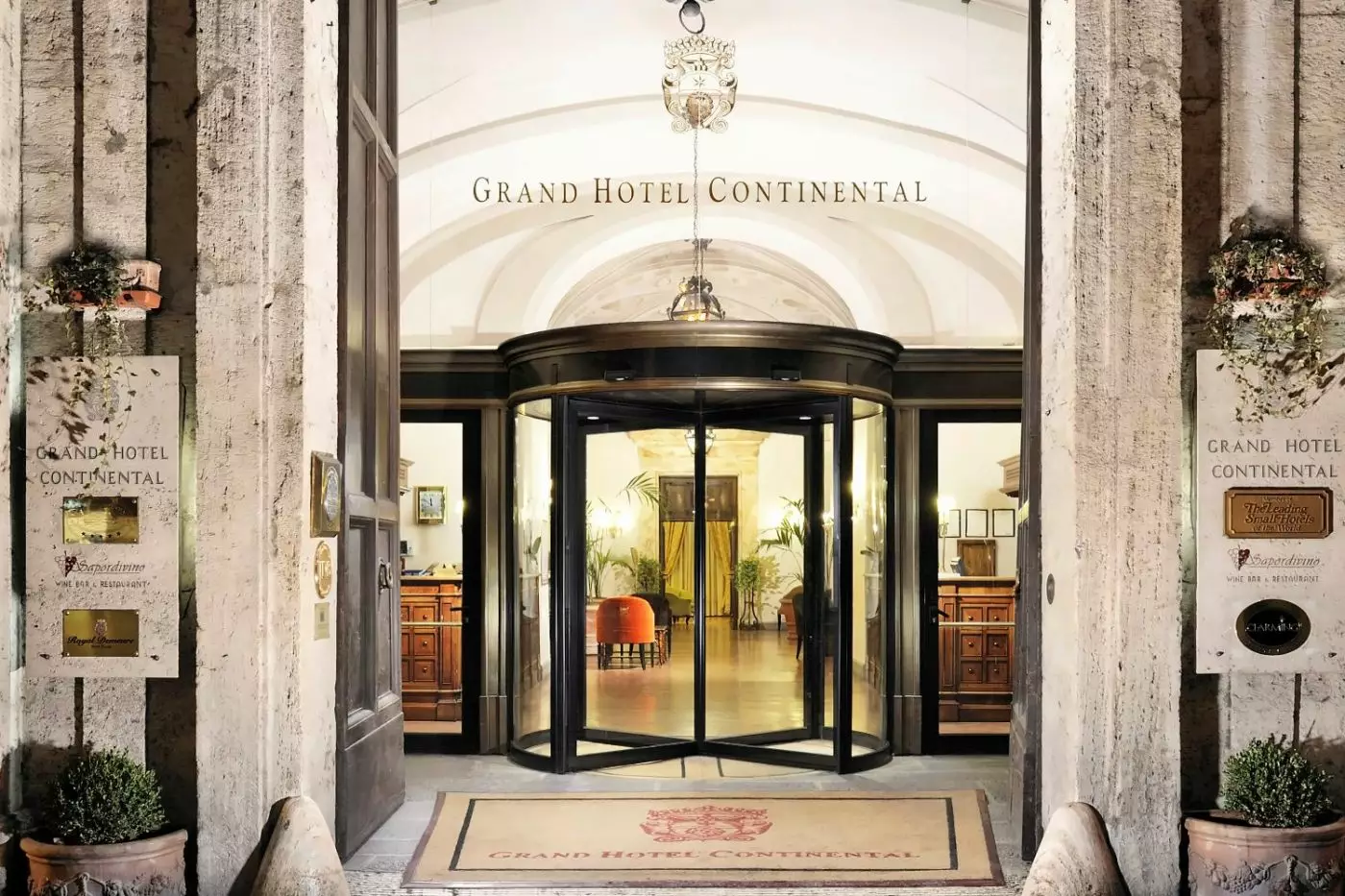
Prices From 400 USD
Siena is compact, historic, and built for walking. Grand Hotel Continental Siena places you on Banchi di Sopra, among the str...
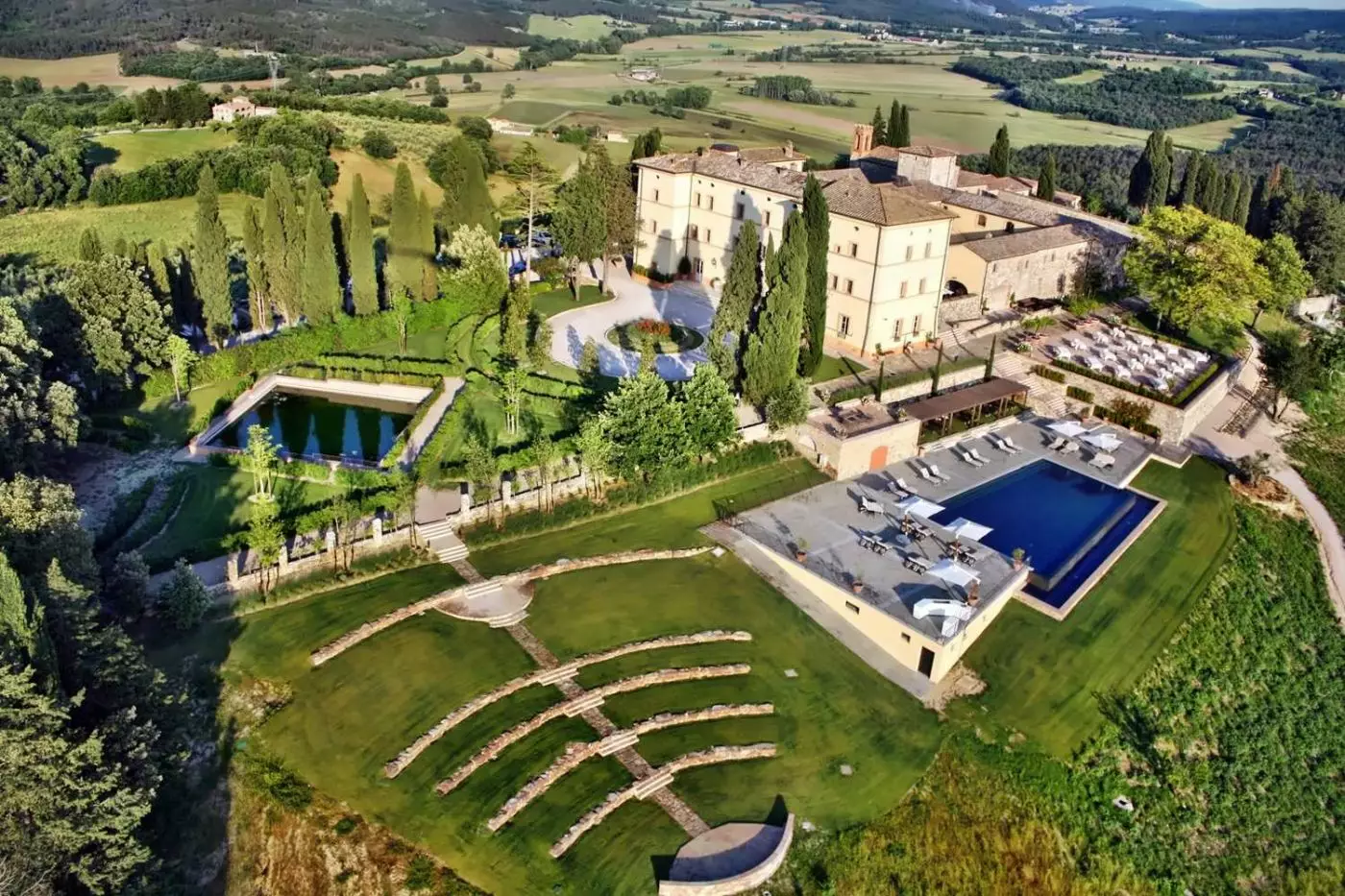
Prices From 1’589 USD
More amenities
Castello di Casole, A Belmond Hotel, Tuscany occupies a medieval hilltop castle on a 3,200-acre estate near Casole d'Elsa. Vi...
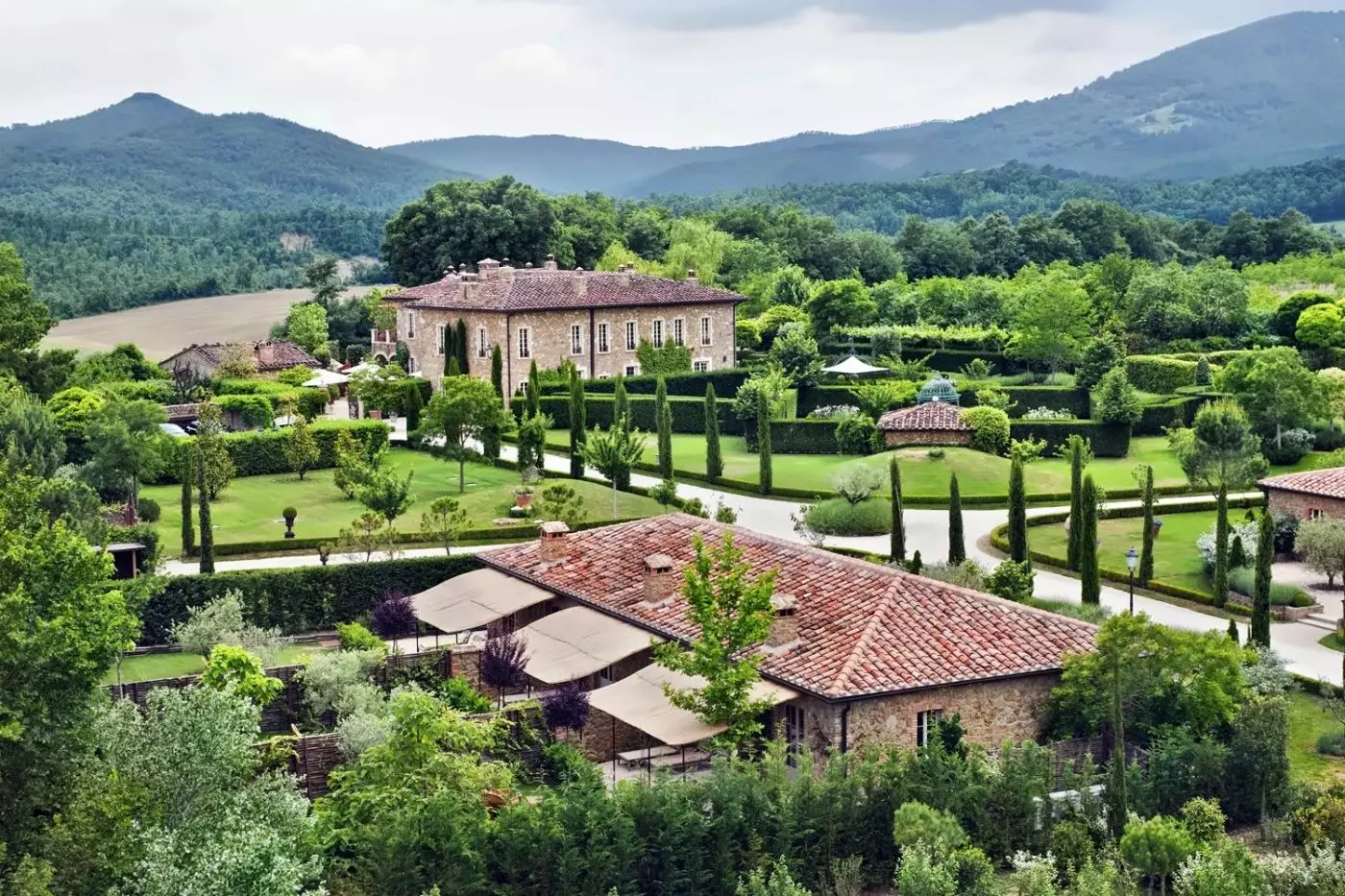
Prices From 999 USD
Borgo Santo Pietro is a five-star boutique estate in the Tuscan countryside near Chiusdino, within reach of Siena. Its 22 ind...
Prices From 536 USD
More amenities
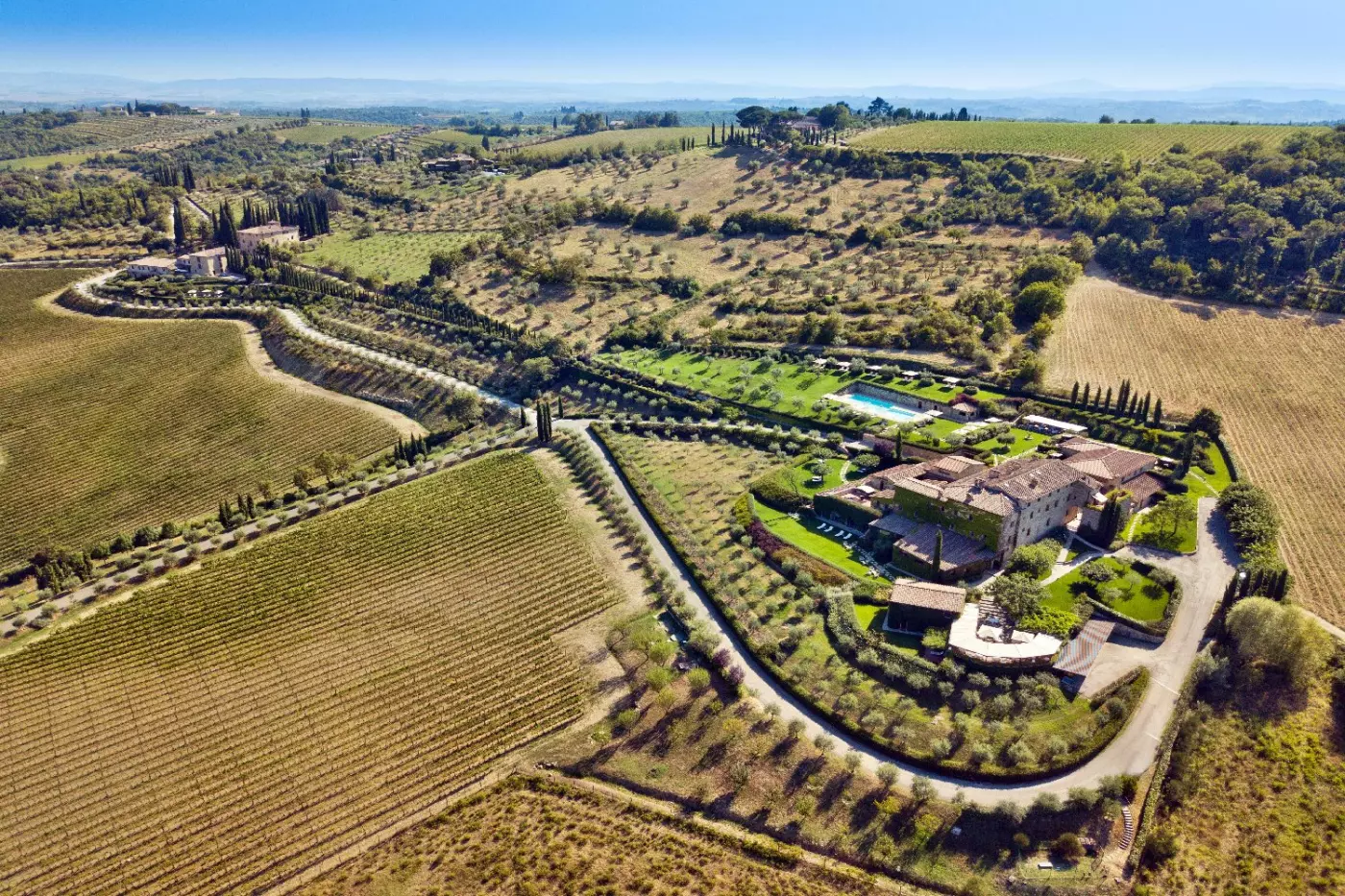
Hotel Le Fontanelle is a five-star Tuscan country retreat on Fontanelle Estate, near Castelnuovo Berardenga and within reach...
Reserved for You
Stay in central Siena when you want to explore on foot, return after a museum and go out again for dinner without making every outing a separate journey. Grand Hotel Continental on Banchi di Sopra is an example of this urban approach. It places the historic streets at the center of the stay rather than using the city as an occasional excursion.
The wider collection includes countryside properties with their own reasons to linger. Castel Monastero is a hamlet resort outside Siena; Castello di Casole is near Casole d'Elsa, and Borgo Santo Pietro is near Chiusdino. These are not alternate addresses within the same city neighborhood. Choose a country base when the setting, grounds and unhurried hotel days are part of the trip, rather than expecting the old town outside the door.
Piazza del Campo is the natural point around which to understand the city, with Palazzo Pubblico giving the square a strong civic identity. Inside its Civic Museum, Ambrogio Lorenzetti’s Good Government cycle shows the relationship between a well-governed city and its countryside; Simone Martini’s Maestà provides another major Sienese painting. Choose this visit when the art and political life of the medieval republic interest you, rather than treating the palace only as the square’s backdrop.
The cathedral complex offers a different artistic focus at the Piccolomini Library. Pinturicchio and his workshop filled its walls with scenes from the life of Pope Pius II, beneath a richly decorated vault. Choose the library for its colorful narrative painting and papal history, distinct from the Civic Museum’s account of government. A central stay makes it possible to give these two interests separate visits, with time in Siena’s streets and squares between them.
The Val d’Orcia gives a wider Siena journey a specific rural focus: cypress-lined roads, vineyards and hill towns. Pienza and San Quirico d’Orcia emphasize the towns and their surrounding scenery, while Montalcino adds a wine-led reason to travel through the area. Choose the stops for those differences instead of assuming that every rural address in the Siena collection occupies the same landscape.
A stay in Siena followed by a base chosen for the Val d’Orcia separates the city’s walking days from this countryside route. It is an option for travelers who want both medieval streets and time among the hills, rather than a requirement for every short visit. For a broader national journey, our Italy destination guide puts Tuscany alongside other regional choices. Keep the actual hotel town visible as the route develops; a Siena search label alone does not settle the location.
It is a large museum complex in Siena's former hospital opposite the cathedral. Its layered spaces and collections offer a different perspective from another church visit, combining the city's history with art and archaeology.
No. It is a historic medieval fountain associated with the area where Saint Catherine lived. Visiting it adds a specific local-history focus to a walk beyond the principal squares, rather than another version of the cathedral visit.
It offers its own artistic focus, including the baptismal font with work associated with Donatello, Jacopo della Quercia and Ghiberti. Consider it separately when planning the cathedral complex instead of assuming a single interior tells the whole story.
No. Its special viewing periods are distinct from a general cathedral visit. If the floor is the reason for your trip, consult the cathedral's current visitor information when planning rather than assuming the same display throughout the year.
They are the city's historic neighborhood communities, closely connected with Sienese identity and the Palio. Understanding their presence adds context to the streets around you; Siena's local life is more than the monuments visitors come to see.