



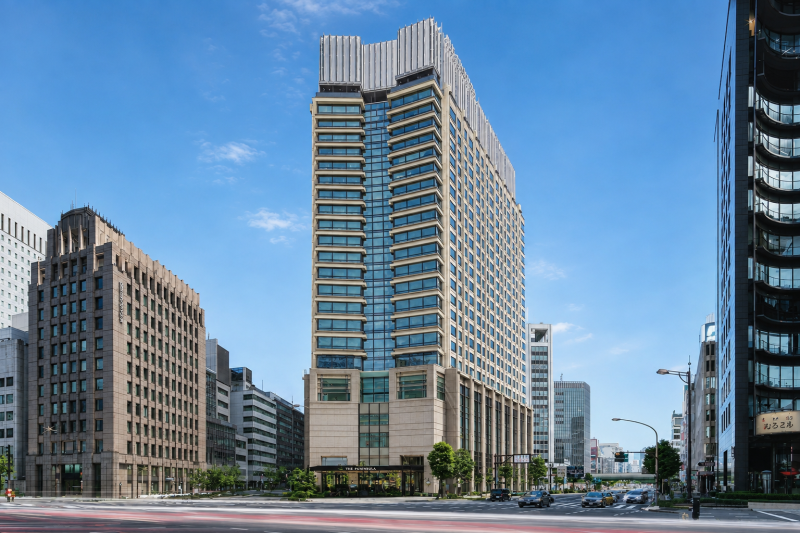
Peninsula Tokyo
Prices From 770 USD
+4
More amenities
- Sauna
- Wellness
- Culture
- City Vibe
The Peninsula Tokyo brings Japanese design to a park-side address opposite Hibiya Park and the Imperial Palace grounds. Ginza...
Please choose a hotel or destination from the list.
We couldn’t open your search results. Please try again.
Your private search
Finding exceptional stays
Japan combines metropolitan dining and design with temple districts, wooded hot-spring retreats, mountain landscapes and southern island coasts. The luxury-hotel choice follows that geography: an urban address can keep the city close, while a garden, bay or mountain setting makes the surroundings part of the stay. Tokyo, Kyoto and Osaka offer distinct city chapters; the regional collections bring a different purpose to a longer journey.
Prices From 770 USD
More amenities
The Peninsula Tokyo brings Japanese design to a park-side address opposite Hibiya Park and the Imperial Palace grounds. Ginza...
Prices From 513 USD
More amenities
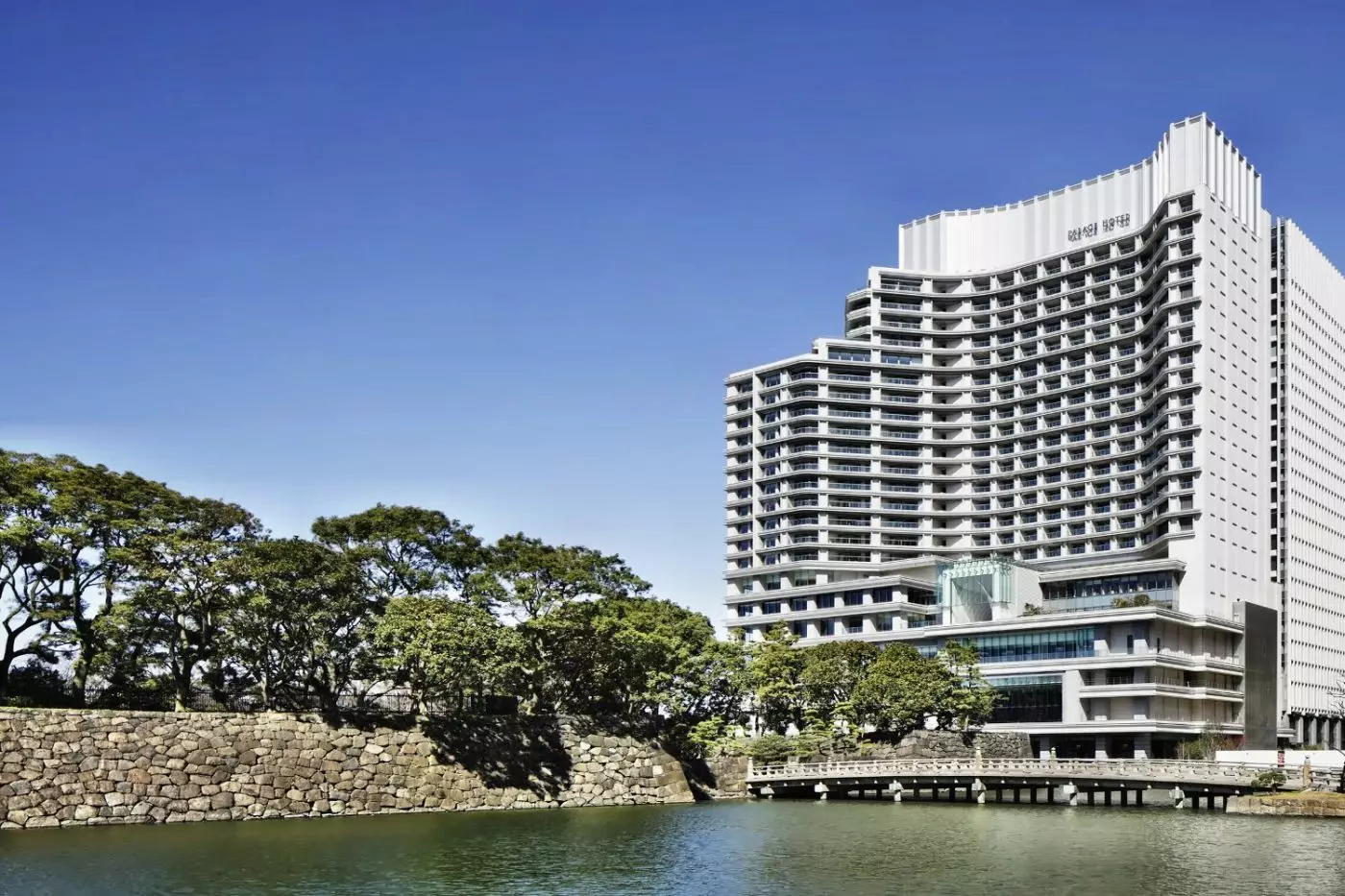
Palace Hotel Tokyo is a Marunouchi hotel beside the Wadakura moat, facing the Imperial Palace gardens. Its 284 rooms and suit...
Prices From 391 USD
More amenities
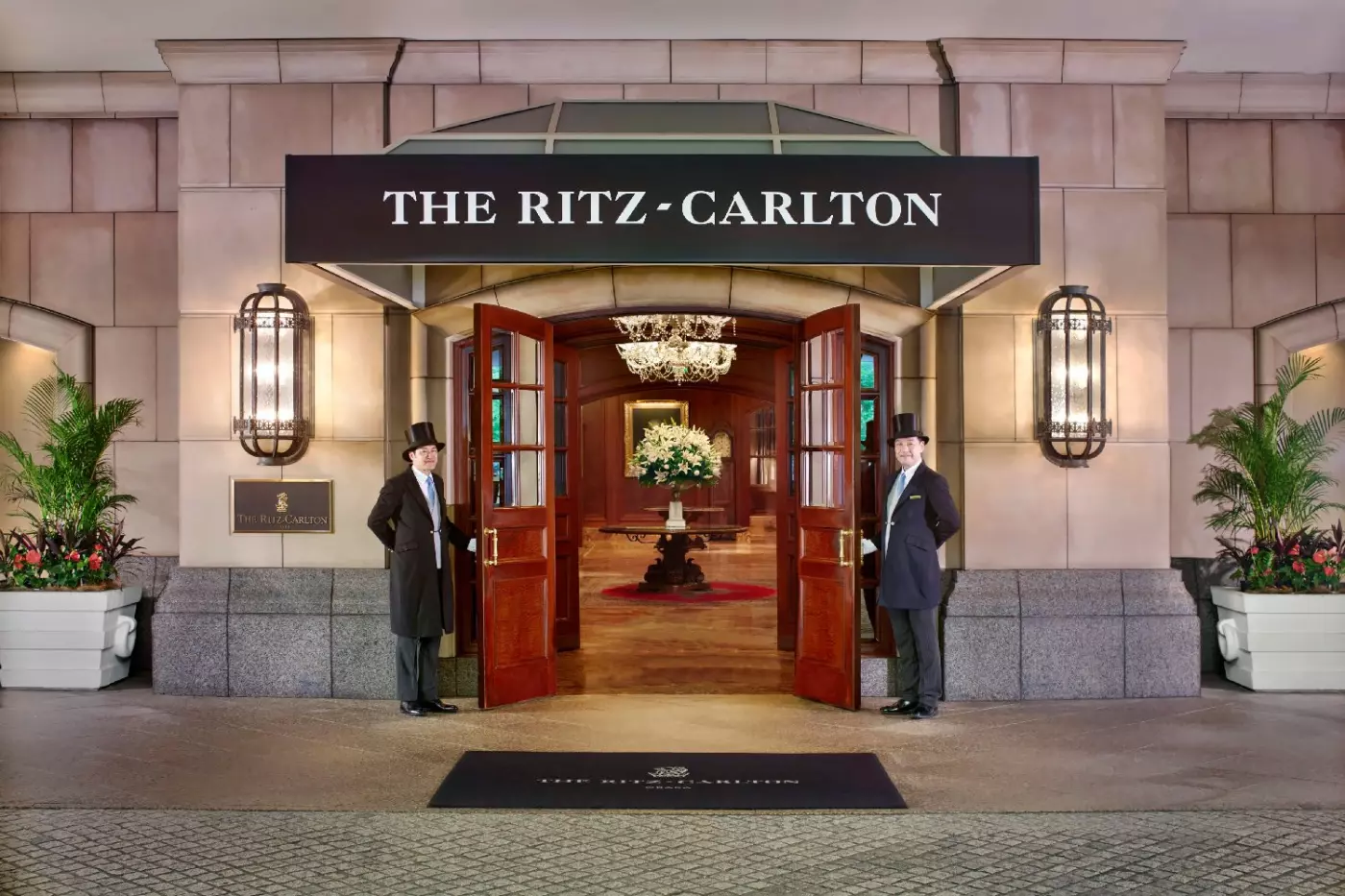
British-inspired interiors define The Ritz-Carlton, Osaka in Umeda. Japan's first Ritz-Carlton takes its design cues from an...
Prices From 1’776 USD
More amenities
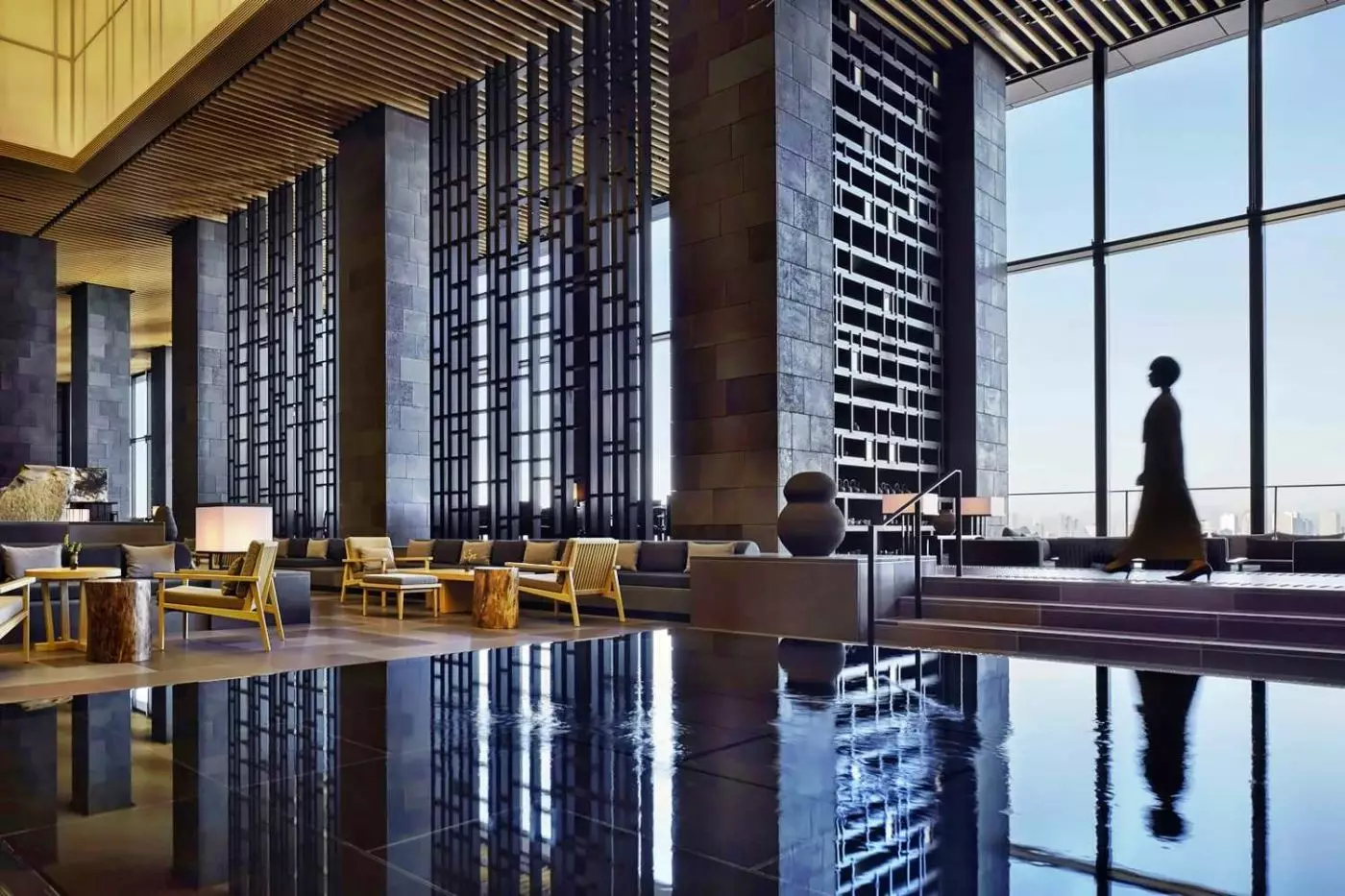
Aman Tokyo is a luxury hotel in Otemachi Tower, near Tokyo Station and the Imperial Palace Gardens. Its 84 suites place the e...
Prices From 2’741 USD
More amenities
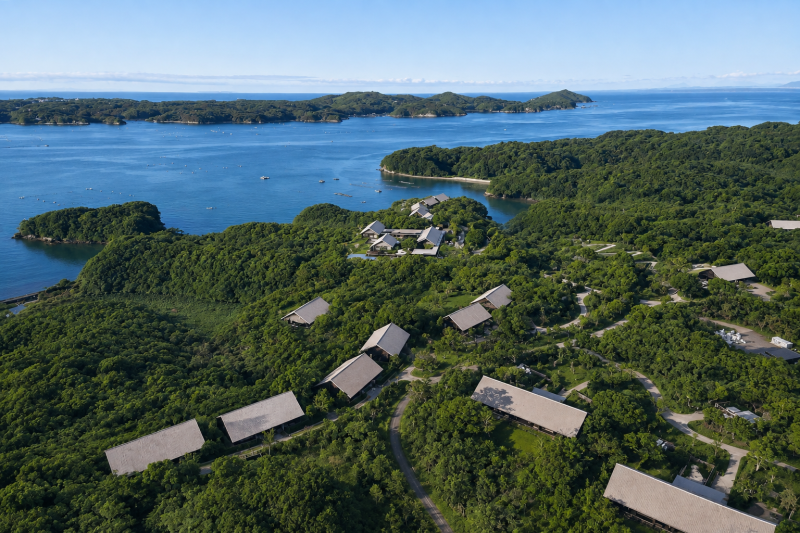
Amanemu is an onsen resort in Ise-Shima National Park, set above Ago Bay in Japan's Mie Prefecture. Forested hills surround i...
Prices From 572 USD
More amenities
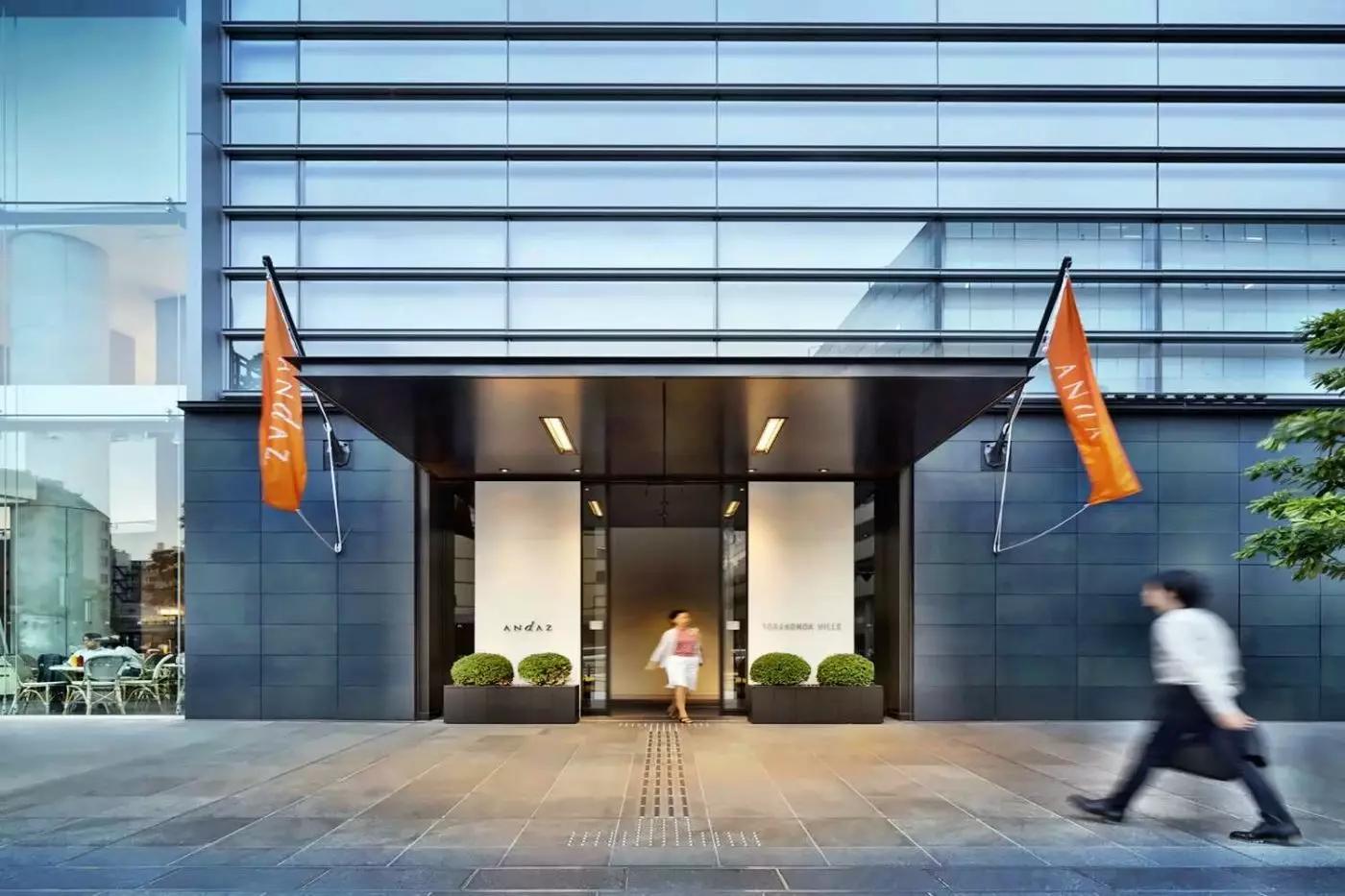
Andaz Tokyo Toranomon Hills occupies the upper floors of Toranomon Hills Mori Tower in Minato, with views across Tokyo and di...
Prices From 577 USD
More amenities
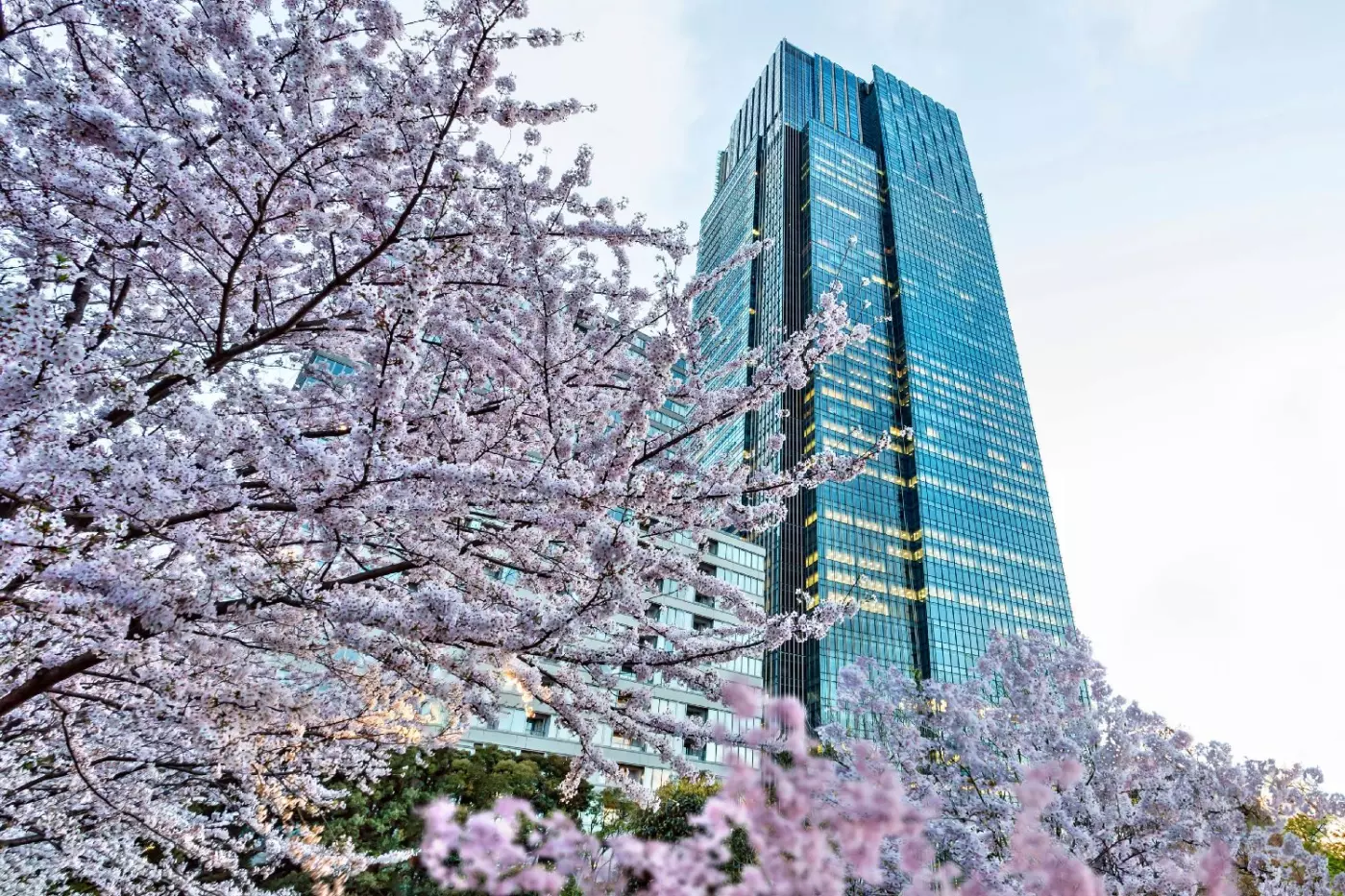
The elevator ride to the 45th floor explains The Ritz-Carlton, Tokyo before a room key changes hands. The lobby opens above R...
Prices From 816 USD
More amenities
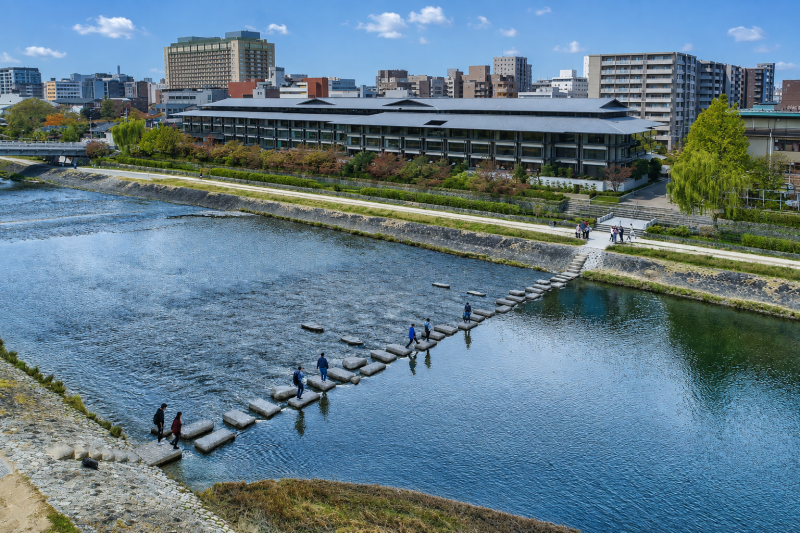
The Ritz-Carlton, Kyoto stands beside the Kamogawa River in Nakagyo, with the Higashiyama mountains on the eastern horizon. T...
Prices From 380 USD
More amenities
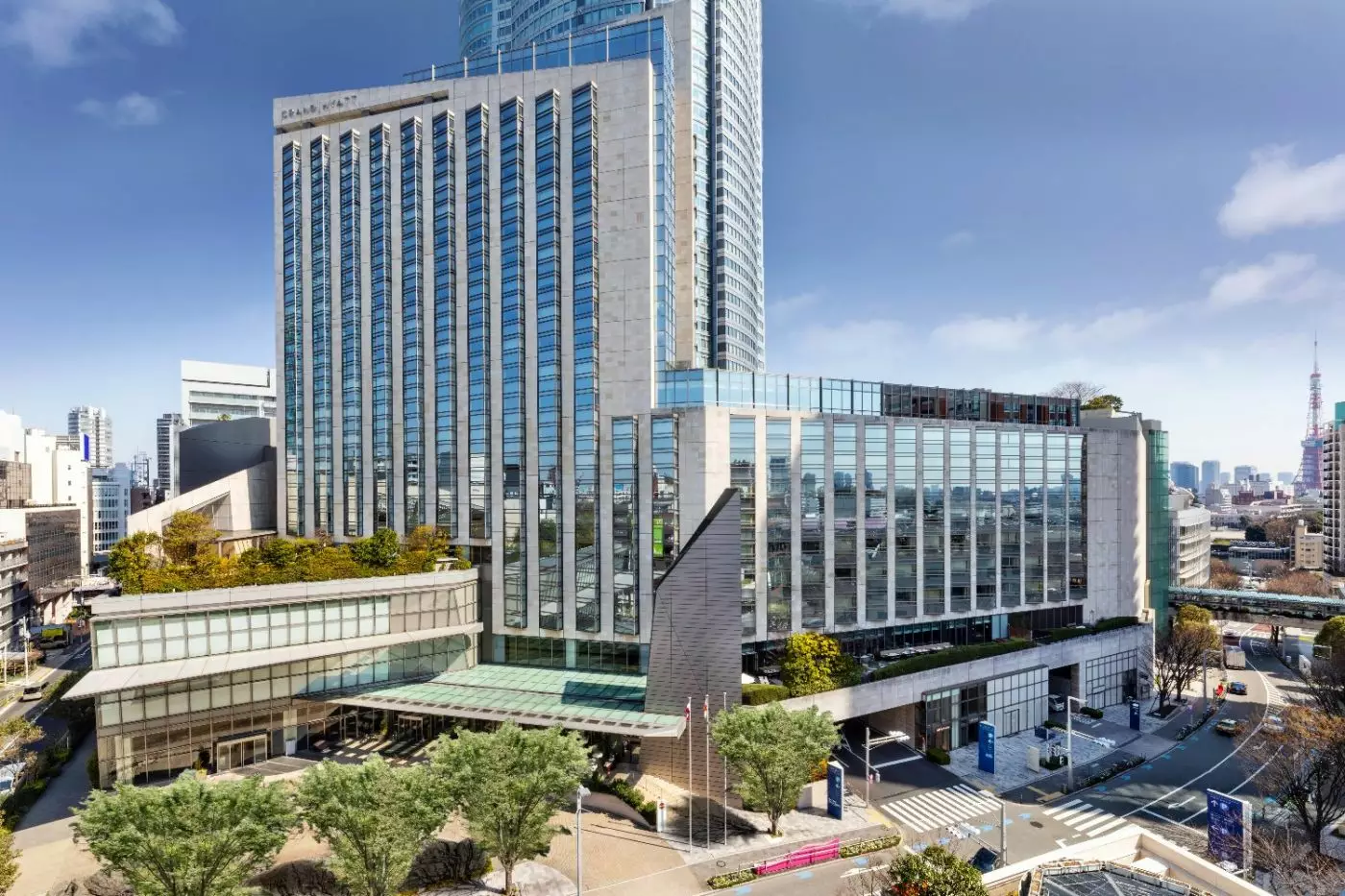
Roppongi Hills brings shops, restaurants, cinema, and art into the immediate surroundings of Grand Hyatt Tokyo. Directly conn...
Reserved for You
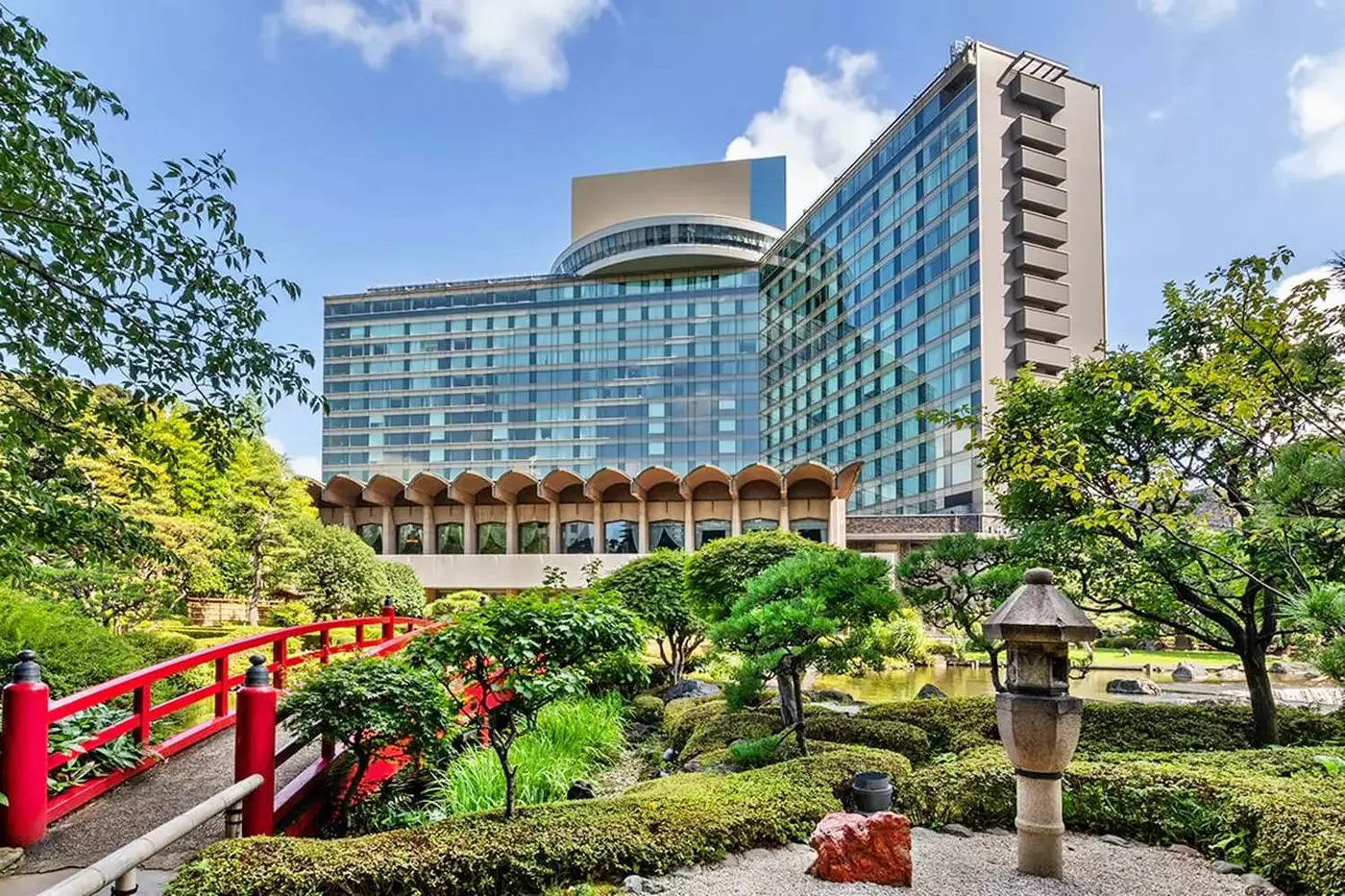
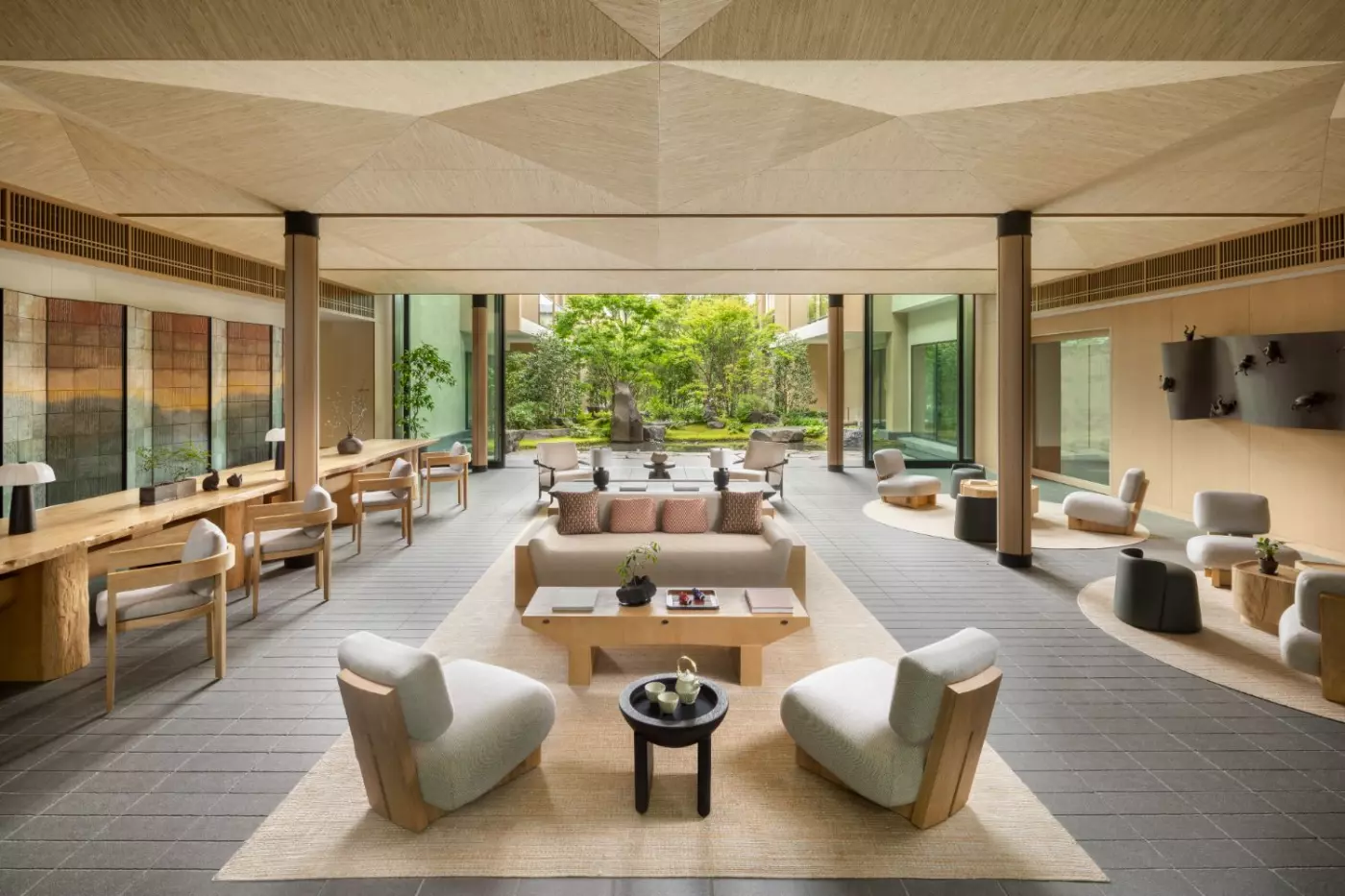
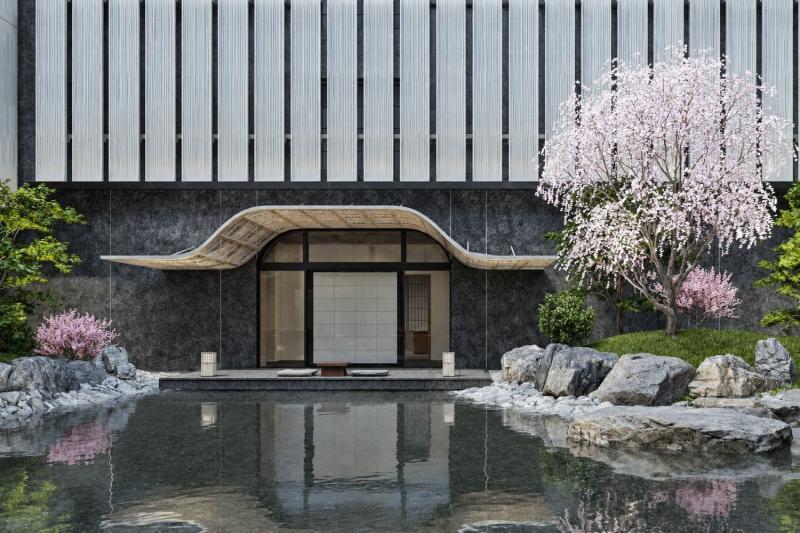
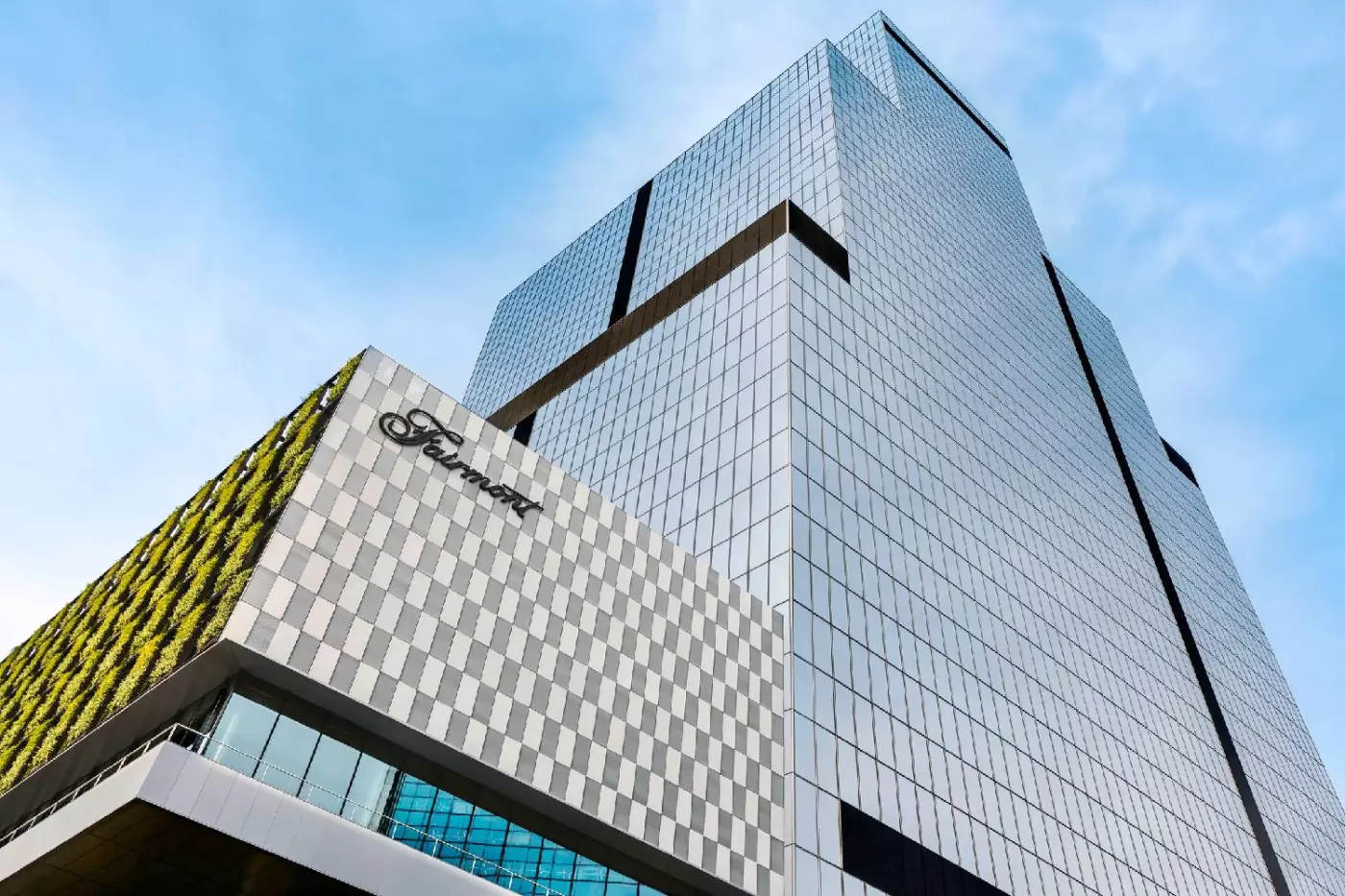
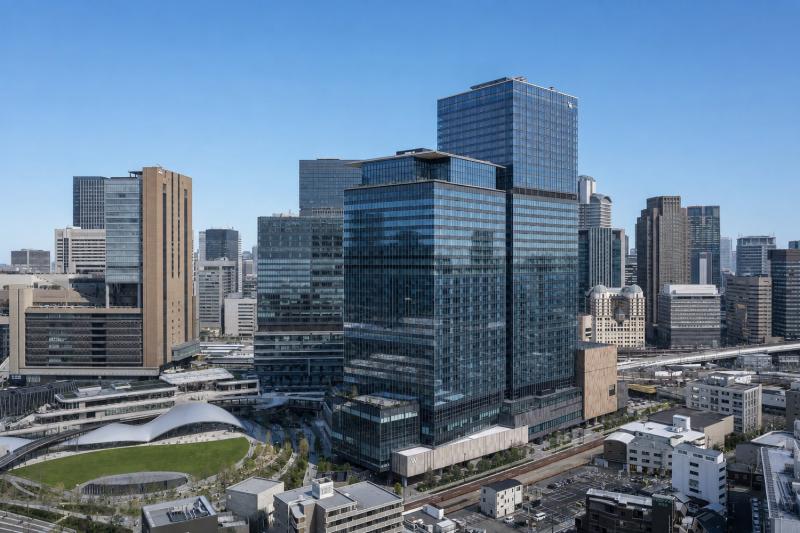
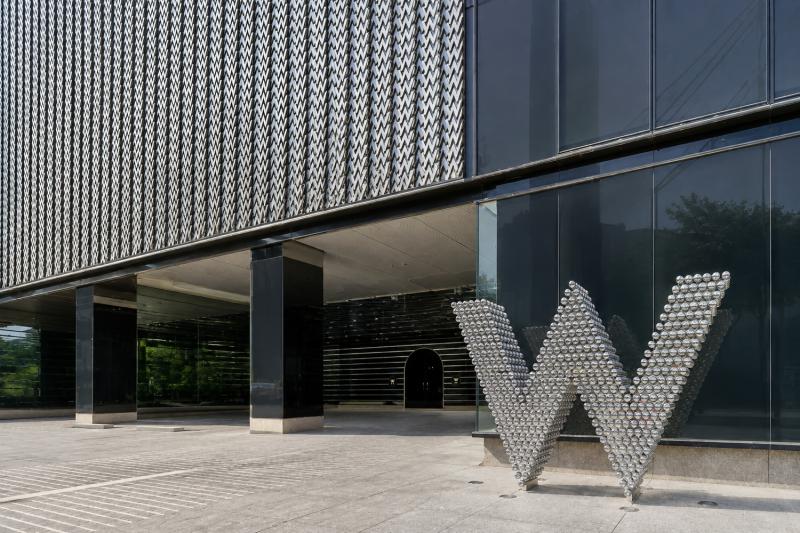
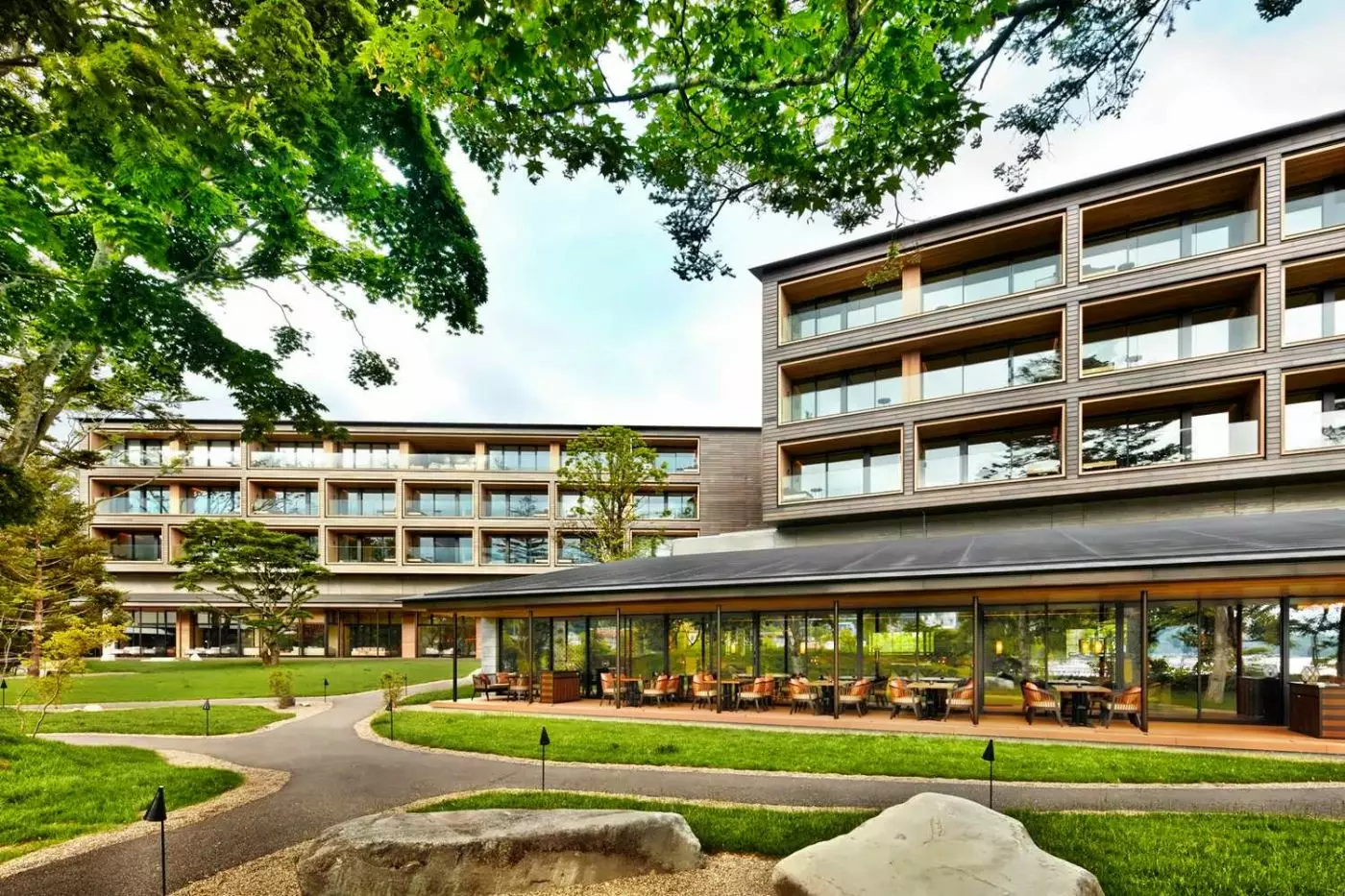
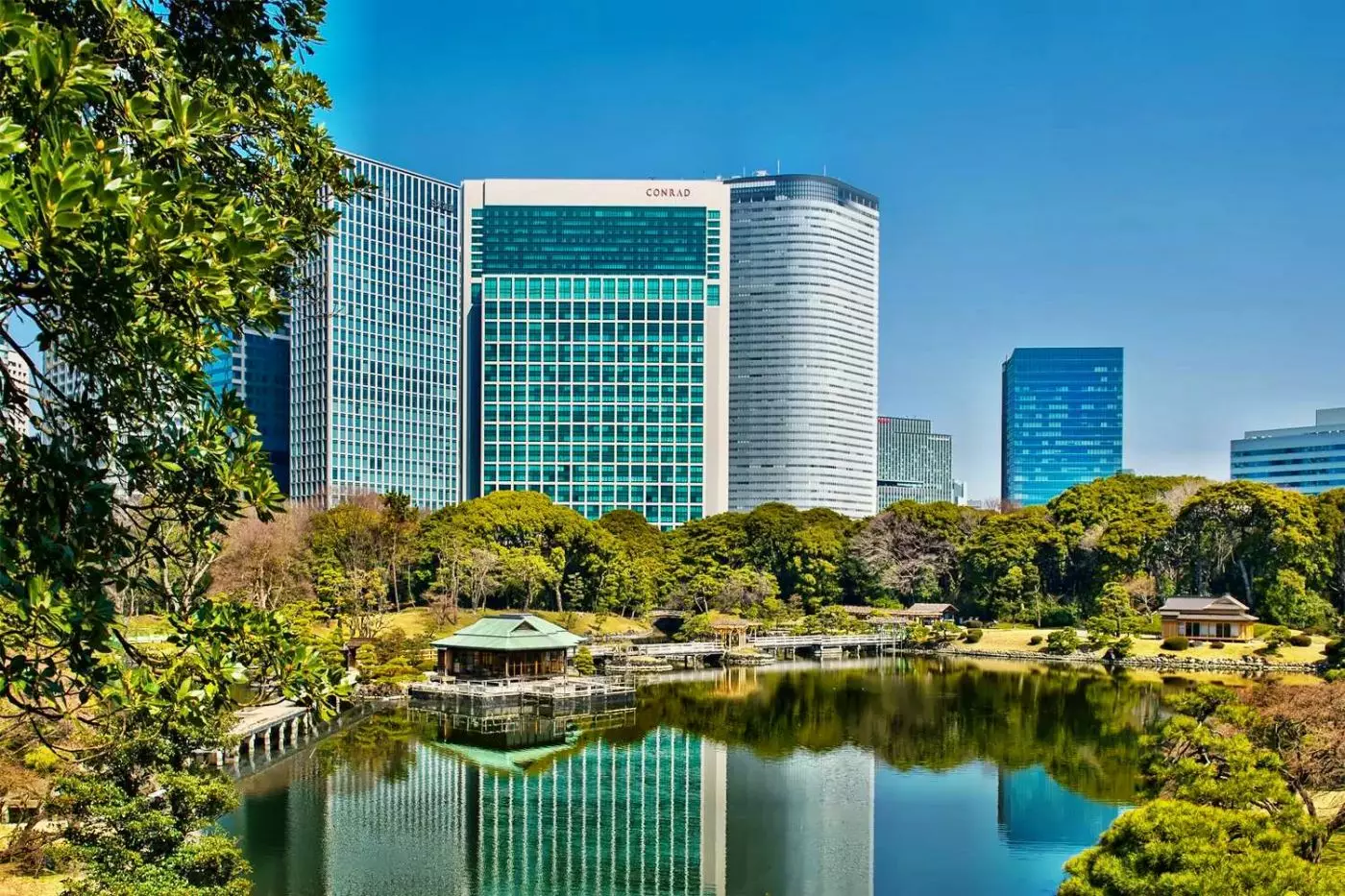
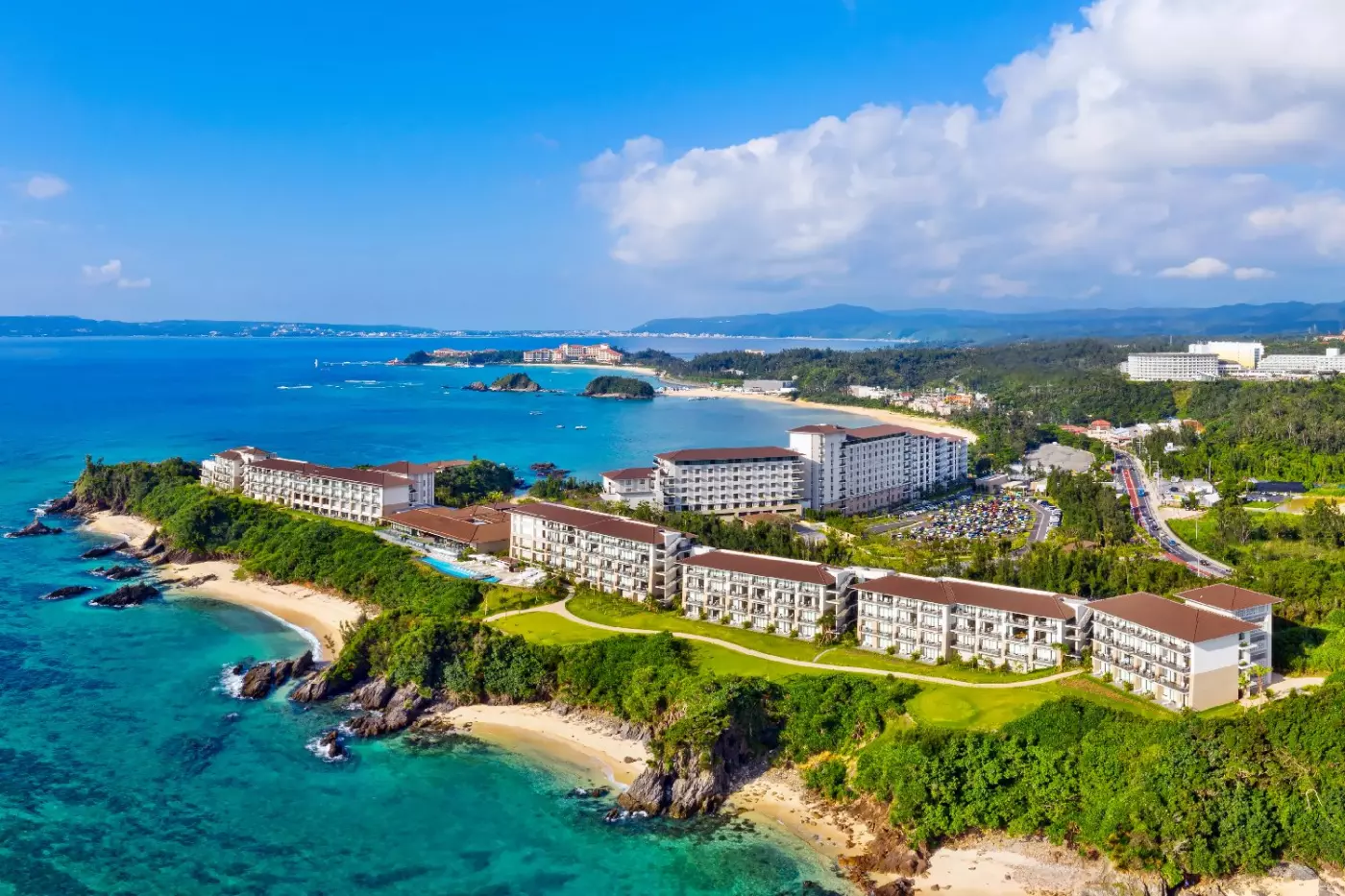
Tokyo rewards a stay built around contrasting neighborhoods. Ginza brings luxury shopping into the itinerary, while Asakusa offers temples and traditional stores; Sensoji gives that older city character a clear focus. Around the Imperial Palace and Tokyo Station, the capital's landmarks sit alongside a useful rail-oriented hotel base. A polished high-rise address and a district chosen for its street life create different city stays, even when both offer excellent accommodation.
Japanese design is another part of the city's luxury character. Aman Tokyo, in Otemachi Tower, illustrates it with washi paper, shoji screens and stone furo baths. Its station connections matter for a journey continuing beyond the capital, but the Tokyo collection is the better place to compare the finer neighborhood choices.
Gion and Higashiyama bring Kyoto's traditional townscapes, temples and craft shops together. Kiyomizu-dera's wooden stage and the ceramics shops around Gojo and Kiyomizu give a visit more shape than a general ambition to see the former capital. The antique shops near Shinbashi add another interest for travelers drawn to Japanese objects and interiors.
The hotel setting changes how this cultural stay feels. A Kamogawa riverside city base keeps Kyoto around the hotel; farther north, Takagamine offers a forest-garden retreat near Kinkaku-ji. Aman Kyoto is one example of the latter. A quieter garden address is rewarding when time in the grounds belongs in the itinerary, with transport to the city visits planned around that setting.
Dotonbori's canal-side restaurant streets and Shinsaibashi's shopping make Osaka a lively food-and-city chapter. An evening here has a different character from Kyoto's temple walks. Nakanoshima provides an alternative cultural base around Festival Hall, with high-rise hotels overlooking the city. The choice is between the energy of the dining districts and a hotel setting that supports performance evenings and a more removed view of the metropolis.
Osaka adds most to a wider journey when its food, shopping or cultural interests have their own place in the plan. The Osaka collection takes that decision down to the local address.
Ise-Shima National Park covers much of the Shima Peninsula in Mie Prefecture. Ise Jingu gives the region a shrine-focused cultural visit, while Ago Bay brings forested islets, viewpoints and time on the water by kayak or sightseeing cruise. Learning about the ama divers introduces the working traditions of this coast rather than treating it only as a scenic backdrop.
A forest-and-bay retreat suits travelers who want these outings alongside time at the hotel. Amanemu illustrates that setting above Ago Bay, with private onsen bathing in its suites. The coast has its own cultural and natural interests, so it can justify a regional stay rather than simply a pause between city hotels.
Lake Chuzenji, west of Nikko, offers a wooded mountain landscape around Mount Nantai. Lakeside walks and the views of Kegon Falls give an outdoor stay a clear focus. An Oku-Nikko hotel beside the lake supports this experience; it is a different base from a hotel chosen primarily for the city.
Beppu lies in Kyushu, where a foothill resort above the city brings hot-spring time together with bay and mountain outlooks. Nikko suits a lake-and-forest stage in Honshu; Beppu fits a southern itinerary built around the thermal setting. They are separate regional choices, with different onward travel, rather than interchangeable retreats on the same short route.
Niseko's Hanazono area gives Hokkaido a distinct role for travelers interested in skiing and mountain scenery. Ski access can matter more to that hotel decision than proximity to a mainland city's landmarks. The area also has rafting, tree trekking and nearby golf, offering other reasons for an outdoor stay.
A Hokkaido stage works best when the desired activity is central to the trip. Accommodation beside the mountain supports a different pattern of days from an urban hotel; the activity and its local conditions determine how those days take shape.
The Onna coast lies within Okinawa Kaigan Quasi-National Park and brings an island-resort setting to the Japan collection. This is a coastal holiday choice rather than another mainland city stop. Hotel time, the shore and a less urban pace can become the main purpose of the stay.
Okinawa adds a stronger contrast to Tokyo or Kyoto than another metropolitan address would. Its separate island stage needs its own arrival arrangements; the hotel reservation alone does not connect it to the rest of the journey.
Tokyo, Kyoto and Osaka each offer a different urban experience: metropolitan design and shopping, temple-and-craft visits, then lively food districts. The sequence is useful when those interests justify three city stops; a journey focused on Kyoto culture need not add Osaka solely to collect another hotel address.
Kyoto followed by Ise-Shima pairs the former capital with shrine visits and a forested bay retreat. Kintetsu's Shimakaze serves Kyoto and Kashikojima on its operating days. Its actual schedule and the onward car journey to the retreat determine the connection, without a fixed travel-time promise. Hokkaido and Okinawa are broader extensions with different outdoor or coastal purposes, not neighboring additions to that rail route.
Choose a ryokan when the accommodation traditions are part of the reason for traveling. Tatami rooms, futon bedding, yukata and kaiseki meals are common features, but ryokan range from traditional inns to contemporary retreats. Some rates include dinner and breakfast and others do not. Compare the named room and meal plan rather than assuming that every ryokan has the same sleeping arrangements, bathing facilities or inclusions.
The country ranges from subarctic Hokkaido to subtropical Okinawa, so one calendar does not suit every region. Spring and autumn can offer comfortable conditions for outdoor exploring, while higher elevations have seasonal closures. Summer is generally hot and humid; northern and mountain areas can offer relief. Snow is more concentrated in Hokkaido, Sea of Japan regions and mountain districts. Choose the regions around the activities you want, and check their local conditions rather than expecting the same weather throughout the journey.
Policies differ between facilities. Some traditional onsen do not admit guests with tattoos, while others are tattoo-friendly or allow small tattoos to be covered. Check the particular bathing facility before making it the focus of the trip. A reservable private bath can be another option, but confirm its policy and reservation arrangements rather than treating a hotel's general spa description as permission to use every bath.
For ordinary suitcases on the Tokaido-Sanyo-Kyushu Shinkansen, a total length, width and height above 160 cm and up to 250 cm requires a seat with an oversized baggage area. Reserve it with the train ticket. Suitcases up to 160 cm do not require that oversized-baggage reservation. Measure the actual case before selecting the seat; this is a particular rail rule, not a statement that every Japanese train follows the same luggage system.
Tipping is not customary at hotels, restaurants, bars, cafes or in taxis. A private guide or interpreter may accept a discreet tip, but it is not expected. This makes everyday service different from destinations where a gratuity is routine; you do not need to add one automatically to each hotel or restaurant interaction.