



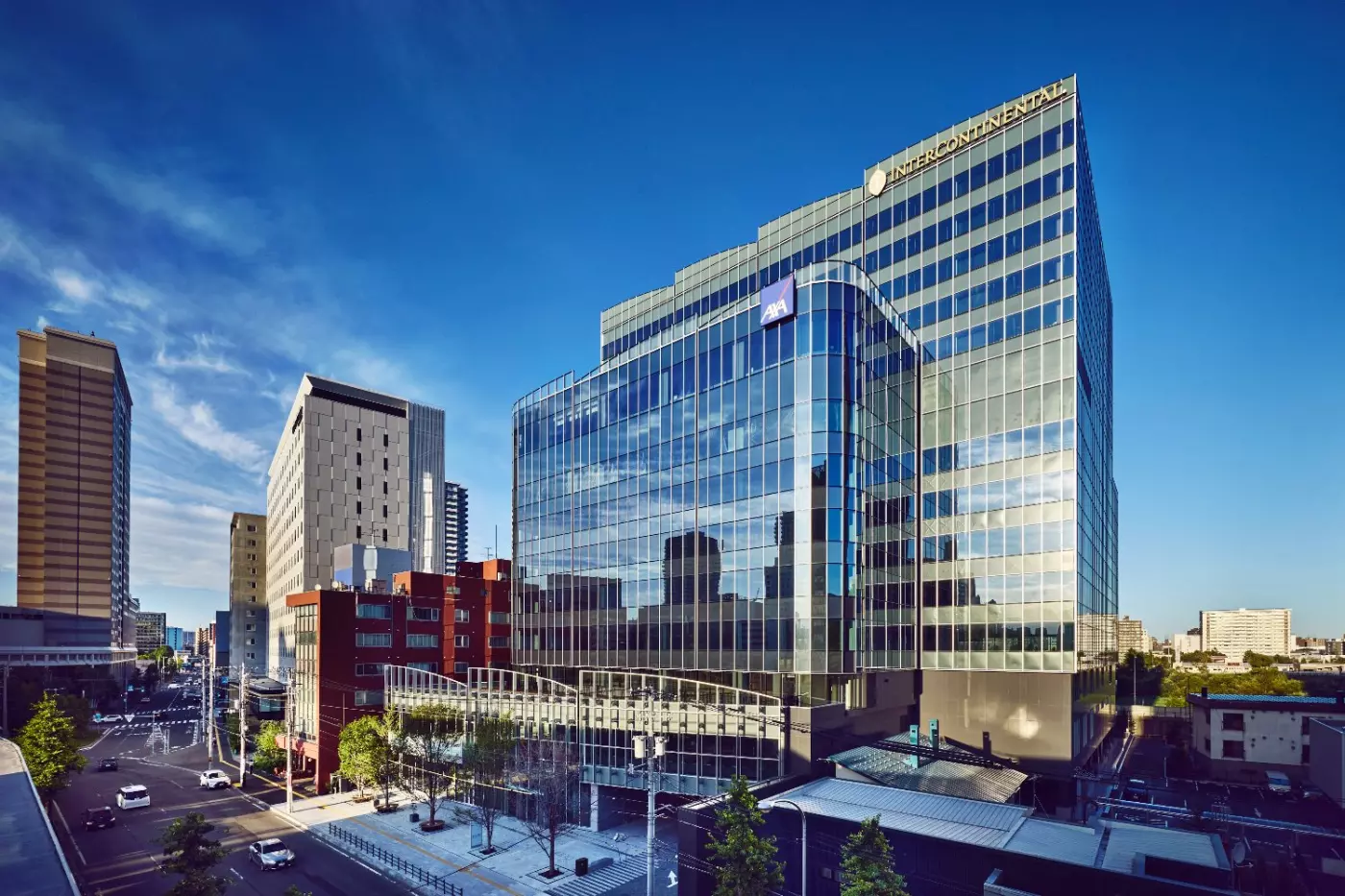
InterContinental Sapporo
Prices From 474 USD
InterContinental Sapporo is the right choice for travelers who want Sapporo to feel quieter, greener, and more residential th...
Please choose a hotel or destination from the list.
We couldn’t open your search results. Please try again.
Your private search
Finding exceptional stays
Sapporo's Clock Tower gives a Hokkaido city stay a story of education, architecture and imported technology. Alongside a hotel choice such as InterContinental Sapporo, give the city's buildings their own attention. A familiar landmark can reveal more when you understand what it was originally built to do.
Prices From 474 USD
InterContinental Sapporo is the right choice for travelers who want Sapporo to feel quieter, greener, and more residential th...
Sapporo's Clock Tower was built in 1878 as the military drill hall of Sapporo Agricultural College, now Hokkaido University. The wooden building therefore has an educational history beyond its role as a city landmark. Understanding that original purpose gives its appearance a more specific meaning.
For someone interested in buildings, begin with the relationship between a practical school hall and a civic symbol. A place created for students became part of how a city recognises itself. That is a different subject from simply collecting a photograph of the tower.
The large clock was manufactured by E. Howard Watch & Clock Co. of Boston. The addition accommodating it was completed in 1881, after the original hall. Building and clock belong to different stages of the landmark's development.
That sequence provides a useful way to look at the structure: distinguish the hall's first purpose from the later addition that gave it its familiar identity. An interest in architecture and technology can meet in one place, without treating the landmark as only a decorative detail.
The Japan destination guide helps place Sapporo within a wider route. Give each stop an interest worth following, with the city's own history receiving attention alongside the broader Hokkaido setting.
No. Its setting is within the city between Nakajima Park and the Toyohira River. Choose it for that urban relationship with green space, rather than expecting a hotel surrounded by a remote mountain landscape. The exact location matters more than a broad Hokkaido image.
Nakajima Park has a pond-and-tree landscape south of the central entertainment district. Shobu Pond preserves part of a former lumberyard on the Kamokamo River. The park also contains Hoheikan, built in 1880 as a government guesthouse and hotel.
Odori forms a long green corridor through the city centre, with fountains, a western rose garden and the TV Tower at its eastern end. It originated in 1871 as a firebreak.
Nijo Market’s stalls specialise in fresh and processed Hokkaido seafood, including crab, scallops and oysters. Its restaurants are associated with seafood donburi: bowls of rice topped with a selection of seafood. Fruit is also sold at the market.
No. It is a distinct hot-spring destination in the wider Sapporo setting. Choose it consciously if that atmosphere is central to the trip. A city hotel and an onsen-focused stay serve different daily preferences even when both carry a Sapporo connection.
No. The city’s food interests and public spaces provide other reasons to stay. Choose the season and itinerary for your own priorities rather than treating a snow-associated destination as a compulsory sporting holiday. An urban chapter can have a purpose in its own right.