



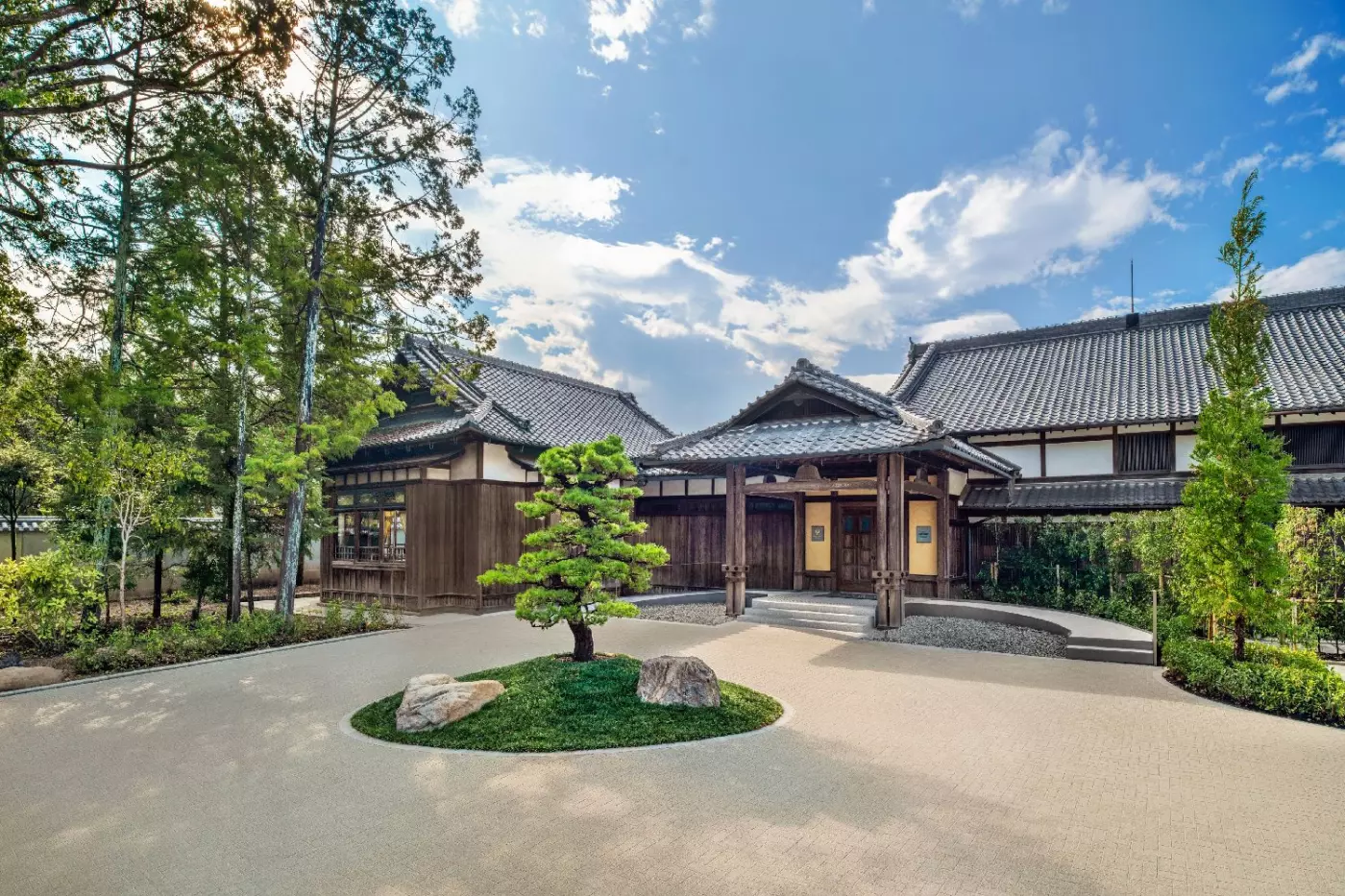
Shisui Hotel Nara
Prices From 476 USD
Shisui, a Luxury Collection Hotel, Nara stands beside Yoshikien Garden on the western edge of Nara Park. Its main building pr...
Please choose a hotel or destination from the list.
We couldn’t open your search results. Please try again.
Your private search
Finding exceptional stays
Nara deserves a stay that leaves time around its cultural visits. Temple grounds, gardens and older streets provide different experiences within the city, with the park giving the journey a recognizable setting. Choose a luxury hotel according to how you want to move between those places, rather than treating Nara only as a brief excursion from elsewhere.
Prices From 476 USD
Shisui, a Luxury Collection Hotel, Nara stands beside Yoshikien Garden on the western edge of Nara Park. Its main building pr...

Prices From 274 USD
More amenities
JW Marriott Hotel Nara is a five-star hotel in Nara city center, close to Nara Convention Center, Heijo Palace, Nara Park, an...
Shisui, a Luxury Collection Hotel, Nara sits on the western edge of Nara Park in the Yoshikien area. It provides an example of choosing accommodation for its relationship with the cultural landscape. Consider that emphasis when the park-side setting should contribute to the stay.
JW Marriott Hotel Nara occupies a different city address at Sanjo Oji, west of the park-side setting. This gives the collection two distinct bases: choose Shisui for the Yoshikien relationship, or compare the western city location when that part of Nara suits the stay.
Naramachi adds another layer through its historic streets and town atmosphere. Give it a place separate from the larger monuments. A meal and time among smaller streets bring a different view of the city from a visit concentrated on formal cultural sites.
Naramachi Koshi-no-Ie makes the district's domestic architecture tangible. It is a reconstruction of a traditional machiya townhouse, with a narrow frontage and a deep interior. Choose this house for an interest in everyday rooms and garden space: it brings the scale of a merchant home into a visit otherwise dominated by large temple grounds.
The district's traditional houses developed ways to bring light and air into long plots. Inner gardens and passage gardens carried light and wind through the home, while box staircases doubled as storage. Those practical domestic details make an architecture-led walk rewarding beyond the appearance of the lattice windows.
Naramachi's merchant streets also contain sweet shops, cafés and modern art galleries. Yu Nakagawa offers a specific starting point for contemporary Nara crafts and souvenirs. A shopping-led visit here can concentrate on useful objects and local design, with a café or sweet-shop stop between the smaller stores.
The Japan destination guide places Nara within a wider journey.
The temple is associated with its monumental bronze Buddha and a major role in Japan’s history. Choose it for that subject and give the wider grounds attention too. It is a place for thoughtful observation rather than only a single familiar photograph.
Kasugataisha is a Shinto shrine, with halls and lanterns giving it a distinct character. Keep that religious and visual difference clear when planning cultural visits. A shrine and a temple should not be treated as interchangeable stops.
Isuien combines an Edo-period front garden, made for a textile merchant's villa and tea house, with a separate strolling garden. Its borrowed scenery draws the mountains and Todaiji's Great South Gate into the composition. Choose it for the way a designed foreground meets the landscape beyond, with the two garden areas adding different chapters of garden design.
The deer roaming Nara Park are wild animals and deserve respect. Keep that distinction clear during the visit and follow the local guidance, rather than assuming that a familiar photograph describes how every encounter should unfold.
It is associated with Nara’s former imperial capital and provides a different historic subject from the park-side temples. Choose it when the wider story of the city interests you, giving that chapter its own place in the itinerary.