



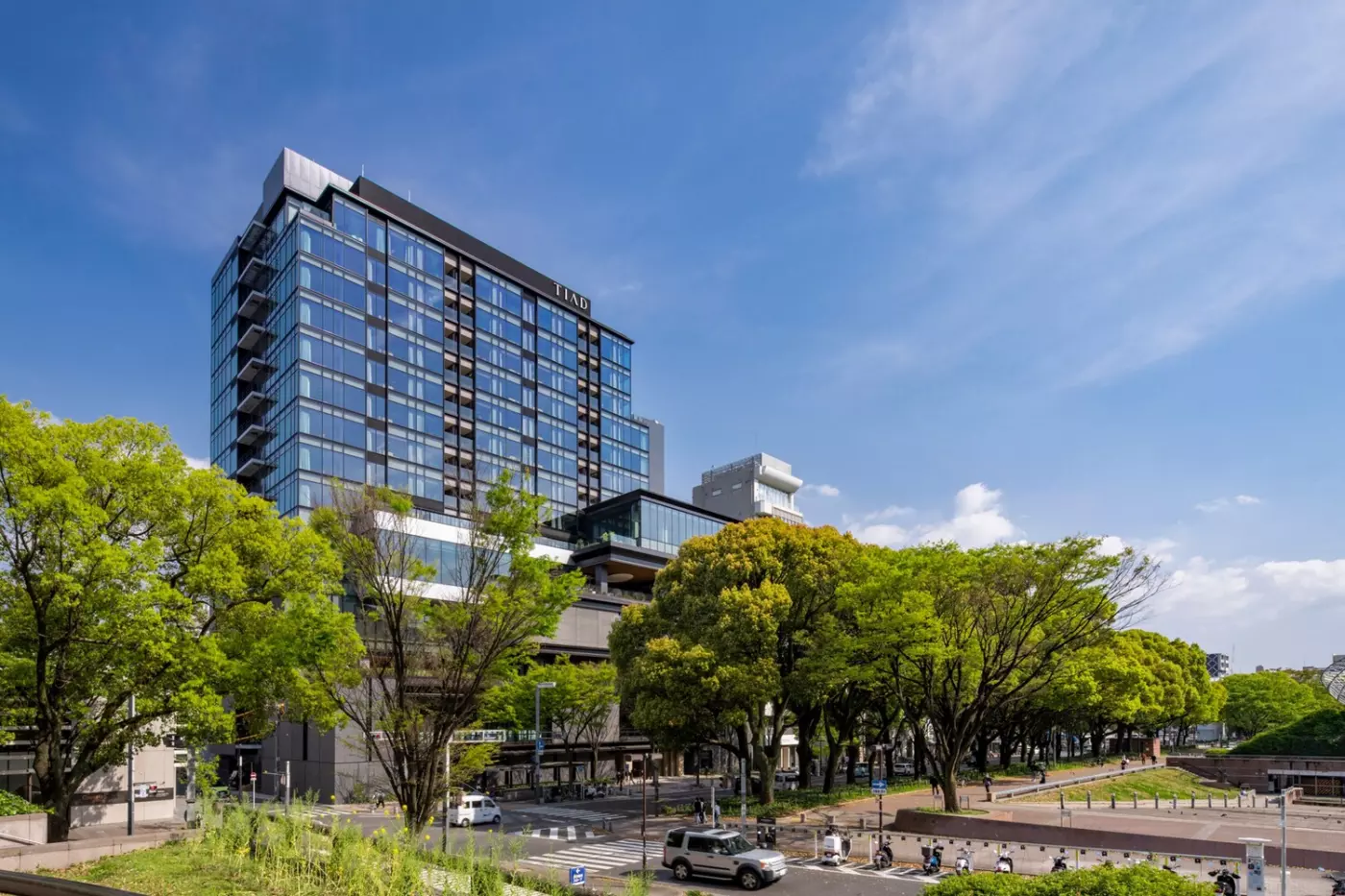
Tiad Autograph Collection
Prices From 319 USD
+3
More amenities
- Sauna
- Culture
- City Vibe
Tiad Autograph Collection is a modern luxury hotel in Nagoya, set by Hisaya Odori Park near Sakae and Yabacho. The hotel is p...
Please choose a hotel or destination from the list.
We couldn’t open your search results. Please try again.
Your private search
Finding exceptional stays
Nagoya rewards travelers who give its cultural and industrial stories their own attention. The city offers more than a stop between better-known destinations: craftsmanship, historic collections and contemporary urban life can shape a substantial visit. Choose a luxury hotel that supports the part of the city you want to enjoy, with time to discover rather than simply pass through.
Prices From 319 USD
More amenities
Tiad Autograph Collection is a modern luxury hotel in Nagoya, set by Hisaya Odori Park near Sakae and Yabacho. The hotel is p...

Prices From 384 USD
More amenities
Conrad Nagoya is a luxury hotel in central Nagoya, Japan, with direct access to Sakae Subway Station. Opened on July 31, 2026...
The Sakae area provides a contemporary setting for a hotel visit. TIAD, Autograph Collection is beside Hisaya Odori Park near Yabacho, giving the accommodation a relationship with urban greenery as well as the surrounding city.
At Nagoya Castle, the reconstructed Honmaru Palace gives architecture and decorative painting a shared focus. The entrance hall's tiger and leopard screens introduce the work of the Kano school. The paintings shown in the palace are restoration copies, made with techniques and materials studied from surviving originals. Choose the palace for the design of reception rooms and their painted surfaces, rather than treating a castle visit only as an exterior view of fortifications.
Arimatsu, in southern Nagoya, preserves a merchant townscape along the old Tokaido Road. Its tie-dyeing businesses helped the settlement prosper, leaving broad shop plots, gates and fences. After a destructive eighteenth-century fire, rebuilt houses used plaster and tiled surfaces to improve fire resistance. Choose this district for the relationship between a working craft and the architecture of the merchants who traded it.
Arimatsu-Narumi shibori creates patterns by tying cloth before dyeing it. The tied sections resist the colour, revealing the design when the thread is removed. The technique appears in kimono and cotton yukata fabrics as well as interior textiles. An interest in fabric construction and pattern gives the district a different subject from the city's machinery collections.
The Japan destination guide places Nagoya within a wider journey.
Its collection includes objects associated with the Owari Tokugawa family. Choose it for close attention to material culture rather than expecting the same experience as walking through a castle site. The objects provide a more intimate way to consider the historic subject.
The museum connects textile machinery with the development of automobile technology. It suits an interest in how manufacturing changes over time, rather than simply looking at finished cars. Give the machinery and industrial setting attention as part of the story.
Noritake introduces porcelain and tableware as a distinct manufacturing tradition. It is a useful contrast to machinery-focused collections, especially for travelers interested in materials and decorative design. Choose the subject for that difference rather than treating every industrial visit as interchangeable.
Nagoya's science museum brings a planetarium dome with a 35-metre internal diameter together with large-scale science exhibits. A nine-metre artificial tornado and displays about natural forces make it a different indoor interest from historic art or manufacturing collections. Choose it for astronomy and physical phenomena, with the planetarium providing a particular focus for a sky-led visit.
Tokugawaen is a strolling garden arranged around a central pond. Water runs from a waterfall through a ravine into the pond, symbolically condensing a mountain-to-sea landscape. Changes in height, large rocks and woodland give the walk its structure, with peonies, irises and autumn foliage adding seasonal interests. Choose it for landscape design alongside the area's historic collections.