



Amansara
Prices From 2’089 USD
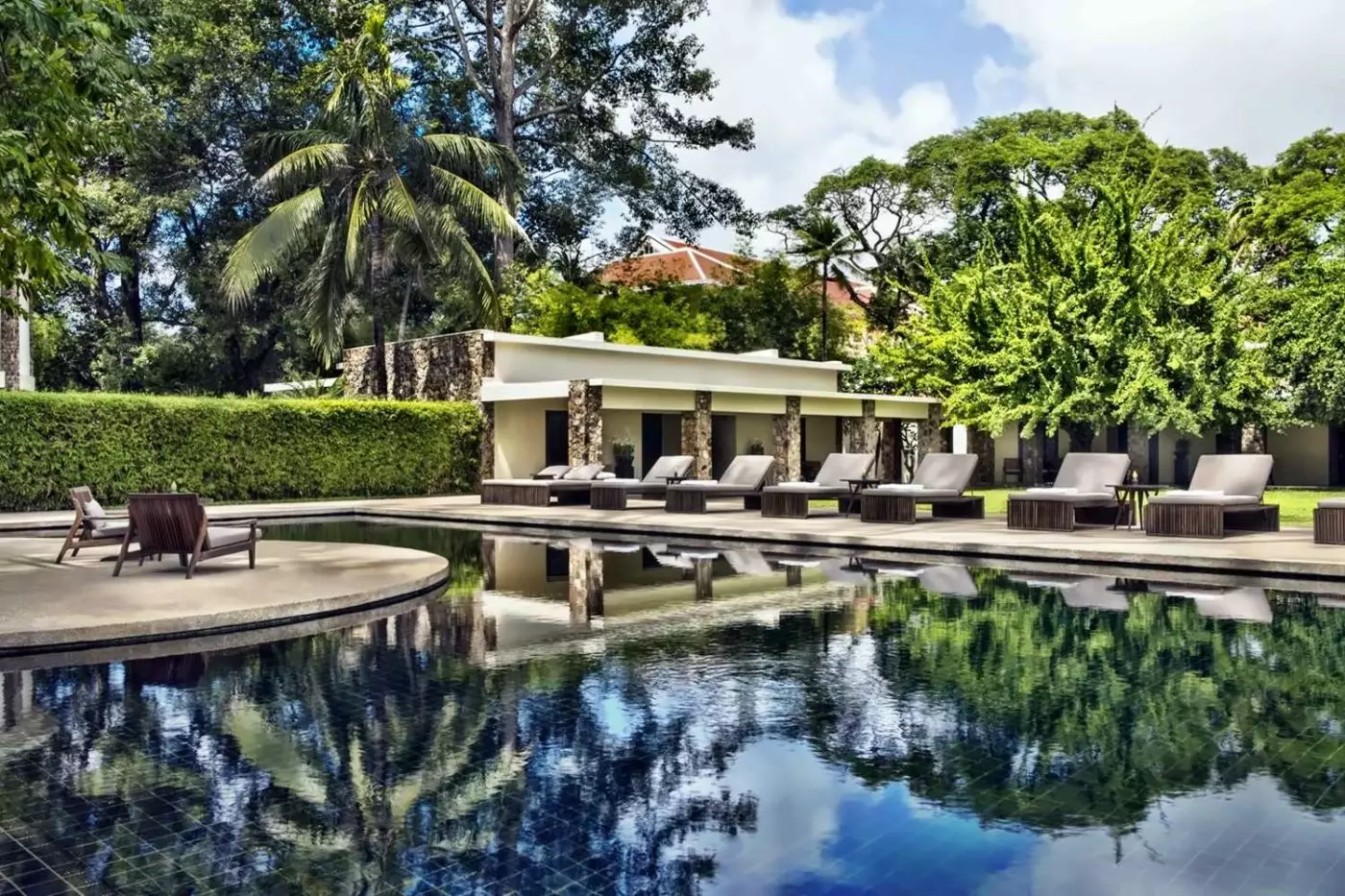
Amansara is a luxury hotel near Angkor Wat in Siem Reap, Cambodia, with 24 suites in a former royal guest residence. Once use...
Please choose a hotel or destination from the list.
We couldn’t open your search results. Please try again.
Your private search
Finding exceptional stays
A luxury journey through Cambodia can bring together an inland cultural base, time in the capital and a stay on the southern islands. The hotel landscape changes with that route: garden estates and heritage addresses in Siem Reap, historic or high-rise city hotels in Phnom Penh, and tropical island retreats. Give each setting a reason to be in the journey before selecting the individual hotels.
Prices From 2’089 USD
Amansara is a luxury hotel near Angkor Wat in Siem Reap, Cambodia, with 24 suites in a former royal guest residence. Once use...
Prices From 1’263 USD
More amenities
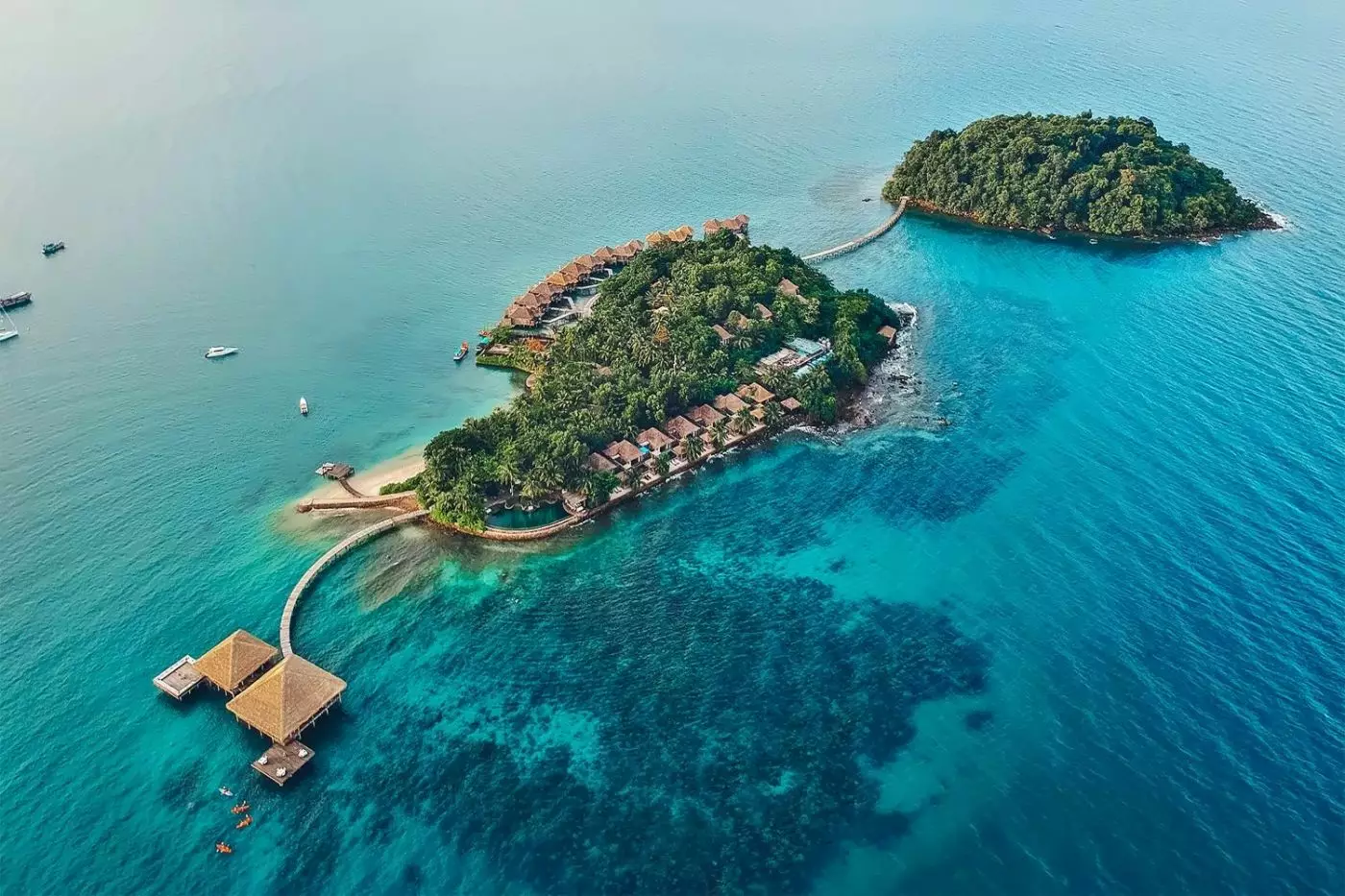
Song Saa Private Island occupies Koh Ouen and Koh Bong, two small islands joined by a footbridge in Cambodia's Koh Rong Archi...
Prices From 214 USD
More amenities
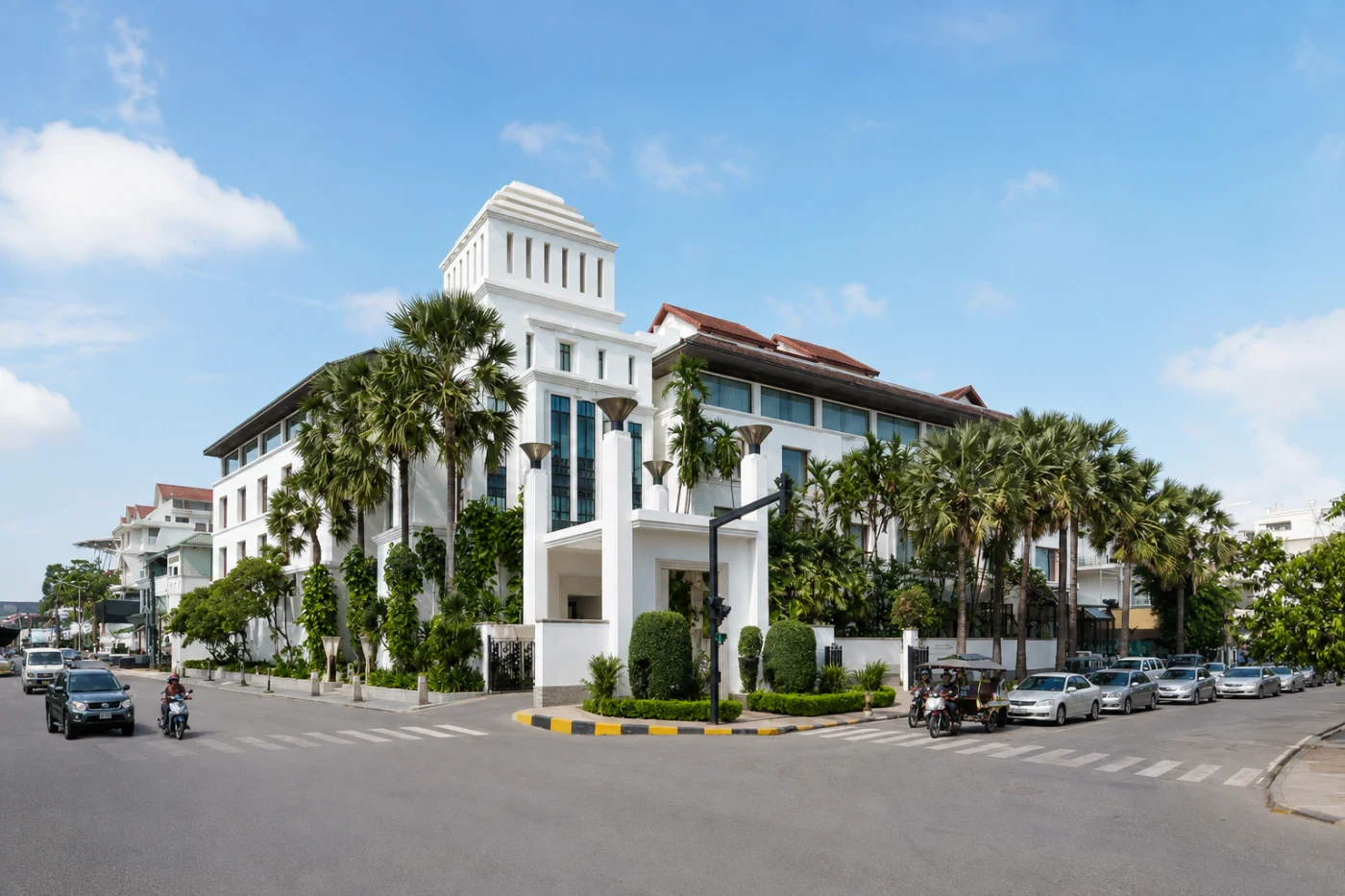
Park Hyatt Siem Reap puts you in the center of town without making the hotel feel exposed to it. Old Market, Pub Street, rest...
Prices From 407 USD
More amenities
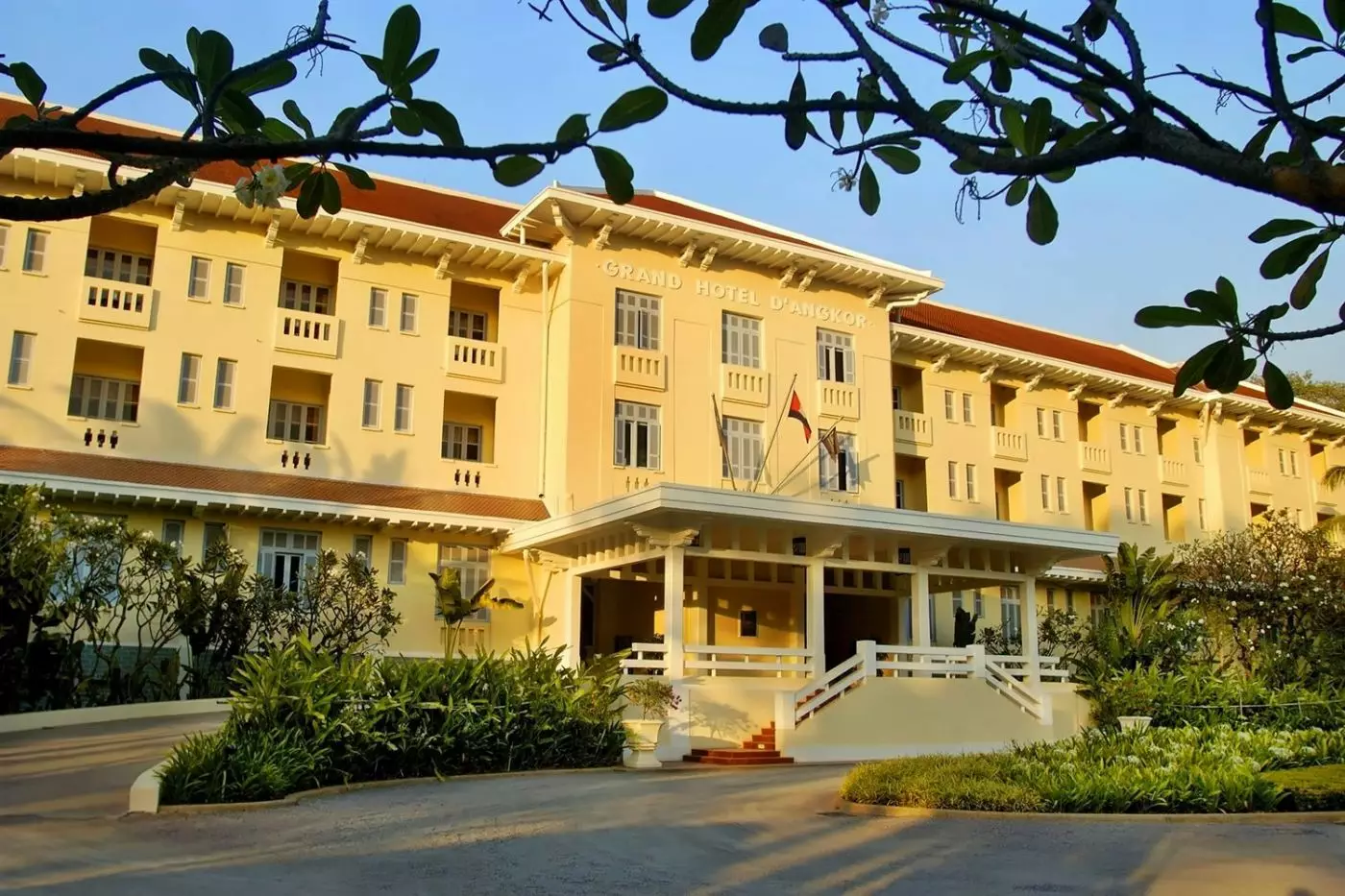
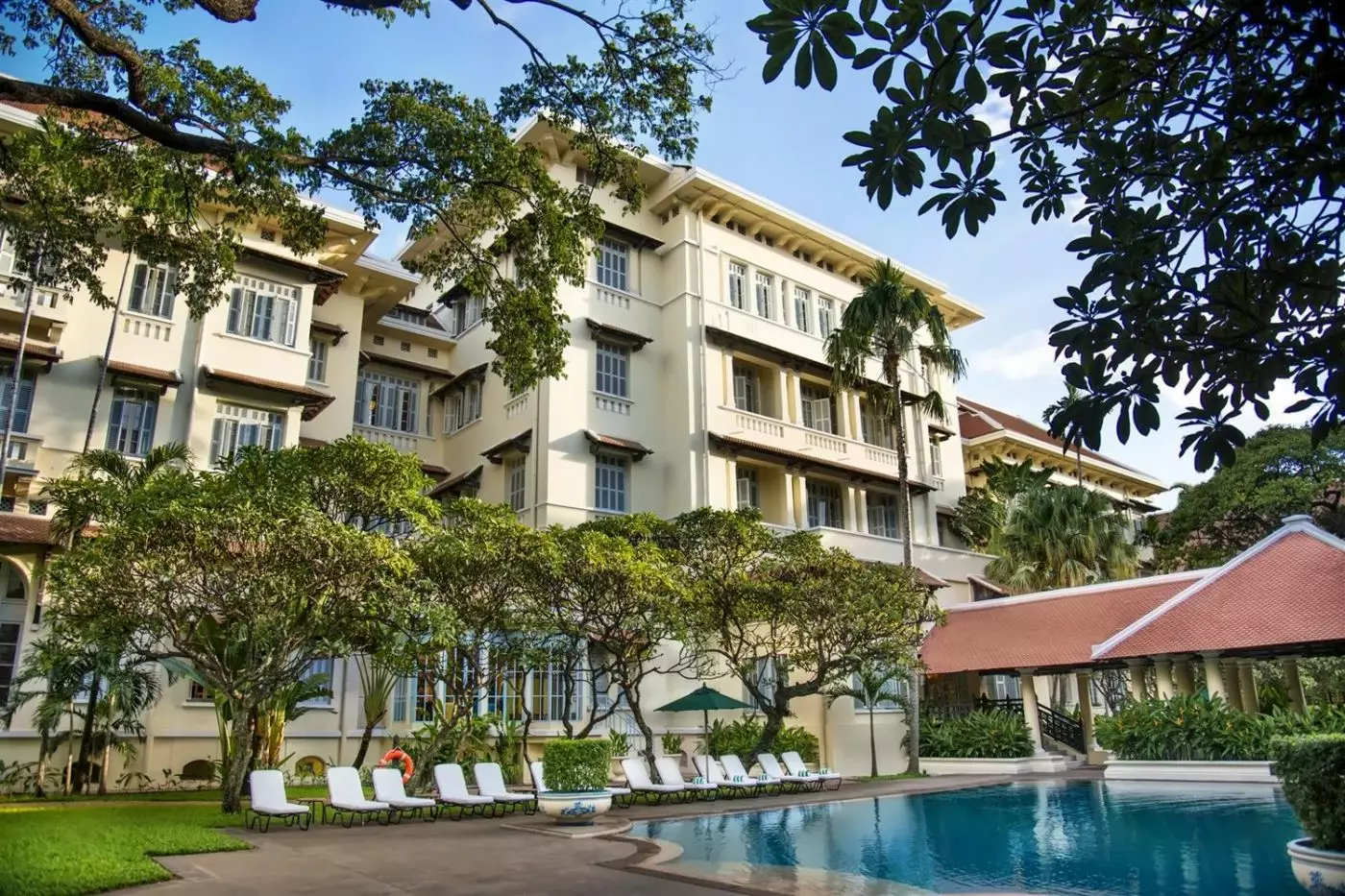
Raffles Grand Hotel d'Angkor brings a particular sense of place to central Siem Reap. An original timber elevator rises from...
Prices From 296 USD
More amenities
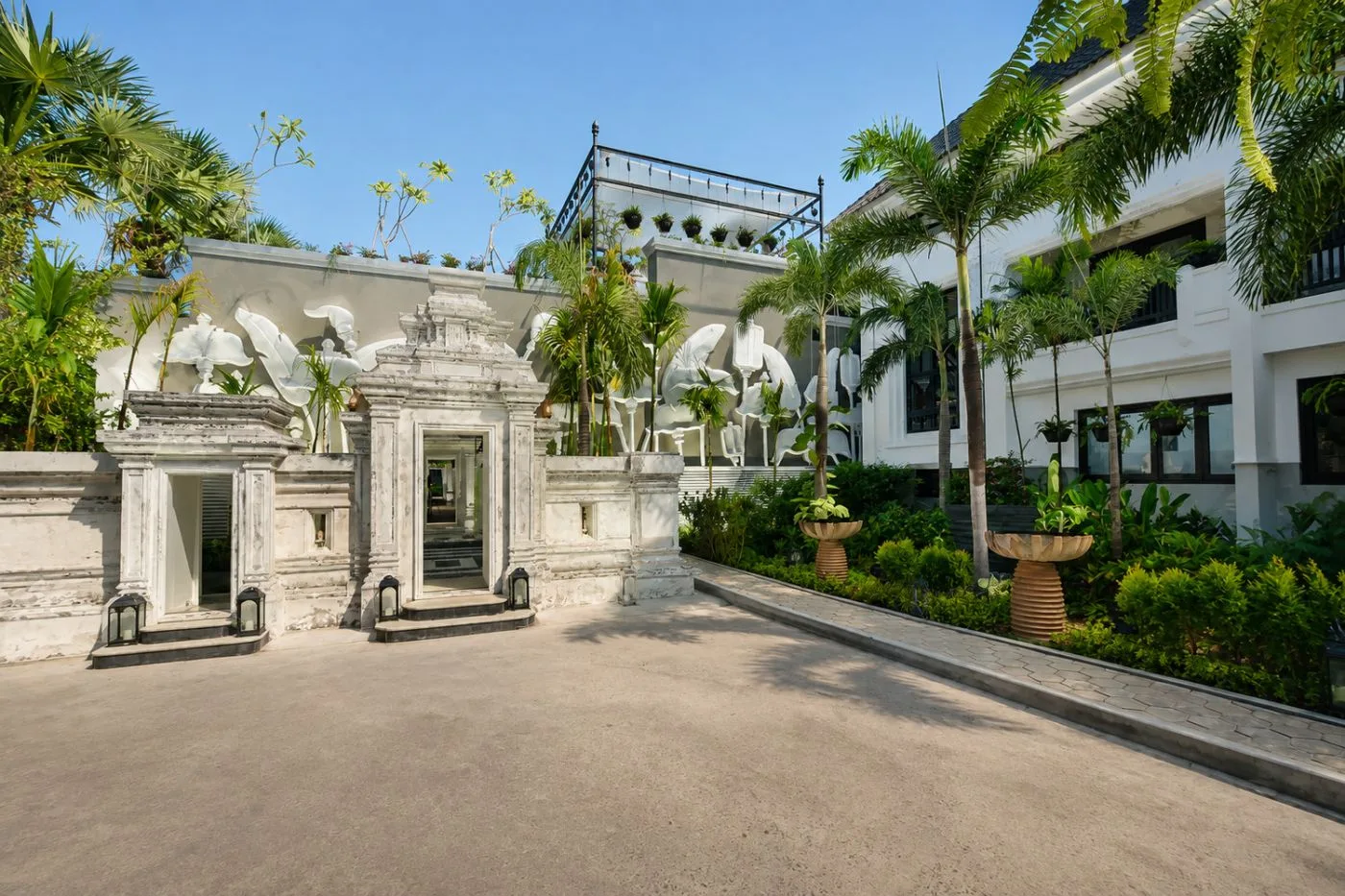
The two outdoor pools at Raffles Hotel Le Royal take their inspiration from Cambodia's Royal Palace. Tropical gardens surroun...
Prices From 188 USD
More amenities
Bill Bensley gave each of his ten pool villas at Shinta Mani Angkor two places to spend time outdoors, one at garden level an...
Prices From 270 USD
More amenities
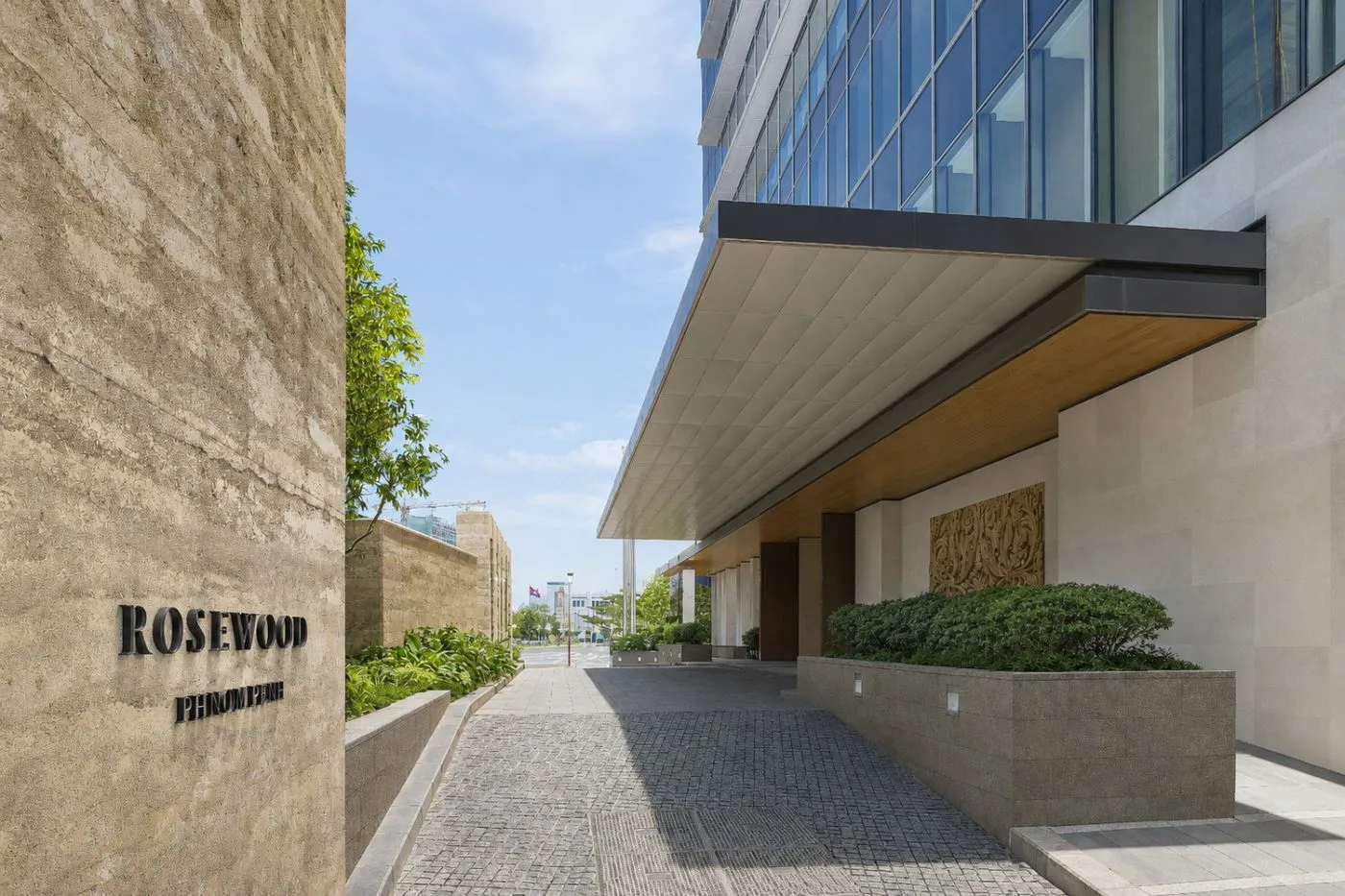
Rosewood Phnom Penh occupies the upper 14 floors of Vattanac Capital Tower, placing the Cambodian capital at eye level from r...
Prices From 929 USD
More amenities
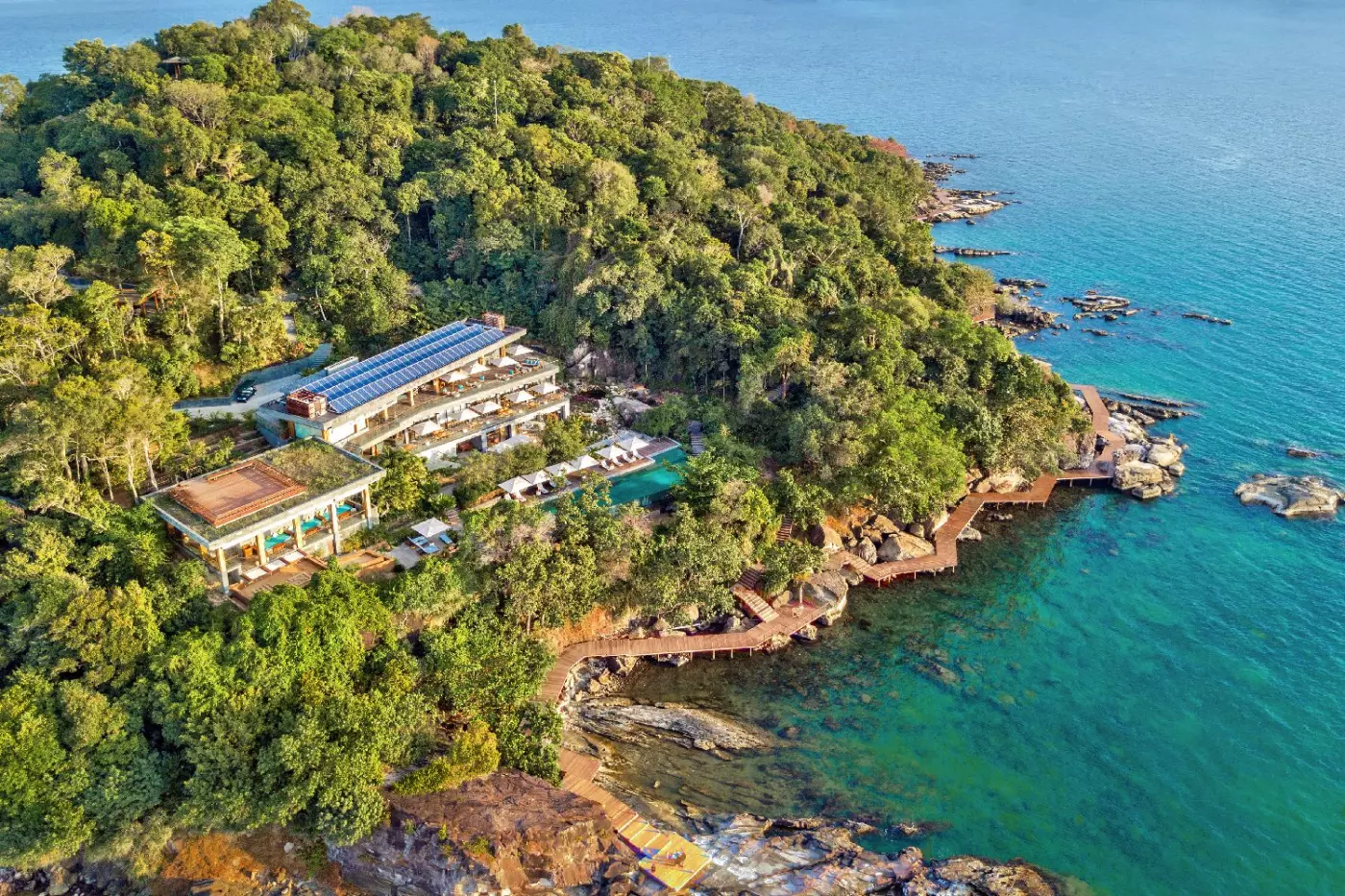
Six Senses Krabey Island is a private-island resort off Cambodia's south coast, set in the Gulf of Thailand near the Ream coa...
Reserved for You
Siem Reap is the base for a stay centered on the Angkor area. Its luxury-hotel character ranges from the scale of a grand hotel to a garden estate with a more intimate architectural setting. Raffles Grand Hotel d'Angkor illustrates the former, while Amansara's New Khmer design reflects another part of Cambodia's architectural heritage. Choose the atmosphere you want to return to after time exploring inland, rather than treating every Siem Reap address as the same experience.
Phnom Penh adds an urban setting to the route. Historic hotel architecture mixes French colonial, Khmer and Art Deco influences, while contemporary high-rise addresses offer a different perspective across the city. This makes building character a useful part of the shortlist: a grand city hotel and accommodation in Vattanac Capital Tower serve different tastes even within the same capital.
Phnom Penh’s Central Market adds a commercial and architectural outing beyond ceremonial buildings and museum collections. Its reinforced-concrete structure has a large central dome and four wings, with the roof openings and layout designed around light and ventilation. The market connects the city’s twentieth-century architecture with an everyday trading setting, making it a useful contrast to the monumental landscapes around Siem Reap.
The Koh Rong archipelago and Krabey Island introduce a tropical coastal setting after an inland or city stay. Song Saa is on Koh Ouen in the Koh Rong archipelago; Krabey is a separate island off Ream, rather than another part of the same resort island. That distinction gives the southern stage two different locations within the Gulf of Thailand.
Krabey’s tree canopy meets a coast of rocky edges and small sandy shorelines. The contrast between wooded ground and sea is part of the island experience itself, beyond a villa’s design.
A Phnom Penh, Siem Reap and southern-island combination gives each stop a distinct role: capital-city life, inland cultural exploration and a coastal retreat. An inland-focused journey can give more time to Phnom Penh and Siem Reap; an island-focused holiday need not include both city stops.
Compare Cambodia Hotel Offers for the selected stays.
Choose Siem Reap for Angkor's archaeological landscape: temples such as Angkor Wat and the Bayon form part of a wider complex of reservoirs, canals and former urban plans. Choose Phnom Penh for the National Museum's Khmer art collection, including stone, metal and wooden objects and Hindu and Buddhist sculpture. Combining them lets you see monumental architecture in its landscape and examine objects and sculpture in a museum setting.
Allow for a mainland-to-island connection as its own leg of the journey. Song Saa's boat departure is from its lounge at Sihanoukville Port; Six Senses Krabey Island uses its mainland jetty followed by a water transfer. Coordinate the road arrival and boat departure together when adding either island after an inland stay.
The Royal Palace offers a view of Cambodia's monarchy and ceremonial architecture. Its Throne Hall serves royal occasions, including coronations and the reception of ambassadors; the Silver Pagoda takes its name from its silver-tiled floor. Choose this visit for the royal and religious setting within the capital. It remains a royal residence, so focus on the ceremonial compound rather than expecting access to the private residential quarters.
Tonle Sap adds a lake and wetland landscape to the temple visit. Its biosphere reserve includes floodplains, freshwater swamps and seasonally flooded habitats; stilt villages are another part of the lake's human landscape. Choose an outing here when you want to understand how water shapes life in Cambodia, rather than adding another archaeological stop. Amansara offers guided experiences around the lake.
November to March brings the generally drier, cooler part of Cambodia's monsoon cycle and is a useful starting point for a journey with outdoor temple visits and time on an island. Conditions become hotter toward late March and April; the wetter period runs roughly from May into October. Choose the drier period for a trip led by outdoor exploration, or the wetter season when you prefer the greener landscape and a less weather-dependent itinerary.