



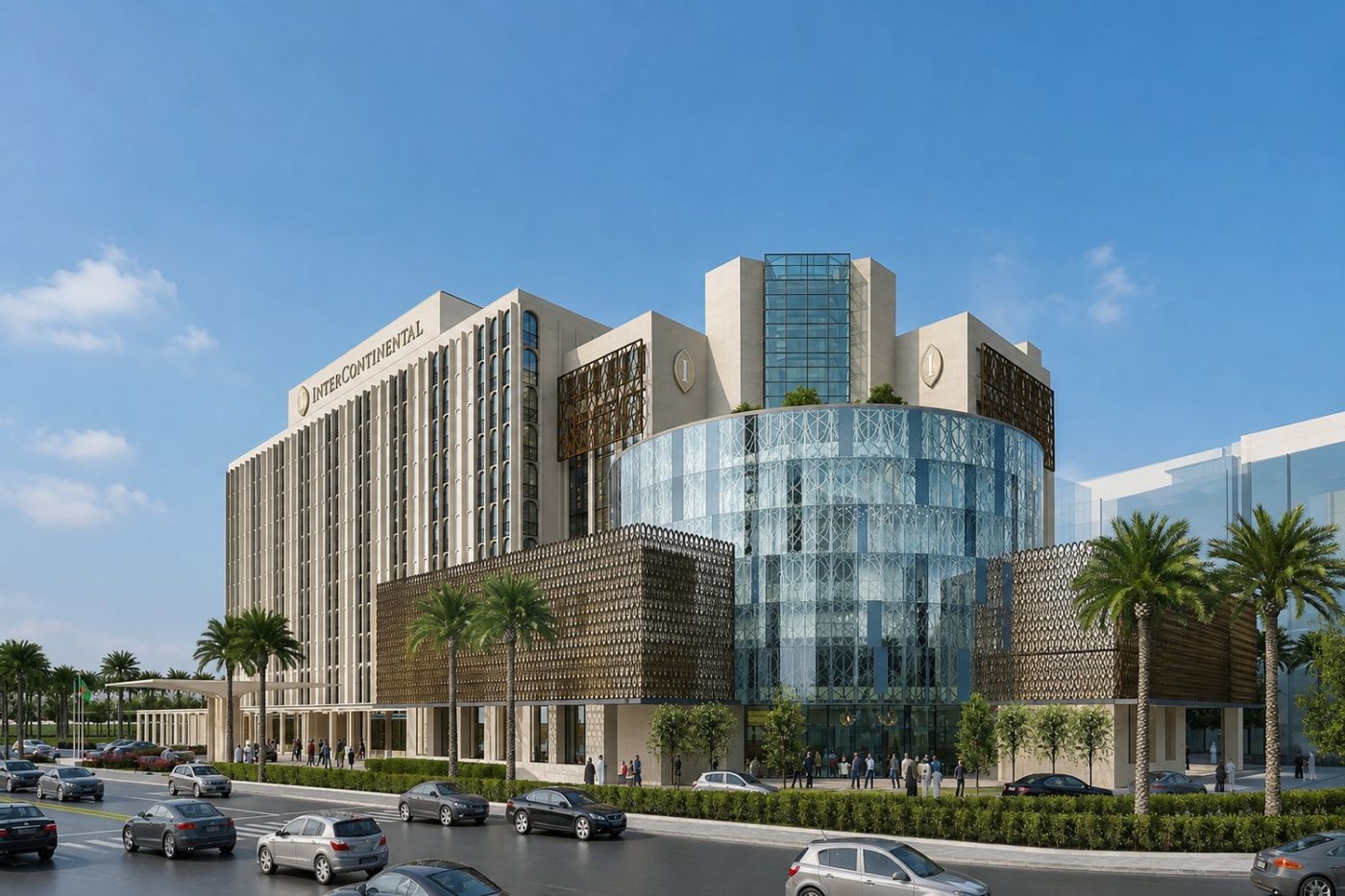
InterContinental Dhaka
Prices From 176 USD
InterContinental Dhaka is a five-star hotel in Dhaka for guests who need the capital to feel workable. The address is central...
Please choose a hotel or destination from the list.
We couldn’t open your search results. Please try again.
Your private search
Finding exceptional stays
Water gives Bangladesh much of its character, while Dhaka provides an energetic urban introduction. A rewarding journey gives the capital, tea-growing landscapes and the mangrove world of the Sundarbans different roles. Choose the subjects that interest you, then arrange a manageable sequence rather than expecting one city hotel to place the whole country immediately around you.
Prices From 176 USD
InterContinental Dhaka is a five-star hotel in Dhaka for guests who need the capital to feel workable. The address is central...
Reserved for You

InterContinental Dhaka provides a luxury address on Minto Road. Choose a city base for time in the capital itself, with a comfortable return between cultural outings and other commitments. A country hotel search should still begin with that actual location rather than a general impression of Bangladesh’s rivers and forests.
Dhaka rewards a focused approach. Choose a historical or architectural subject and give it attention, leaving room for the city’s daily energy and a considered meal. A day with fewer objectives can provide more understanding than attempting to absorb every district in one continuous excursion.
Old Dhaka introduces a different scale and historical texture from the hotel base. Ahsan Manzil and Lalbagh Fort offer specific architectural interests, each with its own story. Select the subject that appeals rather than treating every historic building as another version of the same visit.
The experience is strongest when it has a clear focus. Consider how the chosen site connects with the surrounding city, then leave time to return without another ambitious departure. A luxury hotel can support this balance by making the quieter part of the day valuable too.
The Sundarbans bring a more substantial change: tidal waterways, mudflats and mangrove islands in the southwest. Approach this landscape for its ecology and the experience of exploring it with appropriate local expertise. A wildlife interest can enrich the journey without making a particular sighting the measure of success.
A city-and-tea-country combination and a city-and-mangrove journey serve different interests. Choose the regional addition for the experience it contributes, giving the travel and time on location their own place. More names on the route do not necessarily create a deeper understanding of the country.
Historical regions can provide another direction for a longer visit. Select the cultural theme first, then organize the actual geography around it. Bangladesh’s appeal lies in these distinct settings; the strongest hotel choice supports a coherent journey through some of them rather than implying that every landscape belongs within reach of the same base.
Our Dhaka destination guide provides the capital chapter in more detail.
The Buddhist monastic ruins are in northwestern Bangladesh, in Naogaon district. They offer a distinct archaeological and religious-history subject that deserves its own regional planning, rather than being folded into an Old Dhaka outing.
Its historic mosque city preserves the remains of a medieval Muslim town. Choose it for that architectural and cultural subject, keeping it distinct from the experience of exploring nearby mangrove landscapes.
It is in Sonargaon, Narayanganj. Treat it as a specific historical outing with its own setting, rather than assuming the name describes a neighborhood of central Dhaka.
They are adjacent but separately listed properties. Keep the country and actual journey clear when planning a mangrove visit instead of treating descriptions from either side as interchangeable.
No. It is a separate tea-country destination. Choose it as a regional change of landscape and pace, giving the journey its own space rather than treating it as part of a city hotel’s immediate surroundings.