



Amanjiwo
Prices From 1’512 USD
+3
More amenities
- Romantic
- Adventure
- Sustainable
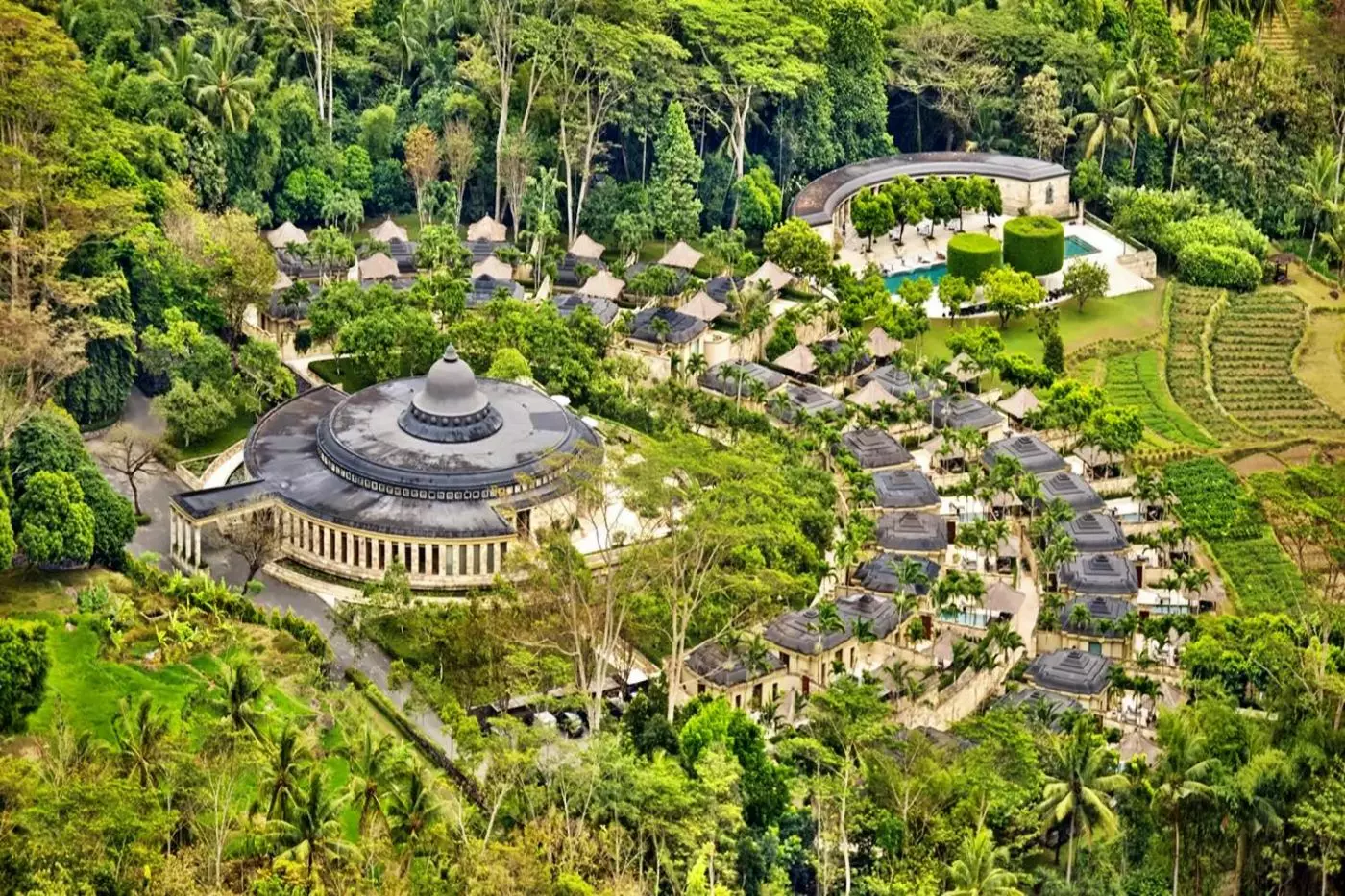
Amanjiwo is an Aman resort near Borobudur in Central Java, Indonesia, with pavilions overlooking gardens, the Menoreh Hills o...
Please choose a hotel or destination from the list.
We couldn’t open your search results. Please try again.
Your private search
Finding exceptional stays
The cultural landscape around Borobudur gives a Central Java hotel stay a particular subject. Choose it for an interest in architecture and reliefs, with rural surroundings providing a different setting from a city-based visit.
Prices From 1’512 USD
More amenities
Amanjiwo is an Aman resort near Borobudur in Central Java, Indonesia, with pavilions overlooking gardens, the Menoreh Hills o...
Amanjiwo is near Borobudur in the Magelang area of Central Java. This is a rural retreat for a journey centred on the monument and its surrounding villages. The Java label covers a much larger island; the useful local focus here is the Borobudur landscape, with a city visit planned as a separate outing.
Borobudur rises through square terraces to circular platforms and a crowning stupa. Low reliefs line its walls and balustrades, while openwork stupas surround the upper platforms. These features make the building more than a single monumental silhouette: the lower carved surfaces and upper forms belong to a carefully structured whole.
The division into base, body and superstructure reflects Buddhist ideas about the universe. Knowing that relationship gives the architecture a cultural explanation, connecting the monument’s shape with belief. A visit focused on sculpture and architectural form can therefore be as rewarding as the view of the temple within the Kedu Valley.
Candirejo introduces everyday rural culture in the Borobudur area. Agriculture, food production and crafts form part of village life here, including tempe making, stone carving and woven work. It provides a different encounter with Central Java from the monumental art of the temple.
The Menoreh landscape also supports pandanus craft. Leaves from these hills are used to make mats and bags, with weaving connecting household objects to locally grown material. For travellers interested in craftsmanship, this gives a village outing a specific focus alongside farming and food.
The Indonesia destination guide places this Central Java retreat within the wider country.
Borobudur is Buddhist, while Prambanan’s principal Hindu temples are dedicated to Shiva, Vishnu and Brahma, with reliefs illustrating the Ramayana. The two visits offer different religious and artistic traditions. Prambanan belongs to the Yogyakarta–Central Java border area, so it is a separate cultural outing from the Magelang retreat.
These smaller temples form the Borobudur World Heritage property with the main monument, aligned to its east. Mendut contains a Buddha figure accompanied by two Bodhisattvas; Pawon has a smaller, more enclosed form. They extend a temple-focused itinerary beyond Borobudur’s scale, with different buildings and sculptures to understand.
Do not choose the accommodation on an assumption about privileged entry or a particular visiting moment. Select it for the broader cultural setting and retreat experience. The hotel’s location and the arrangements for visiting the monument are separate matters.
Gudeg centres on slow-cooked young jackfruit, while lodeh combines vegetables with coconut milk. Tempe orek adds palm sugar, galangal and salam leaf to fermented soybeans. These examples introduce different textures and seasonings within Javanese cooking; they are regional food ideas, without promising a fixed menu during the stay.
The Kraton palace lies at the centre of Yogyakarta’s historic north–south axis, linking monuments through Javanese cosmological ideas and rituals. A city visit adds royal and living cultural traditions to the earlier temple landscape around Borobudur. It is a different urban chapter from the rural base near Magelang.