



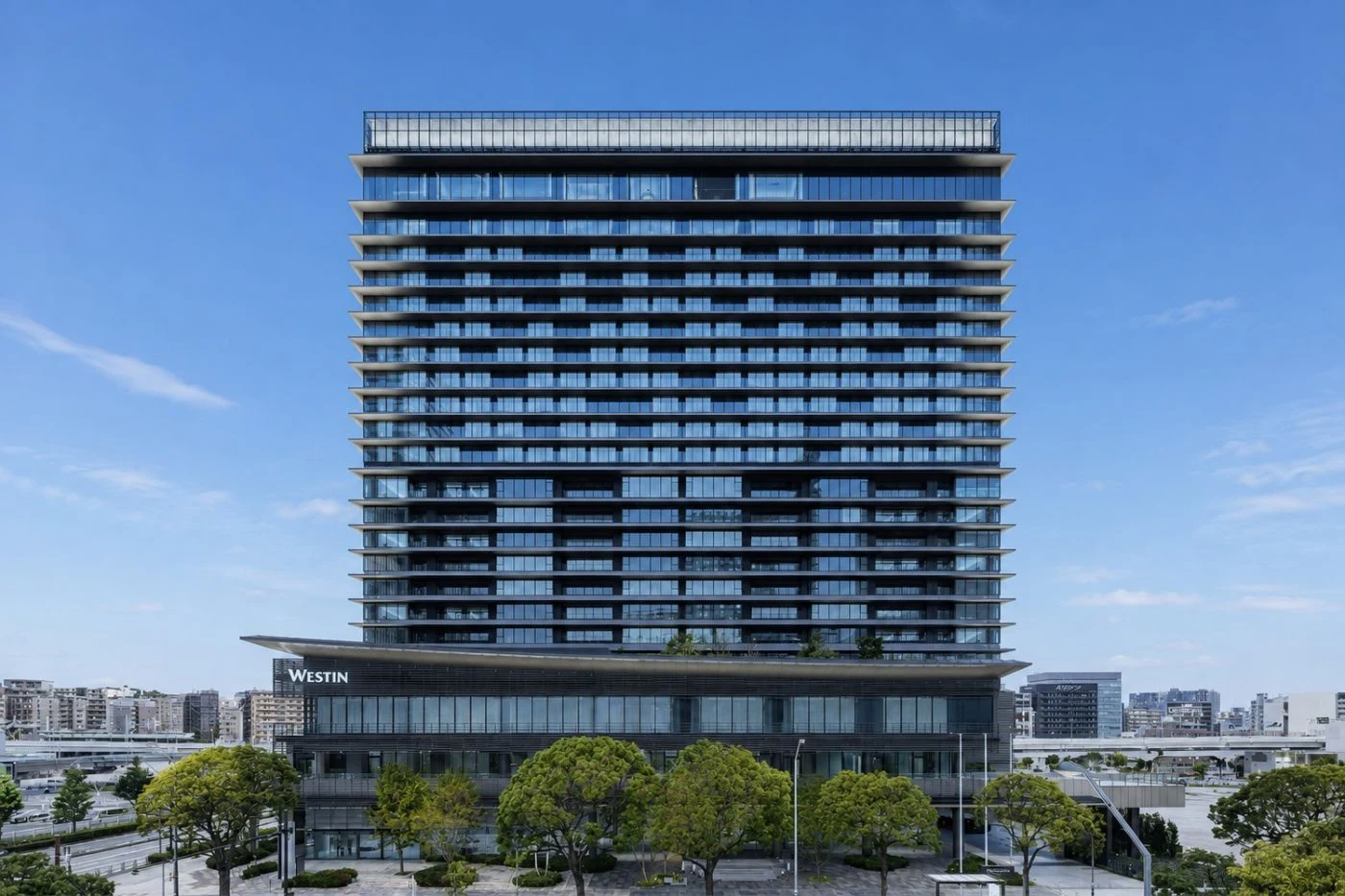
The Westin Yokohama
Prices From 261 USD
+3
More amenities
- Sauna
- Culture
- City Vibe
The Westin Yokohama brings the Westin wellness approach to Minato Mirai, Yokohama's modern waterfront district. The hotel ope...
Please choose a hotel or destination from the list.
We couldn’t open your search results. Please try again.
Your private search
Finding exceptional stays
The Westin Yokohama places a city stay in Minato Mirai, among the contemporary harbour district's urban surroundings. Explore older port streets and Chinatown from this base, with Sankeien in Honmoku adding a separate garden and architectural visit. These different outings reveal more of Yokohama than the skyline alone.
Prices From 261 USD
More amenities
The Westin Yokohama brings the Westin wellness approach to Minato Mirai, Yokohama's modern waterfront district. The hotel ope...
The Westin Yokohama is at 4-2-8 Minatomirai in Nishi Ward. Use Minato Mirai as the hotel base for this contemporary city setting, then head to the older waterfront for the port history below. Broad public spaces and a modern skyline give this part of Yokohama a different character from the older streets and garden landscapes you can visit.
The Red Brick Warehouse area and Yamashita Park reveal another side of the waterfront, while Chinatown adds a distinct food-led neighbourhood. These places suit an interest in streets, meals and maritime character beyond the contemporary skyline.
Give Chinatown attention as a dining neighbourhood. Choosing dinner here brings the city's Chinese food culture into the evening, rather than limiting it to a daytime photograph. That food-led interest offers a different reason to choose a district from the open urban panorama of Minato Mirai.
Sankeien lies in Honmoku, away from the principal harbour sightseeing cluster. Created by silk merchant Sankei Hara, it gives Japanese garden design a clear place within a Yokohama stay. Kyoto and Kamakura provide points of reference for the historic architecture here.
Look at the relationship between garden perspectives and the buildings within them. Varied terrain changes how the surroundings are seen, and the interest extends beyond a single seasonal bloom. Historic structures can be appreciated in their landscape without assuming that every interior will be open during a visit.
For a wider Japan journey, these subjects give Yokohama a defined port-city role: contemporary waterfront design, maritime streets, food culture and a garden-led architectural interest. Return to Minato Mirai after exploring the older port districts or Honmoku.
Yokohama is a separate city in Kanagawa Prefecture. It belongs to the wider metropolitan region, but its port history and neighbourhoods give it an identity worth planning around in its own right.
No. Room direction, floor and the surrounding buildings influence the outlook. Compare the actual room description rather than extending a hotel's waterfront identity to every category.
It is a designed Japanese garden containing historic architecture brought together from several places. That distinction is part of its appeal: landscape and buildings form a carefully arranged ensemble.
Hikawa Maru is preserved in front of Yamashita Park. Built in 1930 for the Japan–Seattle route, the passenger-cargo liner brings shipbuilding and ocean travel into the waterfront story. Choose it for that maritime heritage, beyond admiring the harbour from the shore.
The museum explores instant noodles and the inventions of Momofuku Ando through displays, packaging history and a recreation of his work shed. It gives food an inventive, industrial-history angle, distinct from eating in Chinatown. Choose it when that story interests the family.