Best for
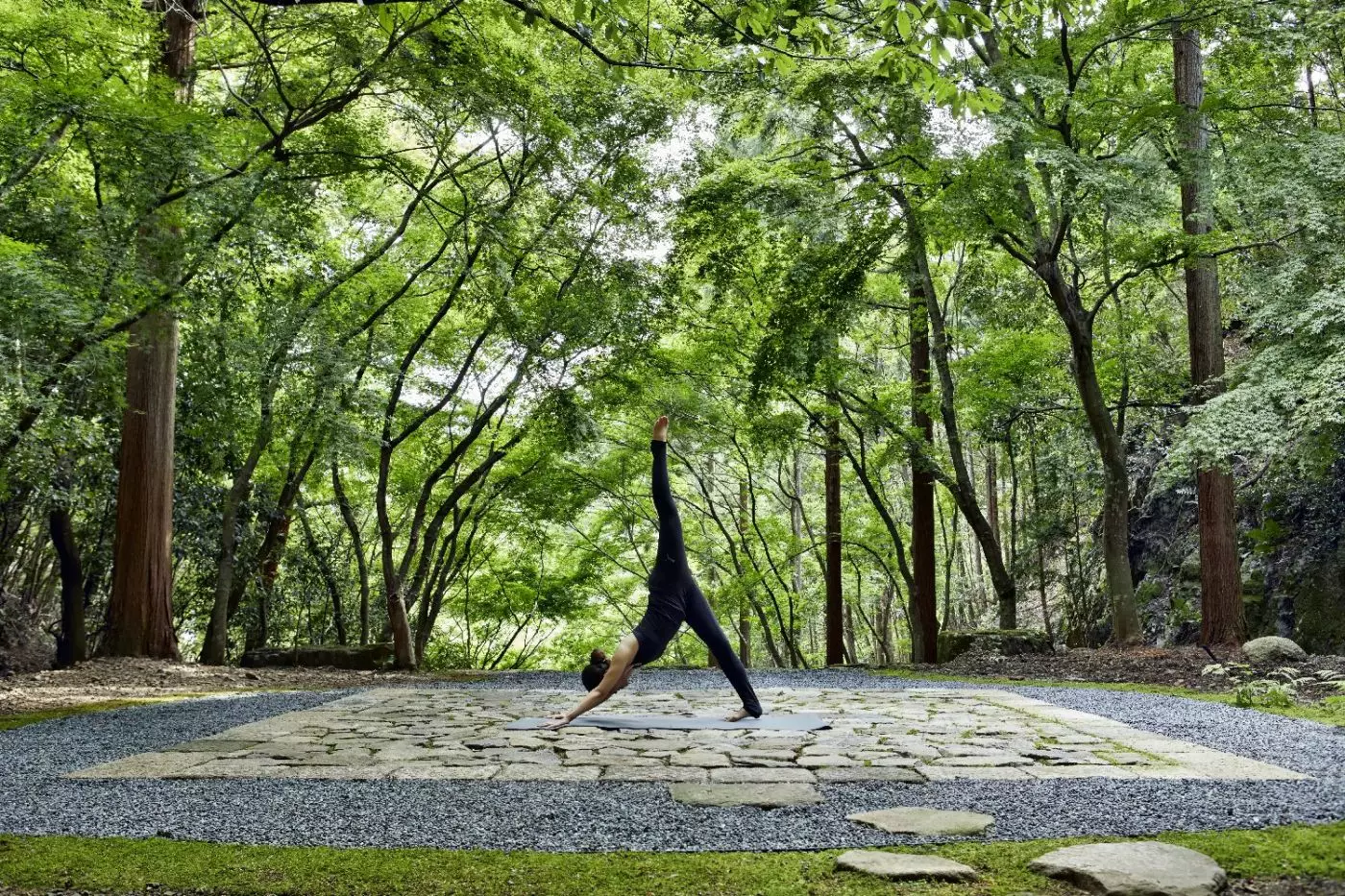
Aman Kyoto has no gym or swimming pool, so choose it with a walking or garden-based exercise routine in mind.
Please choose a hotel or destination from the list.
We couldn’t open your search results. Please try again.
Your private search
Finding exceptional stays
Best for
Aman Kyoto has no gym or swimming pool, so choose it with a walking or garden-based exercise routine in mind.
What makes it special
Miniature garden instruction from the resort gardener lets you work with moss, soil and stone, turning the landscape into a creative experience.
Room to consider
Included in-room refreshments and beverages extend to alcoholic drinks, a useful consideration if you plan to enjoy an evening in your accommodation.
Insider tip
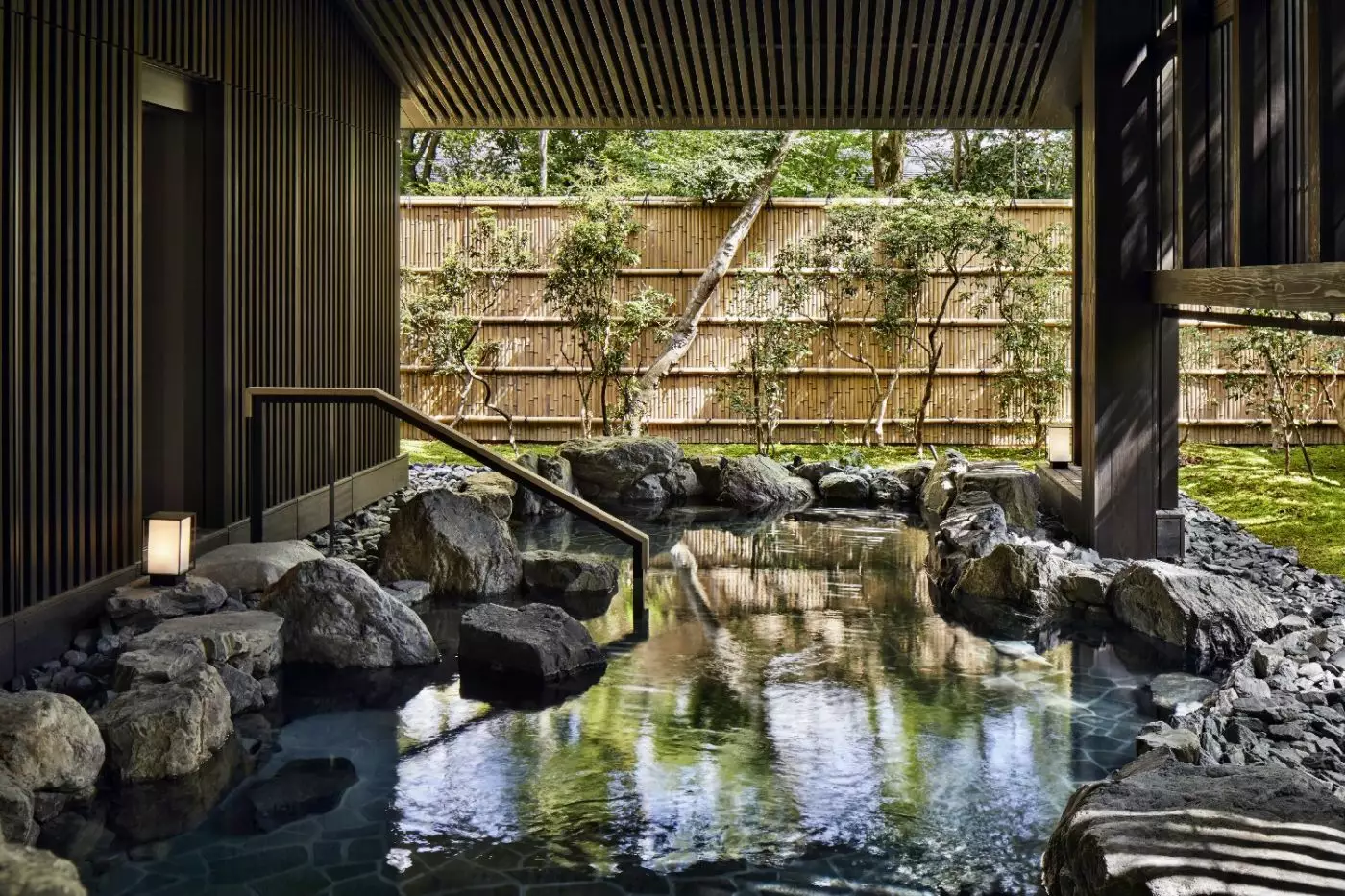
Reserve your onsen session in advance, as guest numbers are limited at any one time, rather than assuming you can walk in.
Free membership gives you access to preferred rates, exclusive benefits and current promotions for your stay.
Aman Kyoto is not a typical Kyoto hotel. It is a quiet resort set in a private forest garden in the Takagamine area, north of the city center. The location is deliberate. Guests are close to Kinkaku-ji Temple and within reach of Kyoto's major cultural sites, but the hotel feels removed from the daily pressure of the city. That balance is the point of the stay.
The property suits travelers who want Kyoto to feel slow, quiet, and deeply connected to nature. It is not the best choice for guests who want to step out into a busy nightlife district. It is better for those who value space, silence, design, and a clear sense of retreat after temple visits. The hotel lets Kyoto breathe. It gives the city a softer frame.
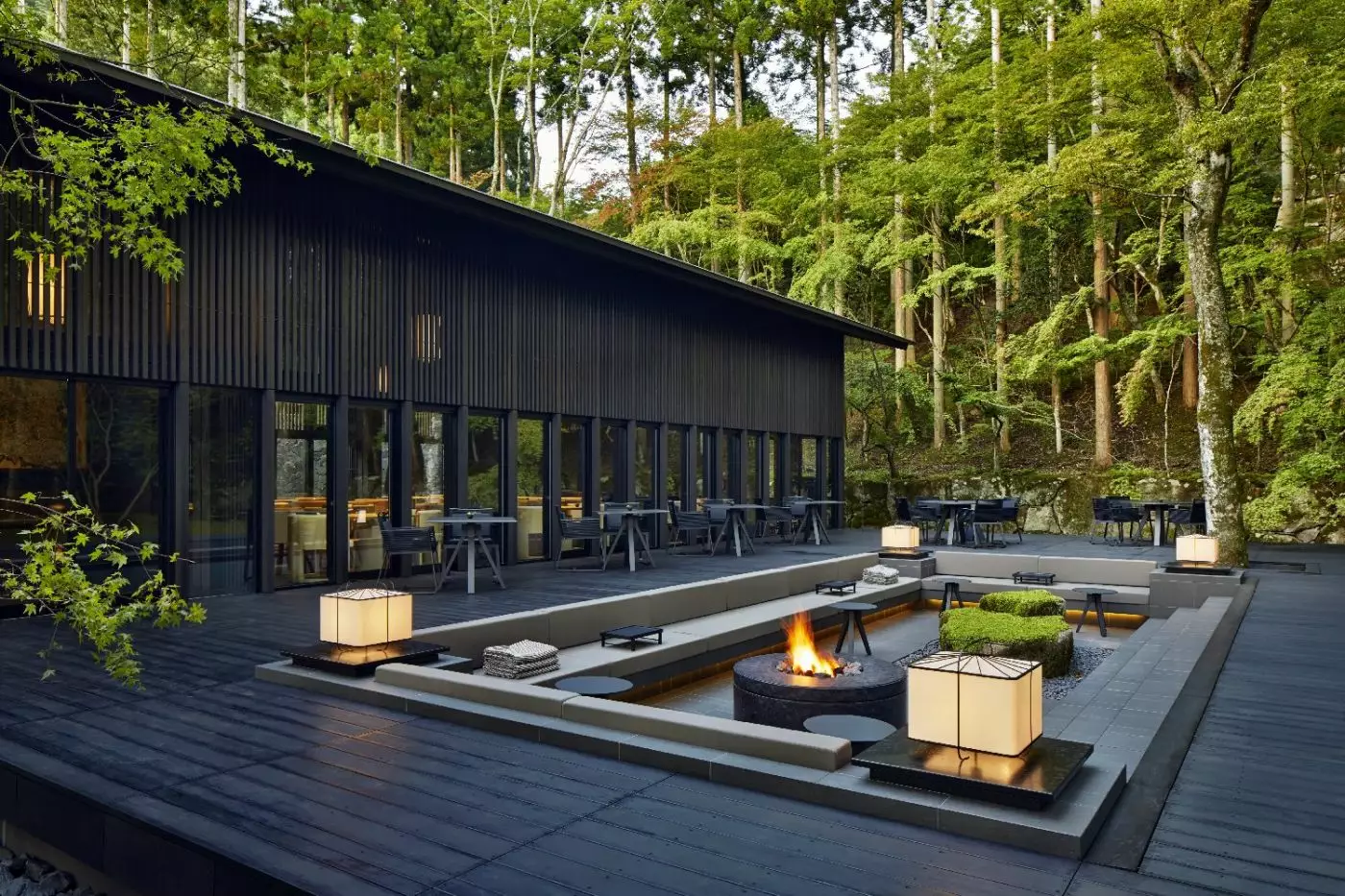
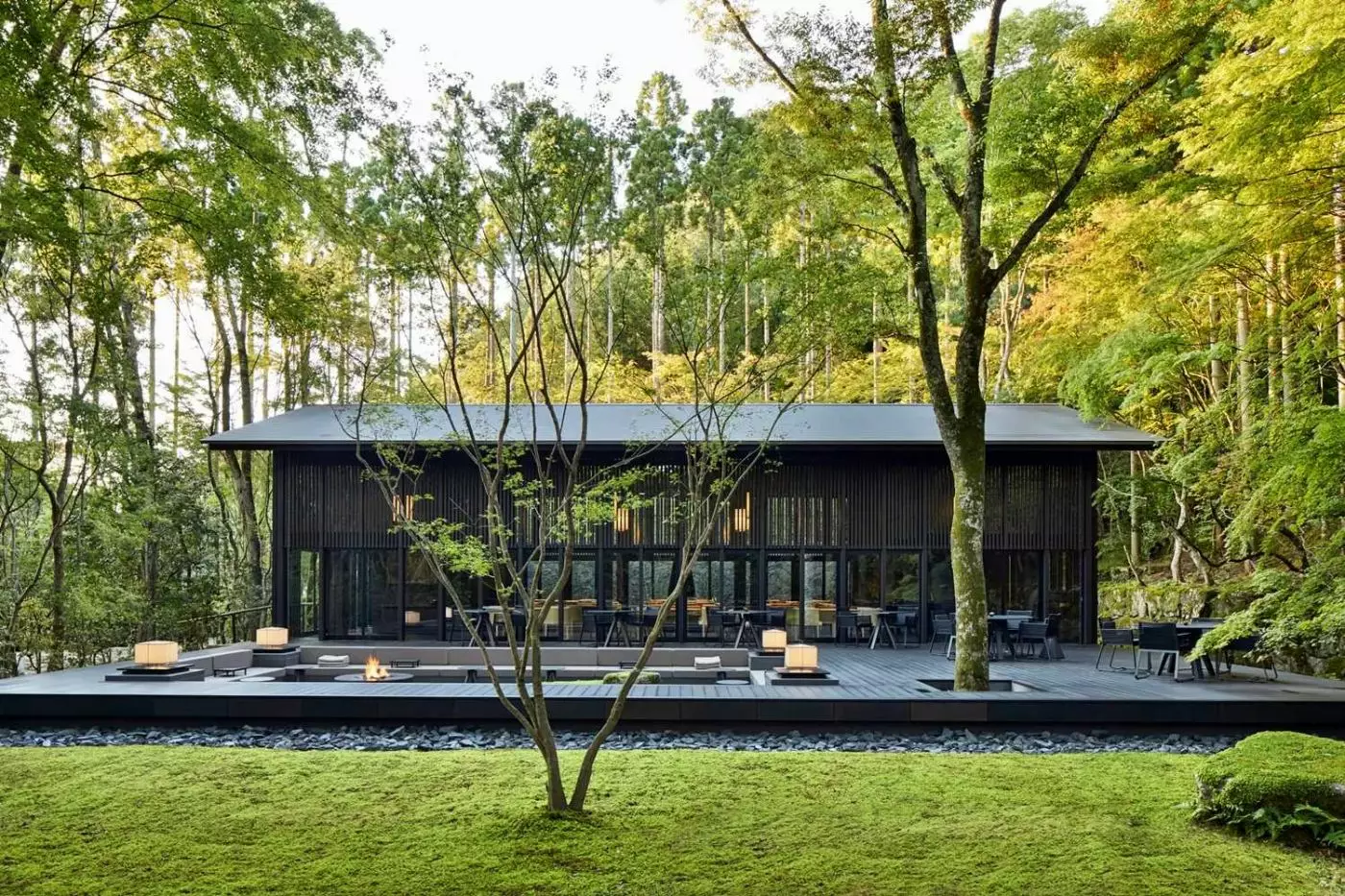
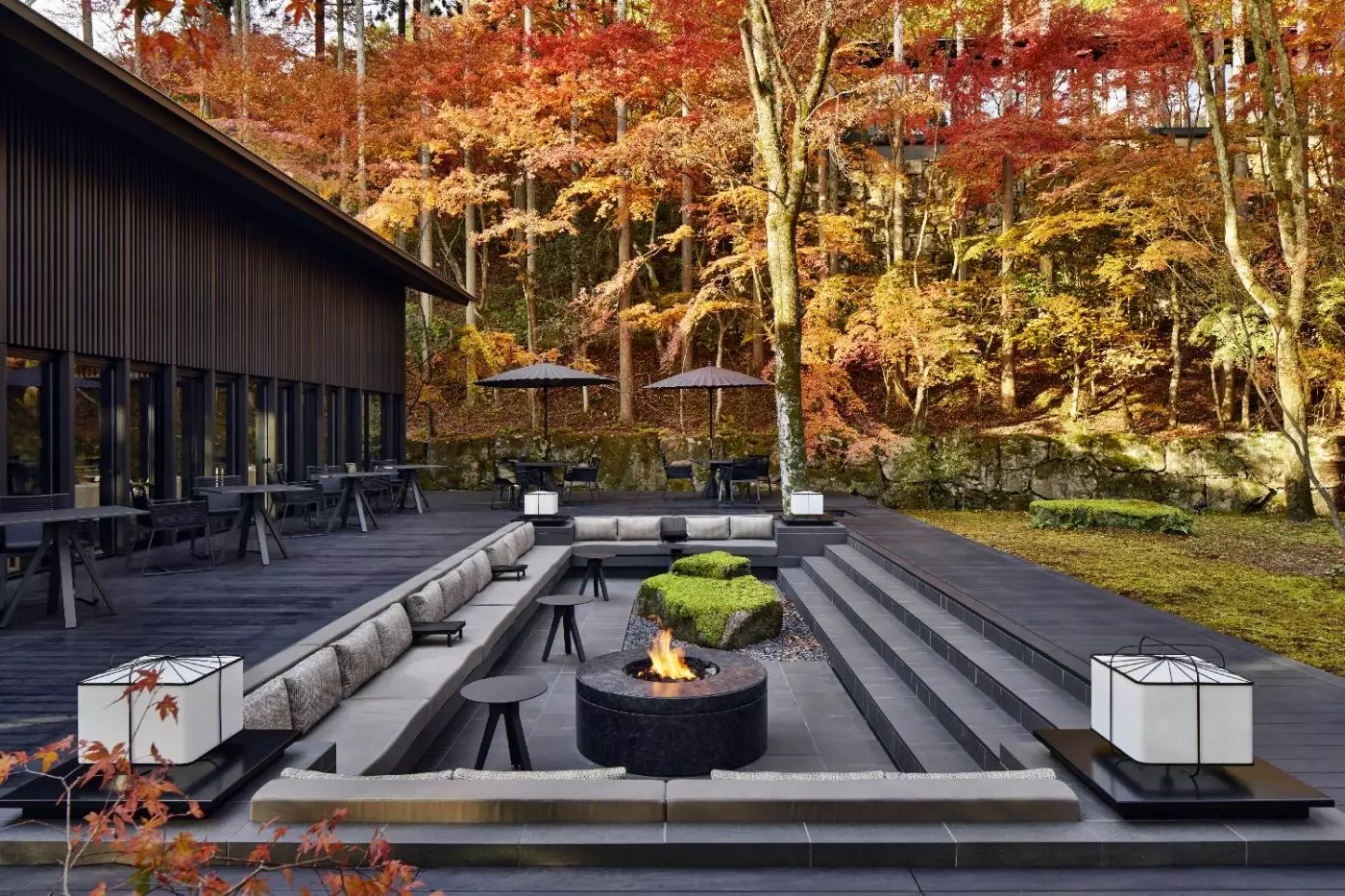
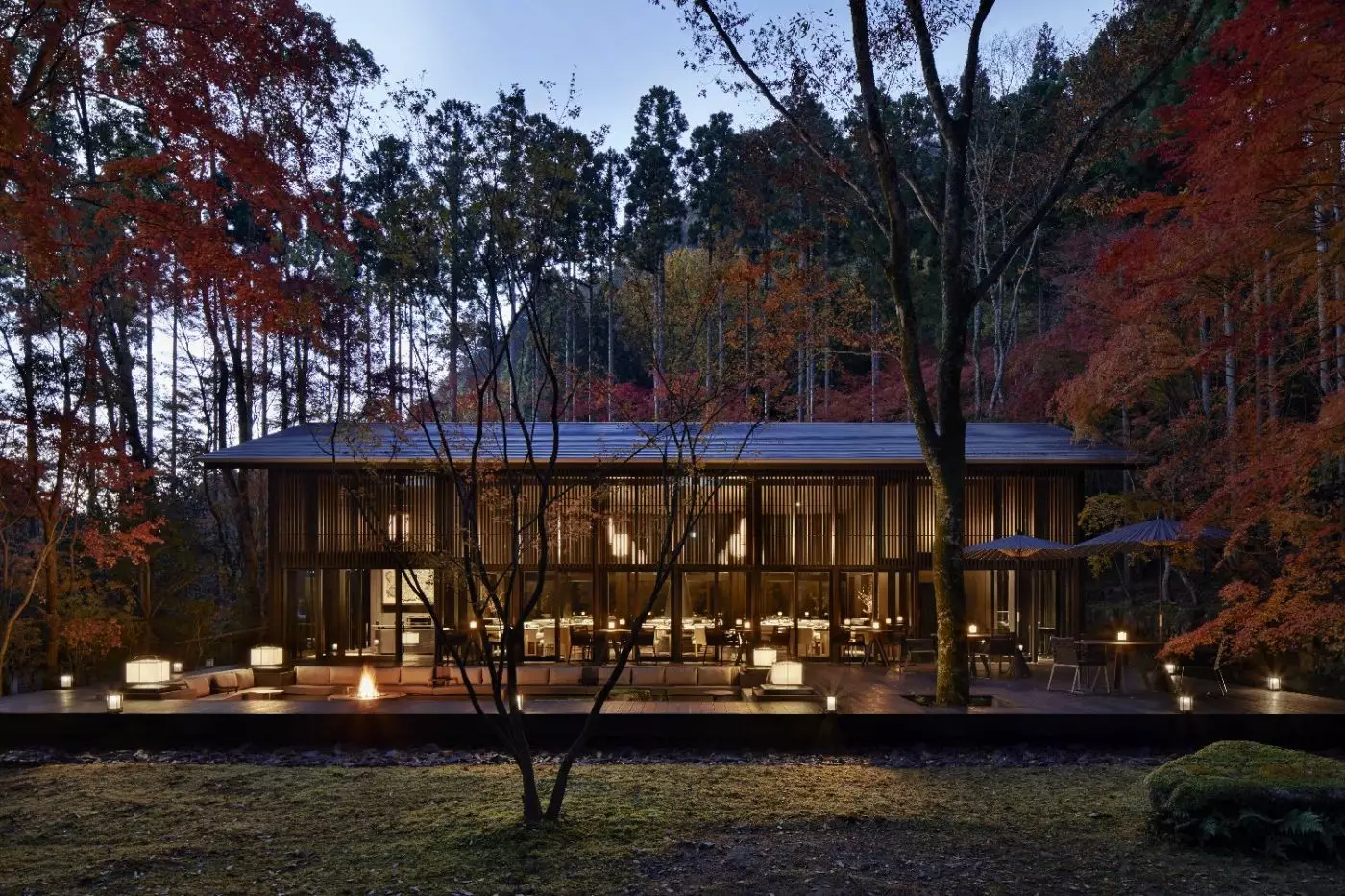
Aman Kyoto opened as a forest resort rather than a conventional urban address. Stone paths, moss, maples, streams, and tall trees shape the experience. The architecture is restrained. It uses wood, clean lines, deep windows, and a modern ryokan mood. Nothing feels loud. The luxury is in the pace, the materials, the privacy, and the way the garden changes through the day.
 26
 Relaxed
 Spa
 Wellness
 Romantic
 Wheelchair Accessible
 Connecting Rooms
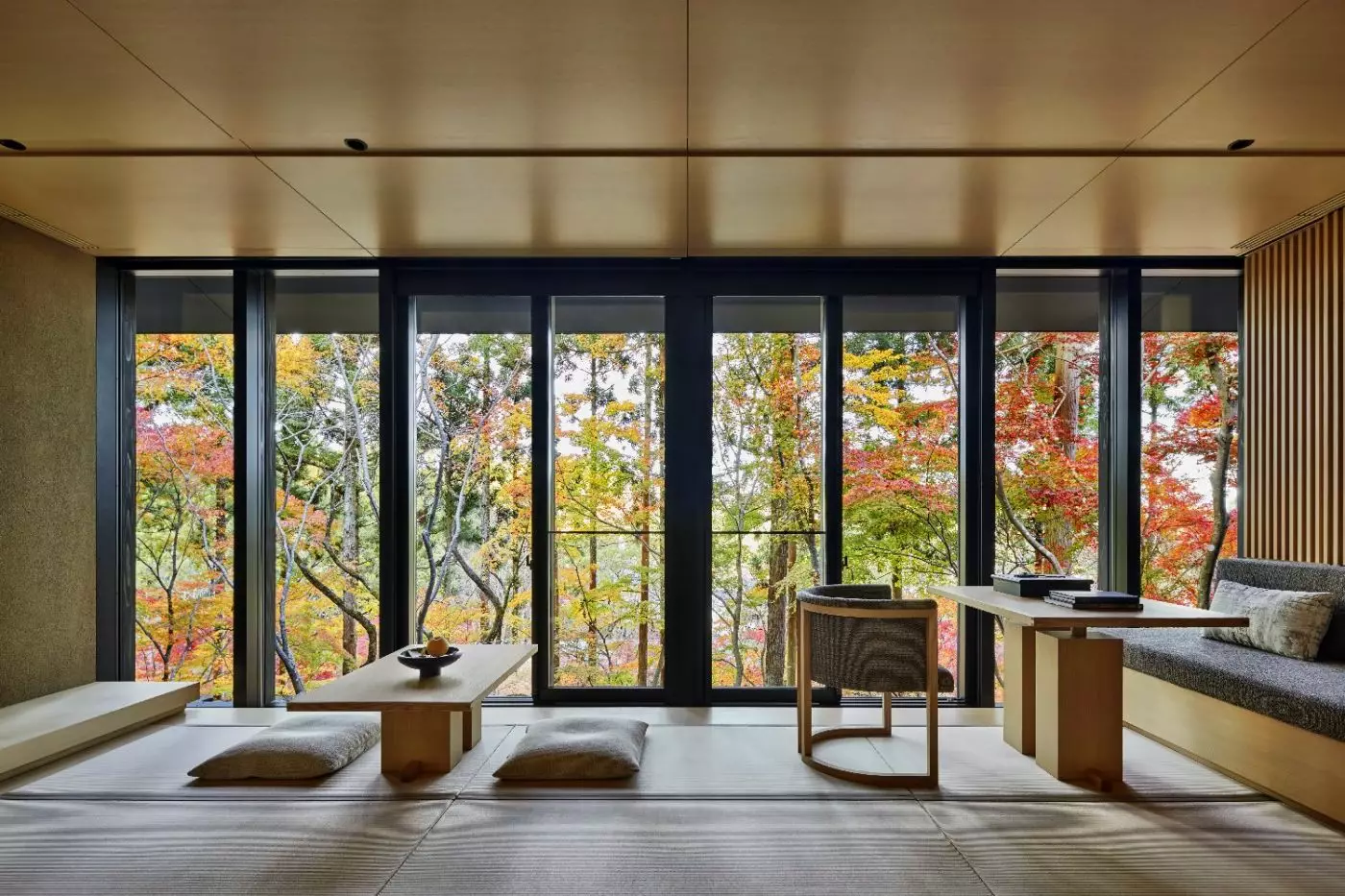
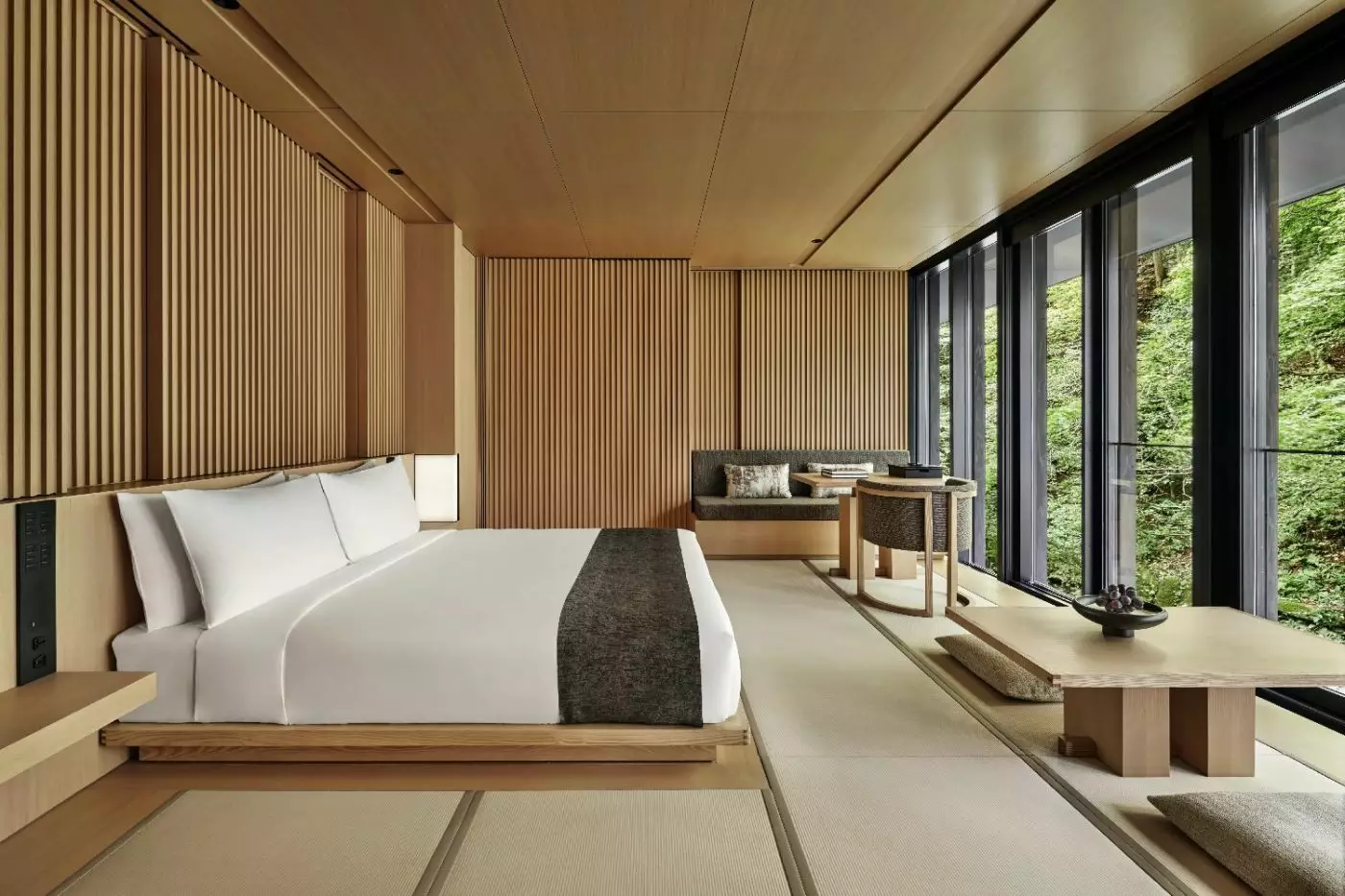
Near the Kamiya River, this first-floor room faces east over a moss garden. Full-height windows bring in morning light. The bed and living area share an open layout. Wood, tatami floors and a tokonoma alcove give the room its Japanese style.
Japanese and Western tables form two places to sit. The bathroom has a Hinoki bath and twin basins, with a shower and toilet in separate areas. A personal bar and a coffee machine are also provided in the room.

Near the Kamiya River, this first-floor room faces east over a moss garden. Full-height windows bring in morning light. The bed and living area share...
Some Nara rooms are near the heart of the resort; others sit in more secluded areas. They face west, with views of woodland, shrubs or moss-covered stone walls. Floor-to-ceiling windows frame these garden views. The bed and living area share one space, with natural wood, tatami floors and a tokonoma alcove.
The seating area has Japanese and Western tables. In the bathroom, a Hinoki bath stands beside twin basins. The shower and toilet are set apart. A personal bar and coffee machine are also provided.

Some Nara rooms are near the heart of the resort; others sit in more secluded areas. They face west, with views of woodland, shrubs or...
Rooms on the ground floor face a moss garden and stone wall. Those one floor above look towards a hill of maple trees.
Hotaru faces west from either the ground or first floor. Its bedroom and living space share an open plan, with full-height windows set against natural wood and tatami flooring. A tokonoma alcove provides a place for a display, while two areas within the room offer seating at Japanese and Western tables.
The bathroom includes a Hinoki bath and two basins. A separate shower and toilet keep the washing areas apart. A personal bar and coffee machine are provided, and the wide windows bring the surrounding trees into the living space.

Hotaru faces west from either the ground or first floor. Its bedroom and living space share an open plan, with full-height windows set against natural...
Maple trees and the forest garden frame the west-facing windows of this first-floor room. Its bedroom and living area share an open layout, with natural wood, tatami flooring and a tokonoma alcove. Japanese and Western tables give the seating area two distinct settings.
Light enters through windows that rise from floor to ceiling. The bathroom has a Hinoki bath, two basins and a separate shower and toilet. A personal bar and coffee machine are provided in the room. Beyond the maple trees, the forested hillside adds depth to the view through the seasons.

Maple trees and the forest garden frame the west-facing windows of this first-floor room. Its bedroom and living area share an open layout, with natural...
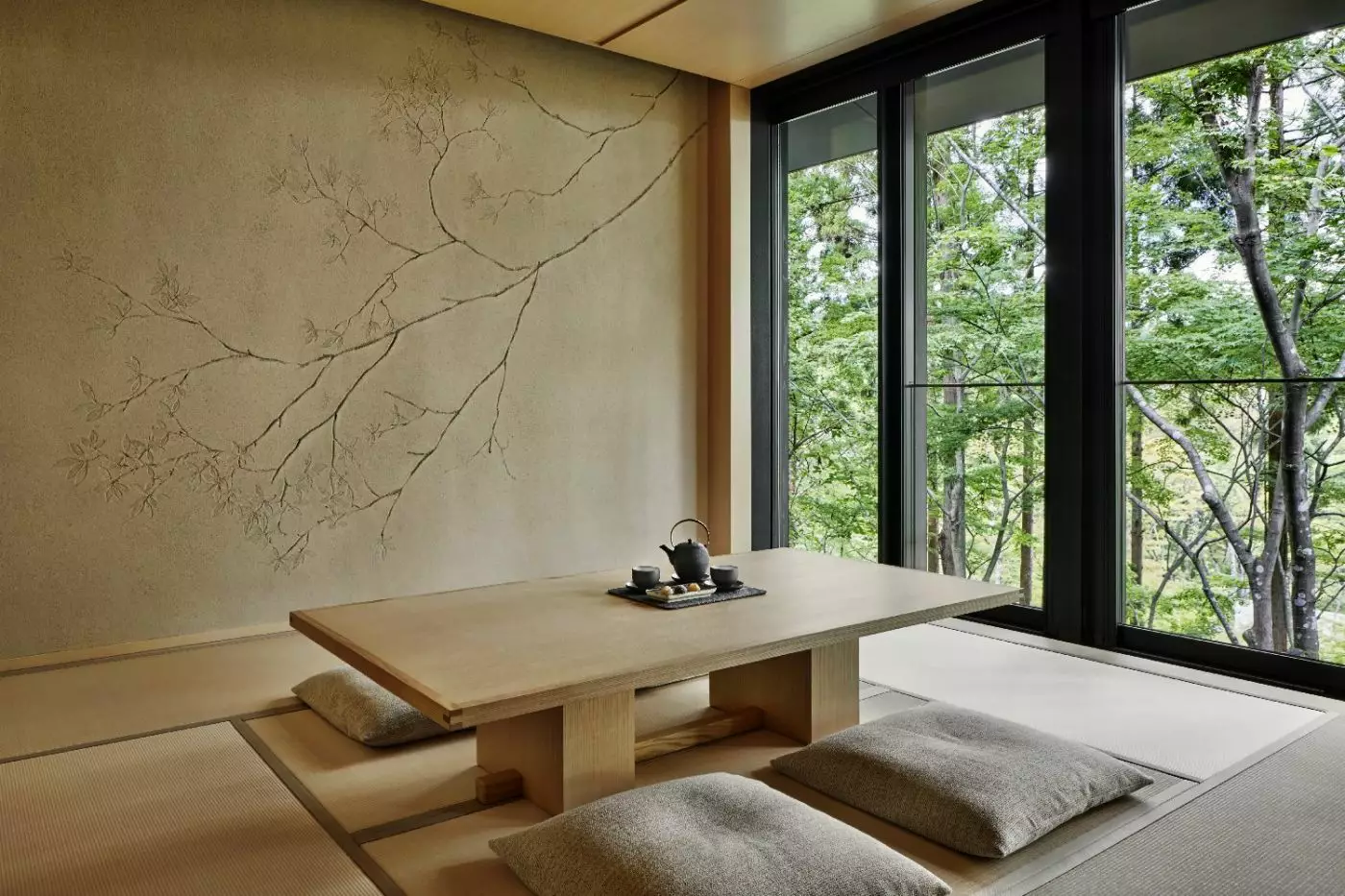
Futons can be set up in the separate tatami room, in addition to the main bedroom.
Above a hand-built stone wall, the suite faces east across the garden towards Mount Hieizan. Maple and cedar trees stand around it, with moss-covered steps nearby. The living room opens towards a dining area, while a separate tatami room offers more space indoors.
Full-height windows line the bedroom, which has natural wood and tatami flooring. A tokonoma alcove forms part of its Japanese design. The en-suite bathroom has a Hinoki bath and two basins. Cooking facilities include a wine cellar.

Above a hand-built stone wall, the suite faces east across the garden towards Mount Hieizan. Maple and cedar trees stand around it, with moss-covered steps...
Moss-covered stone steps run beside this raised pavilion, which stands above a hand-built wall. It faces east across the garden, with Mount Hieizan beyond the maple and cedar trees. Two en-suite bedrooms connect to the main living and dining area, while a separate tatami room provides another setting indoors.
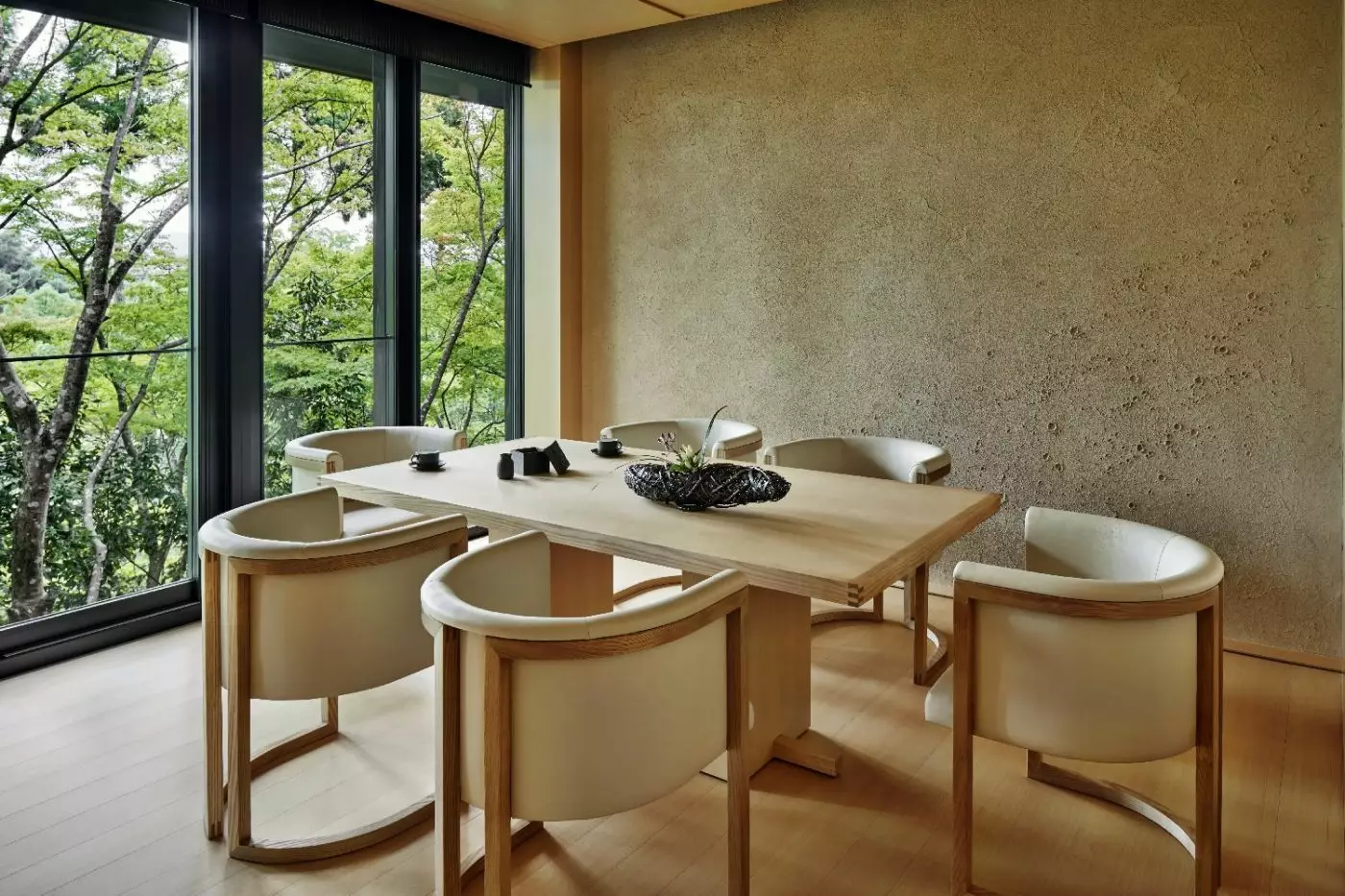
Wood, full-height windows and tokonoma alcoves give each bedroom its own view into the landscape. Both bathrooms have a Hinoki bath and twin basins. The Western dining room is set apart from the living area, and the cooking facilities include a wine cellar. Futons are available for the tatami room.

Moss-covered stone steps run beside this raised pavilion, which stands above a hand-built wall. It faces east across the garden, with Mount Hieizan beyond the...
A walking path starts beside the pavilion. Gardens for meditation are also close by.
At the highest point of the resort, this pavilion faces east towards Mount Hieizan. Its living room links two en-suite bedrooms, a Western dining room and a separate tatami room. Tall windows look onto the gardens. Natural wood and tokonoma alcoves give the bedrooms their Japanese character.
Each bathroom has a Hinoki bath and two basins. The shower and toilet are in separate areas. Cooking facilities sit beside the dining space and include a wine cellar. Futons can be set up in the tatami room for extra sleeping space.

At the highest point of the resort, this pavilion faces east towards Mount Hieizan. Its living room links two en-suite bedrooms, a Western dining room...
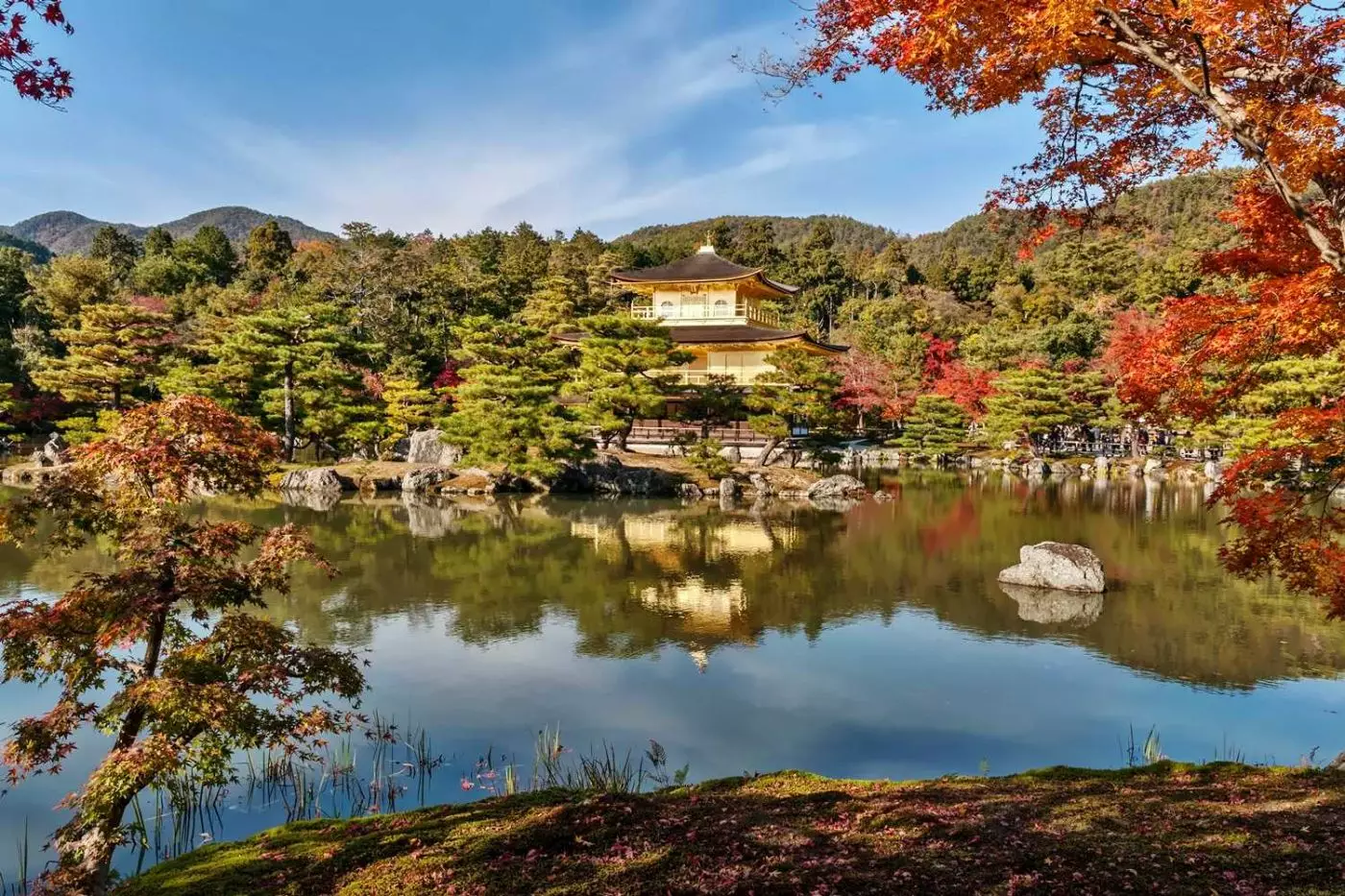
The setting is the strongest reason to book Aman Kyoto. The resort sits in a hidden garden at the foot of the Takagamine mountains. It feels protected, but it is not cut off from Kyoto. Kinkaku-ji, the Golden Pavilion, is close by. Other temples, gardens, and cultural routes can be reached by car. Guests get access to Kyoto without sleeping in the densest part of the city.
This matters because Kyoto can be crowded, especially around major temples and historic lanes. Aman Kyoto offers a different rhythm. You can spend the morning with the city, then return to quiet paths and forest air. The resort gives the day a reset. That is valuable for travelers who want to see Kyoto properly, not just collect sights.
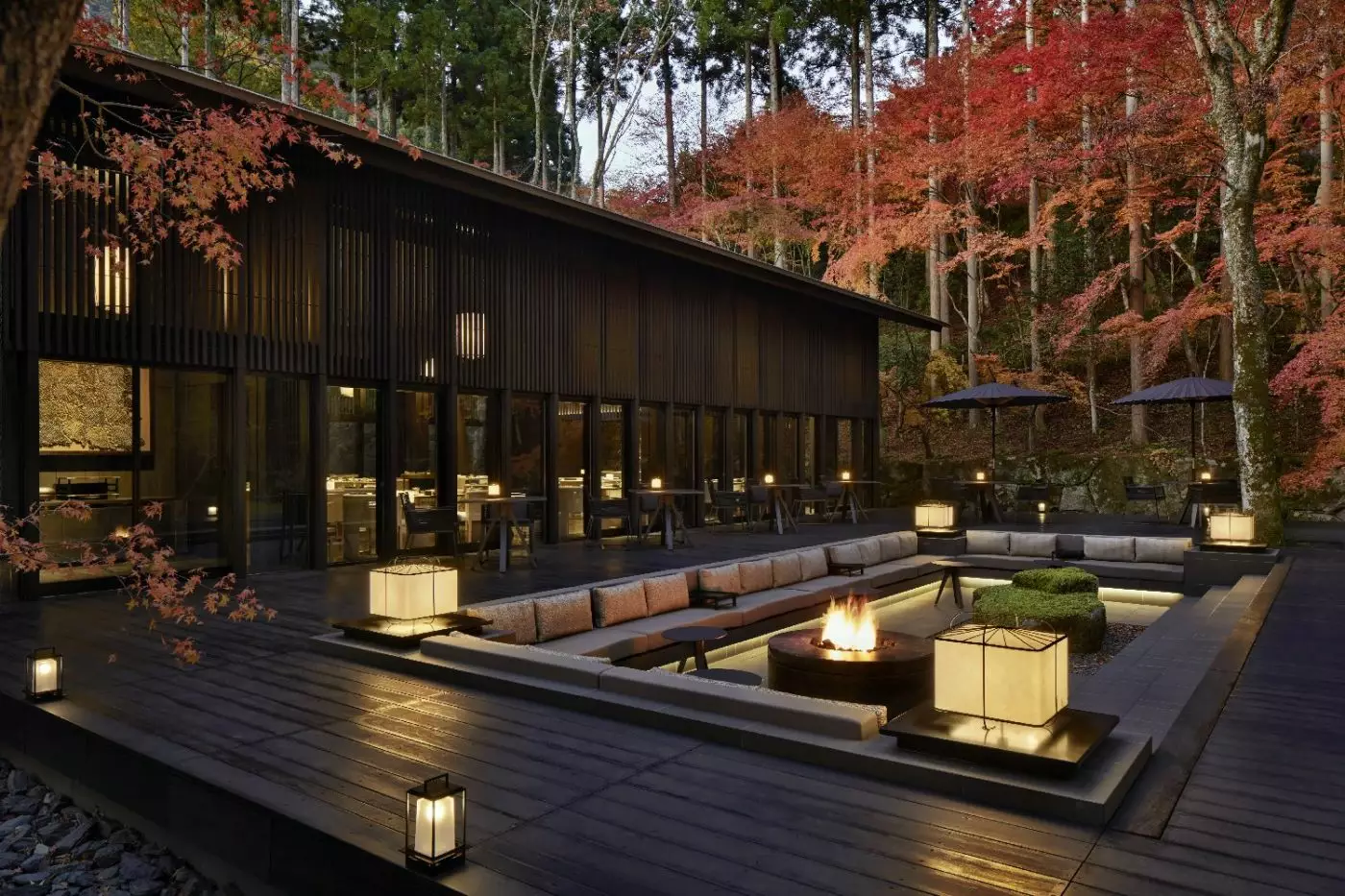
The garden is not a decorative extra. It is the center of the hotel. Paths move between trees and stone. Views shift with the season. Spring brings soft color. Summer deepens the green. Autumn is especially powerful here, with maples and changing light. Winter gives the resort a spare, quiet beauty. The location works because it feels alive in every season.
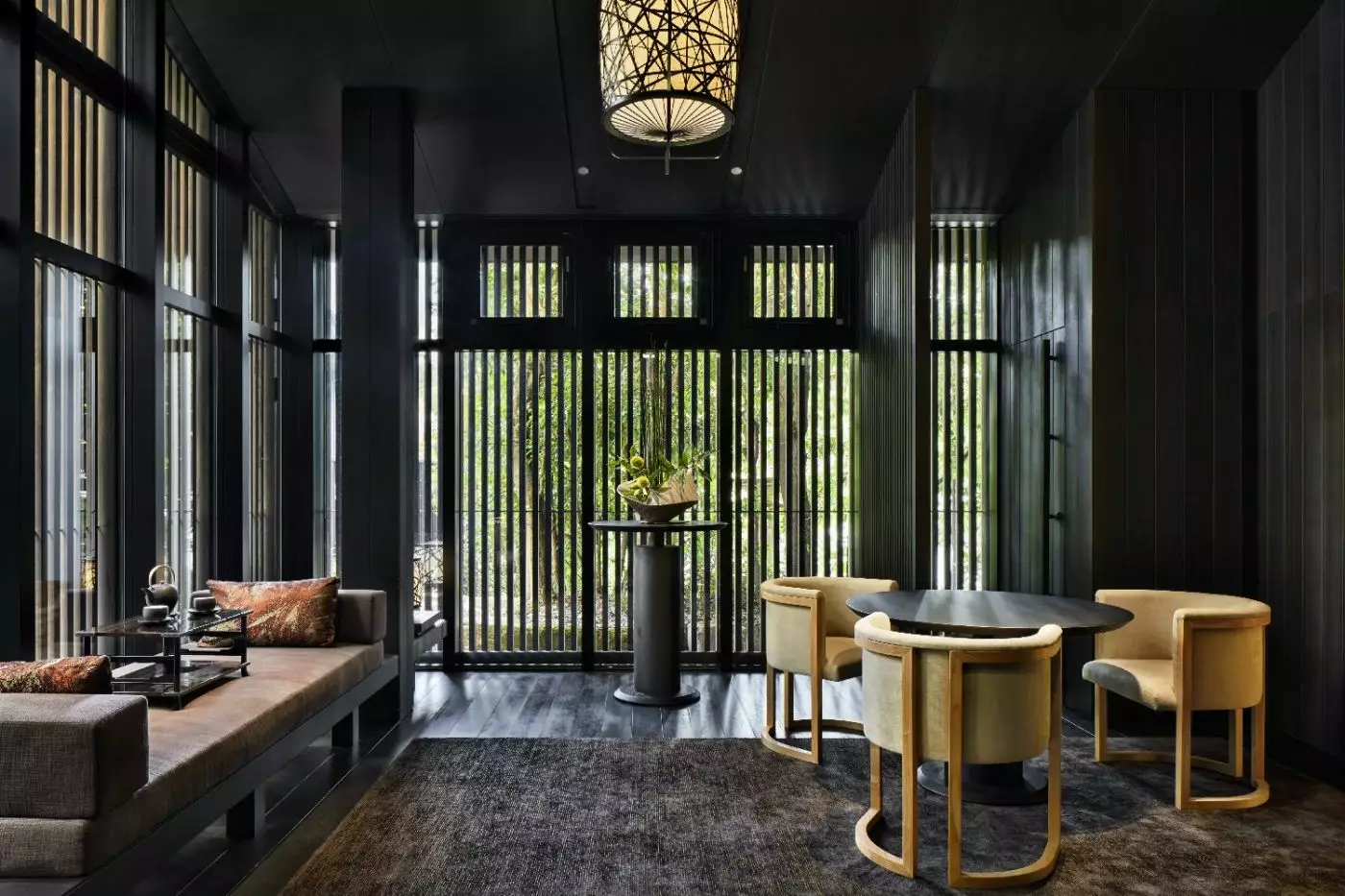
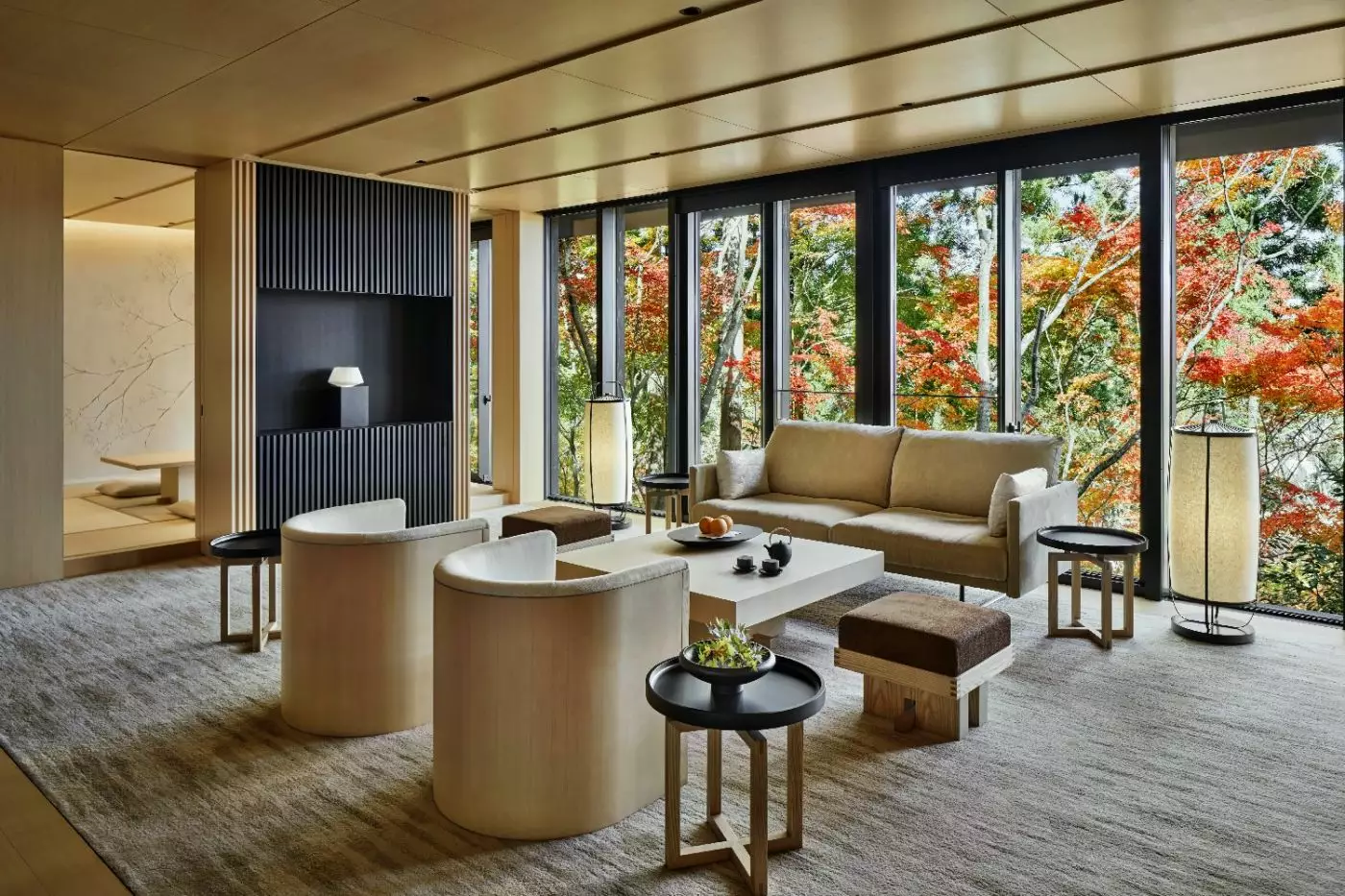
Accommodation at Aman Kyoto follows a modern ryokan spirit. Rooms, suites, and pavilions are calm, open, and carefully reduced. The design uses natural materials and wide views rather than heavy decoration. Tatami details, clean wood, low furniture, and large windows place the focus on the garden. The result feels peaceful without becoming empty.
Even entry-level categories are made for stillness. They work well for couples or solo travelers who will spend much of the day exploring Kyoto. Larger suites and pavilions add more space, stronger privacy, and a more residential mood. They are better for longer stays, special trips, or guests who want the room to become part of the destination.
The best categories depend on how you plan to use the resort. If Kyoto sightseeing is the main focus, a garden-facing room may be enough. If the stay is built around rest, spa time, and slow meals, a pavilion can be worth the upgrade. The appeal is not excess. It is quiet proportion. Aman Kyoto understands that a room can feel luxurious because it leaves space for attention.
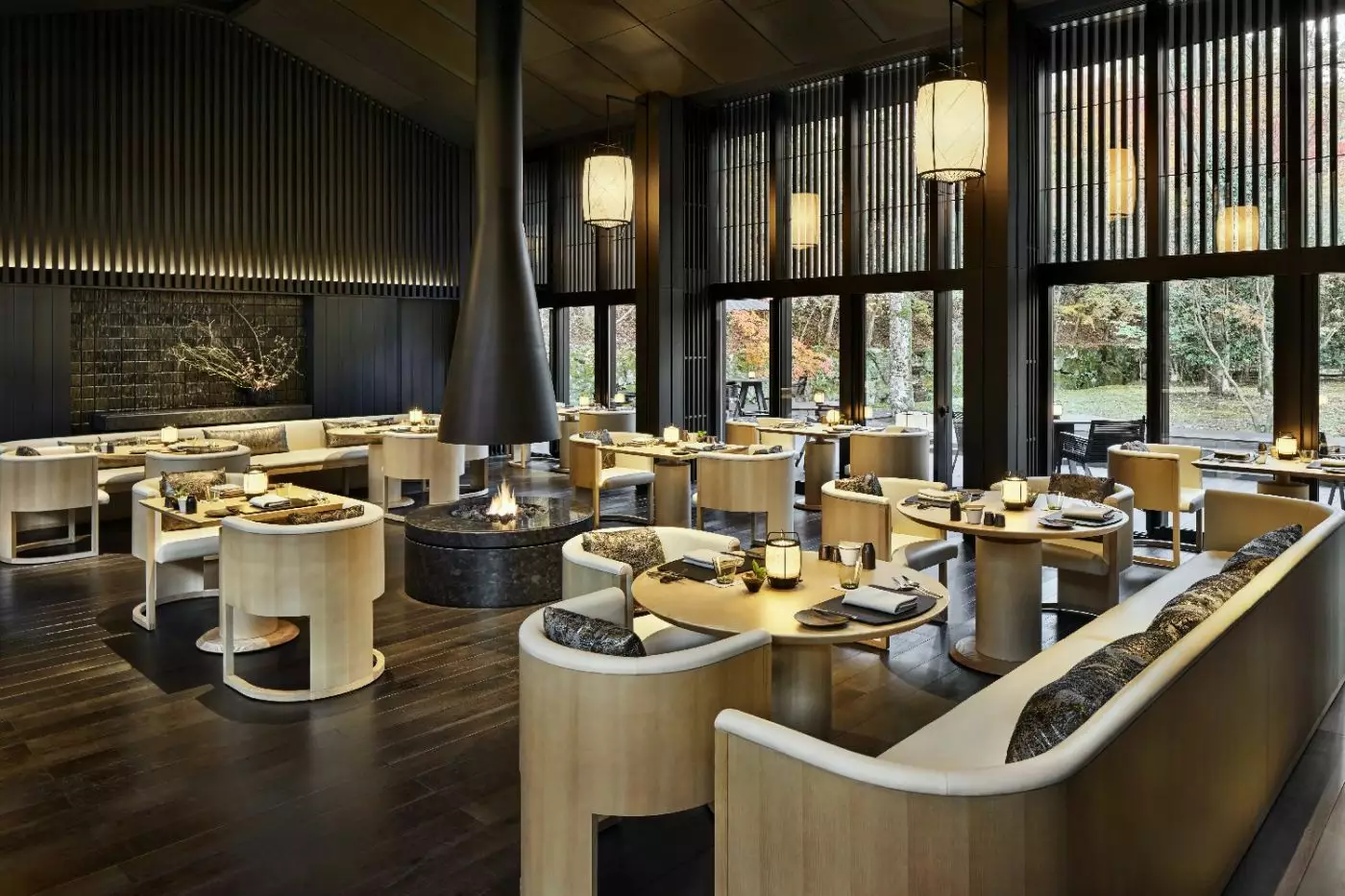
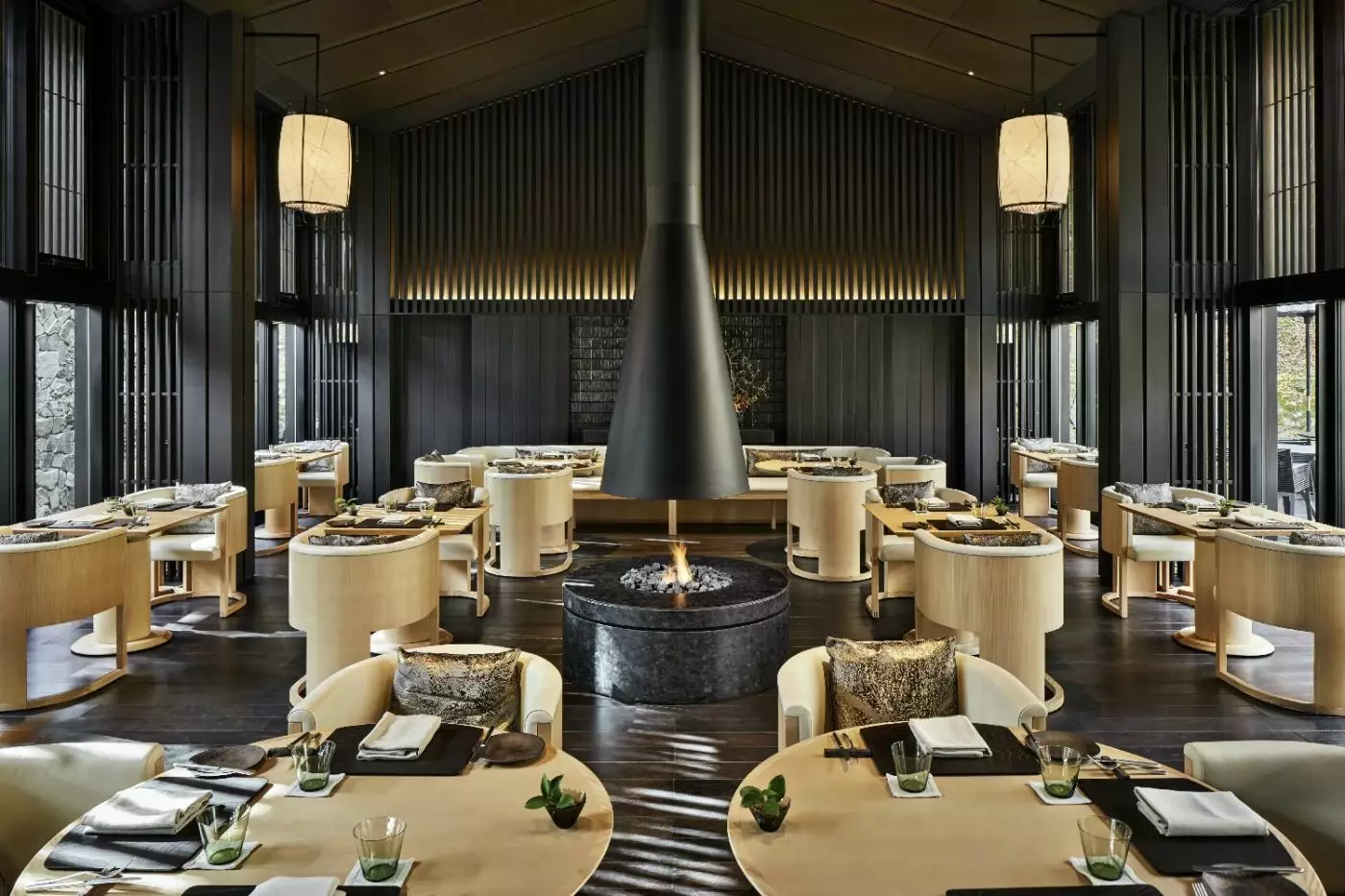
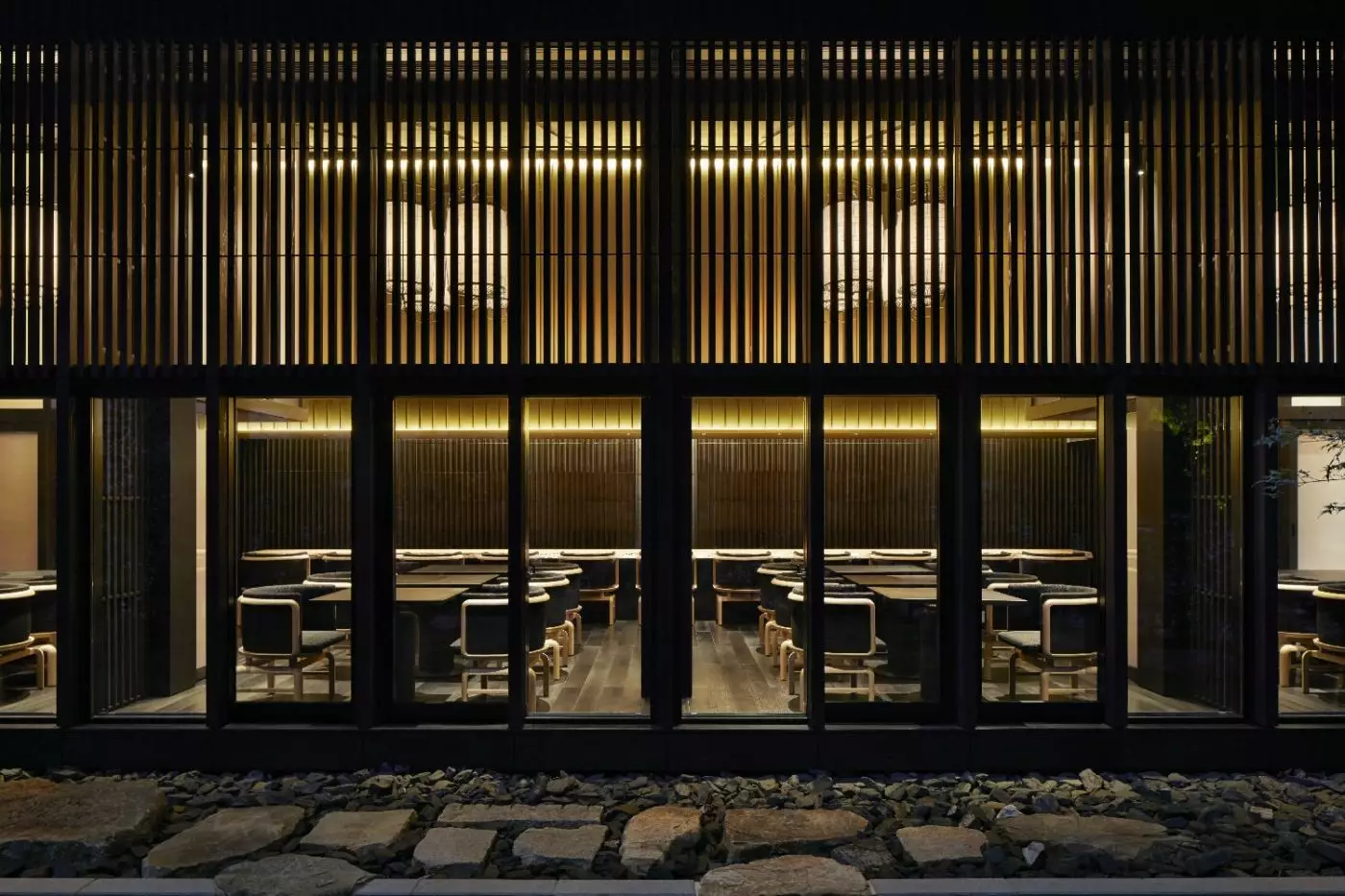
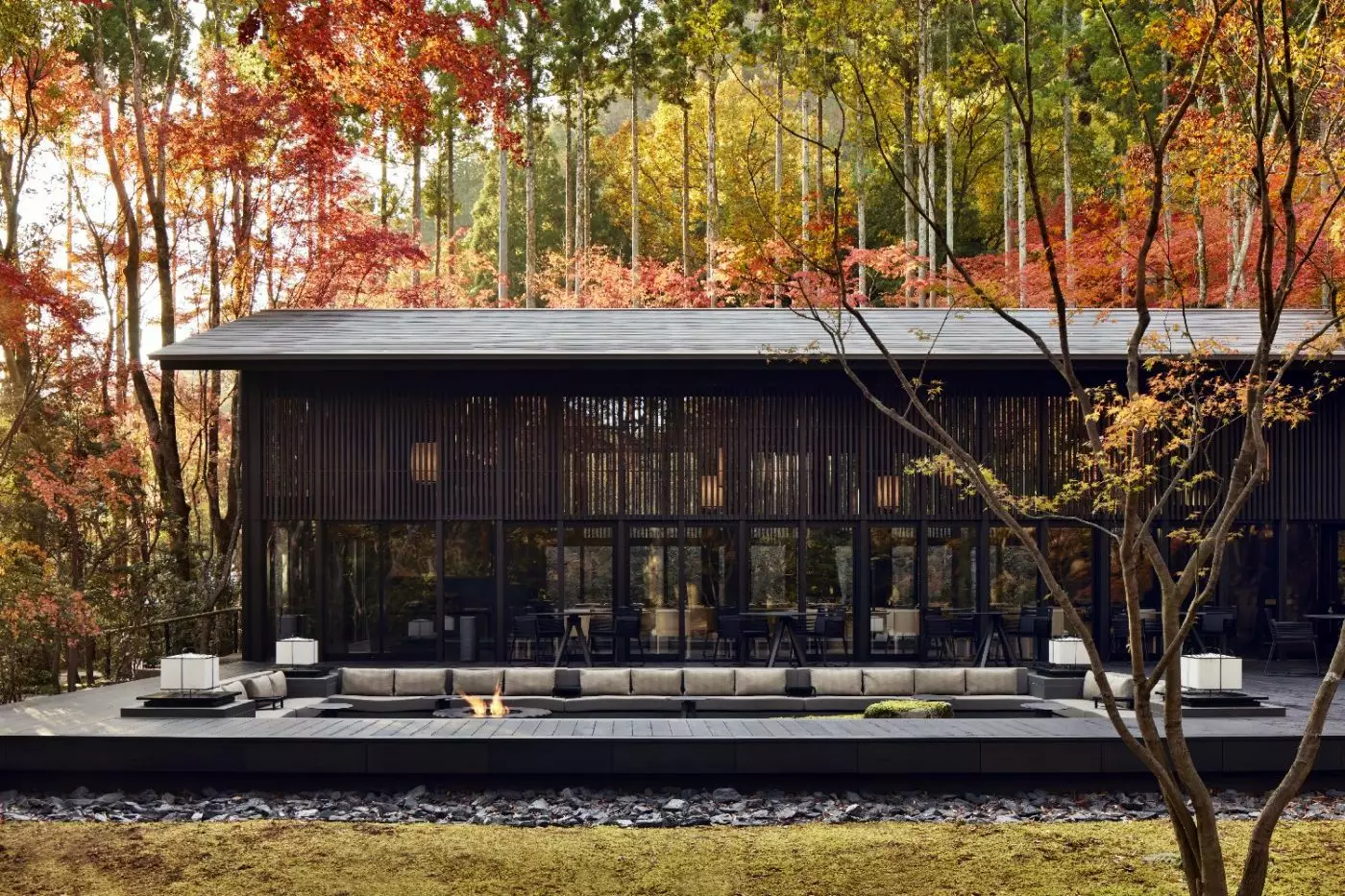
Dining at Aman Kyoto follows the same restrained tone. The Living Pavilion by Aman is the main social space, with views toward the garden and a quiet, residential feel. It serves as the place for breakfast, relaxed meals, and moments between excursions. The room is not showy. It works because it keeps the focus on season, texture, and setting.
The food is strongest when it reflects where the hotel is. Kyoto has its own dining culture, shaped by season, produce, presentation, and care. Aman Kyoto does not need to compete with the city's most famous restaurants. Instead, it gives guests a composed place to eat before or after time outside the resort. That is often exactly what is needed.
The property can also arrange private dining and more tailored experiences. This is useful for guests who want a quiet evening after a long day, or for families who prefer a slower meal. The best dining plan is usually mixed. Enjoy the resort when you want calm. Leave the property when you want Kyoto's deeper restaurant scene. The hotel supports both approaches well.
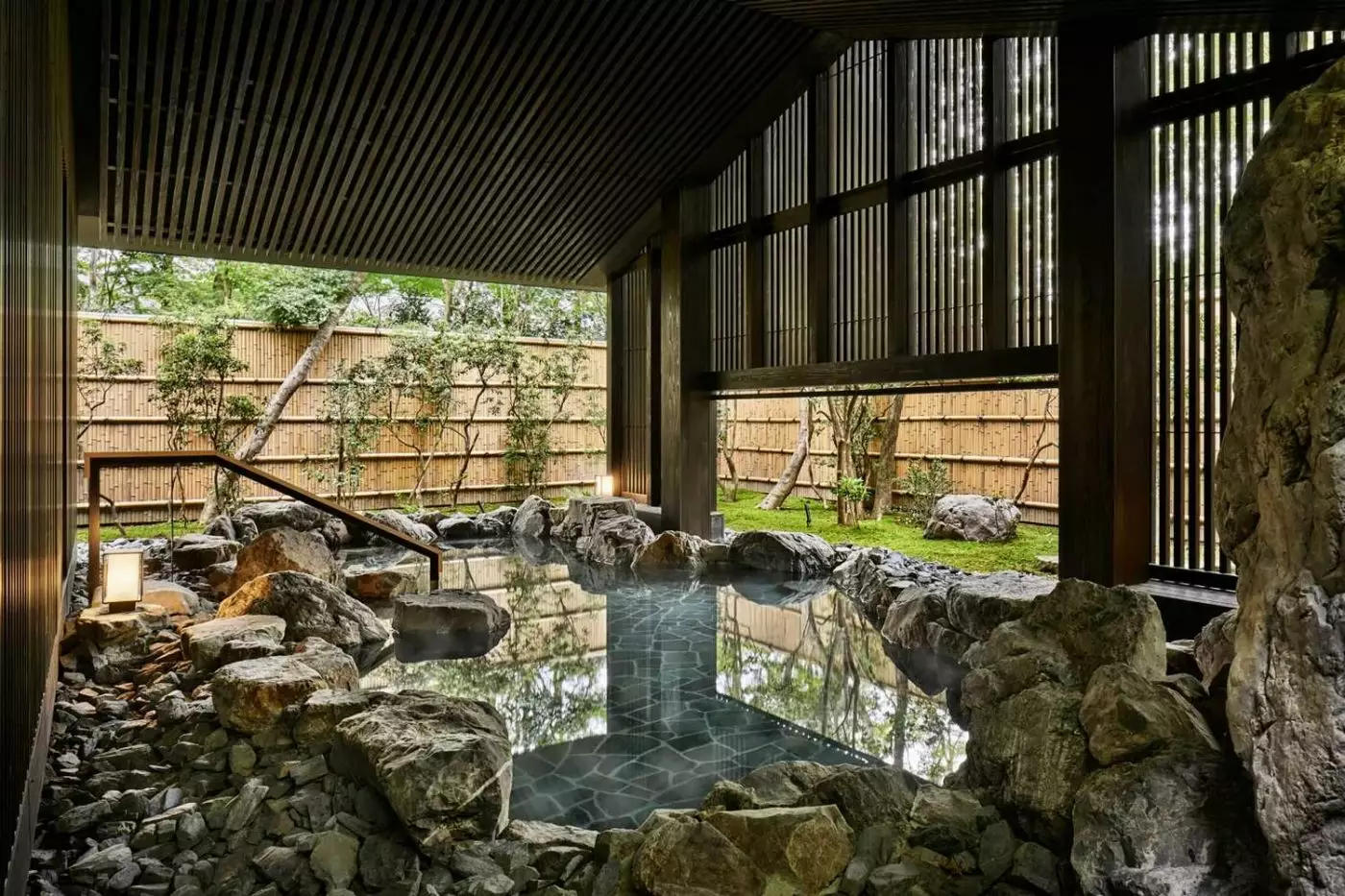
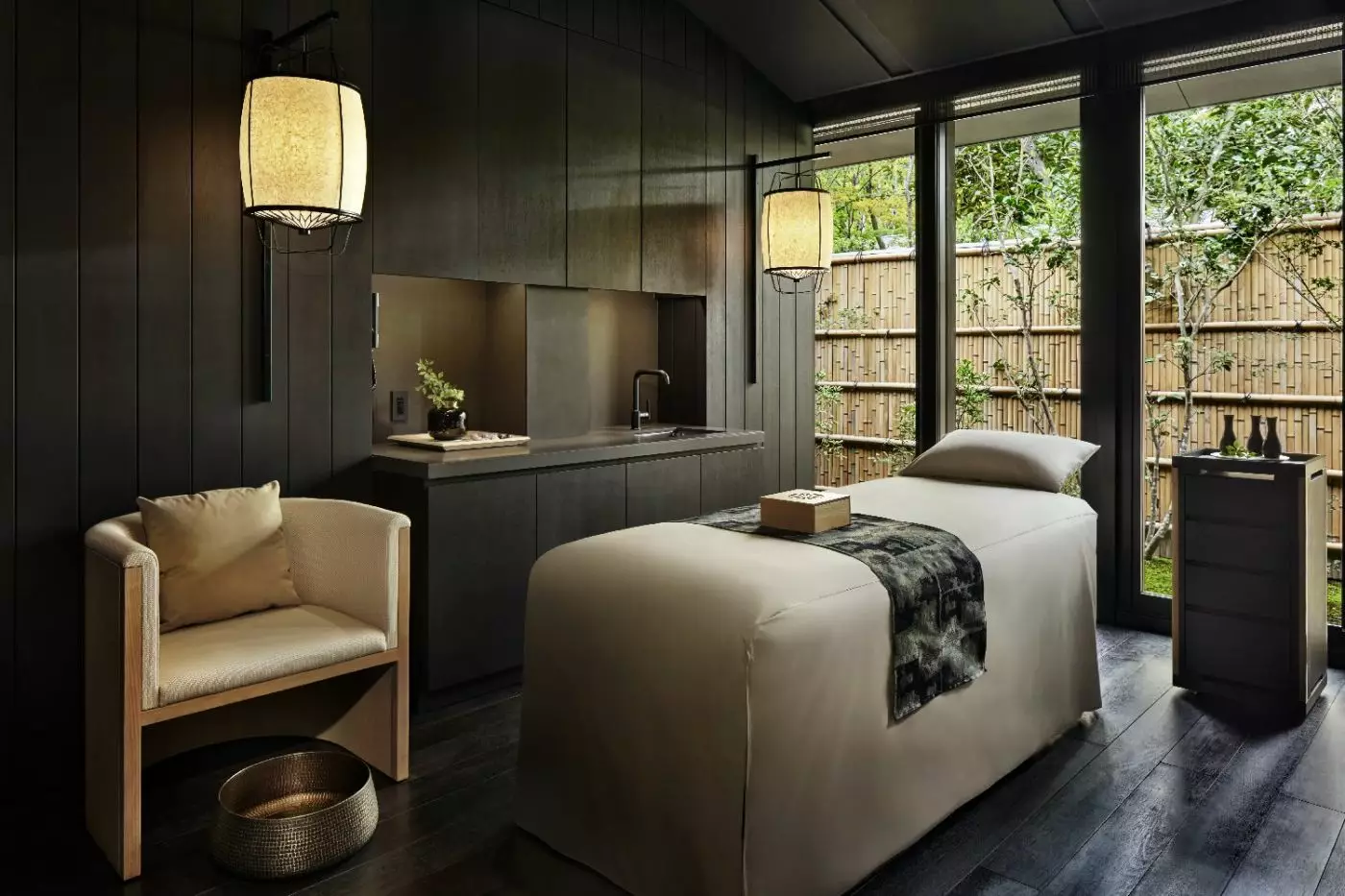
The Aman Spa is central to the experience. Natural spring water, bathing rituals, treatments, movement, and the surrounding garden all shape the wellness program. The mood is quiet and grounded. This is not a spa built around spectacle. It is built around recovery. That suits Kyoto, where full days of walking, temples, stairs, gardens, and train transfers can be tiring.
The onsen element gives the stay a stronger sense of Japan. Bathing after a day in the city changes the whole pace of the evening. Treatments can be planned around recovery, sleep, or simple rest. Yoga, meditation, and guided time in the garden also fit naturally here. The resort's wellness strength is not one facility. It is the way spa, room, path, and forest all work together.
Guests who book Aman Kyoto should leave time for this part of the stay. It would be a mistake to treat the property only as a bedroom for Kyoto sightseeing. The resort is at its best when mornings or late afternoons are left open. A walk through the garden, an onsen soak, a treatment, and a quiet dinner can be as memorable as a temple visit.
Aman Kyoto works well for travelers who want cultural depth without constant urban noise. The hotel can be used as a base for Kinkaku-ji, Ryoan-ji, Daitoku-ji, Arashiyama, the Imperial Palace area, and the eastern temple routes. Some transfers take time, but the reward is returning to space and silence. That trade is part of the hotel choice.
This is also a strong option for guests who already know Kyoto. First-time visitors often want to be close to everything. Repeat visitors may value a quieter base more. Aman Kyoto gives that. It lets you engage with the city in selected moments, then step away. For many luxury travelers, that is more useful than being in the middle of the busiest streets.
The hotel is especially suited to couples, design-focused travelers, wellness travelers, and anyone who likes a strong sense of place. Families can enjoy it too, if the plan is calm rather than packed. It is less suited to guests who want quick walks to many restaurants, late bars, or dense shopping streets. Aman Kyoto is a retreat inside Kyoto's cultural landscape, not a city-center convenience hotel.
Aman Kyoto is a strong choice for travelers looking for a luxury resort in Kyoto with forest gardens, ryokan-inspired rooms, onsen spa rituals, refined dining, and calm access to temples. It is not trying to be the loudest or most ornate hotel in the city. Its confidence is quieter. It offers space, privacy, and a slower way to experience Kyoto.
Book Aman Kyoto when you want the hotel to shape the pace of the trip. The best stays here combine temple visits with garden time, spa rituals, seasonal meals, and unplanned hours. The resort is most rewarding for guests who understand that Kyoto is not only a list of famous places. It is also light through trees, stone underfoot, hot water after walking, and silence at the right moment.
For travelers comparing luxury hotels in Kyoto, Aman Kyoto stands out because it does not feel like an imported concept placed into the city. It feels built around its site. The secret forest setting, the restrained rooms, the wellness program, and the proximity to major temples create a rare balance. It is secluded, but still connected. It is simple in tone, but rich in detail. That is why the hotel remains one of Kyoto's most distinctive high-end stays.
Guest bicycles and route recommendations from the Aman Kyoto team let you explore temples and shrines at your own pace.
A private outdoor painting lesson with a local artist introduces pattern dyeing through postcard making, giving you a personally created souvenir.
The Uji tea experience combines a plantation visit with tasting, letting you connect cultivation methods with the flavors in your cup.
1 Okitayama Washimine-cho, Kita Ward, Kyoto, 603-8458, Japan
Playing this video may share data with YouTube. Please see our Privacy Policy.
Aman Kyoto is in the northern Takagamine district of Kyoto, at the foot of Hidari Daimonji mountain. The resort is set in a secret forest garden near Kinkaku-ji Temple.
Aman Kyoto is not in the busy city center. It is about 30 minutes by car from Kyoto Station, so it suits travelers who want quiet more than constant doorstep sightseeing.
Aman Kyoto has 26 rooms, suites, and pavilions. The small scale is a major part of the experience, with accommodations spread through peaceful forest gardens.
Book a room if you want the Aman garden mood at the lowest category. Choose a suite or two-bedroom pavilion if you want more space, stronger privacy, or a special family stay.
Aman Kyoto feels like a hidden garden retreat, with minimalist ryokan-inspired design, forest paths, hot-spring bathing, quiet service, Taka-An, The Living Pavilion, and access to northern Kyoto temples.
More amenities
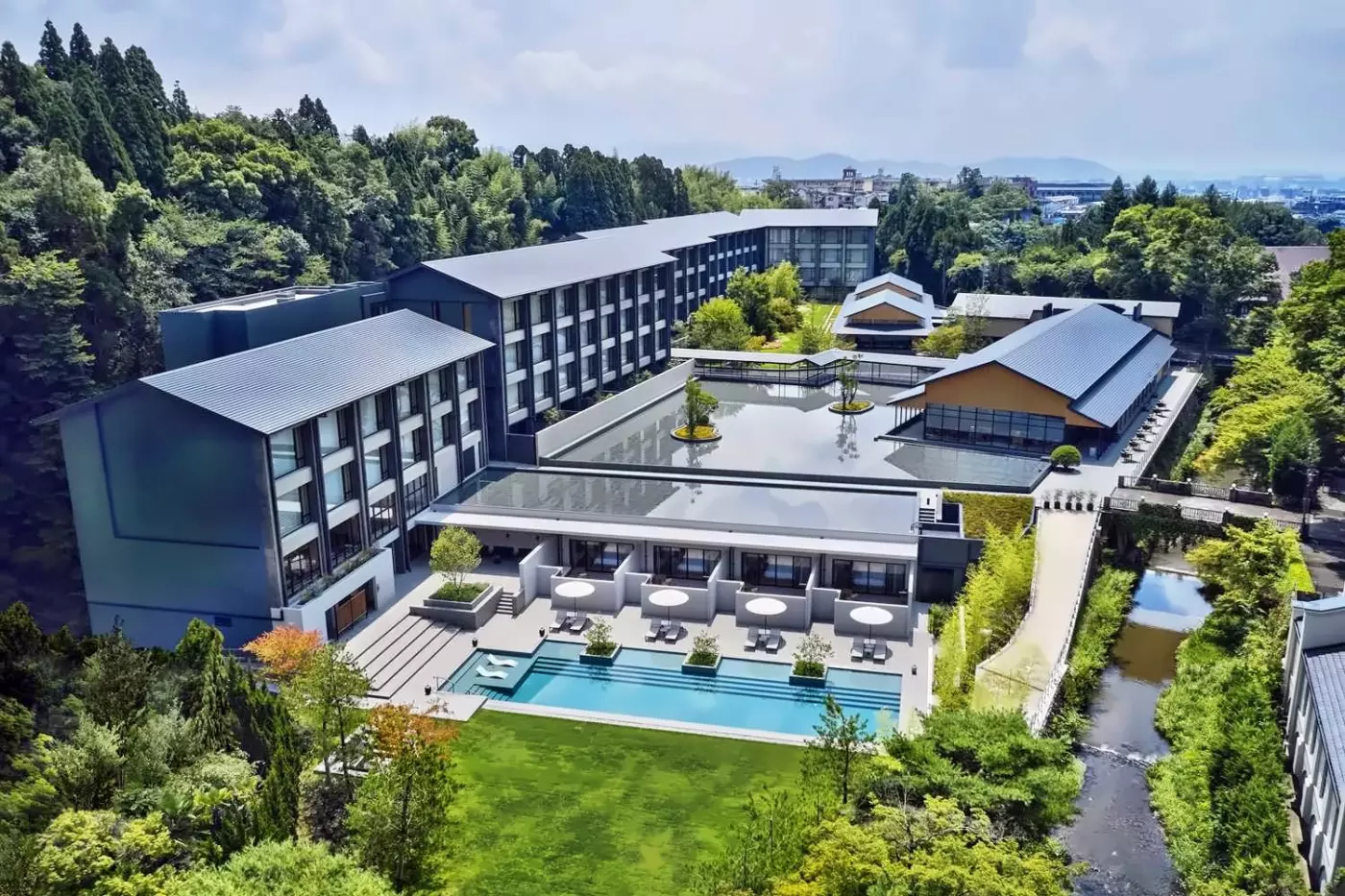
Roku Kyoto sits in the Takagamine foothills of northern Kyoto, beside the Tenjin River and the green grounds of Shozan Resort...
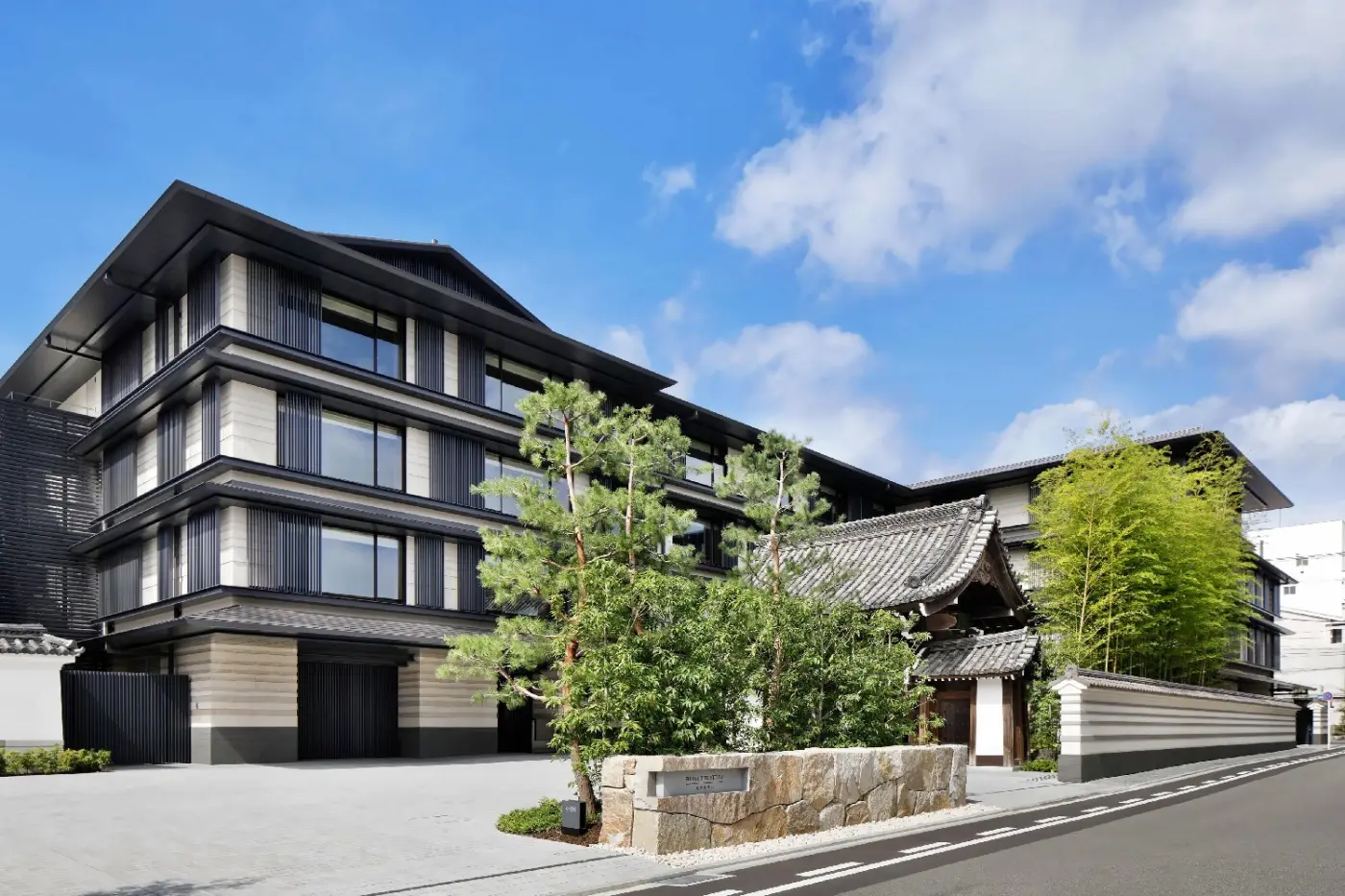
Hotel The Mitsui Kyoto sits beside Nijo-jo Castle on land tied to the Mitsui family for more than 250 years. The address plac...
More amenities
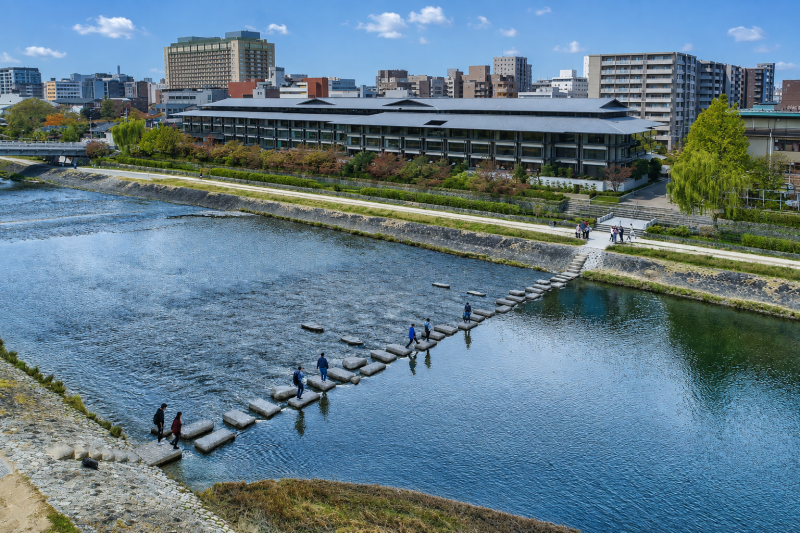
The Ritz-Carlton, Kyoto stands beside the Kamogawa River in Nakagyo, with the Higashiyama mountains on the eastern horizon. T...