Best for
Choose this Umekita base when Osaka Station access matters to your itinerary; it suits a stay combining city days with journeys across the region.
Please choose a hotel or destination from the list.
We couldn’t open your search results. Please try again.
Your private search
Finding exceptional stays
Best for
Choose this Umekita base when Osaka Station access matters to your itinerary; it suits a stay combining city days with journeys across the region.
What makes it special
Art Deco grandeur meets traditional Japanese design here, giving the high-rise rooms a distinctive character for guests who want more than a neutral city interior.
Room to consider
Compare river and city outlooks before booking if the view matters; request the orientation you prefer rather than assuming every high-floor room faces water.
Insider tip
Check Tsukimi's operating days before shaping your itinerary around sushi or teppanyaki; these are planned restaurant meals rather than a casual all-day dining fallback.
Free membership gives you access to preferred rates, exclusive benefits and current promotions for your stay.
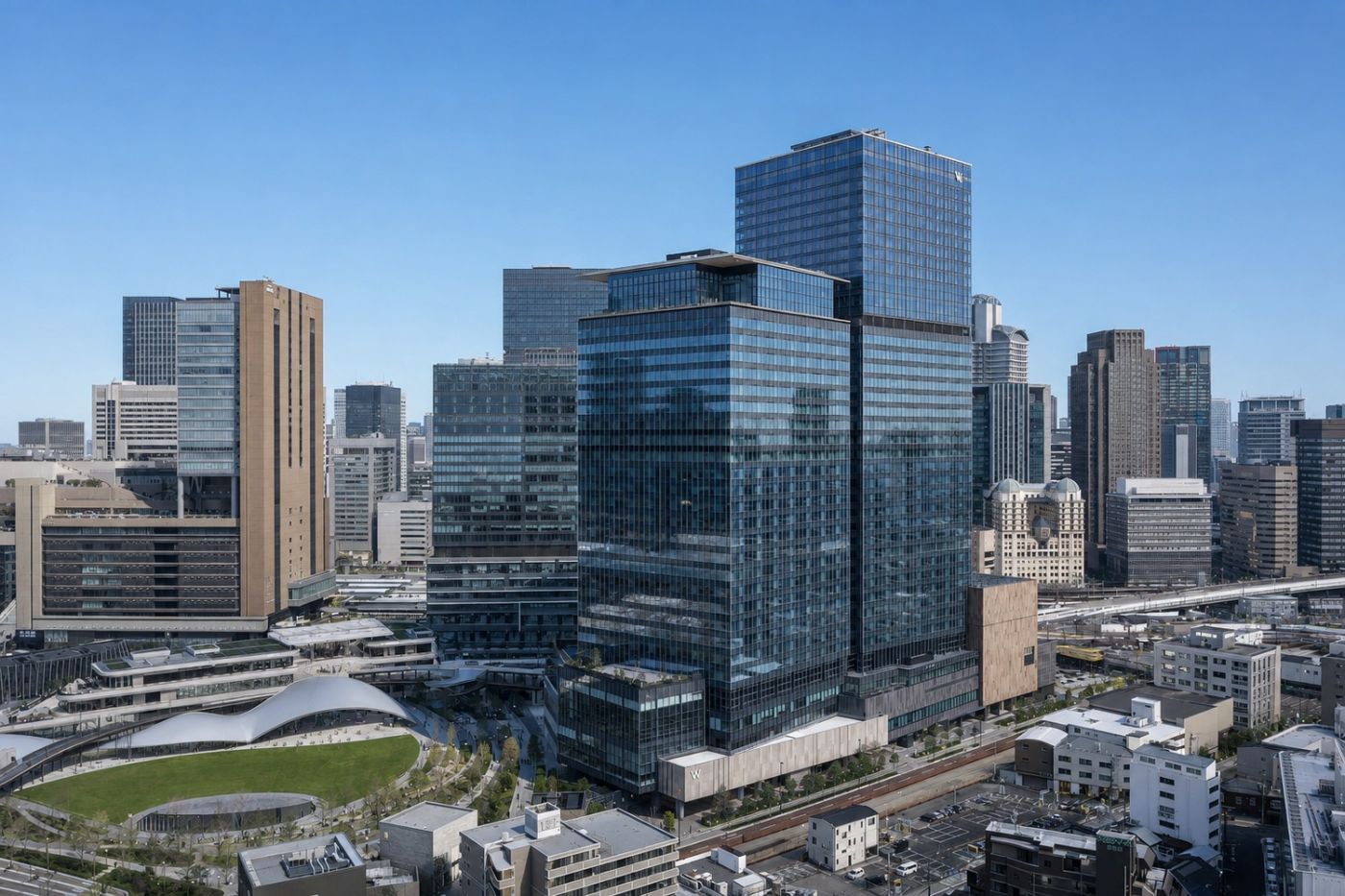
Waldorf Astoria Osaka is a luxury hotel near Osaka Station in Grand Green Osaka, within the Umekita district. Japan's first Waldorf Astoria has 252 rooms and suites, all between the 31st and 38th floors. Rooms begin at 46 square meters. Four restaurants and bars, a spa, a 20-meter indoor pool, and a library make the hotel substantial enough for several nights. Its defining advantage is location. Guests stay above the city's street-level intensity while using Osaka's principal rail hub for business, exploration, and journeys across Kansai.
 248
 Charming
 Fitness
 Spa
 Sauna
 Culture
 City Vibe
 Connecting Rooms

The Deluxe Room welcomes every guest with bright sunlight pouring through floor-to-ceiling windows. It offers a cozy seating area where one can enjoy sweeping views...

The Premier Room welcomes every guest with elegance and comfort from the moment you step in. Floor-to-ceiling windows fill the room with natural light and...

The Premier River View Room surrounds its guests with warmth, comfort, and elegant design. Floor-to-ceiling windows brighten the entire space with natural light throughout the...

The Corner Suite welcomes guests with a perfect blend of elegance and comfort. It offers a spacious living room and a cozy bedroom, each decorated...

The Corner River View Suite wraps its guests in comfort and quiet luxury. It has one king bed and separate spaces for sleeping and relaxing....

The 2 Bedroom Corner Suite welcomes guests with a warm and elegant atmosphere. It offers separate spaces for sleeping and relaxing, decorated with art deco...

The Waldorf Penthouse offers breathtaking views of Osaka through its tall, expansive windows. It welcomes guests into a bright living and dining space filled with...

The Astoria Penthouse offers stunning views of Osaka through its huge, elegant windows. It feels bright and grand, with a large living and dining area...

The Presidential Suite greets guests with stunning views of Osaka Bay and the lively city below. Floor-to-ceiling windows offer a perfect glimpse of the beauty...
The hotel stands at 5-54 Ofuka-cho, Kita-ku, in the South Building of Grand Green Osaka. Osaka's convention and tourism bureau places it about a five-minute walk from the Umekita Underground Exit of Osaka Station. Arrival by rail is straightforward. The department stores, restaurants, offices, and transport links of Umeda are close at hand. Umekita Park lies below the tower, adding open green space to this dense part of the city.
This address works well for travelers dividing their time between Osaka and the wider Kansai region. Hilton places Kyoto, Kobe, and Nara less than an hour away by suitable rail connections. Within Osaka, the location favors Umeda and north-central business appointments. Dotonbori, Osaka Castle, and southern neighborhoods are not on the doorstep. Trains and taxis keep them accessible. The trade-off is clear: easy station access instead of a position inside the busiest nightlife district.
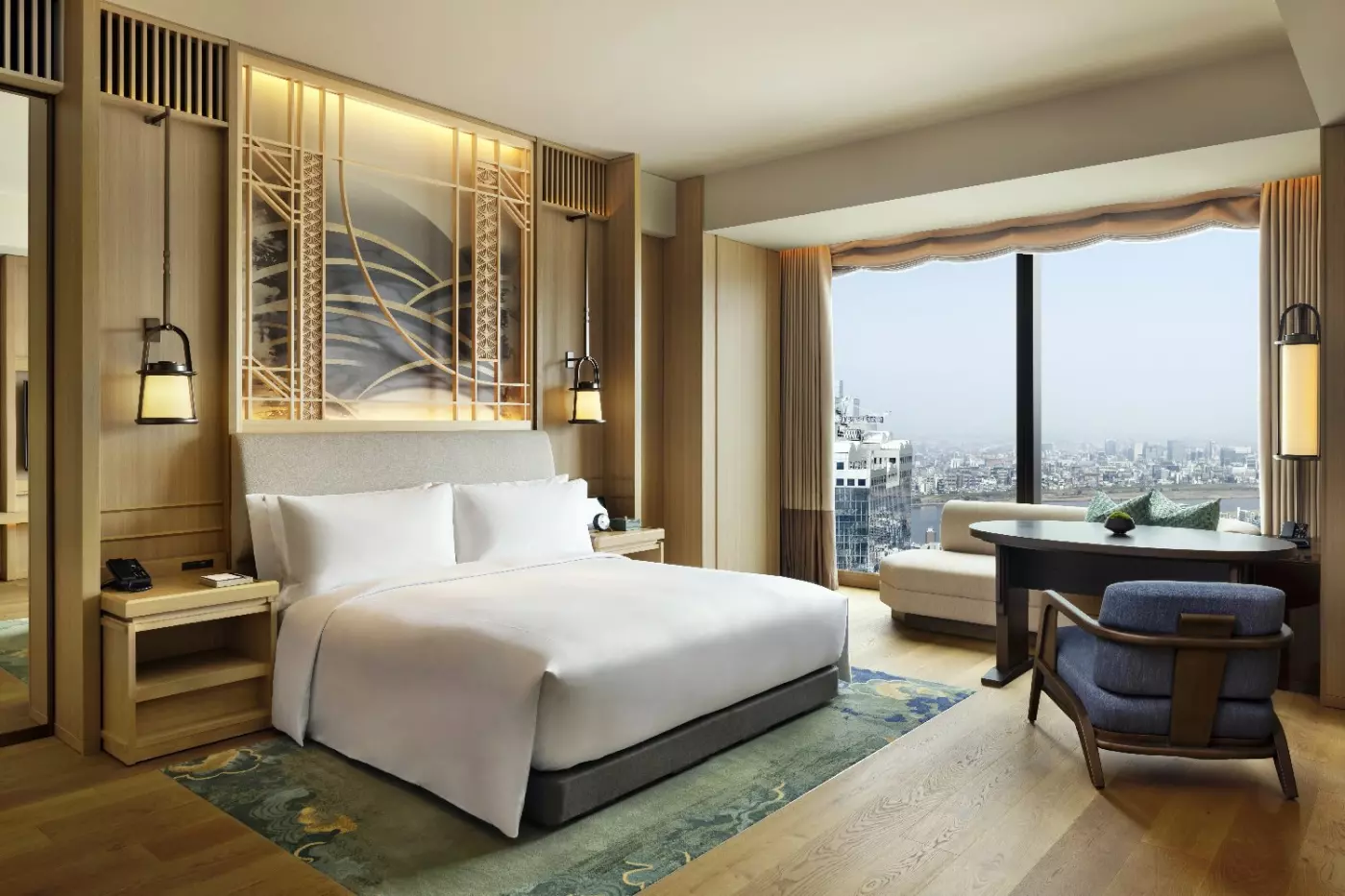
Height changes the atmosphere once guests return. Bedrooms begin on the 31st floor, with views across the city, Osaka Bay, the Yodo River, or toward Hyogo's mountains, depending on direction. Travelers who care about the outlook should compare named River View rooms with other orientations. The tower gives distance from the activity below, but the strongest views still depend on category.
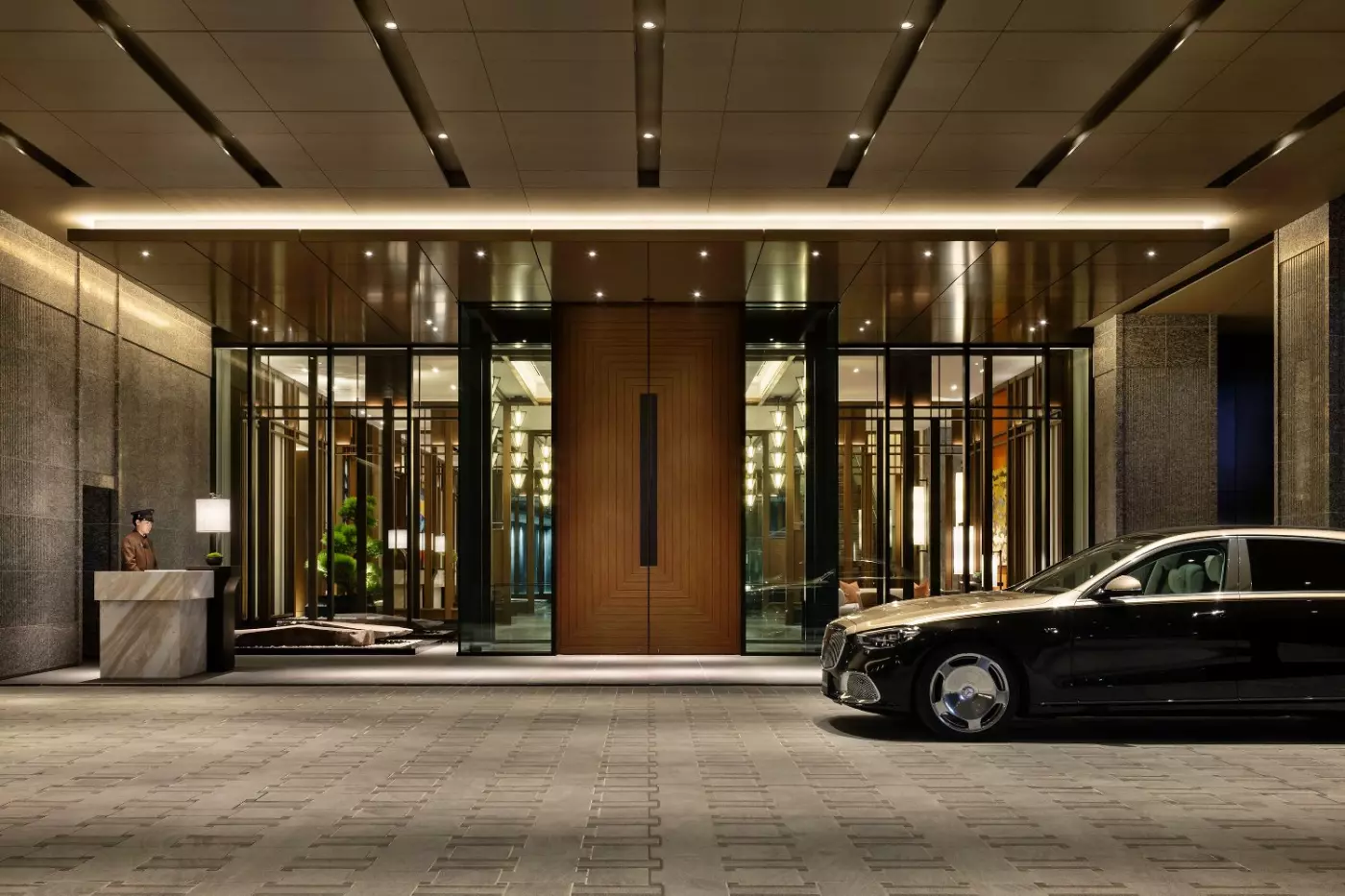
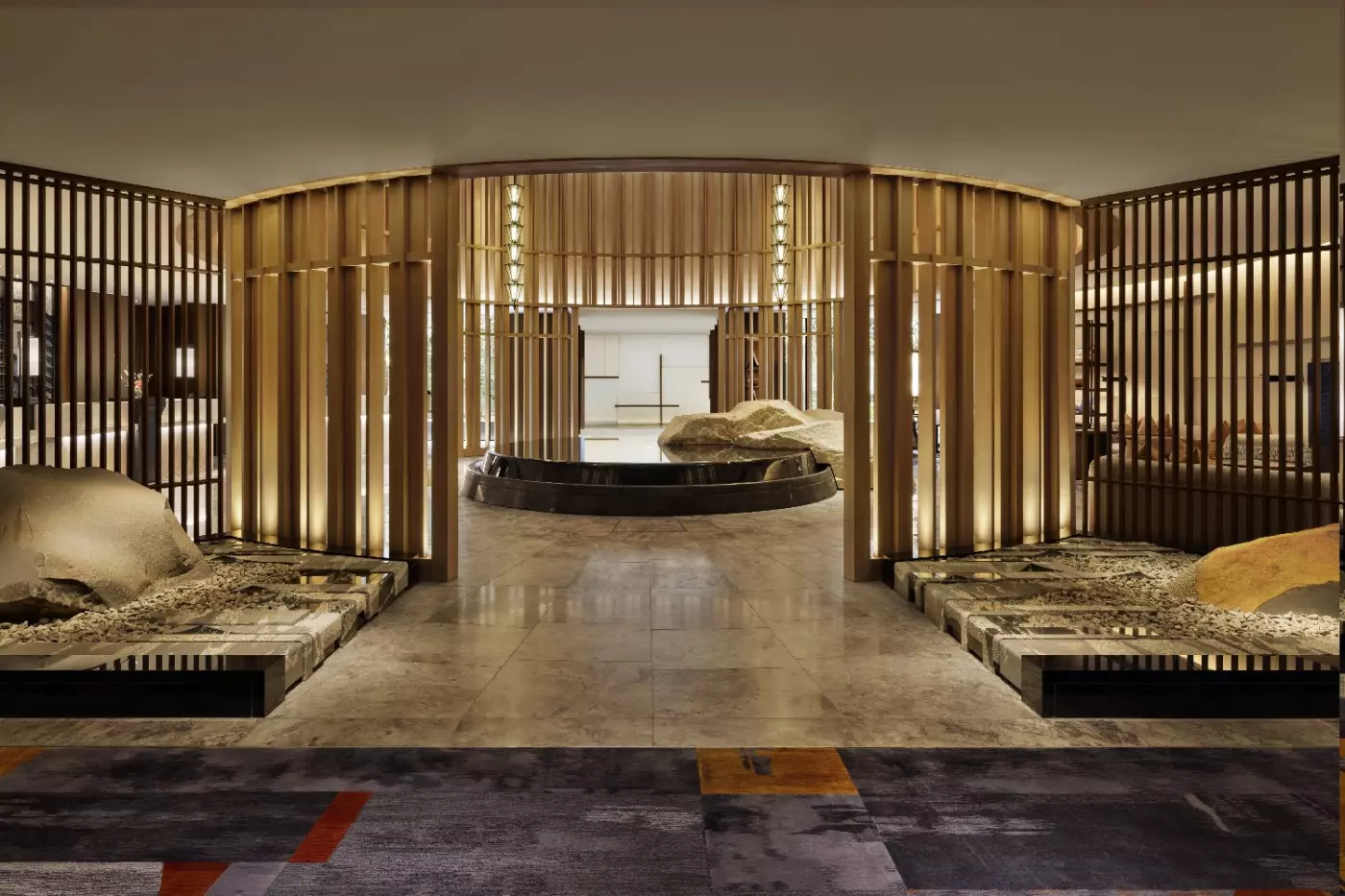
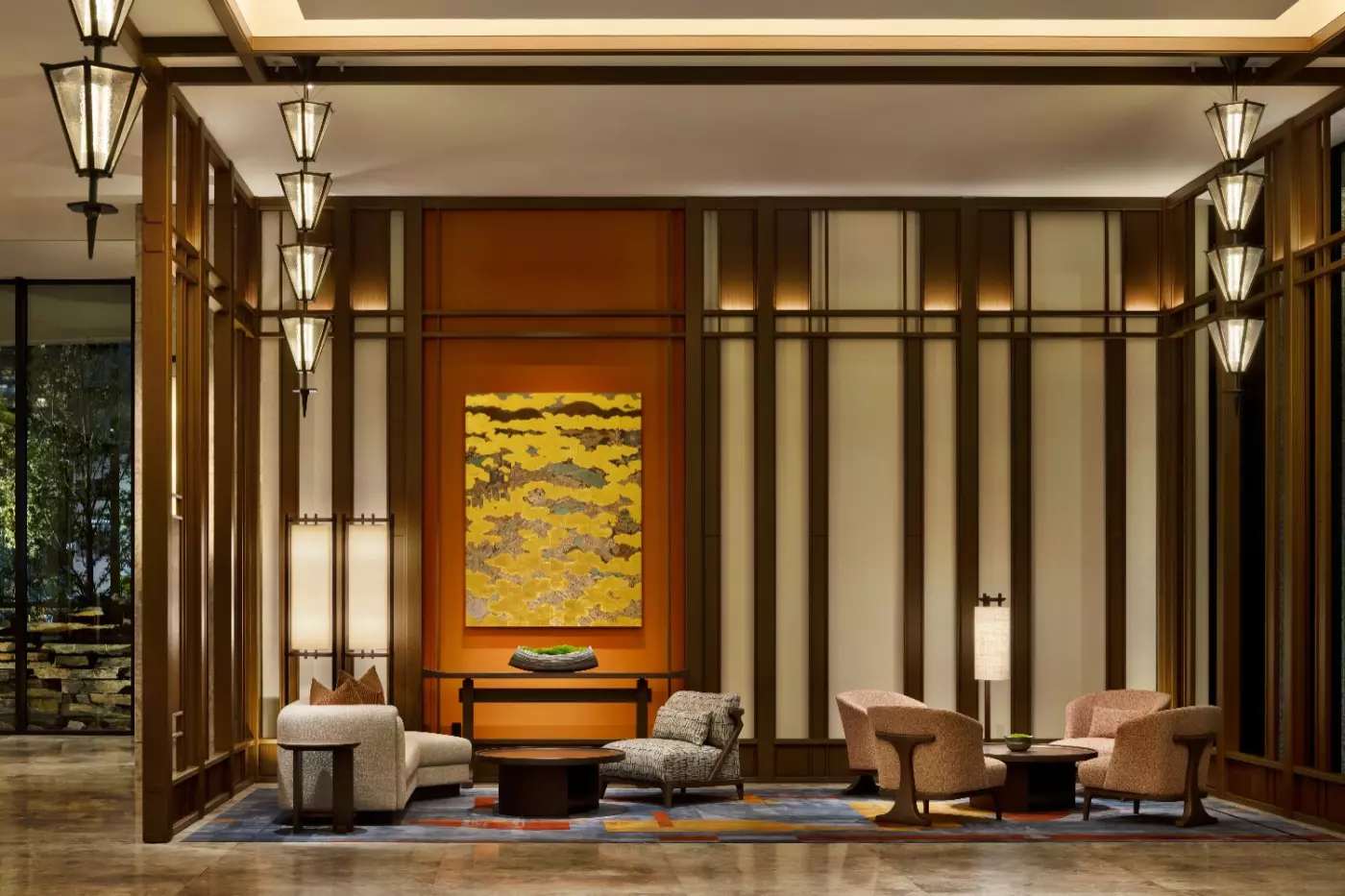
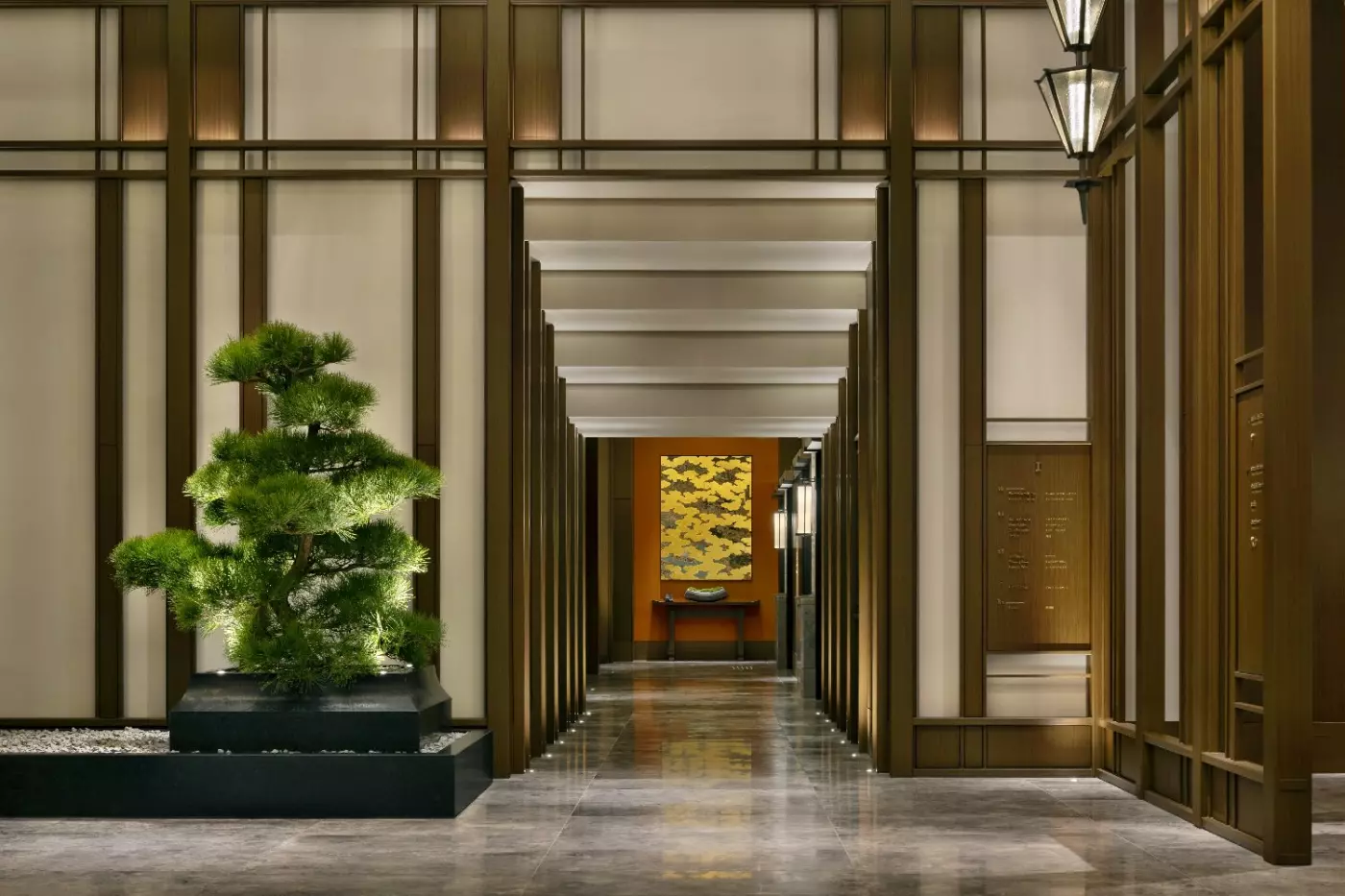
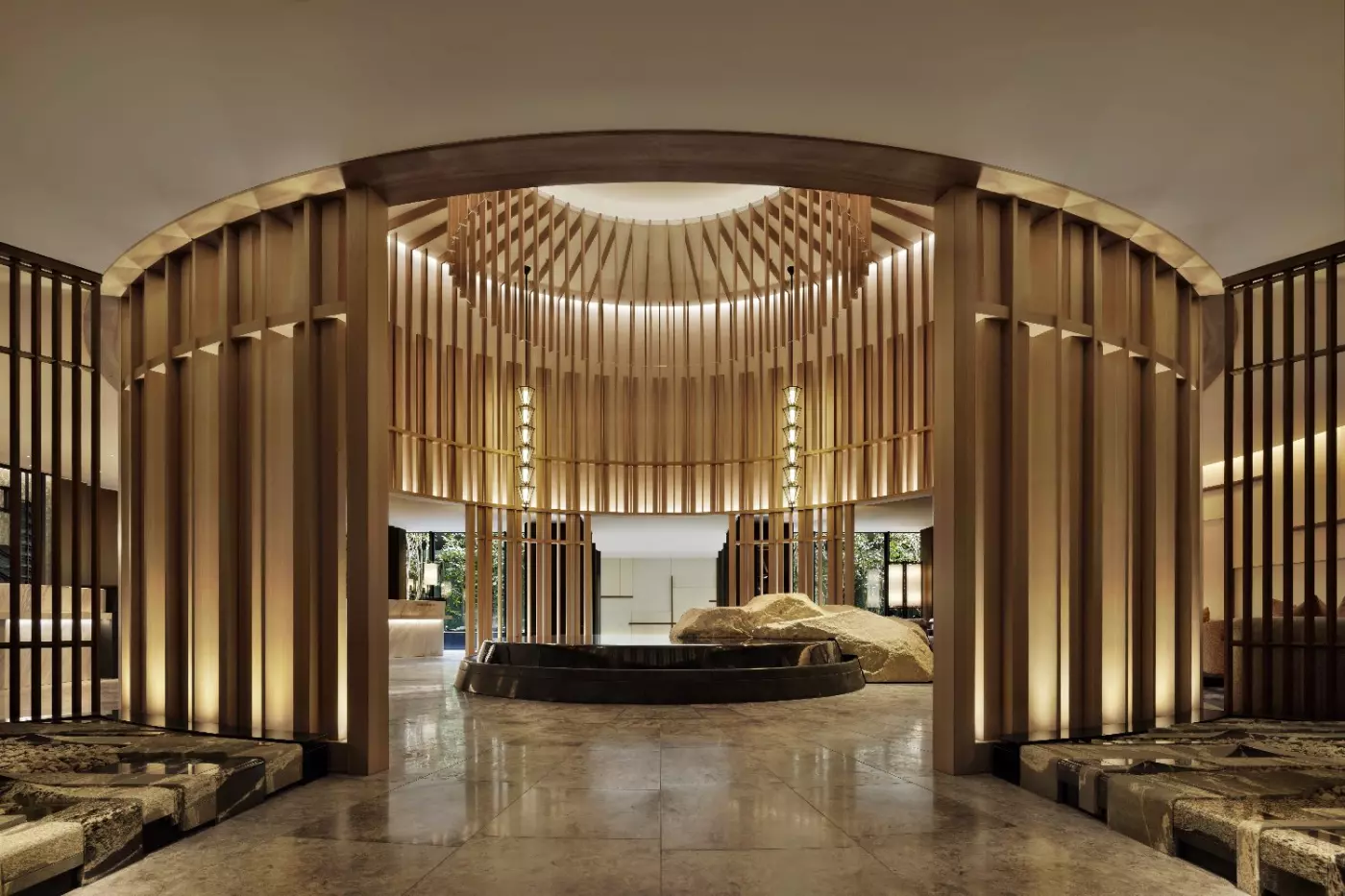
André Fu developed the interiors around two ideas: Waldorf Astoria's Art Deco heritage and Japanese craft. His references include Yodoko Guest House, a Frank Lloyd Wright residence in Ashiya. He also draws on the geometry of Osaka's historic architecture. Layered symmetry, timber frames, bronze, stone, and warm natural tones give the public rooms order. Japanese art and craft keep them connected to place.
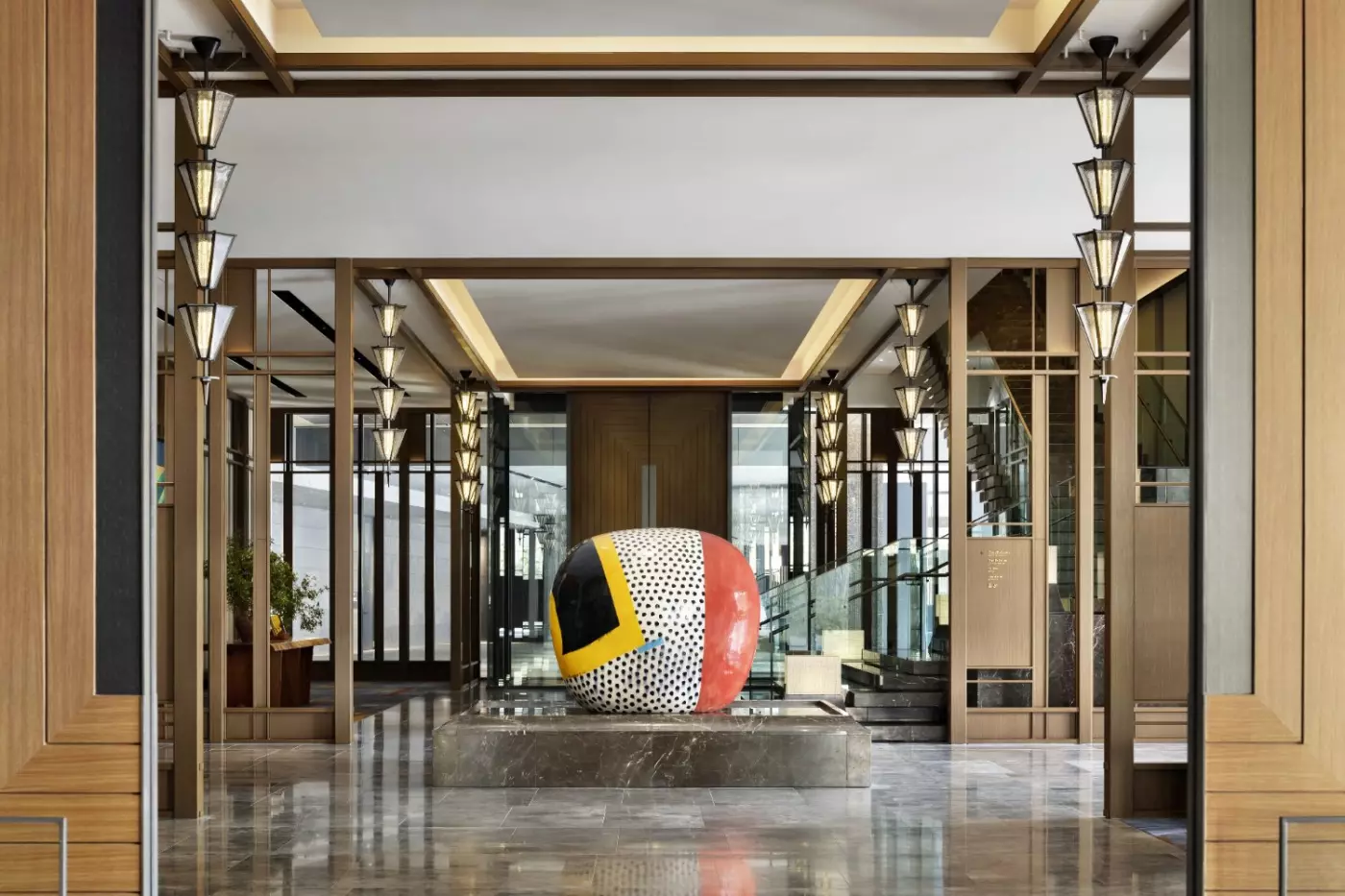
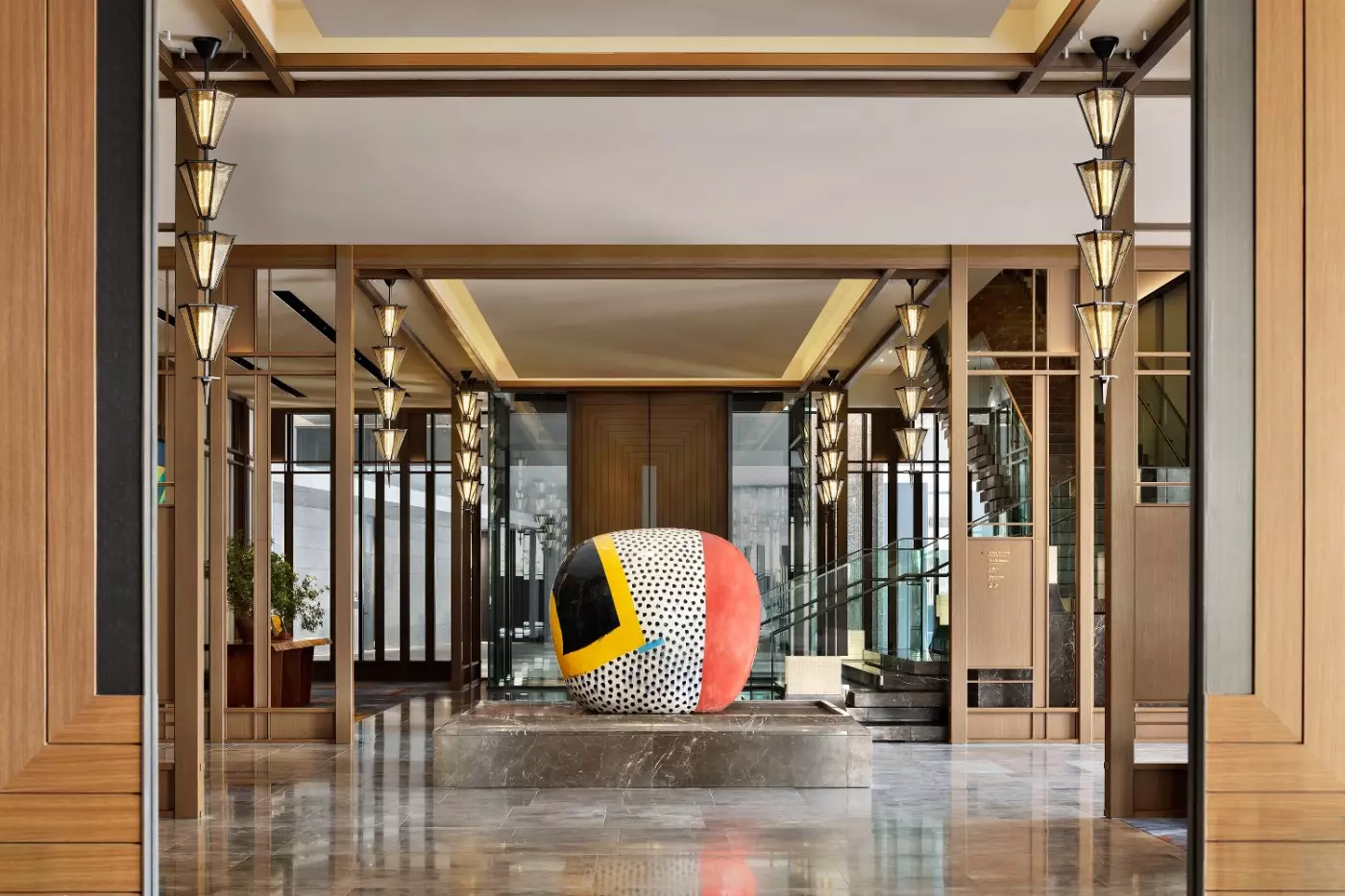
The arrival sequence contains some of the hotel's most distinctive work. A pavilion-like framework introduces a ceramic sculpture by Jun Kaneko and a vivid canvas by Manika Nagare. The Arcade runs for 20 meters through timber arches, bronze frames, and shoji lanterns. At Peacock Alley, a bronze clock recalls a Waldorf Astoria signature. Chandeliers take their cue from the Tenjin Matsuri festival. The references reward attention without turning the hotel into a theme.
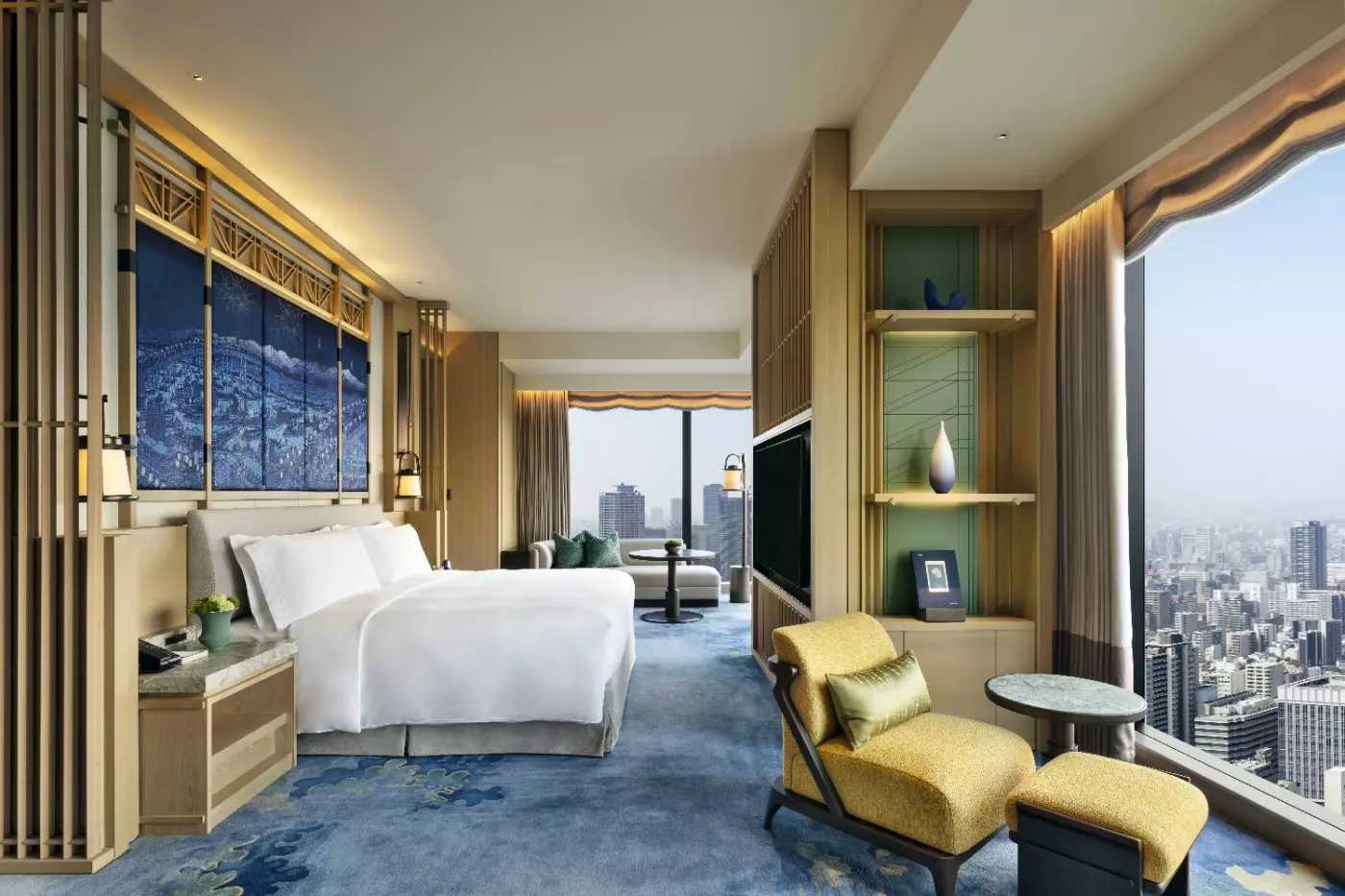
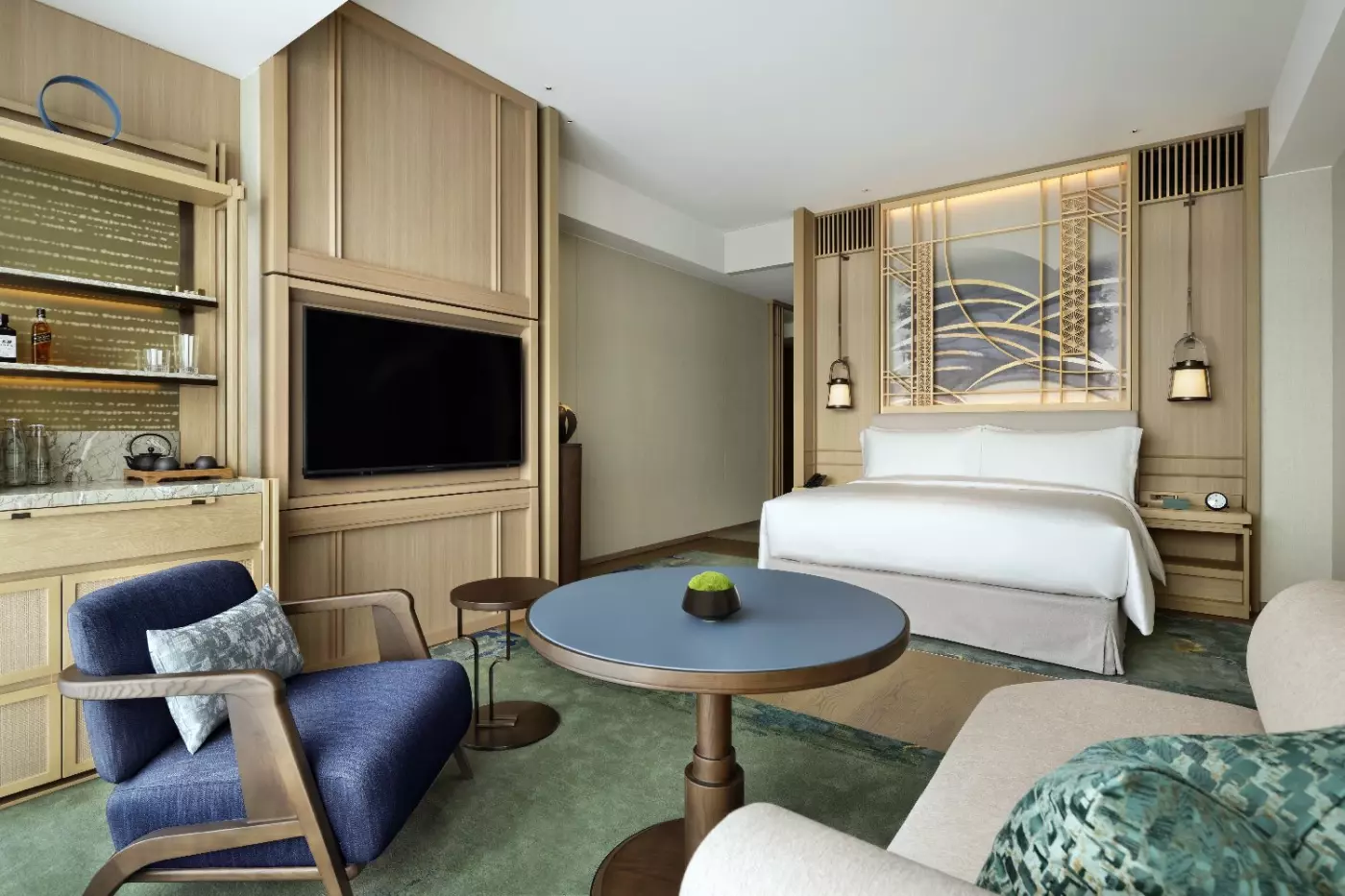
Guest rooms continue the idea on a quieter scale. Kumiko screens, painted washi panels, shoji-inspired lampshades, lacquer, and timber details sit alongside soft textiles. The Matsunoha motif, associated with longevity and prosperity, appears in the bed frames. The result suits travelers who appreciate contemporary design with clear local sources, rather than a literal ryokan recreation or a neutral international interior.
The 252 accommodations start at 46 square meters, a generous entry point for a city hotel. Deluxe and Premier rooms come in king and two-queen layouts, and the collection includes an accessible king room. Premier River View categories make orientation explicit. Floor-to-ceiling windows and a sitting area help standard rooms work for longer visits. Custom furnishings maintain the residential character of the public spaces.
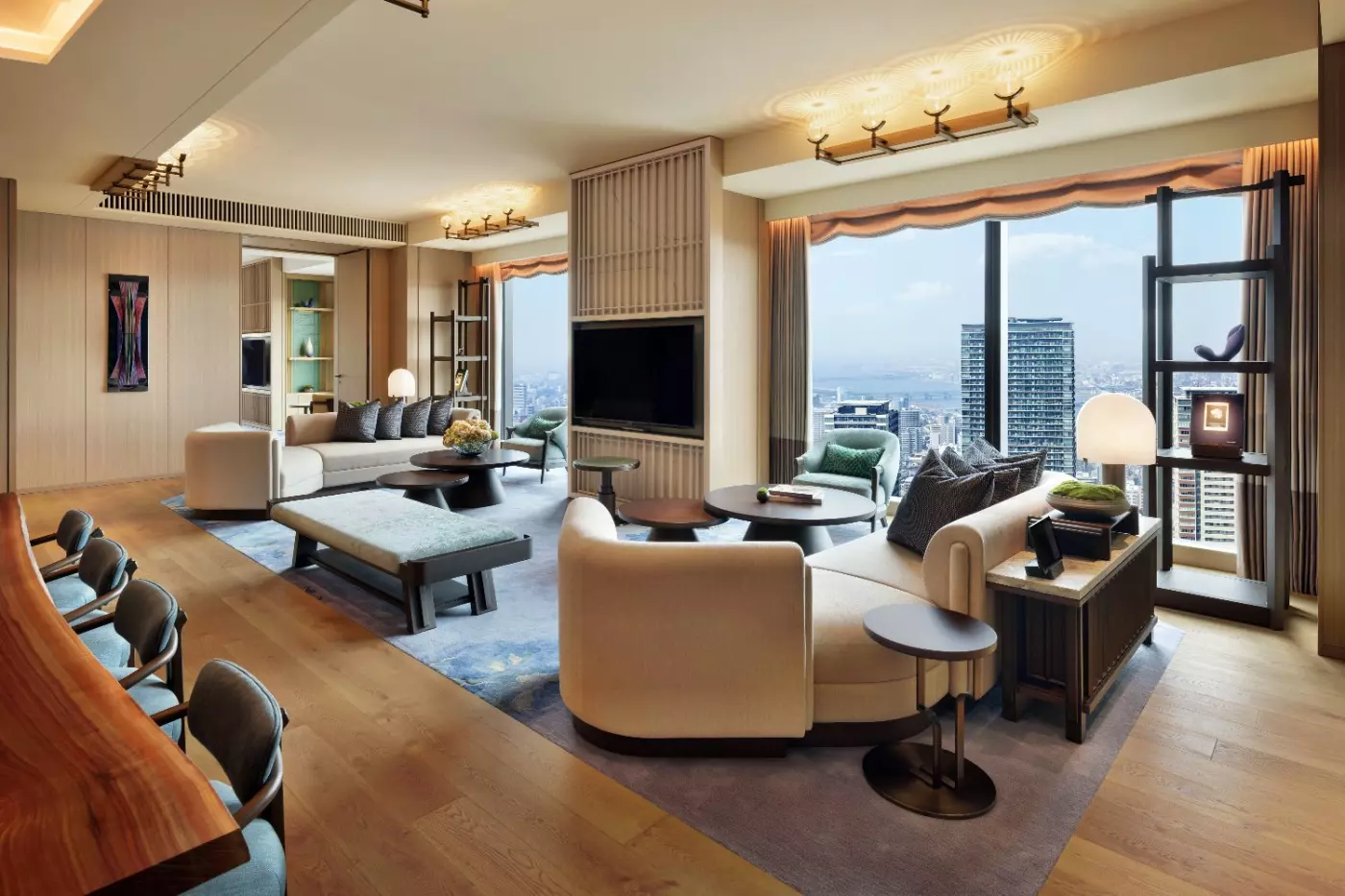
Corner Suites add a separate living zone and broader skyline exposure. The two-bedroom Corner Suite has one king bedroom and another with two queen beds. It accommodates up to six guests. This is the clearest option for families or friends who want shared living space. Smaller parties can choose a one-bedroom Corner Suite, including a River View version. It suits travelers who value extra seating and a wider outlook more than a second bedroom.
At the top are the Astoria Penthouse, Waldorf Penthouse, and Presidential Suite. Hilton describes the two penthouses as 146 square meters each and the Presidential Suite as 193 square meters. They provide far more space for entertaining or extended stays, but their names do not settle the view. Guests should still confirm orientation, sleeping arrangement, and the balance between living and bedroom space.
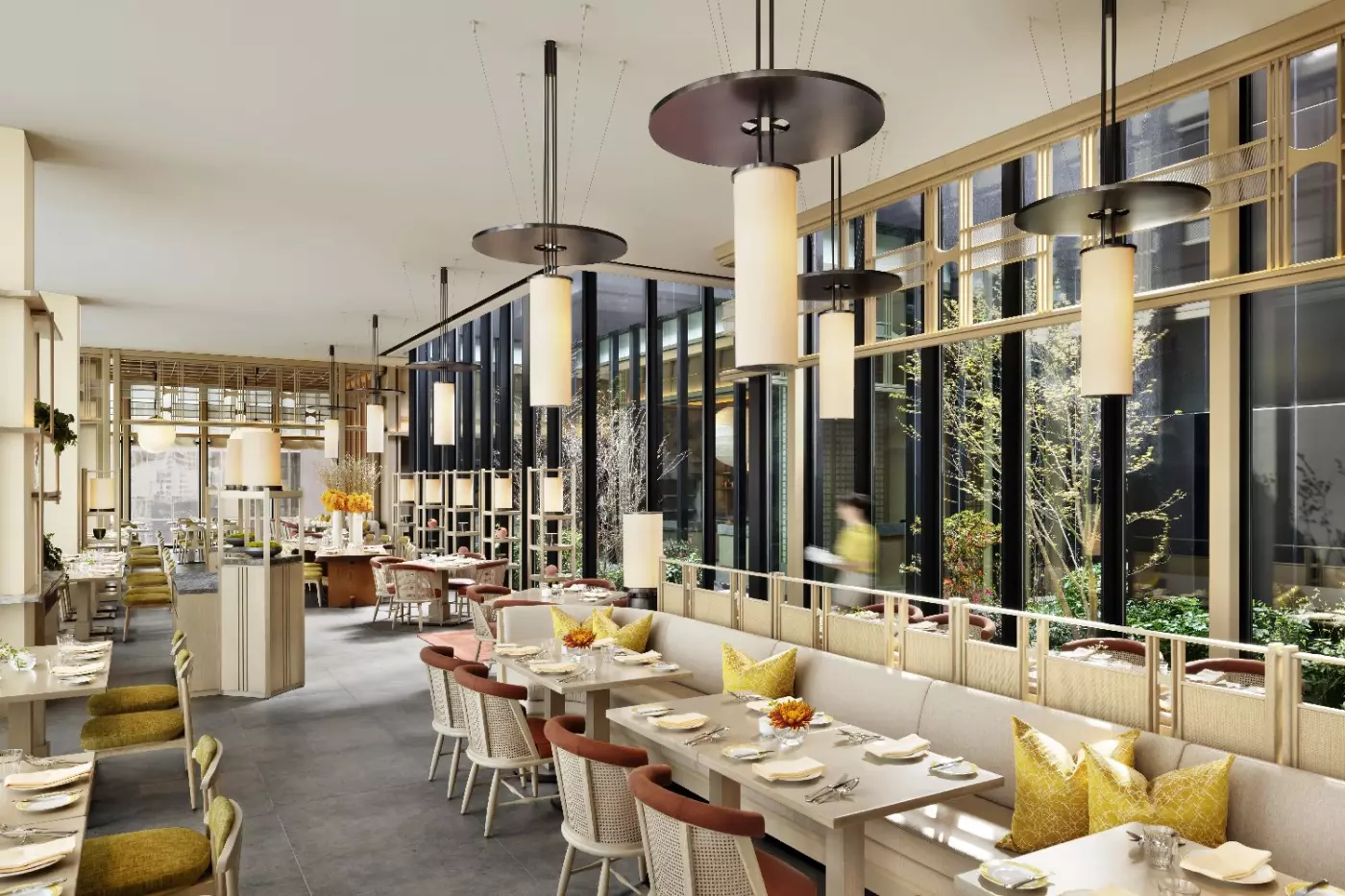
Jolie Brasserie, on the 29th floor, is the all-day anchor and breakfast restaurant. Its cooking starts with a French brasserie framework, then draws in international dishes, local specialties, and Japanese ingredients. The glasshouse-like room is conceived as a contemporary tea pavilion. Breakfast and dinner remain connected to the skyline rather than hidden in an enclosed dining room.
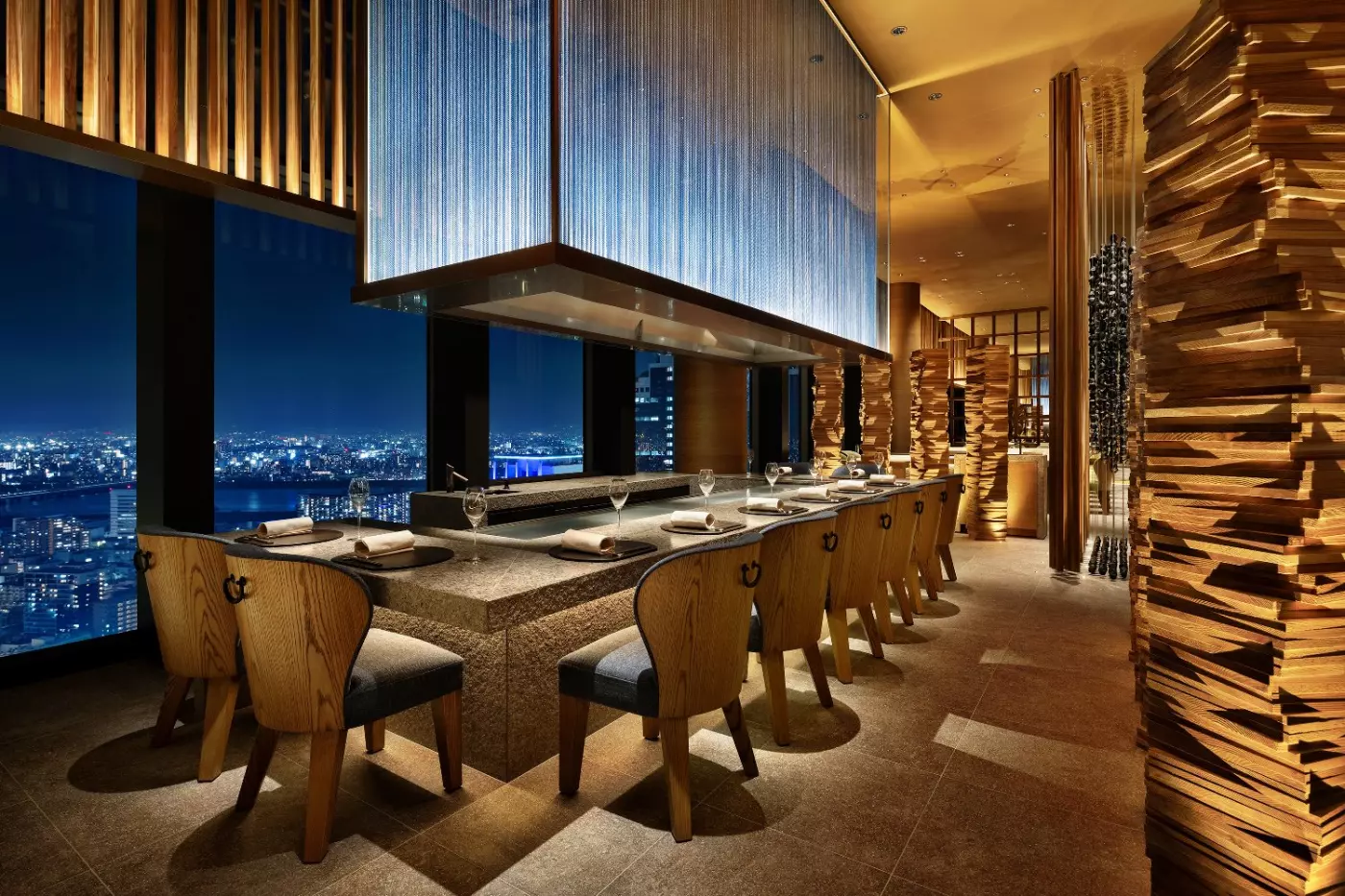
Tsukimi houses separate sushi and teppanyaki experiences within one Japanese restaurant. Counter seating places the chefs and their technique at the center of the meal. Private and semi-private spaces suit quieter dinners, while handcrafted interiors and a garden composition soften the formality. It is the natural choice when the counter experience matters as much as the menu.
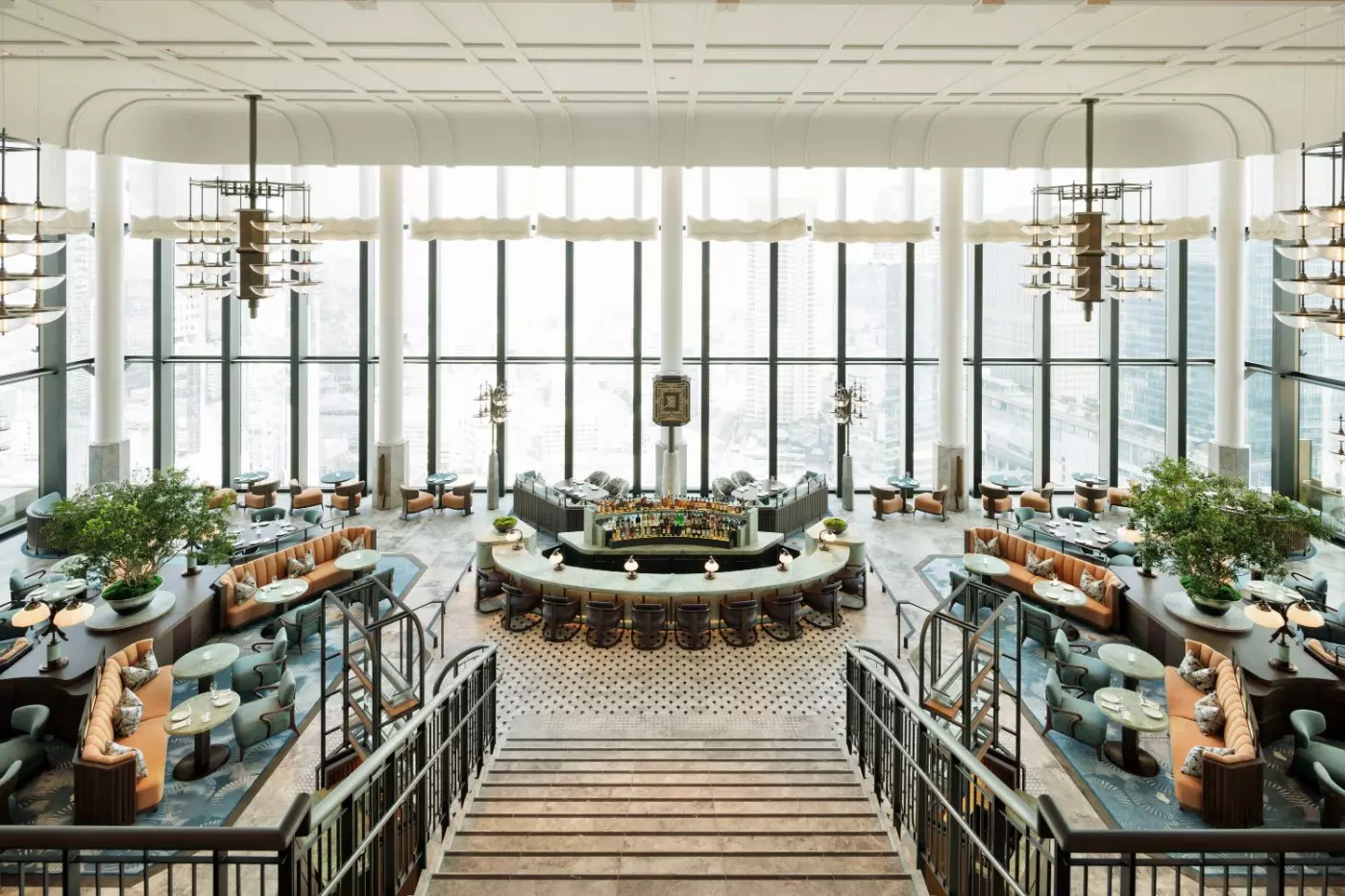
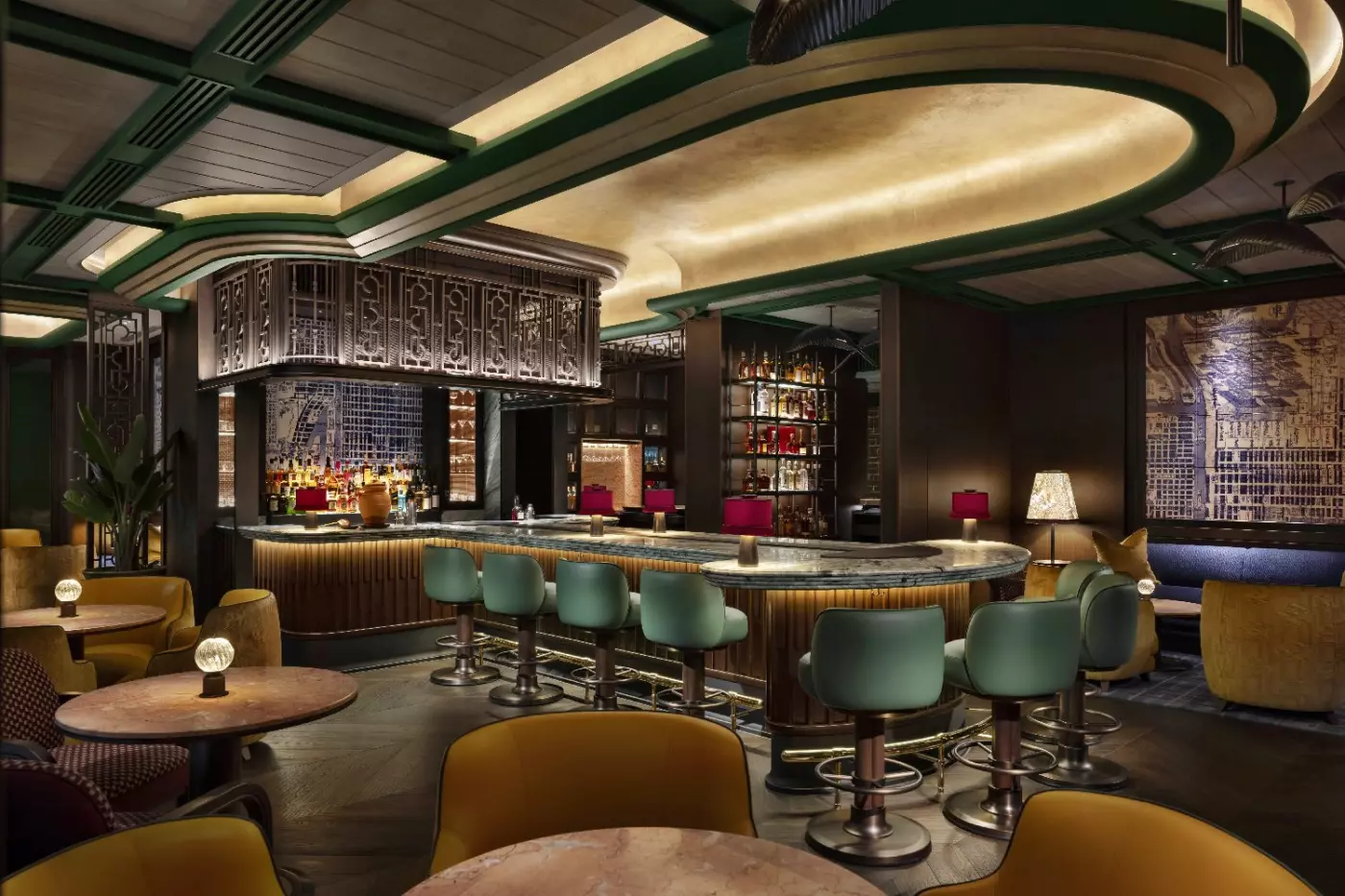
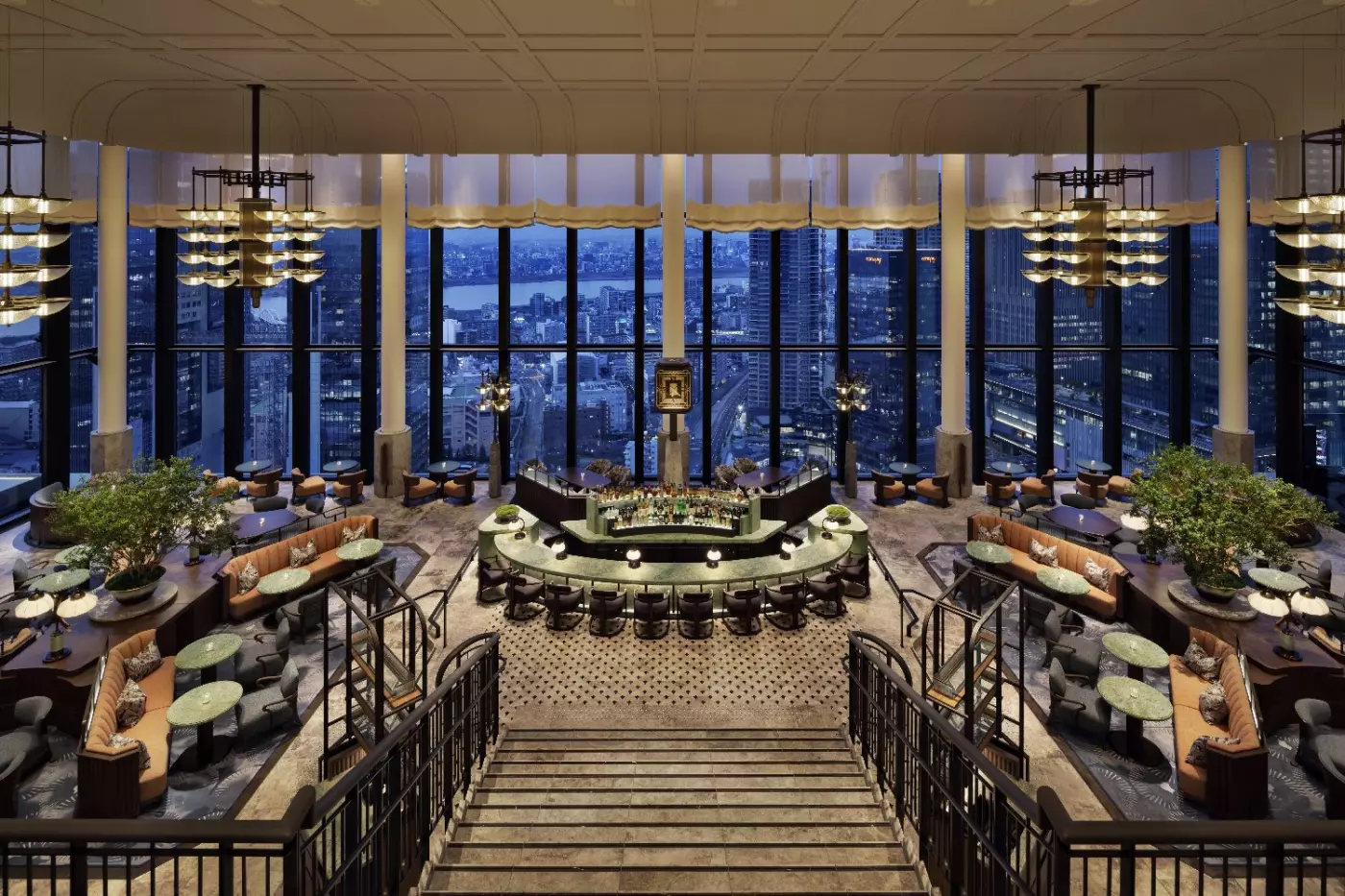
Peacock Alley carries the social center from coffee and light meals into afternoon tea and evening champagne. Its lofty volume, terrace, clock, and Kansai outlook make it as much a meeting place as a lounge. Canes & Tales is smaller and speakeasy-inspired. Its cocktails draw on Waldorf Astoria classics, Jazz Age recipes, and modern ideas. Pavilion, the pastry boutique, adds cakes and gifts. Each venue has a distinct role rather than repeating one all-purpose format.
Twenty-four-hour in-room dining is useful after an international arrival or before an early rail journey. Breakfast, all-day, afternoon-tea, and late-night selections provide flexibility. Guests can eat privately without reducing the hotel's restaurants to a backup plan.
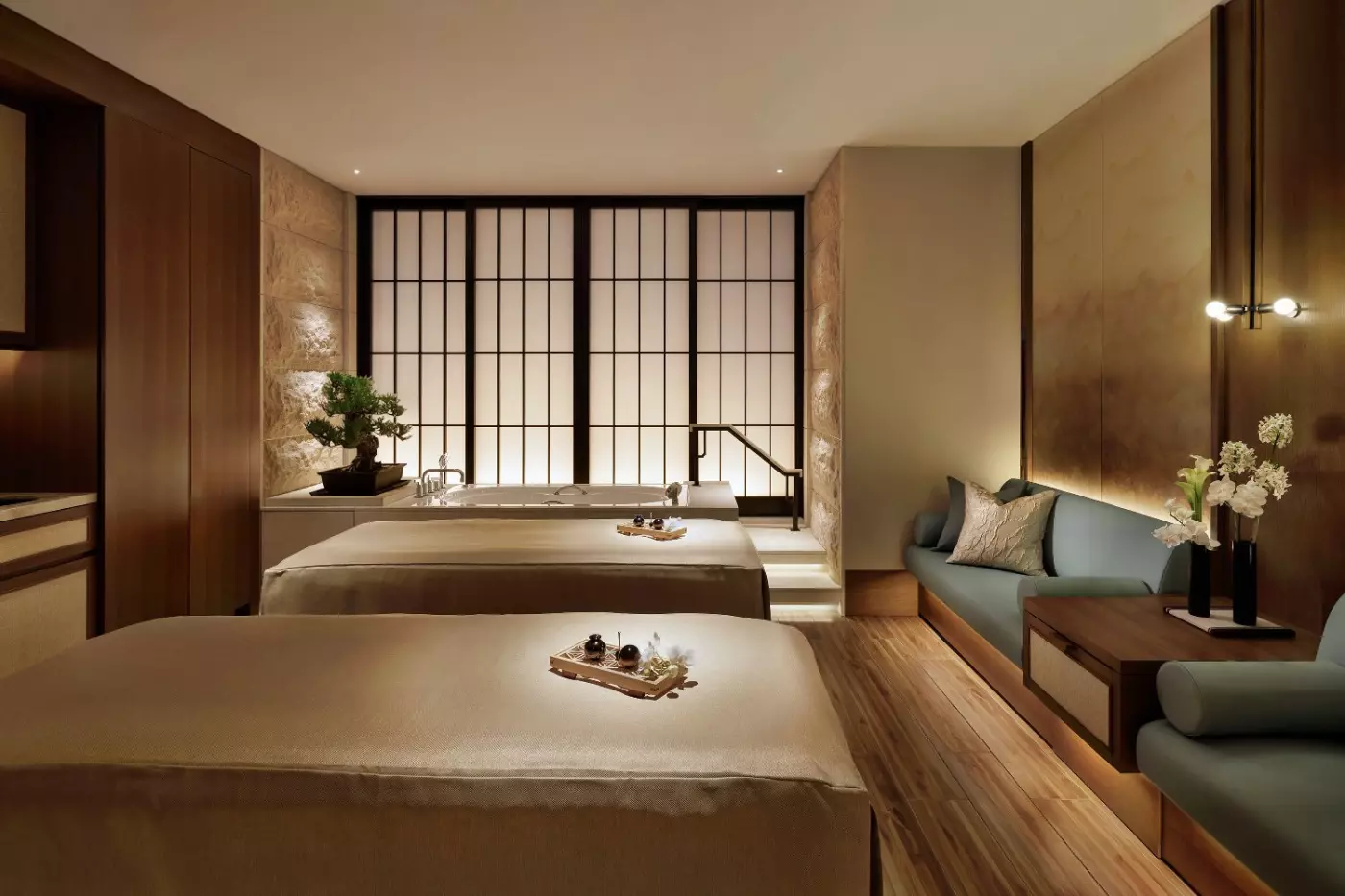
Waldorf Astoria Spa draws on Japanese wellness traditions. Tea, amazake, temple-bell tones, breathing, and stretching inform its rituals, alongside massage and body care. Burgener Switzerland skincare forms part of the facial program. A hydrotherapy pool, sauna, and steam room support longer visits. Mud-toned finishes, shoji paper, crackled glass, and bronze echo the material language of a Japanese inn.
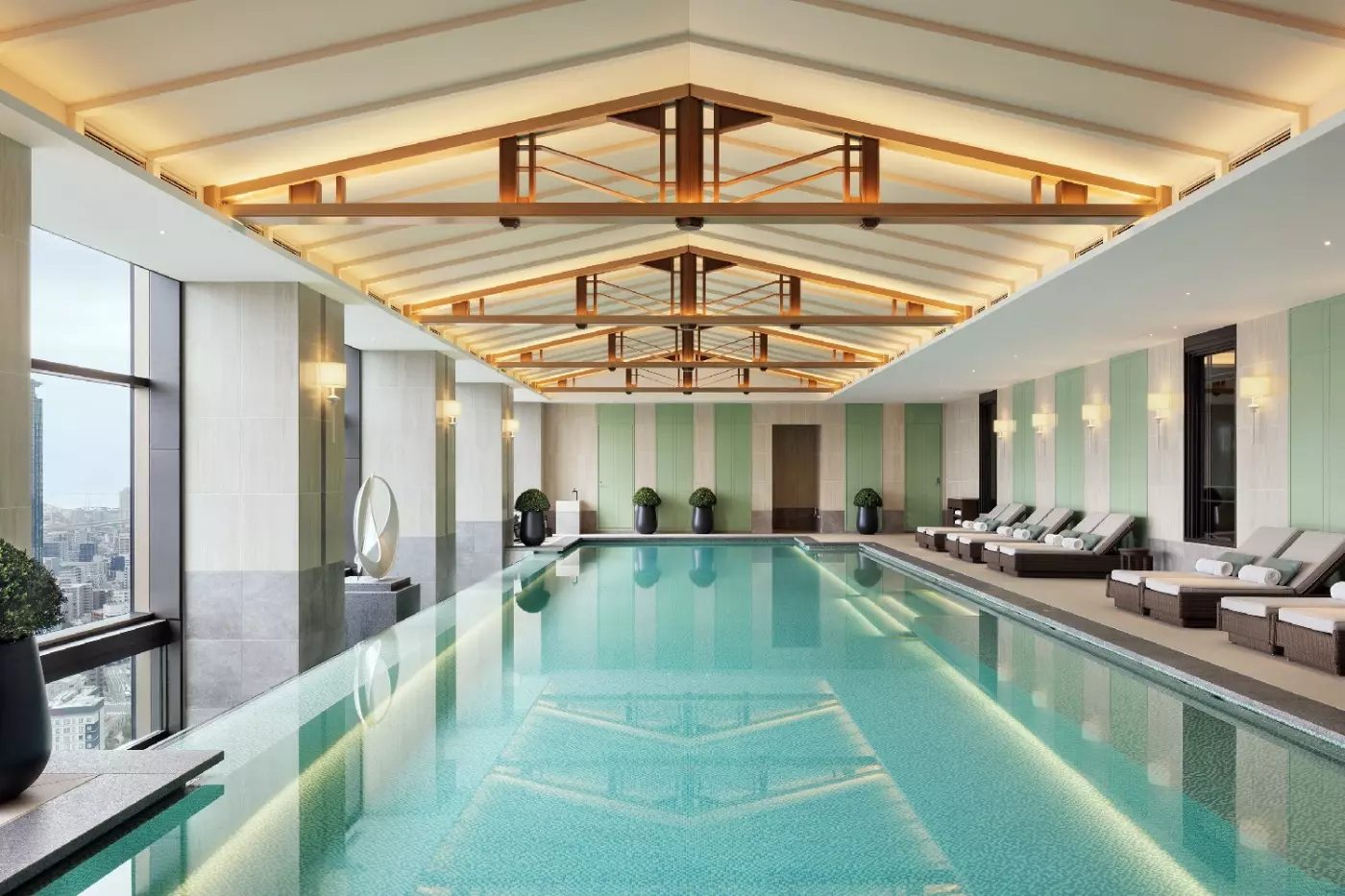
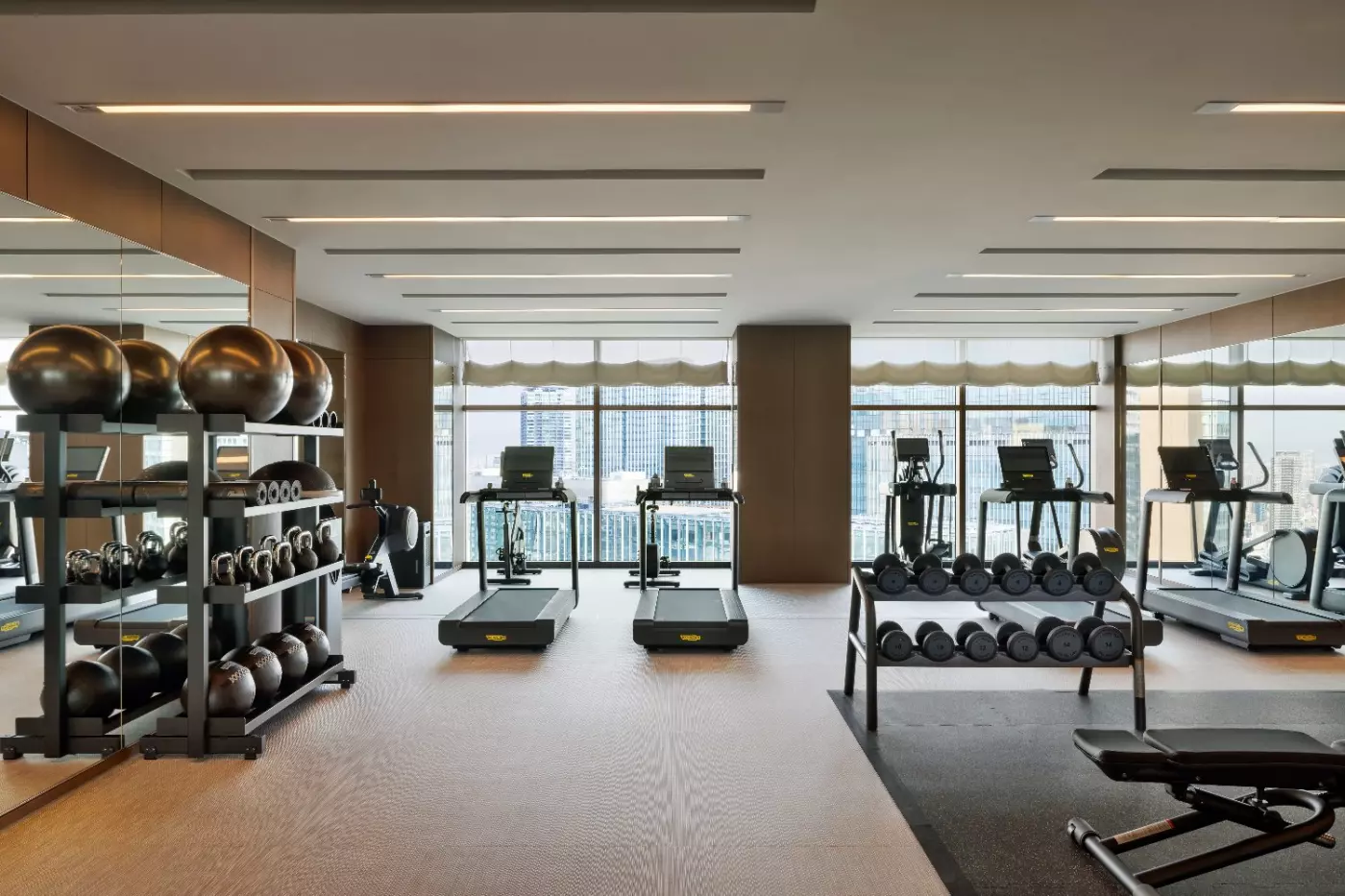
The 20-meter heated indoor pool sits on the 30th floor behind full-height windows. Natural light, mosaic tiles, and Osaka Bay views distinguish it from a basement hotel pool. The fitness center operates 24 hours and combines cardio machines with strength equipment. Specialist training can be arranged. This combination works for guests who want a proper swim or structured workout, not only a spa appointment.
Also on the 30th floor, the resident-only Library is a calmer counterpoint to Peacock Alley. Curated art books, comfortable seating, and coffee or tea suit reading, informal work, or a pause between appointments. Guests have somewhere quiet outside the bedroom without moving into a restaurant or the main lounge.
The hotel has about 1,000 square meters of event space. The 536-square-meter Grand Ballroom divides into three rooms and seats up to 350 guests for a banquet. A smaller Park Ballroom, meeting rooms, a boardroom, and a high-rise chapel support corporate programs and weddings. Rail access, private dining, and in-house wellness help organizers keep a multi-day event compact.
Waldorf Astoria Osaka suits travelers who value rail convenience but do not want a transit-led hotel. Business guests gain quick access to Umeda and useful meeting facilities. Couples can prioritize a River View room, Corner Suite, or penthouse. Families and small groups have two-queen rooms and a two-bedroom suite for up to six. Four distinct restaurants and bars support food-focused stays, while the pool, spa, gym, and library give slower days structure.
The location is less compelling for someone determined to step directly into Dotonbori's evening crowds. The high-rise format also lacks the intimacy of a small heritage property. Its strengths are generous rooms, exacting contemporary Japanese design, broad views, and serious wellness facilities. The Osaka Station address also simplifies regional travel. Choose the room orientation carefully, then use the hotel as a composed northern Osaka base rather than merely a place to pass through.
Peacock Alley pairs afternoon tea and seasonal dishes with sweeping Kansai views, making a pause between outings feel part of the Osaka stay.
Canes & Tales draws cocktails from Waldorf Astoria classics, Jazz Age favorites and modern ideas, giving an evening drink a more distinctive starting point.
Spa rituals draw on Japanese tea ceremonies, amazake and temple-bell tones, offering a culturally grounded pause when you want time beyond Osaka's busy streets.
5-54 Ofukacho, Kita Ward, Osaka, 530-0011, Japan
Playing this video may share data with YouTube. Please see our Privacy Policy.
Yes. The hotel's position beside Osaka Station places Kyoto, Kobe and Nara less than one hour away by rail under typical schedules. Exact journey times depend on the chosen service, but the Umekita location avoids a cross-city transfer before starting most regional day trips.
Canes & Tales is the hotel's Jazz Age, speakeasy-inspired cocktail bar. The drinks list moves from original Waldorf Astoria recipes and period classics to contemporary creations, giving the hotel a late-evening setting that feels distinct from Peacock Alley's brighter all-day lounge.
Tsukimi brings both Japanese formats into one restaurant: sushi focuses on precisely prepared seafood at the counter, while teppanyaki centres on ingredients cooked on an iron griddle in front of diners. Artisan interiors, a zen garden and private rooms frame both experiences.
Jolie is a French brasserie that modernises familiar bistro dishes while also serving international choices and local specialities. Its energetic setting contrasts with the ceremonial Japanese atmosphere of Tsukimi and the lounge format of Peacock Alley, making it the hotel's most conventional full-meal restaurant.
Peacock Alley is the hotel's two-storey day-to-night lounge beneath a bronze clock and chandeliers inspired by Osaka's Tenjin Matsuri festival. It serves seasonal dishes, afternoon tea, cocktails and champagne with panoramic views, and currently opens daily from 11:00 am to 10:00 pm.
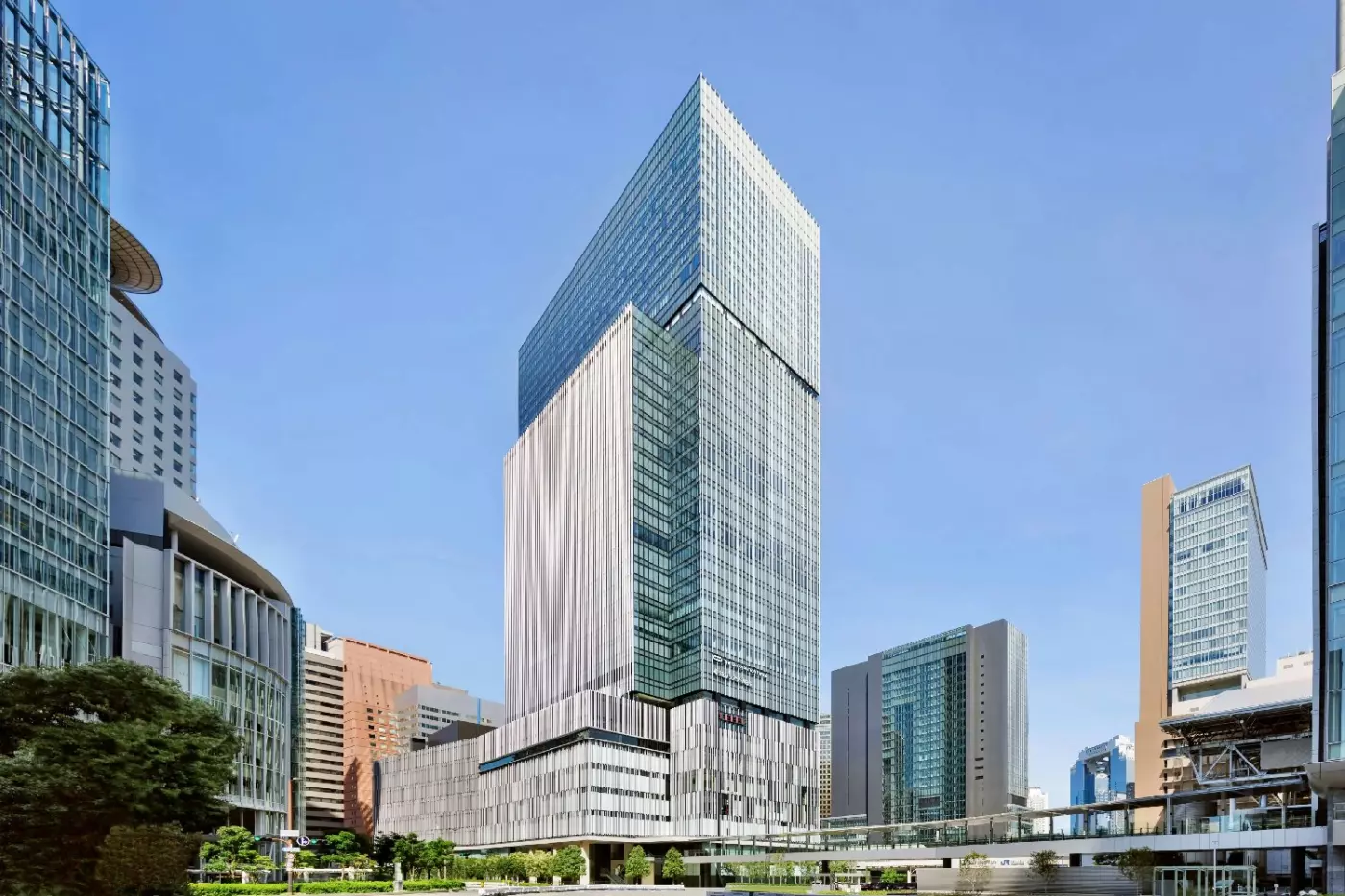
Osaka Station Hotel is a high-rise city hotel for travelers who want Osaka to feel easy from the first minute. It sits in JP...
More amenities
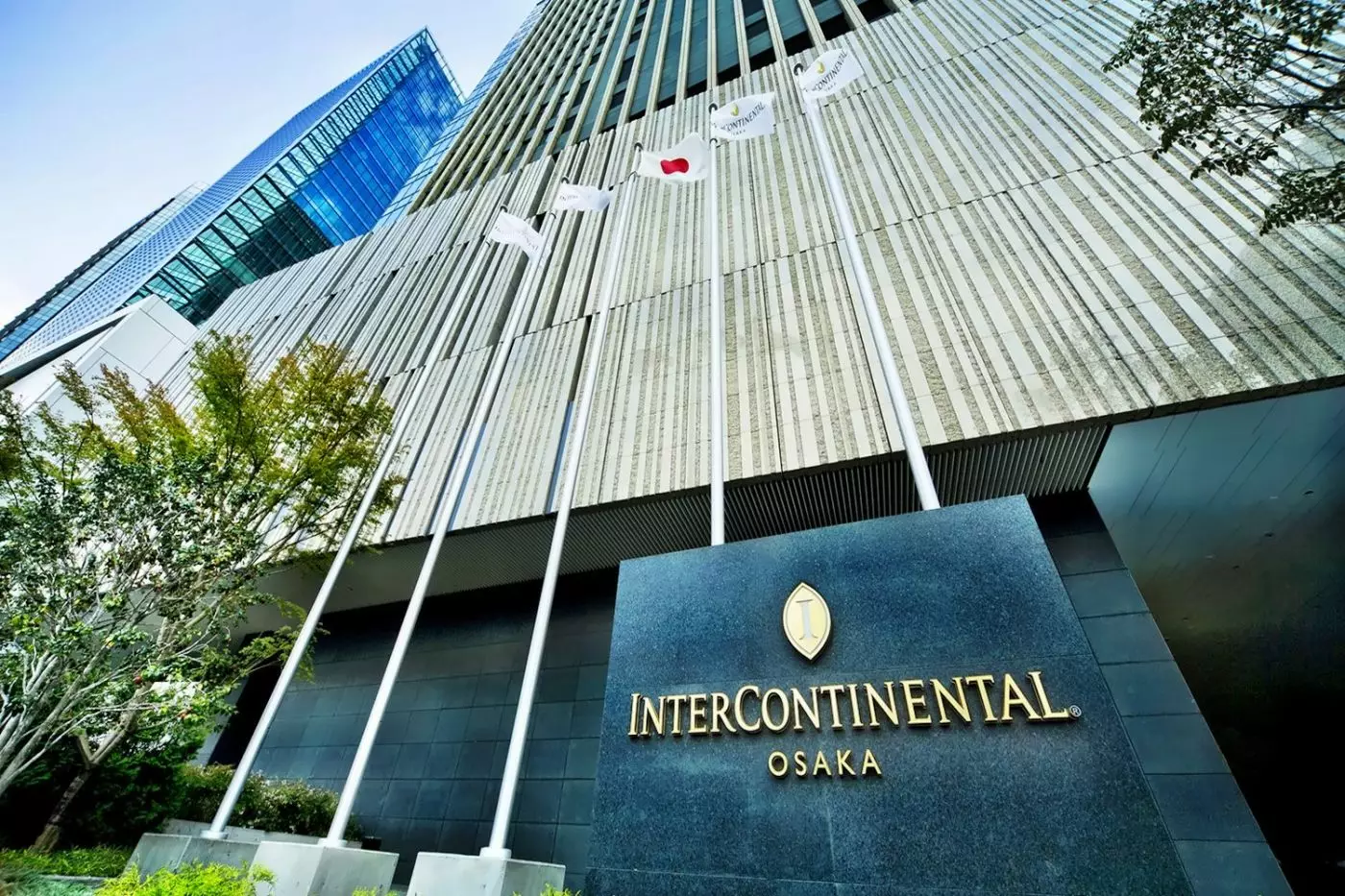
InterContinental Osaka is an Umeda hotel for travelers who want Osaka to feel connected, vertical, and easy to use. JR Osaka...
More amenities
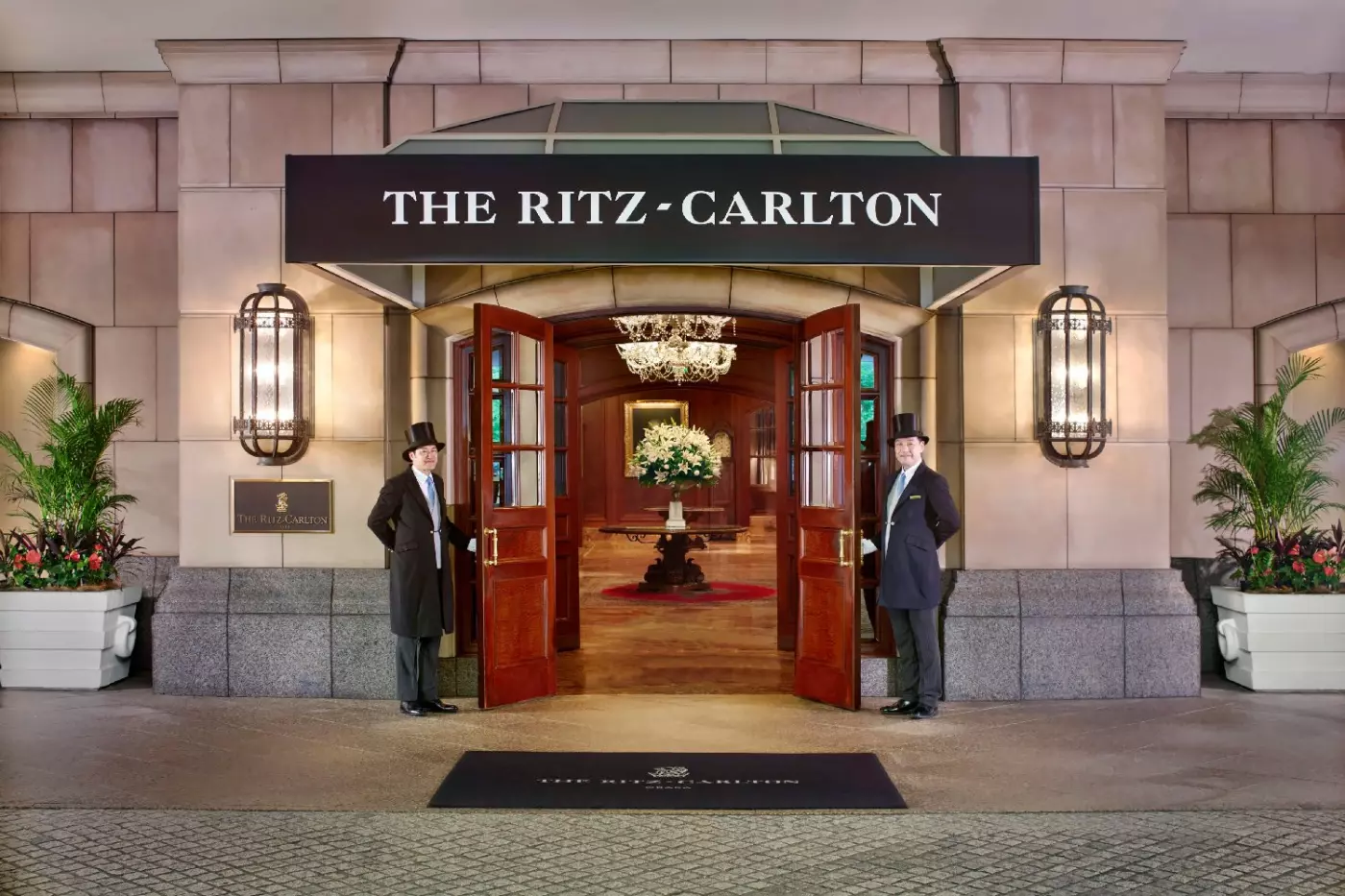
British-inspired interiors define The Ritz-Carlton, Osaka in Umeda. Japan's first Ritz-Carlton takes its design cues from an...