



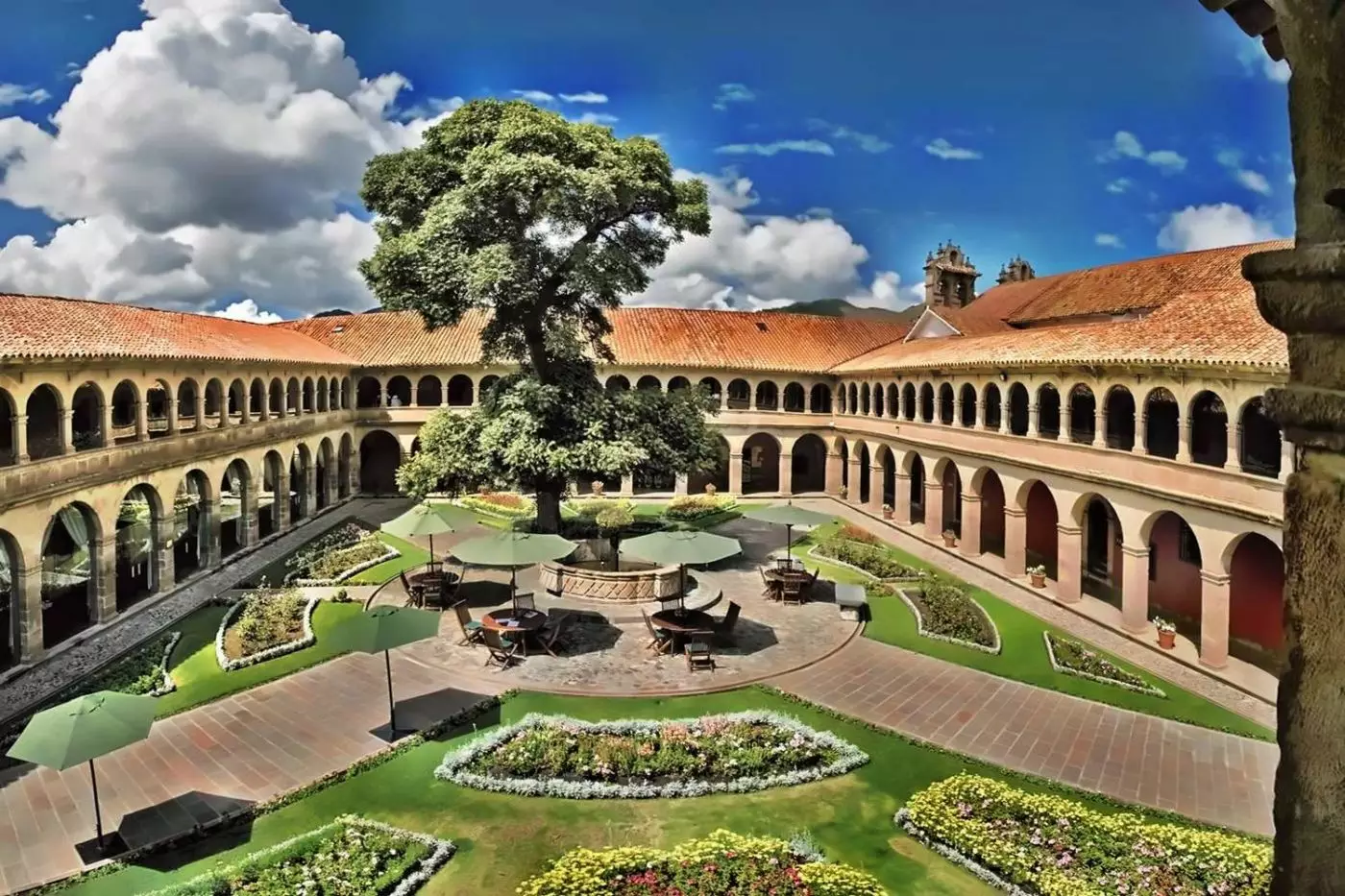
Monasterio, A Belmond Hotel, Cusco
Prices From 433 USD
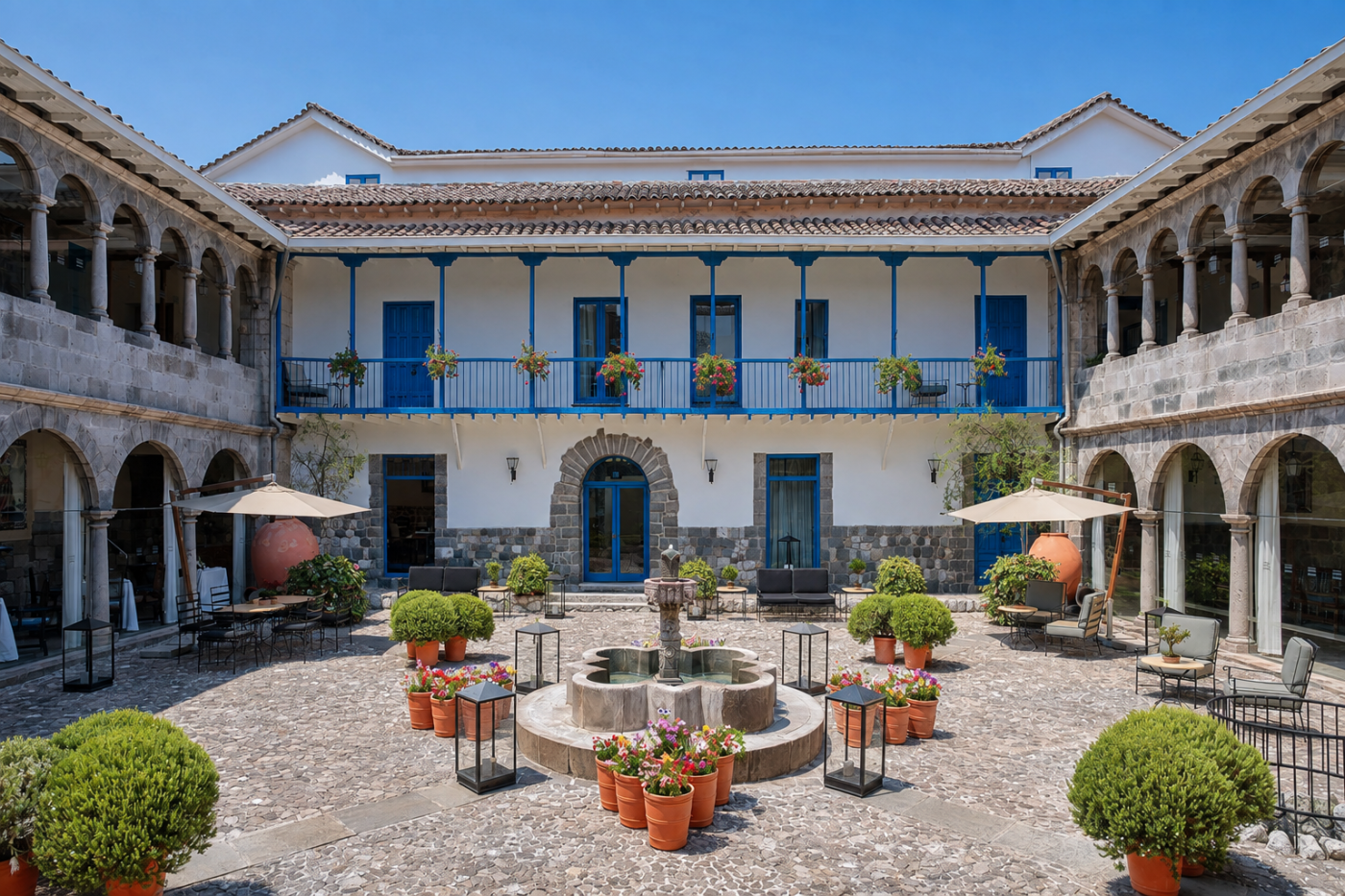
Monasterio, A Belmond Hotel, Cusco occupies a protected 16th-century monastery on Plazoleta Nazarenas, close to Plaza de Arma...
Please choose a hotel or destination from the list.
We couldn’t open your search results. Please try again.
Your private search
Finding exceptional stays
Peru's luxury stays bring the Pacific coast, Andean cities and open valley landscapes into one journey. Restored heritage hotels give Cusco a different atmosphere from Lima's contemporary city addresses, while country retreats and lakeside lodges leave more of the day to the scenery. Let the places you want to explore determine the hotel sequence: Peru is too varied for one setting to represent the whole country.
Prices From 433 USD
Monasterio, A Belmond Hotel, Cusco occupies a protected 16th-century monastery on Plazoleta Nazarenas, close to Plaza de Arma...
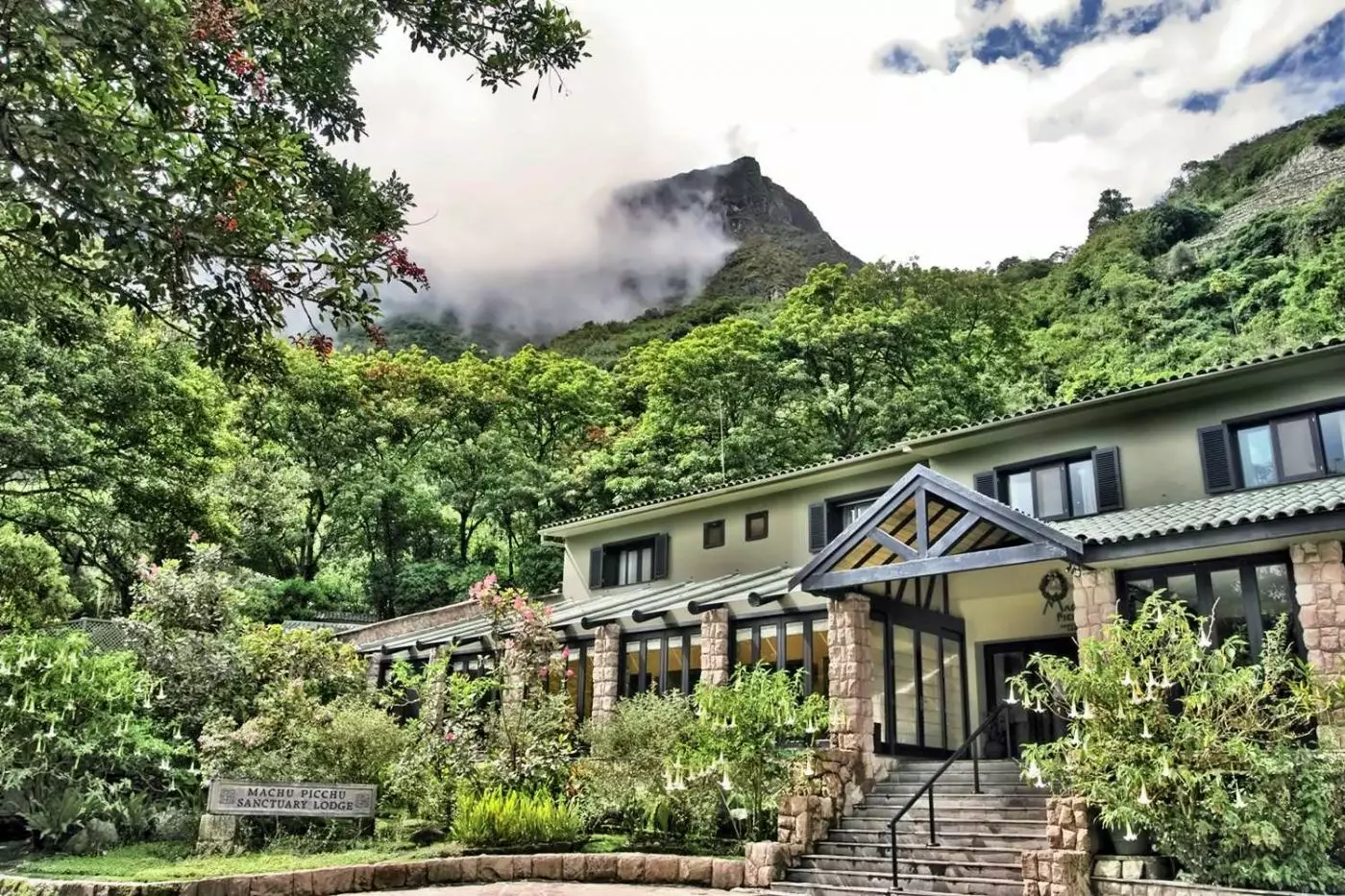
Prices From 2’317 USD
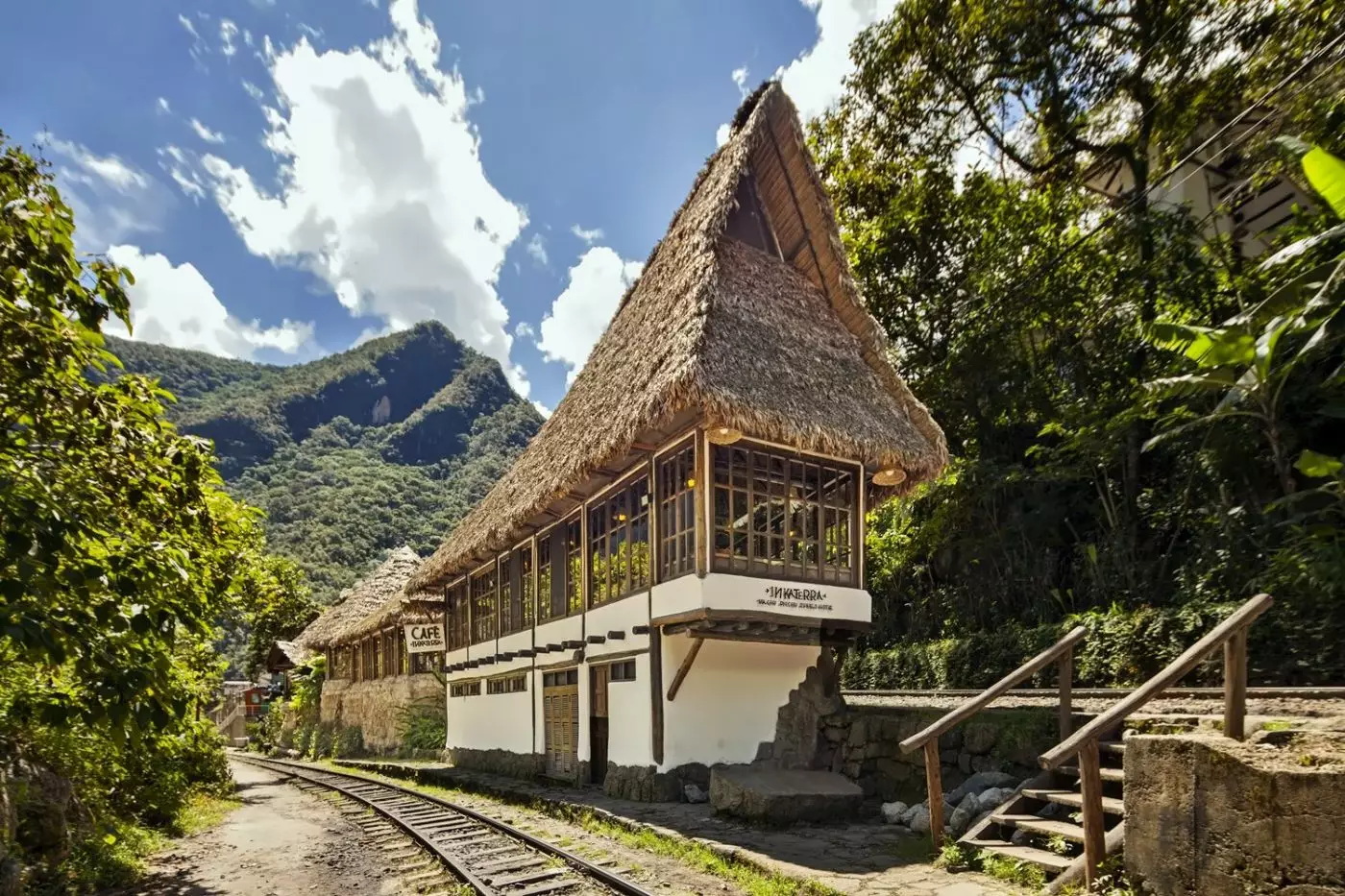
Sanctuary Lodge, A Belmond Hotel, Machu Picchu stands beside the citadel entrance in Peru. With 29 rooms and two suites, it i...
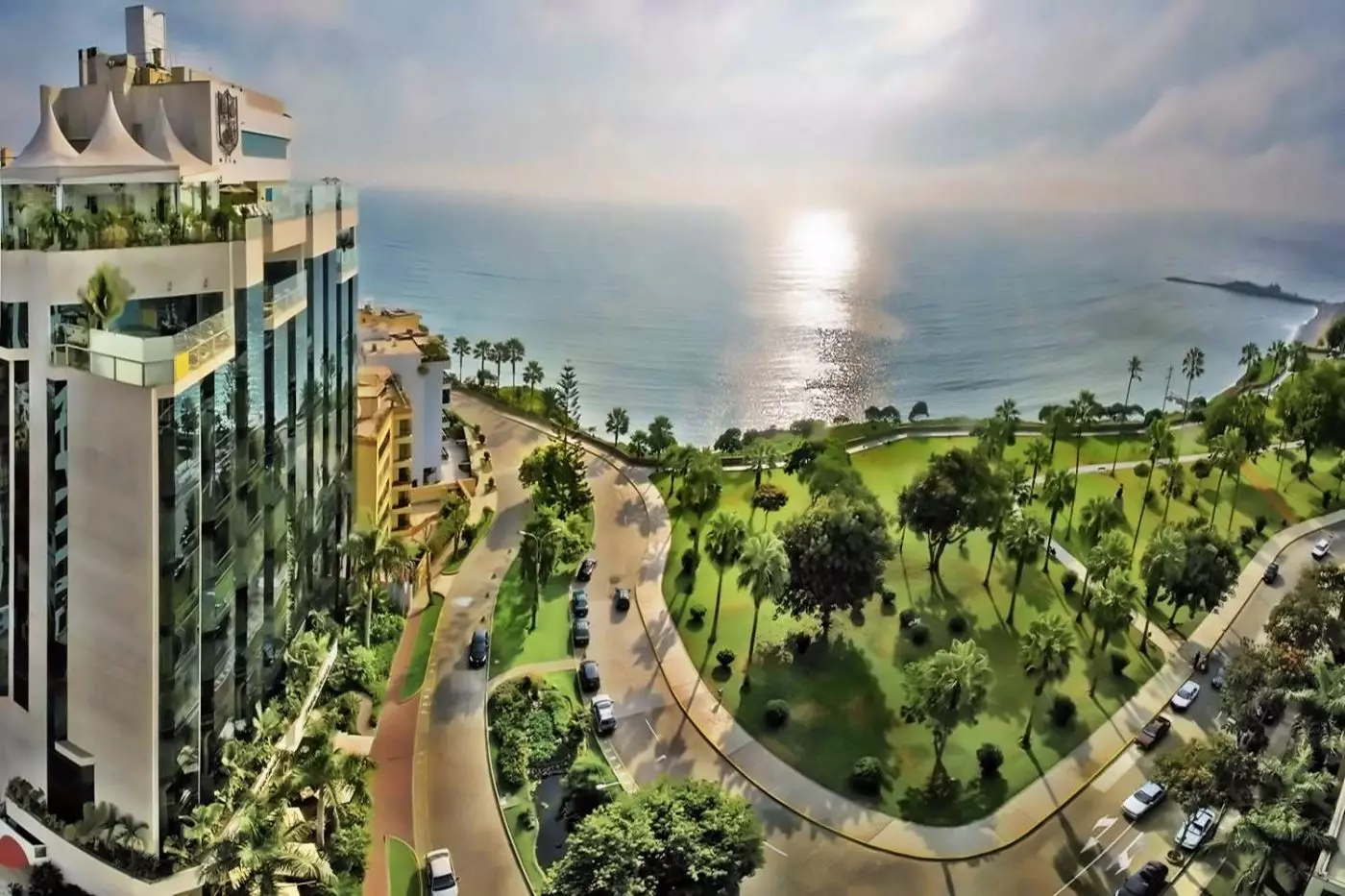
Prices From 711 USD
More amenities
Miraflores Park, A Belmond Hotel, Lima overlooks the Pacific Ocean from the capital's coastal cliffs. The address on Malecón...
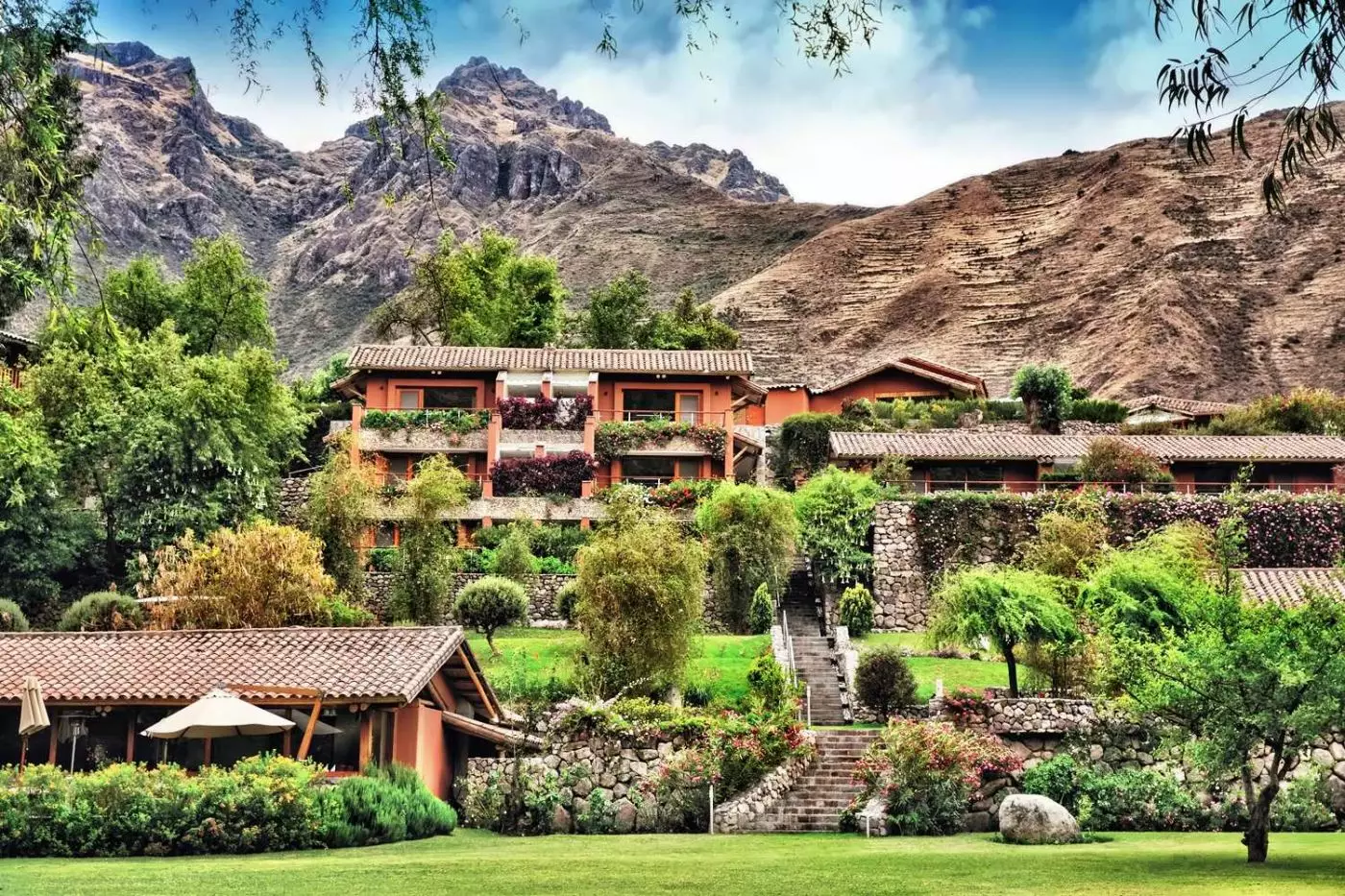
Prices From 790 USD
More amenities
Rio Sagrado, A Belmond Hotel, Sacred Valley occupies a rare green stretch beside the Urubamba River, between Cusco and Machu...
Prices From 906 USD
More amenities
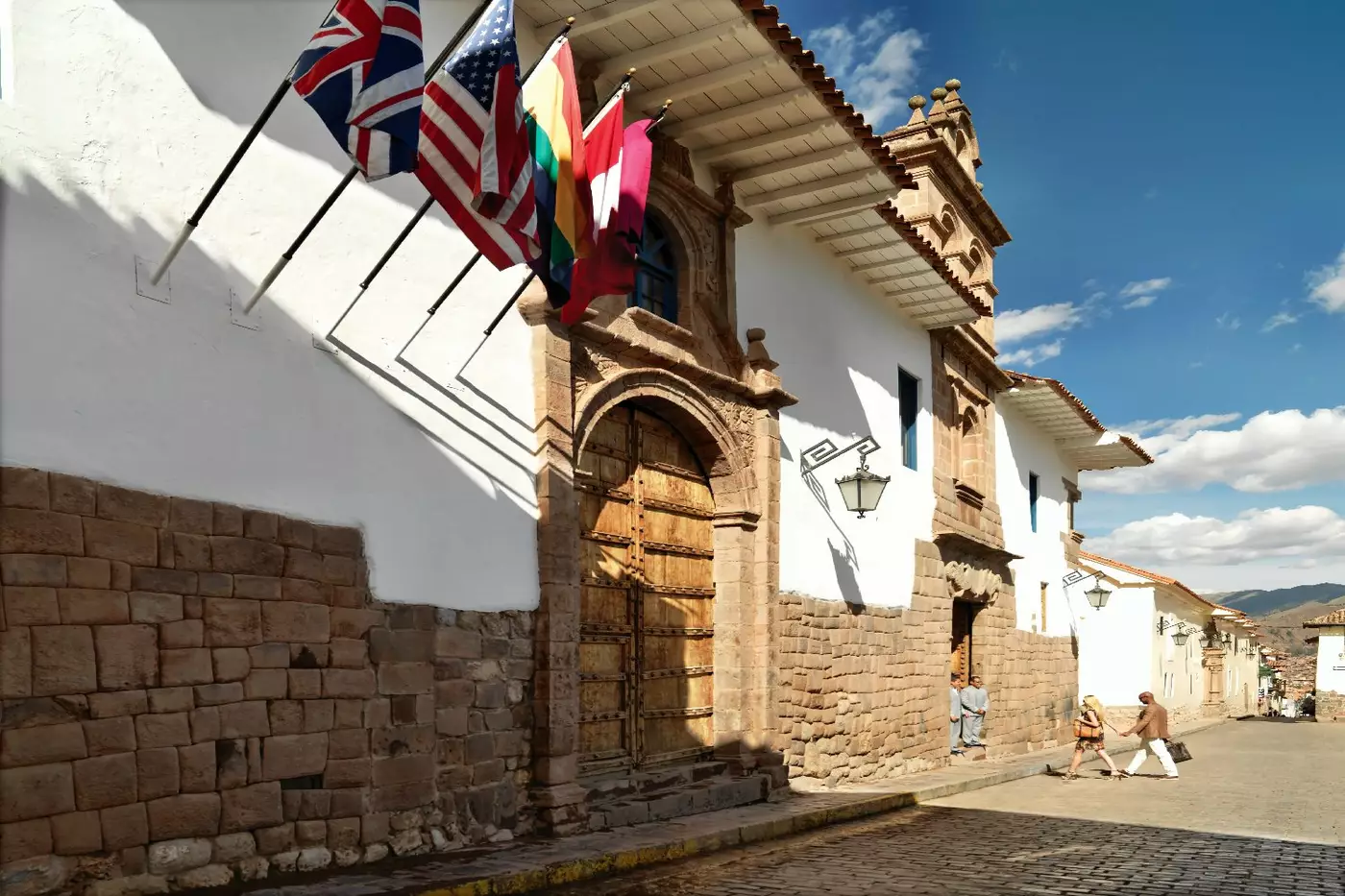
Palacio Nazarenas, A Belmond Hotel, Cusco gives the city center an unusually private interior. Beyond its entrance on Plazole...
Prices From 395 USD
More amenities
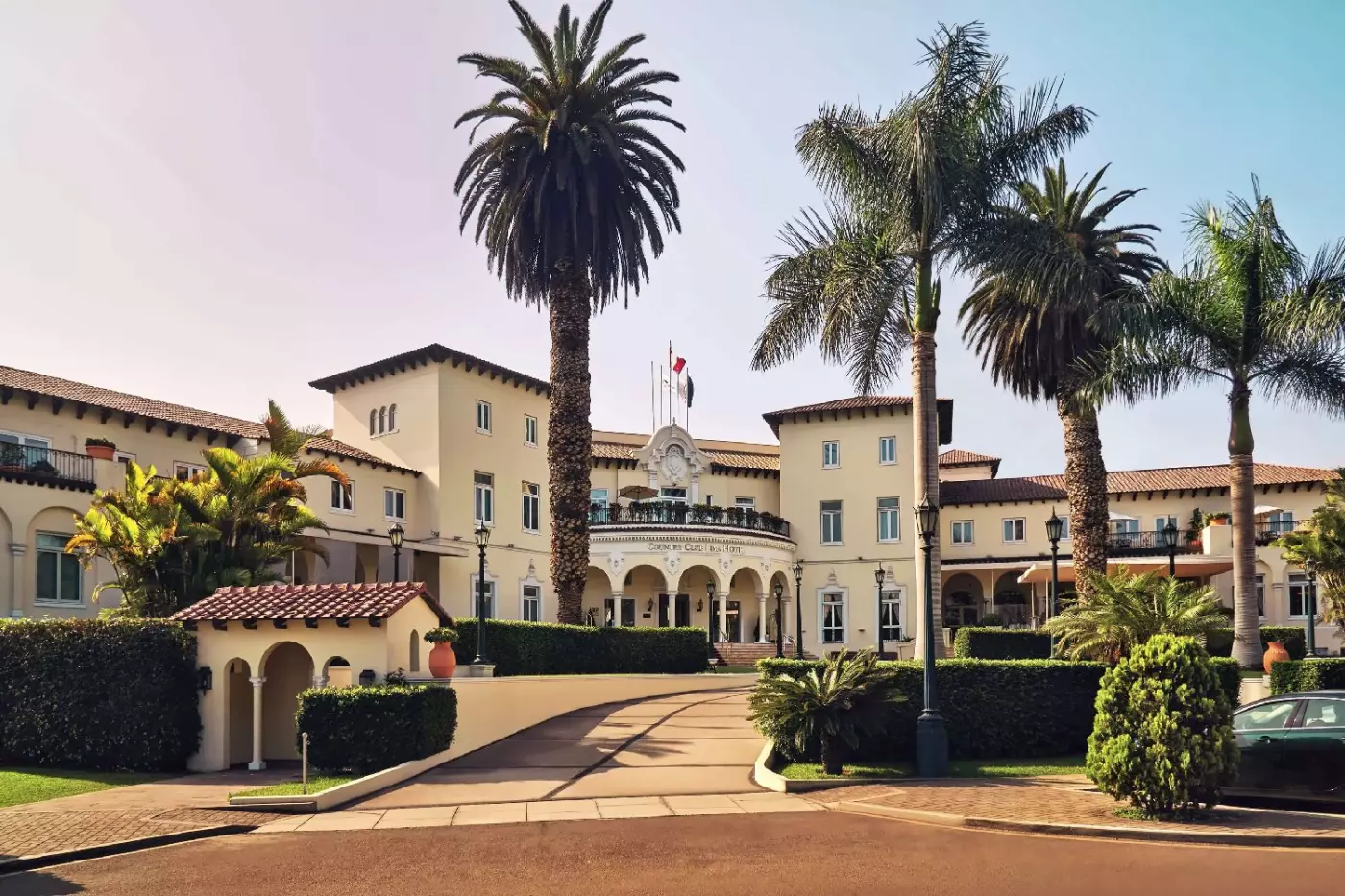
Peruvian paintings, a wood-paneled bar and views across Lima Golf Club give Country Club Lima Hotel its particular character....
Prices From 658 USD
More amenities
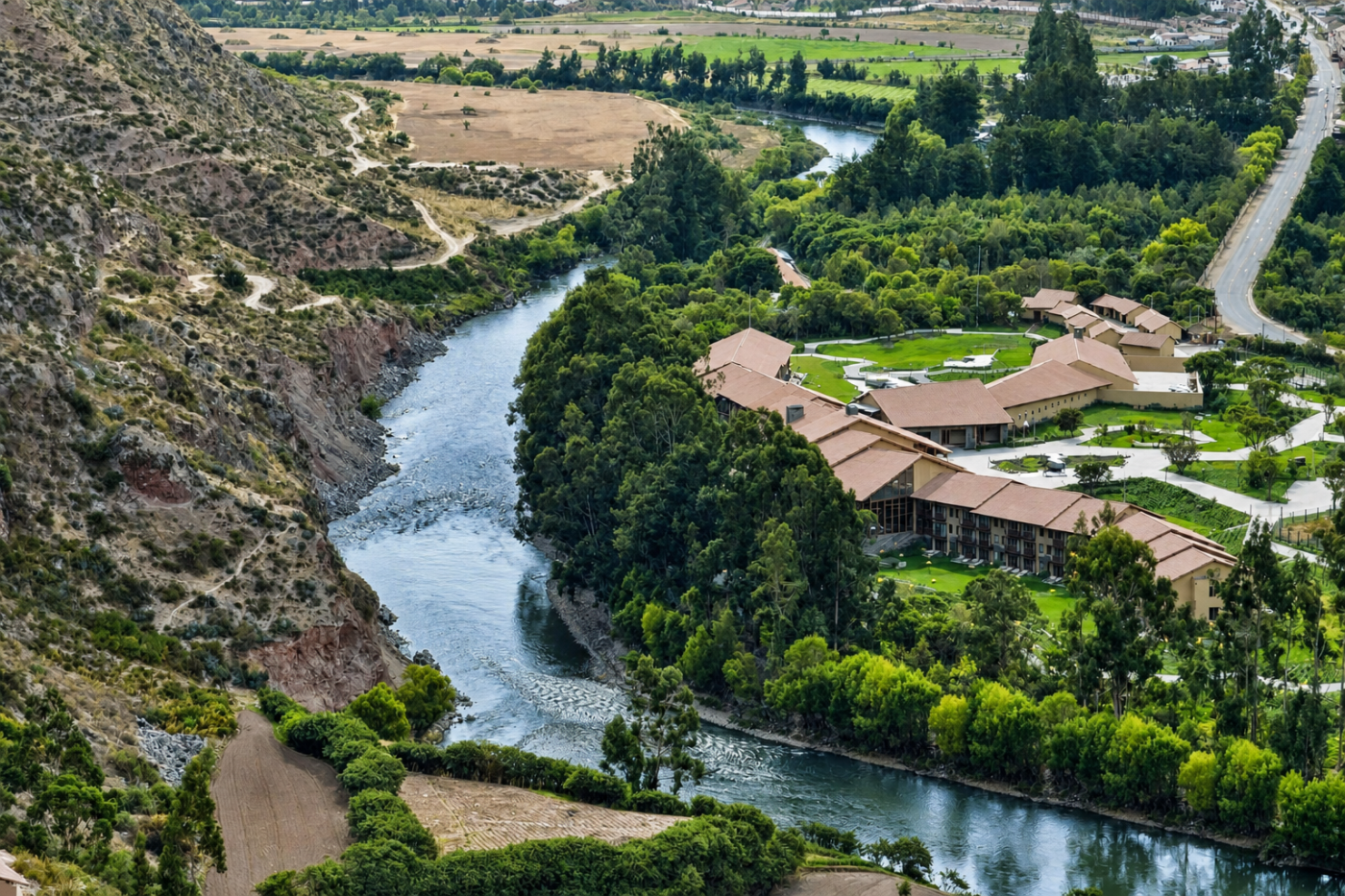
Tambo del Inka Resort places travelers beside the Urubamba River in Peru's Sacred Valley. The Andes rise around the gardens,...
Prices From 531 USD
More amenities
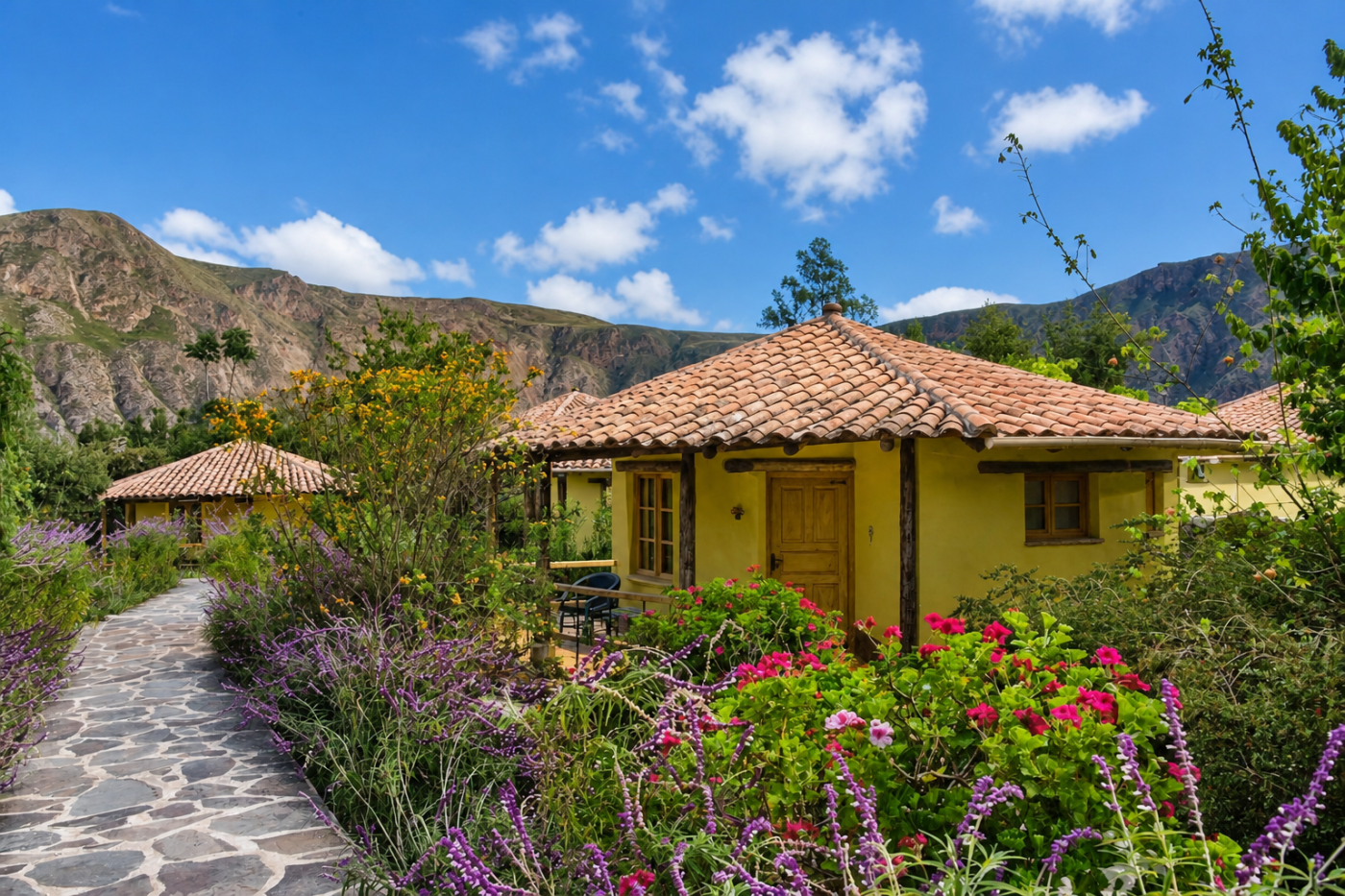
At Sol y Luna, the Sacred Valley is not a view glimpsed from a hotel corridor. Forty-three individual casitas sit among garde...
Prices From 270 USD
Palacio del Inka puts one of Cusco's great landmarks across the street: Qorikancha, the former Temple of the Sun. The hotel o...
Reserved for You
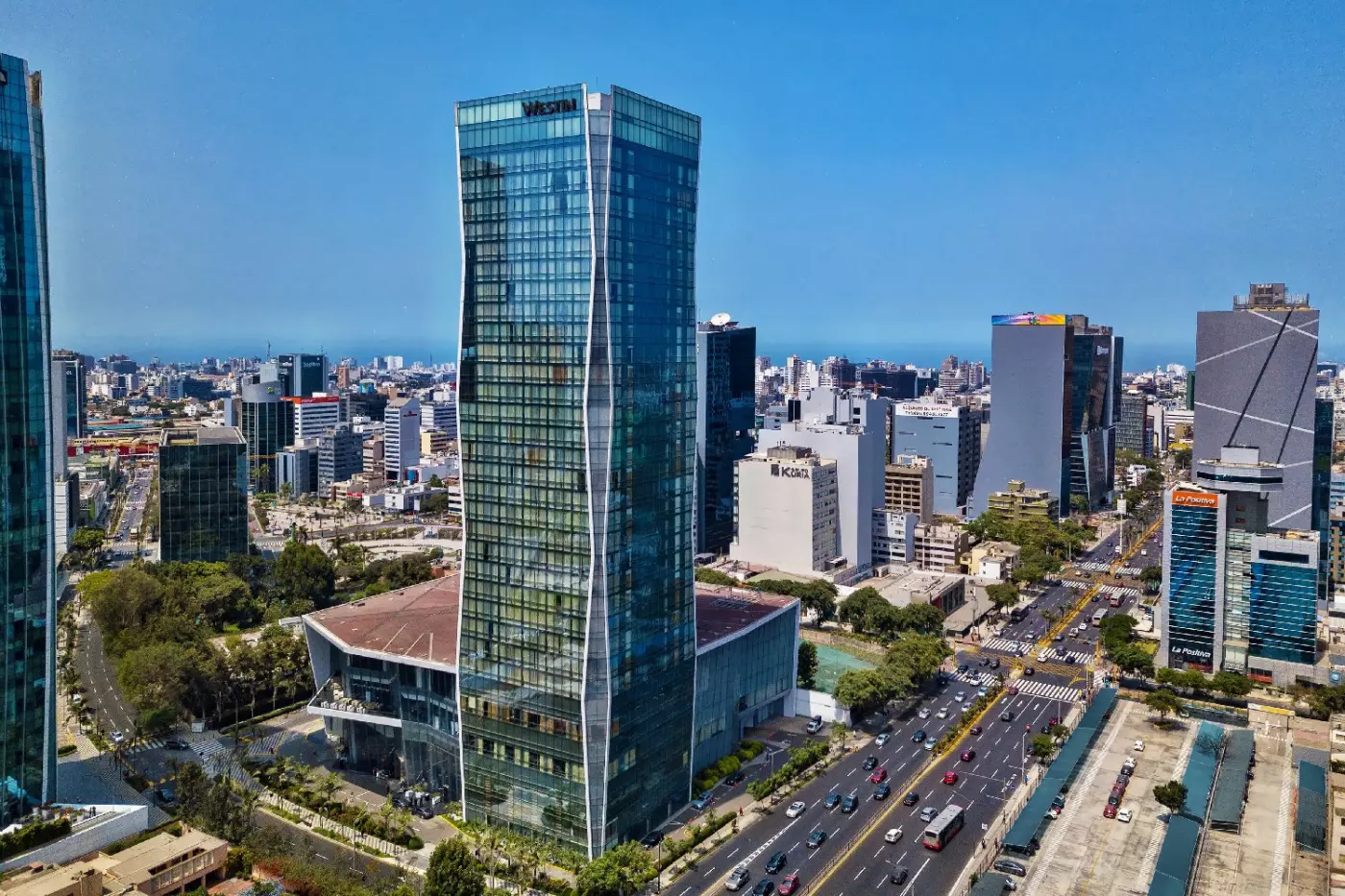
Miraflores gives a Lima stay a Pacific outlook; Barranco adds a more intimate encounter with the capital's artistic life. Its old houses, cultural spaces and cliffside promenade reward time on foot. A coastal city hotel works well when you want to return to an open outlook after exploring, with a separate outing to Barranco's streets and museums. Miraflores Park is one illustration of that ocean-facing city setting, rather than a substitute for discovering the capital.
Cusco brings Inca and colonial heritage into the streets around your hotel. Restored historic buildings, such as Monasterio, make this a distinctive place for an urban cultural stay. The Sacred Valley shifts the emphasis to villages, fields and archaeological landscapes. Pisac, Ollantaytambo, Maras and Moray give a valley stay several separate reasons to leave the hotel; organize those visits around your actual base instead of treating the entire valley as one excursion.
For a couple's cultural journey, the city offers the pleasure of returning to a historic neighborhood. A valley retreat gives a family or a slower-paced party more space between outings. That distinction matters more than finding similar facilities at both stops: compare the setting and the role of each stay before deciding which deserves more nights.
Machu Picchu Pueblo, also known as Aguas Calientes, is the town base for arriving by train and continuing toward the citadel. Staying there keeps the town arrival and cloud-forest setting together. Accommodation beside the citadel entrance changes the final approach, with the journey from town made by bus. Build the overnight choice around your planned arrival and departure, rather than treating Machu Picchu as an interchangeable night in Cusco or the Sacred Valley.
Lake Titicaca deserves its own stay when time beside the water is an important part of the journey. A lake-facing lodge changes the experience from using Puno simply as a connection. In the Colca Valley, canyon scenery and a rural retreat serve a different purpose again. Yanque is in the valley, beyond central Arequipa; a hotel listed under Arequipa does not necessarily give you a city address.
These extensions suit travelers who want the landscape to occupy more than a passing view between cultural stops. Compare how much time you want outdoors with the travel involved in reaching the next place. Adding both regions makes sense when each has a clear role, rather than as a way to accumulate more hotel names.
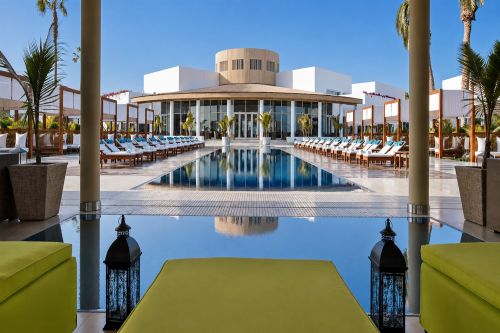
Paracas lies south of Lima, where desert scenery meets the coast beside the national reserve. It offers a city-and-coast journey with resort time and open views, distinct from an Andean sightseeing holiday. Pair it with the capital when the Pacific landscape is the priority; it need not become an additional stop on every Cusco and Machu Picchu itinerary.
For a first cultural journey, Lima followed by the Sacred Valley, Machu Picchu and Cusco gives the highland visits a connected sequence. Arrange the return from Machu Picchu before fixing the final Cusco nights, and leave your time there for the city itself. The order should also fit your individual altitude plan; geographic convenience alone is not a reason to rush the ascent.
A more landscape-focused journey can continue toward Lake Titicaca, or explore Arequipa and the Colca Valley as a separate regional stay. Decide on the extension before locking the main route, so it receives time of its own. Compare Peru Hotel Offers once the places and hotel nights make sense together.
Match the season to the landscape you most want to enjoy. The Andes generally have less rain from April through October, with cold nights; November through March is wetter. The coast has more winter fog and less fog in summer. An Andean sightseeing trip and a coastal resort stay therefore need different seasonal priorities, even when they share Lima as a starting point.
Choose the route and entry time before fixing the surrounding hotel nights. Machu Picchu has three circuits with different routes: Panoramic Circuit 1 does not enter the urban sector, while Classic Circuit 2 includes it. Select for the parts of the site you want to see and the walking involved, then coordinate the entry slot with your journey. A hotel location beside the entrance does not determine which circuit your ticket permits.
Cusco is about 3,300 meters above sea level and Lake Titicaca about 3,800 meters. High-altitude overnight stops deserve planning before the hotel sequence is fixed. Discuss your route and gradual ascent with a travel-health clinician, especially if your journey includes both destinations. Choose an itinerary suited to your health and ascent plan rather than assuming a particular luxury accommodation feature resolves altitude risk.
PeruRail Titicaca connects Cusco and Puno as a full-day train journey. Andean Explorer offers overnight journeys linking Cusco, Puno and Arequipa, with sleeper cabins. Choose the day service when you want to sleep at your destination hotel; choose a sleeper when the train itself should be part of the stay. Confirm the selected departure, direction and station before fixing the hotel sequence.
Give Lima a meaningful place in the itinerary for seafood traditions such as ceviche and tiradito, alongside chifa, the Chinese-Peruvian culinary tradition. Add an Andean stay for a different food landscape built around corn, tubers, grains and dishes such as pachamanca. The two bases offer distinct culinary experiences; choose the dining you want to explore before filling every night with archaeological visits.