



Alvear Palace Hotel
Prices From 488 USD
+3
More amenities
- Sauna
- Wellness
- City Vibe
Alvear Palace Hotel is a French-style grand hotel in Buenos Aires' Recoleta district. It opened in 1932 on Avenida Alvear, at...
Please choose a hotel or destination from the list.
We couldn’t open your search results. Please try again.
Your private search
Finding exceptional stays
Argentina's luxury hotels bring together grand city hospitality, vineyard retreats, estancias and lodges shaped by the landscape. The most rewarding journey gives each region a purpose: culture in the capital, country-house time, or a closer encounter with forests, lakes and the far south. Begin with the experiences that matter to you, then choose a hotel setting that lets you enjoy them without rushing between stops.
Prices From 488 USD
More amenities
Alvear Palace Hotel is a French-style grand hotel in Buenos Aires' Recoleta district. It opened in 1932 on Avenida Alvear, at...
Prices From 427 USD
More amenities
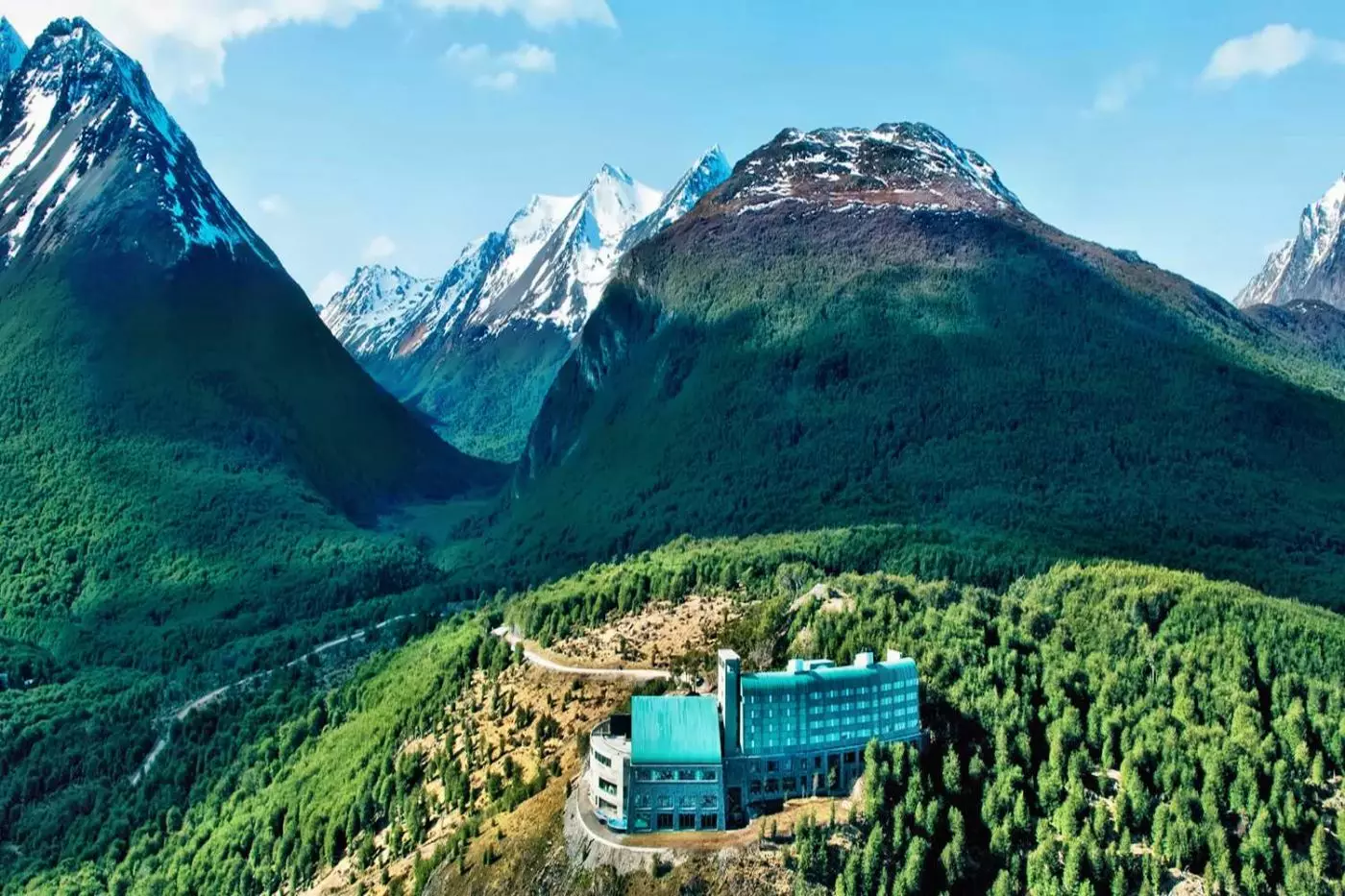
Arakur Ushuaia Resort & Spa sits within Cerro Alarkén Nature Reserve above Ushuaia, with trails at its doors and views toward...
Prices From 1’242 USD
More amenities
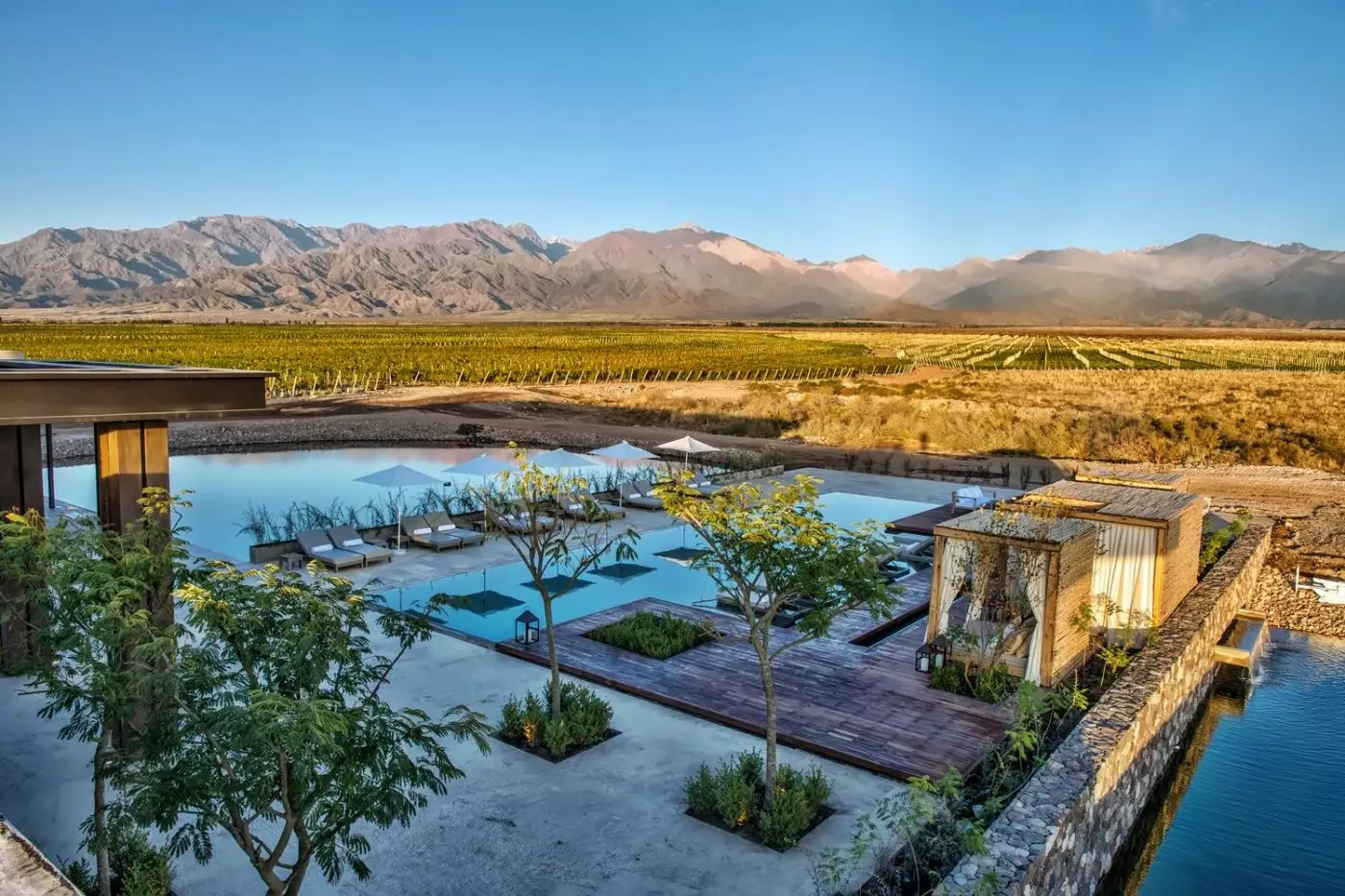
The Vines Resort & Spa makes the landscape the organizing principle of a Mendoza stay. Thirty-three villas sit within a 1,500...
Prices From 990 USD
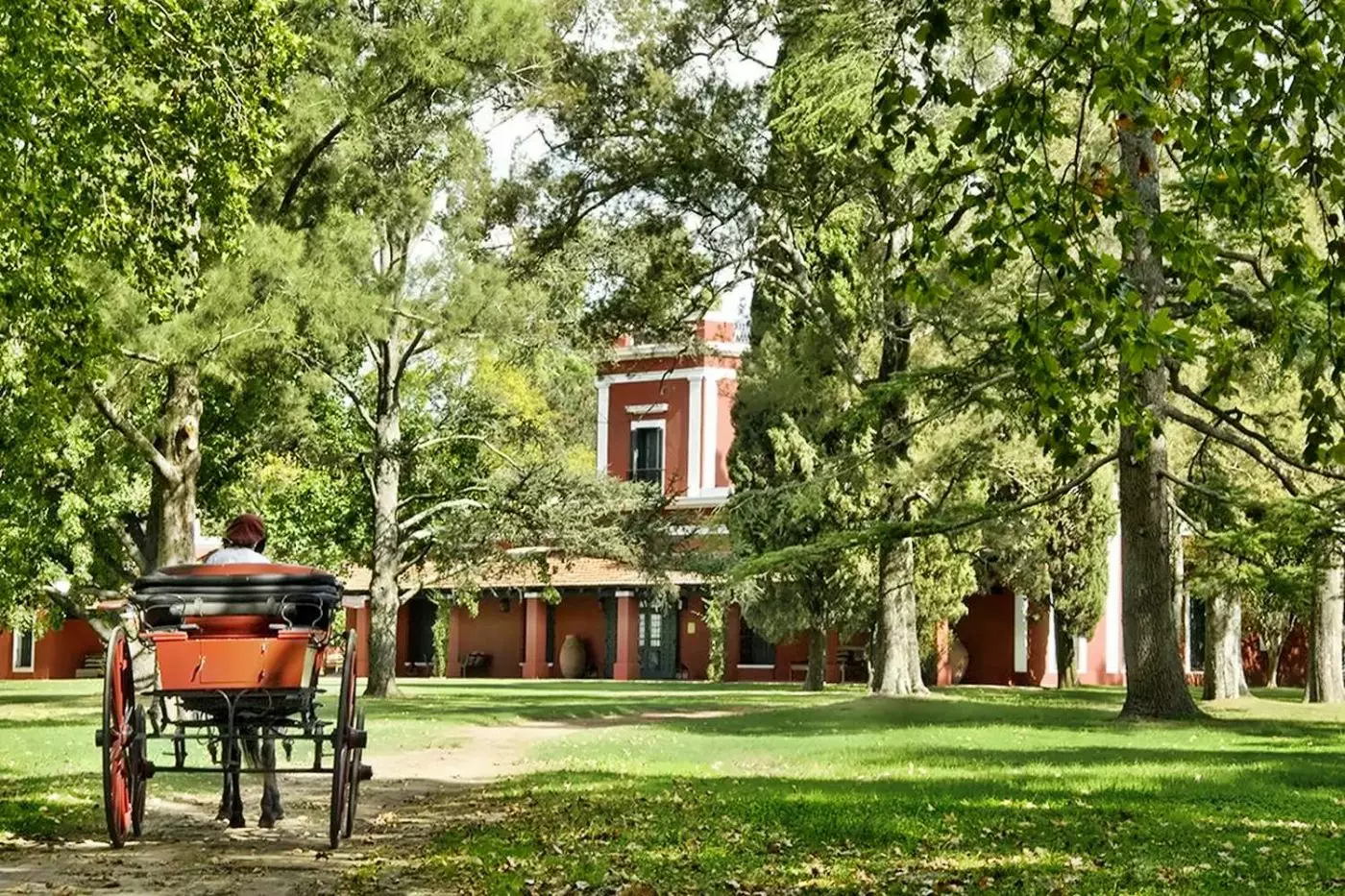
A tree-lined avenue leads to the red colonial buildings of Estancia La Bamba de Areco, a country hotel in Argentina's Pampas....
Prices From 424 USD
More amenities
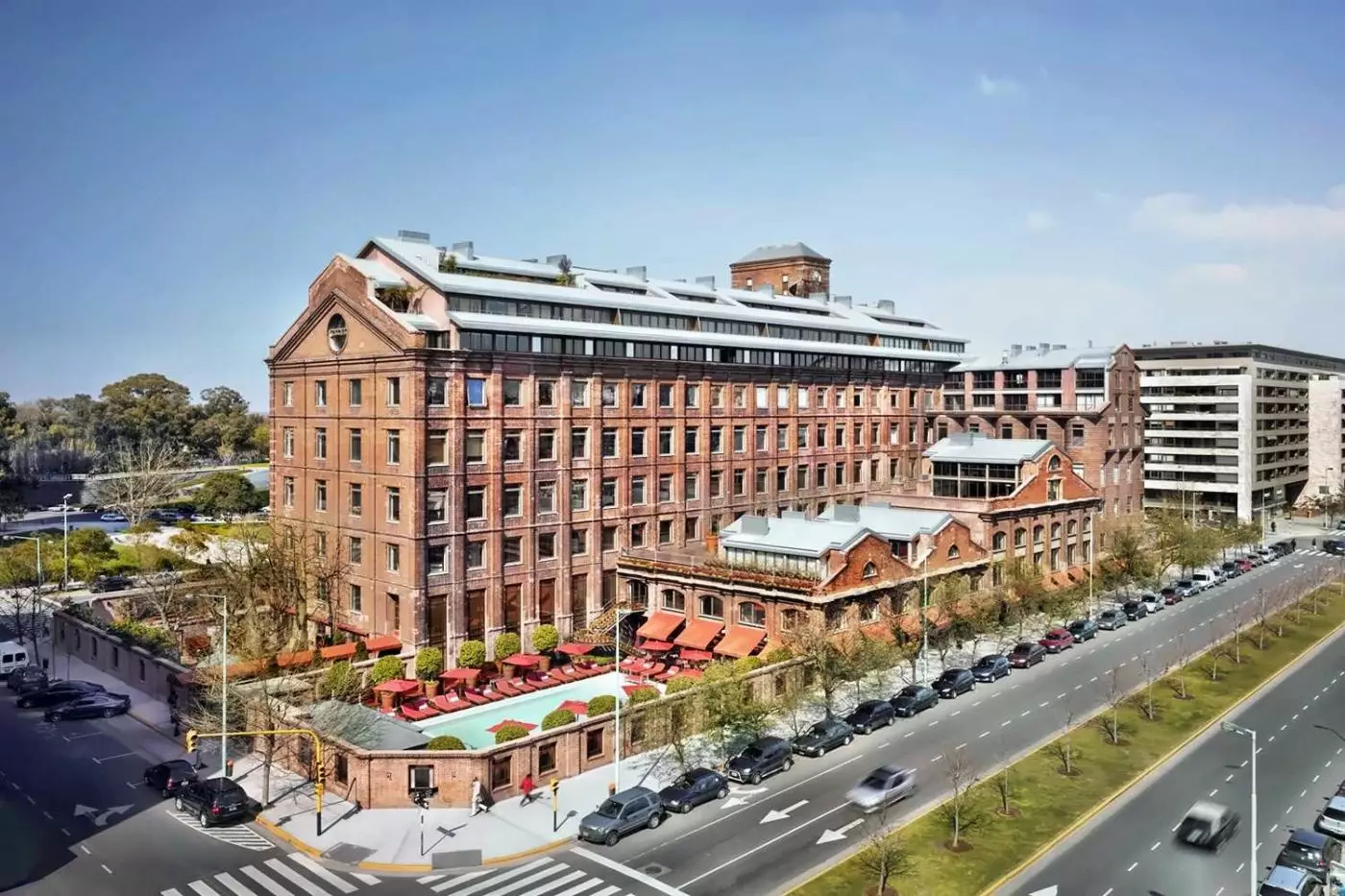
Faena Hotel Buenos Aires gives Puerto Madero a distinctly theatrical address, with Philippe Starck interiors inside a former...
Prices From 410 USD
More amenities
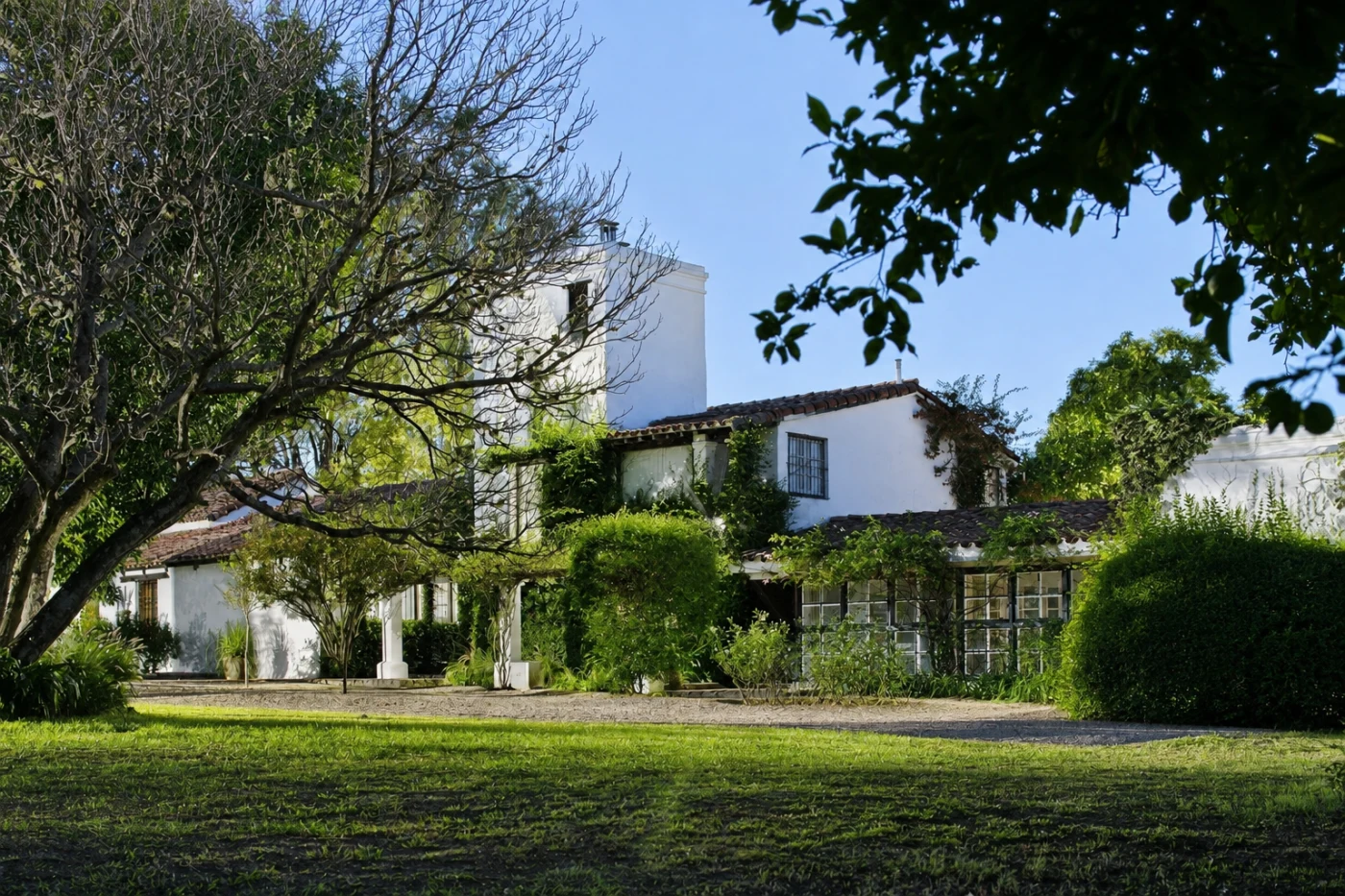
House of Jasmines puts the countryside within easy reach of Salta. This Relais & Chateaux estancia stands at the foot of the...
Prices From 350 USD
More amenities
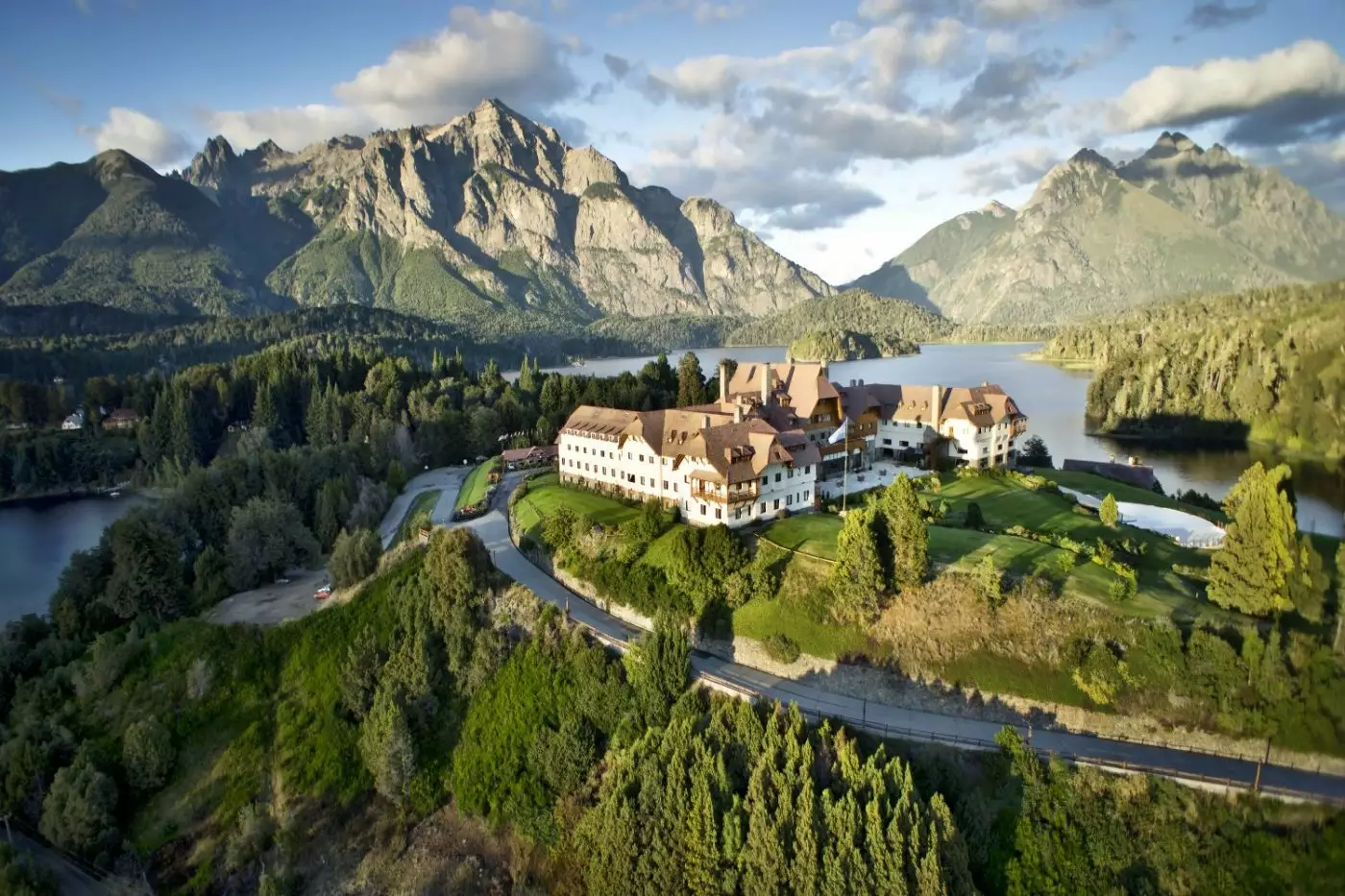
Llao Llao Hotel occupies one of Patagonia's defining positions, on a green peninsula framed by Lake Nahuel Huapi, Lake Moreno...
Prices From 526 USD
More amenities
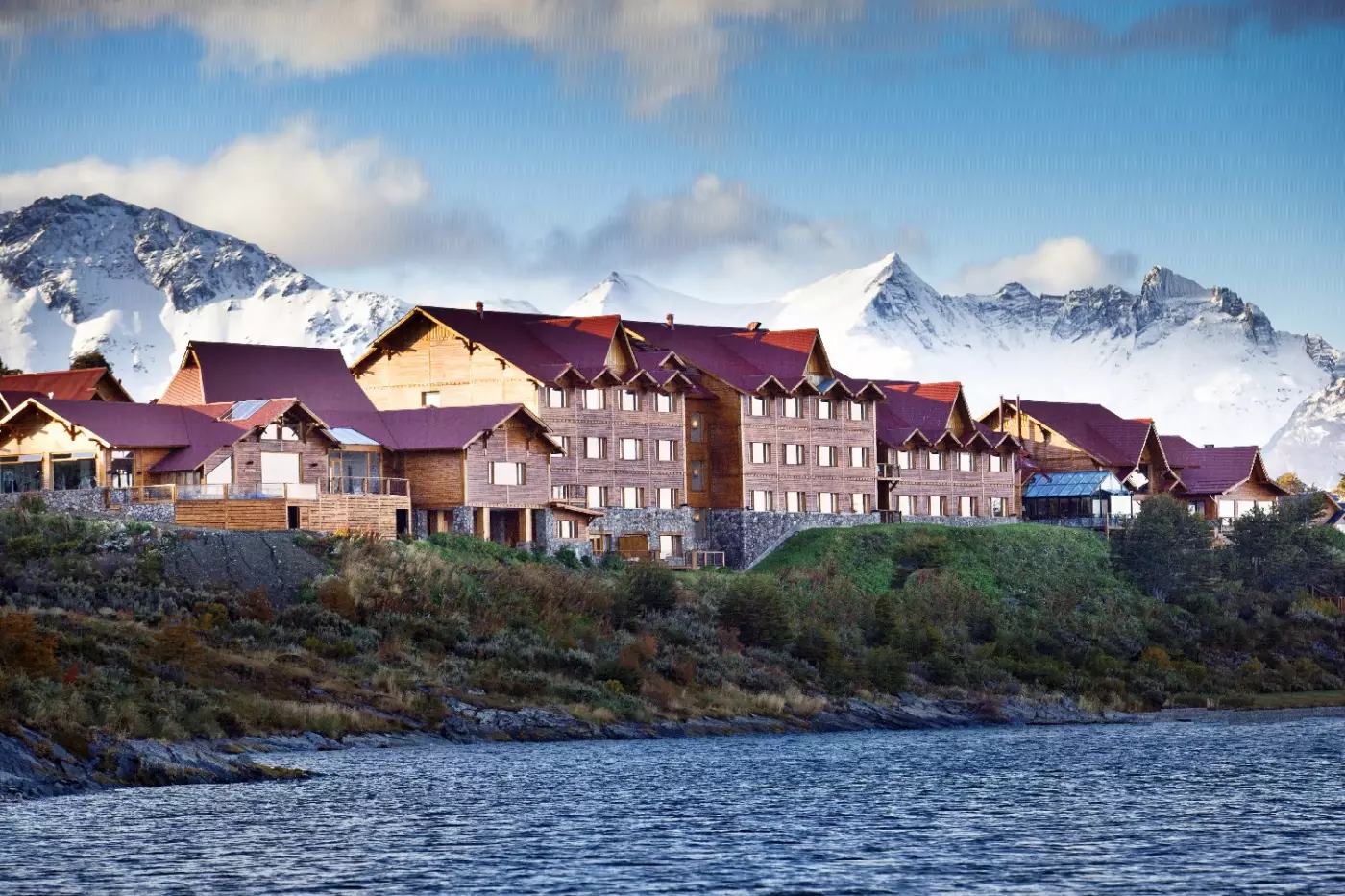
At Los Cauquenes Resort & Spa, the Beagle Channel is part of the address, not a distant view. The hotel stands on the shore o...
Prices From 561 USD
More amenities
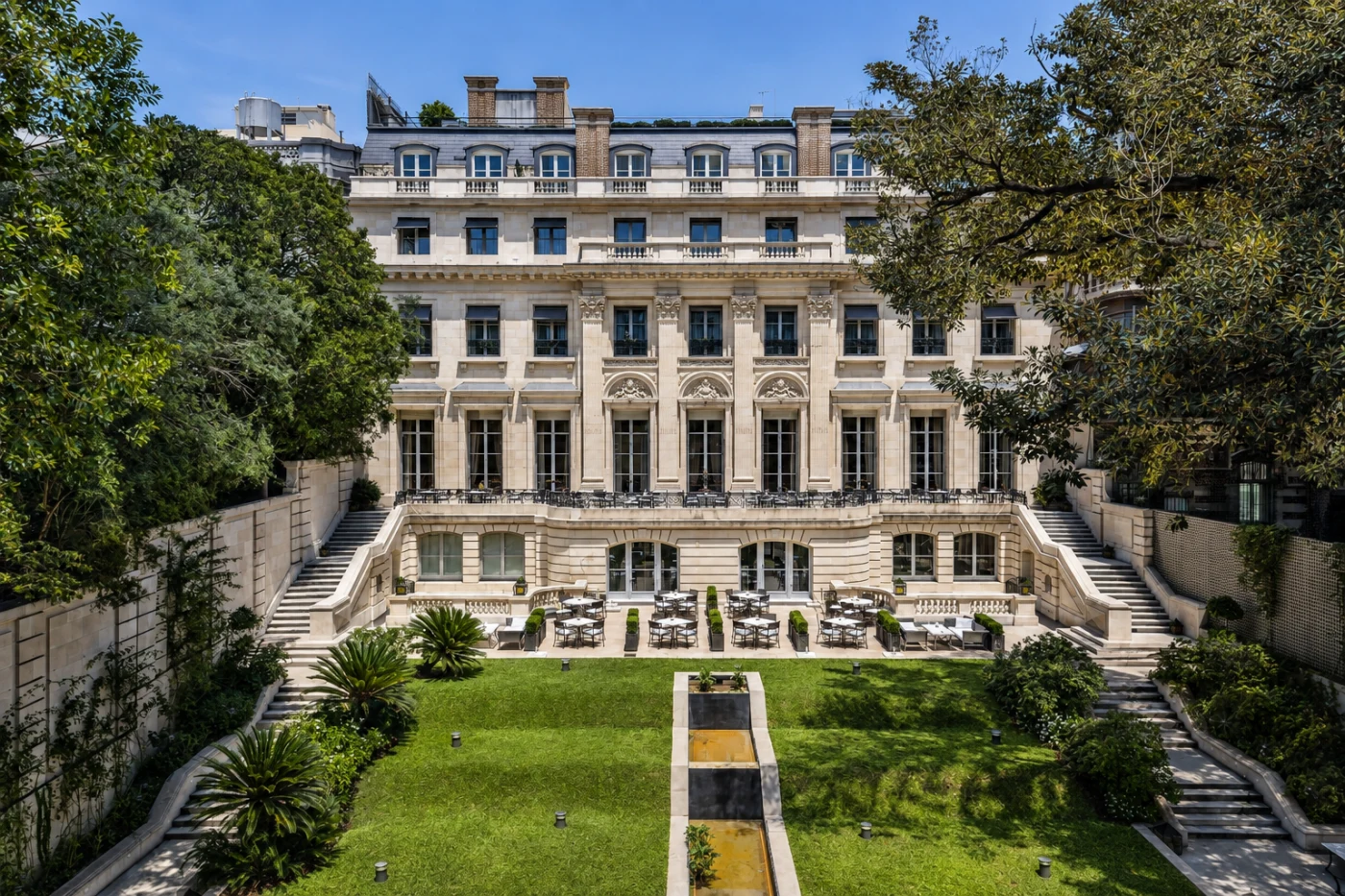
Palacio Duhau - Park Hyatt Buenos Aires occupies two buildings in Recoleta: a restored 1934 palace on Avenida Alvear and the...
Luxury in Argentina changes with the setting. Buenos Aires has grand urban hotels with a formal sense of occasion; Alvear Palace illustrates that European-inspired elegance. Mendoza's vineyard retreats bring a different rhythm, while estancias make a country house and its surroundings part of the experience. In Patagonia, the landscape often becomes the reason to linger: Llao Llao, framed by lakes Moreno and Nahuel Huapi, is a useful example of that tradition.
Decide whether your hotel should support a busy cultural itinerary or be somewhere you spend a substantial part of the day. That distinction matters more than trying to fit every Argentine region into one holiday.
Buenos Aires gives a national journey a cultural opening. San Telmo's cobbled streets, colonial houses and antique shops offer a different outing from Recoleta's art galleries and historic cemetery. Choose the subjects that interest you and leave room to explore them, rather than treating the capital only as an airport connection. The Buenos Aires hotel guide helps with the finer choice of city base.
For a country-house chapter, distinguish Buenos Aires province from the northwest. San Antonio de Areco offers a Pampas estancia setting; Salta province brings an Andean landscape. These are different regional experiences. A shorter capital-and-countryside trip has a different shape from a journey that deliberately adds the northwest, so settle that choice before selecting an estancia.
Bariloche suits travelers who want lake and forest outings alongside time at a resort. Circuito Chico follows the southern shore of Nahuel Huapi from the city and brings together the Llao Llao forest landscape and viewpoints over Lake Moreno. Puerto Pañuelo is a departure point for lake excursions. Choose a scenic drive, a forest walk or a sailing around your interests, leaving space to enjoy the setting instead of completing every activity in one day.
Ushuaia offers another southern perspective, with forest landscapes and the Beagle Channel in Tierra del Fuego. A lakeside Patagonian stay and a visit to the far south are not interchangeable. Select the landscape you most want to experience, and add the other only when the wider journey gives it meaningful time.
Buenos Aires and Mendoza make a coherent city-and-vineyard combination. Let the capital supply the urban chapter, then move to the Uco Valley when you want time among vineyards at the foot of the Andes. A vineyard retreat serves a different purpose from an urban Mendoza address; choose the setting before filling the days with appointments.
For a nature-led journey, Iguazu and Ushuaia bring together Atlantic Rainforest and Tierra del Fuego. Give Iguazu its waterfall-and-forest chapter, then allow the far south to change the scale and character of the trip. Plan the available flight connections for your travel dates before fixing the sequence. A well-shaped route with fewer stops leaves more time for the experiences that justified the journey.
Once the itinerary is clear, compare the separate booking choices in Argentina hotel offers.
Choose the season around the part of the journey you most want to experience. December to March is Argentina's summer and a strong starting point for Patagonian lakes and mountain plans. Spring and fall suit a Buenos Aires-and-Iguazu itinerary; winter can work for northern landscapes or an Andean snow holiday. These choices serve different interests, rather than establishing one best season for the whole country.
Pack for regional differences: Patagonia can be cold and windy, the north is subtropical, and Mendoza's Cuyo region has a wide day-to-night temperature range. A summer city wardrobe alone will not cover every stop.
Check the airport code on each flight, not just the city name. Ezeiza (EZE) is outside the city and handles most long-haul arrivals alongside some domestic and regional services. Aeroparque Jorge Newbery (AEP) is in the city and mainly serves domestic and neighboring-country flights. A Buenos Aires connection may therefore involve two different airports.
Match the arrival and onward airports before deciding where the capital hotel stop belongs. If they differ, allow for a separate ground journey; do not treat the connection as an ordinary change of gate.
Plan the Argentine and Brazilian park entries separately. The Argentine general ticket covers the enabled daytime circuits and trails in Iguazu National Park; the Brazilian ticket is for Parque Nacional do Iguacu in Brazil. Buy through the respective official park channels, with the Brazilian visit scheduled for its chosen day and time.
Decide which side you want to visit on each day before arranging the excursion. A guide who can organize both sides does not turn the two parks into a single ticket.
Tasting and taking part in winemaking are different experiences. Choose tastings when you want to explore wines and the estate setting; a blending session gives the visit a more hands-on focus. The Vines provides an example of this distinction, with estate tastings and sessions to experiment with varietals and hand-bottle a personal blend. Harvest work is another form of participation, tied to the grapes and the winemaking calendar.
Decide which experience interests you before arranging the stay. A vineyard address provides the setting, but it does not establish that a particular session is available or included in your reservation.
Salta’s empanadas traditionally use knife-cut meat, potato, spring onion and spices, while corn is central to humitas and tamales. Patagonia adds a different food interest through lamb slowly roasted on a cross beside the fire. Choose the northwest for these filled pastries and corn preparations, or include a Patagonian meal when the regional lamb-and-fire tradition interests you, rather than expecting the same menu throughout Argentina.