



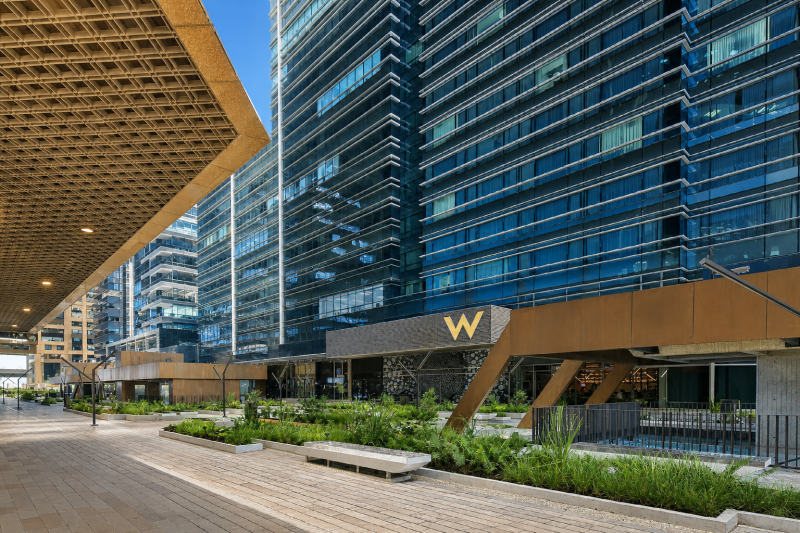
W Bogota
Prices From 418 USD
+2
More amenities
- Culture
- City Vibe
W Bogota brings the W brand's social energy to Usaquen, on the northern side of Colombia's capital. The hotel has 168 rooms,...
Please choose a hotel or destination from the list.
We couldn’t open your search results. Please try again.
Your private search
Finding exceptional stays
Colombia’s luxury hotels offer a choice between contemporary city design, historic Cartagena houses and Caribbean resort stays. The strongest journey uses those settings for different purposes: a capital-city chapter, time within the old city and a coastal retreat. Choose the hotel’s character alongside the region, rather than searching for one property to deliver every part of the country.
Prices From 418 USD
More amenities
W Bogota brings the W brand's social energy to Usaquen, on the northern side of Colombia's capital. The hotel has 168 rooms,...
Prices From 703 USD
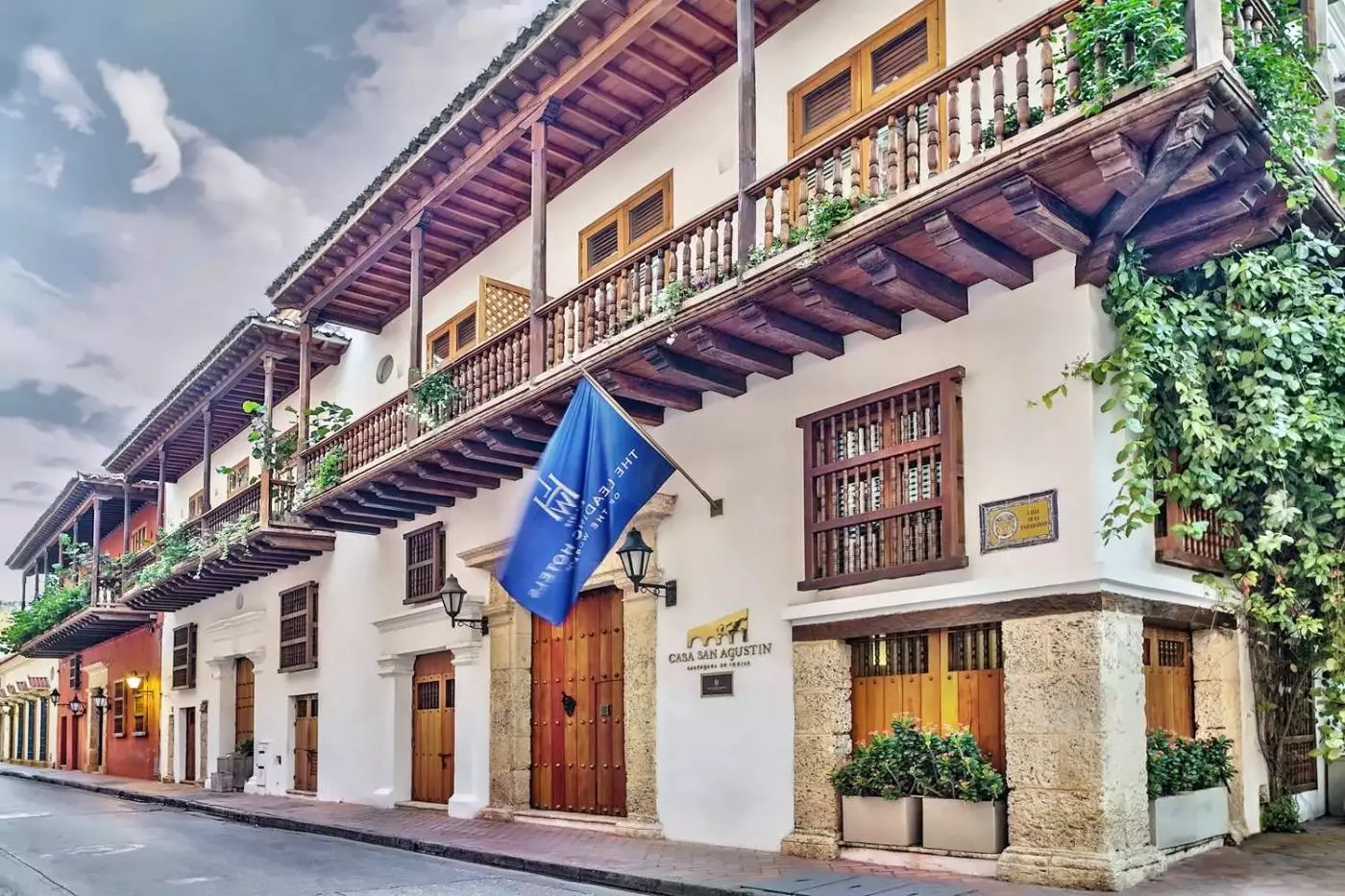
A stone aqueduct crossing a courtyard pool offers the clearest shorthand for Casa San Agustin. The water brings relief from C...
Prices From 415 USD
More amenities
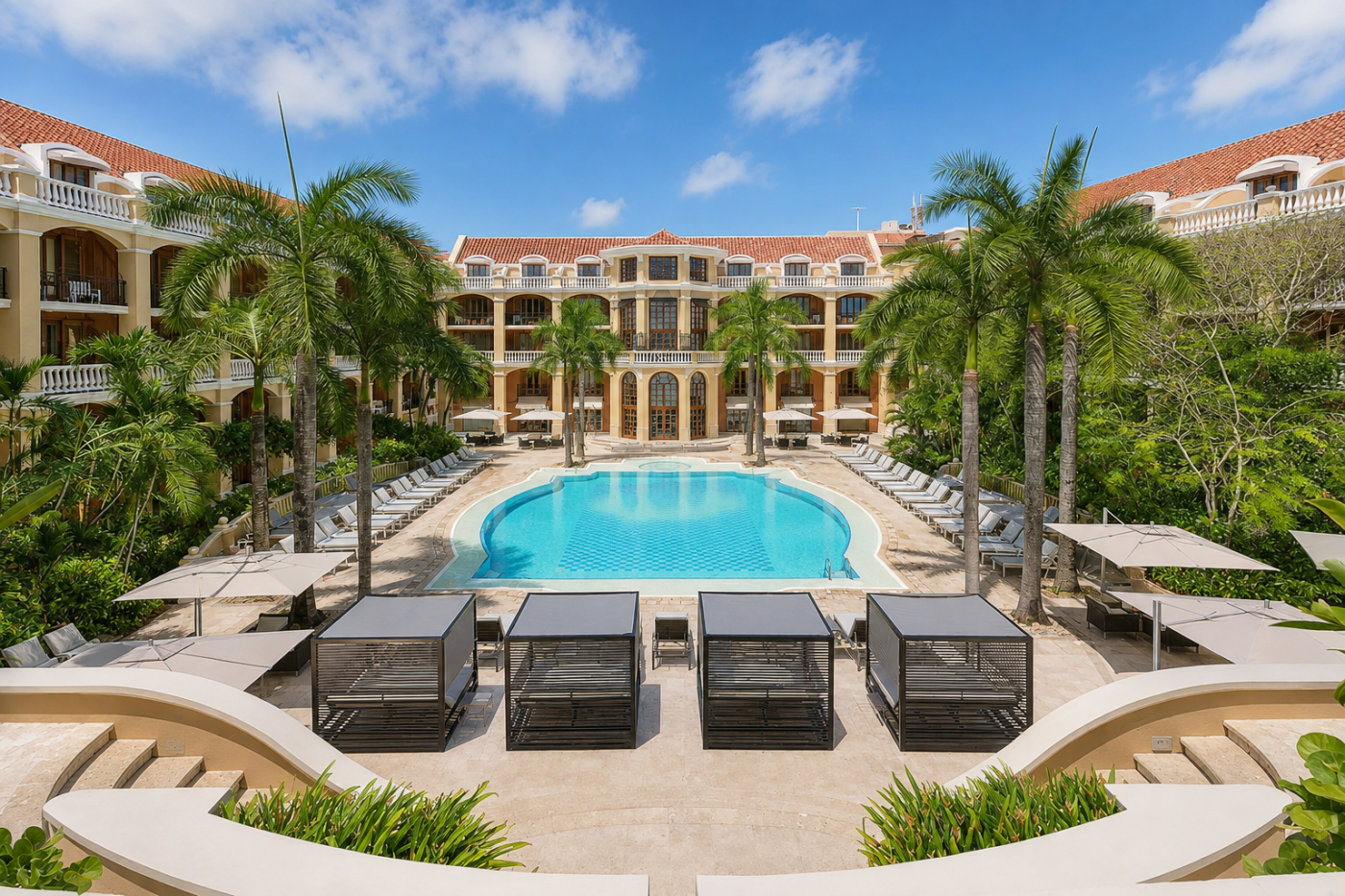
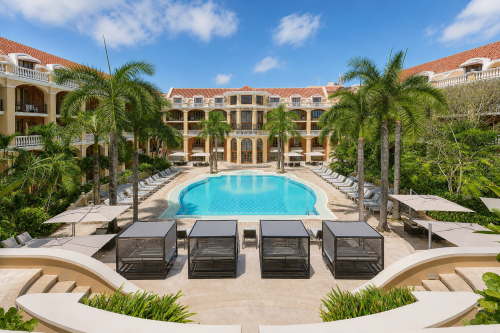
At Sofitel Legend Santa Clara Cartagena, a former convent provides more than a historic facade. Its cloister, garden and broa...
Prices From 356 USD
More amenities
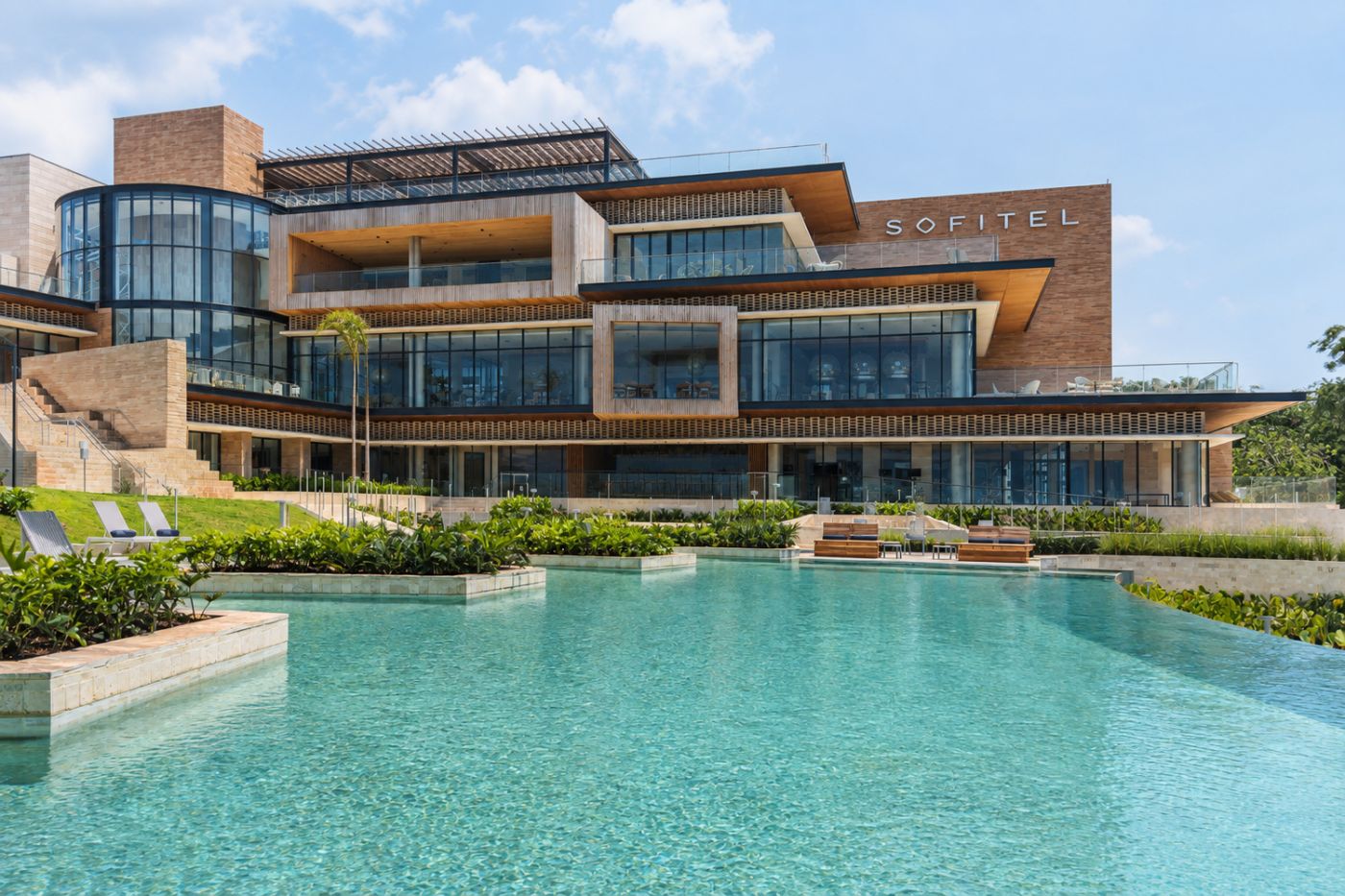
Sofitel Baru Calablanca brings a French-influenced beach resort mood to Isla Baru near Cartagena, Colombia. The hotel sits by...

Prices From 270 USD
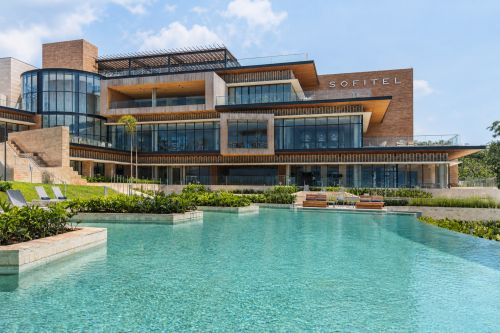
Sofitel Bogota Victoria Regia brings French-influenced hotel style to one of Bogota's most useful upscale districts. The hote...
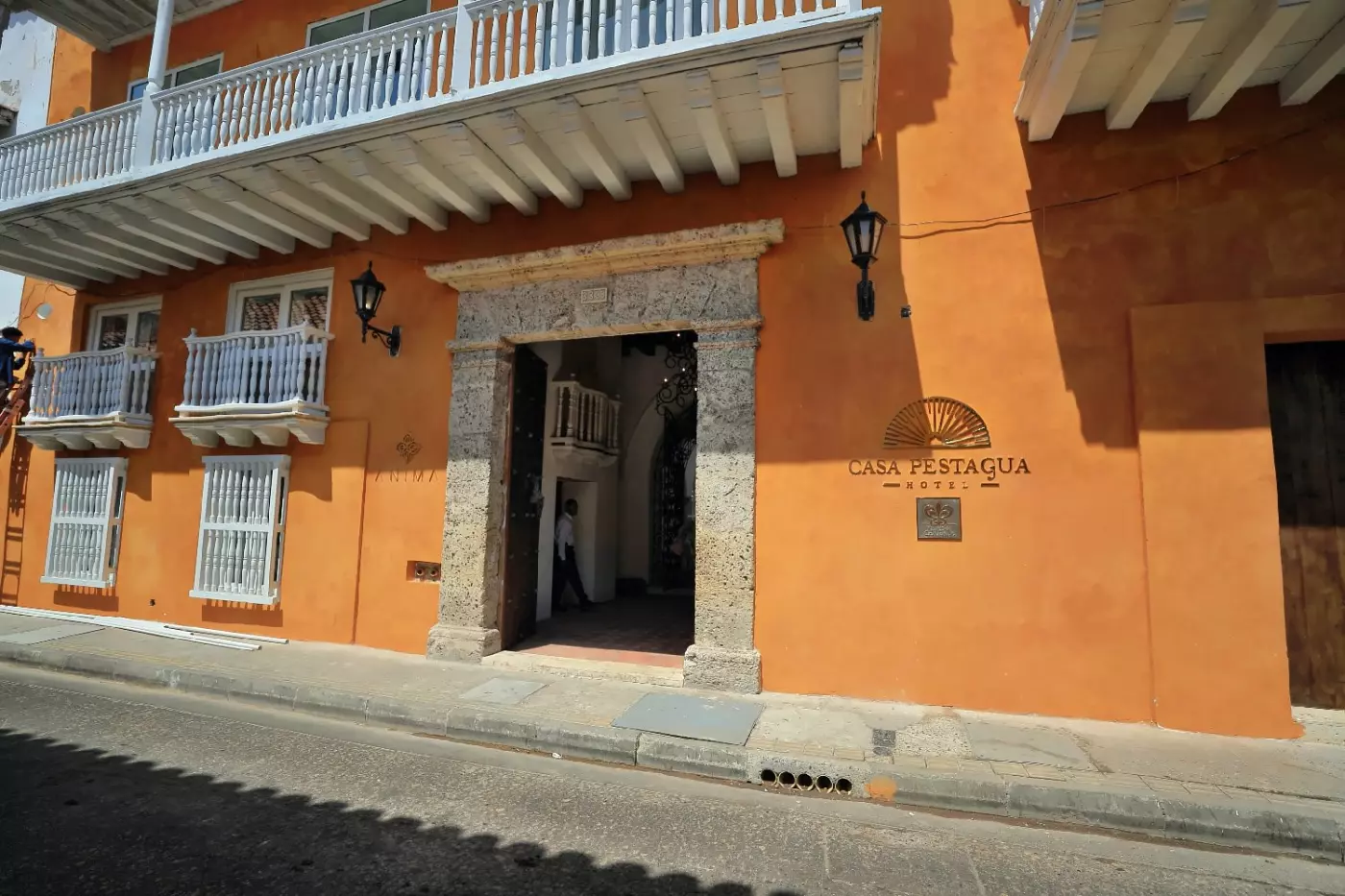
Prices From 857 USD
Casa Pestagua is one of Cartagena's most atmospheric small hotels. It occupies an 18th-century palace in the Walled City, clo...
Reserved for You
Bogotá brings Colombia’s regional cultures into an Andean capital with museums, historic streets and contemporary neighborhoods. La Candelaria is the historic center, where colonial houses and Plaza de Bolívar give a city visit its architectural focus. Usaquén offers a different setting, with restaurants and shops around a modern city base such as W Bogotá. Decide which part of the city you want to return to between outings. If staying in Usaquén, group your historic-center visits into a planned excursion instead of assuming they are on your hotel’s doorstep.
Cartagena’s walled historic center suits a stay built around architecture, squares and time exploring on foot. Its luxury hotels include restored houses and former religious buildings, giving the stay a connection to the city’s history. Casa San Agustín and the former-convent setting of Sofitel Legend Santa Clara illustrate that heritage. Choose this part of Cartagena when returning to the old city after dinner or a cultural outing matters most. A historic-city address and a coastal resort serve different purposes; make that location choice before comparing individual hotels.
Barú adds a coastal retreat to a Cartagena journey. Stay here when swimming, beach time and a slower daily rhythm should shape the trip. Keep excursions to the historic city separate from the time you want to spend beside the sea. An outing to the coast can complement an urban visit, but a dedicated resort stay gives the beach its own place in the itinerary. Compare the actual coastal setting of your hotel rather than treating every Cartagena-area address as the same beach experience.
Combine Bogotá and Cartagena for contrasting urban experiences, then add Barú when the trip has room for a dedicated beach stage. Give Cartagena its own nights before the resort stay so its historic setting is part of the visit rather than simply a transfer point. For a shorter trip, choose Bogotá with Cartagena, or Cartagena with Barú, around whether city discovery or coastal relaxation matters most.
No. Colombia’s climate changes with altitude and region. Bogotá is cooler, while Cartagena’s Caribbean setting is warm throughout the year. December to April is generally sunnier on the Caribbean coast; May to November can bring rain. Bogotá has a different pattern, with two wetter periods. Pack layers and rain protection for the capital alongside lighter coastal clothing, using regional seasonal patterns rather than assuming one forecast fits the whole journey.
Add the Coffee Cultural Landscape when rural scenery and the production of coffee are priorities alongside the cities and coast. Manizales, Pereira and Armenia are useful starting points for coffee-farm visits, while Salento adds colorful traditional town architecture. Give this region its own base and choose the farm experience you want, rather than treating it as a quick outing from Bogotá or Cartagena. It contributes a countryside chapter rather than another beach or urban hotel stay.
Bogotá’s Museo del Oro holds archaeological collections that explain the social and cultural lives of Colombia’s Indigenous peoples, including metalwork, ceramics, stone and wood. Cartagena has the Zenú Gold Museum, focused on regional heritage. Use the capital’s broader collection for national context, then the Cartagena museum for a more regional perspective. These visits add depth to a journey that includes both cities without making hotel architecture the only historical experience.
Getsemaní adds street art to a visit focused on Cartagena’s historic architecture. Explore its murals as a separate part of your city time, alongside the streets and monuments of the walled center. Choose a guided art walk if understanding the works is more valuable to you than simply photographing them. It is a way to broaden a heritage-focused stay without adding another overnight destination.
In Bogotá, seek out regional dishes such as ajiaco, tamales and almojábanas. Cartagena offers a Caribbean perspective, including seafood dishes such as arroz con chipi chipi and shrimp preparations. Leave some meals for restaurants beyond your hotel so the culinary experience reflects the places you visit. A journey through both cities gives food a regional dimension, with the capital’s varied Colombian cooking alongside the coast’s seafood traditions.