



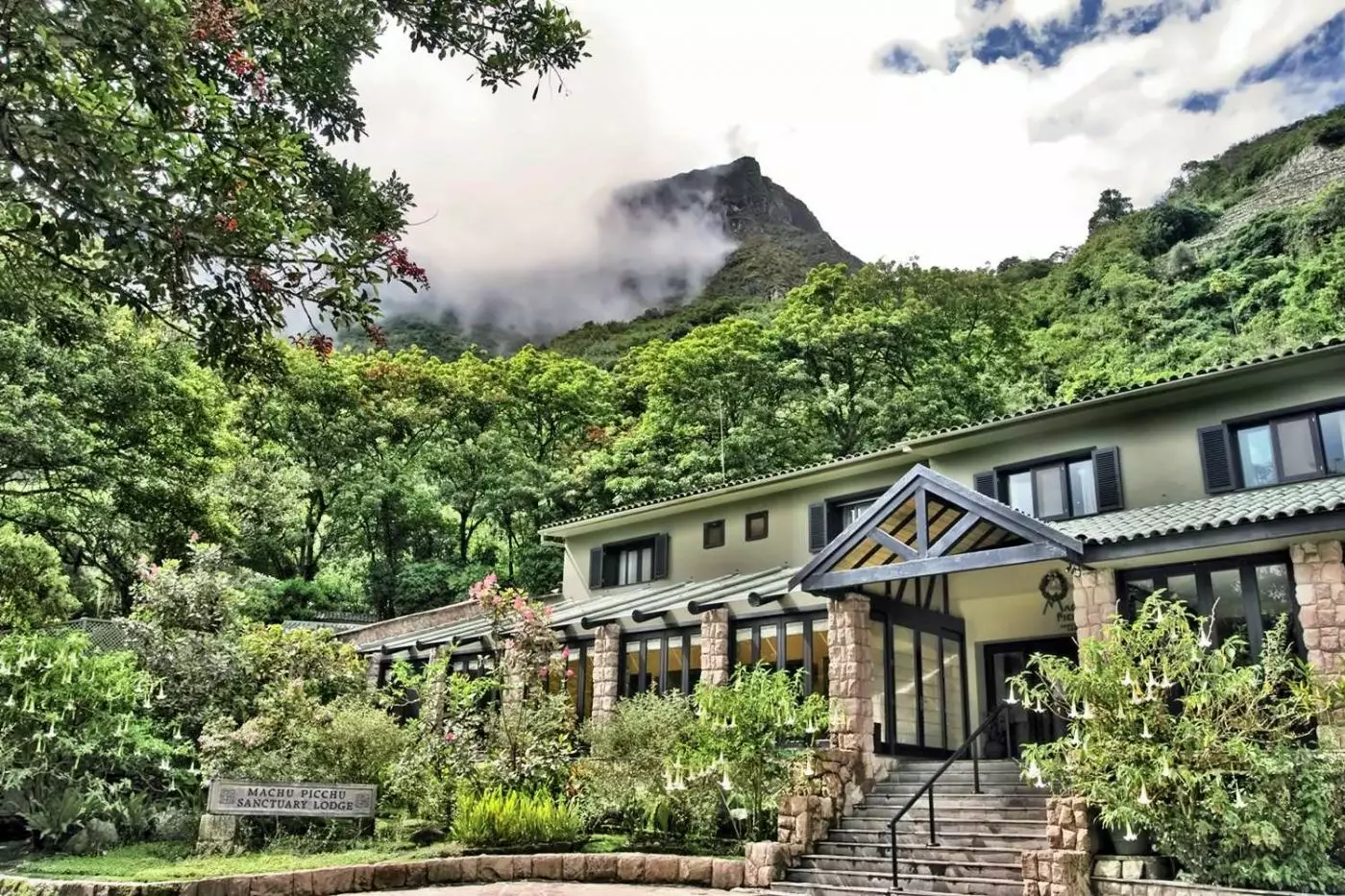
Sanctuary Lodge, A Belmond Hotel, Machu Picchu
Prices From 2’317 USD
Sanctuary Lodge, A Belmond Hotel, Machu Picchu stands beside the citadel entrance in Peru. With 29 rooms and two suites, it i...
Please choose a hotel or destination from the list.
We couldn’t open your search results. Please try again.
Your private search
Finding exceptional stays
Give a Machu Picchu stay a purpose beyond the famous archaeological visit. The town below the mountain brings a river and cloud-forest setting into the overnight experience, while a mountainside lodge creates a different base. Choose where you want to return and how you will spend the quieter intervals, allowing the local landscape and cultural places to become part of the journey.
Prices From 2’317 USD
Sanctuary Lodge, A Belmond Hotel, Machu Picchu stands beside the citadel entrance in Peru. With 29 rooms and two suites, it i...
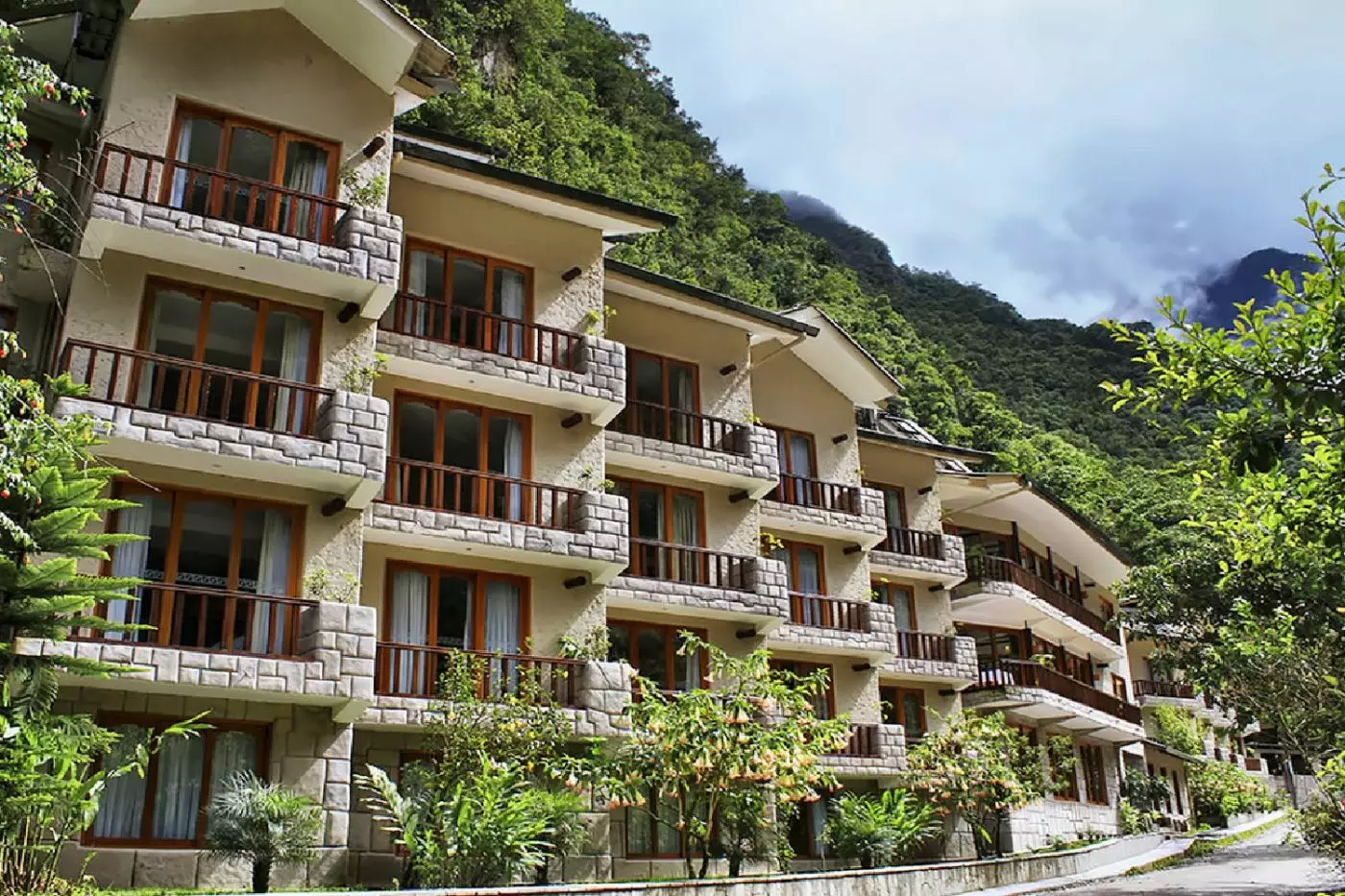
Prices From 712 USD
Sumaq Machu Picchu Hotel stands beside the Vilcanota River in Machu Picchu Pueblo. The mountains and water are present in the...
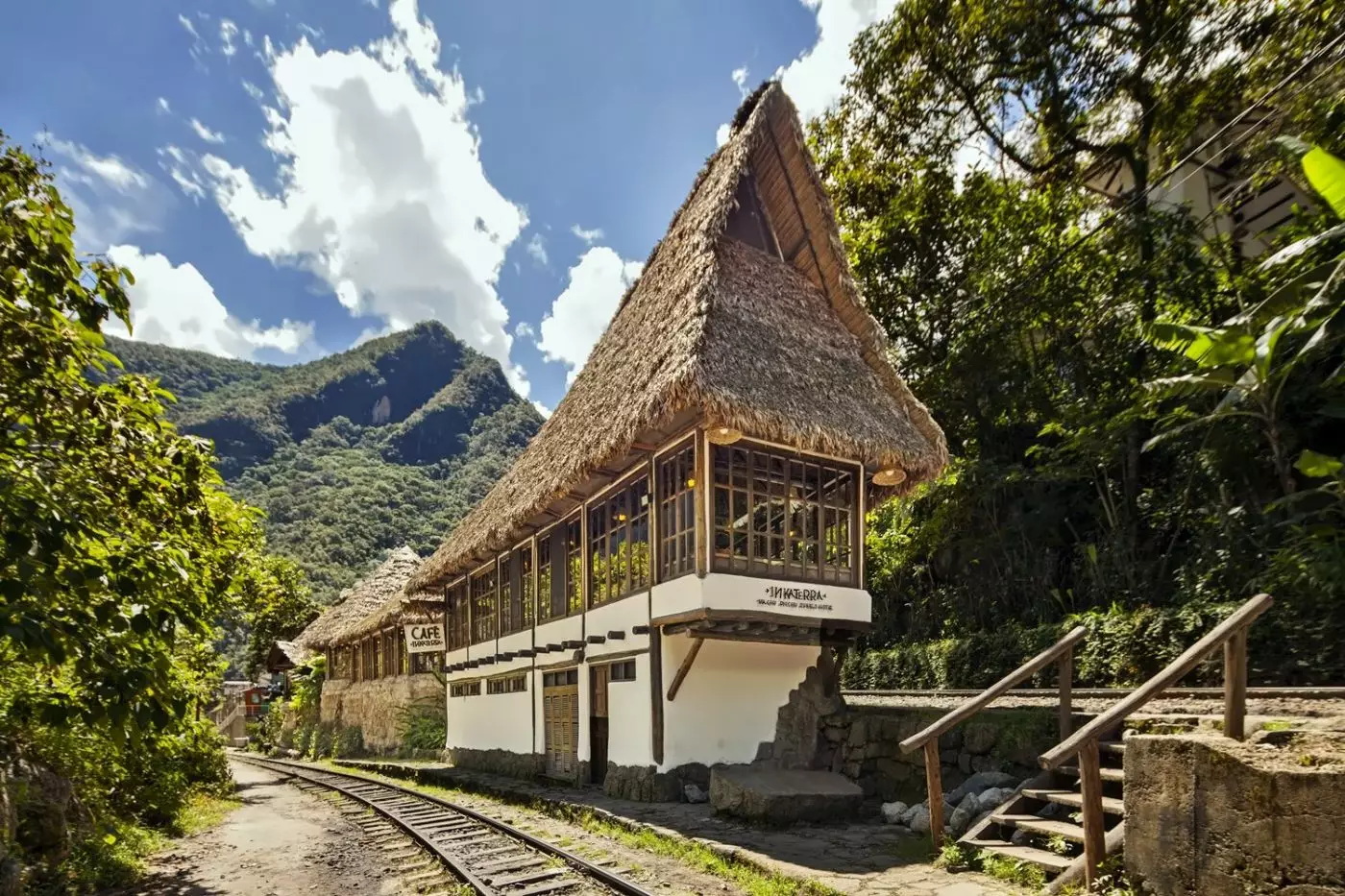
Prices From 576 USD
More amenities
Stone paths thread between whitewashed adobe casitas at Inkaterra Machu Picchu Pueblo Hotel. The buildings follow the slope o...
Reserved for You
Sumaq Machu Picchu Hotel stands in Machu Picchu Pueblo beside the Vilcanota River. Inkaterra Machu Picchu Pueblo brings whitewashed casitas and a garden setting into the town stay. Sanctuary Lodge occupies the mountainside beside the archaeological entrance. These are materially different surroundings, even though the collection shares the Machu Picchu name.
Choose a town base when you want local browsing, meals and time in the river landscape to belong to the visit. Consider the mountainside when its immediate setting is central to the overnight choice. Make the actual accommodation location clear before organising the day, rather than allowing an image of the citadel to stand in for the place where you will sleep.
The transition between the high Andes and the Amazon gives this area a rich forest character. Look closely at the plant life instead of treating the green surroundings only as a backdrop. Ferns, bromeliads and orchids offer a different subject from the stone-built monuments, rewarding a slower and more observant part of the stay.
A guided garden or nature visit can help explain what you are seeing. At Inkaterra, the orchid garden illustrates how a hotel landscape can contribute to that interest without replacing exploration of the destination. Agree on the actual activity, terrain and arrangements for your party; a forest setting does not guarantee that a particular plant is flowering or an animal will appear.
The Banos Termales de Aguas Calientes give the town a separate reason to stay beyond its transport role. This municipal bathing complex uses thermal mineral water in pools of different sizes and temperatures, with changing rooms and showers. Choose it for a public bathing experience within Pueblo, distinct from a private hotel spa or a botanical walk. It is a town facility with its own visitor arrangements, rather than a service that comes with accommodation on the river or mountainside.
The Peru destination guide covers national routes, rail choices and the archaeological circuit decision.
The site museum interprets the cultural history of the Machu Picchu area through material including ceramics, stone objects and metalwork. Choose it for context and archaeological interpretation, rather than another panoramic viewpoint. Confirm the current visitor arrangements separately; a hotel booking or a visit elsewhere does not establish museum admission.
The Butterflies Research and Interpretation Center explores their life cycle and the plants involved in sustaining them. It gives a nature visit a conservation focus rather than a hunt for a particular photograph. Check current visitor arrangements and let the actual living collection shape the experience, without expecting a named species to be present.
No. The Gardens of Mandor are a private botanical setting associated with the Mandor waterfall. Treat an outing as a separately arranged walk, checking the current approach, permissions and conditions with the operator. Its natural appeal does not establish unrestricted access or mean that every path is suitable for every traveler.
They are works carved by local and national sculptors, using cultural themes to tell stories around Machu Picchu Pueblo. Choose them as a contemporary artistic encounter with local identity, rather than interpreting them as original masonry from the archaeological city. Look at the individual subject and meaning instead of treating every carved stone as the same historical object.
Inkaterra’s tea plantation and tea-house experience introduces Camellia sinensis and the process of working the leaves. It can add a practical botanical subject to a local stay, distinct from simply drinking tea with a meal. Ask about the actual visit and participation arrangements; the presence of the garden does not confirm a session for every reservation.