



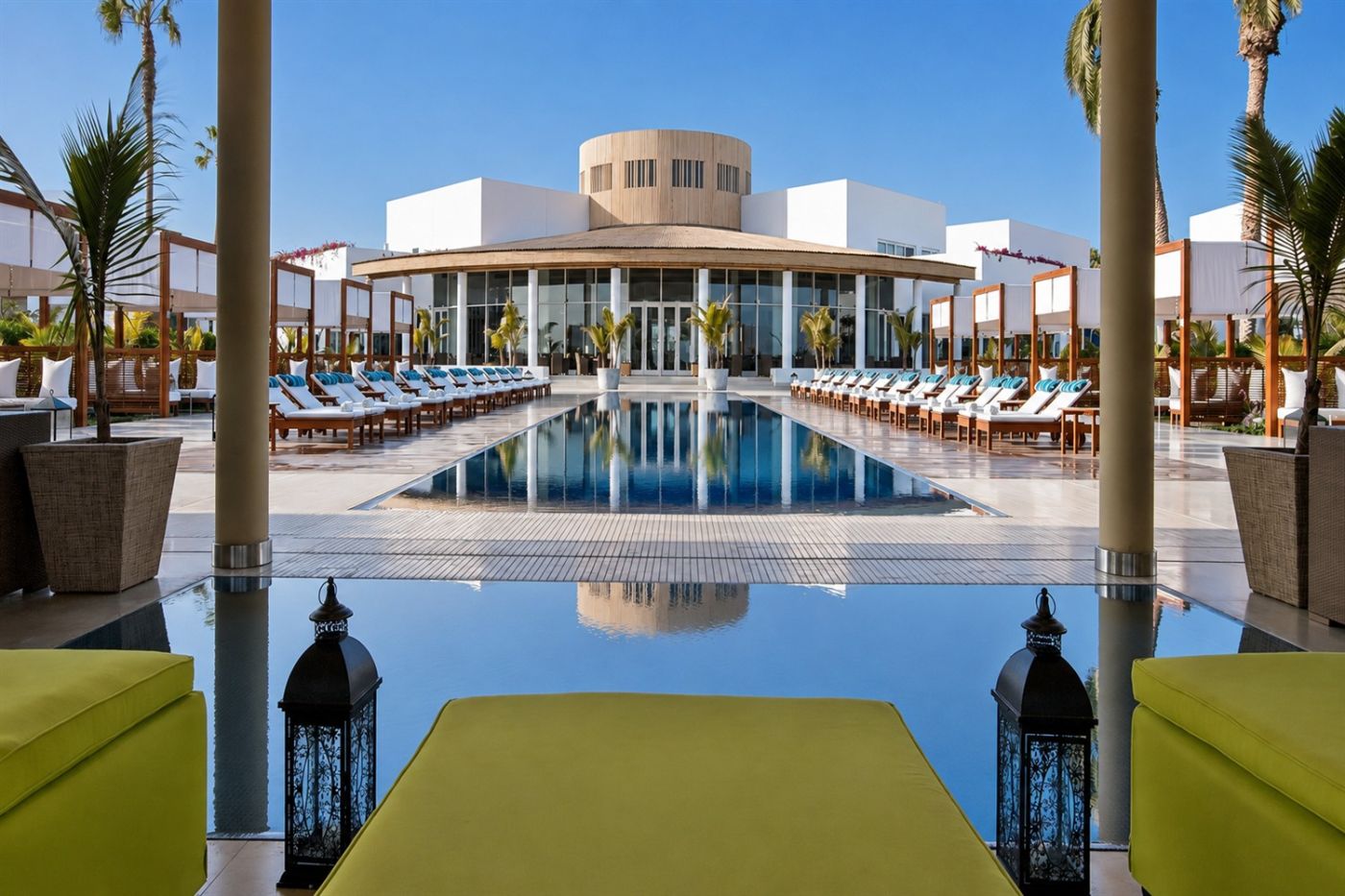
Hotel Paracas Peru
Prices From 262 USD
+3
More amenities
- Sauna
- Beach
- Adventure
Hotel Paracas Peru, part of The Luxury Collection, faces Paracas Bay, with a private dock connecting the resort to excursions...
Please choose a hotel or destination from the list.
We couldn’t open your search results. Please try again.
Your private search
Finding exceptional stays
Paracas brings coastal desert and a marine landscape into the same Peru journey. The bay supplies the local accommodation reference, while land and offshore interests offer different ways to understand the surroundings. Its appeal lies in the contrast between these settings, rather than in treating the coast as another version of a mountain or city stop.
Prices From 262 USD
More amenities
Hotel Paracas Peru, part of The Luxury Collection, faces Paracas Bay, with a private dock connecting the resort to excursions...
Reserved for You
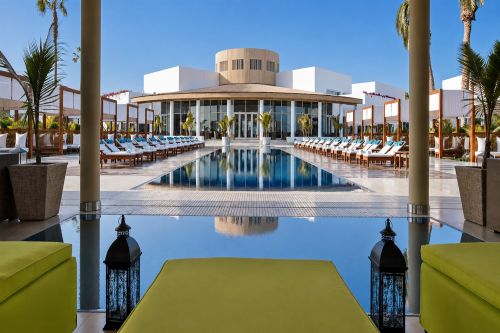
Hotel Paracas overlooks Paracas Bay. That gives the hotel search a clear local reference while you decide which of the surrounding peninsula's landscapes and natural-history subjects you want to explore.
Playa Roja gives the shoreline a distinctive geological subject. Its reddish color comes from rock fragments carried by waves from the nearby Punta Santa María massif and accumulated along the shore. Choose this landscape for an interest in coastal color and the processes shaping it. The relationship between the rock source and the beach gives a photograph or a landscape-led outing something specific to examine, beyond a broad desert-and-sea view.
The Yumaque paleontological route introduces marine invertebrate fossils, including snails and shells. It offers a natural-history interest in traces of earlier life within the coastal landscape. If geology and fossils appeal to you, make that subject explicit when discussing the places you want to see. It gives this part of Paracas a different purpose from choosing a beach solely for its appearance.
The reserve's Centro de Interpretación explains local flora and fauna, conservation challenges and the economic activities within the protected area. Choose that ecological perspective when you want to understand how the landscape, its living environment and local livelihoods relate. It supplies a framework for looking at the coast with more than scenery in mind.
The Peru hotel guide places this desert-coast landscape alongside the country's other regions.
They belong to the national reserve system of guano islands, islets and headlands, distinct from the Paracas National Reserve. Keep the island outing and mainland landscape clear in your itinerary.
It is a geoglyph associated with Paracas, visible from the sea on the route described for Ballestas outings. It adds a cultural question to the coastal landscape rather than being another name for the islands.
It gives a visit an archaeological focus beyond the bay and wildlife scenery. Choose it when the region's cultural history interests you rather than treating the coast only as a natural attraction.
No. The Nasca Lines are a separate desert heritage subject. Keep the place and purpose of each experience distinct rather than assuming every Peruvian coastal geoglyph belongs to one immediate outing.
The name is associated with the sand-bearing winds of this desert coast. Give different outdoor interests room in the itinerary rather than expecting the bay, open desert and a boat outing to feel identical throughout the day.