



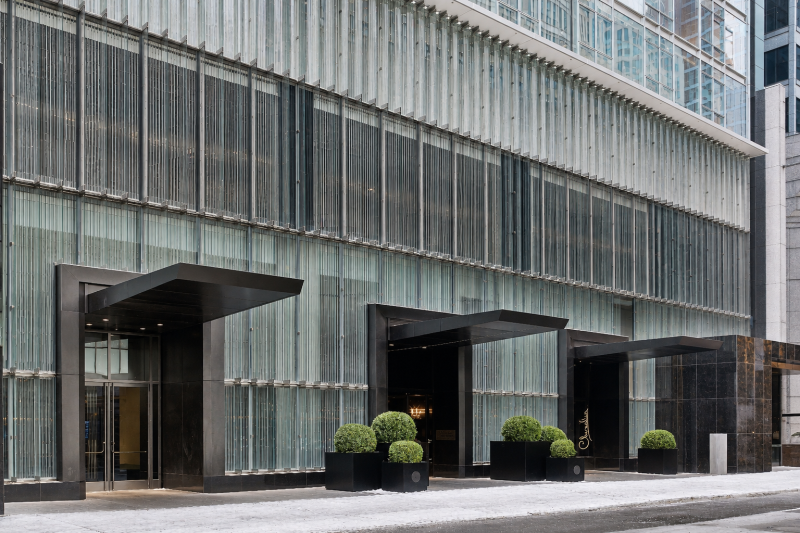
Baccarat Hotel New York
Prices From 1’338 USD
+2
More amenities
- Culture
- City Vibe
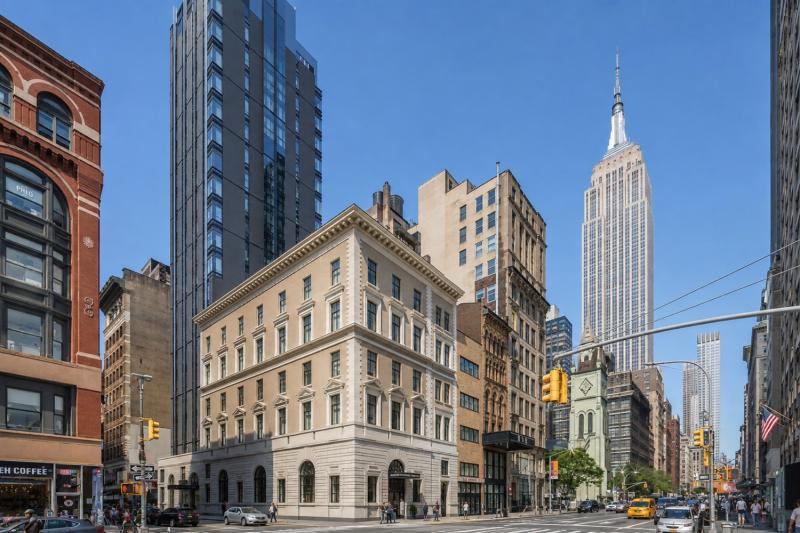
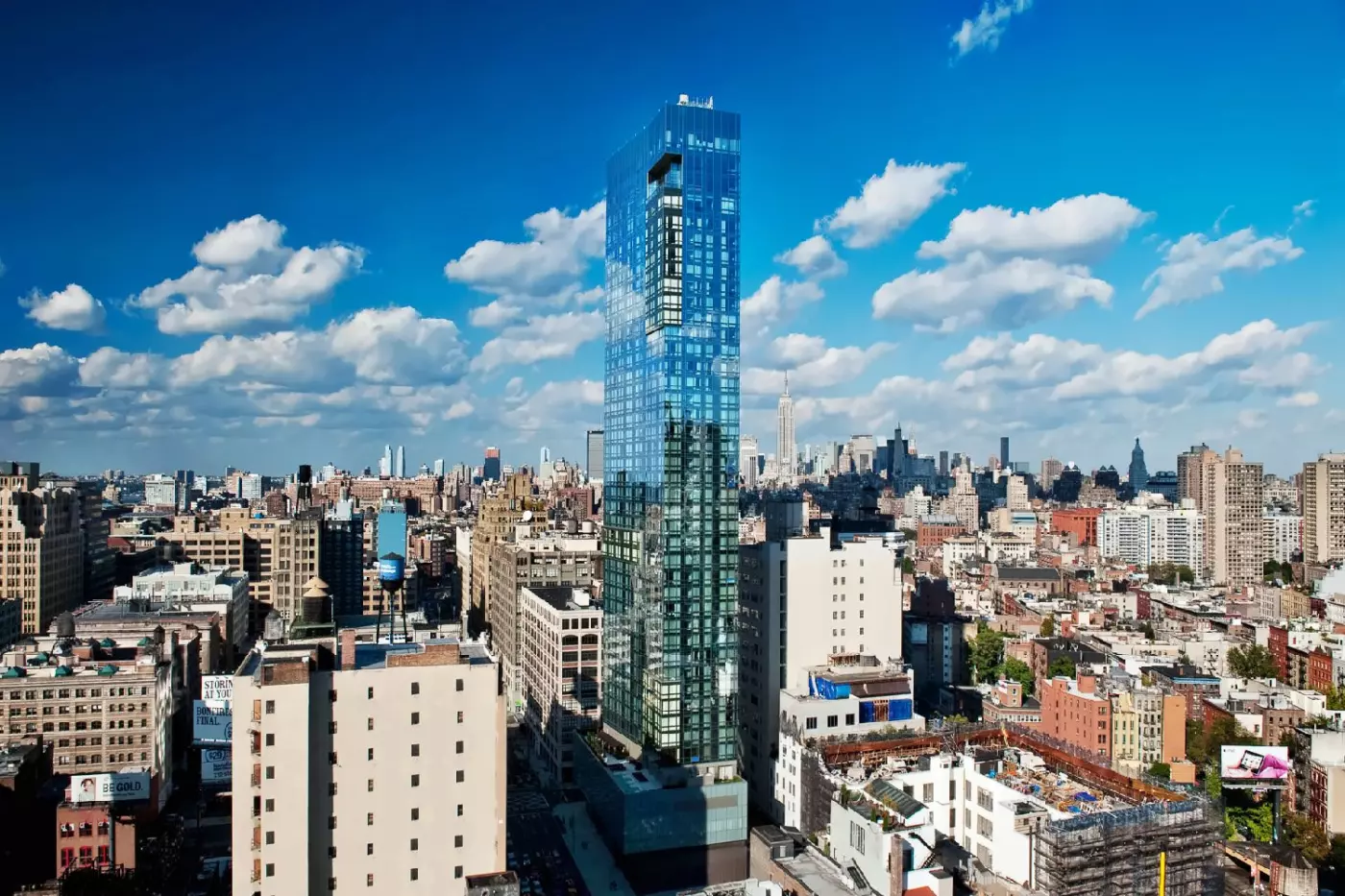
Baccarat Hotel New York sits at 28 West 53rd Street in Midtown Manhattan, directly across from the Museum of Modern Art. Fift...
Please choose a hotel or destination from the list.
We couldn’t open your search results. Please try again.
Your private search
Finding exceptional stays
Choose a New York State hotel around the journey: city culture followed by Hudson Valley gardens, a Catskills forest retreat, Finger Lakes outings or an Adirondack lake base. The regions contribute different experiences, so plan the countryside stage as carefully as the city stay.
Prices From 1’338 USD
More amenities
Baccarat Hotel New York sits at 28 West 53rd Street in Midtown Manhattan, directly across from the Museum of Modern Art. Fift...
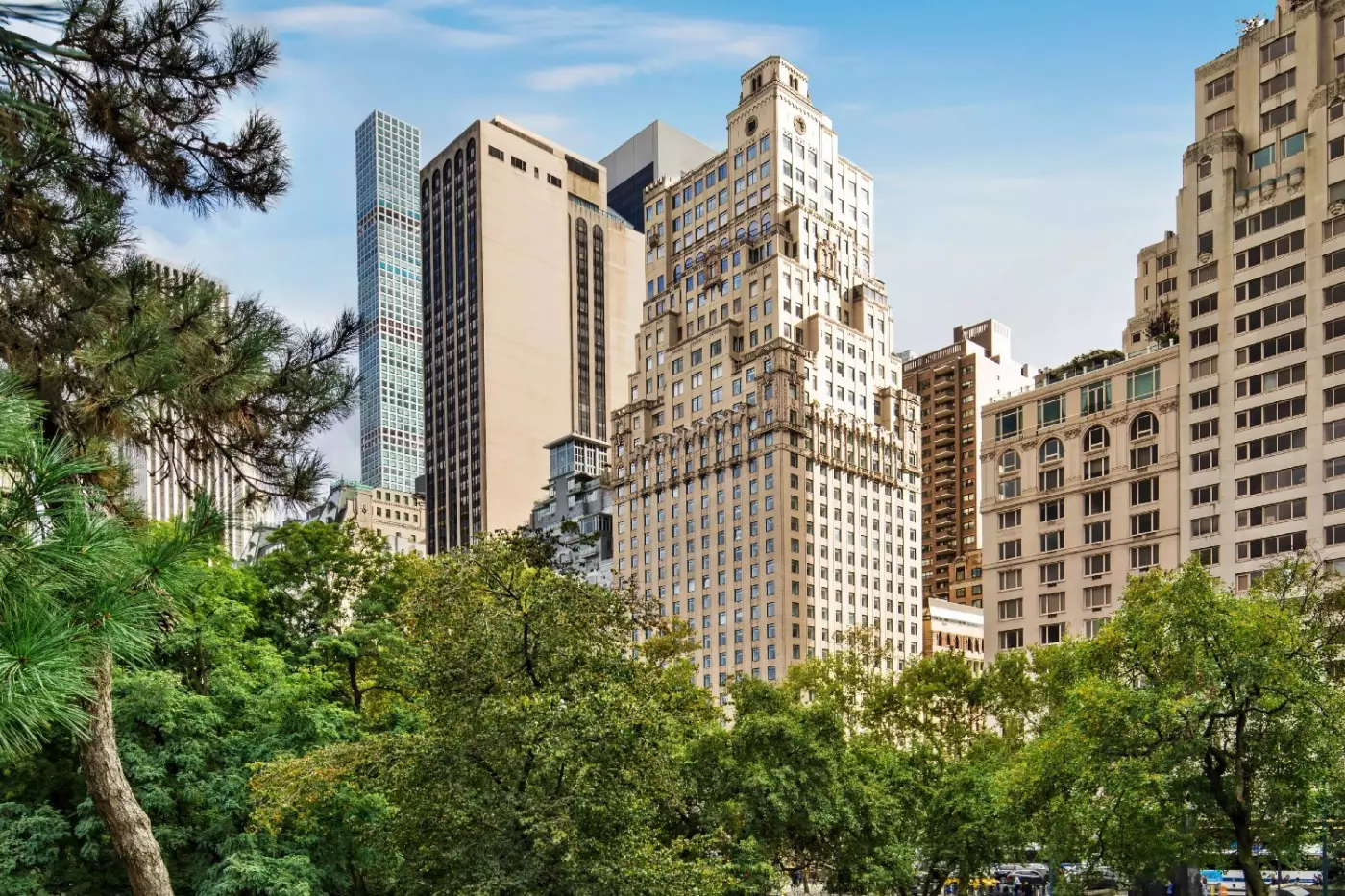
Prices From 1’556 USD
The Ritz-Carlton New York, Central Park is a 253-room hotel on Central Park South in Midtown Manhattan. Central Park is acros...
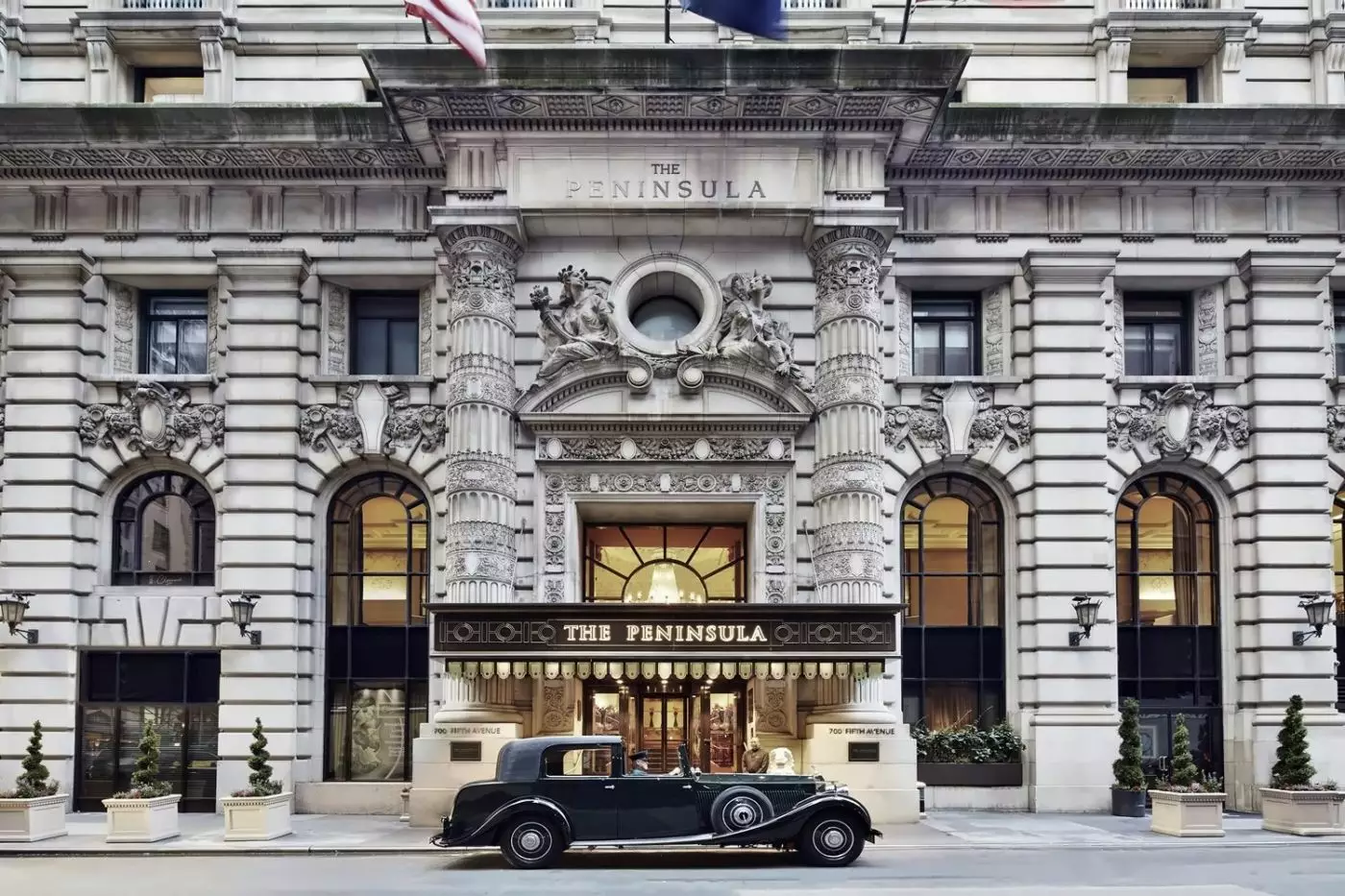
Prices From 876 USD
The Peninsula New York is a Fifth Avenue luxury hotel at 55th Street in Midtown Manhattan. Its 1905 landmark building contain...
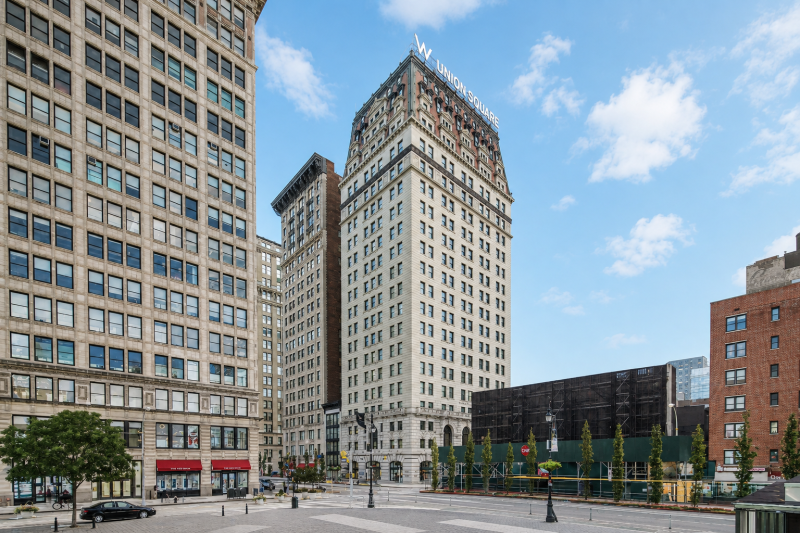
Prices From 820 USD
W New York – Union Square sits at 201 Park Avenue South, directly by Union Square Park in Manhattan. Its 256 rooms and suites...
Prices From 1’308 USD
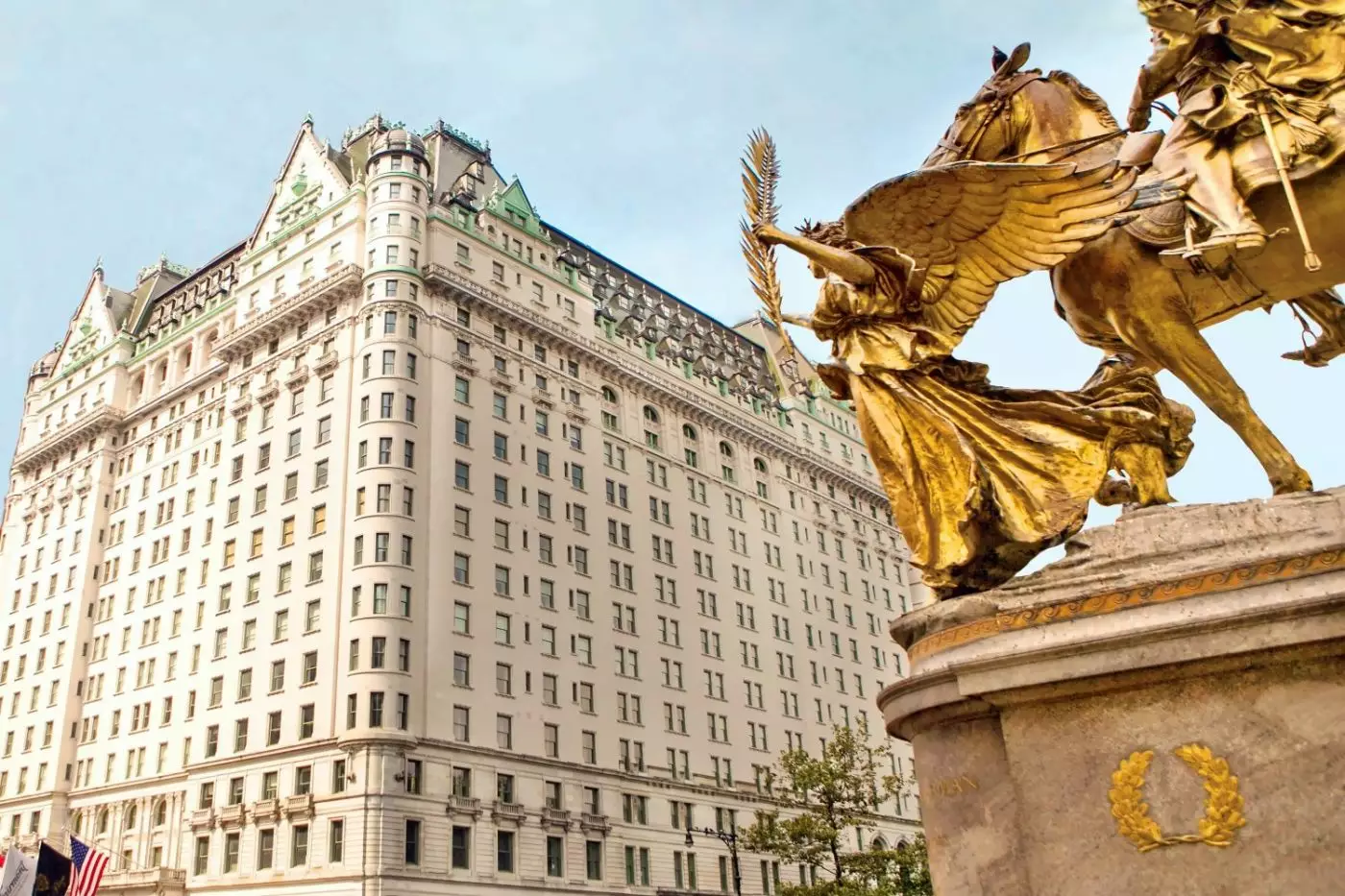
The Plaza Hotel New York occupies one of Manhattan's defining corners. Fifth Avenue meets Central Park South here, beside Gra...
Prices From 1’066 USD
More amenities
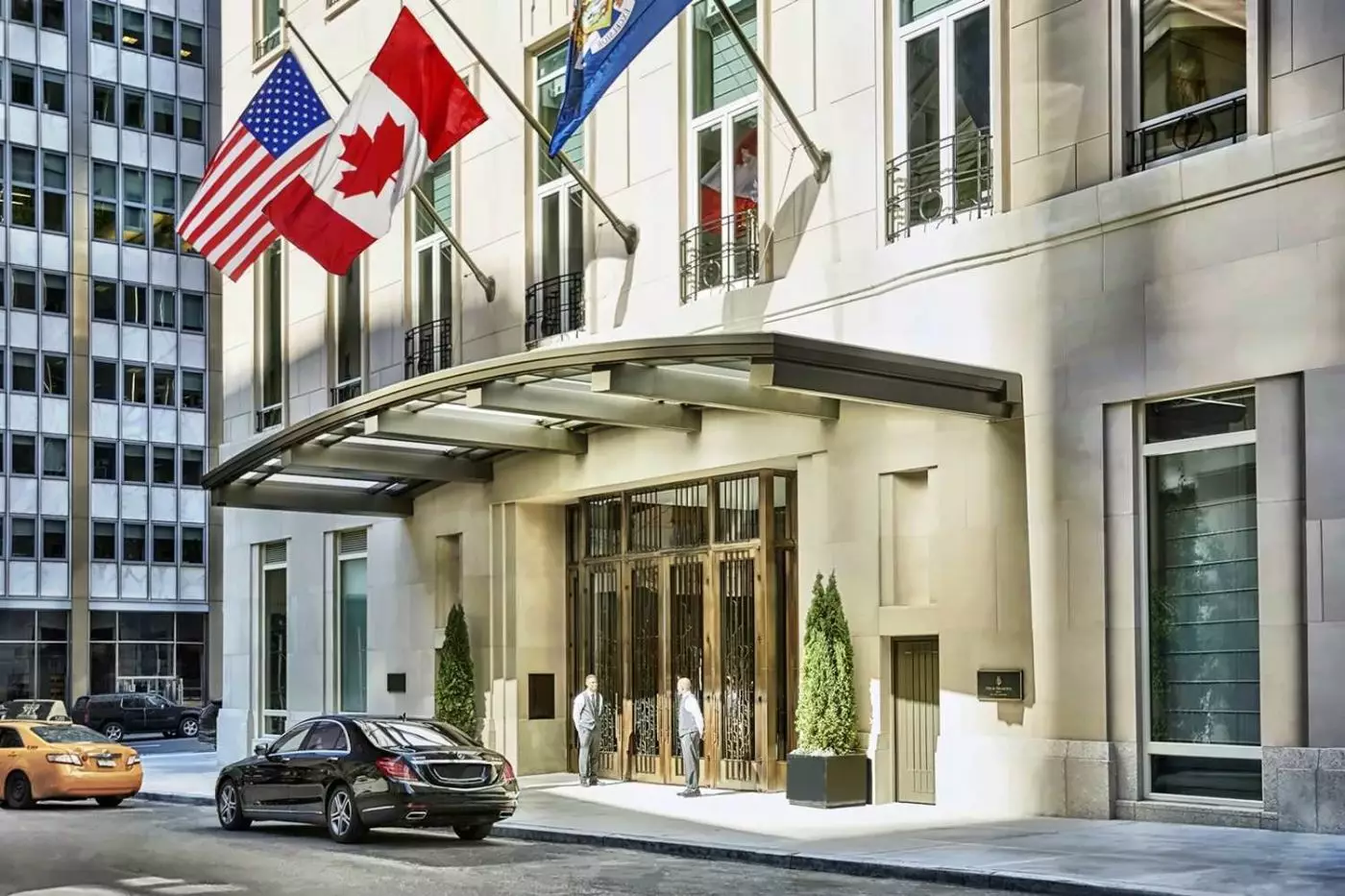
At 27 Barclay Street, Four Seasons Hotel New York Downtown places Tribeca, the World Trade Center and the Financial District...
Prices From 1’216 USD
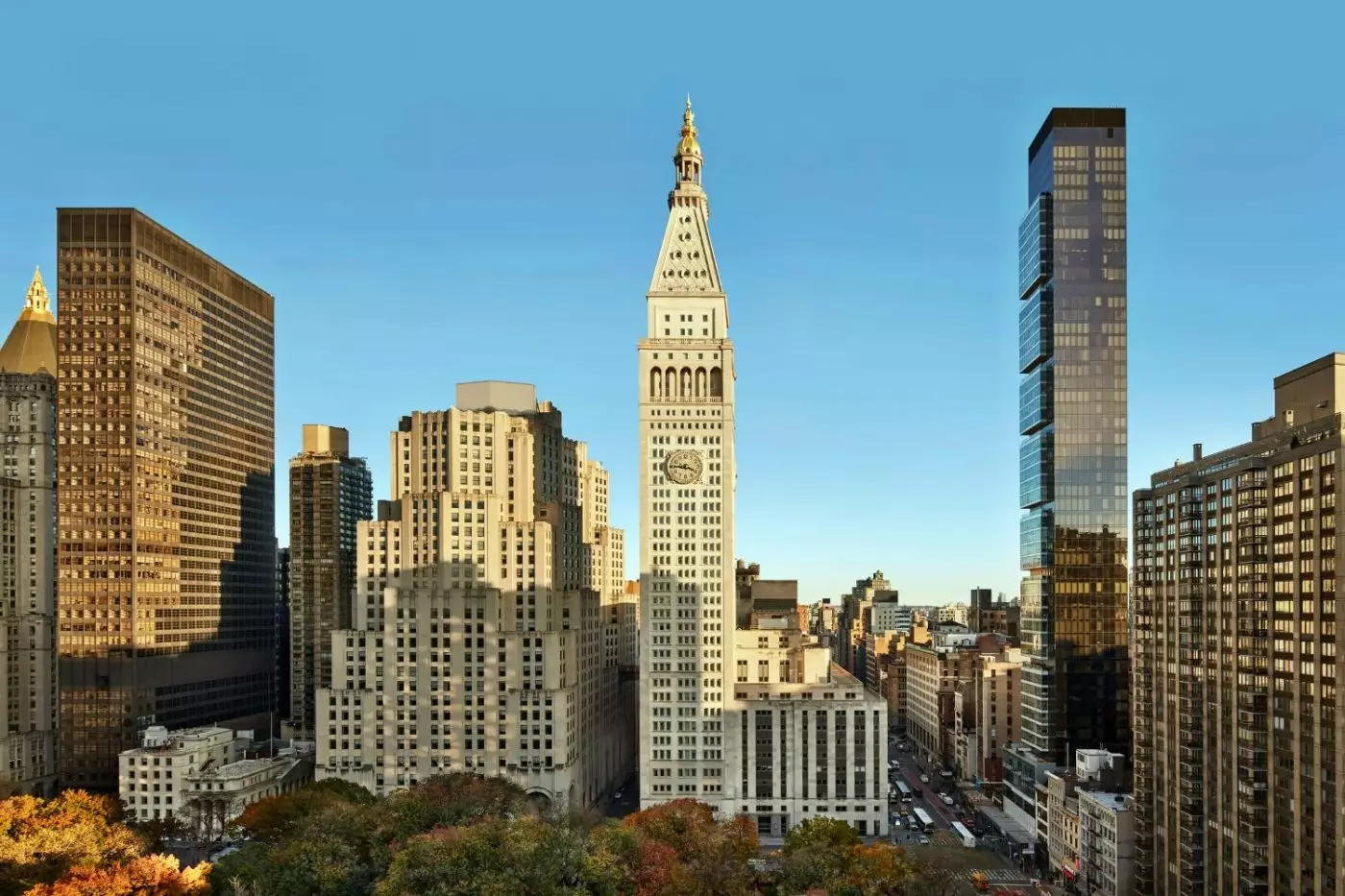
At 5 Madison Avenue, The New York EDITION places Madison Square Park at the front door and the Flatiron District around the c...
Prices From 1’489 USD
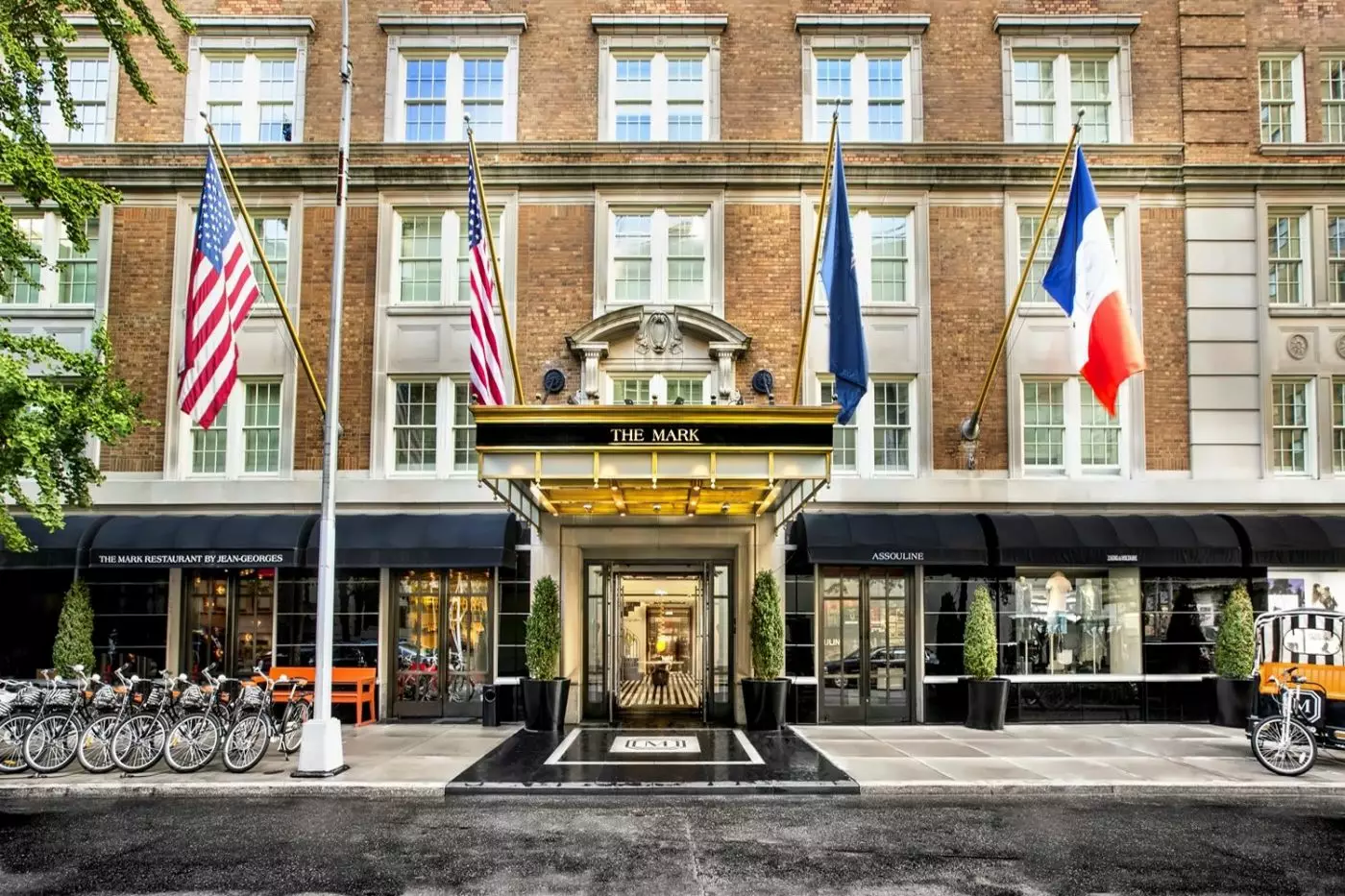
The Mark occupies the corner of Madison Avenue and East 77th Street, with Central Park a short walk in one direction and the...
Prices From 1’498 USD
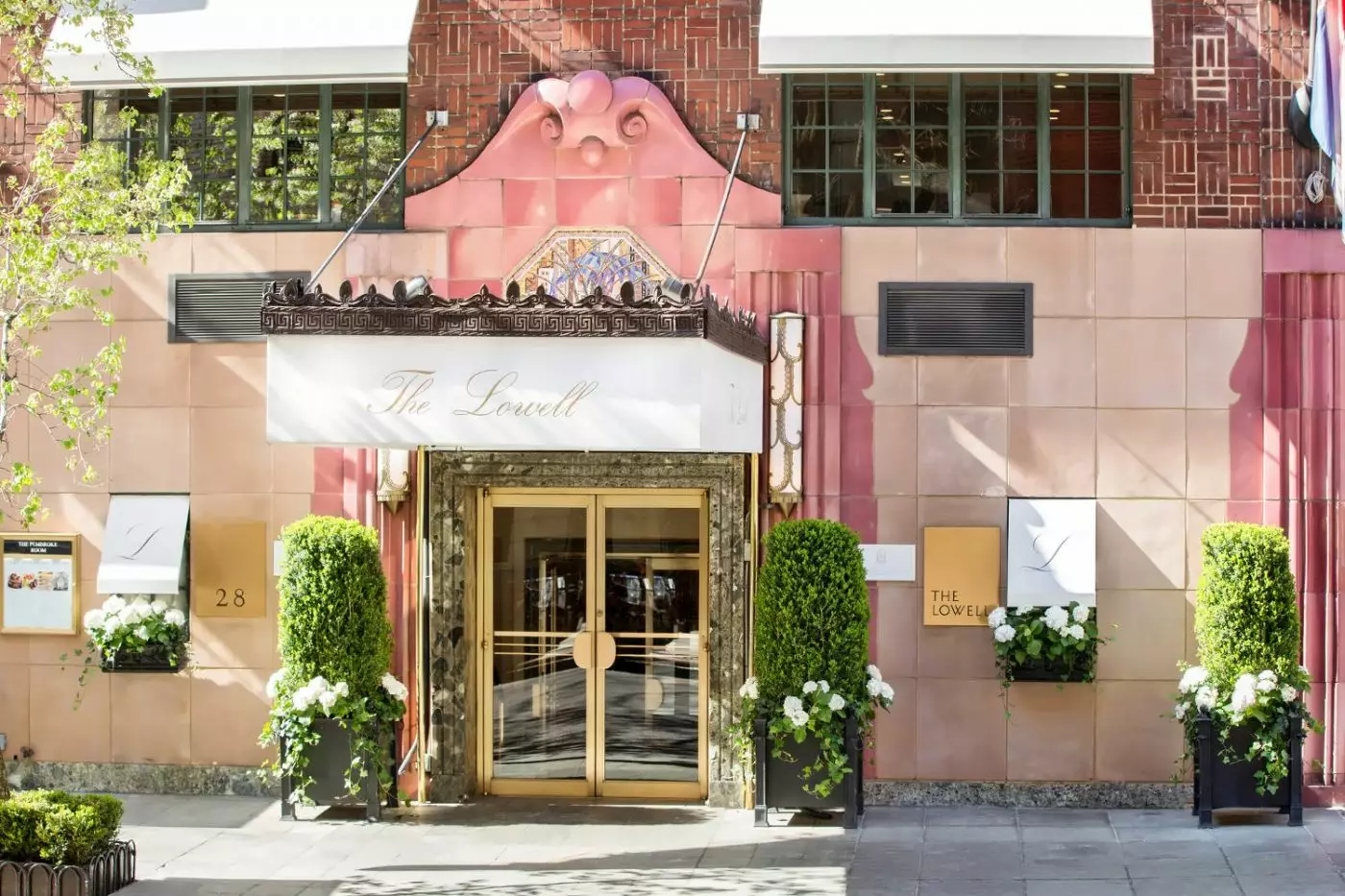
On East 63rd Street between Madison and Park Avenues, The Lowell has the scale of a residential hotel. Central Park is close,...
Reserved for You
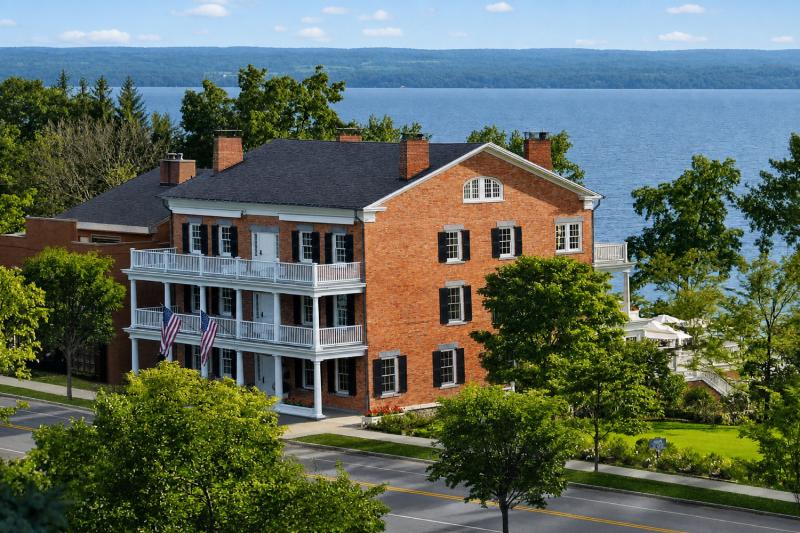
Use the New York City hotel collection for a stay built around exhibitions, performances and dining. Add the Hudson Valley when you want the next part of the journey to unfold among gardens, historic houses and outdoor art. Storm King brings sculpture into a landscape setting; Innisfree offers a garden visit, while the Walkway Over the Hudson makes the river itself part of an outing.
The region also suits travelers who want food and small-town culture alongside the countryside. Hudson offers antiques, art and architecture; historic estates associated with the Roosevelt and Vanderbilt families give the valley a different cultural focus from a city museum itinerary. Choose a rural hotel when the grounds and slower evenings matter, or a base shaped around the towns and visits you intend to make. A Hudson Valley stay should contribute its own experiences rather than serve only as a place to sleep outside Manhattan.
Choose the Catskills for a mountain-and-forest emphasis. The Upper Delaware Scenic Byway links river scenery with villages, giving a touring day a different shape from a hike. Bethel Woods adds music and the history of the 1960s to a countryside visit. These are useful alternatives for a party whose members do not all want the same outdoor activity.
A secluded retreat suits days divided between the landscape and time back at your base. A trip with frequent village visits needs a location chosen around those outings. Keep the Catskills leg focused: a river-oriented stay and a mountain itinerary need not cover the same ground, even though both belong to the region.
The Finger Lakes can support much more than a wine itinerary. Watkins Glen adds gorge-and-waterfall scenery; Corning brings the Museum of Glass, and Seneca Falls offers the history of women's rights. Choose the cultural or outdoor anchor first, then consider which lake and town make a sensible accommodation base. The region's name describes a broad landscape, not one compact resort district.
For a lakeside stay, Aurora on Cayuga Lake supplies a village setting. A glass-focused visit and time beside Cayuga Lake can belong to the same regional journey, but they are separate outings. Give a substantial museum visit its own place in the schedule rather than filling every day with stops around several lakes.
Lake Placid combines a mountain-and-lake setting with Olympic heritage. Lake George puts the emphasis on the water and lakeside activity; Saranac Lake adds galleries and craft culture. Tupper Lake's Wild Center and the Adirondack Experience at Blue Mountain Lake offer other ways to engage with the region beyond a demanding trail day.
Choose a base for the experience you want to repeat during the stay. A Lake Placid-centered journey can balance mountain scenery with cultural visits, while a Lake George stay can make the lake the daily focus. These places are regional alternatives, not interchangeable addresses. Select the accommodation after deciding which part of the Adirondacks should shape your days.
For a city-and-countryside trip, choose one second region: the Hudson Valley for gardens and historic-house outings, or the Catskills for forests, river scenery and village touring. A longer countryside journey can combine the Hudson Valley with Lake Placid, shifting from estate landscapes to mountains and lakes. Give the Adirondack leg its own overnight base rather than treating it as a Hudson Valley day excursion.
Compare New York State hotel offers after settling the regions and length of stay.
Choose the season around the activity that matters most. Winter suits a trip built around skiing or other winter sports; spring brings flower and fishing outings, and summer supports hiking and time on the lakes. For fall scenery, use the current regional foliage reports instead of fixing the whole journey around one assumed statewide peak. A city-and-countryside trip can need different outdoor plans at each stop.
Rail can cover part of the journey. Metro-North's Harlem Line reaches Wassaic, and Amtrak serves Rhinecliff in the Hudson Valley. Match the station to the actual hotel address and arrange the final ground transfer before buying the rail ticket. The Catskills are not directly served by the major train lines; a Hudson Valley station can be an access point with an onward taxi or rental car. Check the current service and connections for your travel date.
Choose the lake and wine trail before the accommodation. Canandaigua, Keuka, Seneca and Cayuga each have a dedicated wine trail, so a Finger Lakes address does not put every winery on the same circuit. Build the visits around one planned route and arrange a driver or tour when tasting wine. Aurora is on Cayuga Lake; use that position when deciding which visits fit your stay, rather than treating the whole region as one compact vineyard district.
No. The Empire Pass covers vehicle-use fees at most New York State parks and eligible Department of Environmental Conservation facilities. It does not cover camping, golf, museum or historic-site admission, or other activity fees, and it does not guarantee parking when a facility reaches capacity. Separate the entry allowance from the outings you plan when budgeting for a park-focused stay.
Some access areas have their own requirements. At the Adirondack Mountain Reserve conservation easement in the High Peaks, a free reservation is required from May 1 through October 31 for day or overnight access, including walk-in, bicycle and drop-off arrivals. Travelers arriving in Keene Valley by Greyhound or Trailways can use a valid bus ticket from within 24 hours of arrival instead of a reservation.
This is an AMR access rule, rather than a reservation system for every Adirondack trail. Identify the trailhead and land-management area before arranging the hike.