



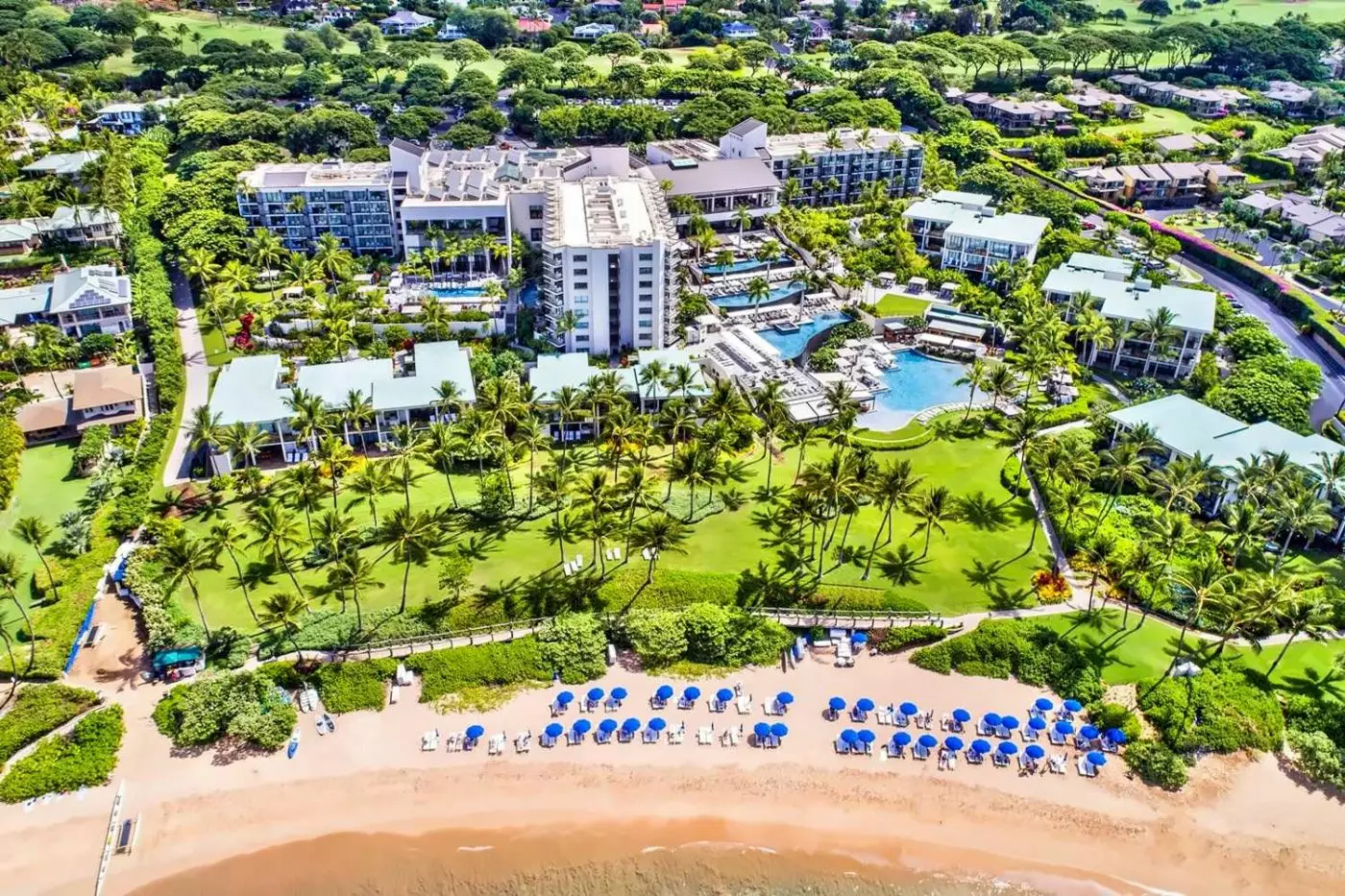
Andaz Maui at Wailea Resort
Prices From 1’055 USD
+3
More amenities
- Sauna
- Beach
- Adventure
Andaz Maui at Wailea Resort sits on 15 beachfront acres beside Mokapu Beach in Wailea, on Maui's south shore. The location is...
Please choose a hotel or destination from the list.
We couldn’t open your search results. Please try again.
Your private search
Finding exceptional stays
Choose Hawaii luxury hotels by the island experience you want, then by the area that makes it practical. Honolulu's cultural city life, Maui's coast and uplands, Kauai's canyon landscapes, Lanai's quieter pace and Hawaii Island's volcanic terrain create distinct trips. One well-chosen island can support a complete stay; a second earns its place when it adds a different landscape or way of spending the day.
Prices From 1’055 USD
More amenities
Andaz Maui at Wailea Resort sits on 15 beachfront acres beside Mokapu Beach in Wailea, on Maui's south shore. The location is...
Prices From 813 USD
More amenities
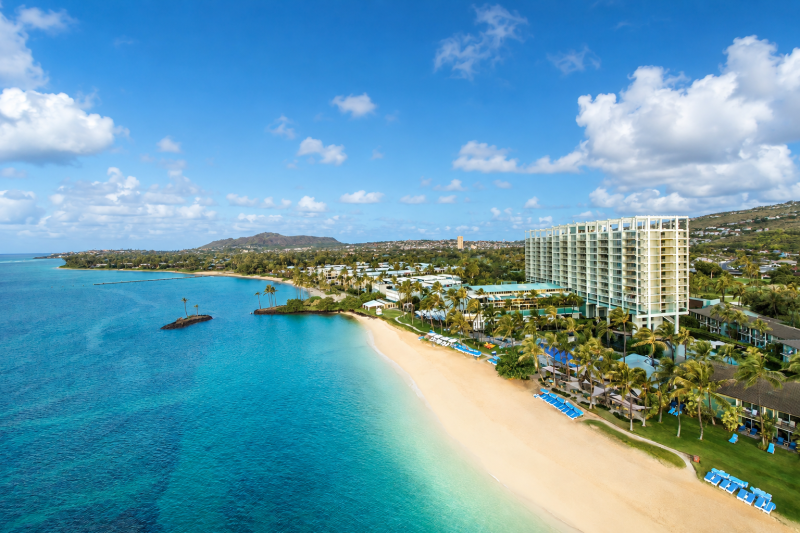
The Kahala Hotel & Resort is an oceanfront retreat in Honolulu's residential Kahala neighborhood on Oahu. The address lies at...
Prices From 972 USD
More amenities
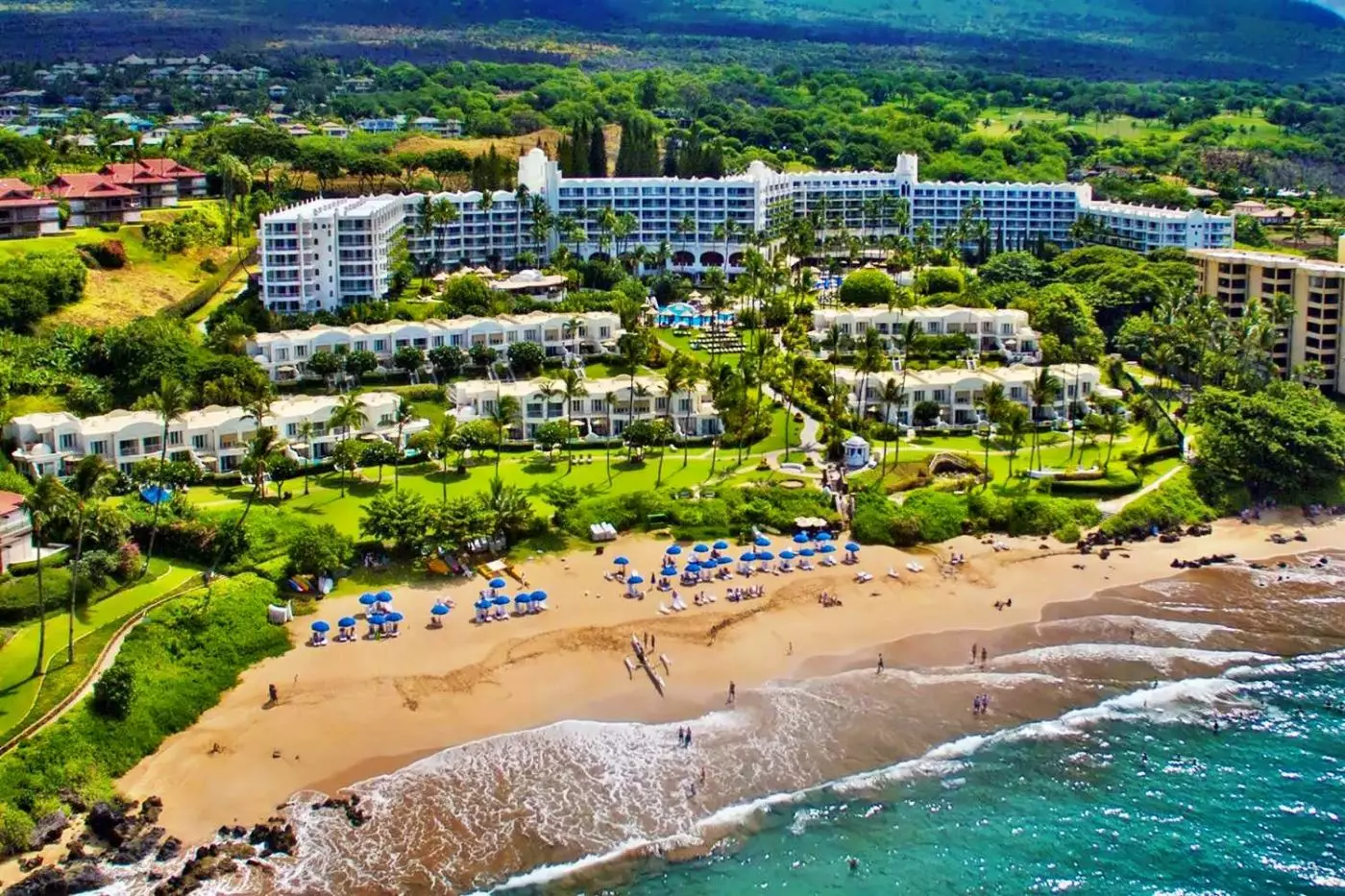
Polo Beach runs along the oceanfront edge of Fairmont Kea Lani, Maui, a 22-acre all-suite and villa resort in Wailea. Its 413...
Prices From 870 USD
More amenities
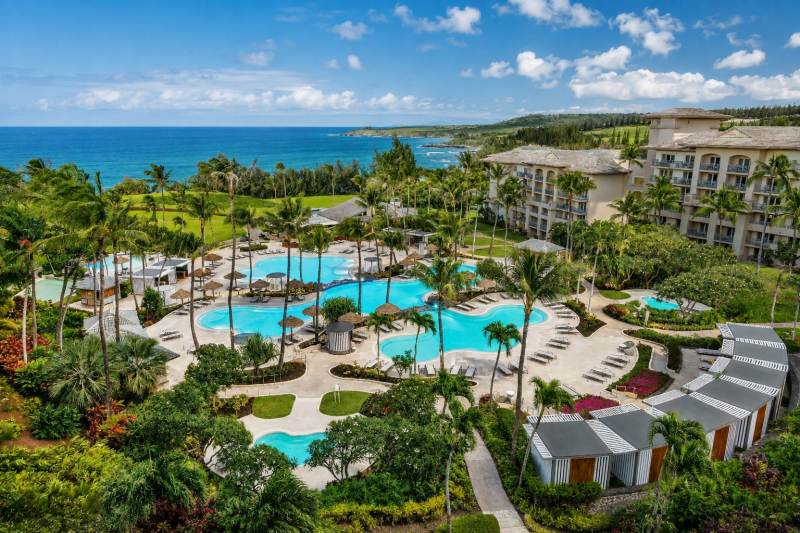
The Ritz-Carlton Maui, Kapalua occupies 54 acres above the Pacific on Maui's green northwest coast. This is a broad, self-con...
Prices From 678 USD
More amenities
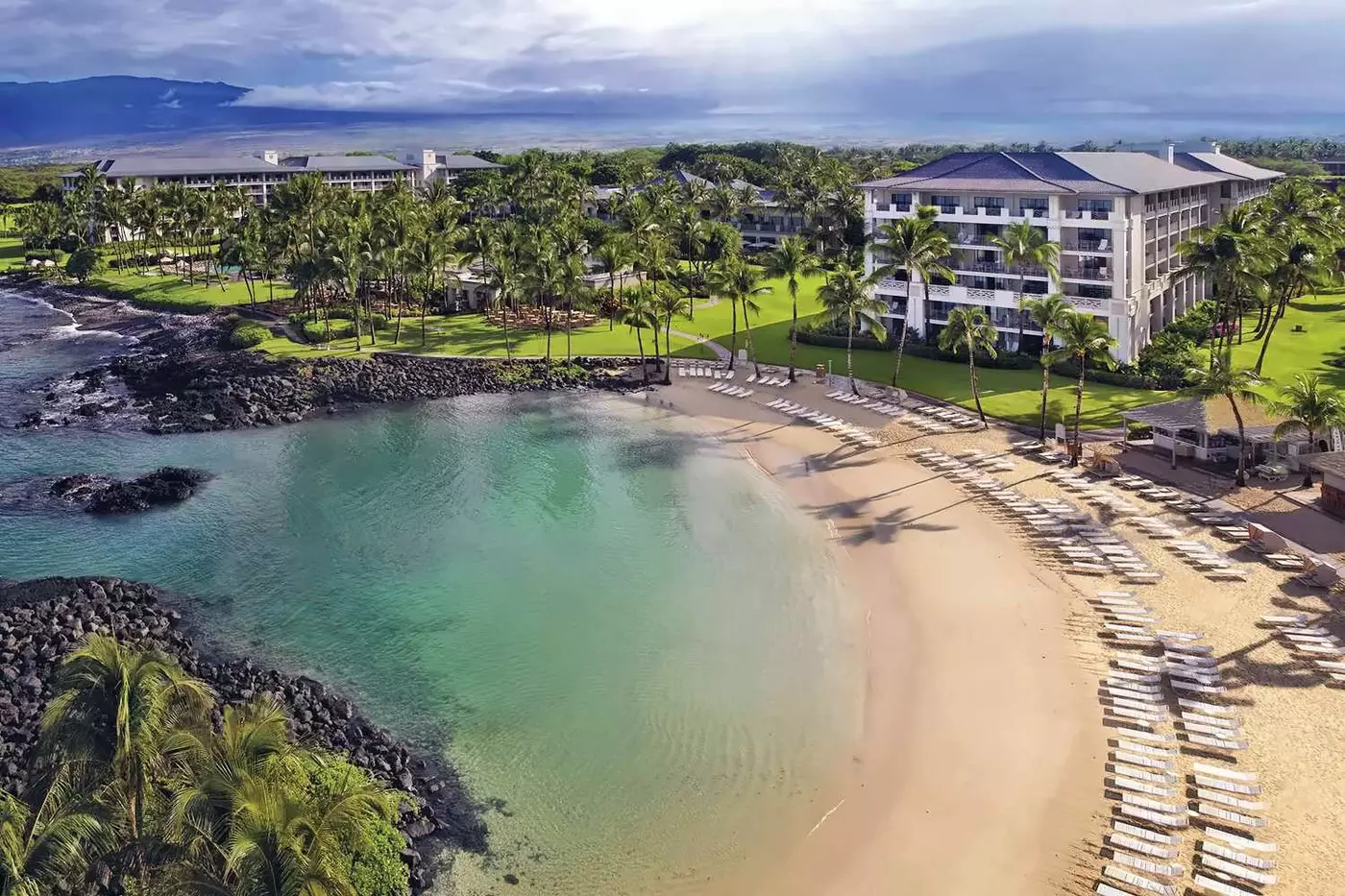
Fairmont Orchid, Hawaii sits beside Pauoa Bay on Hawaii Island's Kohala Coast, where lawns and palms meet a shoreline shaped...
Prices From 1’483 USD
More amenities
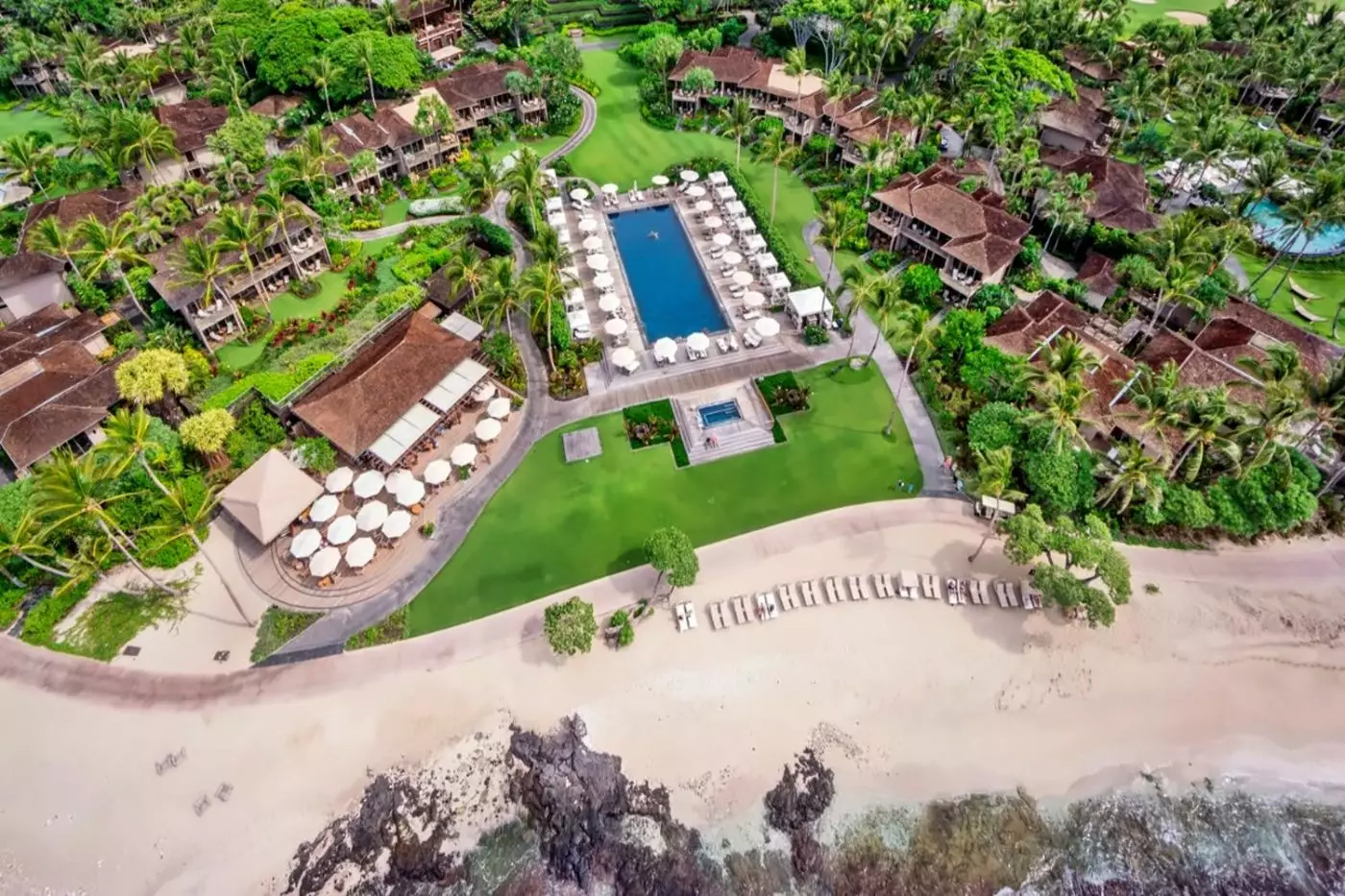
Black lava, white sand, and low-rise bungalows give Four Seasons Resort Hualalai its unmistakable Hawaii Island setting. Alon...
Prices From 943 USD
More amenities
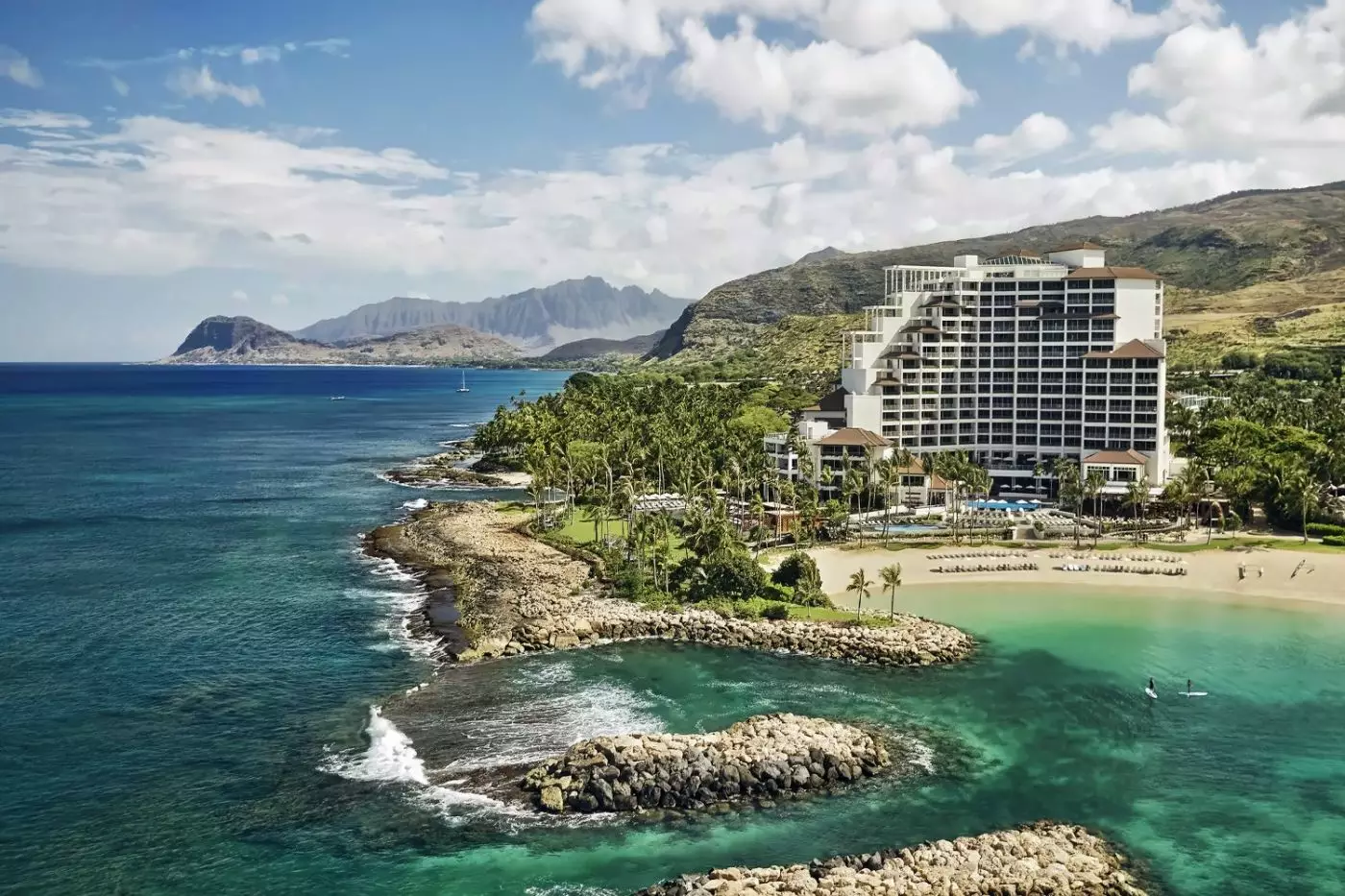
Ko Olina gives Four Seasons Resort Oahu at Ko Olina a different personality from hotels in Honolulu. The resort occupies Oahu...
Prices From 1’328 USD
More amenities
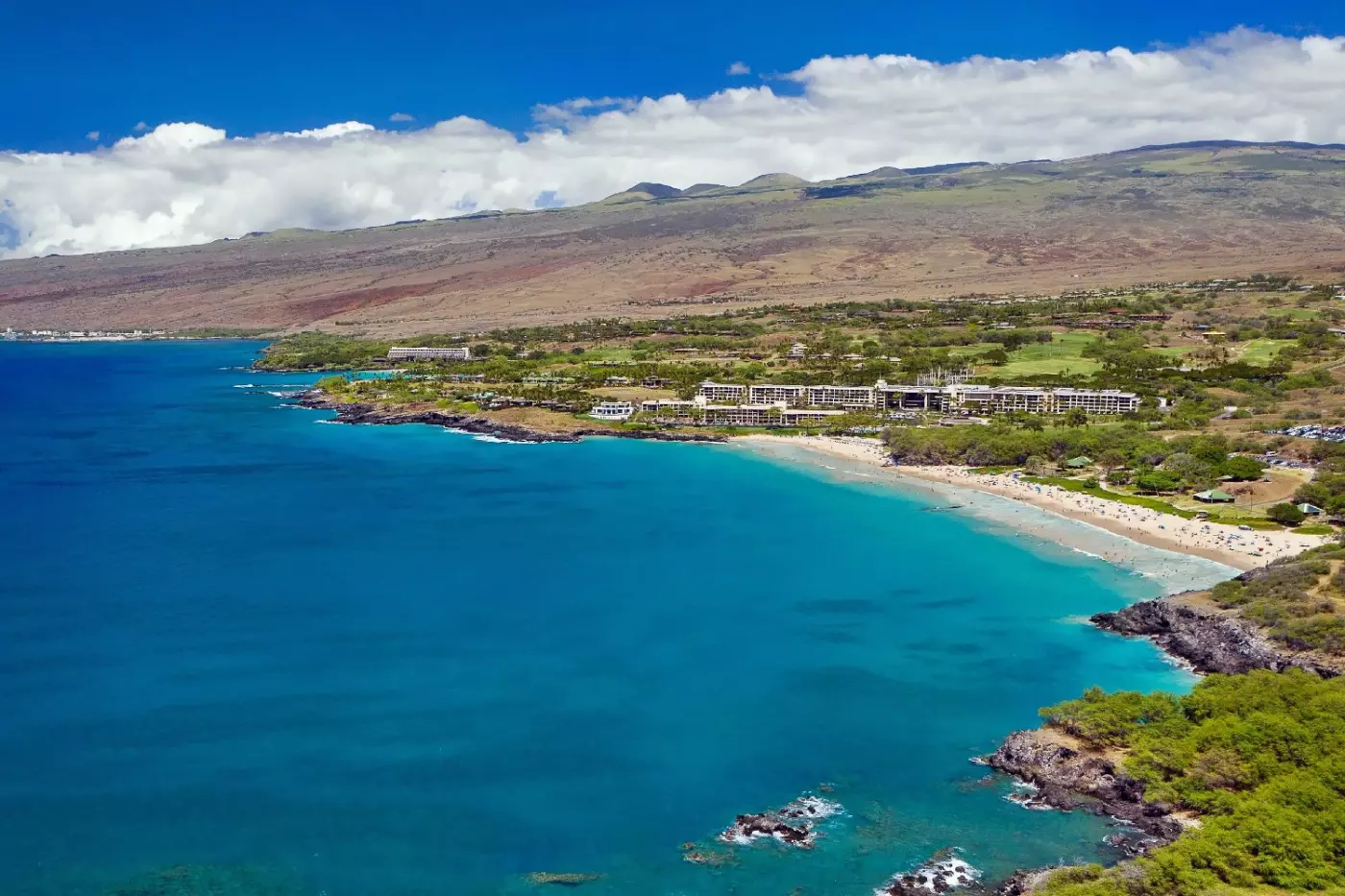
Mauna Kea Beach Hotel faces Kauna'oa Bay on Hawaii Island's Kohala Coast. The pale sand and sheltered curve of the bay give t...
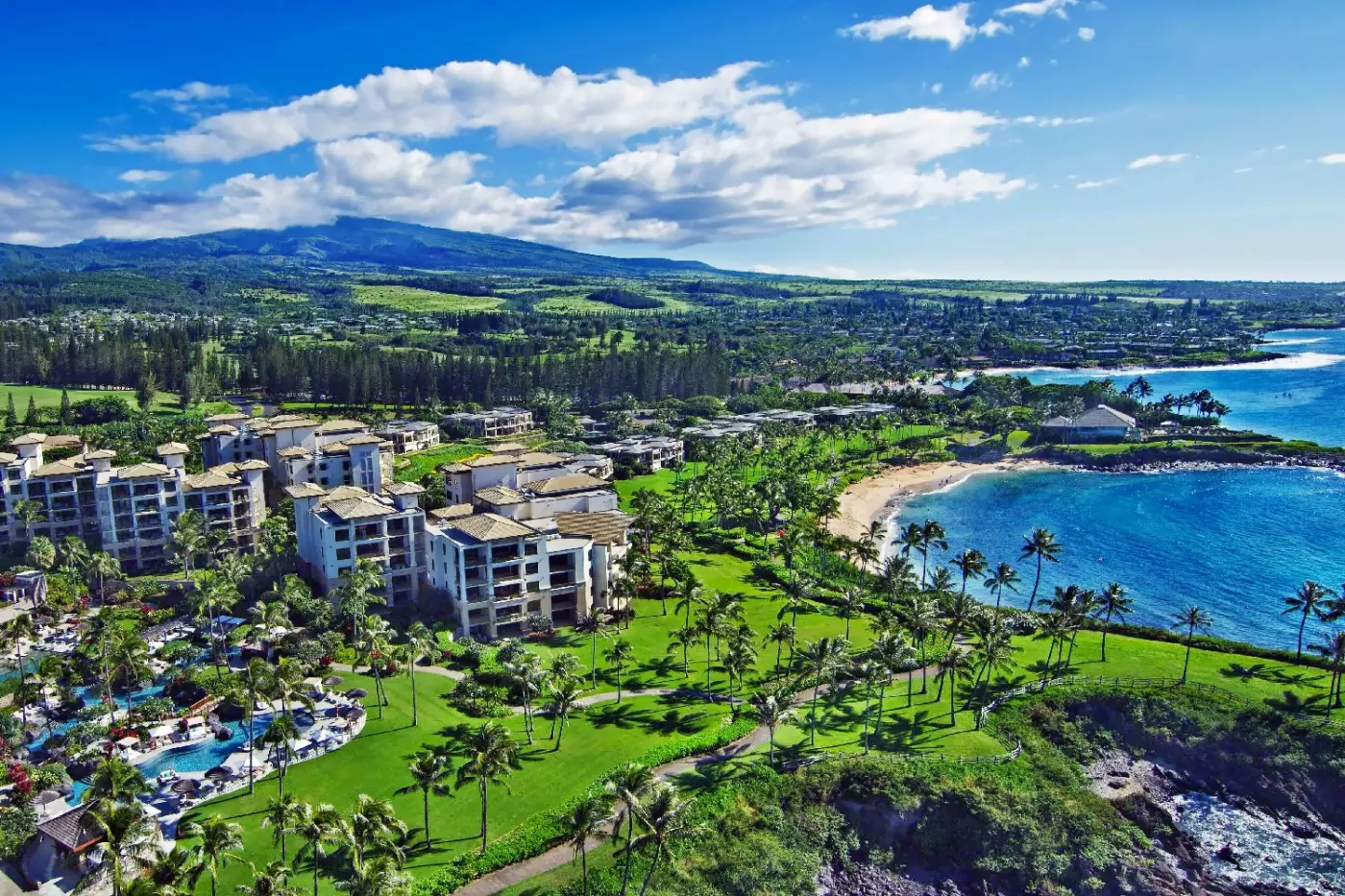
Prices From 1’144 USD
More amenities
The Resort at Kapalua Bay Maui is a luxury oceanfront resort on Maui's northwest coast, set above Kapalua Bay with views of t...
Reserved for You
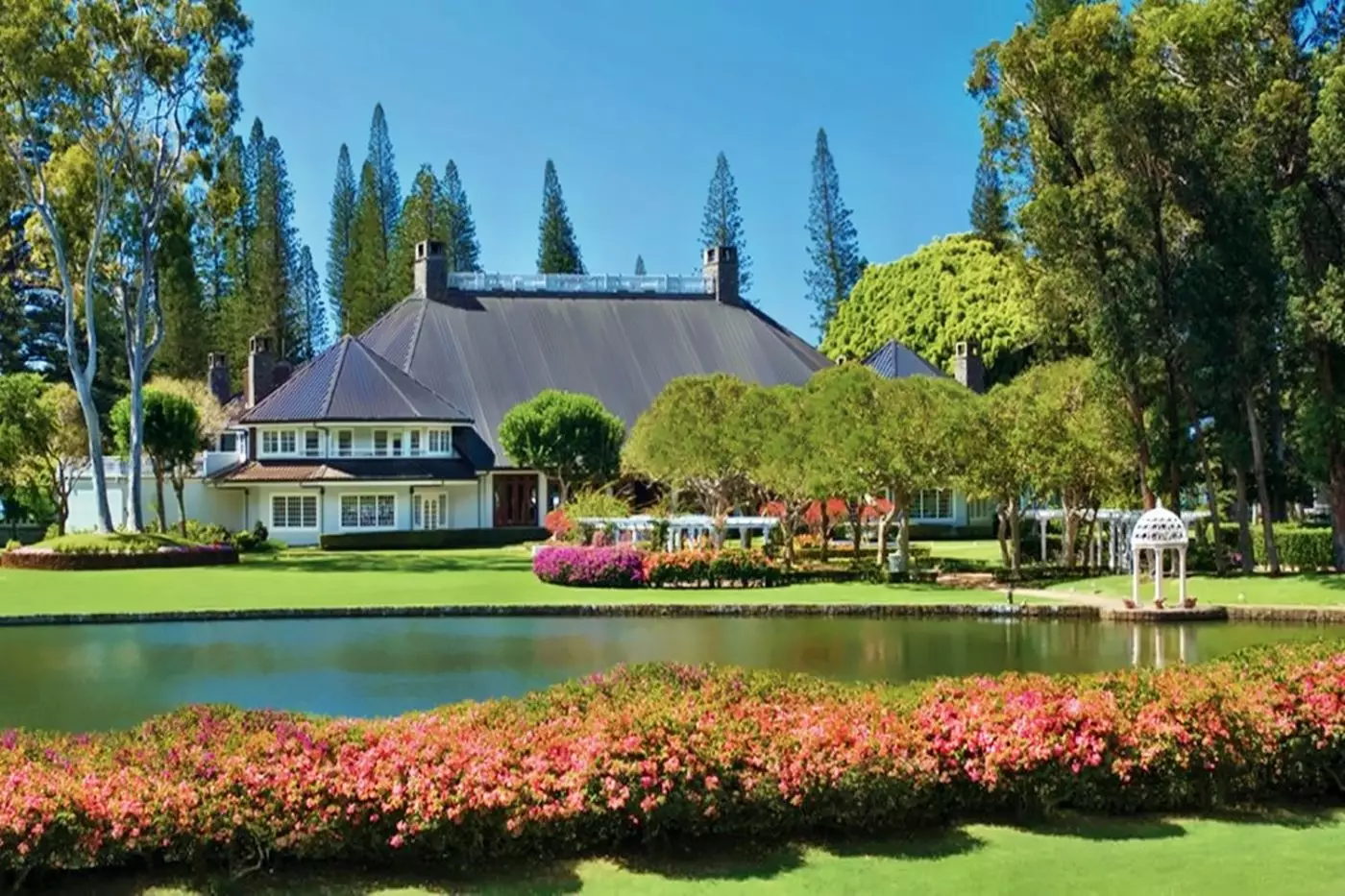
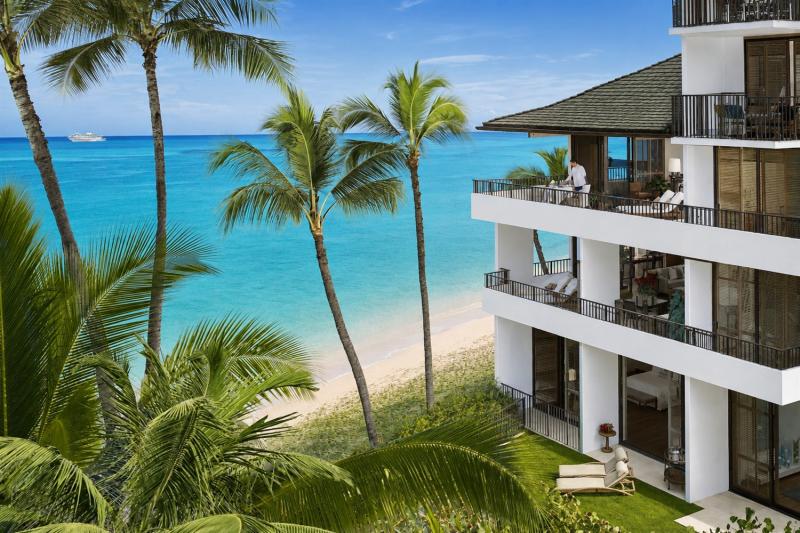
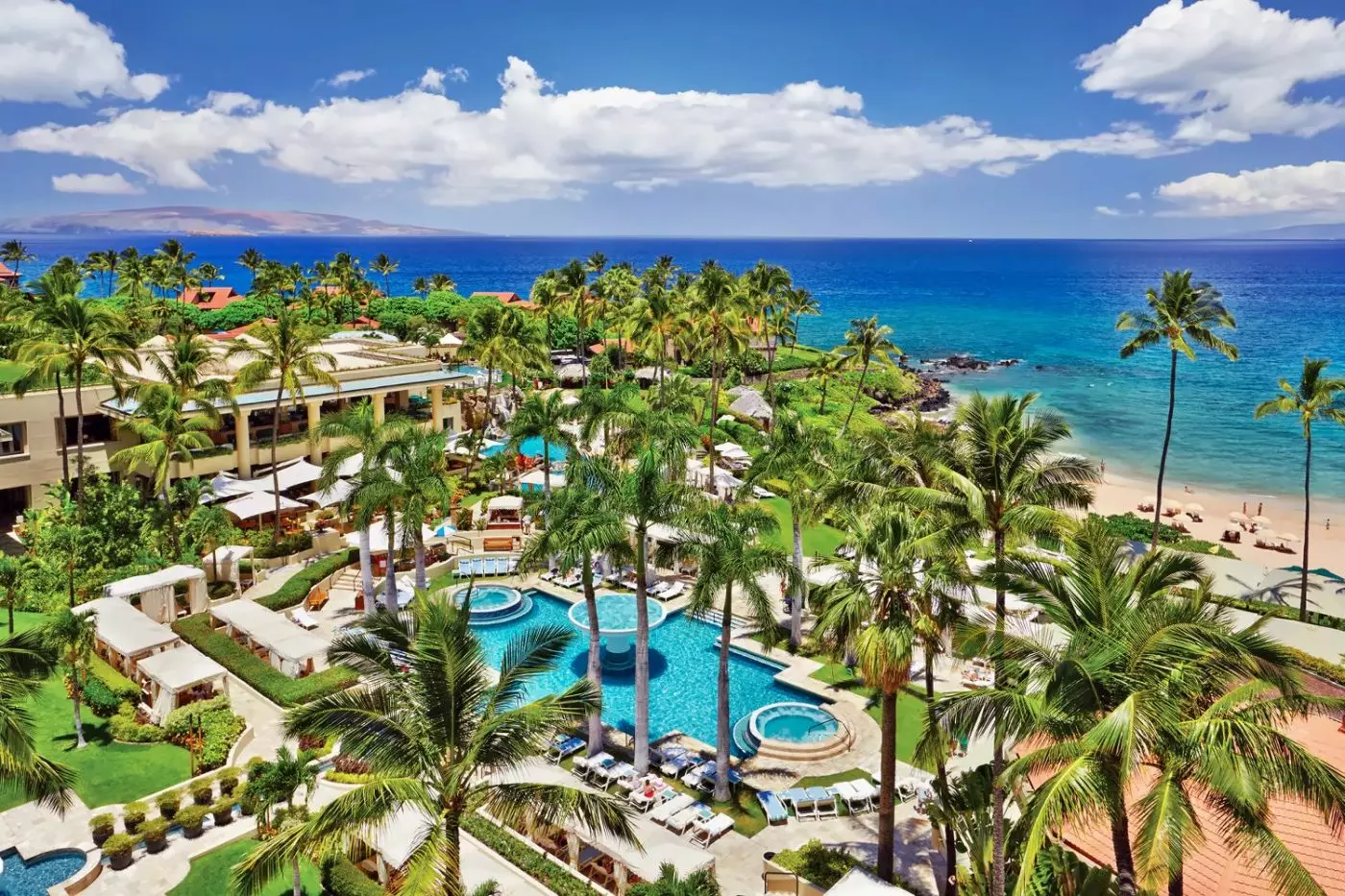
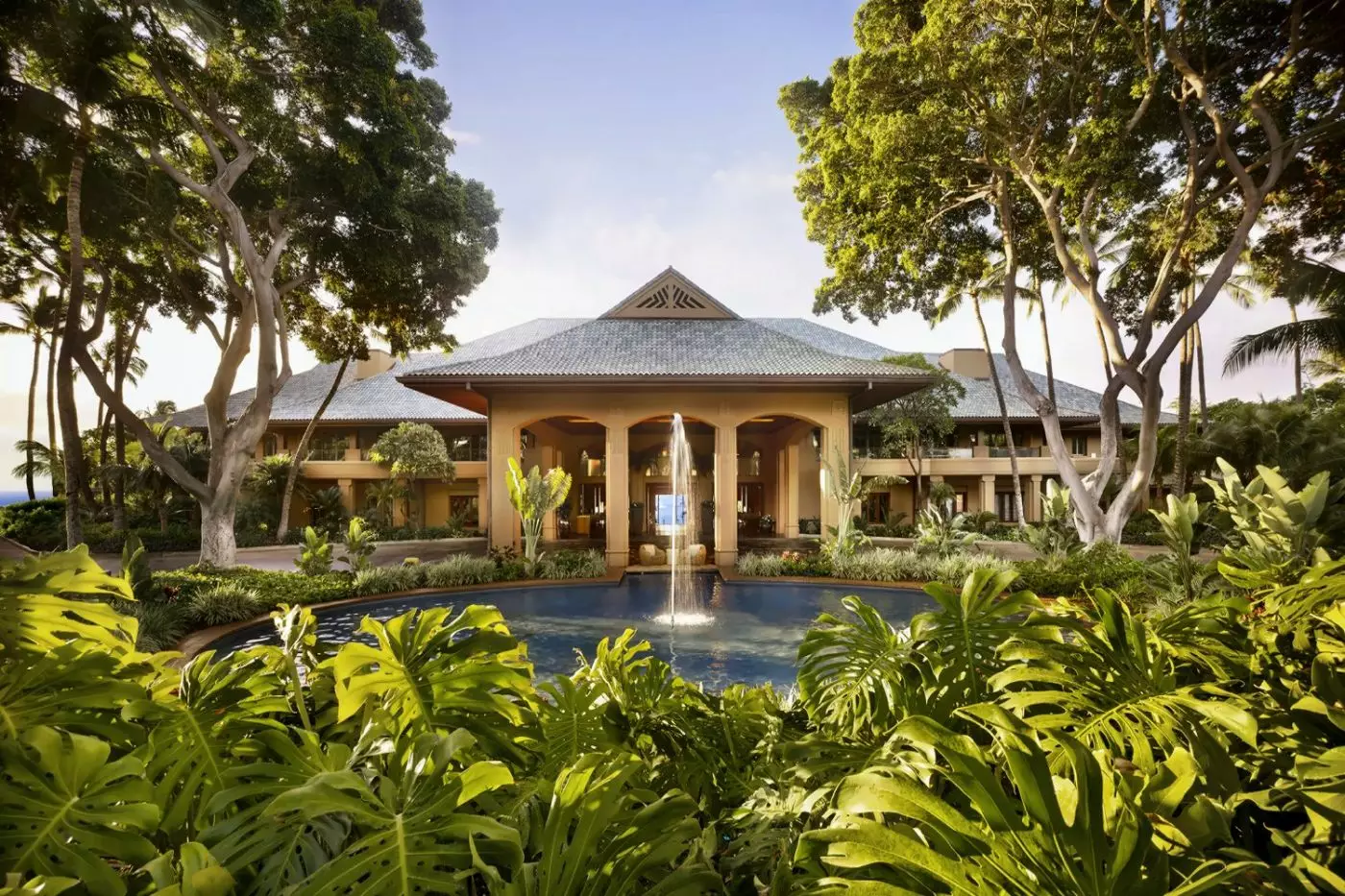
Waikiki makes sense when beach time is part of a wider Honolulu visit. Downtown and Chinatown add arts, dining and historic city landmarks, including Iolani Palace and the King Kamehameha I statue. Kapiolani Park offers another outdoor setting beside Waikiki. Choose this side of Oahu for a trip that moves between the coast and city experiences.
The North Shore creates a different base: Haleiwa's shops and local food, backcountry outings and the coast around Kahuku are the focus. Choose a North Shore stay if these northern landscapes are the reason for visiting, rather than fitting every outing around a return to Honolulu. A city stay and a northern coastal chapter can also share one island itinerary.
South Maui's Wailea and Kihei suit a coastal base, with Wailea adding golf to the resort landscape. Upcountry introduces another side of the island around Haleakala: Kula's farms and Makawao's art and cowboy heritage give inland outings a character of their own. Combine these settings for a Maui visit that includes more than a sequence of beach days.
Keep a coastal hotel as the base if the inland visits are occasional. Give Upcountry more of the itinerary when farms, galleries and the mountain landscape are central to the trip. The Maui hotel guide adds local stay choices.
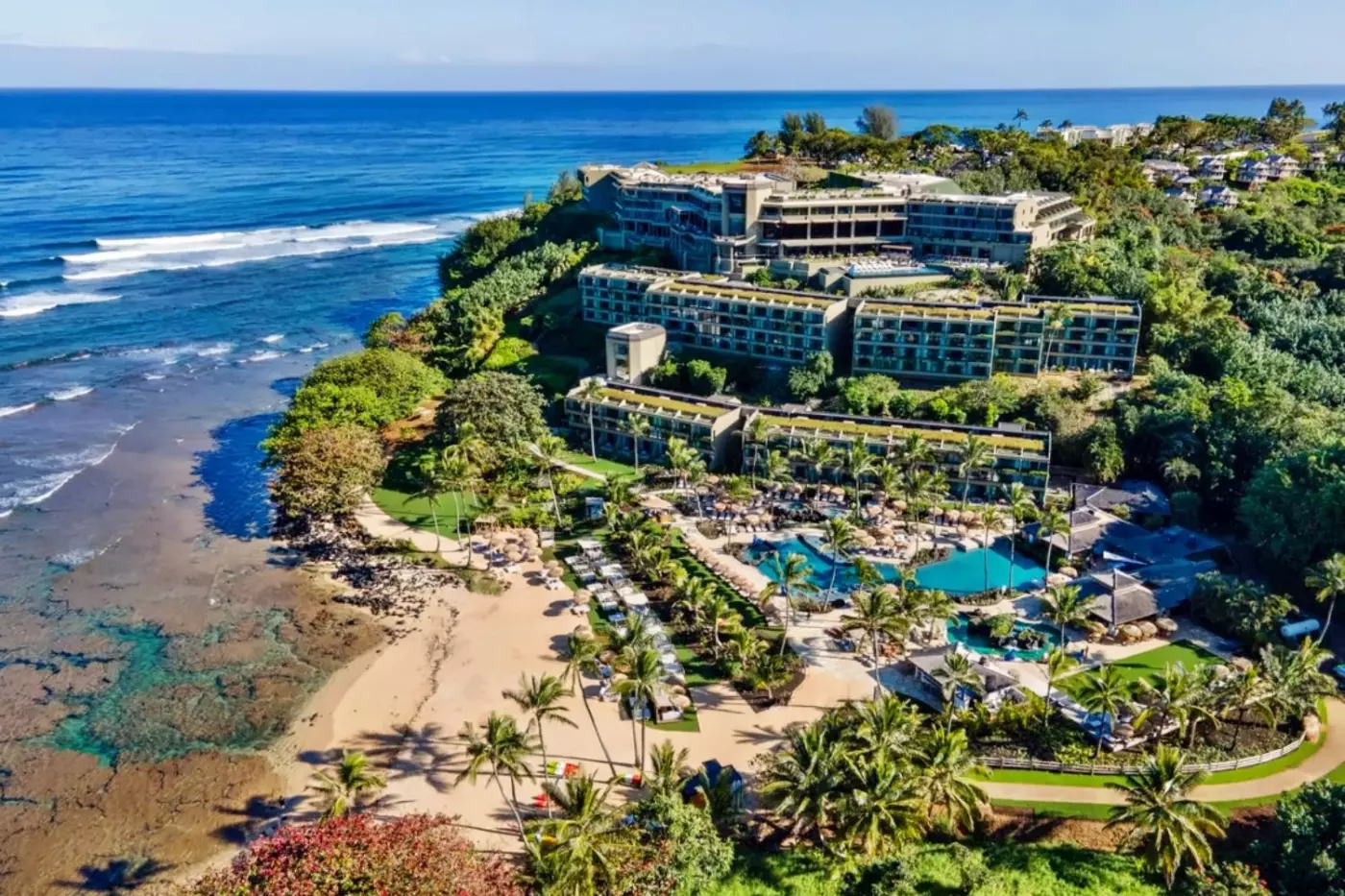
Princeville and Hanalei offer a northern base, while Poipu gives the stay a southern setting. Decide between them around the coast you want to experience and the outings that matter most. Kauai's west adds a distinct landscape chapter: Waimea town is a gateway to Waimea Canyon, and nearby Kokee State Park offers trails and elevated viewpoints.
Use the canyon and park as the reason for a western outing rather than treating Kauai as an interchangeable collection of beachfront addresses. A Honolulu and Kauai combination is especially useful when you want urban culture followed by an island visit built around landscape.
Hulopoe Bay on southern Lanai is the coastal option; Lanai City in the central highlands brings a small-town setting around Dole Park, with shops, dining and local art. Choose the coast when the bay is the focus, or an inland retreat when the quieter highland setting is part of the appeal.
The distinction is visible in the collection: Four Seasons Resort Lanai illustrates a Hulopoe base, while Sensei Lanai offers an inland wellness setting. These are different purposes for the island stay, rather than interchangeable rooms at the same beach. Lanai can add a quieter chapter to an Oahu city visit without requiring another busy sightseeing itinerary.
Hawaii Island rewards a regional plan. Kona and the Kohala coast offer western bases, while Hilo gives an eastern city setting. The island's wider itinerary can include historic Kailua Village, Hilo's gardens and markets, and the volcanic landscapes of Hawaii Volcanoes National Park. Choose the visits first, then decide whether one base or a west-and-east split serves them better.
Kona International Airport serves the west and Hilo International Airport the east, so the arrival and departure plan can support that split. A Maui and Hawaii Island journey also has a clear contrast: Maui's coastal resorts and upland farms followed by a larger island chapter centered on volcanic landscape and regional exploration.
Once the islands and stay areas are settled, compare the Hawaii hotel Offers.
May through October is the warmer summer season; November through April is winter, with the wettest months generally November through March. Conditions also vary across each island because mountains, elevation and the windward coast create different climates.
Choose the season around the activities you want. Winter can bring large surf to many north-facing shores, so a hotel with an ocean view is not automatically a winter swimming base.
Hawaii recognizes public shoreline access and transit through beach corridors for residents and visitors. A beachfront address therefore should not be read as exclusive ownership of the shore.
Separate the shoreline from the hotel experience when comparing stays: the value may lie in the room outlook, grounds, service and resort facilities. Use designated access routes rather than treating a public shore as permission to cross any private part of a property.
Choose around the beach you expect to use, your swimming ability and the daily conditions, not just a photograph of a bay. Shorebreak, currents and wave action can change; before entering the water, speak with a lifeguard and follow posted warnings.
For a stay centered on water activities, distinguish a hotel pool from an ocean-swimming plan and arrange snorkeling with qualified local professionals. Keep a flexible alternative for the day rather than assuming every beachfront hotel has a beach suitable for your intended activity.
For an Oahu and Kauai itinerary, two important examples are Diamond Head State Monument and Haena State Park. Check current park access and the reservation arrangements for your intended dates before fixing hotel nights. Nonresidents need entry reservations at Diamond Head; reserve parking as well if you arrive by car. Haena has visitor limits and advance entry arrangements, with parking reservations tied to the time slots purchased.
If one of these visits is central to the journey, coordinate the park reservation with the island stay. A hotel reservation does not secure park entry. For Haena, hiking beyond Hanakapiai Valley requires the separate Napali Coast camping permit, so decide whether you want a day visit or a more extensive trail plan.
Hawaii Regional Cuisine combines locally sourced island ingredients with the islands' varied cultural influences. Traditional Hawaiian food has its own roots in ingredients such as taro, breadfruit and fish; local comfort food also reflects the recipes brought by plantation-era communities.
Plan room in the trip for both a considered resort meal and food beyond the hotel. A visitor luau adds performance and a feast, but its food and entertainment can draw on several Polynesian cultures. Choose a meal for the cuisine and a luau for the particular cultural program, rather than treating the two as the same experience.