



Bahia del Duque
Prices From 338 USD
+4
More amenities
- Sauna
- Wellness
- Beach
- Golf
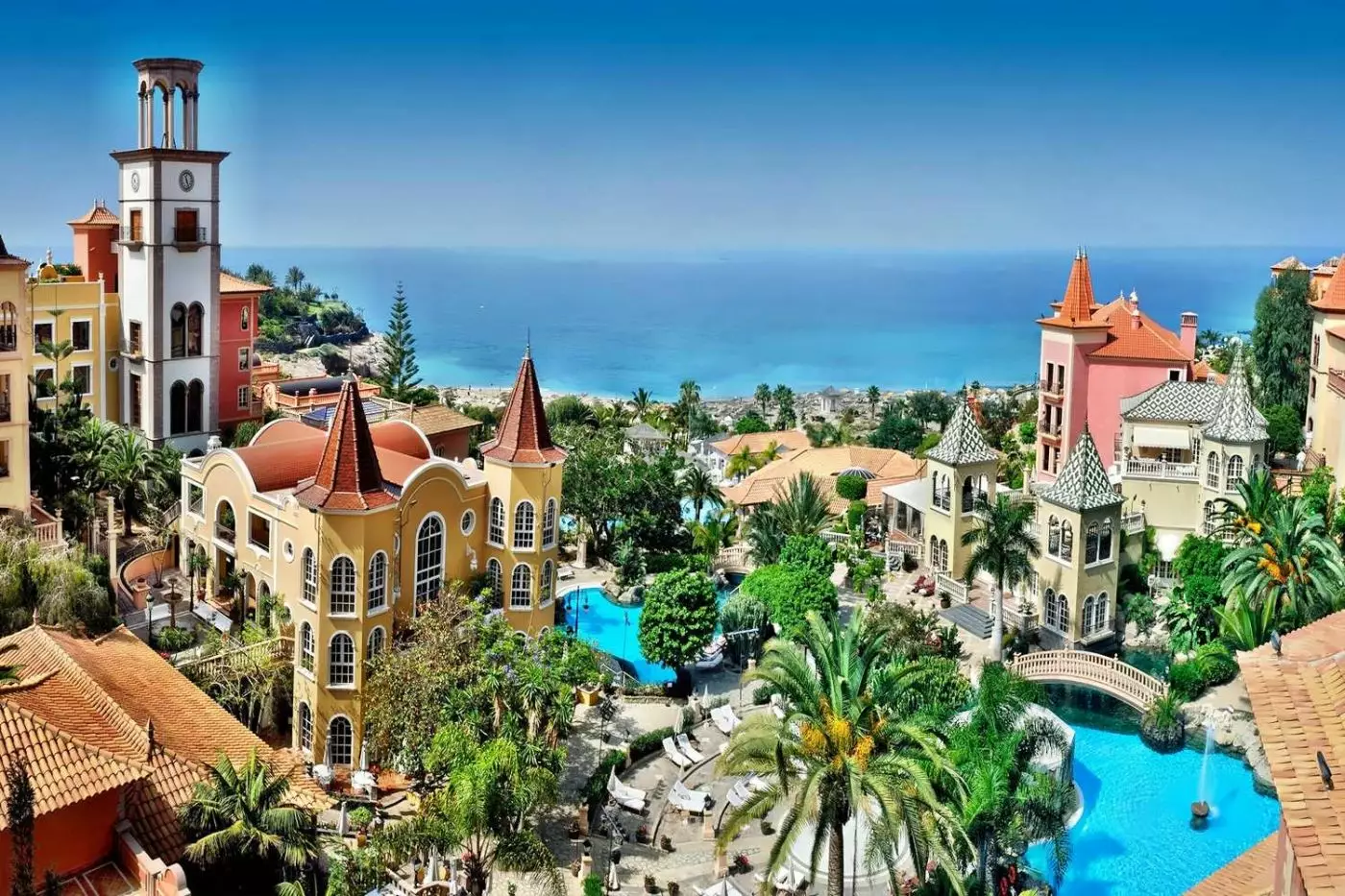
Bahia del Duque is a beachfront resort in Costa Adeje, Tenerife, with direct access to Playa del Duque. Part of The Tais Hote...
Please choose a hotel or destination from the list.
We couldn’t open your search results. Please try again.
Your private search
Finding exceptional stays
Spain rewards a journey shaped around the places you want to experience: Madrid's collections, Barcelona's architecture, Basque coastal culture, vineyard landscapes or an island village. Luxury hotels bring several settings to that journey, including historic city landmarks, restored estates and Atlantic resorts. Choose the regions and the purpose of each stop first, then compare the hotels that support those days.
Prices From 338 USD
More amenities
Bahia del Duque is a beachfront resort in Costa Adeje, Tenerife, with direct access to Playa del Duque. Part of The Tais Hote...
Prices From 1’543 USD
More amenities
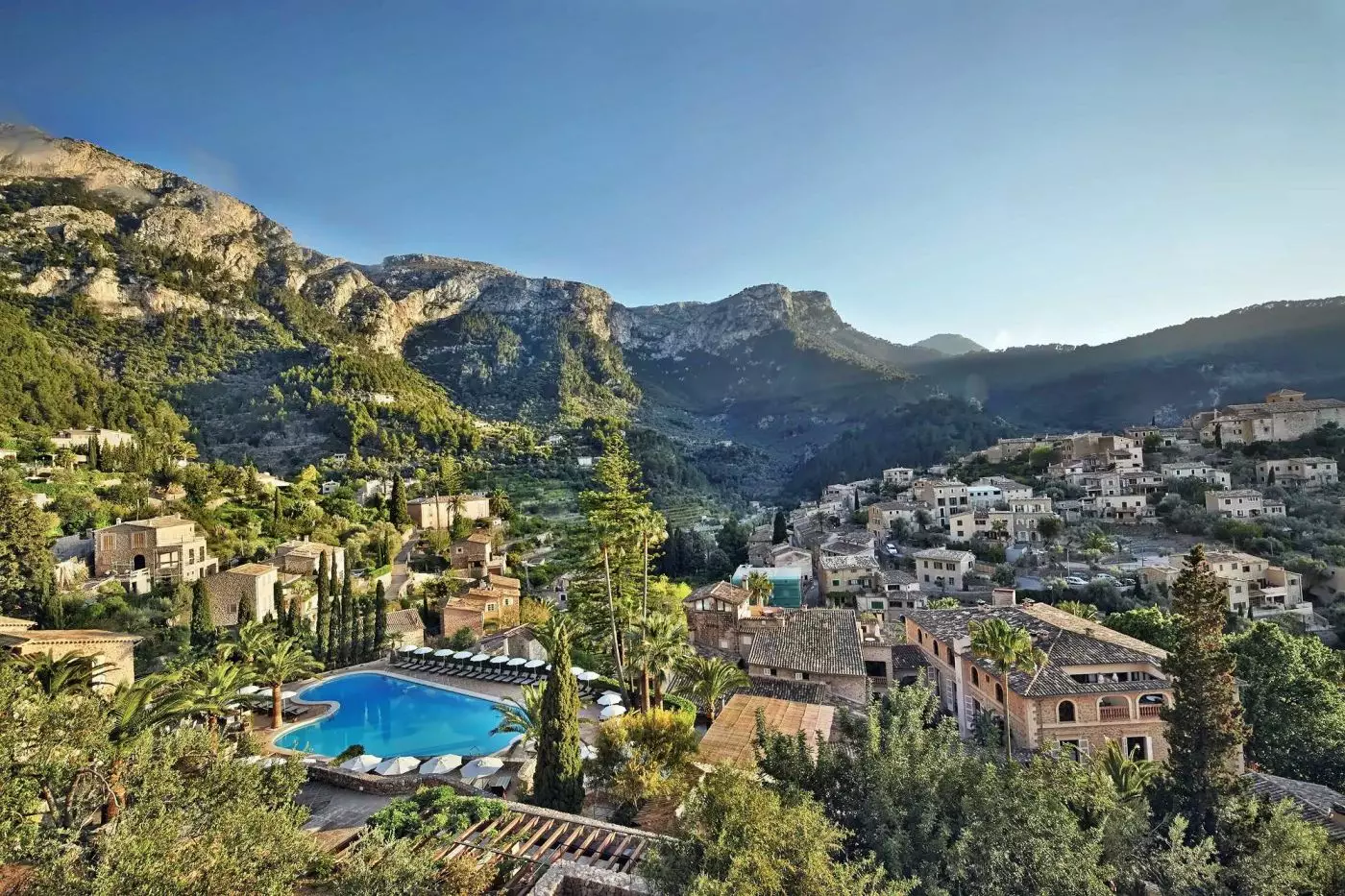
La Residencia, A Belmond Hotel, Mallorca is a manor-house hotel in Deià, beside the Tramuntana Mountains. Two historic houses...
Prices From 452 USD
More amenities
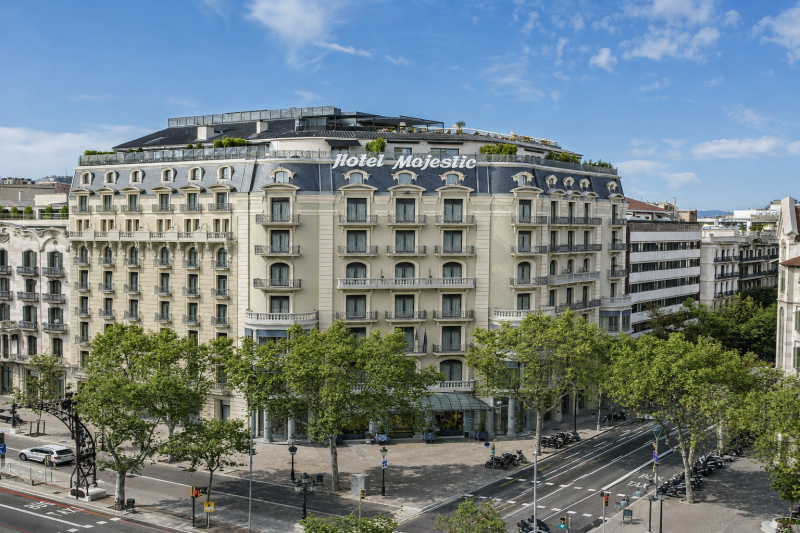
Majestic Hotel & Spa Barcelona has welcomed guests to Passeig de Gràcia since 1918. The Soldevila-Casals family's hotel pairs...

Prices From 869 USD
More amenities
Mandarin Oriental Ritz, Madrid is a Belle Époque palace hotel beside the Prado Museum. Its address, Plaza de la Lealtad 5, pl...
Prices From 442 USD
More amenities
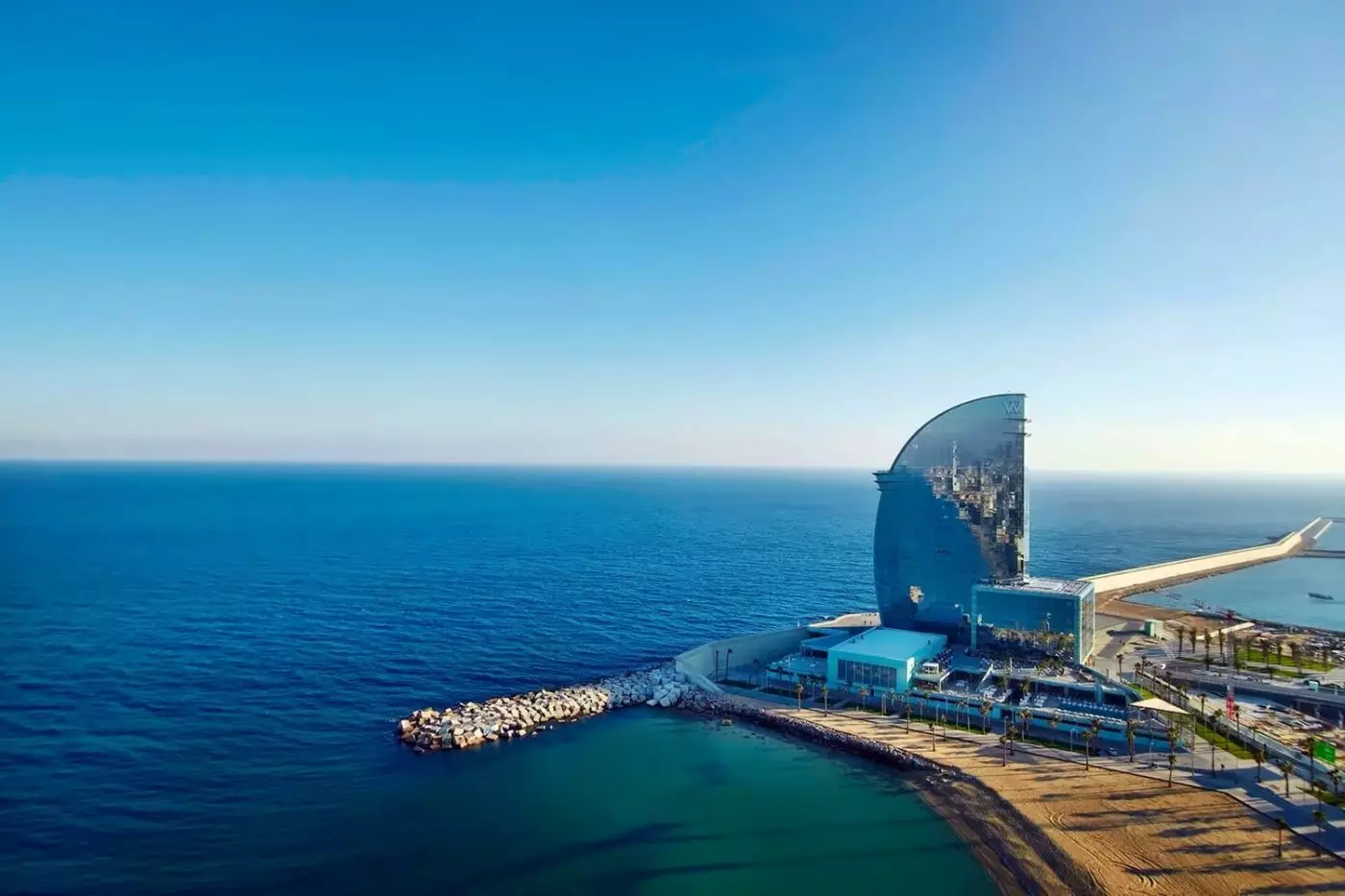
At the seaward end of Barceloneta, Ricardo Bofill's glass-sail tower places the Mediterranean on one side and Barcelona on th...
Prices From 930 USD
More amenities
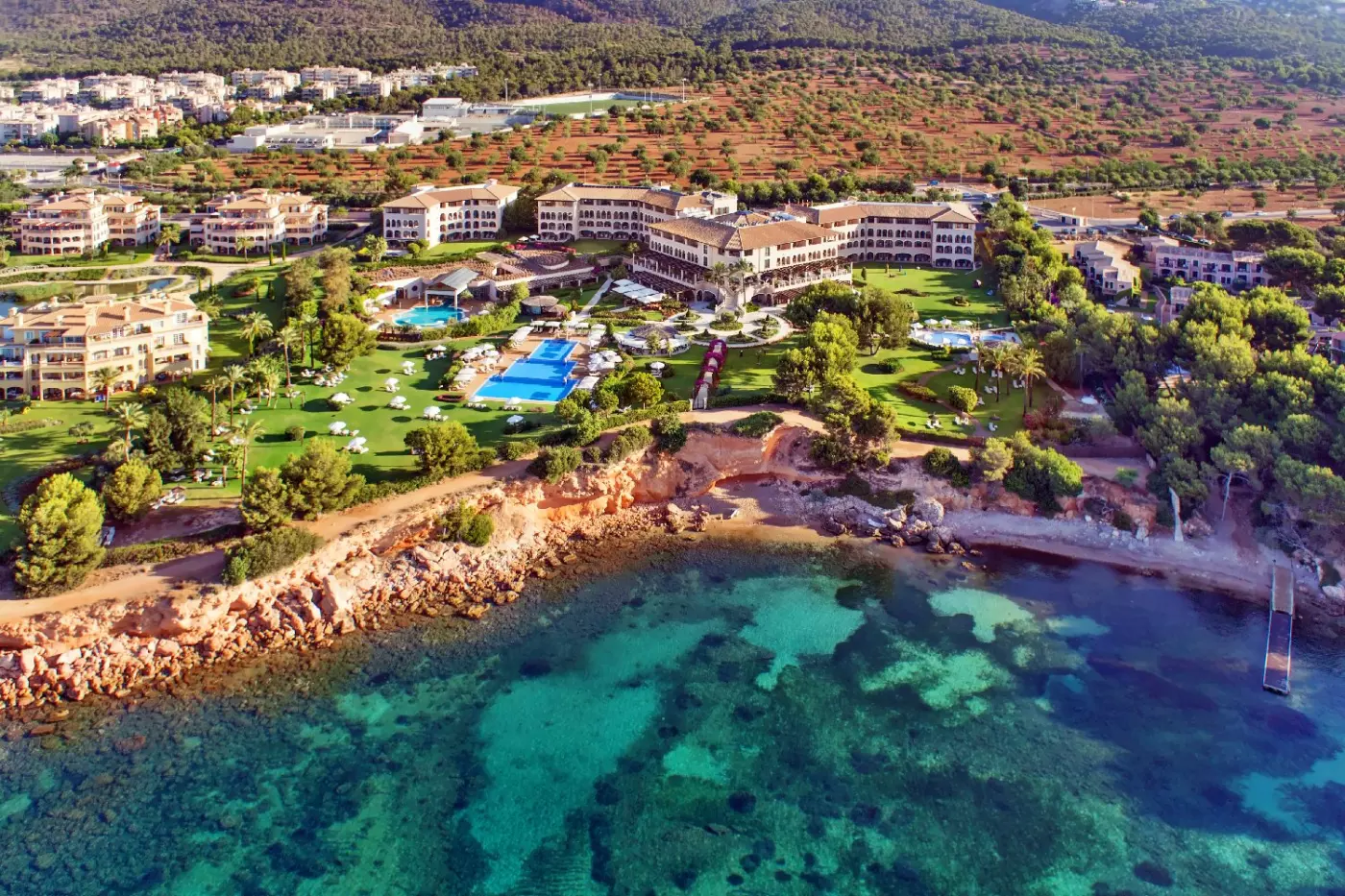
The St. Regis Mardavall Mallorca Resort occupies a seafront position in Costa d'en Blanes, where gardens and terracotta-color...

Prices From 192 USD
Across the street from the Guggenheim Museum Bilbao, The Artist Grand Hotel of Art places the city's most recognizable buildi...
Prices From 308 USD
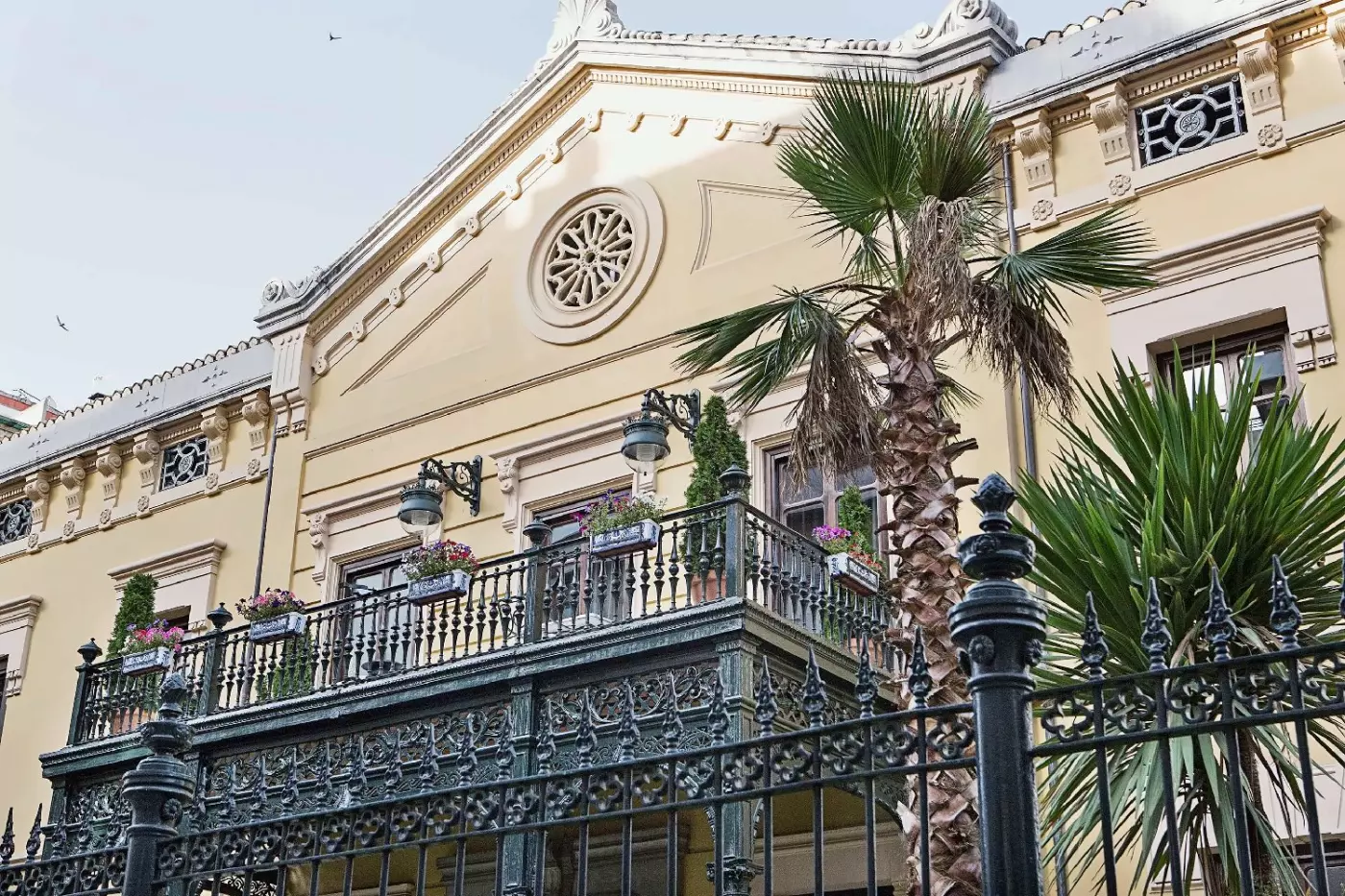
At Hospes Palacio de los Patos, a grand marble staircase and painted ceilings bring the character of a nineteenth-century Gra...
Prices From 221 USD
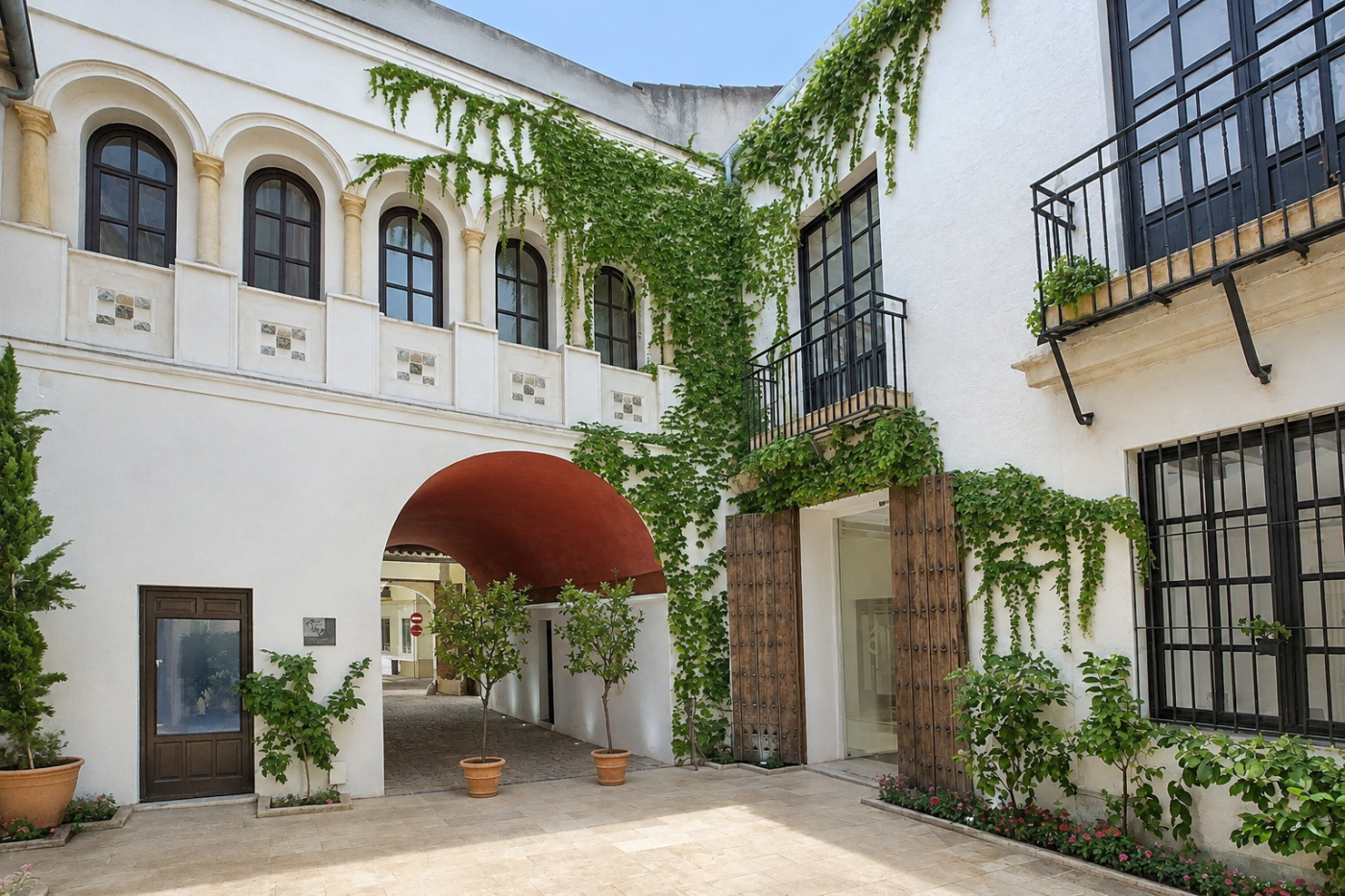
At Hospes Palacio del Bailío, a glass floor reveals the remains of a Roman house beneath the central courtyard. The ruins lie...
Reserved for You
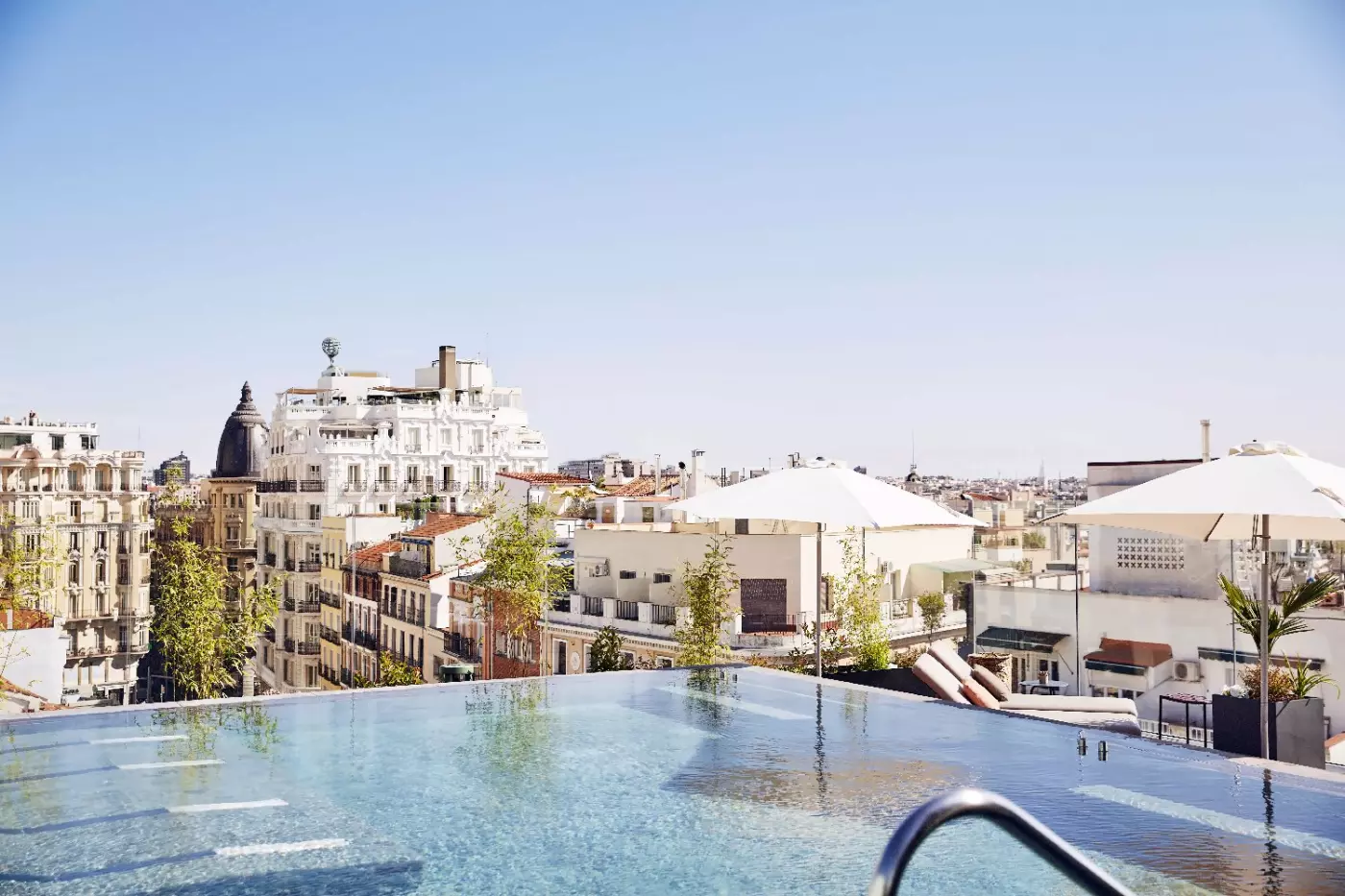
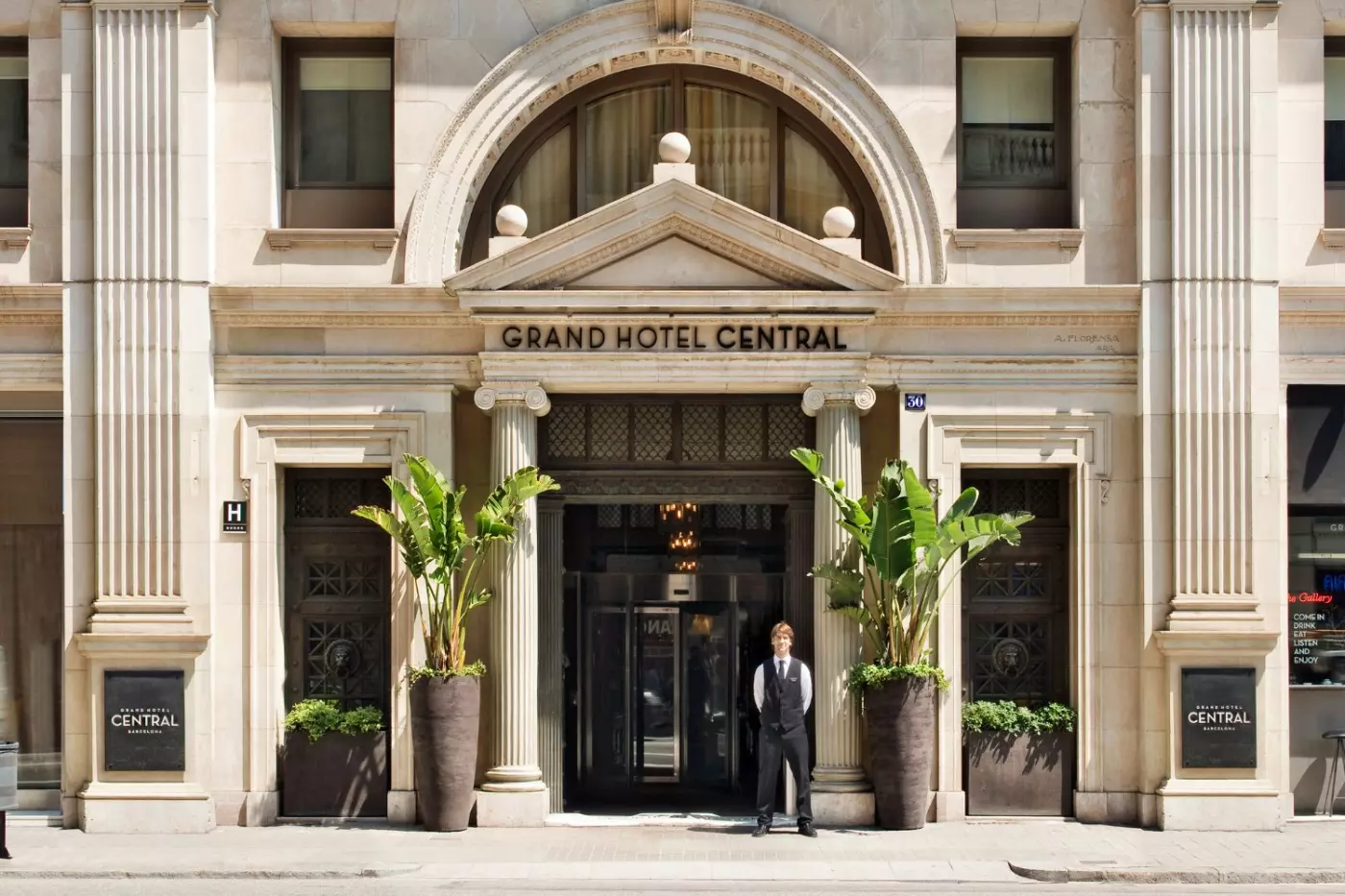

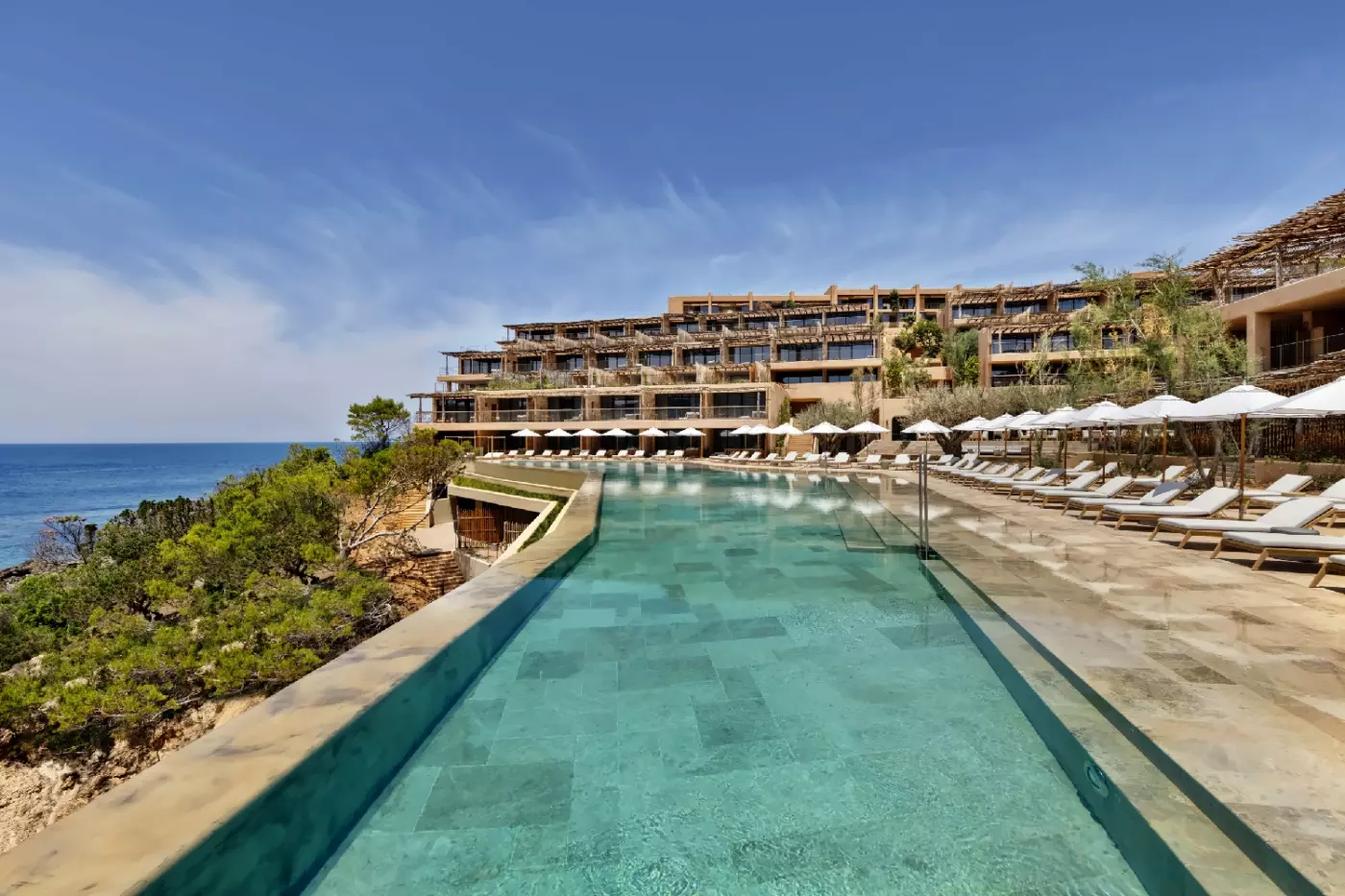

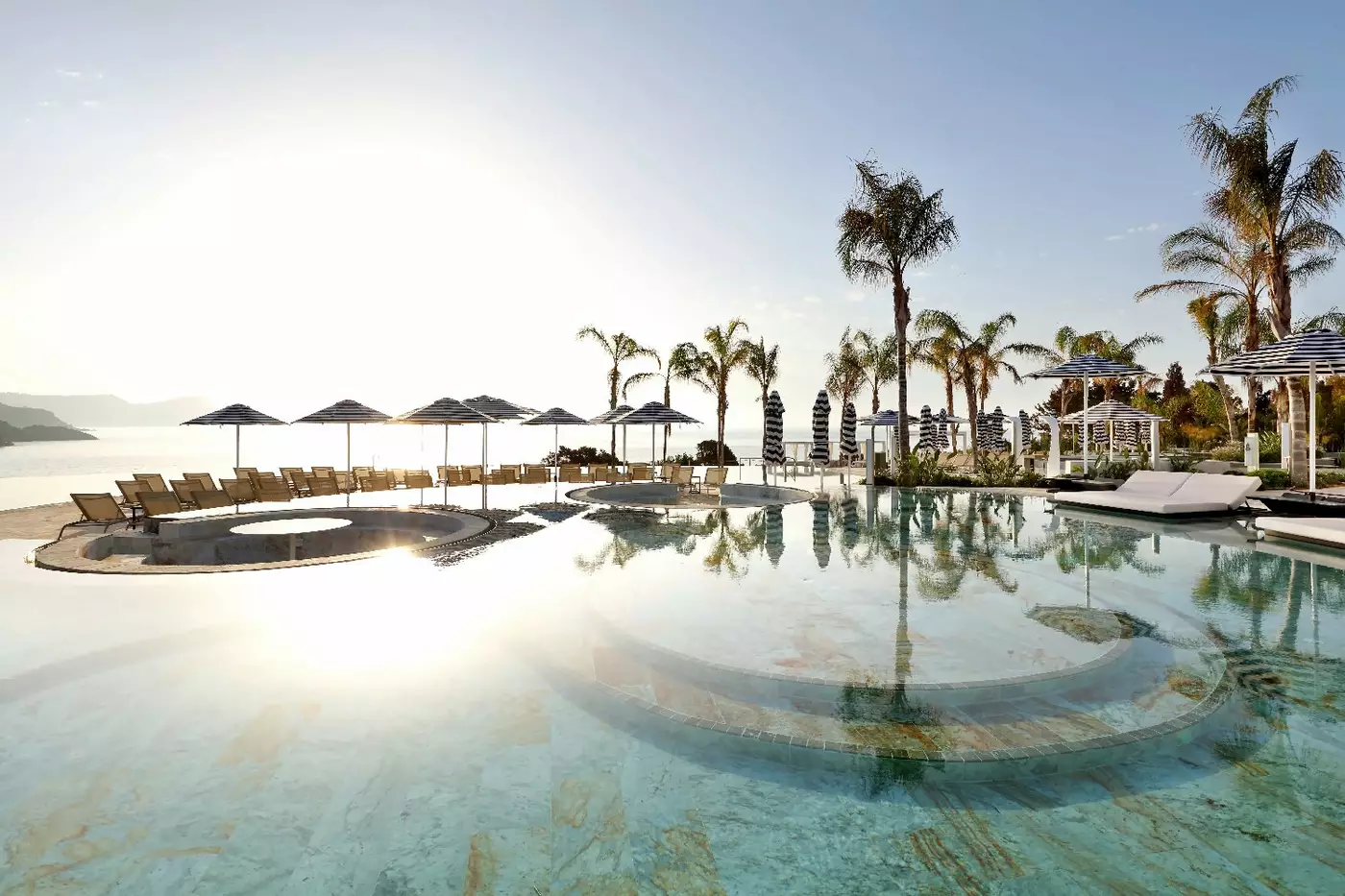
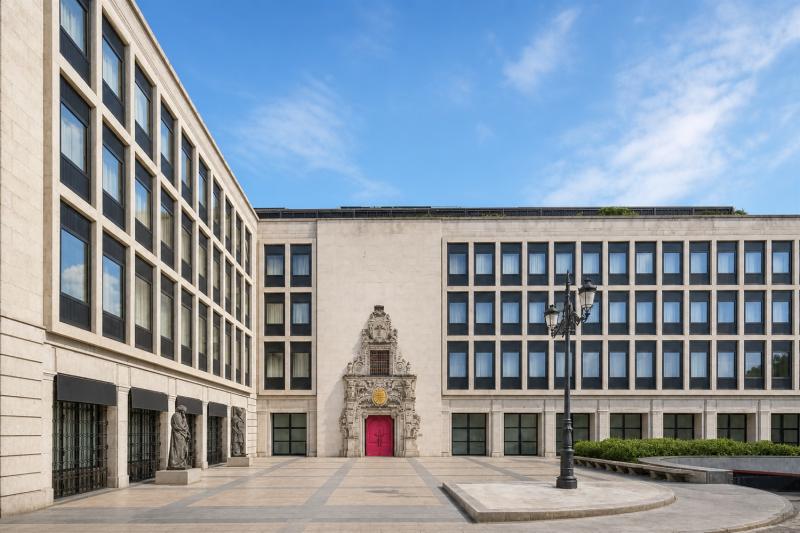
Madrid suits a stay centered on major collections and time in the capital's parks. The Prado, Thyssen and Retiro give the museum district a clear purpose for an art-led visit. A historic grand hotel such as Mandarin Oriental Ritz, Madrid adds another expression of that city heritage without determining the whole itinerary.
Barcelona gives architecture more of the day. Plan around the Gaudi buildings that interest you most, such as the Sagrada Familia or Casa Batllo, then leave room for the old town and Mediterranean seafront. This is a different cultural visit from moving between Madrid's galleries. High-speed rail connects Madrid Puerta de Atocha-Almudena Grandes with Barcelona Sants, so the two cities can form one itinerary. Settle the actual train and the local station journeys before booking tightly timed visits.
Bilbao's Guggenheim gives a northern trip a focus on contemporary art and architecture. San Sebastian offers another rhythm: a walk beside La Concha Bay, the old town and the San Telmo Museum, with its collections of Basque history, ethnography and art. Choose Bilbao when the museum is the principal reason to travel, or San Sebastian when coastal walks and the region's cultural history should share the day.
Elciego in Rioja Alavesa adds a vineyard chapter to either city stay. Frank Gehry's architecture at Hotel Marques de Riscal illustrates how modern design can sit within a wine destination. Arrange the winery visits you want around the stay, rather than treating the hotel address as a reservation for every tasting. This northern combination makes sense for the change from urban culture or the coast to wine country.
The vineyards around Sardon de Duero, near Valladolid, offer a separate inland choice. Abadia Retuerta LeDomaine occupies a restored twelfth-century Romanesque abbey, an example of Spain's historic estate stays. Its setting suits a journey in which rural surroundings and the character of the building matter as much as sightseeing. Rioja Alavesa and the Duero Valley are different regions; choose the wine-country stop that fits the wider route, rather than planning them as neighboring alternatives for one night.
Seville brings the Cathedral, Giralda and Real Alcazar into a concentrated cultural visit. Add time across the river in Triana for its ceramic traditions, or arrange a flamenco evening as a separate part of the stay. A guided heritage visit and an evening performance serve different purposes, so leave room for both instead of building the entire day around one monument.
The Madrid-Seville rail connection arrives at Sevilla Santa Justa. Granada can then become its own stop when the Alhambra is a reason for the journey, with the onward travel planned separately. This sequence connects the capital's art collections with two different Andalusian cities; it does not depend on every stop offering the same grand-hotel experience.
In Mallorca, the Serra de Tramuntana combines a mountain landscape with villages, cultivated terraces and dry-stone work. Deia is a useful setting for a stay shaped around that cultural landscape. La Residencia illustrates the village retreat; Cala Deia is a separate outing, so compare a village base with a beachfront stay according to how you want to spend the days. Select walks and excursions for your interests and walking level, rather than assuming every mountain route suits every traveler.
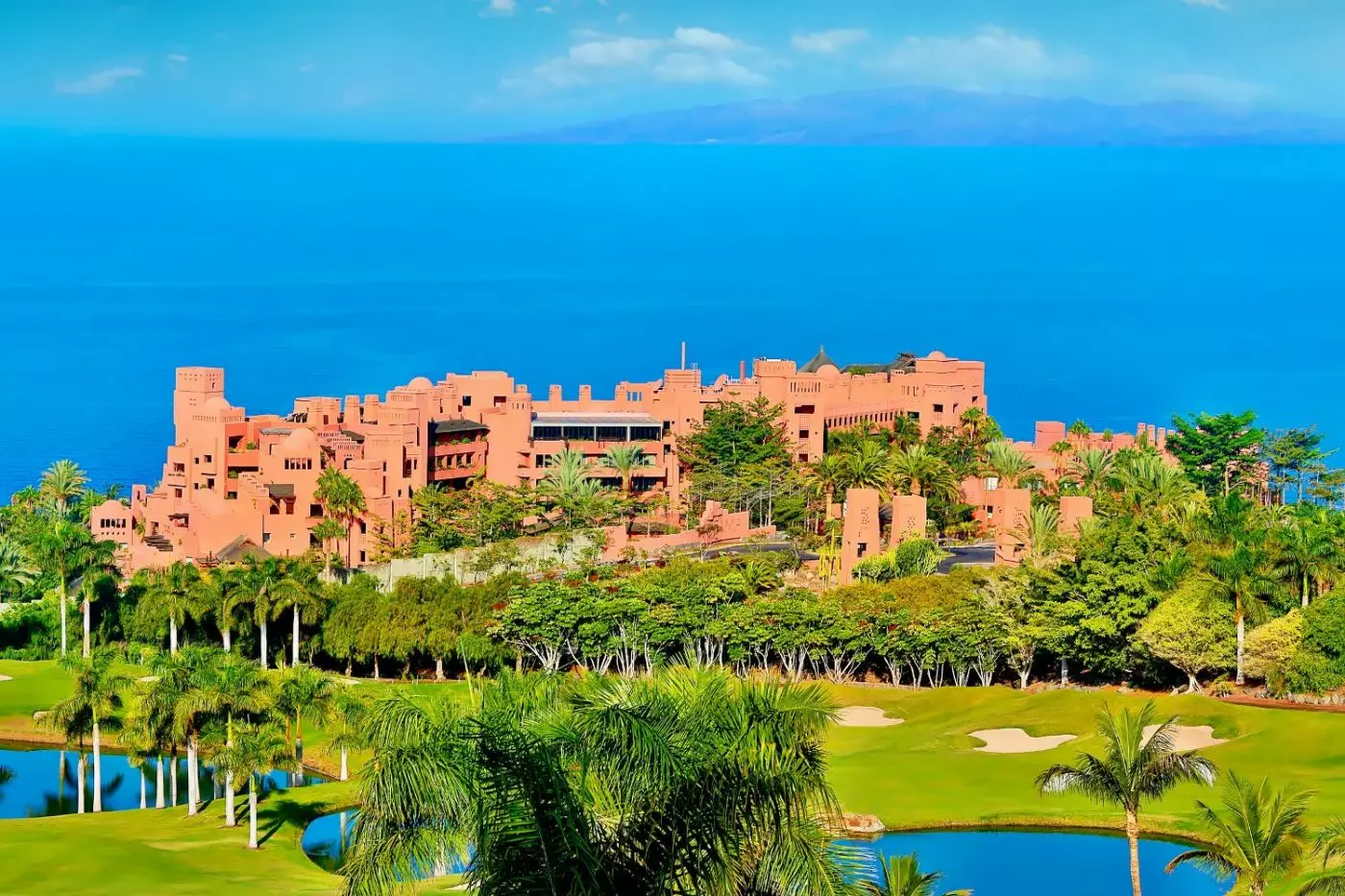
Costa Adeje in Tenerife gives the island chapter a different focus. Playa del Duque brings the Atlantic shore into the stay, with Bahia del Duque an example of the coastal-resort setting. Choose this style when time by the shore should anchor the visit; Mallorca's Tramuntana villages serve a different purpose. The setting matters more than using an island hotel simply as another stop on a city itinerary.
If the Alhambra is central to the journey, check the official ticket service before fixing your Granada hotel dates. Entry to the Nasrid Palaces is tied to the time printed on the ticket, and the visit date and time cannot be changed after purchase. Build your arrival around that appointment, then explore the Granada hotel collection for the stay around it.
For city walks and cultural touring, spring and autumn are useful starting points because temperatures are generally milder. Inland and southern Spain can be much hotter in summer; the north has cooler summer conditions and can still receive rain. The Canary Islands have a different winter climate from the mainland and suit a search for a milder-weather island stay. Match the season to the region and activities, then check the forecast; these patterns do not guarantee beach weather or pool conditions.
Yes. Mainland connections to the Balearics include Barcelona, Valencia and Denia, while mainland-Canary crossings depart from Cadiz or Huelva and are substantially longer journeys. Formentera has no airport, so the final arrival is by boat. Choose the actual departure and arrival ports before comparing a sea journey with a flight, and check the sailing for your date; an island name alone does not identify the terminal or crossing.
Low-emission zones, known as ZBE, can restrict vehicle access in Spanish cities. The permitted vehicles and local conditions are set for the destination rather than by one universal visitor rule. Before taking a rental car into a city, check the municipal restrictions and the vehicle's environmental classification with the rental company. For a foreign-registered car, also check how its classification corresponds to Spain's labels; a hotel reservation does not settle those road-access requirements.
MICHELIN Keys recognize the hotel stay, while MICHELIN Stars recognize restaurant cooking; the selections are independent. At Abadia Retuerta LeDomaine, compare the accommodation with a meal at Refectorio, where local and seasonal produce shapes the cooking. A hotel Key does not establish a Star for every restaurant there. Check the current hotel and restaurant distinctions separately, then choose the stay and dining experience that fit your trip.
Restaurant lunch service commonly falls between 1 pm and 4 pm, with dinner often from 8 pm onward. These are broad Spanish patterns, not the hours of every dining room. If you prefer an earlier evening meal, check the actual restaurant's service before reserving the hotel, particularly when traveling with children. Reserve the dining experiences that matter separately from the room; tapas earlier in the day and a later dinner can also suit a relaxed Spanish rhythm.