



Hotel Maria Cristina San Sebastian
Prices From 525 USD
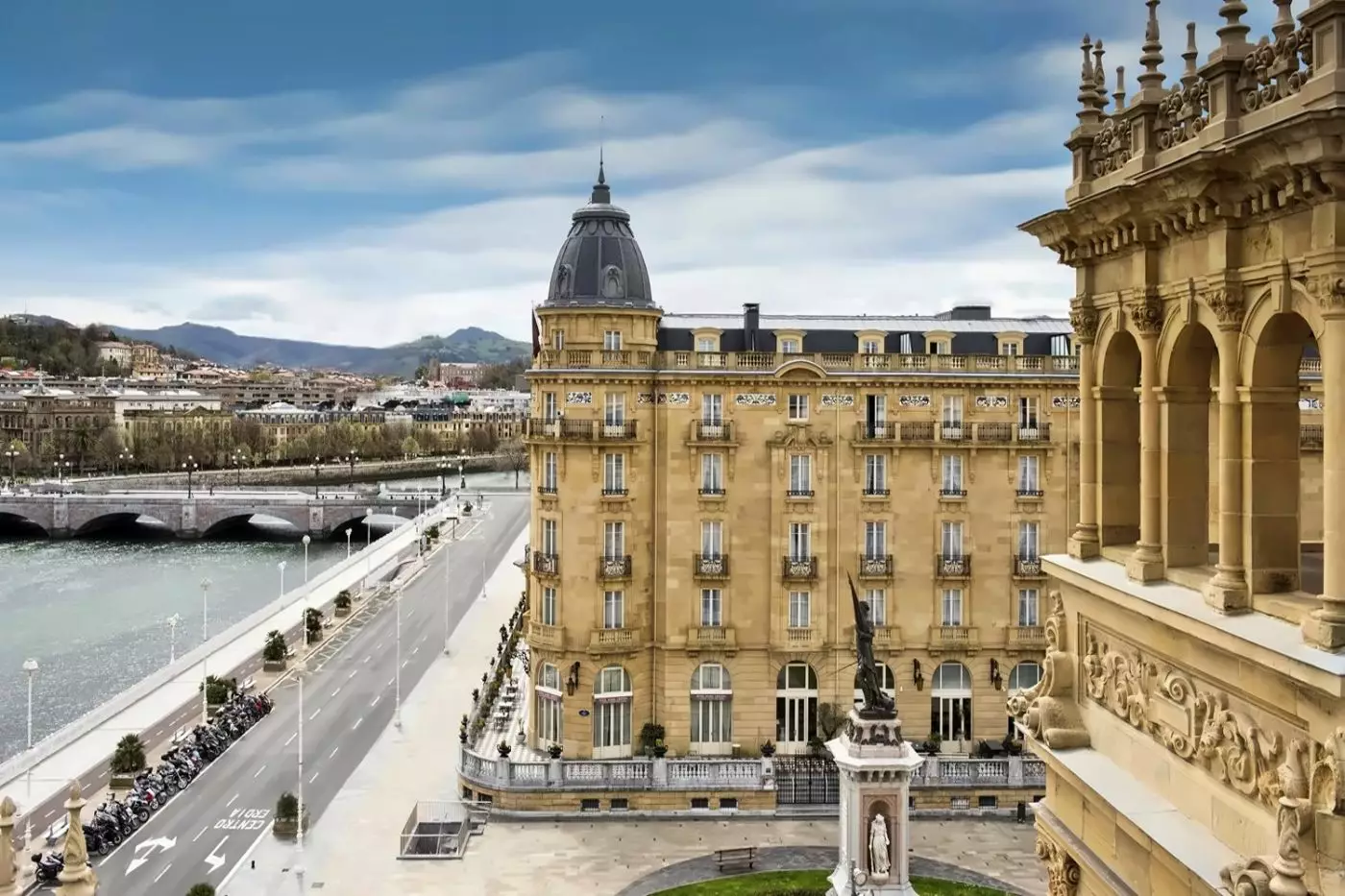
Hotel Maria Cristina San Sebastian is one of the great Belle Epoque hotels of the Basque coast. It stands beside the Urumea R...
Please choose a hotel or destination from the list.
We couldn’t open your search results. Please try again.
Your private search
Finding exceptional stays
San Sebastián, or Donostia, combines a bay-front city with a strong Basque cultural identity. The old town, the Urumea riverfront and the streets of Gros offer different ways to enjoy a stay. Choose a hotel around the daily atmosphere you want, then let meals, walks and cultural visits give the journey its shape. The city deserves time beyond a single celebrated dinner.
Prices From 525 USD
Hotel Maria Cristina San Sebastian is one of the great Belle Epoque hotels of the Basque coast. It stands beside the Urumea R...
Prices From 521 USD
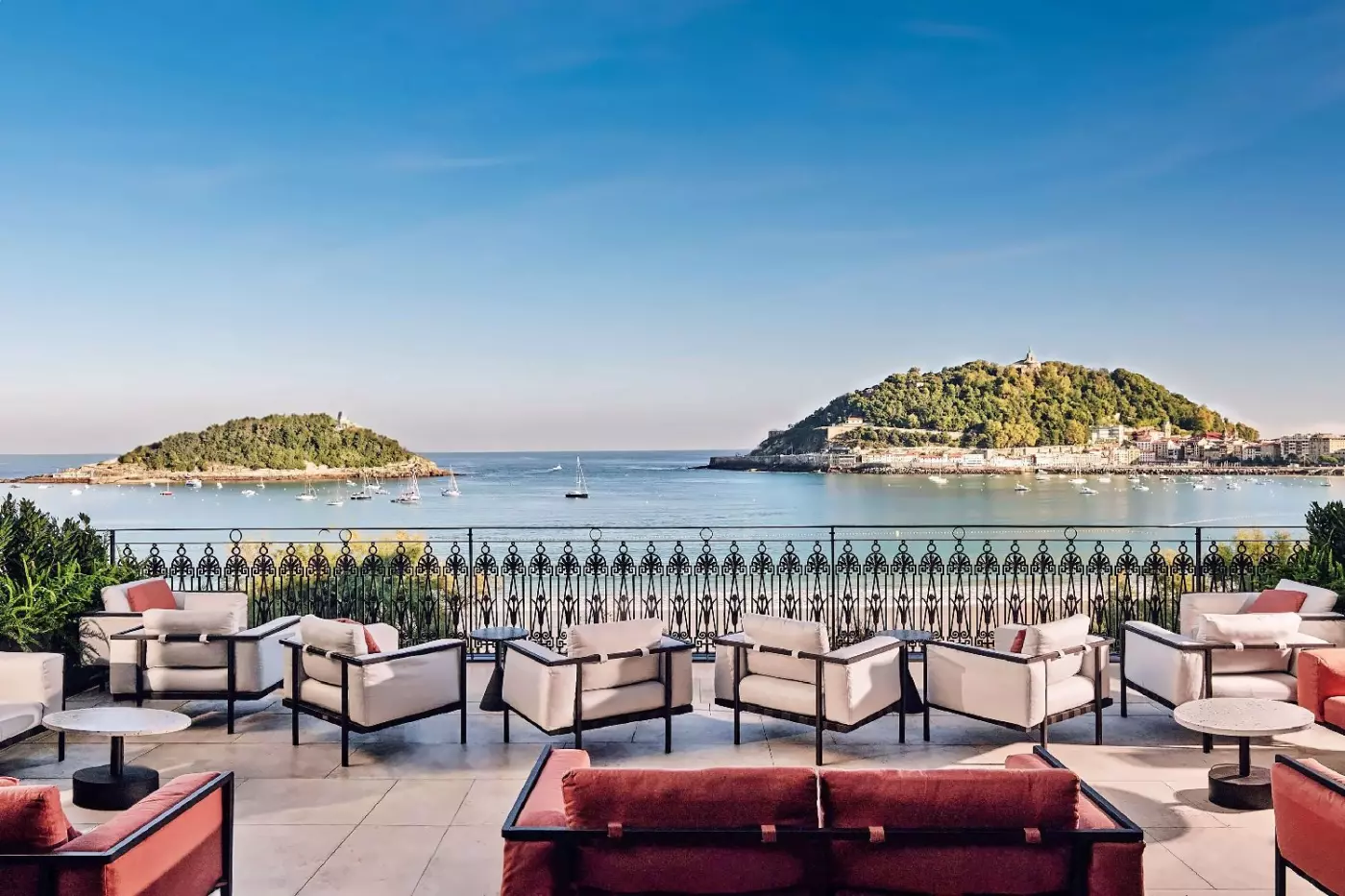
Nobu Hotel San Sebastian occupies a 1912 villa on the Miraconcha promenade, facing La Concha Bay. Its small collection of roo...
La Concha provides the city’s familiar bay and promenade setting, while the Urumea gives another relationship with the water. Hotel María Cristina stands beside the river, bringing a Belle Époque hotel identity to the choice. Its setting illustrates why a water view should be understood precisely rather than treated as a promise that every hotel sits on the same beach.
The Parte Vieja brings narrow streets and a concentration of pintxos bars, making food part of exploring the city. Give the area time to unfold rather than treating it only as a list of places to eat. A meal can anchor the outing without requiring every hour to revolve around another reservation.
Gros offers a different street experience beside Zurriola, adding another side to the visit. Its relationship with the beach makes it a useful contrast with the Parte Vieja. Compare those street settings when deciding whether the focus of your stay is the old town or another part of the waterfront.
Our Spain destination guide helps place San Sebastián within a wider route. Use that wider context to compare the Basque city experience with the other Spanish settings you want to see. Food, urban neighborhoods and coastal art give this part of the journey its own subjects.
Zurriola, beside Gros, is the city’s well-known surf beach. It offers a different coastal atmosphere from La Concha. Choose the setting around the experience you want rather than assuming the city’s named beaches are interchangeable.
Eduardo Chillida’s steel sculptures sit where the city meets the sea. They give a coastal walk an artistic subject, not simply another viewpoint. Choose time to appreciate the relationship between sculpture and landscape rather than treating the work only as a photograph.
It gives a museum visit a distinct Basque cultural subject. Include it when you want context beyond the city’s food reputation and seafront image. A thoughtful visit can add depth without requiring every afternoon to become a long sequence of institutions.
The hill combines paths, fortifications and views, revealing a defensive history alongside the landscape. Choose it for that combination rather than assuming every elevated city outing has the same purpose. Give the route the attention appropriate to a hill walk.
They are the Basque and Spanish names used for the same city. Recognizing both helps make sense of local signs and cultural references. The two names do not indicate that a hotel belongs to another resort or a different coastal town.