



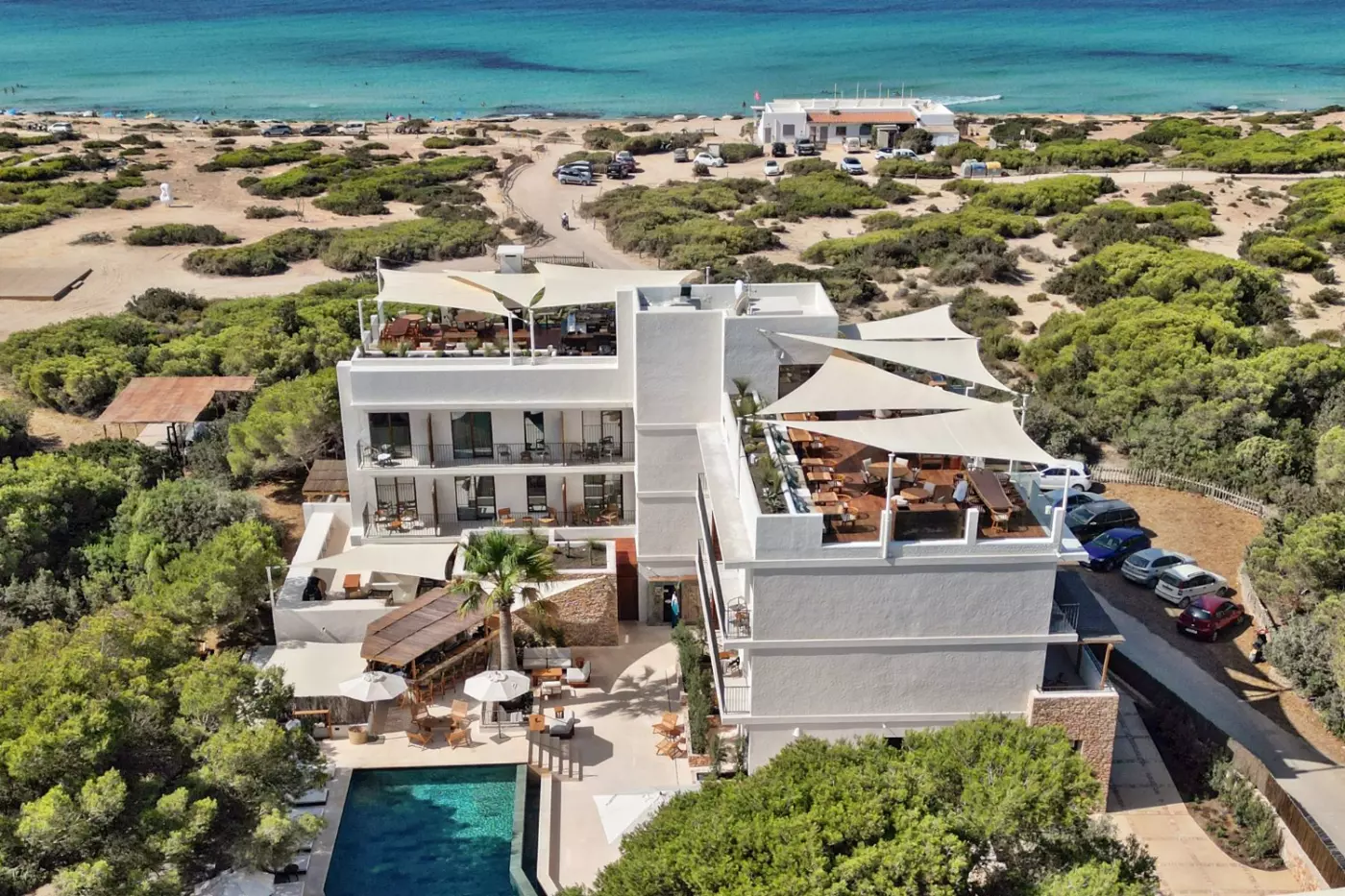
Teranka Formentera
Prices From 728 USD
Teranka Formentera is a small island hotel near Playa Migjorn, shaped by pine trees, dunes, sea air, and a slower Balearic rh...
Please choose a hotel or destination from the list.
We couldn’t open your search results. Please try again.
Your private search
Finding exceptional stays
Formentera’s small scale rewards choosing a base with care. A stay along Migjorn can leave the sea close at hand while making the villages and the raised landscape of La Mola worthwhile outings. Decide how you want the days to feel before collecting beaches on a map. The accommodation, the immediate shoreline and the space between excursions can be the substance of the holiday.
Prices From 728 USD
Teranka Formentera is a small island hotel near Playa Migjorn, shaped by pine trees, dunes, sea air, and a slower Balearic rh...
Prices From 868 USD
More amenities
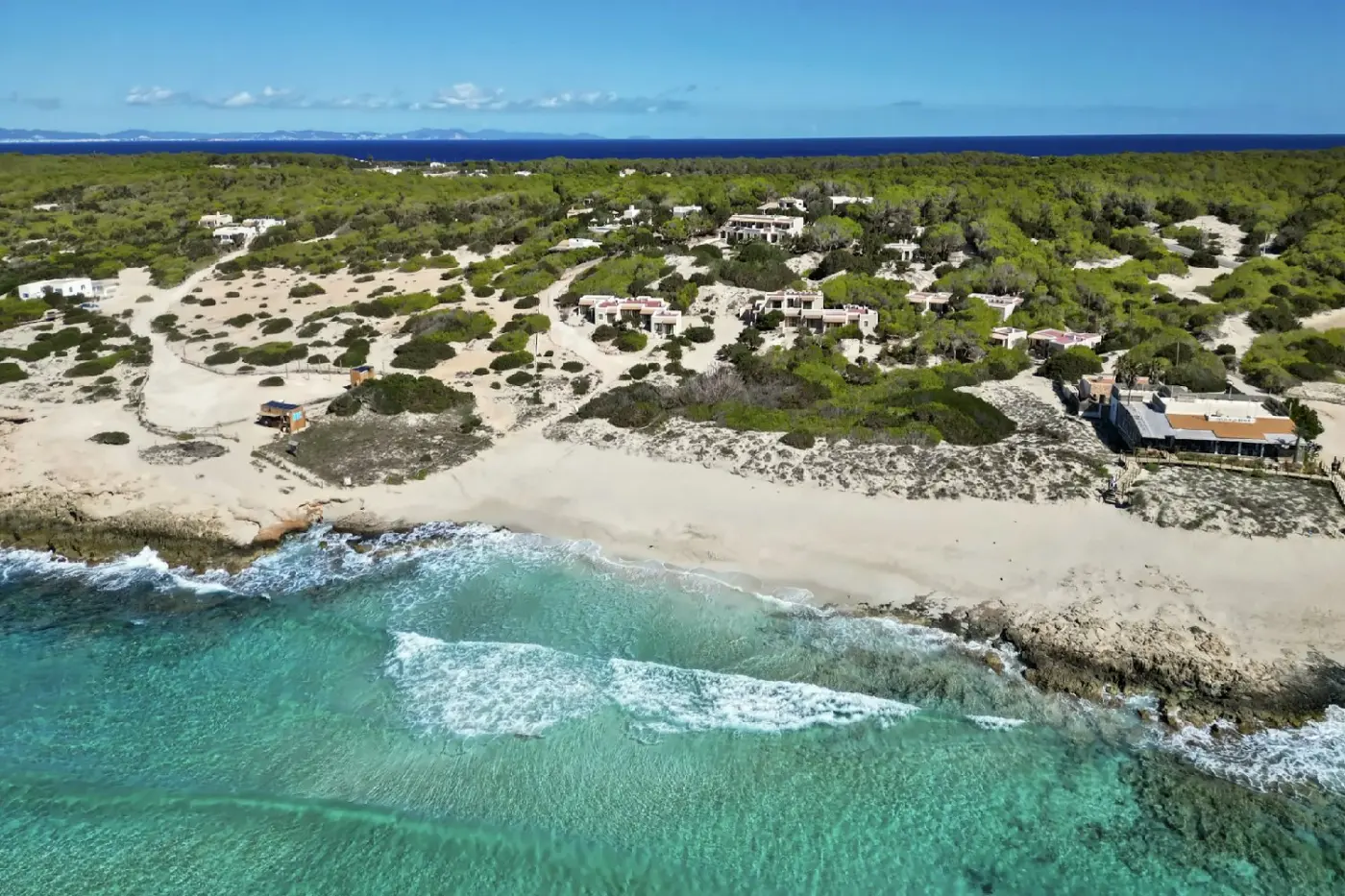
Dunas de Formentera spreads through the dunes behind Migjorn Beach, with 45 rooms and suites close to the Mediterranean. The...
Migjorn names Formentera’s southern coast, where sandy and rocky stretches form a sequence rather than one identical beach. The variation between sand and rock is part of this coastal landscape.
Teranka sits among pines and dunes near Playa des Arenals, combining the local landscape with a small-hotel setting. Dunas de Formentera also places the dunes of Migjorn at the center of the stay. Consider how each accommodation relates to the surroundings, and decide whether the room’s outlook, private space or easy return after an afternoon outside matters most to you.
Sant Francesc Xavier is the island’s capital, with its fortified church beside the central square and a small urban setting of shops, bars and restaurants. A visit gives a beach stay a different scale. Go with time for the square and a meal rather than treating the village only as somewhere to pass through on the way to another coast.
The higher ground toward La Mola provides another perspective on the island. Its landscape differs from the lower coastal areas, and the approach can help make sense of Formentera’s shape. Choose an outing for that contrast with the lower shore.
Formentera’s green routes create opportunities to move through a landscape of small roads and paths, with different routes linking villages, countryside and coast. Pick the actual route for the kind of outing you want. A short coastal pause and a longer inland circuit need different plans, even on a relatively compact island.
For a wider Balearic or Spanish journey, use our Spain destination guide to choose a genuinely complementary stop.
Posidonia oceanica forms seagrass meadows that help sustain the island’s marine environment and clear coastal waters. It is part of the living landscape rather than an incidental feature beneath it. An interest in the sea here can include understanding that habitat as well as enjoying the shore.
No. The southern coast has several named stretches and access points. Use the exact location of the accommodation when imagining your daily walk to the shore, rather than assuming that all hotels under the Migjorn name share one immediate setting.
Ca Na Costa is a megalithic burial site dating to around 2000 BCE. Large upright slabs form a circular chamber, surrounded by concentric paved rings and radial stones, with a corridor leading toward the centre. Choose it for an interest in prehistoric construction and burial traditions: its carefully ordered geometry gives a very different historical subject from the island's later churches and coastal towers.
This eighteenth-century grain mill preserves the machinery that turned wind power into flour production. Its cylindrical stone tower, conical roof and six sails stand near El Pilar de la Mola, on the eastern plateau. Choose the mill for an interest in how island agriculture worked, with the gears and grinding stones giving a concrete link between the rural landscape and bread-making.
Estany Pudent, in the island's north, is the principal wetland birding setting. The Es Brolls path follows much of the lagoon, with freshwater springs supporting vegetation used by nesting birds. Flamingos, black-winged stilts and shelducks are among the species recorded here. Choose a lagoon-side walk for that wetland habitat, allowing the birds and their surroundings to set the interest.