



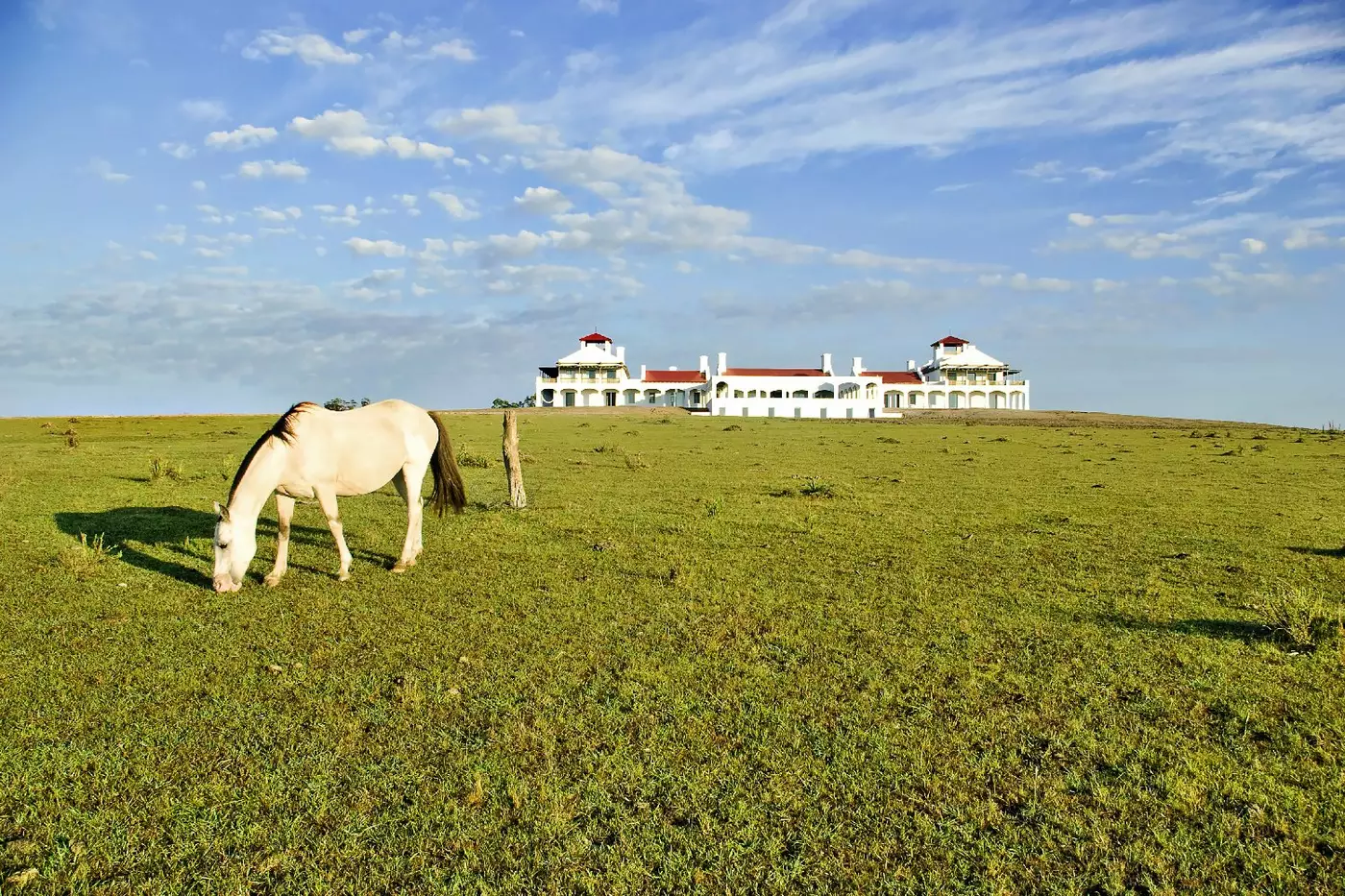
Estancia Vik Jose Ignacio
Prices From 550 USD
+3
More amenities
- Sauna
- Beach
- Sustainable
Contemporary Uruguayan art runs through daily life at Estancia Vik José Ignacio, from the suites to the room where the barbec...
Please choose a hotel or destination from the list.
We couldn’t open your search results. Please try again.
Your private search
Finding exceptional stays
Camino Saiz Martínez leads the hotel search into José Ignacio's countryside. Estancia Vik gives this setting an art-led ranch character, with the Atlantic coast forming another part of the local journey.
Prices From 550 USD
More amenities
Contemporary Uruguayan art runs through daily life at Estancia Vik José Ignacio, from the suites to the room where the barbec...
Estancia Vik José Ignacio sits on Camino Eugenio Saiz Martínez. Contemporary work and a ranch setting create a different experience from the same group's beachfront retreats. Keep the actual address clear when choosing between those accommodation settings.
José Ignacio's fishing-village setting and Atlantic beaches add a coastal subject to the countryside visit. Playa Brava lies east of the lighthouse, with rock formations and a stronger-wave character. Playa Mansa is on the western side of José Ignacio. Keep those names distinct when discussing which part of the coast you want to explore.
A coastal walk can focus on the rocky shoreline around the Brava side, while the western beach gives another geographical reference for an outing. Choose the shore for the landscape you want to see, keeping the actual conditions separate from what a beach name suggests.
The José Ignacio lighthouse first shone on 1 June 1877 to help prevent shipwrecks. Its keeper and his family were among the area's earliest settled inhabitants. That history gives the coastal visit a subject beyond the scenery: the relationship between navigation, a dangerous shore and the beginnings of a permanent community.
Choose the lighthouse as a historical interest when that coastal story matters to you. It offers a different cultural focus from the contemporary work at the estancia. An interest in the building's history does not establish a particular opportunity to enter or climb it.
An art-focused stay rewards looking slowly. Ask for context to the work that interests you and give yourself time to notice how it relates to the building and surroundings. The point is not to reproduce a museum itinerary inside a hotel, but to let the art become part of the experience of being there.
Within a wider Uruguay journey, compare this countryside setting with the atmosphere another stop would add. Plan that combination around the actual route.
An asado brings Uruguayan grilling traditions into the meal. It adds a local food perspective to a rural visit, distinct from an afternoon centred on art or nature. Choose it because that culinary tradition interests you, rather than treating it as another sightseeing appointment.
Rafael Viñoly's circular bridge is a distinctive piece of architecture over the lagoon. It offers a different focus from the hotel or beach: consider it as part of an outing interested in the relationship between design and landscape.
No. Pueblo Garzón is a rural settlement with its own station, chapel and agricultural context. Choose the village for that inland character rather than expecting the lagoon shoreline or José Ignacio's seaside atmosphere.
Laguna Garzón's protected landscape includes coastal dunes, grasslands and lagoon habitats. A guided nature outing can give those differences context. Keep wildlife observation open-ended rather than treating a list of possible species as a guarantee.
The group's VIK wine estate is in Chile's Millahue Valley. Its association with a José Ignacio stay should not be confused with a vineyard on the estancia grounds. Uruguay's rural landscape remains a different part of the experience.