



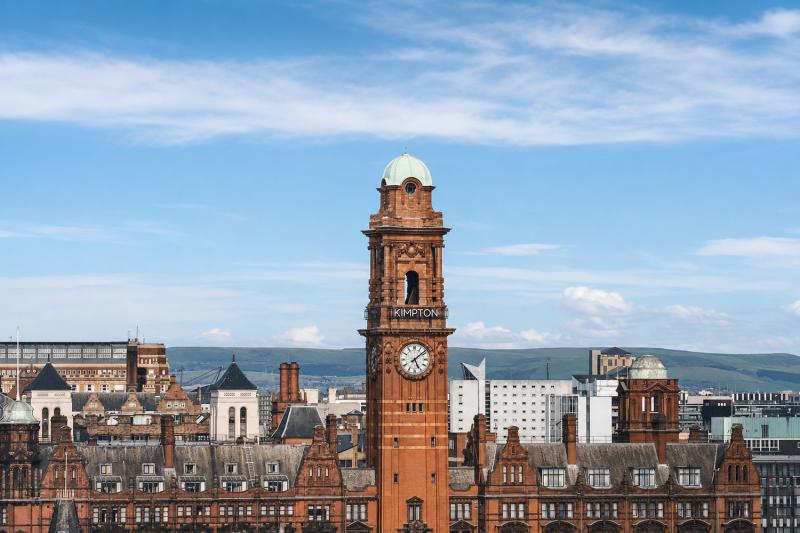
Kimpton Clocktower Hotel
Prices From 181 USD
Kimpton Clocktower Hotel is one of Manchester's most recognisable hotel buildings: a vast red terracotta landmark on Oxford S...
Please choose a hotel or destination from the list.
We couldn’t open your search results. Please try again.
Your private search
Finding exceptional stays
Manchester rewards a hotel choice made around the evenings as much as the sightseeing. Decide where you want to return after a performance, linger over dinner or step out for a quieter morning. Peter Street and Oxford Street provide useful central bases, while the Northern Quarter, Ancoats and Spinningfields give different character to the hours you spend exploring.
Prices From 181 USD
Kimpton Clocktower Hotel is one of Manchester's most recognisable hotel buildings: a vast red terracotta landmark on Oxford S...
Prices From 193 USD
More amenities
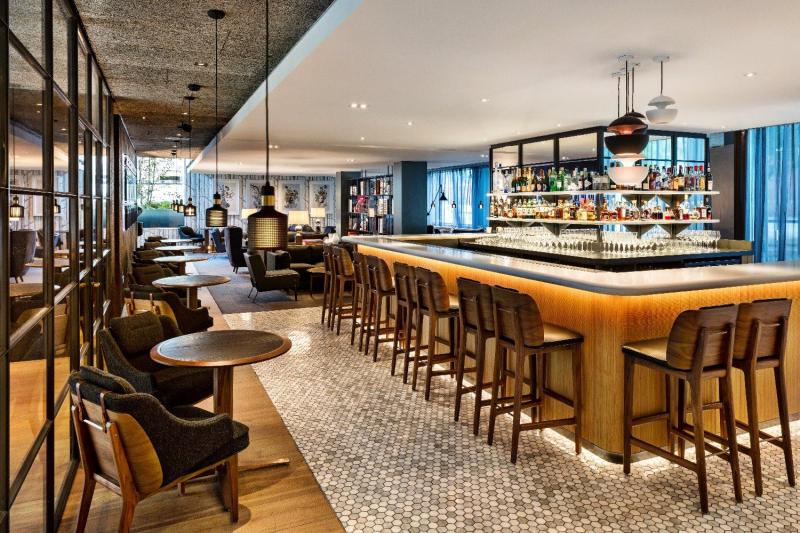
The Edwardian Manchester is a five-star city hotel on Peter Street, set inside Manchester's Grade II-listed Free Trade Hall....
Reserved for You
The Edwardian Manchester occupies the historic Free Trade Hall on Peter Street. Kimpton Clocktower Hotel is on Oxford Street, close to the Palace Theatre. Both help illustrate how a hotel can belong to the city’s architectural story while supporting a contemporary stay. Choose between them through the position and atmosphere you want to return to, rather than treating heritage buildings as interchangeable.
Give Manchester’s neighborhoods time to reveal their differences. The Northern Quarter has independent shops and a creative street scene; Ancoats adds canalside surroundings and a food-led reason to explore. Spinningfields brings a more business-oriented setting by day and a concentration of dining and bars. Select the area that suits the occasion instead of planning every meal around the same street as the hotel.
The Bridgewater Hall on Lower Mosley Street gives a music-led stay a specific destination. The Hallé and BBC Philharmonic are resident orchestras, making the hall a natural focus for listeners drawn to orchestral performance. Its concert-hall setting offers a different evening from the theatrical interest around the Palace Theatre on Oxford Street.
The Science and Industry Museum adds a daytime subject rooted in the city. Its Textiles Gallery explores Manchester's relationship with cotton, while the collections include looms, dye samples and steam engines. Choose it for the machinery and materials behind the city's industrial growth. The contrast between fabric-making and power technology gives engineering enthusiasts and travelers interested in everyday objects different ways into that history.
For a wider journey, the United Kingdom destination guide places Manchester among the country's other city and regional stays.
The neo-Gothic building gives an architectural encounter as well as an introduction to rare books, manuscripts and archives. Choose it when the setting and the collections interest you together. Allow time to look closely rather than treating the reading-room photograph as the whole visit.
No. Chetham’s is a separate historic library in Manchester’s Medieval Quarter, housed in a medieval building. Its visitor tours offer a different perspective from the neo-Gothic John Rylands Library. Establish the arrangements for the specific place you want to see rather than using the names interchangeably.
Castlefield provides a waterside setting with canals and industrial-era surroundings, alongside Roman heritage represented in the area. It suits a walk that gives context to the city’s development. Treat it as a neighborhood to explore rather than only a route to the next appointment.
Yes. The National Football Museum in the Urbis building offers a cultural perspective on the game in the Medieval Quarter. It can suit companions interested in stories and objects as well as supporters. A museum visit is a different experience from attending a match or touring a stadium.
Its nineteenth-century British collection is particularly strong in the Pre-Raphaelites, including works by Dante Gabriel Rossetti and William Holman Hunt. Choose it for the movement's vivid color, detailed observation and Victorian subjects. The wider fine-art collection also includes European Old Masters and modern work, giving art-focused travelers a broader collection to explore.