



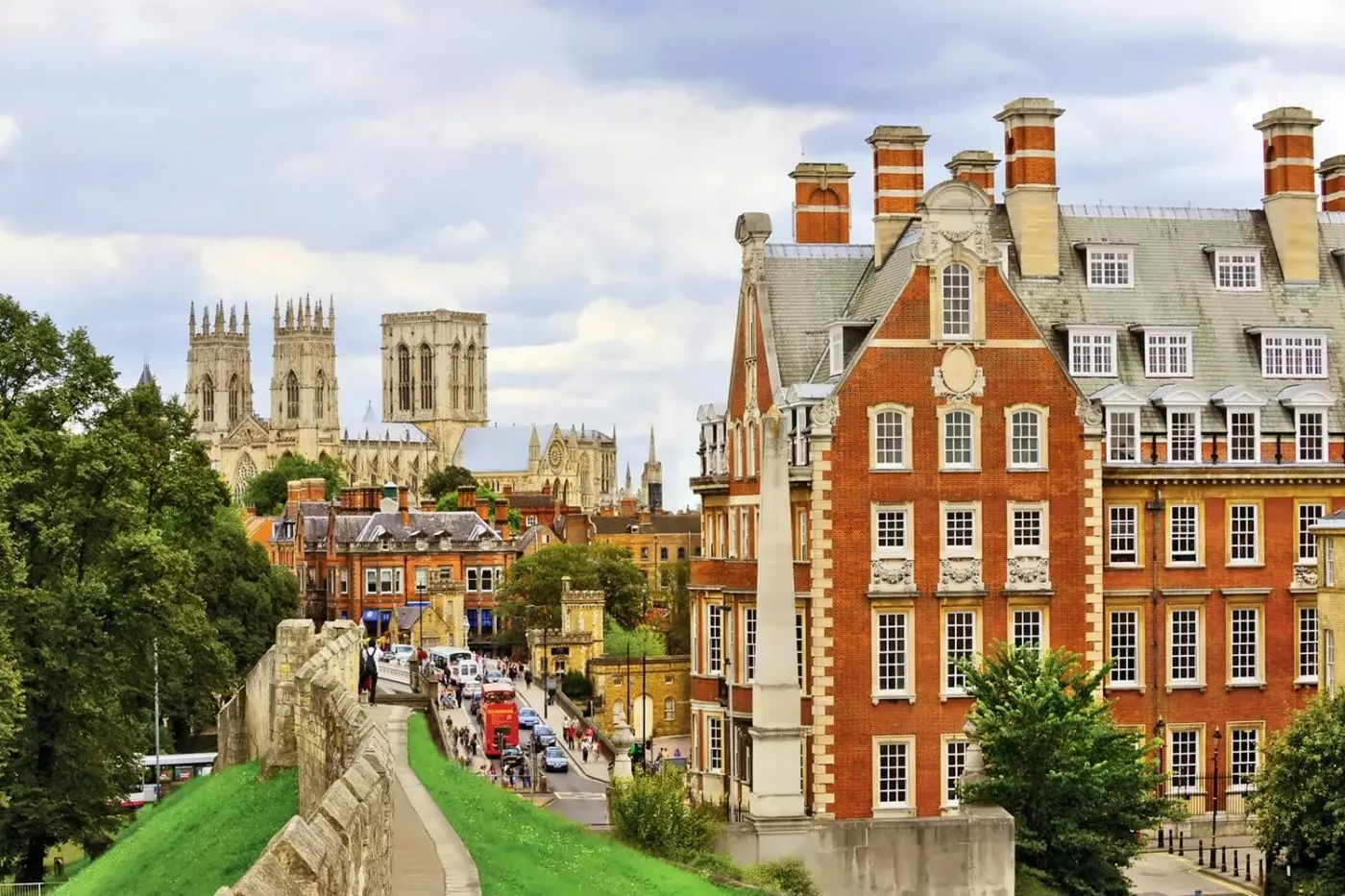
The Grand York
Prices From 250 USD
+3
More amenities
- Sauna
- Culture
- City Vibe
The Grand York is a five-star hotel in the centre of York, set inside the former headquarters of the North Eastern Railway Co...
Please choose a hotel or destination from the list.
We couldn’t open your search results. Please try again.
Your private search
Finding exceptional stays
York brings several periods of civic life into view through its buildings. Railway administration, medieval trade, charity and worship have left different kinds of spaces in the city. A luxury stay can make those contrasts part of the setting, with an interest in how rooms and buildings served the people who used them.
Prices From 250 USD
More amenities
The Grand York is a five-star hotel in the centre of York, set inside the former headquarters of the North Eastern Railway Co...
Reserved for You
The Grand, on Station Rise, is the accommodation base for this York stay. The city's guild halls, market streets and religious buildings give a cultural break several distinct settings.
The Merchant Adventurers’ Hall adds a commercial and civic subject. Built by the Company of Merchant Adventurers, its timber-framed Great Hall was used for medieval guild gatherings, banquets and trade. Directly below, the Undercroft served as a hospital and place of charity for poor and older people. The Chapel dates from the early fifteenth century.
For an architectural interest, the contrast is between the rooms’ forms and their positions within the building. For a social-history interest, it is between the people conducting business above and those receiving care below.
Shambles Market sits between streets including Parliament Street, Shambles, Kings Square and Patrick Pool. Its stalls bring together local produce, crafts and gifts, with street food in the food-court area. It offers a place for a meal and independent shopping within the historic centre.
On Blossom Street, the Bar Convent connects York's religious history with the education of girls. The community was established in 1686, and Thomas Atkinson built its hidden chapel in 1769. The chapel's internal dome is disguised by the simple roof above it, a response to the restrictions on Catholic worship at the time.
The entrance courtyard provides a different architectural period. George Townsend Andrews added a cast-iron and glass roof, while coloured Maw tiles give the floor its Victorian character.
The United Kingdom destination guide supplies the broader journey context.
It occupies the former headquarters of the North Eastern Railway, a different function from the station itself. That history gives the building its own character and should not be confused with York's other railway sites.
No. A route involves different sections and connections, and access includes steps. Choose a suitable stretch rather than assuming the whole experience is one uninterrupted level promenade. Consult the relevant route information for the walk you intend.
Choose by interest. The Minster provides an architectural and religious subject; the Railway Museum supplies a distinct transport-history experience. Give the preferred one substantial time rather than treating both as quick stops in the same kind of museum circuit.
Shopping is part of its contemporary life, but the historic street setting provides a separate reason to visit. Choose a walk and a meal around the area if that suits you, without assuming a rewarding outing requires purchases.
Choose one main cultural subject for an outing and leave time for the streets and return. A section of the walls or a market-area walk can supply contrast without adding another substantial interior. The city does not need to be completed as a checklist.