



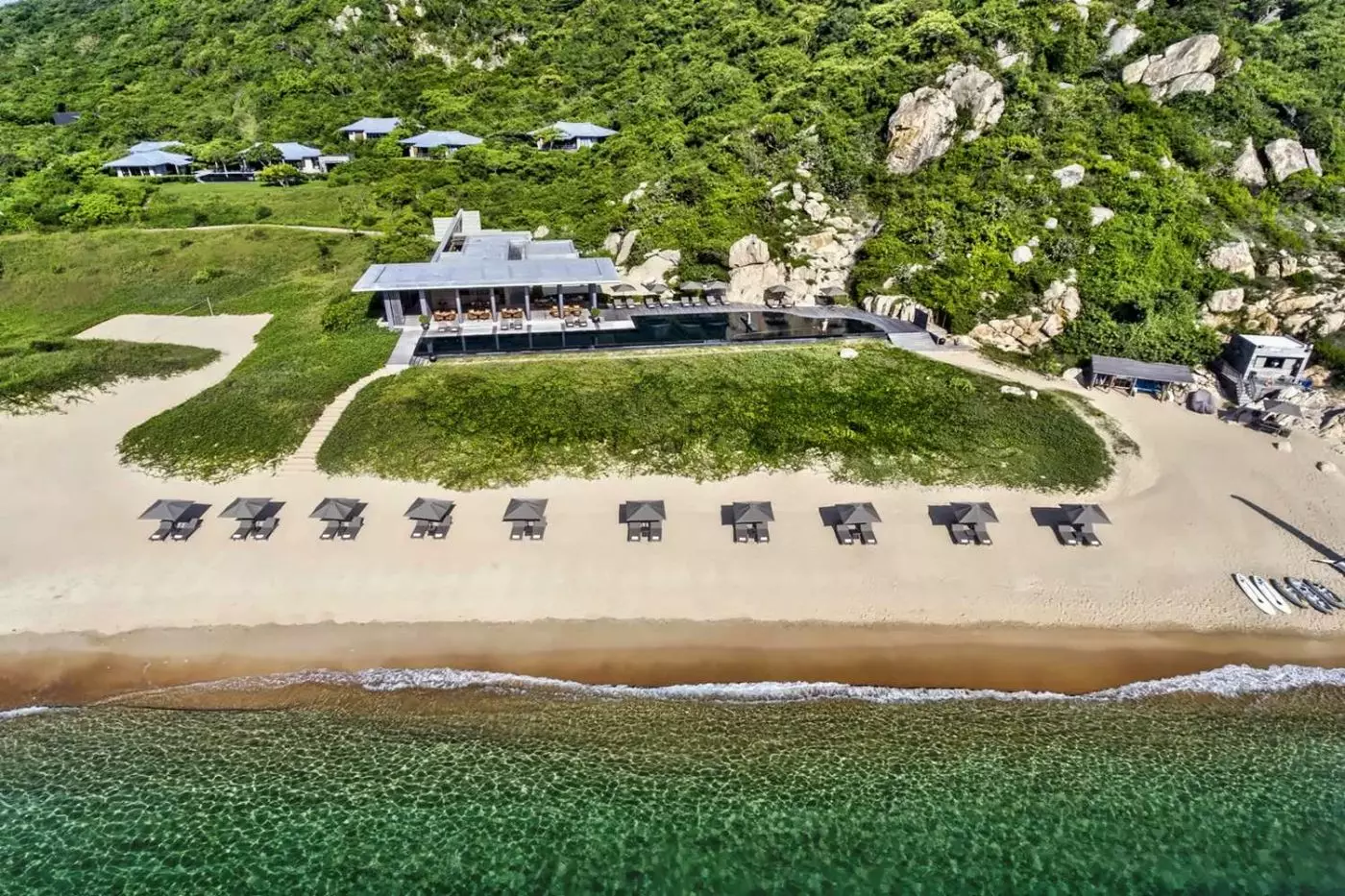
Amanoi
Prices From 1’488 USD
+4
More amenities
- Sauna
- Wellness
- Beach
- Adventure
Amanoi is a luxury resort above Vinh Hy Bay in Vietnam's Khanh Hoa Province. Its pavilions occupy a wooded hillside within Nu...
Please choose a hotel or destination from the list.
Your private search
Finding exceptional stays
Vietnam's luxury hotels range from city grand hotels and theatrical design addresses to riverside houses, coastal villas and island resorts. A journey through Hanoi, Hoi An and the south can change the character of the stay as much as the scenery. Choose the places you want to experience, then decide how much of each stop should unfold in the hotel itself.
Prices From 1’488 USD
More amenities
Amanoi is a luxury resort above Vinh Hy Bay in Vietnam's Khanh Hoa Province. Its pavilions occupy a wooded hillside within Nu...

Prices From 393 USD
More amenities
Sofitel Legend Metropole Hanoi is a landmark heritage hotel in the heart of Vietnam's capital. Set near the Hanoi Opera House...

Prices From 1’099 USD
More amenities
Six Senses Ninh Van Bay occupies a sheltered stretch of Vietnam's Khanh Hoa coast, across the water from Nha Trang. The resor...
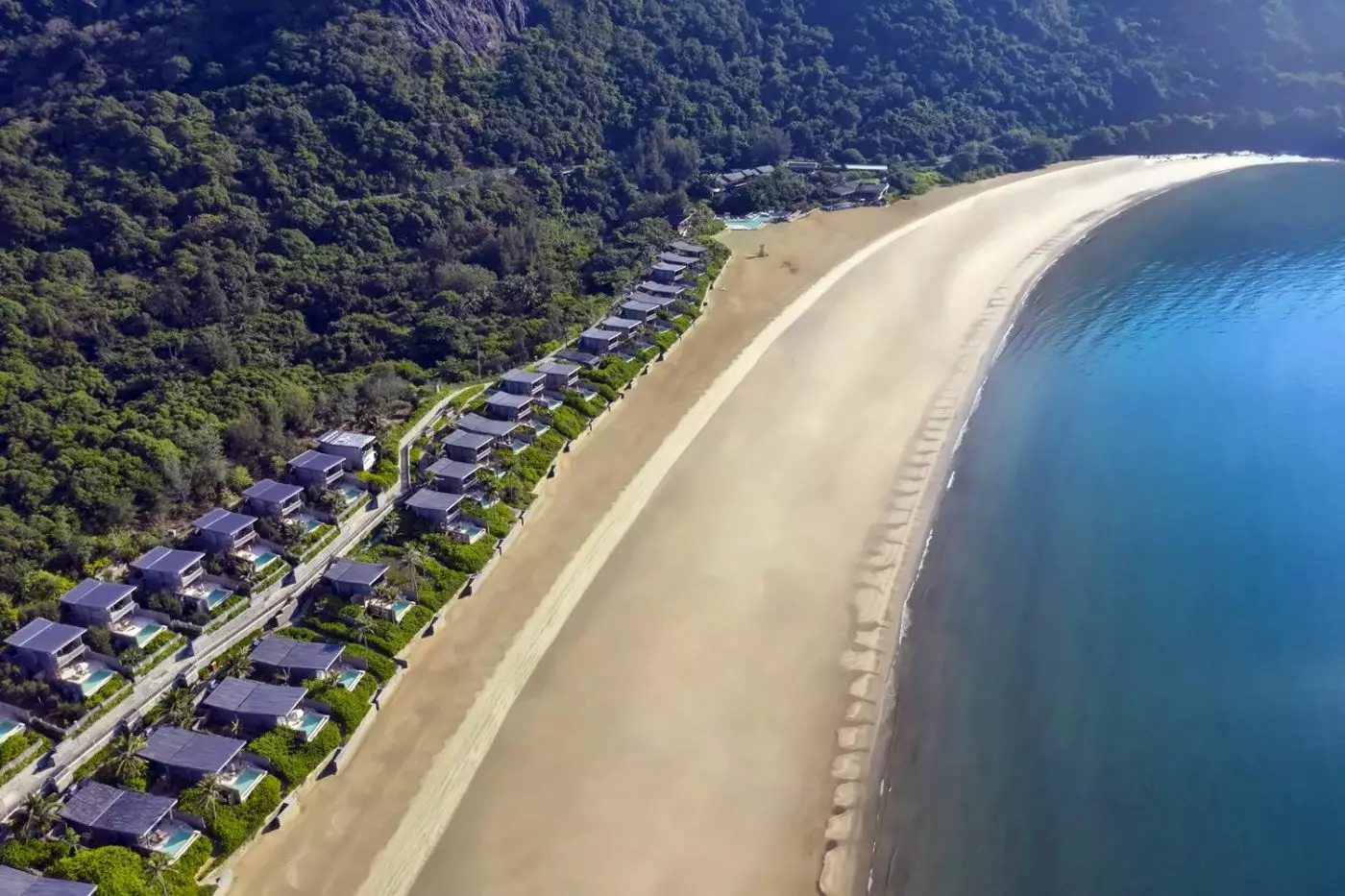
Prices From 917 USD
More amenities
Six Senses Con Dao occupies a long stretch of Dat Doc Beach on Con Son, the largest island in Vietnam's Con Dao archipelago....
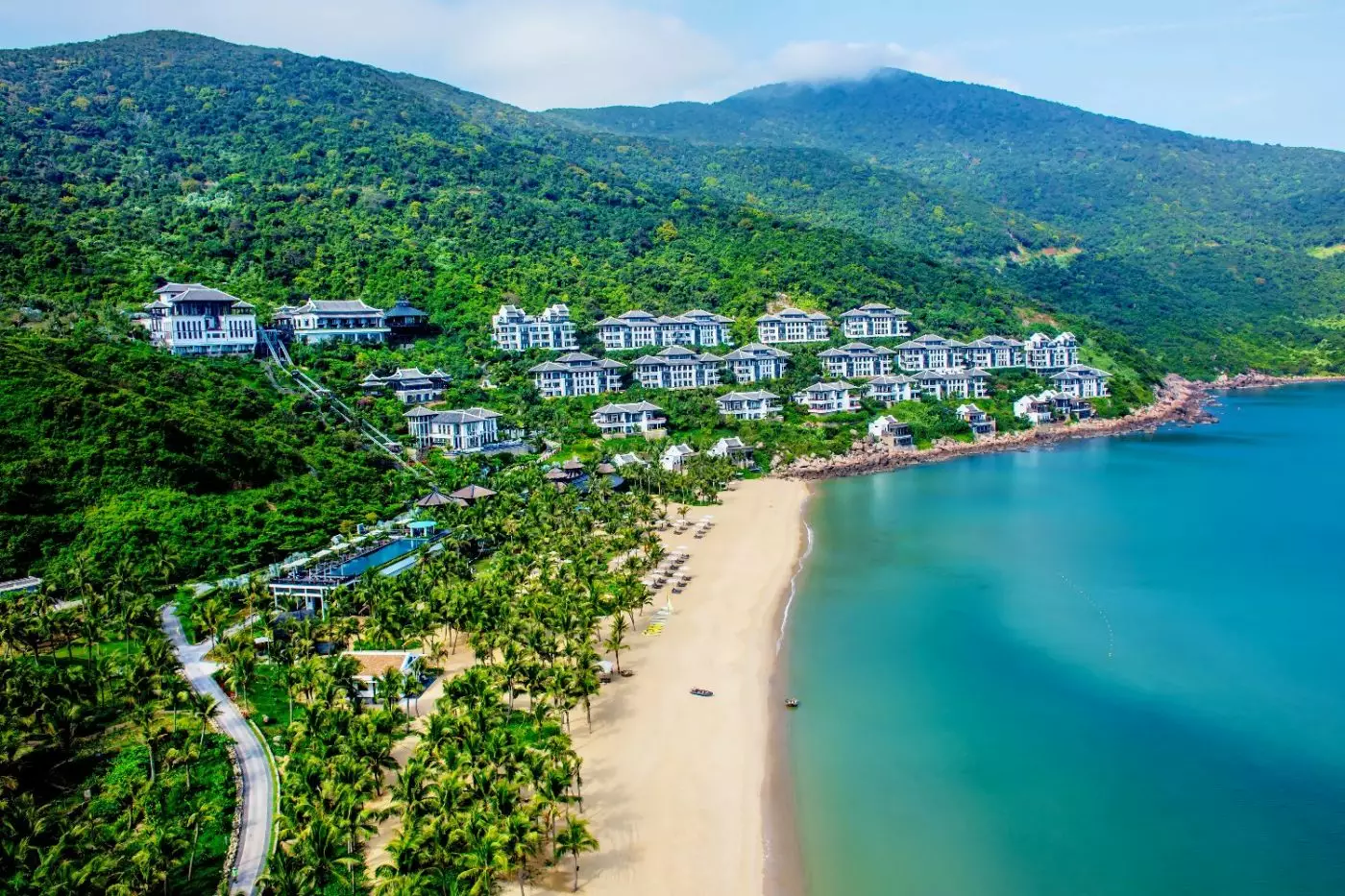
Prices From 464 USD
More amenities
InterContinental Danang Sun Peninsula Resort sits on the Son Tra Peninsula, folded into forested hills above Bai Bac Bay nort...
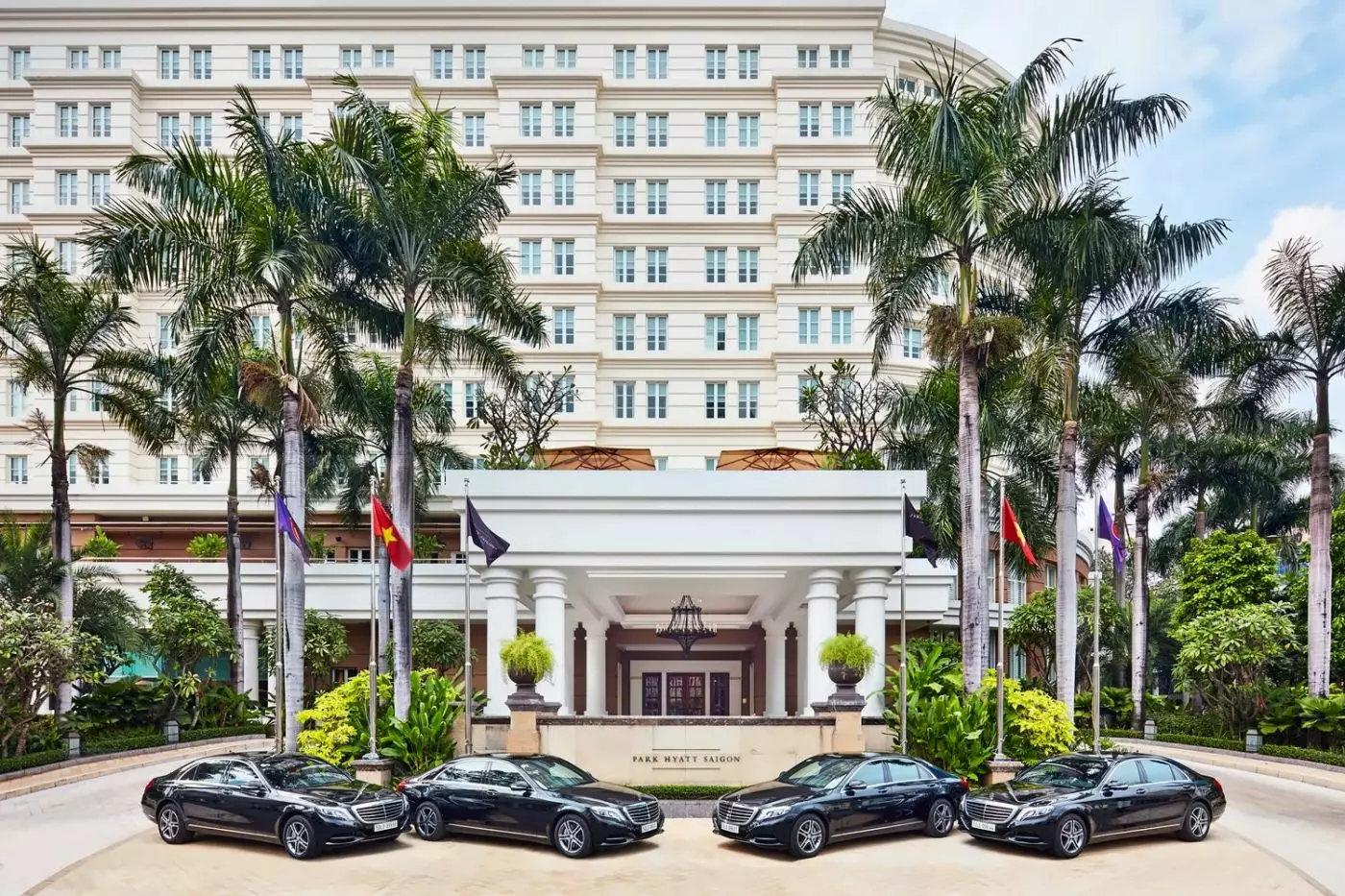
Prices From 336 USD
More amenities
Park Hyatt Saigon stands on Lam Son Square, opposite the Saigon Opera House, with much of central Ho Chi Minh City within wal...
Prices From 1’176 USD
More amenities
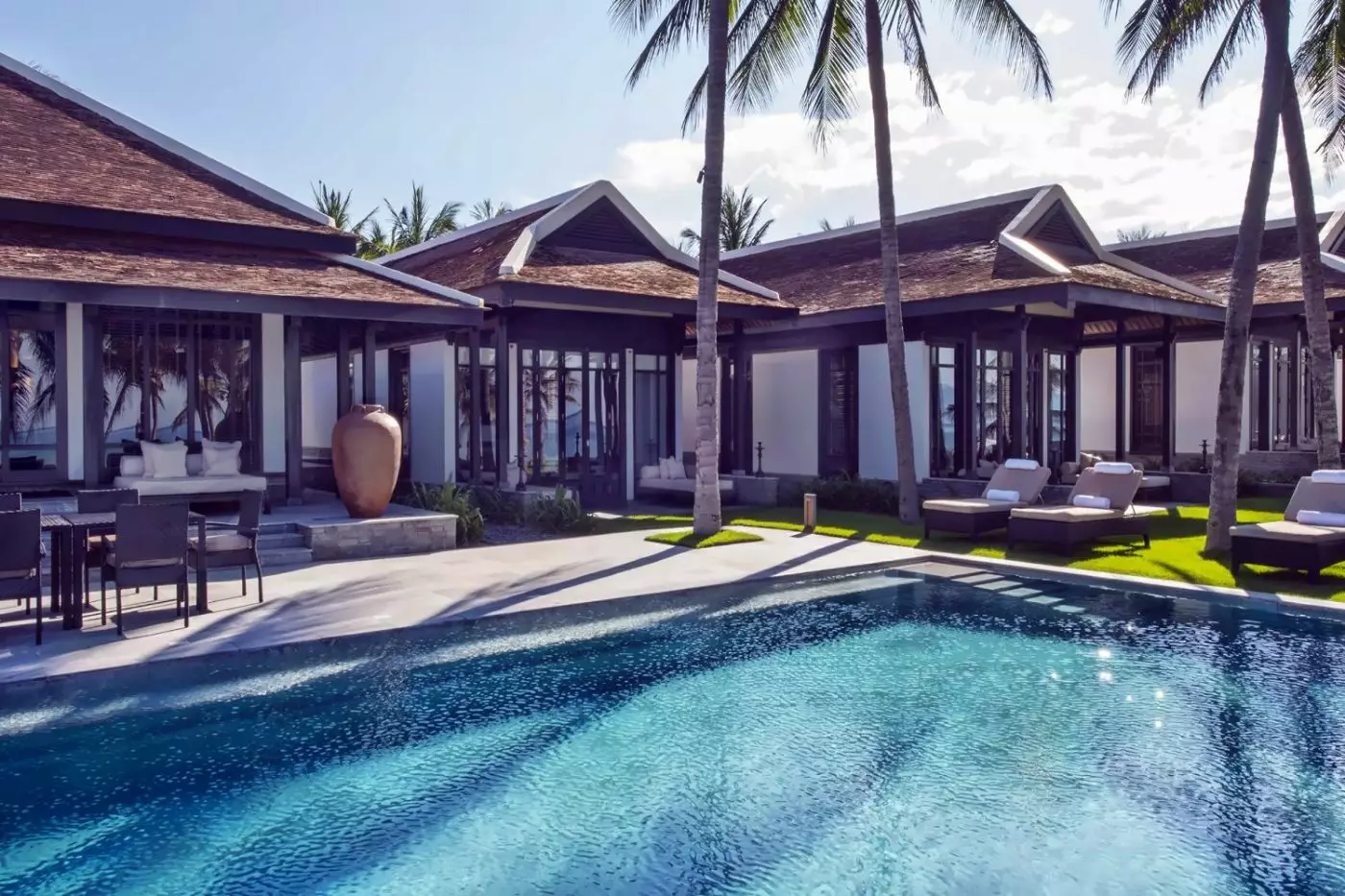
Ha My Beach gives Four Seasons Resort The Nam Hai, Hoi An, Vietnam its long coastal outlook, while gardens and low villa buil...
Prices From 593 USD
More amenities
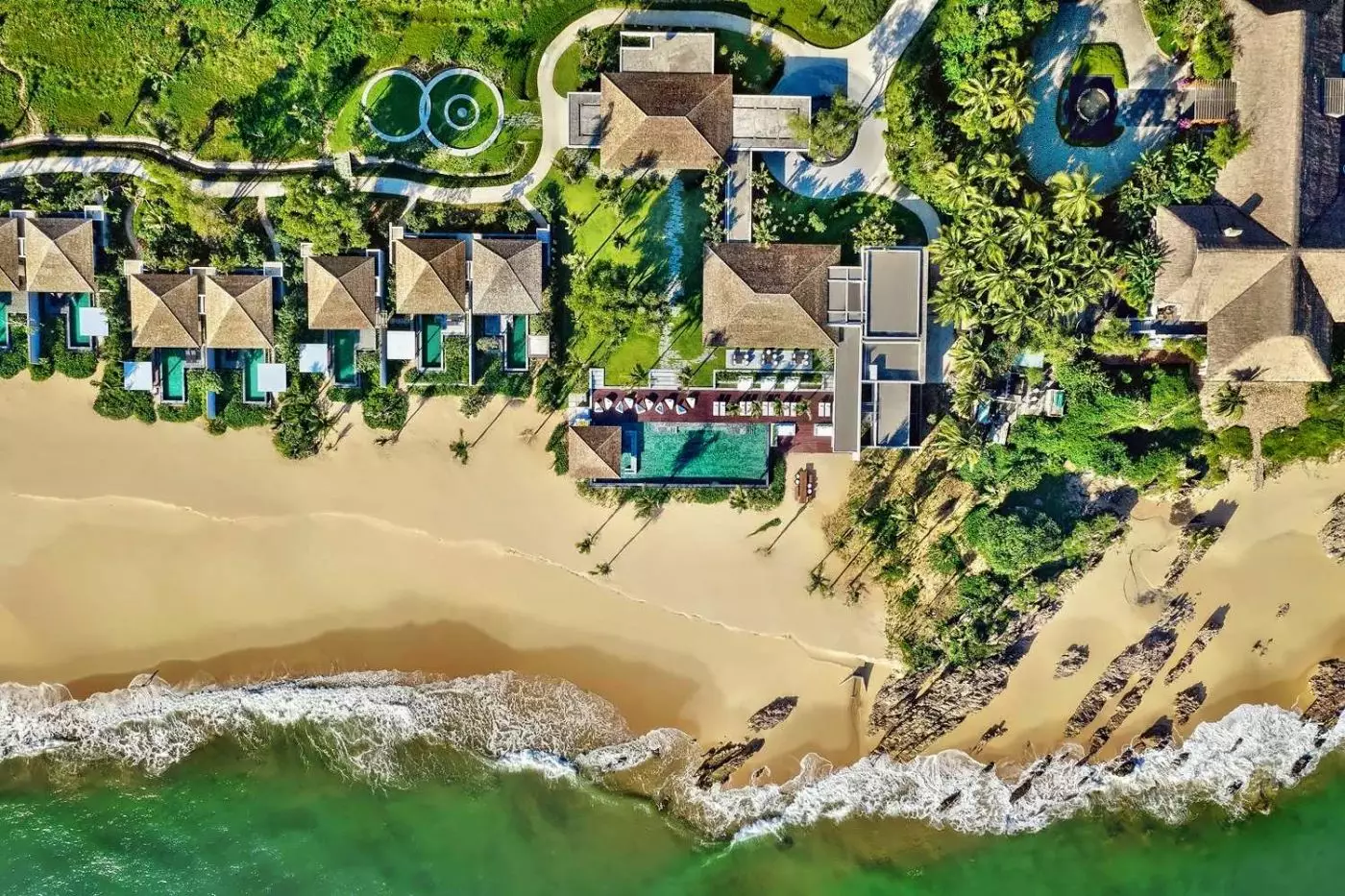
Anantara Quy Nhon Villas is an all-villa resort on Vietnam's south-central coast, set by Bai Dai in the Ghenh Rang area of Qu...
Prices From 342 USD
More amenities
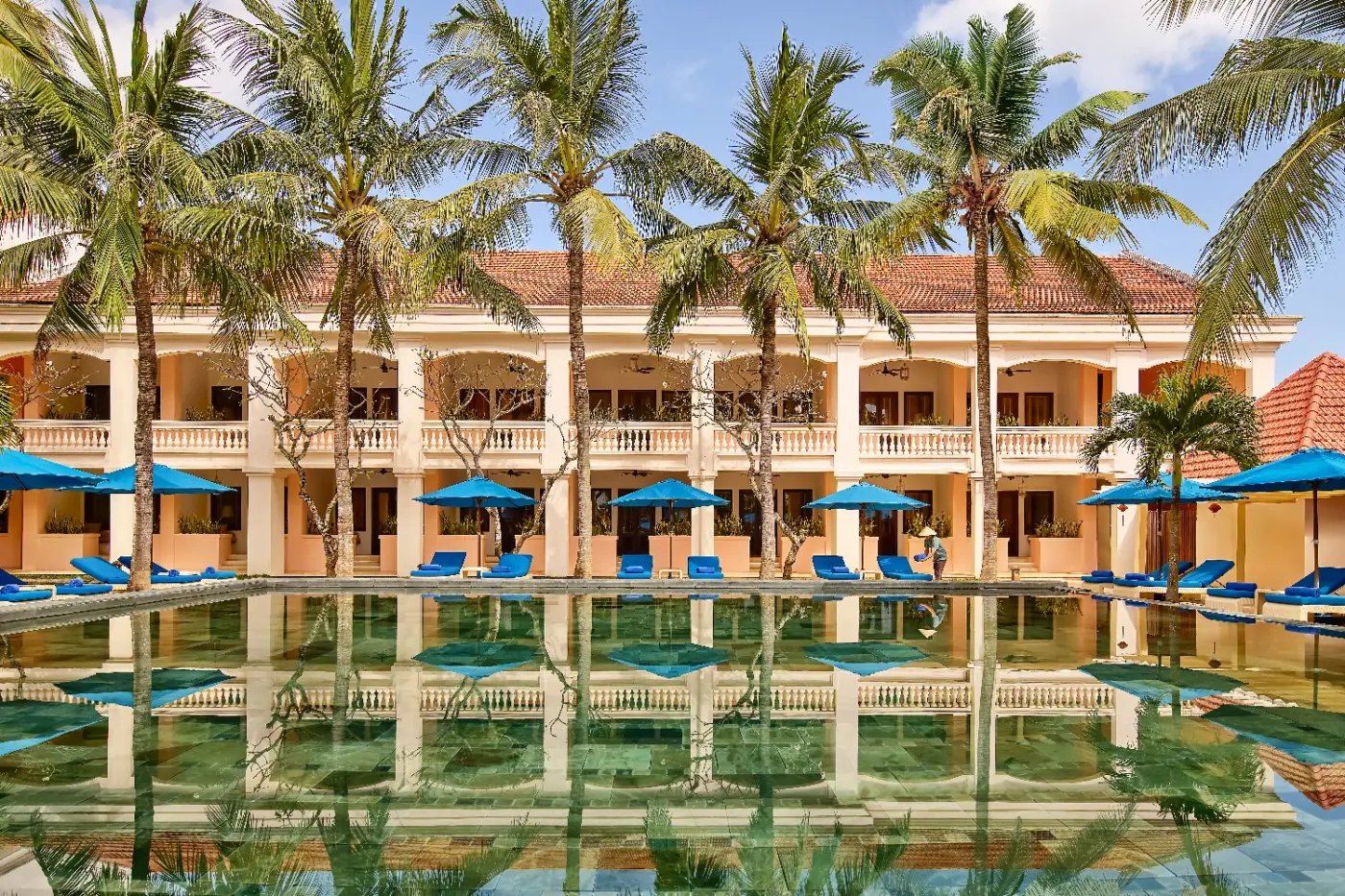
Anantara Hoi An Resort follows the Thu Bon River along the edge of Hoi An's historic quarter. Its gardens and low-rise buildi...
Reserved for You
| Area or Stay | Why Consider It | Before You Book |
|---|---|---|
| Capella Hanoi: A Theatrical City AddressCapella Hanoi | Opera and the Roaring Twenties shape its Art Nouveau atmosphere. Its 47 rooms and suites are individually styled, near Hoan Kiem Lake and Hanoi Opera House. | Choose it when the hotel interior is part of the cultural experience you want from a Hanoi stay. |
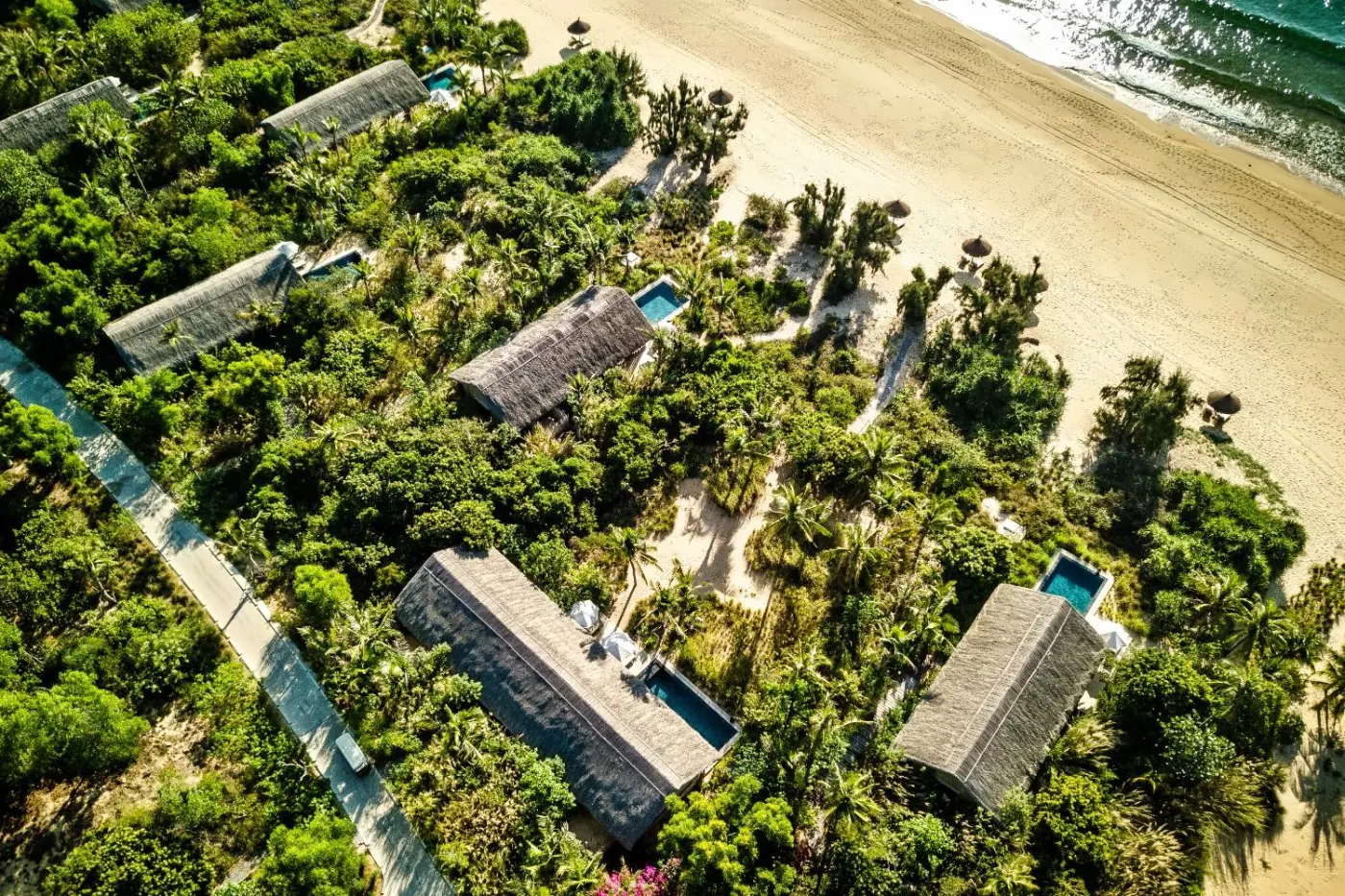
| Amanoi: A Landscape-Led Pavilion StayAmanoi | The Mountain Pavilion combines bedroom and living space with a timber sundeck and views of Nui Chua National Park. | Choose this pavilion for the mountain outlook; other named accommodation categories offer different settings. |
| Regent Phu Quoc: Private Villa LivingRegent Phu Quoc | The King Sky Pool Villa has living and dining space, a fully equipped kitchen and a private infinity pool high in the Sky Wing. | The King Beach Pool Villa instead gives direct access to Long Beach. Decide whether the elevated private outlook or the immediate beach connection matters more. |
Sofitel Legend Metropole Hanoi offers two architectural moods within one address: Luxury Rooms are in the Heritage Wing, while Premium Rooms belong to the Opera Wing. Choose the room name around the historic or contemporary atmosphere you prefer. This is a meaningful distinction even when both bookings belong to the same hotel.
In Ho Chi Minh City, Park Hyatt Saigon stands at Lam Son Square and has a 20-meter outdoor pool. It suits a city stop where time outside the hotel can be balanced with a substantial pool and spa setting, rather than reserving all relaxation for the coastal part of the trip.
Anantara Hoi An occupies a garden setting on the Thu Bon River, less than a kilometer from the historic town. Four Seasons Resort The Nam Hai puts the stay on Ha My Beach in an all-villa setting. Choose the river address for frequent town visits, or the beach resort when the villa and seaside form a larger part of the day.
The Nam Hai Family Villa uses a sectioned-off lounge as an en-suite room for children, with a garden outlook and a second bathroom with a shower. For two separate bedroom pavilions, compare the Ocean-View Two-Bedroom Pool Villa instead. The category name and floor plan matter more than a general family label.
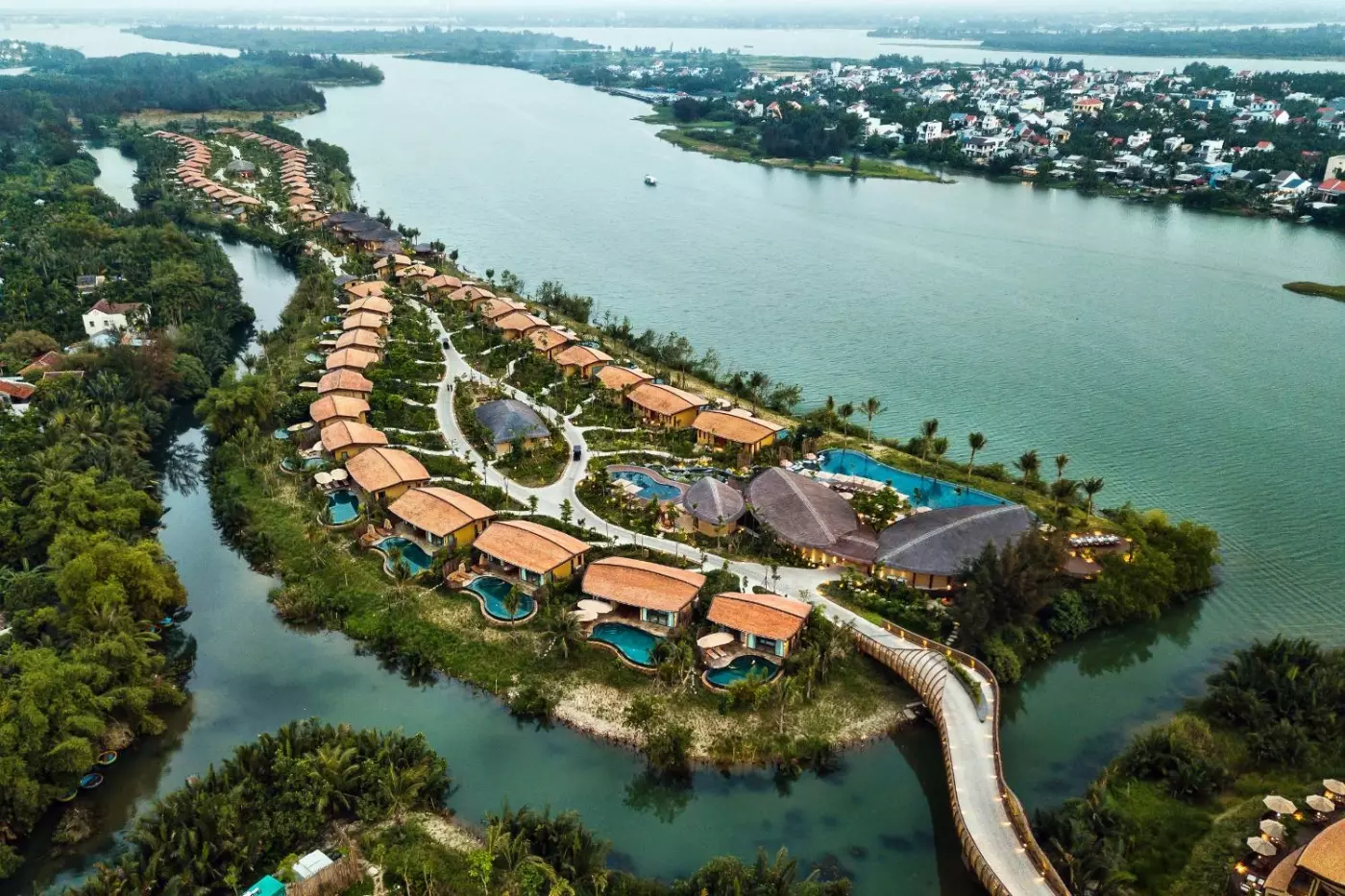
Namia River Retreat is on Con Ba Xa Islet in Hoi An, with private pool villas overlooking the Thu Bon River and a wellbeing approach inspired by Vietnamese herbology. It gives this part of the trip a retreat focus while keeping Hoi An as the cultural setting.
At Zannier Bai San Ho, Greenfield Terrace Villas draw on traditional Vietnamese stilt houses and overlook rice paddies. Two-Bedroom Hill Pool Villas occupy a hillside position with sea views and a private plunge pool. Compare these settings when choosing between a rural architectural atmosphere and a villa centered on the coastal outlook.
Pair Hanoi with Hoi An when you want a city-hotel opening followed by a smaller historic trading-town setting. The first stop gives the trip an urban cultural rhythm; the second allows town visits to sit alongside river or beach time. Choose the hotel at each stop for that role instead of seeking the same type of stay twice.
The Vietage luxury rail carriage connects Da Nang and Quy Nhon. This can give a Hoi An stay a scenic onward chapter before settling at Anantara Quy Nhon Villas on the coast. Hoi An requires a separate connection to Da Nang station; reserve the rail journey around the accommodation sequence rather than treating it as an included hotel transfer.
Match the season to the regions in your itinerary. Hanoi generally has cooler, clearer weather in September to November, while December to March can be cold and misty. Hoi An is warmer from February to August; its wetter September-to-January period can bring flooding, particularly in autumn. Ho Chi Minh City is typically drier from December to April and wetter from May to November.
There is no single beach-and-city season that fits the whole country equally. Choose the regional weather pattern that best supports the activities you value, then allow for changing conditions.
Six Senses Ninh Van Bay is accessible only by water. An airport arrival uses Cam Ranh Airport, a road connection to the Nha Trang lounge and then a boat to the resort. Six Senses Con Dao is on Con Dao Island; arriving by air means using Con Dao Airport before the final road journey to the resort.
Coordinate the final connection with the main journey before fixing arrival and departure plans. A mainland airport transfer and an island flight followed by a road transfer are different travel arrangements.
Use domestic flights when the itinerary jumps between northern, central and southern Vietnam and time at each destination is the priority. Rail suits a journey where the landscapes and intermediate stops are part of the experience; the north-south network connects Hanoi and Ho Chi Minh City through central Vietnam.
Decide which journeys deserve a travel day and which are simply connections between stays. Check the actual service and connection for your route before arranging hotel arrival, rather than planning from the apparent distance on a map.
They offer different histories. Hoi An preserves the streets and buildings of a trading port, with Vietnamese and international influences. My Son is a separate sanctuary of Champa tower-temples associated with Hindu traditions, in a mountain-ringed basin.
Use a Hoi An stay for repeated town visits and plan My Son as its own excursion. This gives a central Vietnam itinerary both a living townscape and a religious archaeological site, instead of treating the two World Heritage places as interchangeable visits.
Look beyond one hotel restaurant. Hanoi, Ho Chi Minh City and Da Nang have Michelin-selected dining, alongside local restaurants that give each city a different food experience. In Hanoi, ONVIT combines Korean traditions with Vietnamese ingredients; Upstairs in Ho Chi Minh City offers a modern Vietnamese tasting menu rooted in central traditions.
Choose a few meals that are important enough to shape the itinerary and reserve those tables separately. Keep room for local cooking between them, so the trip explores different culinary perspectives rather than relying on the hotel dining room for every meal.