



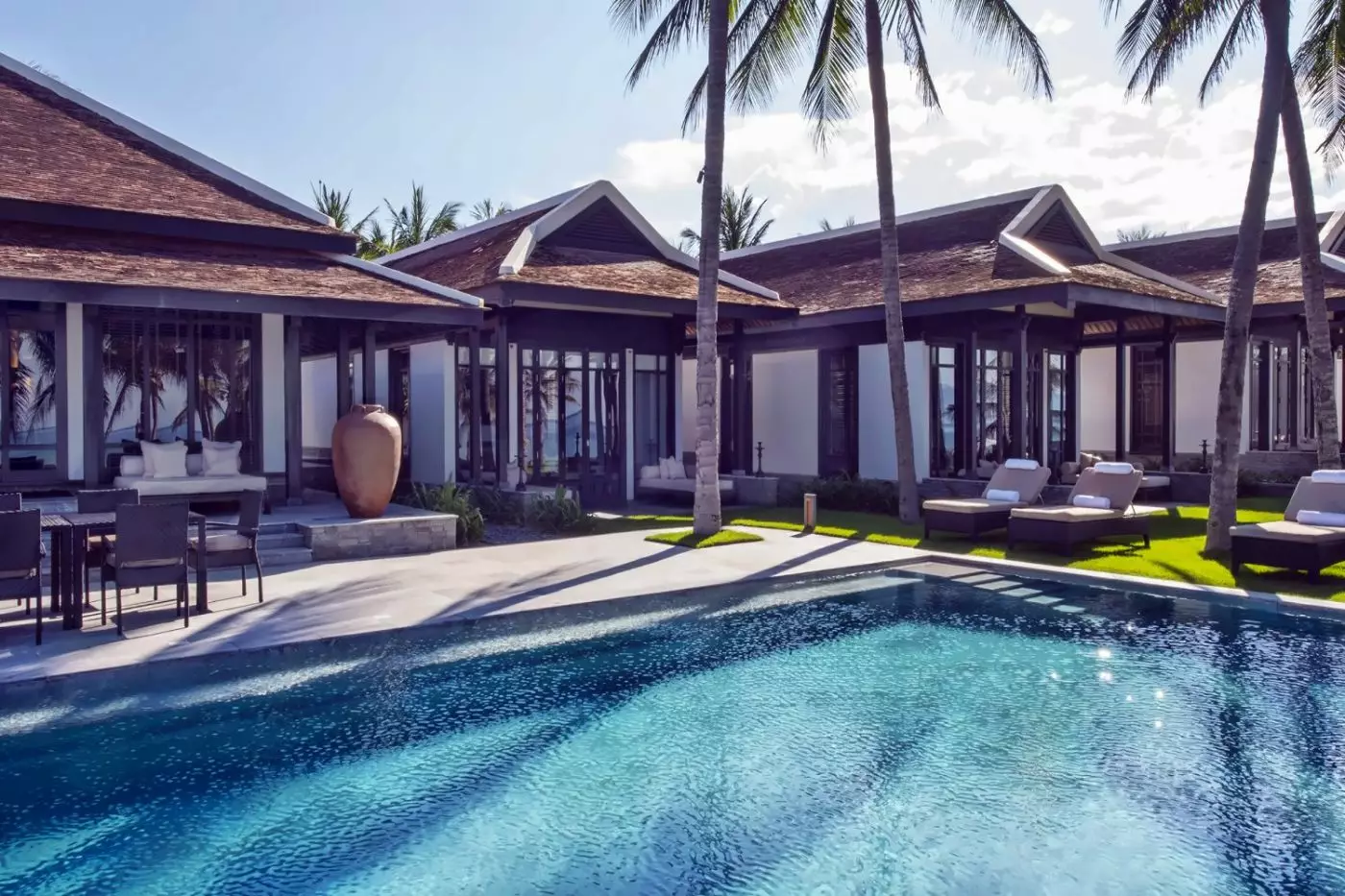
Four Seasons Resort The Nam Hai Hoi An
Prices From 945 USD
+4
More amenities
- Sauna
- Wellness
- Beach
- Culture
Ha My Beach gives Four Seasons Resort The Nam Hai, Hoi An, Vietnam its long coastal outlook, while gardens and low villa buil...
Please choose a hotel or destination from the list.
We couldn’t open your search results. Please try again.
Your private search
Finding exceptional stays
Hoi An offers two distinct ways to stay: close to the river and historic streets, or beside the sea with the town as a considered outing. Choose between them before comparing rooms. The Ancient Town’s architecture, the Thu Bon River and the coast contribute different kinds of day. A rewarding visit gives each the time it deserves rather than assuming one hotel address puts everything immediately outside the door.
Prices From 945 USD
More amenities
Ha My Beach gives Four Seasons Resort The Nam Hai, Hoi An, Vietnam its long coastal outlook, while gardens and low villa buil...
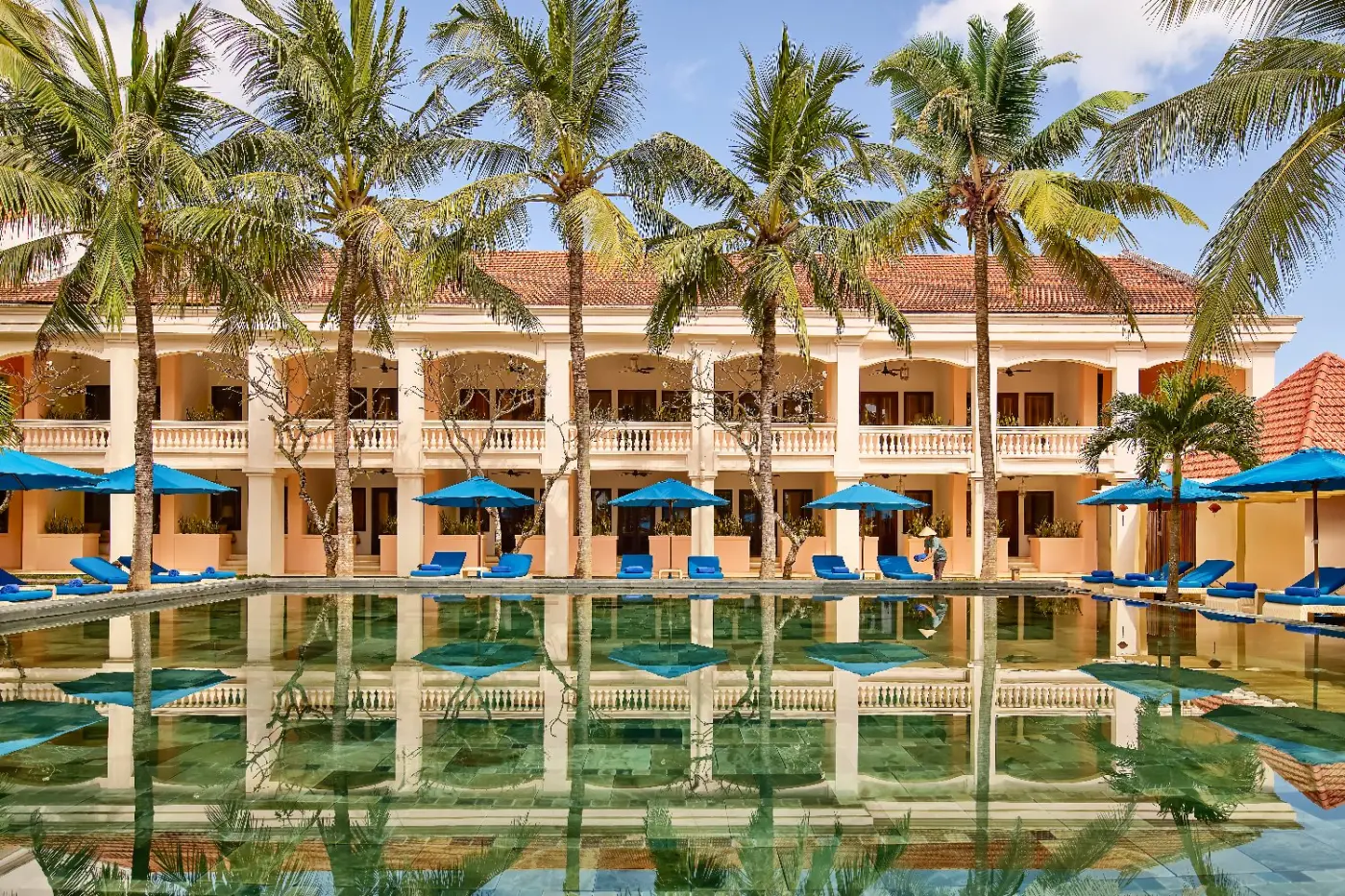
Prices From 342 USD
More amenities
Anantara Hoi An Resort follows the Thu Bon River along the edge of Hoi An's historic quarter. Its gardens and low-rise buildi...
Reserved for You
Four Seasons Resort The Nam Hai occupies a garden and villa setting on Ha My Beach. Anantara Hoi An fronts the Thu Bon River close to the historic quarter. These are two specific addresses to compare within the broader Hoi An collection; use their actual locations when arranging the journeys you intend to make.
Hoi An’s historic streets reflect its life as a trading port, with houses, temples and assembly halls contributing to the townscape. Tan Ky House on Nguyen Thai Hoc Street gives that history a domestic and commercial focus. Its front opened to the trading street, while the rear faced the river for receiving goods. Timber construction and Chinese, Japanese and Vietnamese architectural elements bring those connections into the building itself. Choose this interior for the way business and household life shared a merchant’s address.
The Fujian Assembly Hall on Tran Phu Street gives a different part of the port’s history a physical setting. Its three-arched gateway leads through courtyards toward a sanctuary dedicated to Thien Hau, the sea goddess associated with protecting fishermen and merchants on their voyages. A model merchant ship adds to that maritime subject. This is a community and religious visit, distinct from Tan Ky’s household-and-trade story; the colorful gate and ceramic decoration belong to a larger living place of worship.
The Vietnam destination guide puts Hoi An’s trading-port heritage, Thu Bon River and coast beside the country’s other regions.
It is a landmark bridge within the Ancient Town, associated with the town’s Japanese trading community. Choose it as part of understanding the layers of the historic port rather than treating it as the only architectural subject in the visit.
Cao lau is closely associated with Hoi An. Its distinctive rice noodles are served with sliced meat, vegetables and bean sprouts, bringing texture as well as local identity to the meal. Choose it when you want a dish rooted in the town’s food culture, alongside an interest in its historic trading streets.
Thanh Ha lies west of the Ancient Town on the Thu Bon River. Its potters make household forms such as pots, bowls and jars as well as decorative pieces and small figures. Choose it for a clay-craft interest and the work of its makers, a different subject from the timber houses and community halls within town.
Tra Que Vegetable Village has cultivated plots near the Co Co River, with herbs including basil, cilantro and perilla. Traditional cultivation includes using algae from the river as fertilizer. The village suits an interest in how ingredients are grown, adding a farming subject to a food-focused stay rather than another restaurant meal.
Bay Mau in Cam Thanh has water-coconut palms growing in soft mud and slow-moving tidal and river water. Choose it for this wooded waterway landscape outside the Ancient Town. It provides a different outdoor subject from the cultivated vegetable plots of Tra Que or the open beach at Ha My.