



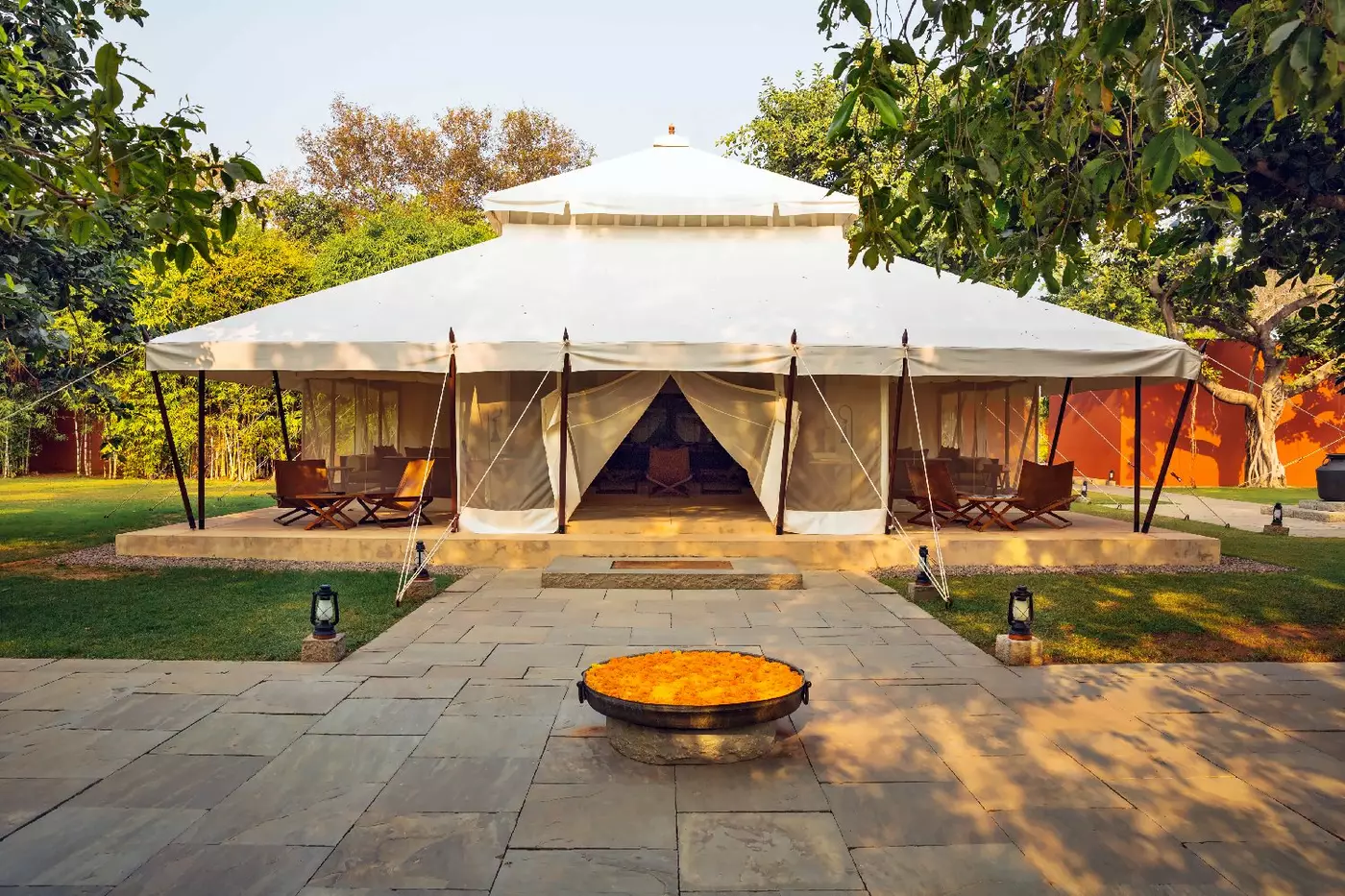
Aman-i-Khas
Prices From 1’760 USD
+2
More amenities
- Adventure
- Sustainable
Aman-i-Khas is a luxury safari camp near Ranthambore National Park in Rajasthan, India. Its Mughal-inspired tents sit among b...
Please choose a hotel or destination from the list.
We couldn’t open your search results. Please try again.
Your private search
Finding exceptional stays
The natural world leads around luxury hotels in Ranthambore, with space to slow down between outings. Choose the stay for the complete experience: the landscape, the style of accommodation and the time you want to spend at rest. Let wildlife, heritage and time at the hotel each have a place in the plan.
Prices From 1’760 USD
More amenities
Aman-i-Khas is a luxury safari camp near Ranthambore National Park in Rajasthan, India. Its Mughal-inspired tents sit among b...
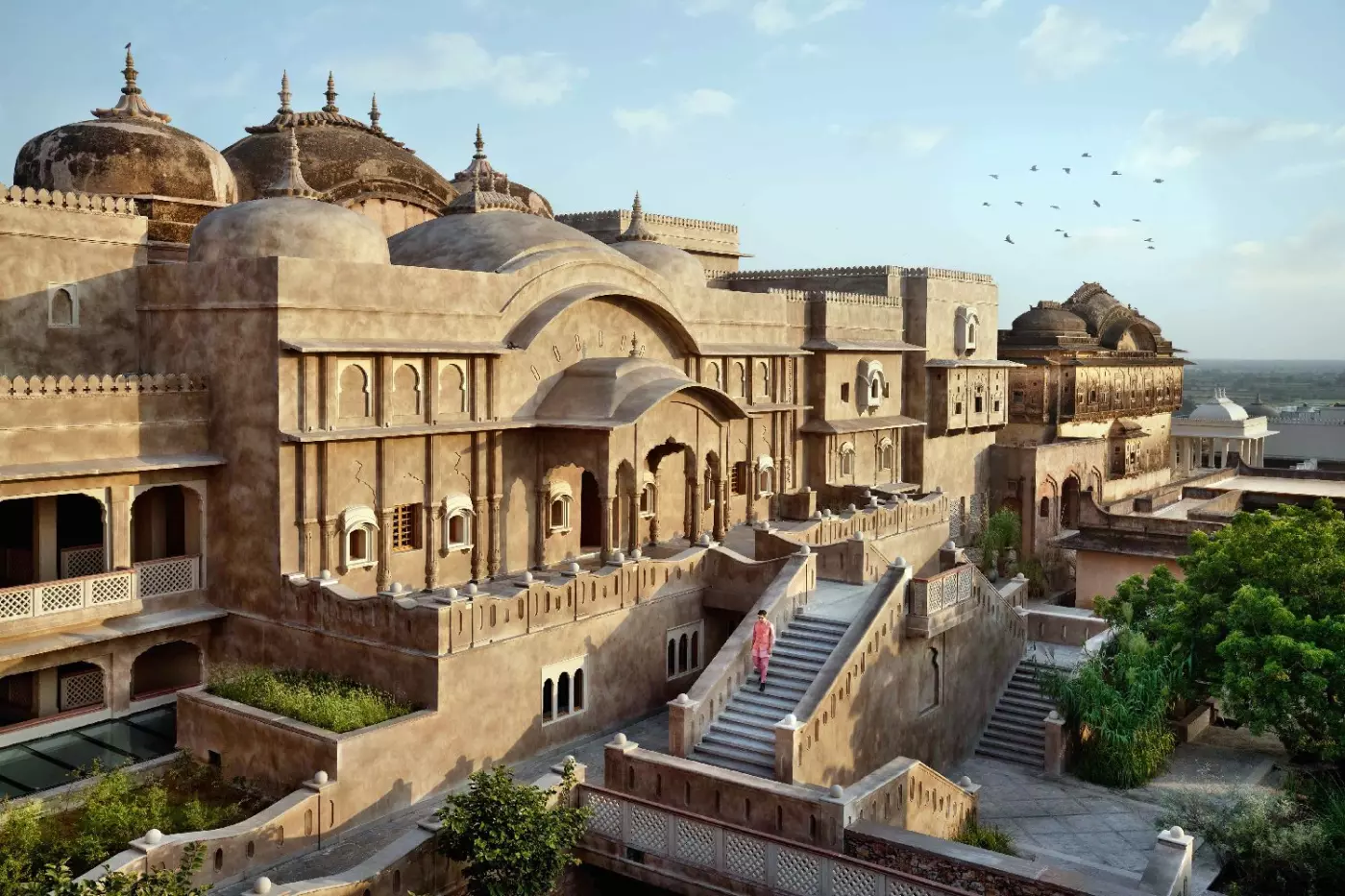
Prices From 602 USD
More amenities
Six Senses Fort Barwara brings new life to a restored Rajasthani fort near Ranthambore. The resort sits within the walls of a...
Ranthambore brings together wildlife country and Rajasthani history. The accommodation setting can make one or the other more prominent in the holiday. A tented camp near the national park creates a different atmosphere from a retreat within restored fort walls, even if both can form part of a nature-led itinerary.
Aman-i-Khas illustrates the camp approach, with Mughal-inspired tents on the park’s outskirts. Six Senses Fort Barwara offers a fort setting in the wider region. Choose between them according to the surroundings you want between outings, rather than treating the destination label as a promise of identical proximity.
The Rajiv Gandhi Regional Museum of Natural History at Ramsinghpura, in Sawai Madhopur, provides an indoor natural-history interest alongside park outings. Its flora and fauna objects give the region’s plants and animals a different kind of attention from watching for them in the landscape. It is a useful choice for someone who wants the visit to include interpretation as well as time outdoors, with a definite subject beyond the search for a particular animal.
Dastkar Ranthambore introduces a human story from the villages around the park. Quilting, patchwork, block printing, Bandhani and embroidery became the basis of a craft initiative supporting women’s livelihoods. The Dastkari Kendra developed as a place for production, training and sales, linking those skills to a market. For a traveler drawn to textiles, this gives local craft browsing a specific focus: the difference between a printed surface, pieces sewn into patchwork and stitched decoration is part of the interest. These traditions add a living regional subject alongside the historic fort, without making the hotel itself the whole cultural experience.
In a broader India journey through Rajasthan, Ranthambore can contrast with time among palaces and urban streets. Let the camp or fort setting support that choice, and allow for the ordinary unpredictability of a living natural environment when deciding how much of the trip belongs here.
No. The park is a wildlife habitat, not a controlled display. Plan to appreciate the broader landscape and animal life, and choose the trip with that uncertainty in mind rather than expecting a particular encounter to be assured.
It forms part of the UNESCO-listed Hill Forts of Rajasthan and is a notable forest hill fort. Its setting adds a distinct historical subject to the region, rather than another version of a palace in a city.
Yes. Vultures and serpent eagles are among Ranthambore’s birdlife. Keeping an interest in birdlife can make quieter periods of an outing more engaging without relying on the most famous species.
Yes. Crocodiles are among the animals associated with the park's lakeside environment. Observe them as wildlife within their habitat, rather than assuming that all worthwhile encounters take place in the same part of the landscape.
It is the wider destination associated with Ranthambore's fort and wildlife country. Keep the actual hotel location clear when arranging the stay; the regional name does not mean every property stands within the national park.