



The Oberoi Rajvilas
Prices From 348 USD
+2
More amenities
- Culture
- Romantic
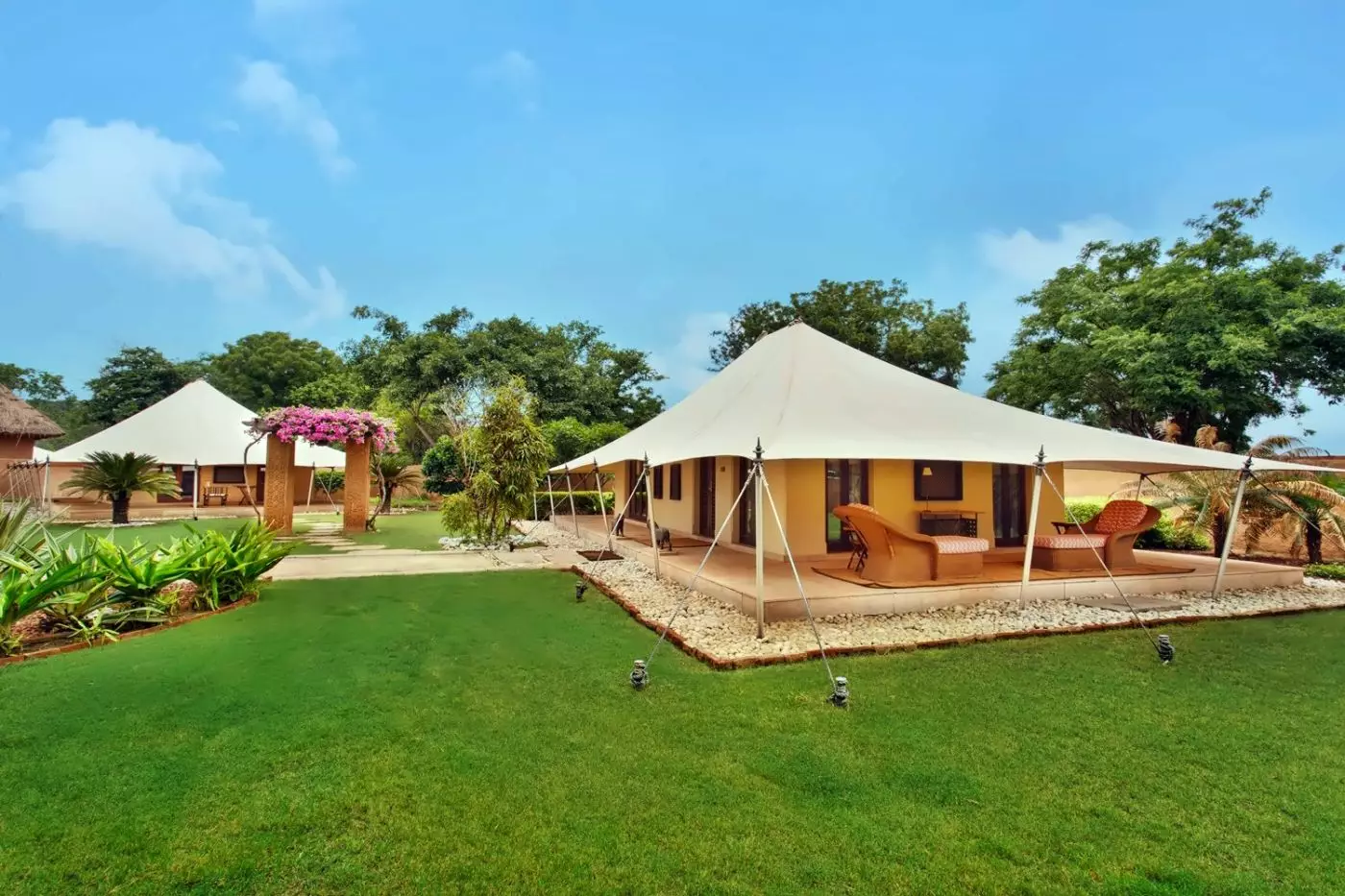
The Oberoi Rajvilas sits east of Jaipur on Goner Road, with 32 acres of gardens between its rooms and the city's busy streets...
Please choose a hotel or destination from the list.
We couldn’t open your search results. Please try again.
Your private search
Finding exceptional stays
Jaipur rewards a stay that makes room for both the Pink City and the retreat you return to. Palace courtyards, bazaars and the hills around Amber create quite different days. Choose your hotel base around the part of Jaipur you want to experience most closely, with enough time to enjoy its gardens or setting between outings.
Prices From 348 USD
More amenities
The Oberoi Rajvilas sits east of Jaipur on Goner Road, with 32 acres of gardens between its rooms and the city's busy streets...

Prices From 808 USD
More amenities
Rambagh Palace carries Jaipur's royal history in its building as much as in its name. Hand-carved marble latticework, sandsto...
Prices From 216 USD
More amenities
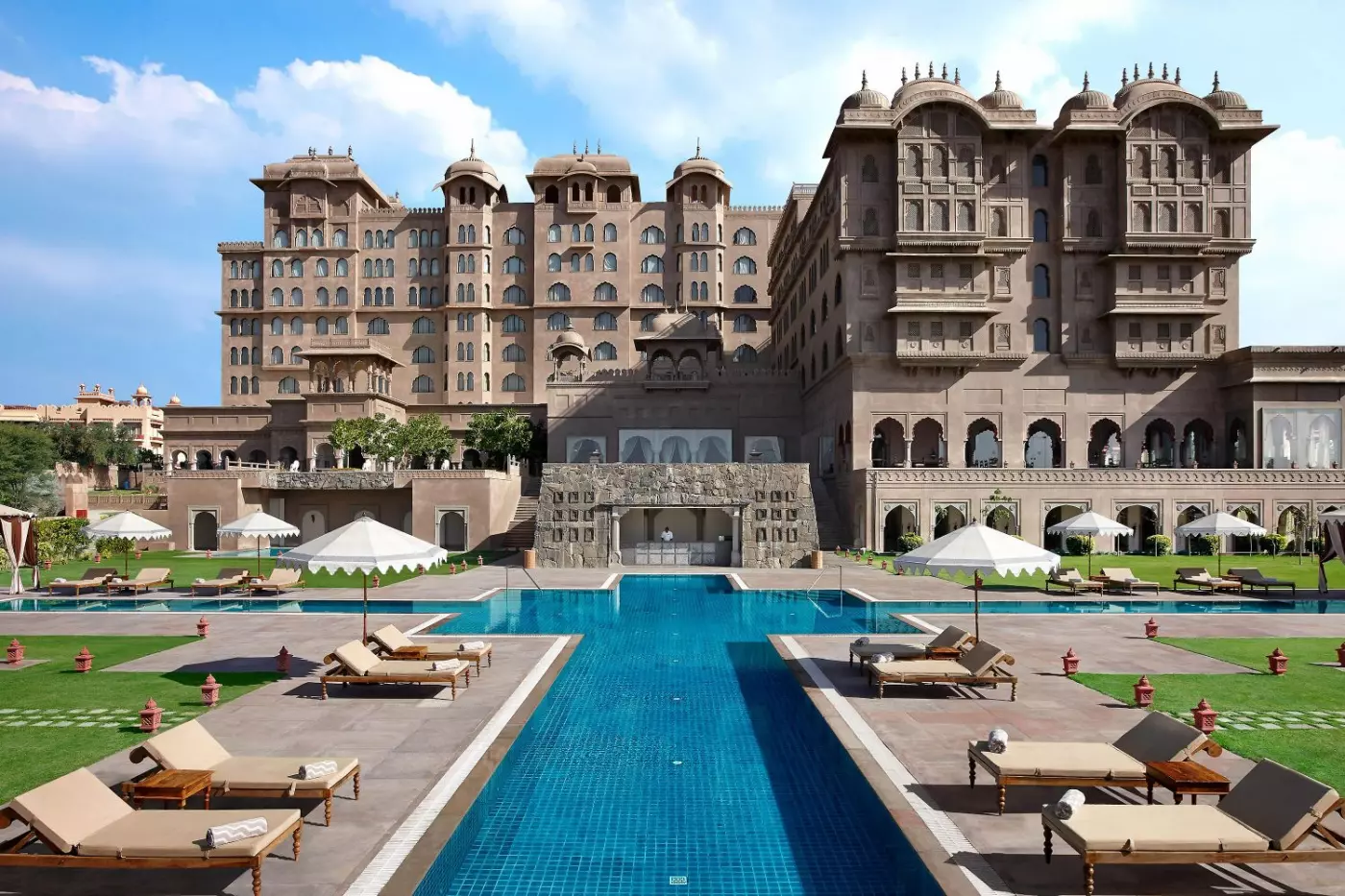
Fairmont Jaipur brings palace-style hospitality to Kukas, north of central Jaipur, on the approach to Amber Fort and the Arav...

Prices From 184 USD
More amenities
The Leela Palace Jaipur is a palace-style resort on the outskirts of Jaipur. It is framed by the Aravalli landscape and desig...
A Jaipur address can mean a palace within the urban fabric or a retreat beyond the busiest streets. Rambagh Palace's Bhawani Singh Road setting offers a different starting point from The Oberoi Rajvilas on Goner Road. Neither should be confused with a room inside the walled Pink City. Compare the actual entrance and the places you intend to visit before choosing the base.
Fairmont Jaipur and The Leela Palace Jaipur are in Kukas, on the outer approach toward Amber. This setting suits a stay with a deliberate hotel interval, rather than an expectation of stepping out into the old-city bazaars. Decide whether lunch, an afternoon rest and dinner will bring you back to the hotel or keep you out in town. That choice shapes the practical value of the location.
Give the City Palace and the streets around the old city's markets a coherent place in the itinerary. Johari Bazaar and Bapu Bazaar invite a slower visit than a sequence of brief monument stops. A guide can help you choose a focused route, leaving time to look at details and return to a shop that interests you.
Amber Palace stands on a hill beyond central Jaipur. Treat it as a separate outing, with its own departure and return arrangement, rather than adding it casually to the end of a crowded city walk. The contrast between enclosed urban streets and the hill setting is part of Jaipur's appeal; allow each to have its own pace.
Albert Hall Museum in Ram Niwas Garden makes a useful choice for a day centered on objects rather than shopping. Its collections include metalwork, carpets and sculpture, alongside miniature paintings from schools including Jaipur, Bundi and Kishangarh. The range lets you connect a Jaipur visit with the wider artistic traditions of Rajasthan without arranging a separate workshop or making a purchase the purpose of the day.
Nahargarh adds a different architectural outing on the Aravalli ridge above Jaipur. Within the fort, Madhavendra Bhawan was a royal summer residence, with connecting corridors decorated by murals. Choose it for the relationship between the palace interior and the elevated city setting. It complements an Amber visit without making the two forts interchangeable: Nahargarh brings Jaipur itself into the outlook, while the old-city streets remain a separate part of the journey.
The wider India luxury hotel guide helps place Jaipur within a longer journey.
It is an astronomical observatory with monumental instruments, including a stone sundial. Choose it for the relationship between geometry, shadows and observation, rather than expecting a planetarium show. An explanation of how the instruments work can make the visit more meaningful than walking past their shapes without context.
Its screened windows allowed royal women to observe the life of the street while remaining out of view. Look at the facade with that purpose in mind. A street-side photograph and a visit inside are different experiences; establish the current visitor arrangements for the one you want rather than treating a photo stop as the whole encounter.
The Anokhi Museum of Hand Printing in Amber occupies a restored haveli and brings block-printed textiles together with tools, images and related objects. Choose it to understand the craft before assessing a purchase. The museum visit has its own value; it does not establish that every textile offered elsewhere was made by the same process.
No. The traditional craft uses a quartz-based body, giving it a different material basis from conventional clay pottery. Look beyond the blue colour when choosing an object: ask about its maker, construction and intended use. A decorative piece and something suitable for everyday table use should not be assumed to have the same purpose.
Lac is a resinous material used to form the bangles, which may be decorated with glass, stones or mirrors. Choose them for the colour and craftsmanship that appeal to you, and establish the correct fit before purchasing. They are a distinct craft choice from precious-metal jewellery, rather than a different name for the same material.