



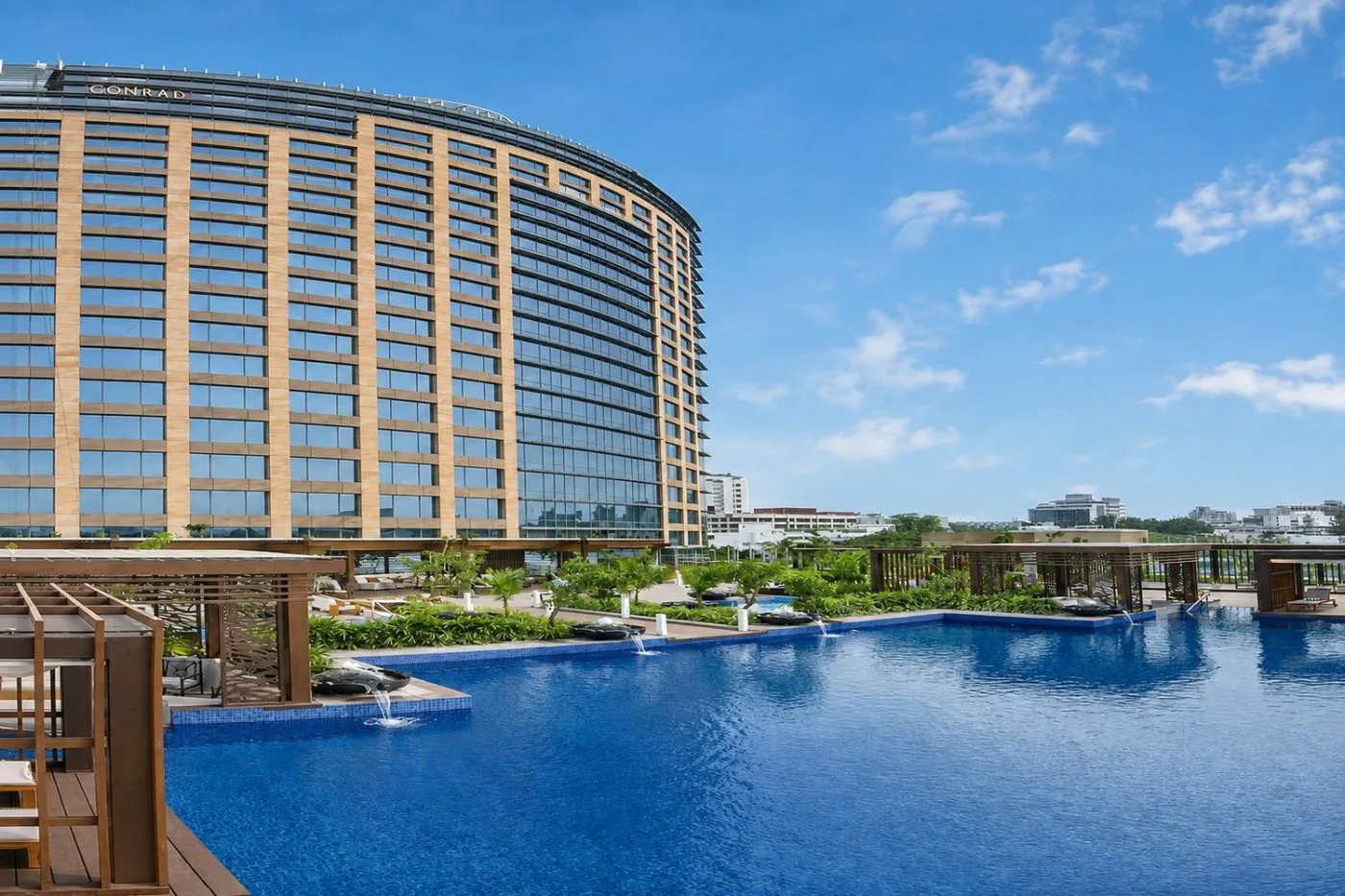
Conrad Bengaluru
Prices From 174 USD
+3
More amenities
- Sauna
- Culture
- City Vibe
Conrad Bengaluru is a high-rise luxury hotel in Ulsoor, one of the city's most useful central districts. The hotel rises 24 s...
Please choose a hotel or destination from the list.
We couldn’t open your search results. Please try again.
Your private search
Finding exceptional stays
Bengaluru, also widely known as Bangalore, offers more than a business stop: gardens, art collections and royal architecture can give a city stay its own purpose. Choose a base around the places you expect to revisit, then leave time for the hotel between outings. A central address, a lake-facing setting and a day of cultural visits need not produce the same daily routine.
Prices From 174 USD
More amenities
Conrad Bengaluru is a high-rise luxury hotel in Ulsoor, one of the city's most useful central districts. The hotel rises 24 s...
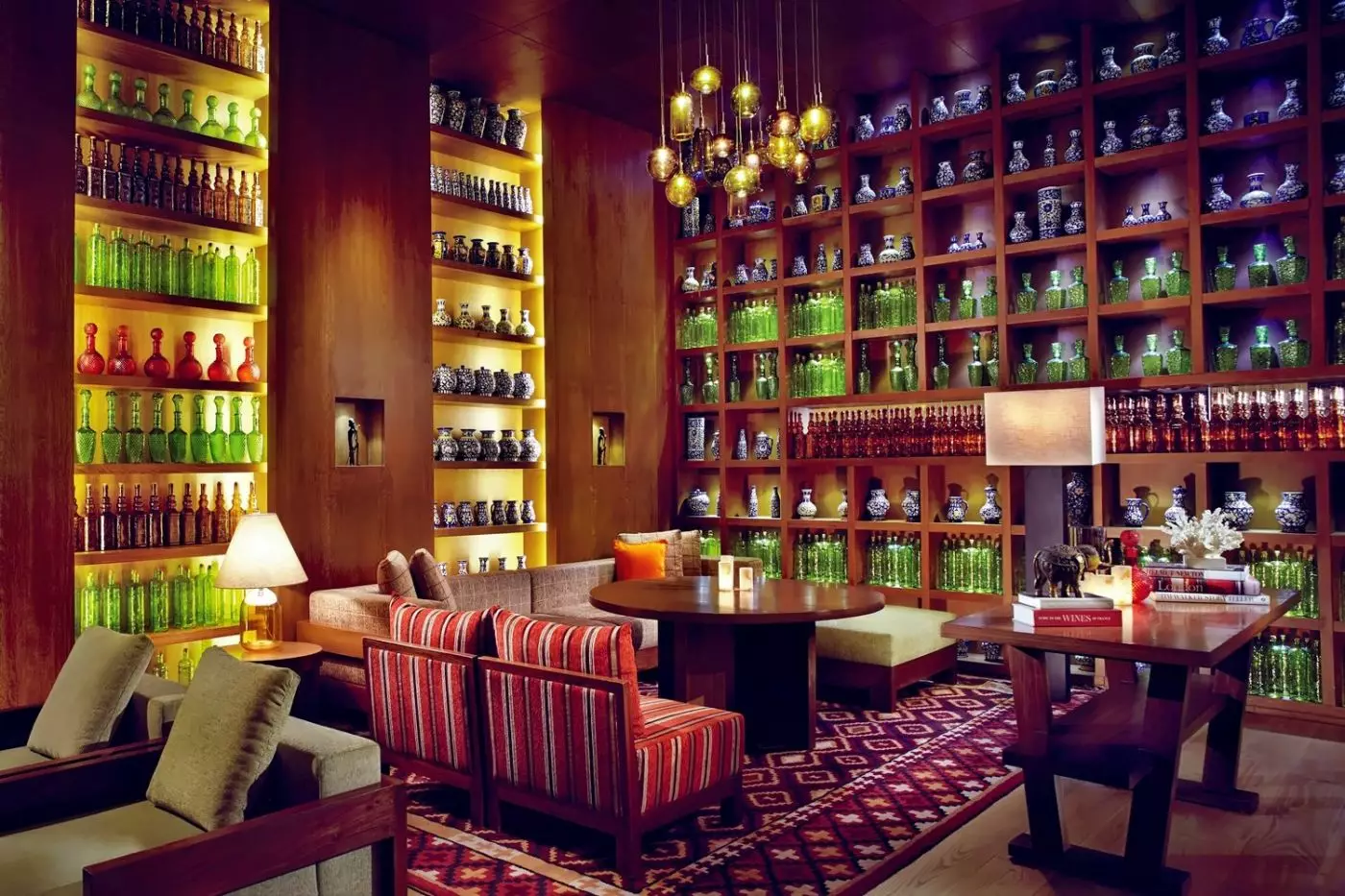
Prices From 236 USD
More amenities
Ritz Carlton Bangalore is a polished city hotel on Residency Road, close to MG Road, Cubbon Park, shopping, offices and centr...
Conrad Bengaluru’s Kensington Road address in Ulsoor and The Ritz-Carlton’s Residency Road setting offer different starting points within the city. A lake-facing outlook may matter when time at the hotel is part of the pleasure, while a base chosen around your appointments can give the day another shape. Compare the actual locations you need, rather than treating Bengaluru’s technology-city reputation as one precise hotel district.
Cubbon Park, also called Sri Chamarajendra Park, brings an extensive green setting into central Bengaluru. Lalbagh offers another kind of visit, with its botanical collection and glasshouse giving a garden-focused outing a particular subject. Choose the place that interests you rather than treating both simply as interchangeable green space.
Vidhana Soudha gives an architectural outing a civic subject: the building houses Karnataka’s legislature. Its Bangalore granite and Dravidian forms include floral carving drawn from South Indian temple craft. Choose the exterior for the way regional architectural traditions entered a modern government building, contrasting with the royal residences described below. It adds a specific city landmark to a day around the central gardens without making a museum collection the only cultural option. The building’s public role is distinct from a palace visit.
For the broader regional journey, the India guide keeps the national choices separate from Bengaluru’s local days.
NGMA in Manikyavelu Mansion on Palace Road follows the development of modern Indian art through painting, sculpture and related media, including the Bengal School and post-independence work. MAP on Kasturba Road ranges across photography, popular culture, textiles, craft and design as well as fine art. Choose NGMA for an art-historical survey, or MAP when images and designed objects across several forms are the particular interest. Current displays determine the works you will see.
The Visvesvaraya Industrial and Technological Museum focuses on science and technology, with galleries including an Engine Hall. Choose it when engineering and the way things work interest you, rather than expecting another fine-art collection. Check the specific galleries or activities you want before allowing the museum to determine the whole afternoon.
Bangalore Palace has a Tudor-inspired character, associated with the Wodeyar royal family. It offers a different architectural interest from the city’s modern hotel interiors or its garden landscapes. Choose the visit for that subject and confirm the current visitor arrangements, without assuming that every part of the palace or grounds will be included.
No. Bengaluru has its own Tipu Sultan Summer Palace, with an Indo-Islamic architectural character. The similarly named palace at Srirangapatna is a different destination. Retain the town as well as the palace name when planning the outing, so a city visit is not confused with a separate regional journey.
The Bull Temple centres on a large granite monolith of Nandi, the bull associated with Shiva. Its Dravidian architectural character gives a Basavanagudi visit a different sacred subject from Bengaluru’s royal palaces or art museums. Choose it for the sculpture and temple setting, with respect for its continuing religious role. The statue is the focus; a visit need not depend on attending a seasonal festival.