



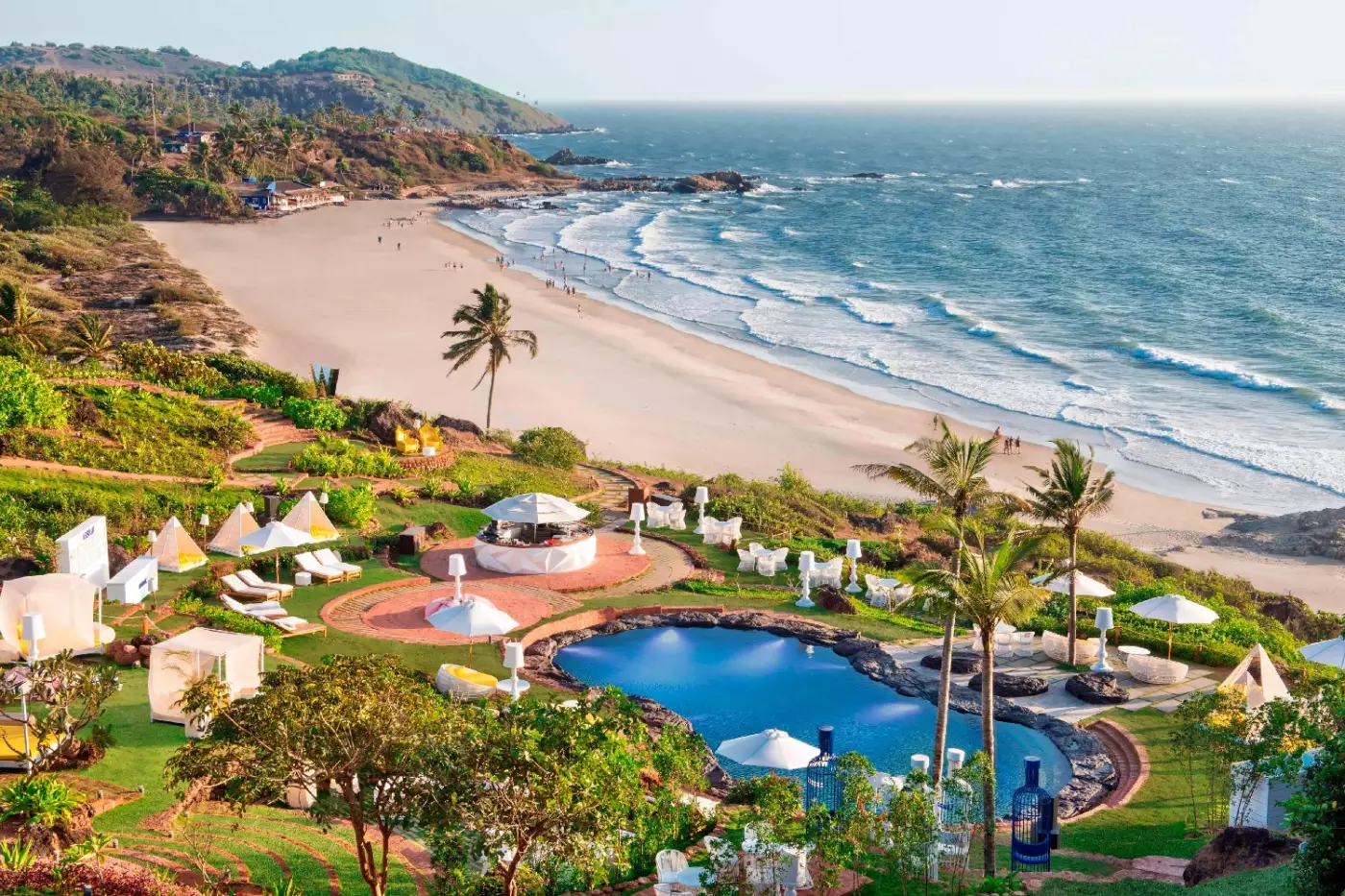
W Goa
Prices From 269 USD
+3
More amenities
- Sauna
- Beach
- Culture
W Goa sits above Vagator Beach in North Goa, with views toward the Arabian Sea and easy access to one of the state's most dis...
Please choose a hotel or destination from the list.
We couldn’t open your search results. Please try again.
Your private search
Finding exceptional stays
Goa needs to be chosen by area, not treated as one long hotel neighborhood. Vagator in the north and Mobor in the south place different parts of the coast at the center of a stay. Start with the setting you want each day, then add cultural outings that deepen the visit without displacing the beach time you came for.
Prices From 269 USD
More amenities
W Goa sits above Vagator Beach in North Goa, with views toward the Arabian Sea and easy access to one of the state's most dis...
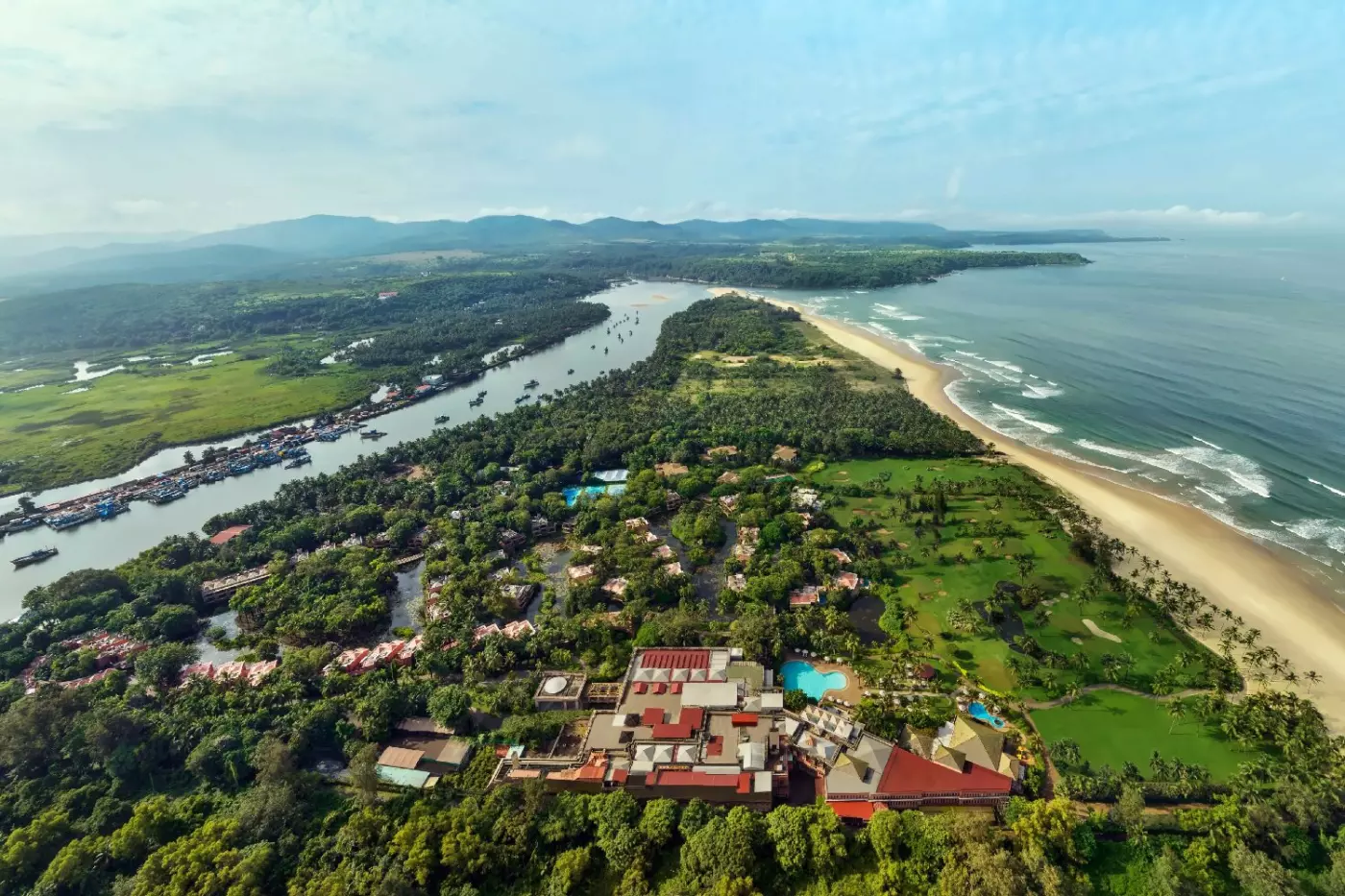
Prices From 236 USD
More amenities
The St Regis Goa Resort sits in South Goa, close to Cavelossim and the soft sands of Mobor Beach. The resort spreads across t...
W Goa has a Vagator Beach address, while The St. Regis Goa Resort is at Mobor in South Goa. These locations are the first meaningful distinction in the collection. Compare the coast you want to return to before judging the room or deciding which hotel photograph feels most appealing.
A northern base and a southern base should each support the trip in their own way. Avoid filling every day with a journey to the opposite part of the state. The actual hotel setting matters more than a broad assumption that one half of Goa has a single atmosphere or that every beach provides the same routine.
Chandor offers an inland visit centred on houses and their collections. At the seventeenth-century Braganza House, the east wing's ballroom combines Italian marble flooring, European chandeliers and carved rosewood furniture. The west wing adds family portraits, Chinese porcelain from Macau and the library associated with journalist Luis de Menezes Braganza. Choose this domestic setting for an interest in how Goan households collected, furnished and lived, distinct from the religious monuments of Old Goa.
The village also carries a much older political history. As Chandrapura, it served as a capital under the Bhojas and later the Kadambas. Remnants of an old fort and a Nandi bull sculpture give that earlier chapter a physical presence. Pair this interest with the later heritage houses when the changing life of one settlement matters more to you than another beach stop.
The India destination guide helps separate a Goan coastal stage from city, palace and inland retreats elsewhere. Give each part a different role. Within Goa, change base only when it brings a coastal setting you specifically want to experience.
The churches and convents of Old Goa form a UNESCO World Heritage property, reflecting the region’s Portuguese-era religious architecture. Choose a visit for that historical subject rather than expecting it to resemble a beach settlement or a resort outing.
Chapora Fort introduces a historic fortified site to the northern-coast visit. Choose it for that layer of Goa’s history rather than expecting another resort facility. It adds a different subject to time around Vagator and the beach.
Feni is a distinctive Goan spirit with a place in the region’s food and drink traditions. A guided introduction can connect it with local production and cultural history. Select that experience for genuine interest, separate from a general day of coastal sightseeing.
No. Panjim, also called Panaji, is Goa’s state capital, while Old Goa is the historic settlement associated with the World Heritage churches and convents. Keep the names distinct when choosing the cultural focus of an outing.
Goa Chitra is an ethnographic museum, offering a route into local traditions and ways of life. It gives a cultural outing a different subject from Old Goa’s religious monuments, particularly for travelers who want to look beyond architecture alone.