



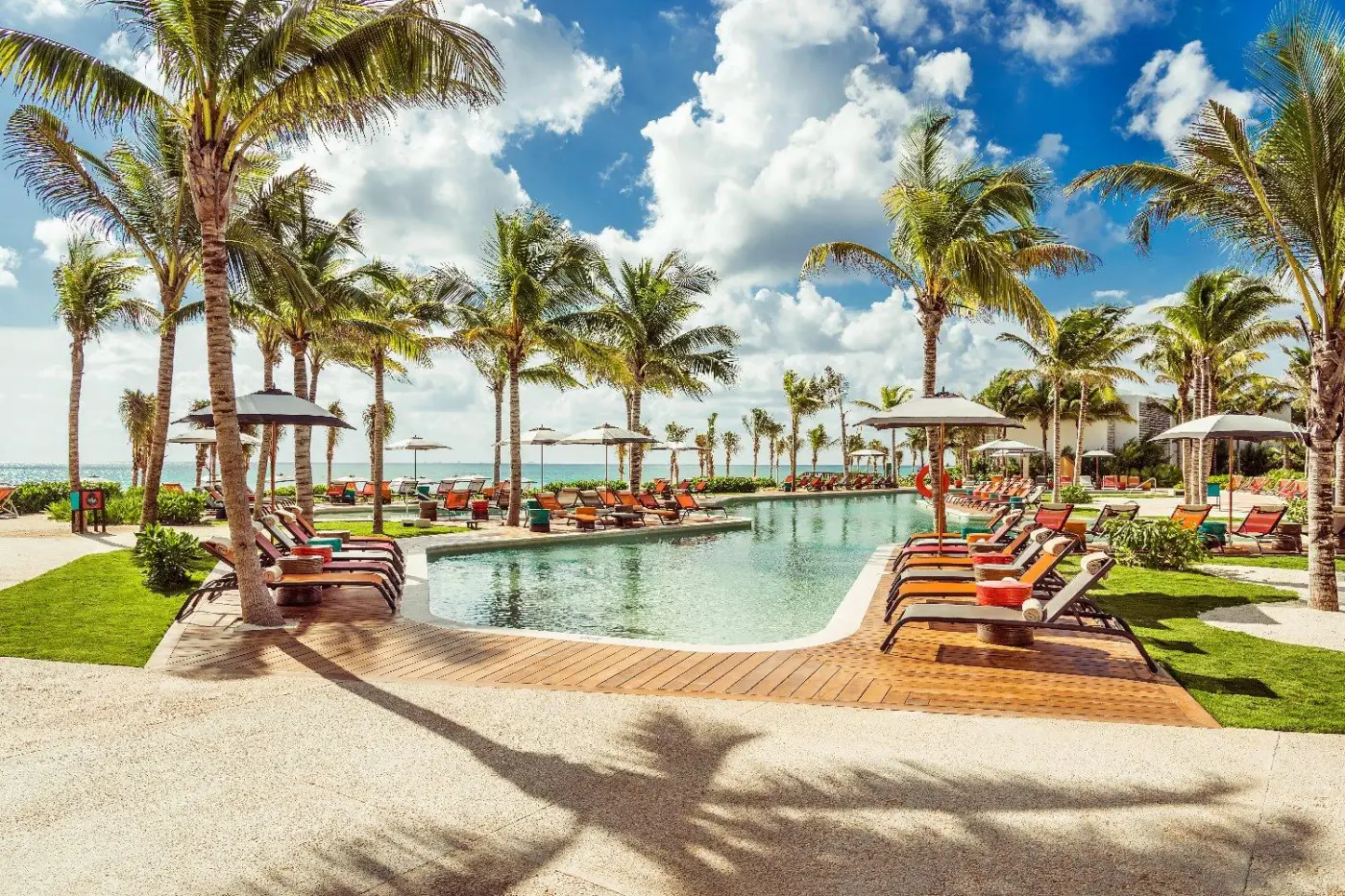
Alila Mayakoba Playa del Carmen
Prices From 435 USD
+3
More amenities
- Sauna
- Beach
- Sustainable
Alila Mayakoba Playa del Carmen sits inside the private Mayakoba resort community on Mexico's Riviera Maya, between Cancun an...
Please choose a hotel or destination from the list.
We couldn’t open your search results. Please try again.
Your private search
Finding exceptional stays
Mexico offers several different journeys: a capital-city visit around art and collections, an inland heritage stay, a marine outing in Baja or time within a coastal landscape. Its luxury hotels range from contemporary city addresses to restored houses and hacienda estates, with forest and beach resorts serving different trip purposes. Give the places you want to explore a clear role in the itinerary, then choose a hotel base for each.
Prices From 435 USD
More amenities
Alila Mayakoba Playa del Carmen sits inside the private Mayakoba resort community on Mexico's Riviera Maya, between Cancun an...
Prices From 399 USD
More amenities
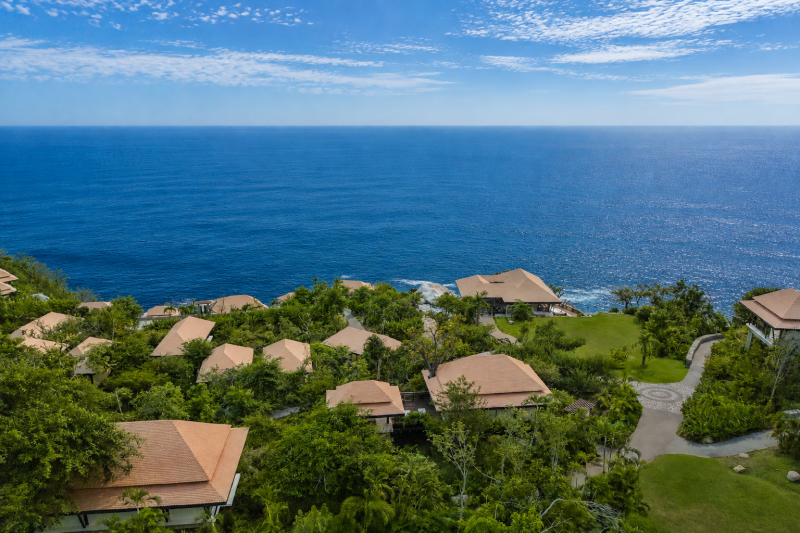
Banyan Tree Cabo Marqués is a private-pool villa resort on the cliffs of Acapulco's Punta Diamante, Mexico. Its 45 villas loo...
Prices From 980 USD
More amenities
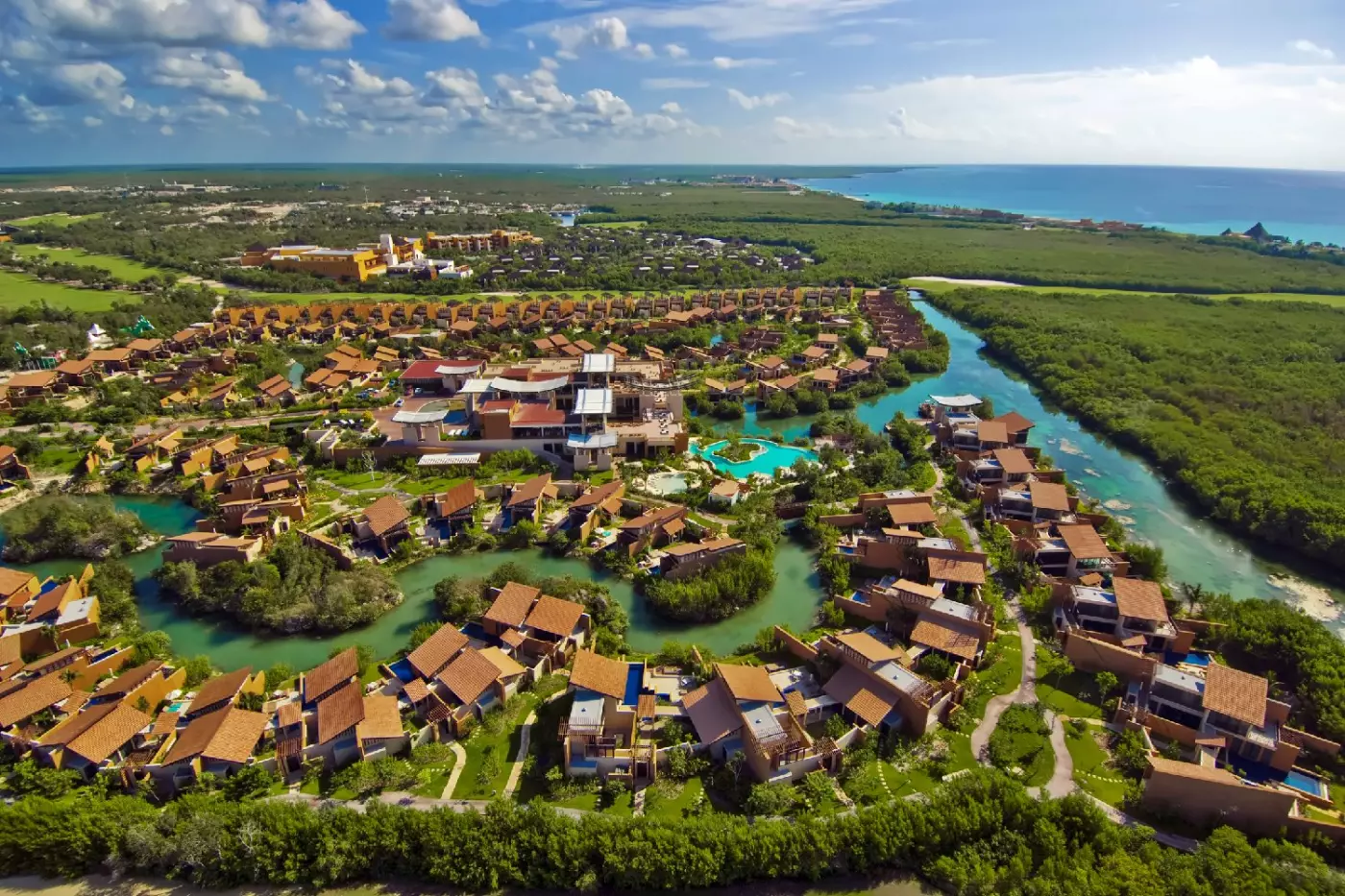
At Banyan Tree Mayakoba, all 159 villas and suites have private pools within the gated Mayakoba community near Playa del Carm...
Prices From 669 USD
More amenities
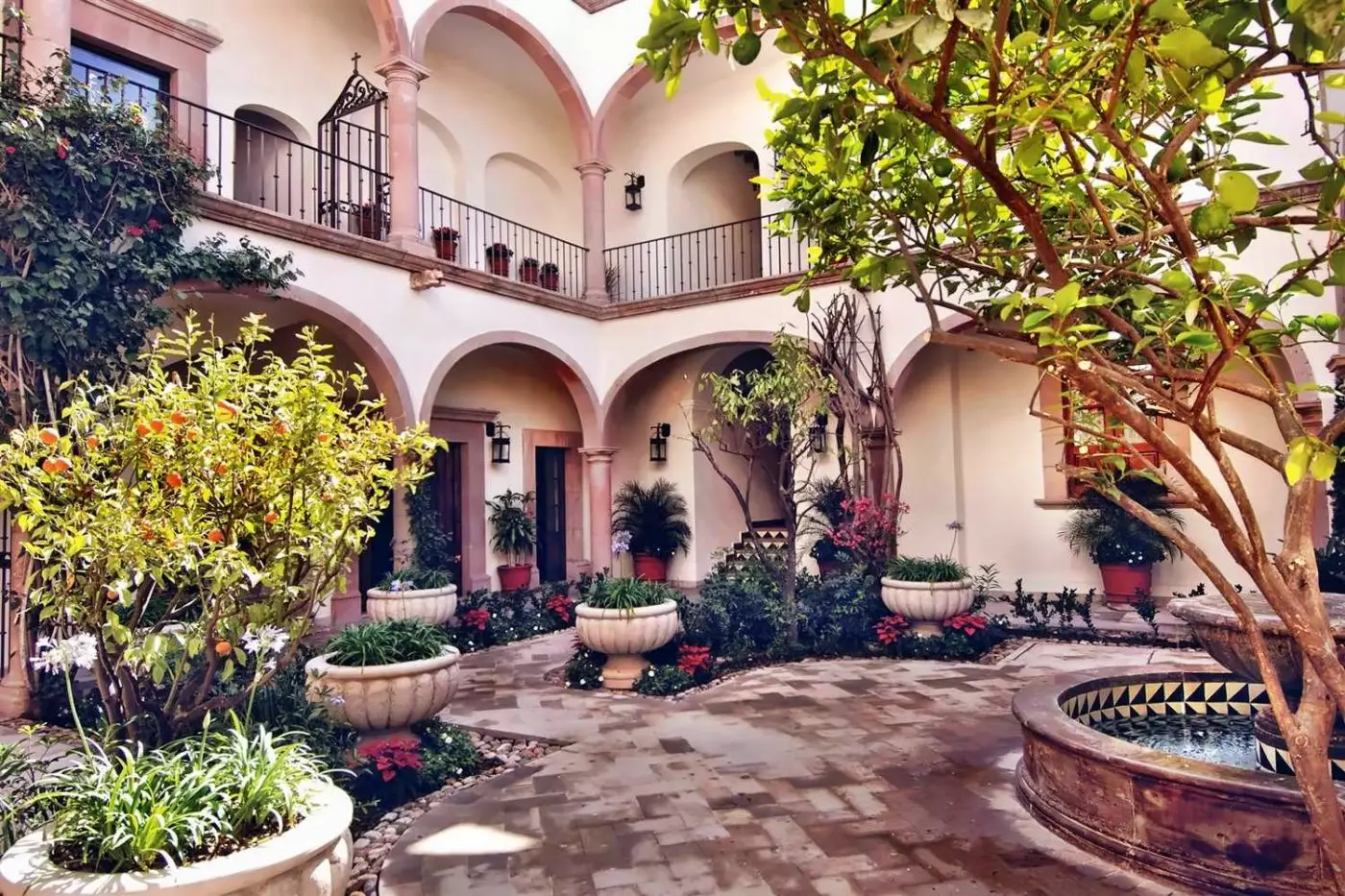
Casa de Sierra Nevada, A Belmond Hotel, San Miguel de Allende occupies six historic houses in the city's center. Its 14 rooms...
Prices From 910 USD
More amenities
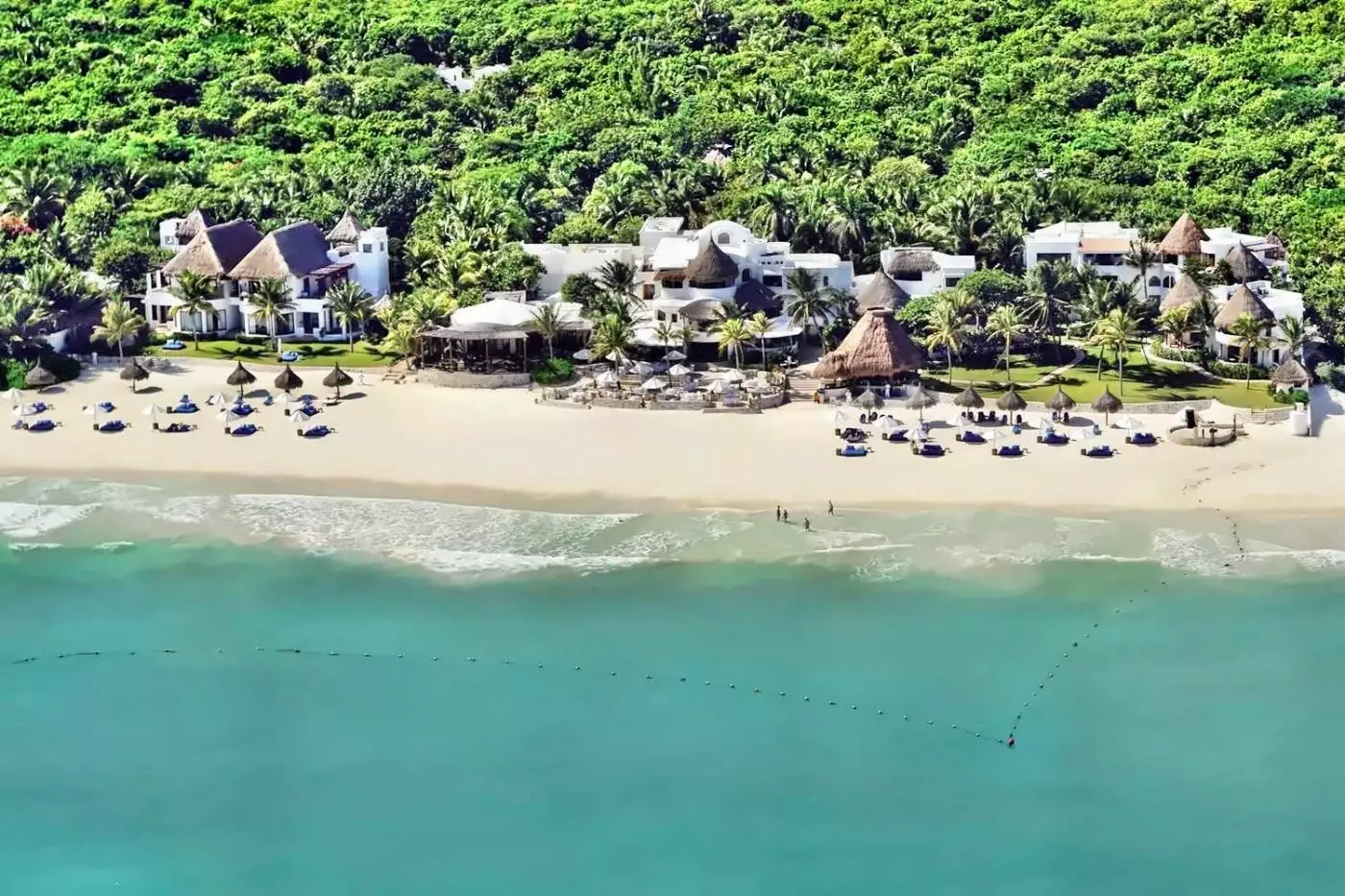
Maroma, A Belmond Hotel, Riviera Maya is a beachfront resort in Mexico, set between Caribbean white sand and tropical jungle....

Prices From 469 USD
More amenities
Viceroy Riviera Maya is less a conventional beachfront hotel than a small settlement of private villas threaded through tropi...
Prices From 1’195 USD
More amenities
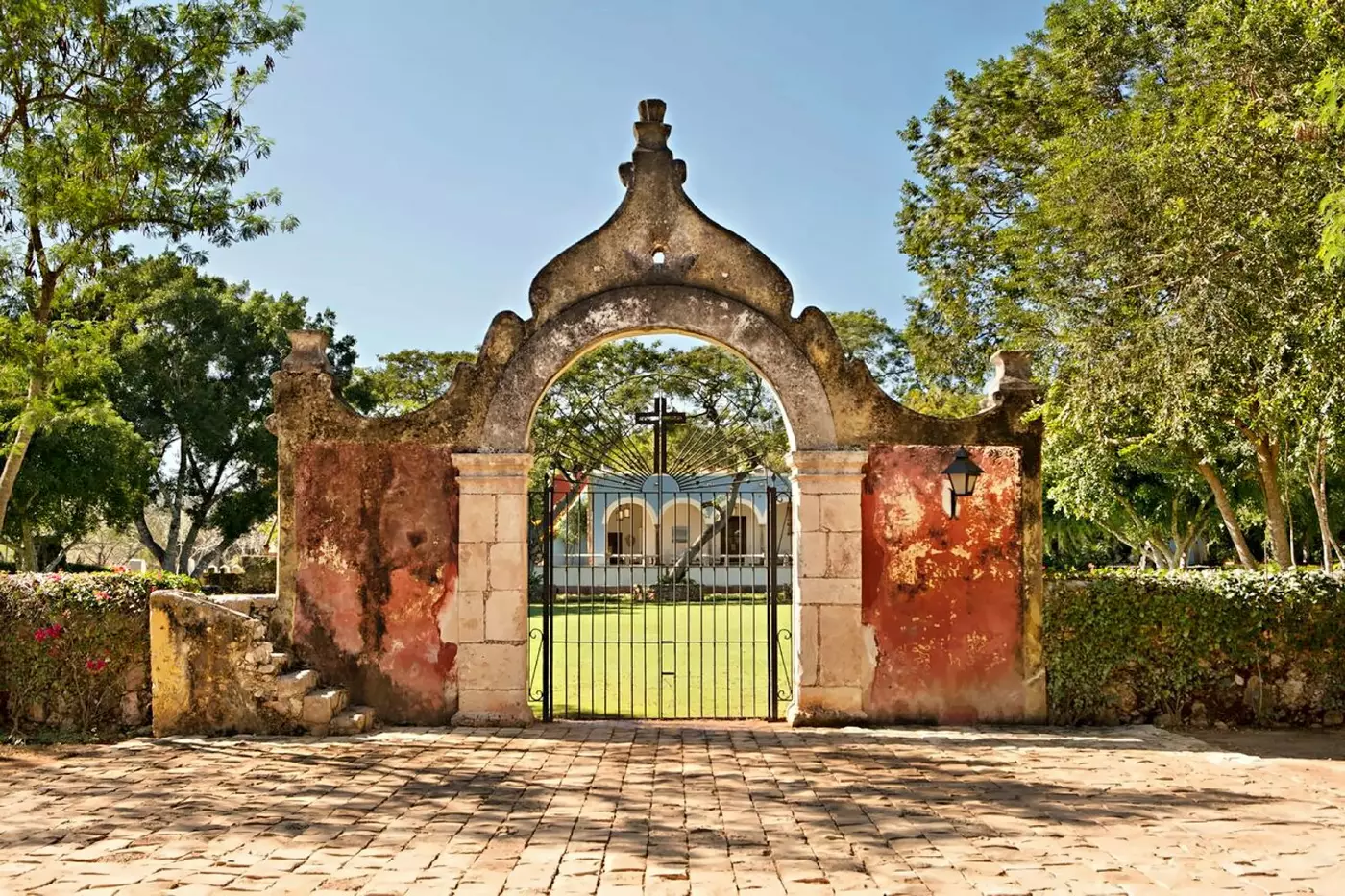
Chablé Yucatán is an inland retreat outside Chocholá, southwest of Mérida, where a historic henequen hacienda meets dense Yuc...
Prices From 977 USD
More amenities
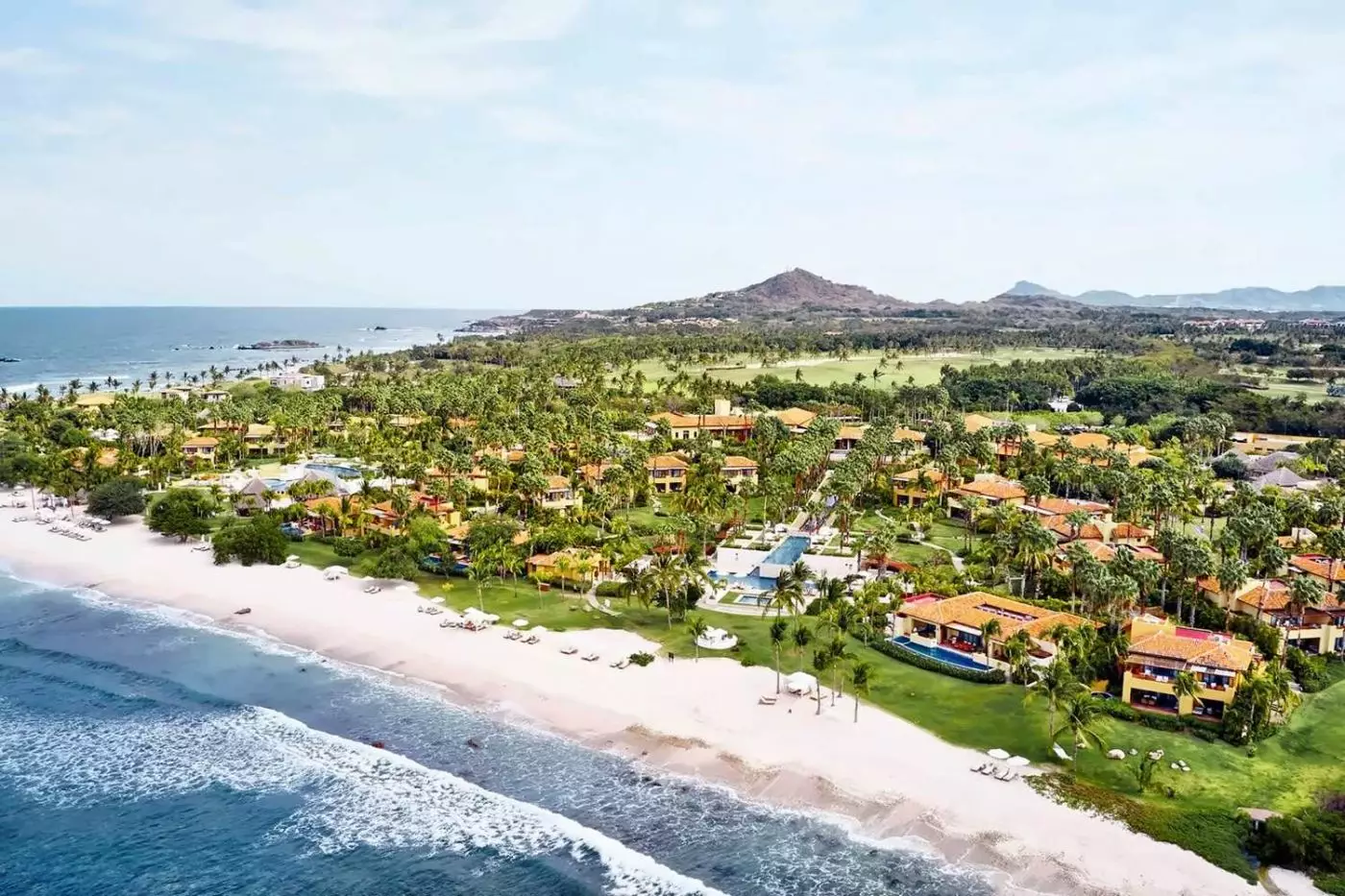
The St. Regis Punta Mita Resort occupies 22 tropical acres inside Punta Mita, the gated peninsula on Mexico's Riviera Nayarit...
Prices From 1’014 USD
More amenities
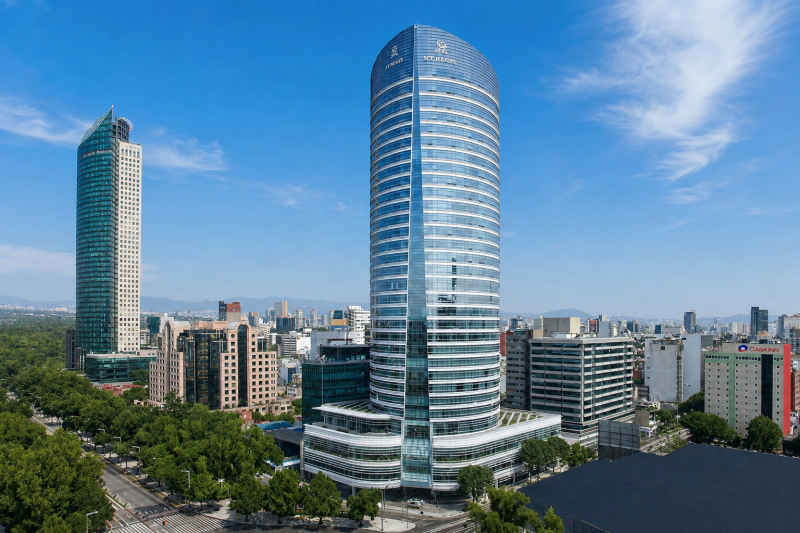
The St. Regis Mexico City is a luxury hotel on Paseo de la Reforma, directly above the Diana the Huntress roundabout and with...
Reserved for You
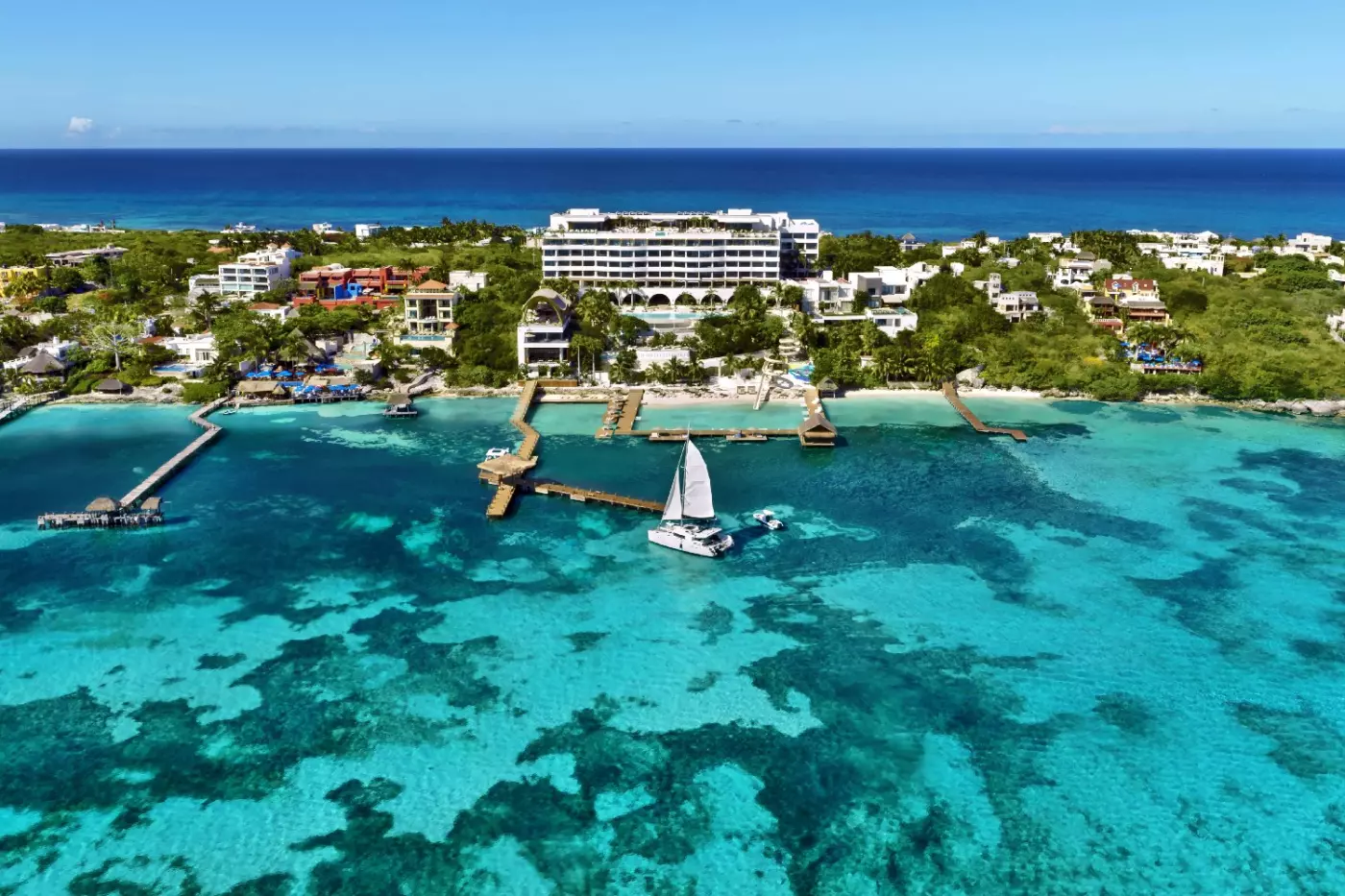
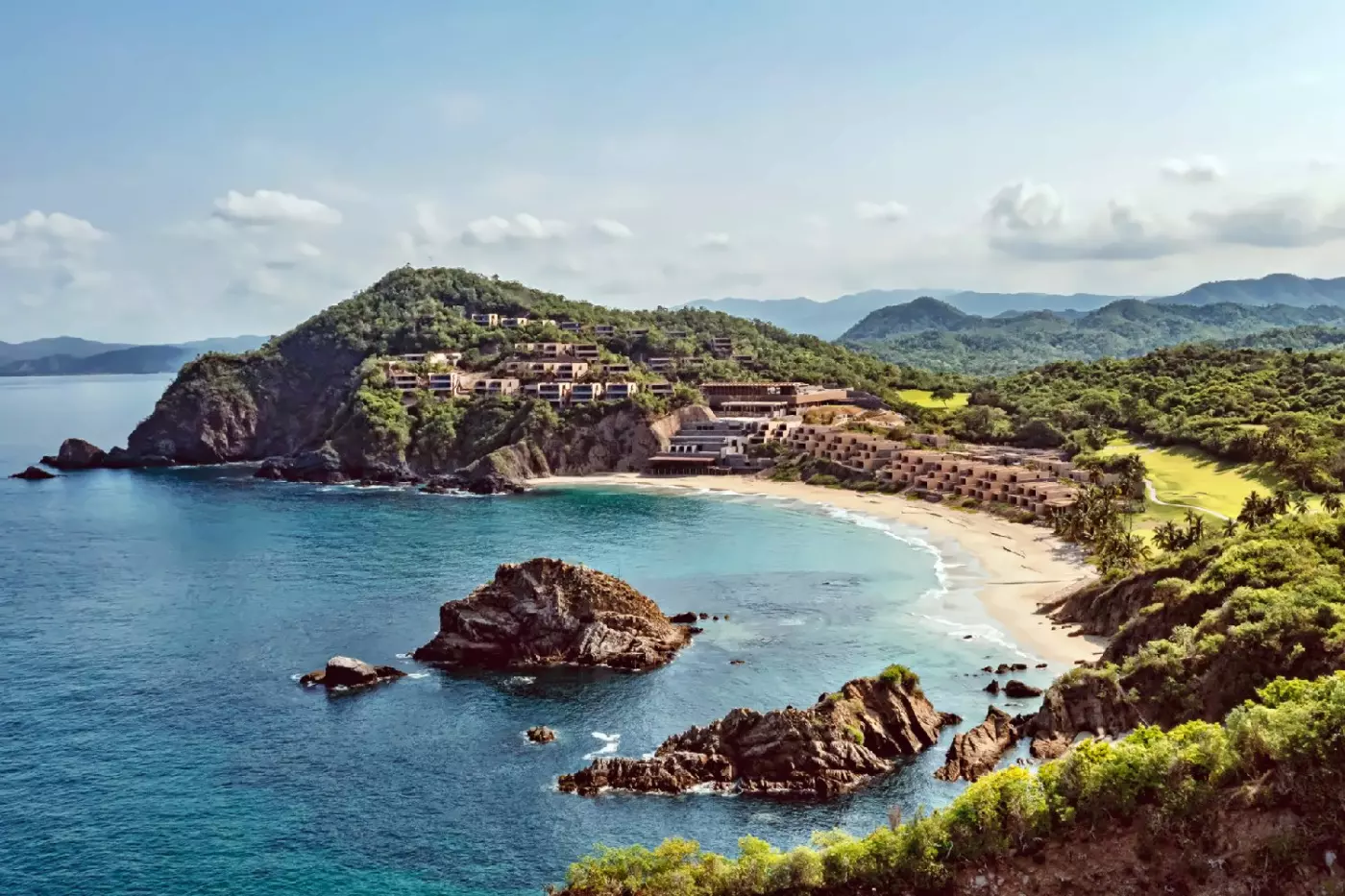

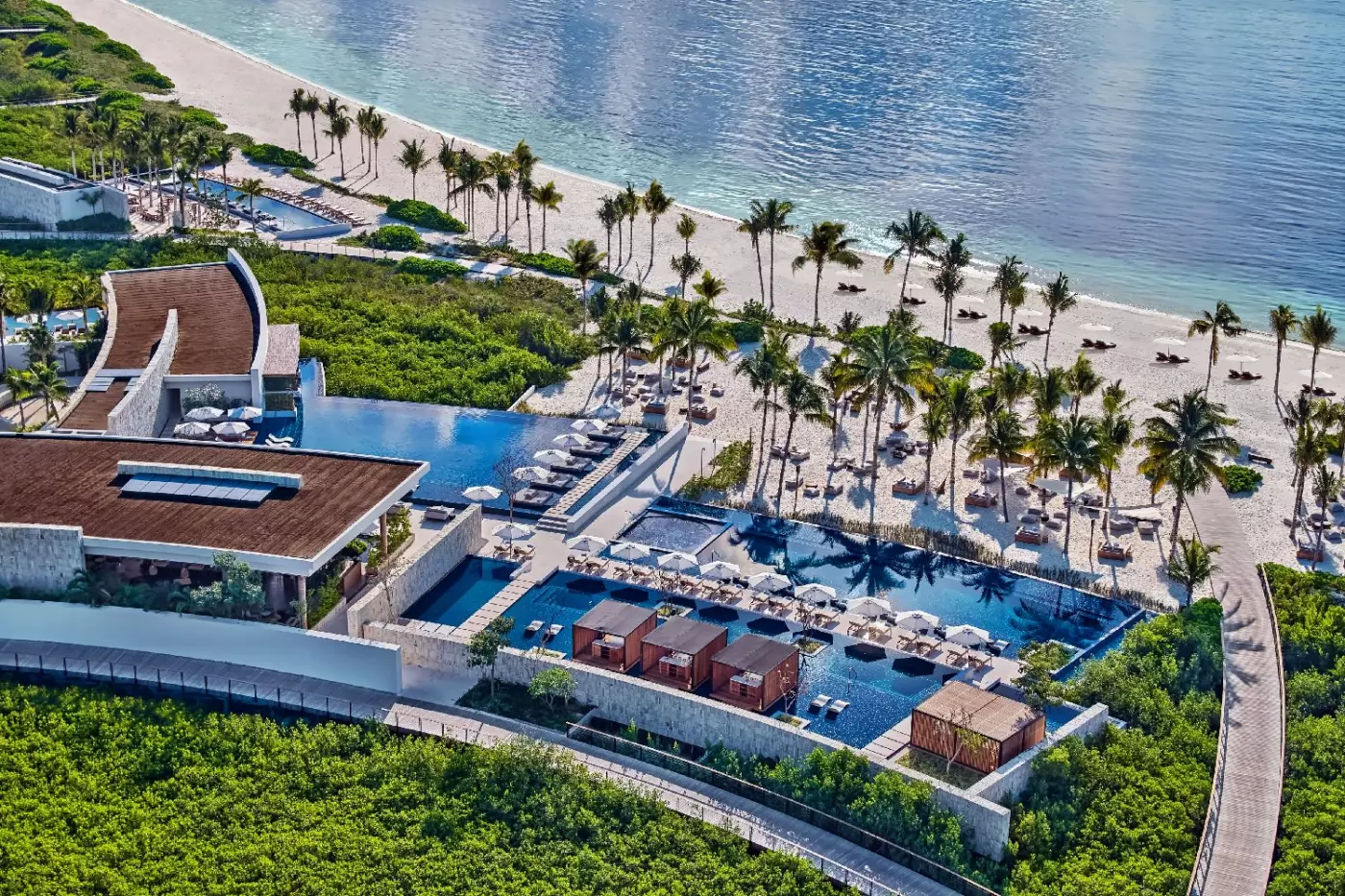
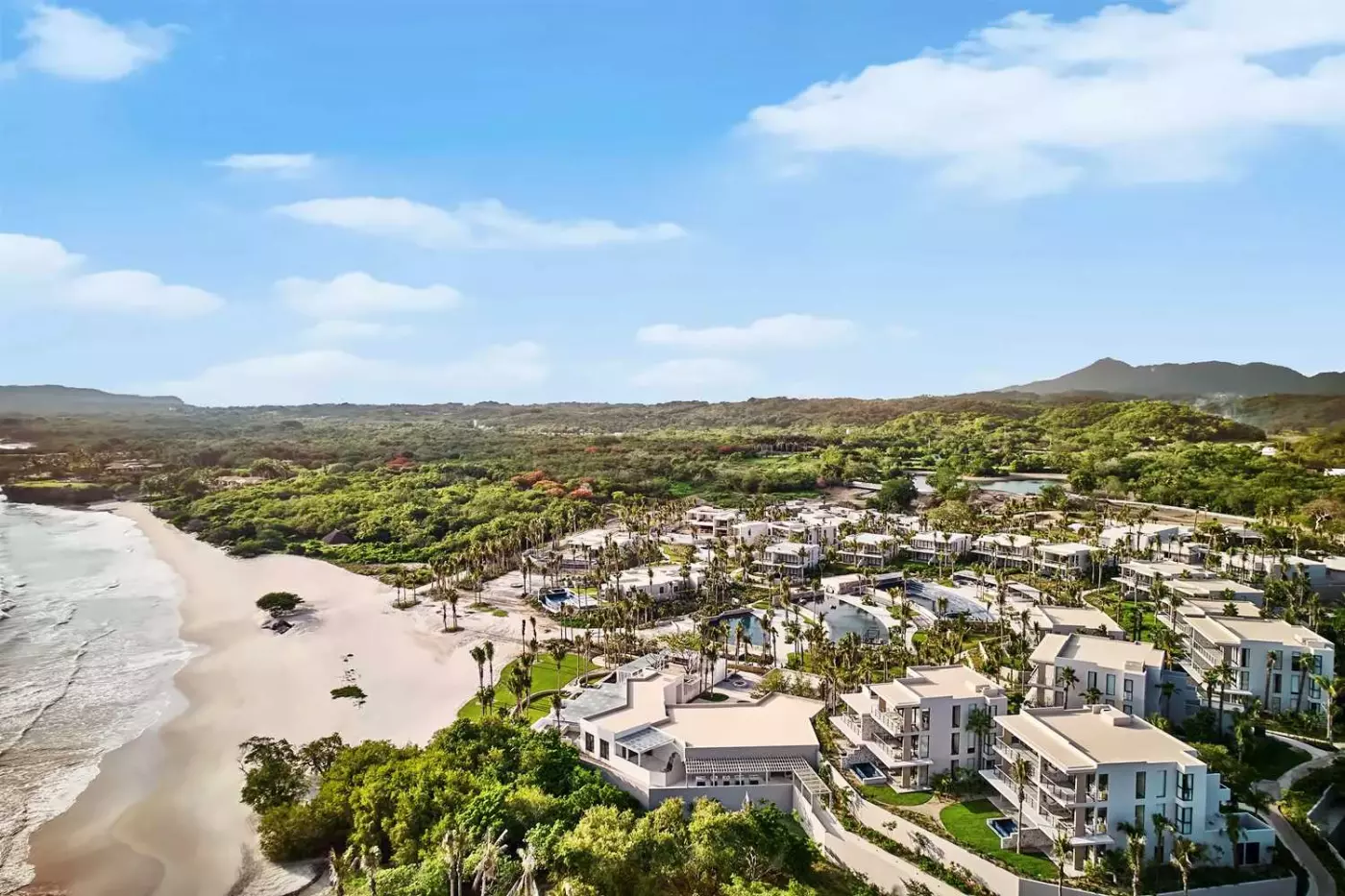
Mexico City suits a cultural stay with enough time for the capital itself. The National Museum of Anthropology in Chapultepec brings archaeological and ethnographic collections together, giving a guided visit a focus on Mexico's cultures and history. Choose the collections you most want to understand before filling the rest of the day with further outings.
Paseo de la Reforma and Chapultepec also help frame the hotel choice. A contemporary address such as The Ritz-Carlton, Mexico City illustrates the capital's urban hotel character. Select the location around the visits you plan, rather than letting an impressive hotel view stand in for time exploring the city.
San Miguel de Allende offers a more concentrated heritage setting. Its religious and civic architecture brings Mexican Baroque and later styles into a town visit. A guided walk helps connect those buildings with their history, while the Sanctuary of Atotonilco provides a separate outing for its church interiors and mural painting. Arrange the town walk and sanctuary visit as distinct experiences, with the ground journey included in the plan.
A restored-house stay such as Casa de Sierra Nevada, A Belmond Hotel extends that architectural setting into the visit. A separately booked class at Sazon Cooking School adds a hands-on introduction to regional cooking. Mexico City and San Miguel can be linked by road: the capital contributes major collections and urban scale, while the heritage town changes the pace and subject of the visit. Plan the transfer around the chosen departure and arrival rather than promising a fixed journey time.
The East Cape is on the Sea of Cortez side of Baja California Sur. Cabo Pulmo, in the Los Cabos area beside the Gulf of California, gives a marine-focused trip a reason to explore beyond the hotel. Diving and snorkeling are principal visitor activities, with local providers arranging outings. Choose the activity around your experience level and the operator's conditions; a beachfront hotel reservation does not arrange a dive or establish conditions in the water.
Use an East Cape stay when the sea and those outings are central to the journey. The Los Cabos name covers different settings, so identify the actual hotel location and the ground route to the activity before combining accommodation and boat plans.
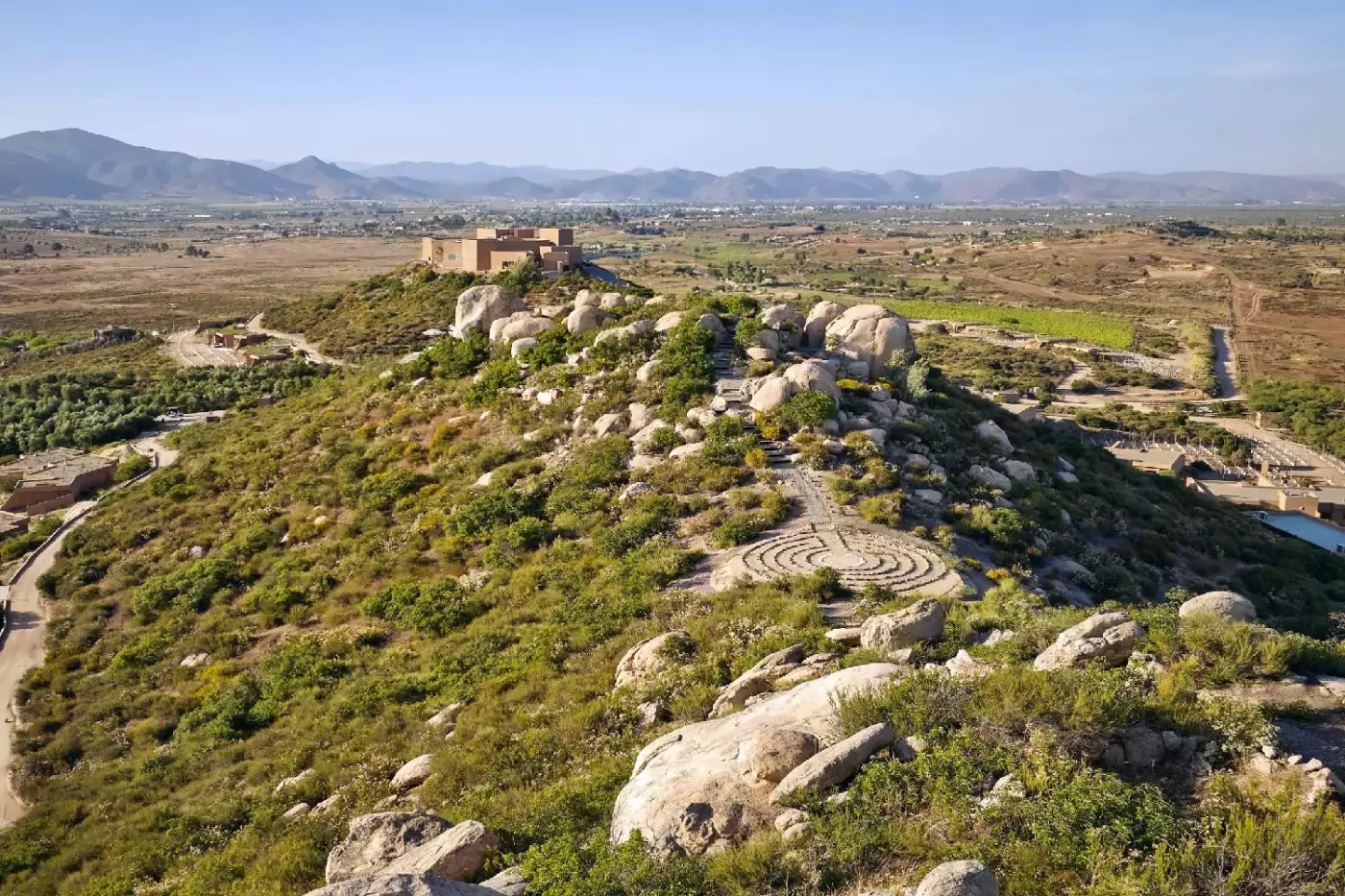
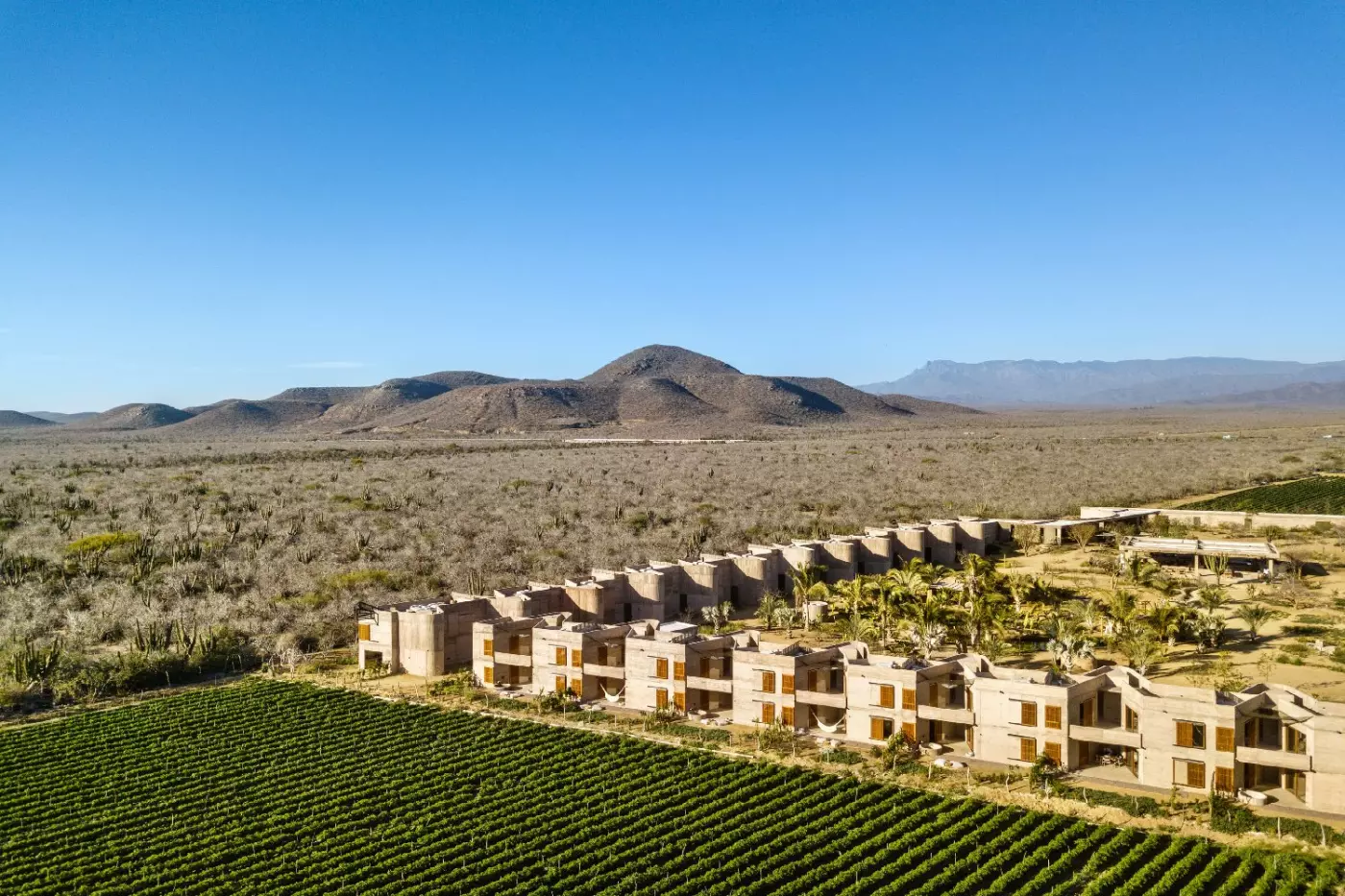
Near Ensenada in Baja California, Valle de Guadalupe serves a different purpose from a Los Cabos beach stay. Vineyard surroundings and tastings give this northern wine destination its own role in an itinerary. Banyan Tree Veya Valle de Guadalupe, with Pictograma Winery's focus on Grenache, is one example of that wine-country setting.
Arrange the tastings that matter separately and leave time to enjoy the landscape around the stay. Treat the valley and southern Baja as distinct destinations with their own travel arrangements, rather than adjoining resort areas connected by a hotel change.
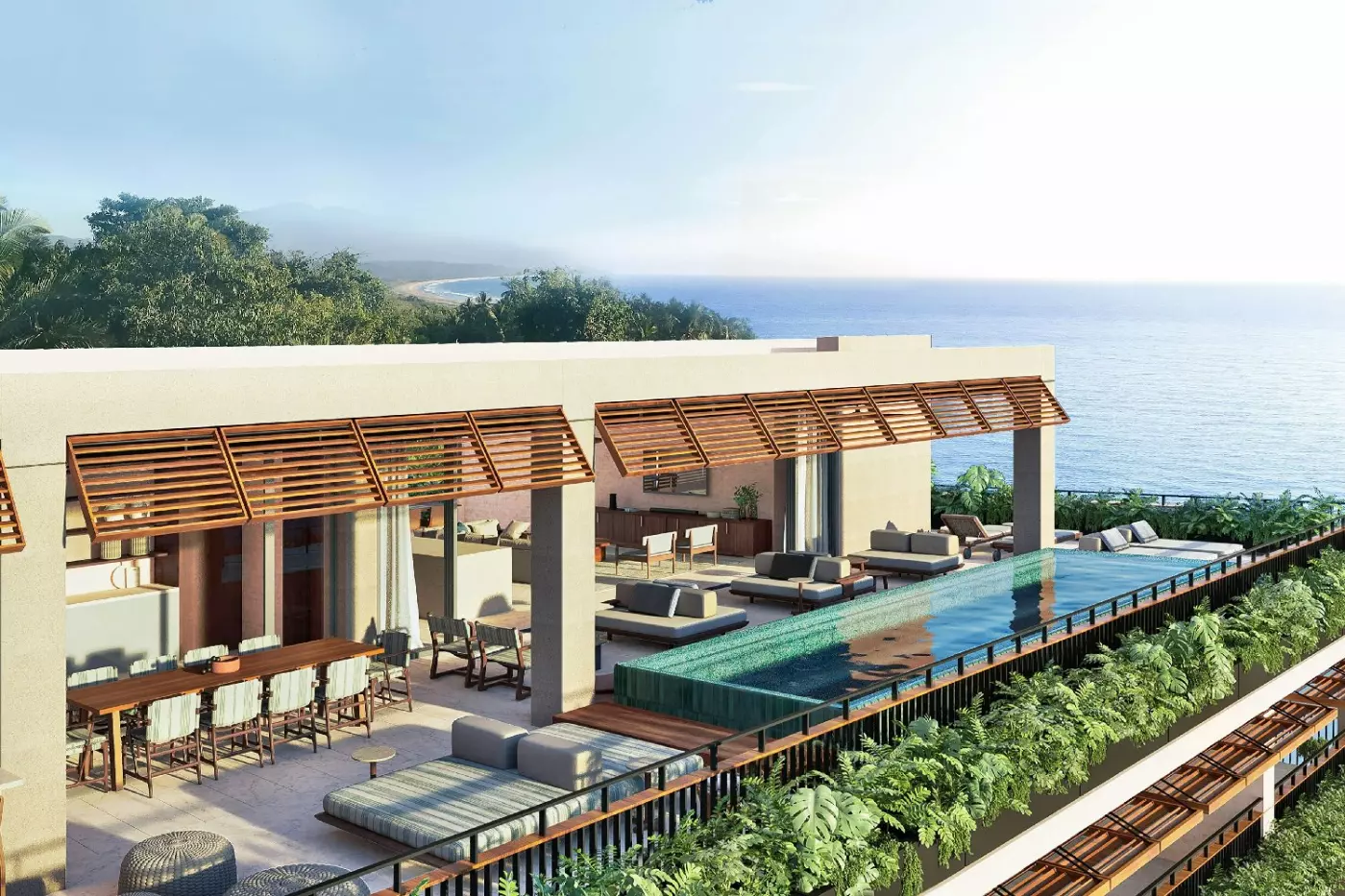
Riviera Nayarit's coastal forest offers a different setting from a hotel chosen primarily for a city visit. One&Only Mandarina illustrates a retreat within that landscape. Choose this kind of stay when time in the surroundings and a quieter resort chapter should shape the days, while planning any excursions as their own part of the trip.
Costalegre gives a nature-led Pacific stay another focus. The reserve around Four Seasons Resort Tamarindo supports guided exploration, with researchers and biologists adding context to the landscape. Check the actual guided experience and its arrangements before building a day around it. This coastal chapter suits travelers interested in understanding the setting as well as spending time at the resort.
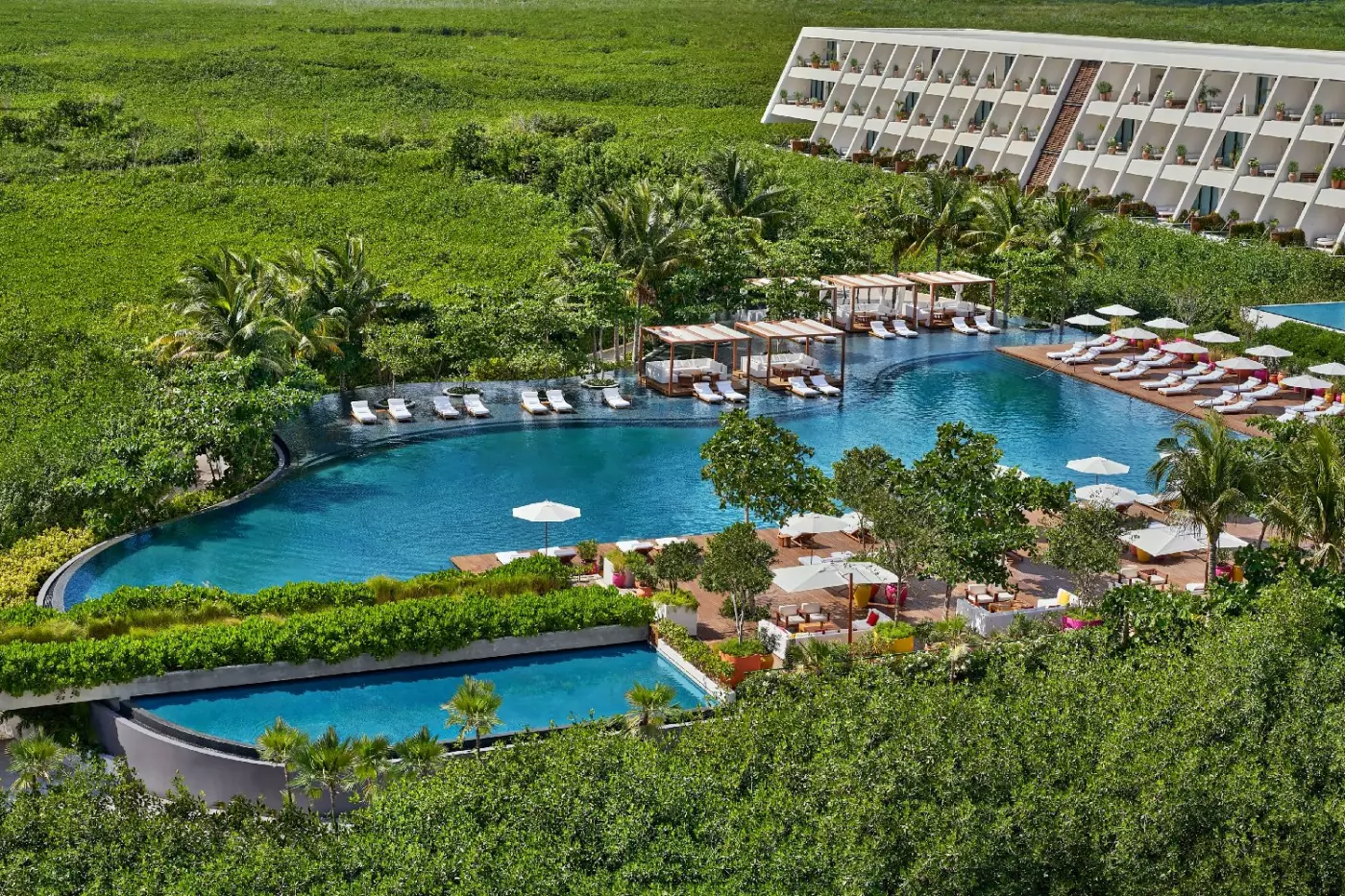
The Riviera Maya suits a chapter centered on the Caribbean coast and resort time. Inland Yucatan offers another approach, with hacienda settings such as Chable Yucatan in Chochola carrying the character of a historic estate into the stay. Decide how much of the visit should involve outings and how much should happen around the hotel before choosing between those bases.
A city or heritage stay followed by the coast gives each stop a different role. Select the coast for the experiences you want, then arrange the travel between the inland and beach chapters explicitly. Do not assume that every Mexican region is a convenient extension of the same arrival airport or that a resort stay covers the transport needed to explore elsewhere.
Choose the season for the region. Winter is a useful starting point for a trip focused on tropical coastal resorts; June through October brings more rain to destinations such as the Riviera Maya and Puerto Vallarta. Mexico City and Puebla have a more temperate climate, while northern Baja combines desert heat in summer with cooler nights.
Coastal planning also needs a separate storm calendar: the Atlantic hurricane season runs from June through November, and the eastern Pacific season from mid-May through November. Those dates describe a risk period, not the weather for every day or resort. A city-and-coast itinerary needs clothing and plans for both settings.
It can suit a coastal chapter when you expect to spend much of the stay using the resort's restaurants. A Mexico City or San Miguel de Allende visit built around museums, heritage outings and meals elsewhere may suit dining charged separately. Compare the plan for each stop against the days you expect to spend there, rather than choosing one meal-plan label for the entire journey.
Check the actual quote for included dining, drinks and separately priced experiences. An all-inclusive arrangement at one resort does not establish inclusions at the next hotel or pay for an inland outing. The useful comparison is what you will use during that particular stay.
Use recent observations of the hotel's own beach when the Caribbean shoreline is central to the trip. Sargassum can accumulate along the Mexican Caribbean, but a broad regional outlook cannot reliably predict conditions at one beach months ahead. Winds, tides and ocean circulation affect where it comes ashore.
Ask about current beach access, the property's response to arrivals and alternative places to spend the day. A resort with pools and other experiences gives you more ways to enjoy the stay if the shoreline changes. A photograph or a countrywide weather summary is not a beach-condition forecast.
Start with the kind of dining you want to explore. Mexico City supports a restaurant-focused itinerary with places such as Pujol and Quintonil. An inland Yucatán stay offers a different culinary focus: Ixi’im at Chablé Yucatán draws on Maya agricultural techniques and locally sourced ingredients.
Plan a desired restaurant reservation alongside the hotel, then leave space for less formal regional meals. Choose a hotel-centered dining stay when the restaurant is a principal reason for the visit, or a city base when you want a wider restaurant itinerary. Reserve the desired table separately; a hotel reservation does not secure it or include the meal.
Uxmal lies south of Merida in Yucatan's Puuc region, with richly decorated facades that make architecture a reason to visit. It is a useful focus when the inland stay should include Maya heritage. Tulum offers a different setting near Tulum town, south of Cancun: its walled archaeological site faces the Caribbean, with buildings on the rocky coastal edge.
Choose the site around the base and the kind of visit you want, then arrange the ground journey and check current access before settling the day. Treat an archaeological outing as its own experience; proximity to the wider Riviera Maya or Yucatan region does not make every hotel equally convenient for the same site.