



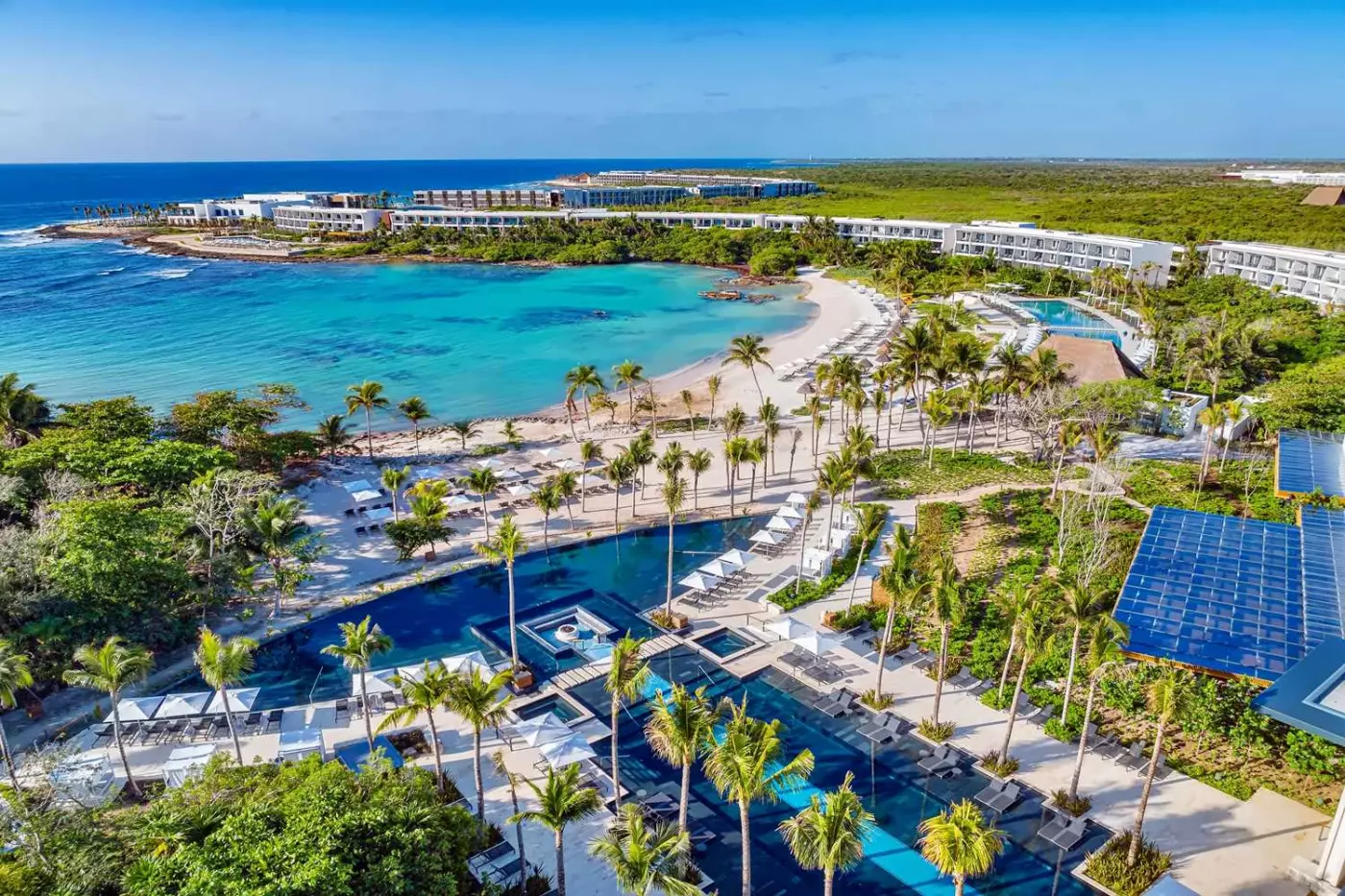
Conrad Tulum Riviera Maya
Prices From 487 USD
+4
More amenities
- Sauna
- Wellness
- Beach
- Romantic
Conrad Tulum Riviera Maya is a Caribbean beach resort set between mangroves, white sand, and the quieter stretch of coast nor...
Please choose a hotel or destination from the list.
We couldn’t open your search results. Please try again.
Your private search
Finding exceptional stays
Tulum is a destination label that needs a closer look at the map. The town, archaeological site and coastal hotel settings provide different daily experiences, while some resorts lie farther north along the Riviera Maya. Choose a luxury hotel around the place you want to spend time, keeping the actual address central to the decision.
Prices From 487 USD
More amenities
Conrad Tulum Riviera Maya is a Caribbean beach resort set between mangroves, white sand, and the quieter stretch of coast nor...
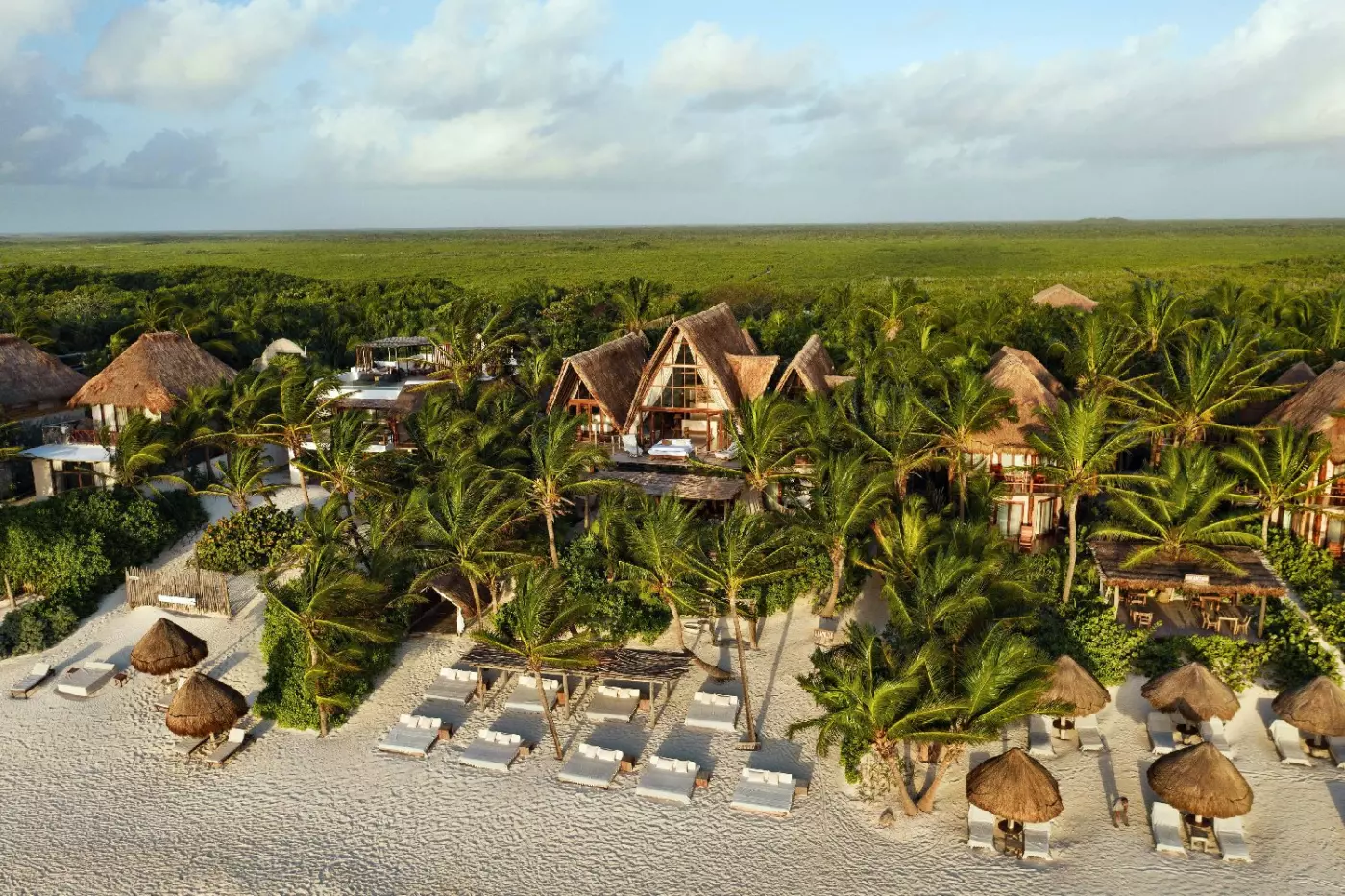
Prices From 597 USD
More amenities
La Valise Tulum works best for travelers who want Tulum small, tactile, and close to nature, but still polished enough for a...
Conrad Tulum Riviera Maya has a Tulkal Chemuyil address along Highway 307. Treat that as a distinct resort base rather than assuming the hotel name places it among Tulum town’s streets or every part of the coastal hotel road. The relationship between the accommodation and the intended outings should guide the stay.
La Valise Tulum gives this collection a second actual base on the Tulum-Boca Paila beach road. Its Tulum Beach address suits travelers who want that coastal hotel-road setting. Conrad's Tulkal-Chemuyil position belongs to a different stretch of the Riviera Maya, so these addresses support different local outings.
The Xelhá archaeological site north of Tulum gives an art-minded cultural visit a precise subject: the murals of the Building of the Birds. Painted birds and a supernatural figure show the range of imagery preserved here, including stylistic influence from Teotihuacán. Choose this site for Maya mural painting and the history of a trading port.
Its bird scenes use yellow and red against a pale ground, giving attention to the imagery a different purpose from viewing a monumental temple. Xelhá's historic role on the coast also connects the painted buildings with maritime exchange. The archaeological site is the focus of this cultural visit, distinct from the nearby leisure attraction using the same name.
SFER IK's Francisco Uh May arts center brings a contemporary subject to the region's cultural landscape. Its biomorphic architecture incorporates native trees and vines, allowing the building and surrounding vegetation to meet. Choose it for the relationship between art, architecture and living nature.
Francisco Uh May is a separate inland setting from SFER IK's Tulum hotel-zone address. For a forest-based art outing, keep the Francisco Uh May location attached to the visit. This adds a contemporary creative interest alongside the Maya heritage of the coast.
The Mexico destination guide places this Quintana Roo stay within a wider journey.
It is a walled Maya coastal settlement, with its position above the sea forming part of its historical character. Choose it for that relationship between built heritage and maritime geography, rather than treating it as a generic ruin visit.
The biosphere reserve includes connected forest, mangrove, wetland and marine environments. It is a nature subject broader than a single beach. Choose a suitable guided experience for the habitat, keeping wildlife encounters as possibilities rather than guarantees.
The region's cenotes relate to its underground freshwater landscape. Choose a visit for that water-and-limestone setting, using appropriate local guidance for the particular site. It offers a different natural interest from time on the Caribbean coast.
Cobá is associated with an inland Maya city and its long sacbe road network. It offers a distinct historical subject from Tulum’s coastal settlement. Give the separate site its own attention rather than treating the names as interchangeable.
Muyil stands among forest and lagoons at the edge of Sian Ka’an. El Castillo, its principal pyramidal structure, has five levels topped by a temple and architectural traits linked to the Petén region. Choose Muyil for that forest-and-lagoon setting and the links between its buildings and wider Maya architectural traditions.