



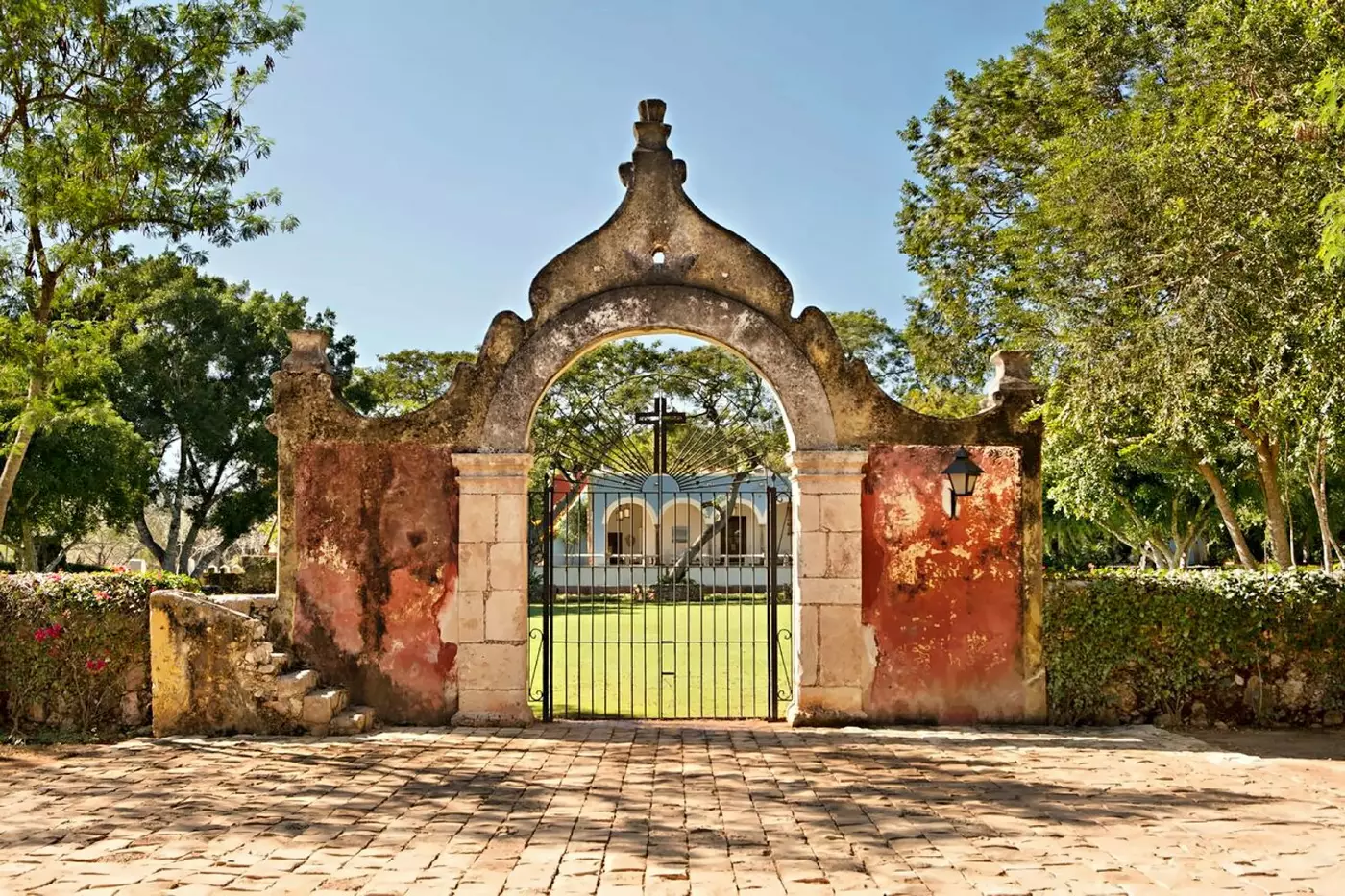
Chable Yucatan
Prices From 1’229 USD
+3
More amenities
- Sauna
- Wellness
- Romantic
Chablé Yucatán is an inland retreat outside Chocholá, southwest of Mérida, where a historic henequen hacienda meets dense Yuc...
Please choose a hotel or destination from the list.
We couldn’t open your search results. Please try again.
Your private search
Finding exceptional stays
Chocholá connects a Yucatán holiday with hacienda history, archaeology and regional food. Chablé Yucatán provides a restored-estate accommodation reference. Choose the cultural subjects that interest you, giving the buildings, landscape and wider regional history their own attention.
Prices From 1’229 USD
More amenities
Chablé Yucatán is an inland retreat outside Chocholá, southwest of Mérida, where a historic henequen hacienda meets dense Yuc...
Reserved for You
Chablé Yucatán combines a historic hacienda setting with private accommodation and surrounding vegetation. Choose it as an inland Chocholá retreat, with regional visits supplying different perspectives on the estate landscape, Maya architecture and food.
At Sotuta de Peón in Tecoh, fields, machinery rooms and a house museum connect the appearance of a hacienda with its productive past. Henequén, a fibre crop, supplied rope, sacks and cord. Seeing the plant and the processing machinery together gives an industrial-agricultural subject to a regional outing, rather than another visit based only on an elegant façade.
Oxkintok, in the municipality of Maxcanú, offers a different archaeological focus from the Uxmal decoration discussed below. Its main architectural groups stand on broad platforms linked by sacbeob, the Maya raised roads. The Ah Canul group includes palaces, pyramidal structures and domestic spaces, revealing a settlement organized around several substantial complexes.
The Satunsat is a particularly unusual building: three levels of interconnected passages form a structure traditionally described as a labyrinth. Choose Oxkintok for an interest in how buildings and routes fit together across a Maya city. The surviving layout and the Satunsat's form provide the subject; entering particular interior passages is not assumed.
Poc chuc brings a distinct Yucatecan cooking tradition to the table. Pork marinated with sour-orange juice is grilled over charcoal and served with accompaniments such as roasted onion, tomato sauce and handmade tortillas. Maní is especially associated with the dish. A food-led outing there suits travelers drawn to citrus, smoke and regional cooking, with the town's former San Miguel Arcángel convent providing a separate cultural stop.
The Mexico destination guide places this inland Yucatán stay within a wider journey.
It is a natural freshwater sinkhole, with important cultural associations in the Maya world. A cenote has a different meaning and environment from an ordinary resort pool. Approach each place with respect for its setting rather than assuming all are used in the same way.
Its ceremonial architecture includes elaborate symbolic decoration and representations of the rain god Chaac. Choose the visit for an interest in Maya art and building traditions. It is a separate cultural subject from the later history of a hacienda estate.
No. They are separate ceremonial sites associated with the wider Maya architectural landscape. Select them for a deeper regional interest rather than assuming they are parts of one compact attraction. A focused route should allow each chosen site appropriate attention.
Yes. The regional tourism information identifies San Ignacio as a cave-type cenote with visitor facilities. Consider the particular environment that interests you instead of treating every cenote as interchangeable. Keep the outing separate from the hotel’s own surroundings.
No. This stay is inland in Yucatán near Mérida. Choose it for the retreat and regional cultural setting, keeping a beach chapter as a separate itinerary decision. A Mexico holiday label alone does not establish that the accommodation is beside the sea.