



Inn at Perry Cabin
Prices From 883 USD
+3
More amenities
- Sauna
- Wellness
- Romantic
Inn at Perry Cabin sits on the Miles River in St. Michaels, Maryland, where lawns, boats, gardens, and Chesapeake light shape...
Please choose a hotel or destination from the list.
We couldn’t open your search results. Please try again.
Your private search
Finding exceptional stays
Maryland connects Baltimore with Chesapeake Bay and the Eastern Shore. Seafood and sailing draw visitors to the water, while small harbour towns offer a slower rhythm. Beyond the bay, western mountain landscapes give the state another distinct travel chapter.
Prices From 883 USD
More amenities
Inn at Perry Cabin sits on the Miles River in St. Michaels, Maryland, where lawns, boats, gardens, and Chesapeake light shape...
Prices From 581 USD
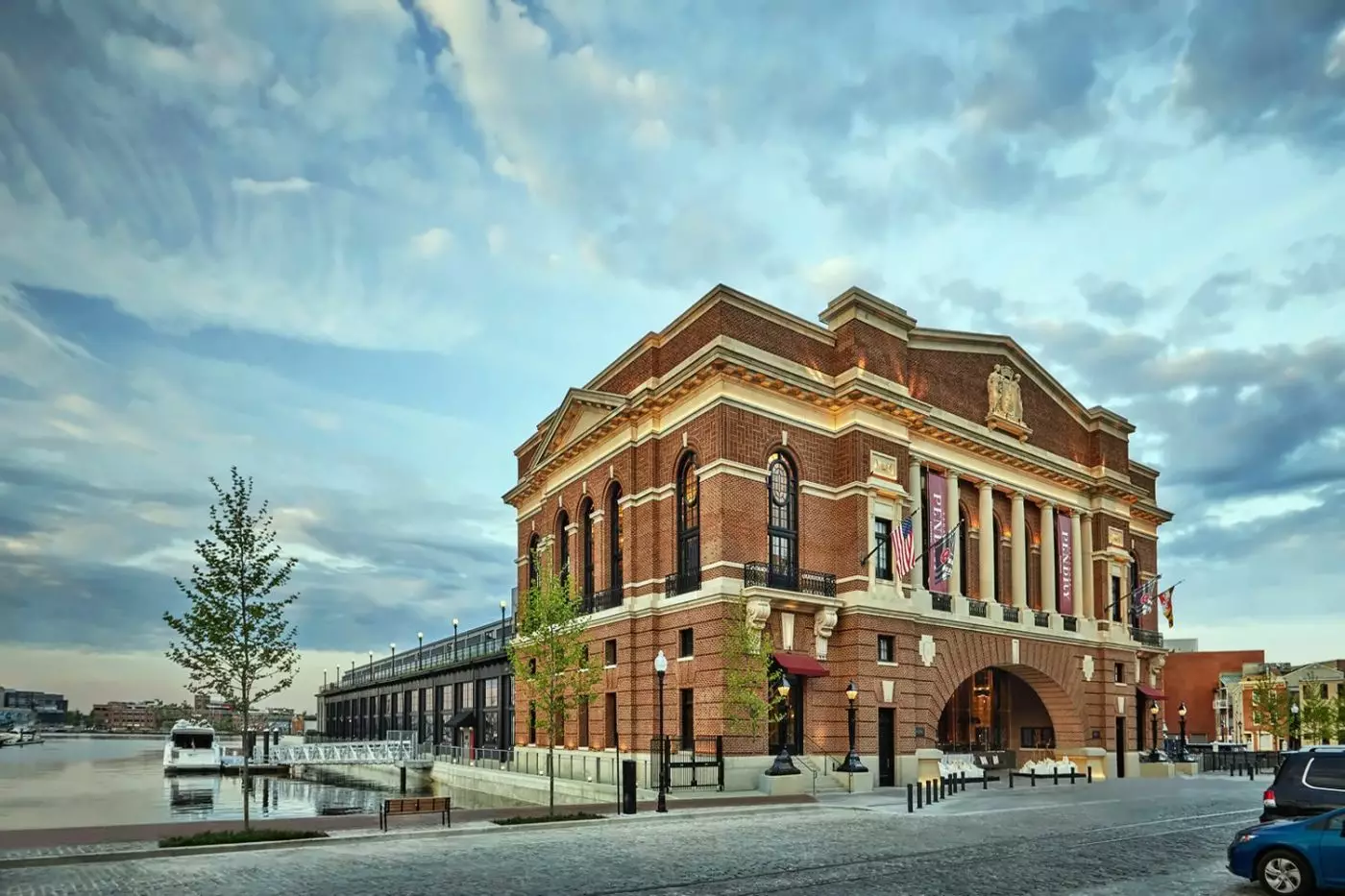
Sagamore Pendry Baltimore sits on the historic Recreation Pier in Fell's Point, directly on Baltimore Harbor. Today the hotel...
Baltimore provides an urban introduction to Maryland’s relationship with the water. Sagamore Pendry Baltimore occupies Recreation Pier in Fell’s Point, making the harbour setting part of the hotel experience.
On the Eastern Shore, Inn at Perry Cabin sits on the Miles River in St. Michaels. Its waterfront grounds and boating identity connect the accommodation with the landscape around the bay.
Annapolis adds the history of American independence to a Chesapeake journey. In the Maryland State House's Old Senate Chamber, George Washington resigned his military commission in December 1783; Congress ratified the Treaty of Paris there the following month. The chamber's furniture arrangement reflects that period. Choose this interior for the political decisions made beside the bay, with St. Michaels supplying a separate maritime-craft interest.
Blackwater National Wildlife Refuge, near Cambridge, gives the Eastern Shore a different landscape from a town harbour. Tidal marshes lie alongside freshwater wetlands and woodland, including loblolly pine. Its position on the Atlantic Flyway makes waterfowl a particular natural-history interest. This is a marsh-and-birding outing for travelers drawn to the bay's habitats, rather than another waterside shopping stop.
Western Maryland changes the landscape towards the Appalachians, forests and lakes. Deep Creek Lake and the mountain towns offer a different kind of holiday from the Chesapeake. Include the region for an outdoor interest, a scenic route or a seasonal mountain stay, rather than treating it as a quick extension of a bay-side afternoon.
Choose the season to fit the region. Water-based plans around the Chesapeake and a winter mountain escape have different priorities. A state-wide route works best when those distinctions are acknowledged before the accommodation is selected.
For a longer American journey, the United States hotel collection can help place Maryland alongside another setting.
In St. Michaels, the working Shipyard restores, builds and maintains wooden vessels, keeping boatbuilding skills part of the museum's story. The 1879 Hooper Strait Lighthouse adds the keeper's world and the navigation of shallow Chesapeake waters. Choose the shipyard for craft and construction, and the lighthouse for the relationship between life aboard a small structure and the channels it served.
Yes. It offers a marine-life subject within the city and can complement time spent around the harbour. Give it a defined place if that interest appeals, rather than assuming a waterfront hotel alone provides the same experience.
The Eastern Shore includes the Harriet Tubman Underground Railroad Visitor Center. It adds an important historical subject distinct from the region’s maritime landscape. Allow time to approach that history thoughtfully instead of treating it as a passing scenic stop.
Yes. Western Maryland’s historic road corridor connects small towns and mountain landscapes with the history of travel west. It can give a driving chapter a coherent subject rather than making the journey only a transfer between hotels.
Antietam National Battlefield, near Sharpsburg in western Maryland, preserves the landscape of the September 1862 battle. The Cornfield, Bloody Lane and Burnside Bridge relate different stages of the fighting to fields, a sunken road and a creek crossing. It gives a western Maryland chapter a specific historical purpose alongside the mountain scenery; it is a separate journey from the Eastern Shore.