



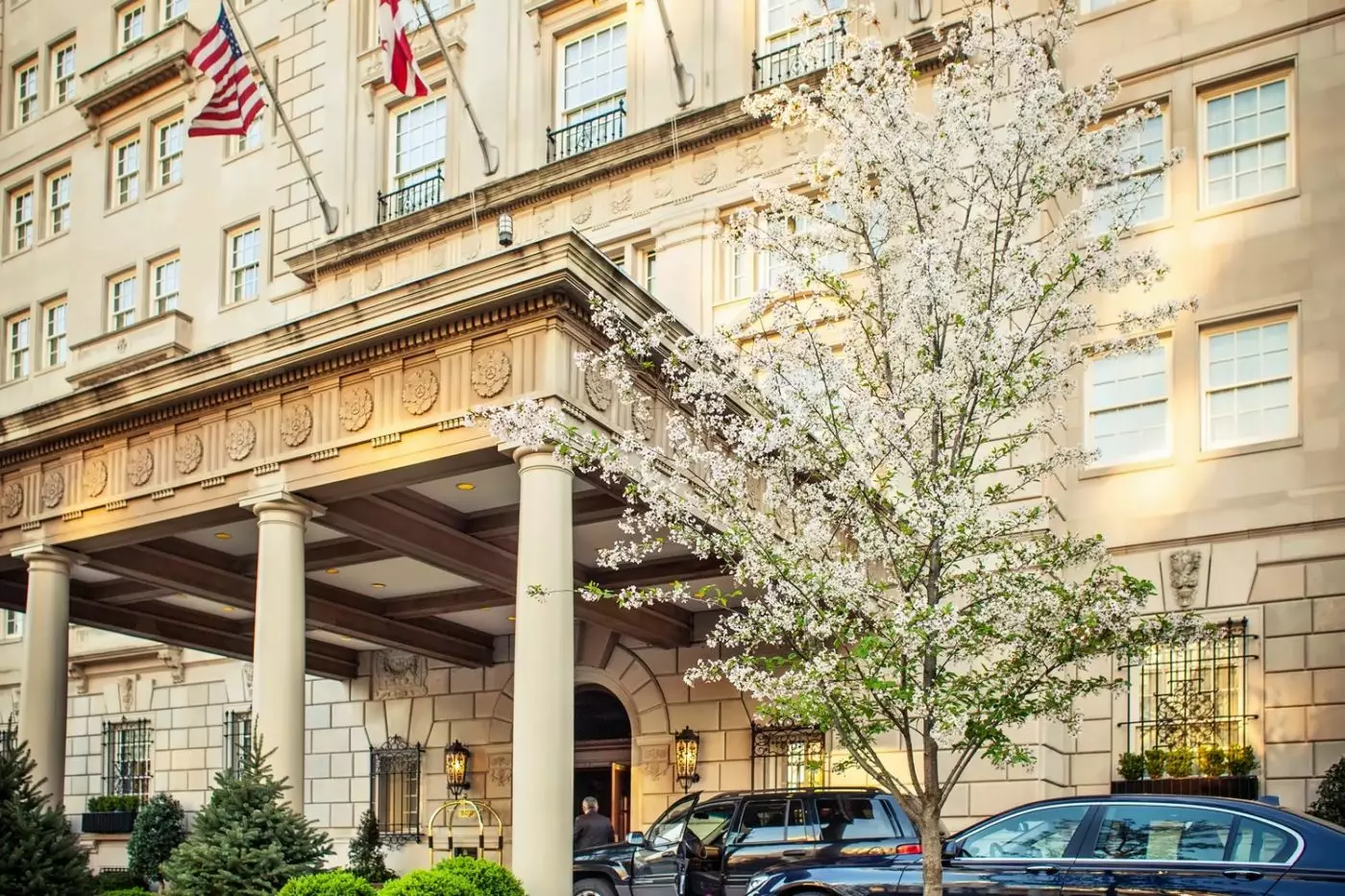
The Hay-Adams
Prices From 470 USD
The Hay-Adams is a landmark hotel on Lafayette Square in Washington, DC. At 800 16th Street NW, it stands opposite the park a...
Please choose a hotel or destination from the list.
We couldn’t open your search results. Please try again.
Your private search
Finding exceptional stays
Washington DC combines the scale of a national capital with neighborhoods made for a more personal city stay. Monumental avenues and major museums can anchor the visit, while Georgetown's streets, Penn Quarter's theaters and waterfront evenings give it a different rhythm. Choose your luxury hotel around the experiences you want to return to each day, whether the occasion is cultural, professional or simply time together in the city.
Prices From 470 USD
The Hay-Adams is a landmark hotel on Lafayette Square in Washington, DC. At 800 16th Street NW, it stands opposite the park a...
Prices From 449 USD
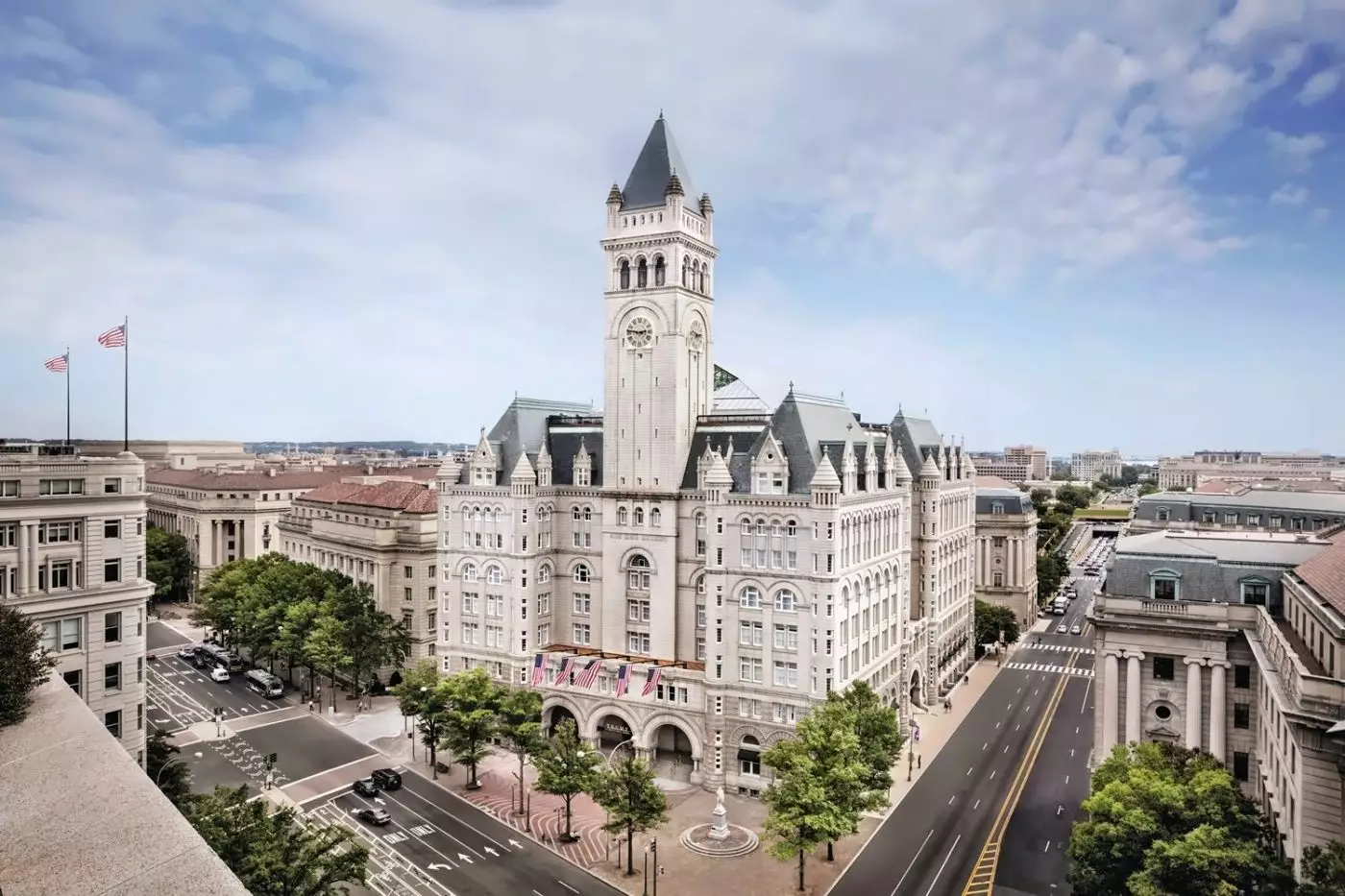
Waldorf Astoria Washington DC occupies the Old Post Office at 1100 Pennsylvania Avenue NW, between the White House and the Un...
Prices From 682 USD
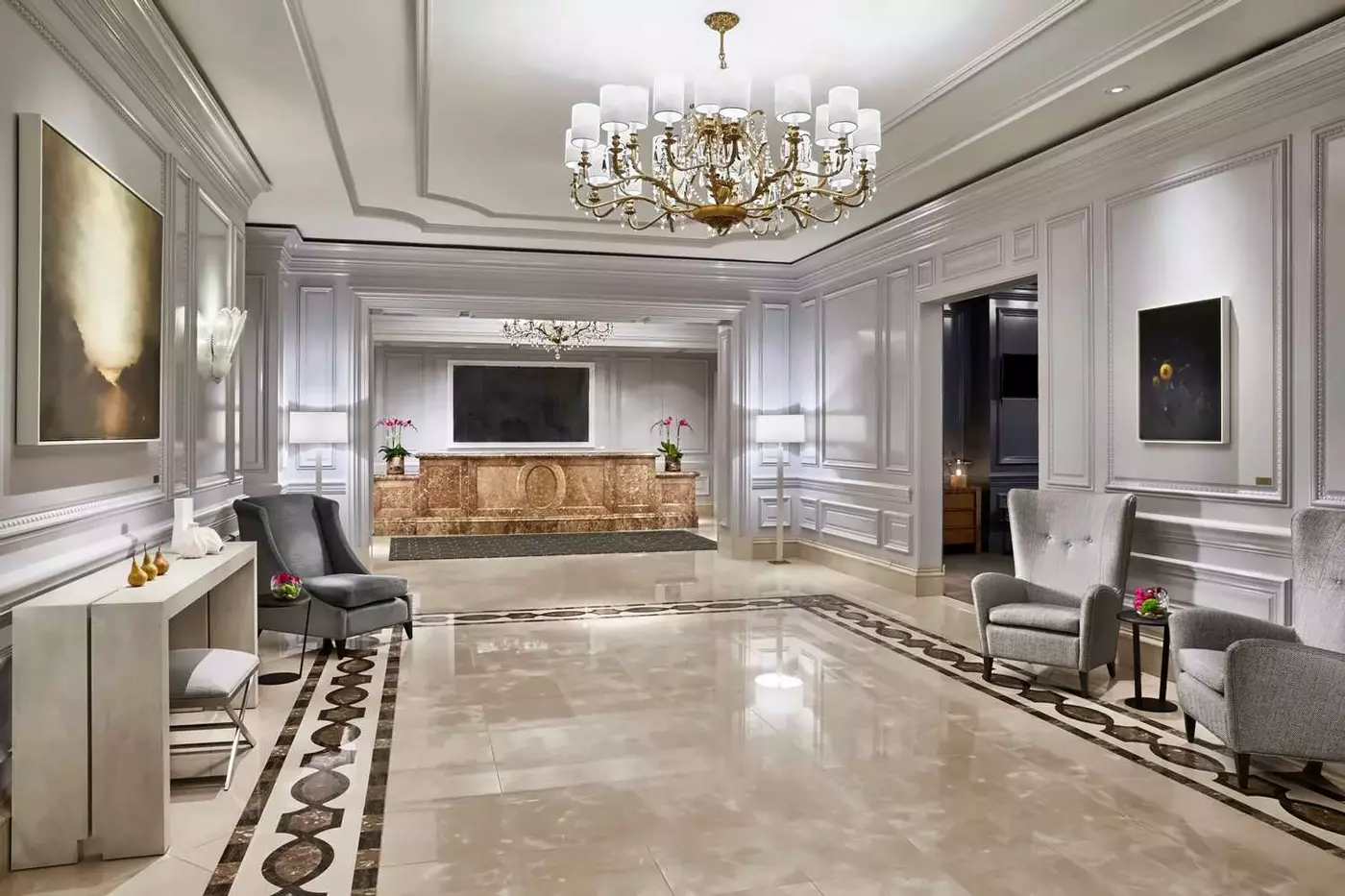
The Ritz-Carlton, Washington, D.C. brings a calm, residential feel to the capital's West End. Its location connects several s...

Prices From 671 USD
More amenities
The Ritz-Carlton Georgetown, Washington, D.C. occupies a 1932 industrial building between the C&O Canal and the Potomac River...

Prices From 670 USD
More amenities
Rosewood Washington, D.C. stands on 31st Street beside the C&O Canal, where Georgetown's brick buildings meet a narrow waters...

Prices From 369 USD
Park Hyatt Washington is a refined West End hotel for travelers who want quiet luxury between Georgetown, Dupont Circle, Fogg...
Prices From 549 USD
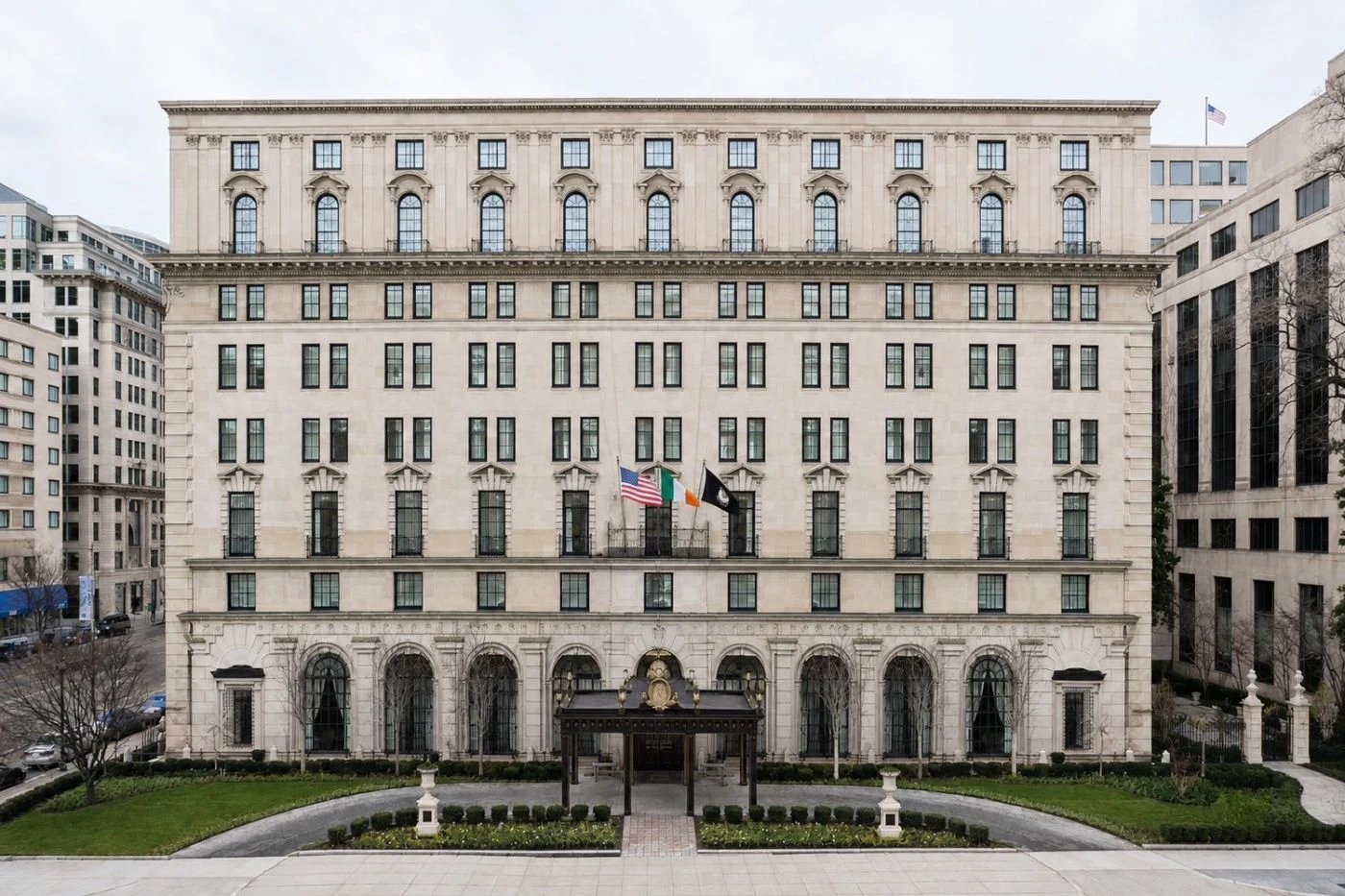
Washington can turn a hotel address into part of the itinerary. At The St. Regis Washington, D.C., the White House is two blo...
Prices From 545 USD
More amenities
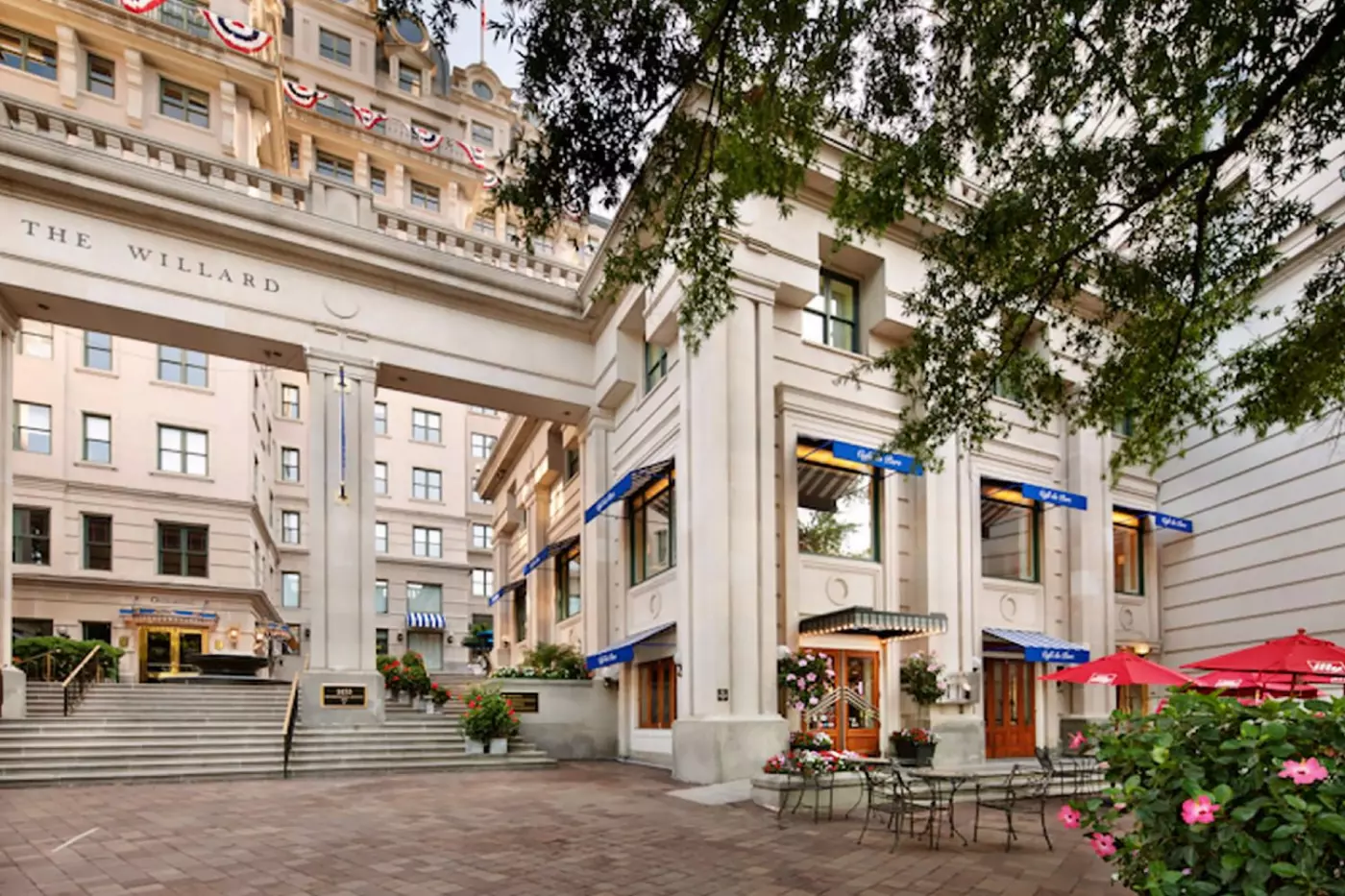
There's no place like Willard InterContinental Hotel in Washington DC, United States. This historic hotel has been around sin...
Prices From 535 USD
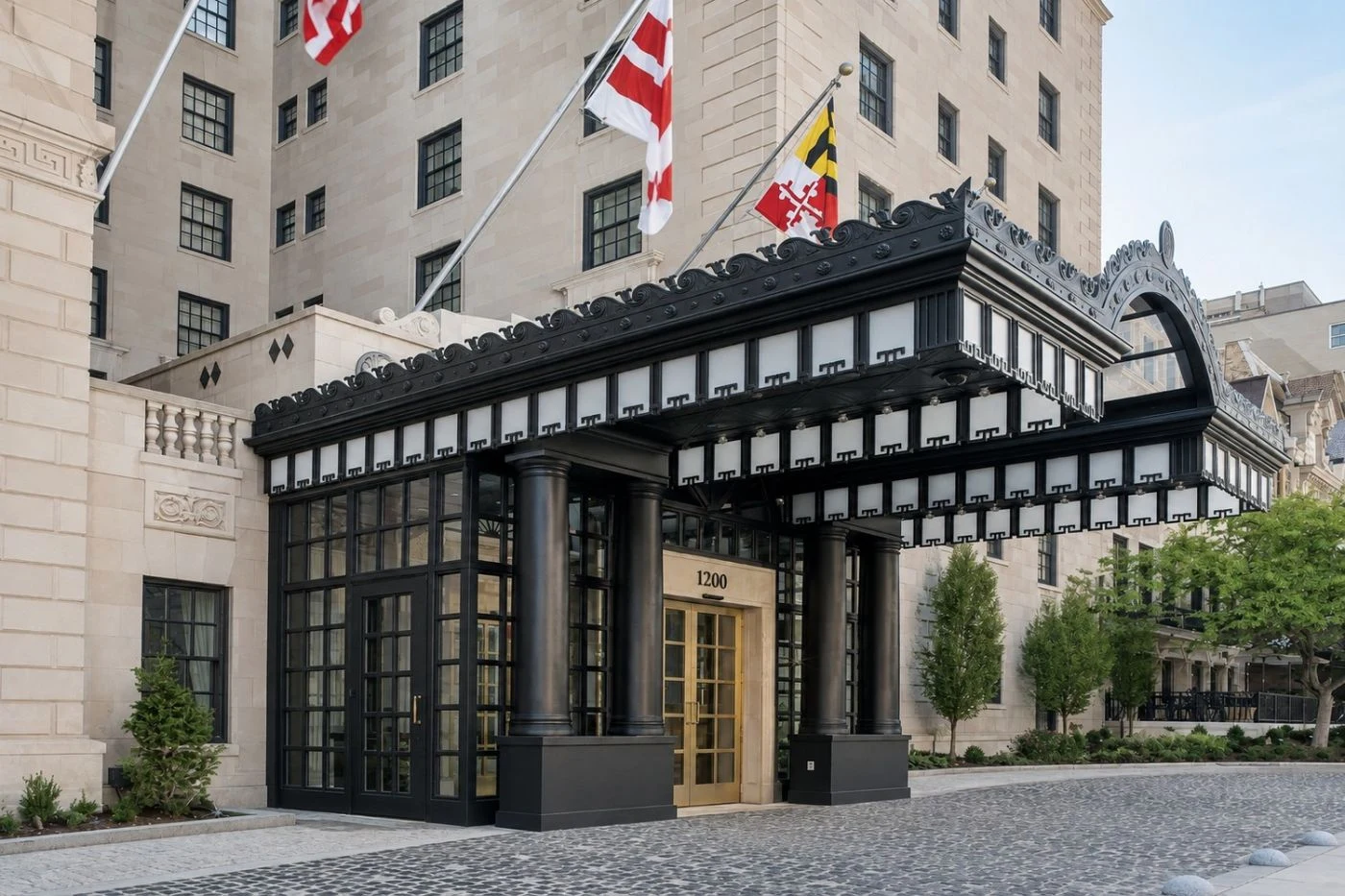
The Jefferson Washington DC is a refined boutique hotel near the White House, Dupont Circle, and the business core of the cap...
Reserved for You
The National Mall stretches through the capital's civic landscape from the US Capitol toward the Potomac River. Its museums and memorials reward a considered itinerary: American history, art and aviation are different interests, each deserving time. Select the collections that matter most to you before choosing a hotel around this part of the city.
Keep the monumental landscape in the visit as well as the museum interiors. The Lincoln Memorial and the memorials around the western end of the Mall make a meaningful outing in their own right. A private guide can bring context to the places you select; a long checklist rarely gives them the same attention.
Penn Quarter suits travelers who want culture to continue into the evening. The National Portrait Gallery and Smithsonian American Art Museum share a building, while established theaters give the neighborhood a performance focus. Pair the art you most want to see with a theater booking and a dinner reservation, leaving room between them to enjoy the neighborhood.
For a cultural occasion, this is a useful alternative to choosing solely by proximity to a monument. A hotel here can place the evening's plans in the same neighborhood, while the rest of the capital remains part of the wider itinerary.
Downtown works well when appointments, formal dinners or a special occasion shape the trip. Its civic avenues give a sense of the capital, while CityCenterDC adds luxury labels and dining to the visit. The Renwick Gallery offers another reason to spend time in this area if American craft and design are among your interests.
For a visit combining business and leisure, locate the appointments first, then consider where you want the evening to unfold. The most useful hotel address is one that supports both, rather than requiring every spare hour to become another cross-city journey.
Georgetown brings a smaller scale to Washington, with cobblestone streets, the C&O Canal and a historic residential setting. M Street and Wisconsin Avenue form the main shopping crossroads, while independent shops and galleries give browsing a more individual character. Make time for the streets beyond the storefronts and a meal by the river.
This neighborhood suits a stay where exploring on foot is part of the pleasure, rather than a gap between museum appointments. It is especially appealing when your plans favor boutiques, galleries and long lunches over a schedule centered entirely on the National Mall.
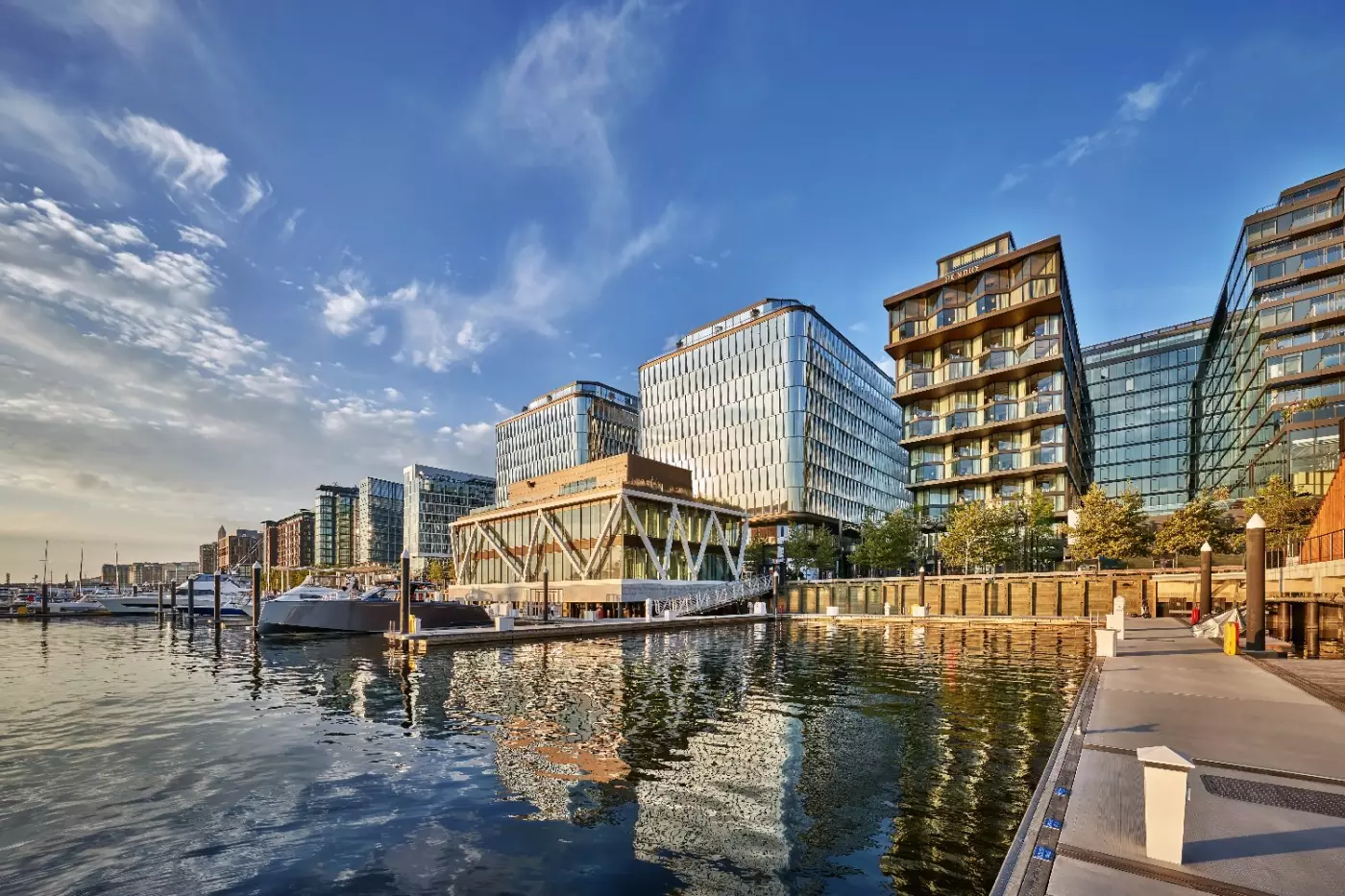
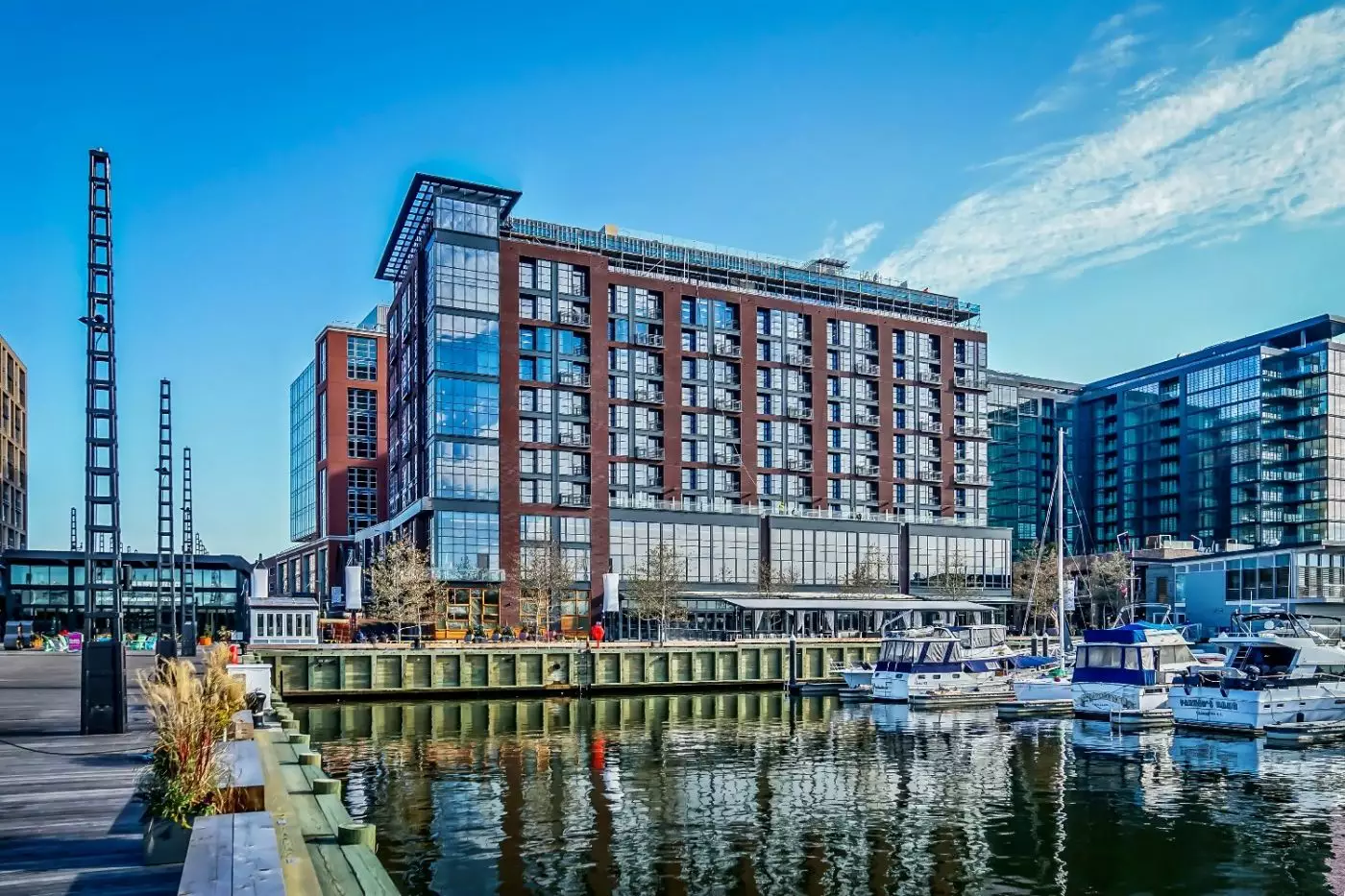
The Wharf brings a contemporary waterfront setting on the Washington Channel, with restaurants, promenades and music venues including The Anthem. It gives an evening a clear purpose: dinner by the water, a concert or an unhurried walk after a day elsewhere in the capital.
A waterfront hotel can make sense when those evenings are central to the stay. If the visit is primarily about museums or appointments in another neighborhood, weigh that atmosphere against the journeys your daytime plans require.
Give a major museum the time it deserves, then consider Penn Quarter for an evening performance or dinner. Georgetown merits a separate outing for its streets and shops. The western memorials offer another distinct visit, while The Wharf can provide a waterfront evening without adding more indoor sightseeing.
Make the reservations that anchor the trip first, then leave some space around them. That approach allows a Washington stay to feel considered and personal, with time to enjoy the city between its major landmarks. For another stage of the journey, explore our United States hotel guide. Once the neighborhood is settled, compare Washington DC hotel offers.
Some do. Smithsonian admission in Washington DC is free, but the National Museum of African American History and Culture and the National Air and Space Museum in DC require free timed-entry passes. Reserve the applicable pass for those visits before fixing the day's museum sequence. Other Smithsonian locations have different entry arrangements; check the specific museum you intend to visit rather than treating free admission as unrestricted walk-in access everywhere.
Reagan National (DCA) connects to Metro's Blue and Yellow lines by covered walkways from the terminal. Dulles (IAD) has a Silver Line connection. From Baltimore/Washington (BWI), the rail route involves a shuttle between the terminal and BWI Rail Station, then MARC or Amtrak with a connection to Metro in the Washington area. Compare the interchange and the final journey to your hotel with your luggage and arrival time in mind; the three airports do not offer the same terminal-to-city arrangement. Check current service hours before relying on rail.
Spring blossom season can be a memorable reason to visit, but peak bloom depends on the weather and varies from year to year. Do not build a reservation around the expectation of one guaranteed blossom date. Keep the museum, dining and neighborhood experiences you would enjoy even if the trees peak earlier or later.
If seeing the blossoms is the main purpose, consider how much flexibility you want in the reservation and follow the official forecast nearer the trip. A fixed date chosen far in advance cannot promise the same natural display every year.
Georgetown has no Metro station within the neighborhood. Foggy Bottom-GWU and Rosslyn offer approaches from outside it, so plan the final walk or a separate transfer as part of the journey. With luggage or a tightly scheduled appointment, that last leg can matter as much as the rail connection.
A Georgetown stay can still work well for travelers who mix walking and car journeys. If being beside a Metro station is a priority, compare the actual address before selecting the neighborhood.
Old Town Alexandria offers a separate Virginia outing with historic streets, shops and a waterfront. A day visit can add a different setting to a Washington stay without another hotel move. King Street-Old Town station is served by Metro's Blue and Yellow lines; allow for the final stretch into Old Town and toward the waterfront.
You can walk or use the King Street Trolley for part of that last leg. Plan the return around your evening arrangements in Washington, rather than treating the Metro station as the waterfront itself.