



Octant Douro
Prices From 346 USD
+3
More amenities
- Sauna
- Wellness
- Adventure
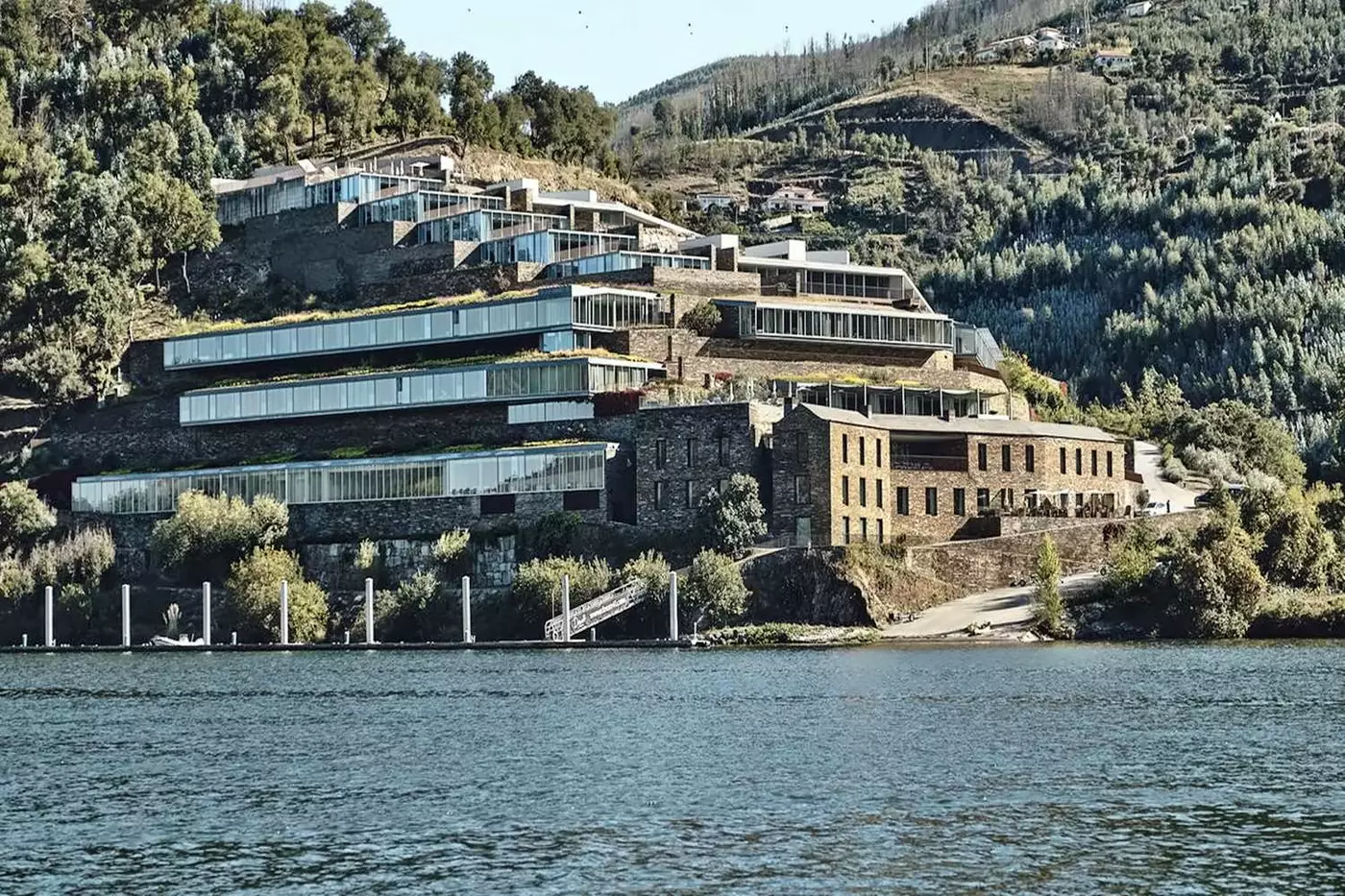
Octant Douro rests on a terraced slope above the river at Raiva, in Castelo de Paiva. Schist, glass and broad windows draw th...
Please choose a hotel or destination from the list.
We couldn’t open your search results. Please try again.
Your private search
Finding exceptional stays
Castelo de Paiva brings river valleys, wooded slopes and a working industrial history to a northern Portugal stay. Choose it for an interest in the local landscape as well as the hotel. A hilltop perspective and the history of the Pejão coalfield reveal different aspects of the area around Raiva.
Prices From 346 USD
More amenities
Octant Douro rests on a terraced slope above the river at Raiva, in Castelo de Paiva. Schist, glass and broad windows draw th...
Octant Douro occupies a terraced position at Raiva in Castelo de Paiva. Its contemporary architecture provides one interpretation of the slopes above the river. Use that setting as a starting point for understanding the wider landscape, rather than allowing a room's outlook to define the whole destination.
Monte de São Domingos offers a natural viewpoint above deep valleys through which the Arda and Douro rivers run. This gives the area a more specific geography than a general Douro address: different watercourses and the land between them shape the surroundings.
A landscape interest here can focus on that relationship between heights and valleys. It is a different perspective from following the river at bank level. Choose the subject of an outing with that contrast in mind, keeping the actual route and conditions separate from the reason the place interests you.
The Raiva, Pedorido and Paraíso area also belongs to the history of the Pejão coalfield. Mining continued for more than a century before the workings closed in 1994. That industrial past gives the surrounding communities a historical identity alongside the rivers and wooded slopes.
This historical thread is separate from assuming that former industrial sites operate as visitor attractions.
Regional cooking adds another connection with northern Portuguese life, through a meal at the hotel or a village outing. In a wider Portugal journey, Castelo de Paiva can contribute both a contemporary river-hotel setting and an interest in the landscape's working history.
Also called Ilha do Castelo, it lies at the meeting of the Paiva and Douro rivers. It gives a precise local focus to a landscape outing; the name refers to the small island rather than the whole Castelo de Paiva area.
The well-known Passadiços do Paiva are in the municipality of Arouca. They require their own outing and route choice, rather than being assumed to begin at a river hotel in Castelo de Paiva.
It is a local heritage monument associated with the region's Romanesque route. Include it when you want a historical thread alongside the riverside landscape, allowing it attention as a specific place rather than another unnamed roadside stop.
Yes. Castelo de Paiva belongs to the Paiva sub-region of Vinho Verde. Do not assume that every wine associated with a Douro river address must be Port: the surrounding wine geography has distinctions worth understanding.
These schist villages bring rural heritage into the itinerary. They offer a useful change of focus from a contemporary hotel, especially for travellers interested in how older village buildings relate to the surrounding river landscape.