



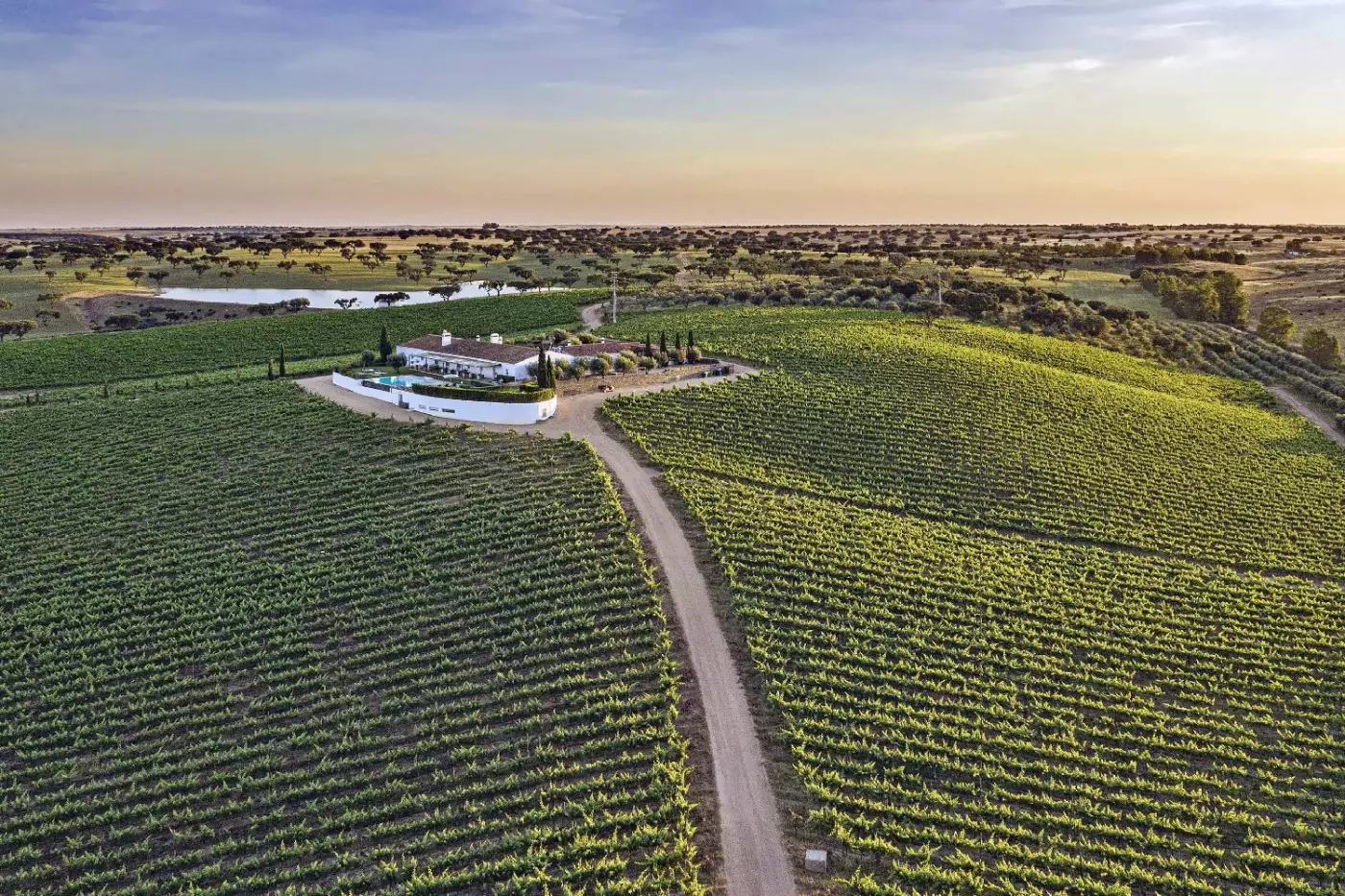
Herdade da Malhadinha Nova
Prices From 558 USD
+2
More amenities
- Wellness
- Sustainable
Herdade da Malhadinha Nova is a working estate in Albernoa, near Beja, in Portugal's Baixo Alentejo. Its 744 hectares encompa...
Please choose a hotel or destination from the list.
We couldn’t open your search results. Please try again.
Your private search
Finding exceptional stays
A Beja-area luxury stay can combine an Alentejo country-estate reference with a considered interest in the city. Herdade da Malhadinha Nova provides the rural accommodation context, while Beja's Convento da Conceição adds a rich subject in architecture and decorative art.
Prices From 558 USD
More amenities
Herdade da Malhadinha Nova is a working estate in Albernoa, near Beja, in Portugal's Baixo Alentejo. Its 744 hectares encompa...
Beja's castle tower is a defining landmark and a useful starting reference for understanding the historic city. Praça da República provides another point of orientation. A walk through the streets between those references can help the city feel coherent, with time to pause instead of moving only between named monuments.
Herdade da Malhadinha Nova supplies the collection's country-estate reference. Keep the hotel choice and the cultural subjects that interest you clear when planning the stay. A particular interest in buildings or decorative art gives a city visit more focus than a broad intention to see everything.
The Convento da Conceição was founded in 1459 for a community of Poor Clare nuns. Construction continued through later royal reigns, leaving an architectural character that spans late Gothic and early Manueline work. This gives Beja a subject in changing artistic styles alongside its castle landmark.
Plant motifs on the main entrance show the influence of Batalha, while carved rope forms and pinnacles introduce Manueline detail. Looking at those separate features helps explain why one building can carry more than one architectural vocabulary. Choose this interest if you enjoy noticing how decoration changes across a structure.
The cloisters contain sixteenth-century tiles from Seville alongside work from the seventeenth and eighteenth centuries. These successive periods offer a focused way to consider the development of tile decoration. The setting rewards attention to surfaces as well as to the outline of the building.
For a traveler drawn to decorative art, the tiles give the convent a different emphasis from a visit centered on defensive architecture. Decide which aspect you want to understand, then leave enough attention for the details that support it.
Explore our Portugal destination guide for the wider country context.
No. It is a distinct rural location in the wider Beja area. Read the estate address carefully so that a countryside retreat is not mistaken for a hotel within the historic city.
It is the city's Roman name and a useful thread for understanding its historical layers. Choose that interest when you want the visit to look beyond the castle alone.
The Roman site near Beja offers another perspective on the ancient landscape beyond the city streets. Treat it as a separate cultural interest rather than assuming it belongs within the same compact urban walk.
Santo Amaro preserves early-medieval elements within a church reshaped by later building campaigns. Its classicizing nave capitals are among the older material reused within that altered setting. The three-aisled plan, bell tower and timber porch belong to a complex architectural history, rather than one unaltered early church.
The Jorge Vieira Museum introduces the twentieth-century sculptor known for terracotta figures. He worked with engobes, colored coatings applied to clay while it was drying and then fired. Other pieces use bronze; his subjects move between human, animal and abstract forms.