



Shangri Las Rasa Ria Kota Kinabalu
Prices From 176 USD
+3
More amenities
- Sauna
- Beach
- Golf
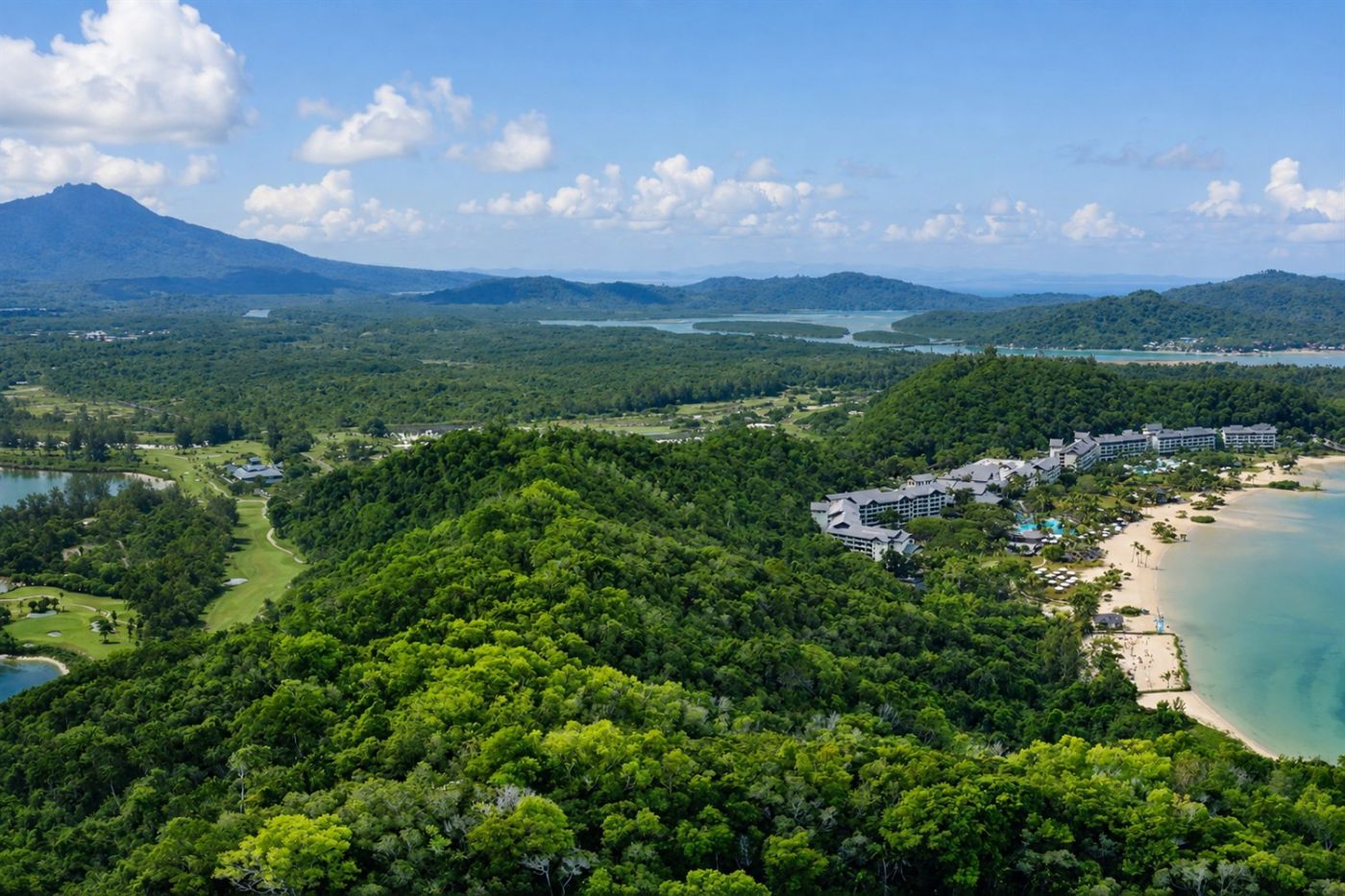
Shangri Las Rasa Ria Kota Kinabalu sits on Pantai Dalit, north of Kota Kinabalu, where the South China Sea meets rainforest a...
Please choose a hotel or destination from the list.
We couldn’t open your search results. Please try again.
Your private search
Finding exceptional stays
Luxury hotels in Sabah can provide a coastal chapter within a much wider Malaysian Borneo journey. Begin by choosing the landscapes and interests you want to combine, rather than assuming that every celebrated wildlife or mountain experience lies beside the same resort. A clear plan lets beach time, culture and nature each have their own purpose.
Prices From 176 USD
More amenities
Shangri Las Rasa Ria Kota Kinabalu sits on Pantai Dalit, north of Kota Kinabalu, where the South China Sea meets rainforest a...
Prices From 263 USD
More amenities
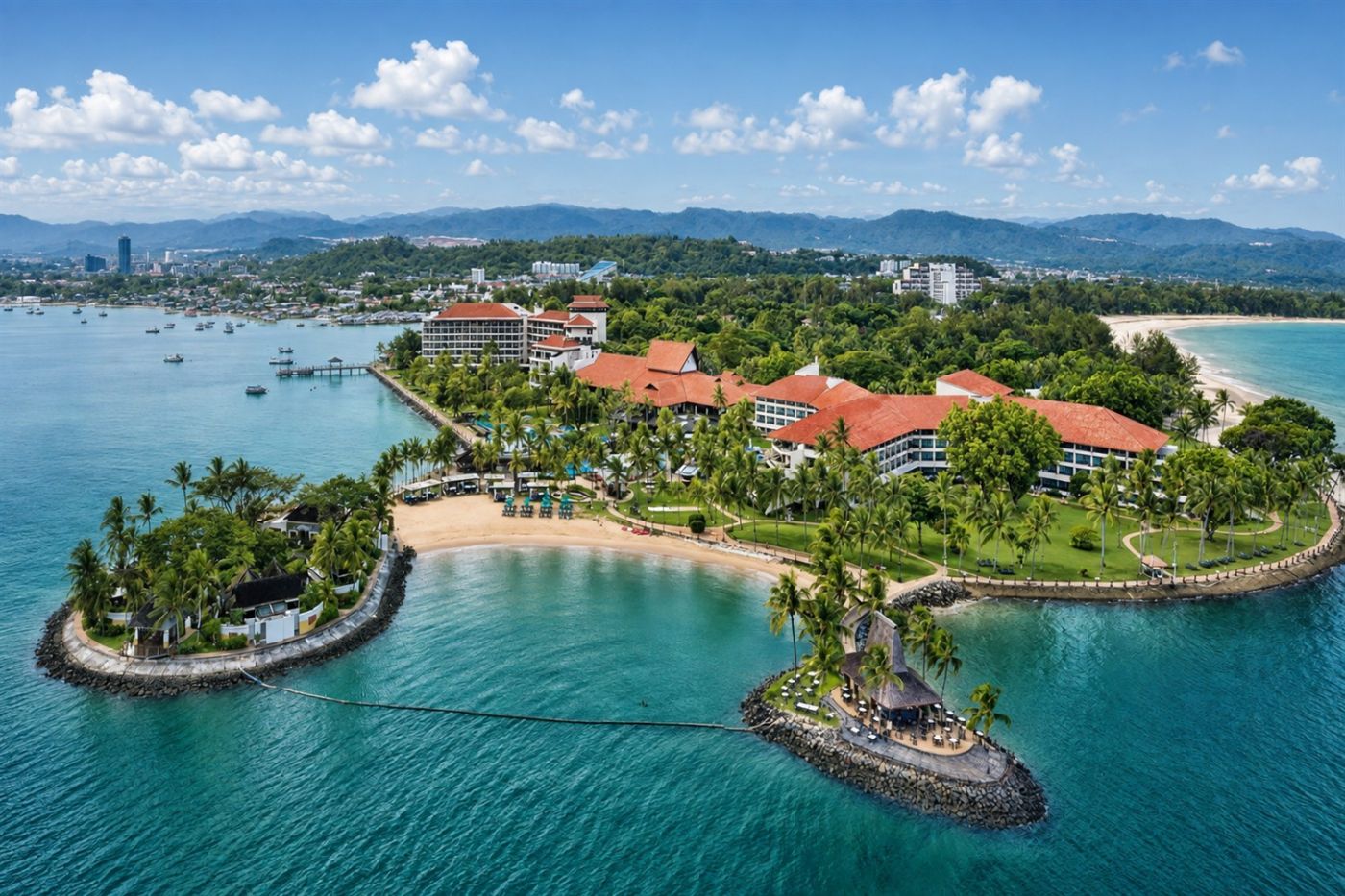
Shangri La Tanjung Aru Resort sits on the edge of Kota Kinabalu, facing the South China Sea and the islands of Tunku Abdul Ra...
The collection's resort settings are around Kota Kinabalu, with meaningful differences between them. Shangri-La Rasa Ria is on Pantai Dalit north of the city; Shangri-La Tanjung Aru relates more closely to the city's edge and the offshore islands. Decide whether a retreat-like beach setting or the relationship with Kota Kinabalu should lead the stay.
The wooden Atkinson Clock Tower is a tangible remnant of Jesselton, the earlier name of Kota Kinabalu. Built as a memorial to district officer Francis George Atkinson, it expresses the city’s British colonial period in a small structure rather than a grand civic monument. It provides a specific architectural subject for a city outing, distinct from the museum’s broader account of Sabah’s communities.
Mari Mari Cultural Village develops the regional-cultural interest through traditional house settings associated with the Kadazan-Dusun, Rungus, Lundayeh, Bajau and Murut. The differences between farming, river and seafaring traditions are the reason to select it. This is an interpreted cultural visit, with a different emphasis from viewing colonial buildings in Kota Kinabalu.
The Ranau district introduces highland vegetables and tea-growing country. At Kampung Nalapak, Sabah Tea’s planted hills give an inland chapter a cultivated landscape rather than another beach or river habitat. Tea is a useful interest in its own right here: the fields put a familiar drink into its Bornean setting. This is a separate inland destination from the two west-coast resort bases.
For a wider trip, use the Malaysia destination guide to compare Sabah’s Borneo landscapes with another part of the country.
No. Sepilok Orang Utan Rehabilitation Centre is in the Sandakan area. Treat it as a separate geographical part of the itinerary rather than assuming an orangutan-focused visit is immediately outside a west-coast hotel.
No. The park is a broader World Heritage landscape, and an interest in its environment is distinct from undertaking a mountain ascent. Decide what kind of visit you want rather than using those two plans interchangeably.
Its wildlife and birding environment gives a river-led chapter a different purpose from the coast or mountains. Choose it for that focus, allowing the relevant part of Sabah its own time rather than treating every habitat as equivalent.
The Sabah Museum complex includes a Heritage Village and an Ethno-Botanical Garden. It provides a useful cultural interest alongside the region's nature, rather than making every outing about wildlife.
Manukan is crescent-shaped, with its notable beach at the eastern tip. Smaller Mamutik has a rocky edge on one side and sandy shores on the others. Those differences help distinguish a broad beach setting from a compact island with contrasting shorelines when choosing the island landscape that interests you.