



Park Hyatt Zanzibar
Prices From 382 USD
+2
More amenities
- Beach
- Culture
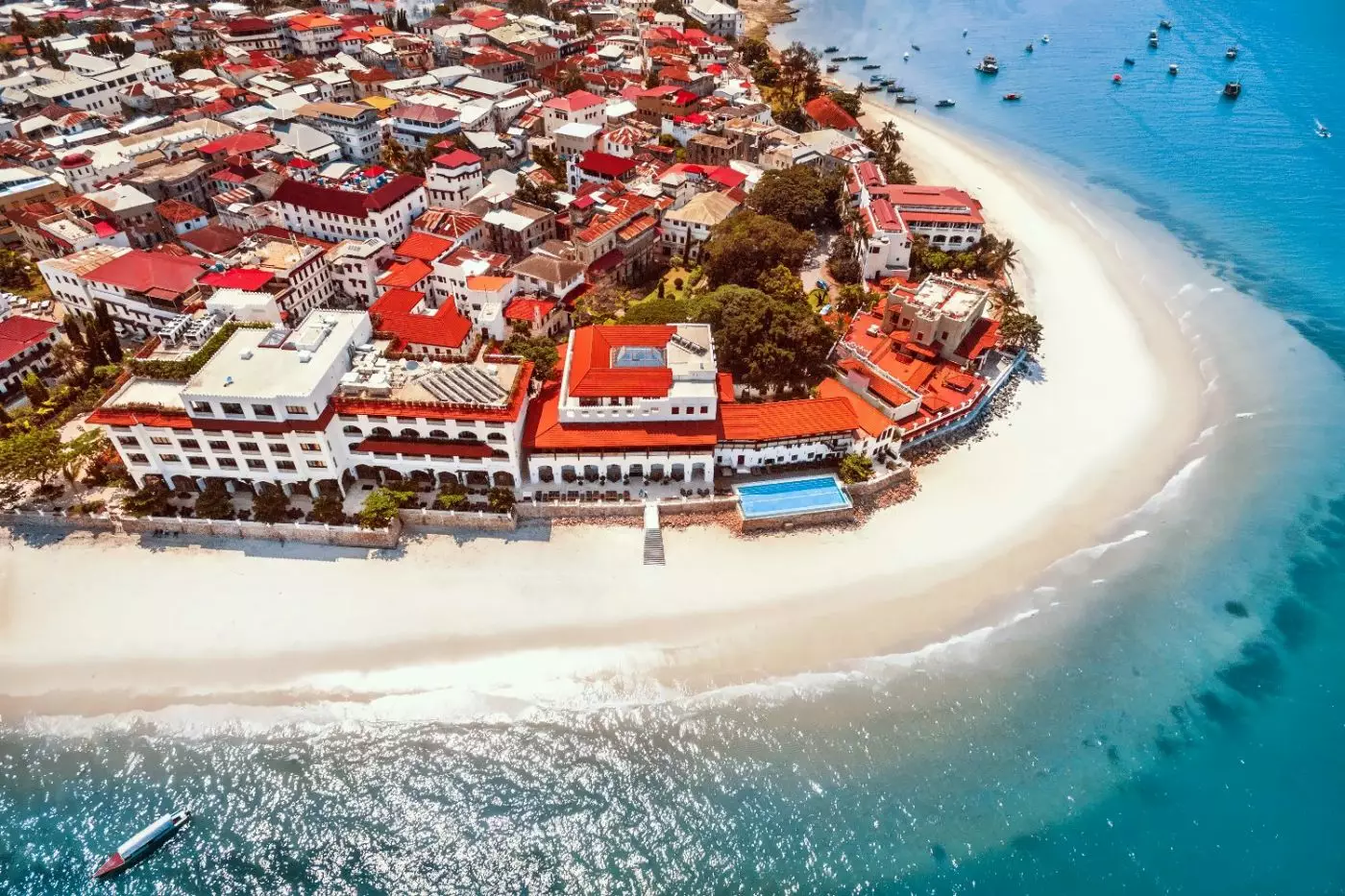
Park Hyatt Zanzibar is a waterfront hotel in Stone Town, set where the old city meets the Indian Ocean. It is a strong choice...
Please choose a hotel or destination from the list.
We couldn’t open your search results. Please try again.
Your private search
Finding exceptional stays
Zanzibar brings the sea into a distinctive architectural setting. In Stone Town, waterfront buildings, narrow streets and carved doors give the hotel surroundings a strong identity. Look beyond the seafront photograph to the way the town is built.
Prices From 382 USD
More amenities
Park Hyatt Zanzibar is a waterfront hotel in Stone Town, set where the old city meets the Indian Ocean. It is a strong choice...
Reserved for You
Park Hyatt Zanzibar occupies a waterfront setting on Shangani Street. That address provides a reference point for understanding the buildings around the stay: the seafront is one face of a much more intricate town.
Narrow, winding streets sit alongside mansions facing the sea and open spaces. These different scales give an architectural walk its shape. Notice where a close street opens out and where a building addresses the waterfront. The relationship between enclosed streets and broader spaces is a useful subject in its own right.
Coralline ragstone and mangrove timber are characteristic building materials, combined with lime mortar and finished with plaster and limewash. Looking for those materials makes the streetscape more tangible. Walls, openings and finishes become part of the visit rather than a backdrop to the hotel.
A characteristic two-storey house has long, narrow rooms arranged around an open courtyard, reached through a narrow corridor. Some buildings have wide verandahs. These are features of the town’s architecture; they do not establish the layout of a particular hotel room or access to a private house.
The street frontage adds another subject. Narrow-fronted shops along bazaar streets include the commercial space known as the duka. Compare that compact frontage with the larger seafront buildings. It gives a walk a concrete architectural question without requiring every doorway to become a separate destination.
For wider planning, our Tanzania destination guide places Zanzibar within the country’s broader hotel landscape.
No. It occupies a promontory on the western side of Unguja. Understanding that geography helps distinguish a Stone Town hotel from accommodation on another coast. The town’s urban character, rather than a separate island identity, is central to the choice.
The cultural and urban surroundings create a different experience. Choose the waterfront for its relationship with the town as well as the sea. A secluded beach holiday and a stay connected with streets and architecture should not be treated as interchangeable.
It brings together local Swahili traditions and wider trading influences. Looking at the town through that history gives doors, houses and streets a relationship with one another. It is a more meaningful approach than collecting recognizable details without their context.
Only when both contribute to your interests. A cultural stay can have a clear purpose on its own, just as a quieter coastal chapter can. Choose the combination deliberately rather than adding a second hotel simply to satisfy a standard island itinerary.
Taarab joins sung poetry with instrumental music, including the oud, qanun and dumbak. Its traditions reflect Indian Ocean and Arab connections alongside Swahili musical heritage. In Stone Town, the Dhow Countries Music Academy works to preserve and teach these traditions.