



Park Hyatt Zanzibar
Prices From 382 USD
+2
More amenities
- Beach
- Culture
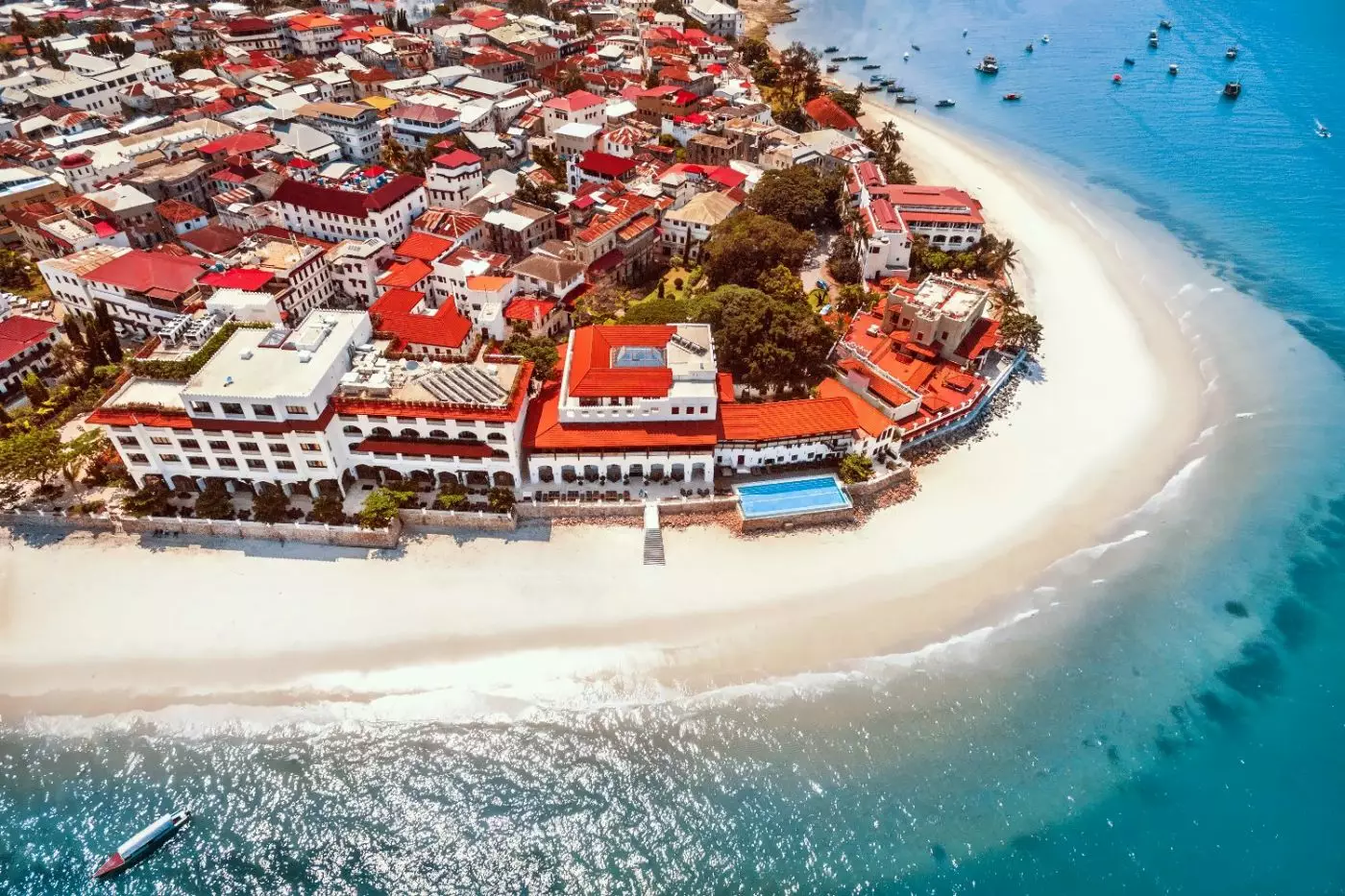
Park Hyatt Zanzibar is a waterfront hotel in Stone Town, set where the old city meets the Indian Ocean. It is a strong choice...
Please choose a hotel or destination from the list.
We couldn’t open your search results. Please try again.
Your private search
Finding exceptional stays
Tanzania combines mainland safari landscapes with the trading culture of the Swahili coast. Park Hyatt Zanzibar gives the hotel stay a seafront address in Stone Town, with historic urban streets around it. The Serengeti, Ngorongoro and southern parks belong to wider mainland chapters, adding ecological interests beyond this Zanzibar base.
Prices From 382 USD
More amenities
Park Hyatt Zanzibar is a waterfront hotel in Stone Town, set where the old city meets the Indian Ocean. It is a strong choice...
Reserved for You
Park Hyatt Zanzibar is on Shangani Street, on the beachfront in Stone Town.
The mainland safari regions below add different landscapes to a national journey. Treat them as separate chapters from the Stone Town hotel stay, with the plains, crater or river habitat determining the safari interest.
The Serengeti’s open landscapes and migrating herds give a safari a broad ecological subject. Consider the relationship between the animals and the surrounding land. A landscape interest can remain engaging through observation of the setting itself, alongside the search for wildlife.
Ngorongoro introduces a volcanic subject through the crater and surrounding conservation area. For someone drawn to geology, the form of that landscape deserves attention in its own right. Decide whether looking closely at the land is part of what you want from a safari stay.
Ruaha has baobab-studded savanna, rocky country and river-related habitats. Those elements give you more than one way to look at the surroundings: the outline of a tree, a rock formation or the relationship between vegetation and water.
In Nyerere, the Rufiji system, floodplains and woodlands provide ecological subjects. Pay attention to those environments as environments, rather than using them only as a backdrop to a sighting. Someone interested in vegetation and habitat may find that perspective especially rewarding.
The Zanzibar destination guide develops the local accommodation choice for a coastal setting.
Nyerere’s Rufiji system gives a safari a water-based perspective through boat outings among river channels and lakes. That differs from looking across open Serengeti country for herds and wider animal movements. Choose the river chapter when seeing habitat from the water adds something beyond another plains drive.
No wildlife event should be treated as guaranteed. The Serengeti's migration is an ecological movement, not a fixed performance at a hotel. Choose the area with informed guidance and keep the broader safari experience valuable even when one particular event does not occur.
No. Grumeti refers to a particular area within the wider Serengeti ecosystem. Check the actual camp or lodge location rather than assuming all accommodation described through the Serengeti shares the same setting, access pattern or surrounding landscape.
Include it if Swahili coastal history and an urban cultural visit interest you. A beach stay and time in Stone Town serve different purposes. Choose a combination that gives each enough attention, rather than treating the town as only a transfer stop.
The ruins occupy two islands near the mainland coast and preserve the history of major East African trading ports. Kilwa’s merchants connected commodities and ceramics across the Indian Ocean. They provide a separate archaeological subject for Swahili coastal history, beyond the living urban setting of Stone Town.