



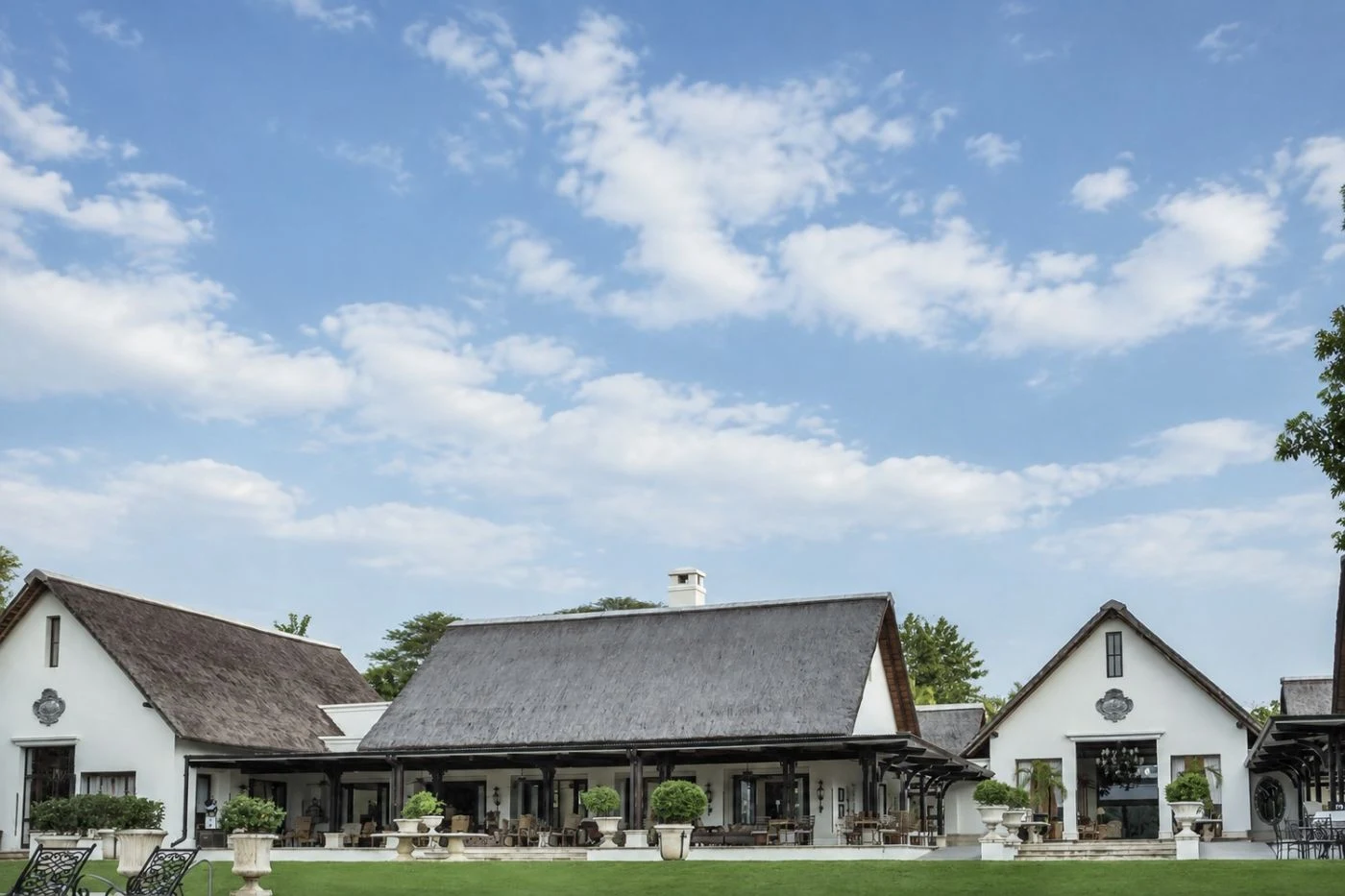
Royal Livingstone Victoria Falls
Prices From 714 USD
+2
More amenities
- Culture
- Adventure
The Royal Livingstone Victoria Falls occupies a rare position on the Zambian bank of the Zambezi: Victoria Falls is about a f...
Please choose a hotel or destination from the list.
We couldn’t open your search results. Please try again.
Your private search
Finding exceptional stays
The Royal Livingstone gives a Zambia stay a riverside base beside the Zambezi, with Victoria Falls as a major local interest. South Luangwa, the Lower Zambezi and Kafue bring other landscapes into a wider national journey. Their safari settings are separate from this Livingstone hotel stay and deserve their own regional planning.
Prices From 714 USD
More amenities
The Royal Livingstone Victoria Falls occupies a rare position on the Zambian bank of the Zambezi: Victoria Falls is about a f...
The Royal Livingstone is on the banks of the Zambezi on Mosi-oa-Tunya Road. Its river setting anchors the hotel stay in Livingstone, with Victoria Falls giving this part of Zambia a distinct focus. Allow time to notice the river landscape as well as the waterfall: a waterside afternoon and an interest in the falls contribute different parts of the local visit.
Use this Livingstone stay as the river-and-waterfall chapter of a wider journey. The safari regions below describe other parts of Zambia; they are not the surroundings of the Royal Livingstone. Our Livingstone hotel guide develops the local choice separately.
South Luangwa is shaped by the Luangwa River, its lagoons and surrounding habitats. Guided walking is an established part of the region's safari identity, alongside vehicle-based exploration. Choose this chapter when your priority is sustained attention to the bush rather than a quick wildlife excursion from a resort.
Camp location matters as much as room design. Compare the landscape around the accommodation and how its guiding style matches your interests. A photographer, a first-time safari traveller and someone drawn to smaller natural details need not choose the same rhythm. Wildlife remains wild; a species list is not a promise of what your own stay will reveal.
The Lower Zambezi National Park sits opposite Zimbabwe's Mana Pools, with the Zambezi forming the international boundary. River frontage, floodplain and the escarpment provide a different geographic frame from South Luangwa. It is a meaningful second safari region when you want a change of setting, rather than another lodge with similar decoration.
Build the sequence around substantial time in each place. Do not treat the map as a simple road itinerary or assume that every lodge offers the same way to explore the river. Let the journey connect a few clear interests, with time to settle between moves.
Kafue broadens the safari possibilities again, with a different scale and landscape from the other regions. It belongs in the planning conversation when the park itself interests you, rather than as an automatic extra stop. Zambia's appeal does not depend on completing a circuit of every famous reserve.
For a first journey, choose one principal safari region and consider Livingstone as the contrasting river-and-waterfall chapter. A more safari-focused trip can combine regions if the movement between them still leaves generous time on the ground. Luxury here is also the freedom to observe without constantly packing.
No. The falls are shared by Zambia and Zimbabwe. Livingstone is the Zambian base; Victoria Falls town is on the Zimbabwean side. Keep the country and actual hotel address clear when comparing stays.
Its archaeological, ethnographic, historical and natural-history collections place the visit in a wider Zambian context. Handicrafts and musical instruments offer a cultural subject alongside the better-known David Livingstone material. Choose the museum for human history as well as the river landscape.
In Lusaka, the National Museum has contemporary Zambian paintings and sculpture alongside archaeological and ethnographic material. It offers a cultural reason to spend time in the capital when Lusaka belongs in the journey. That is a different interest from a riverside stay in Livingstone or time in a safari landscape.
Avoid that assumption. River levels, vegetation and the character of the landscape change through the year. Plan around the experience you value in each region rather than a single countrywide ideal.
Treat it as a guided nature experience, not an independent hotel walk. Discuss your comfort with the terrain, pace and style of guiding so that the activity fits your interests and ability.