



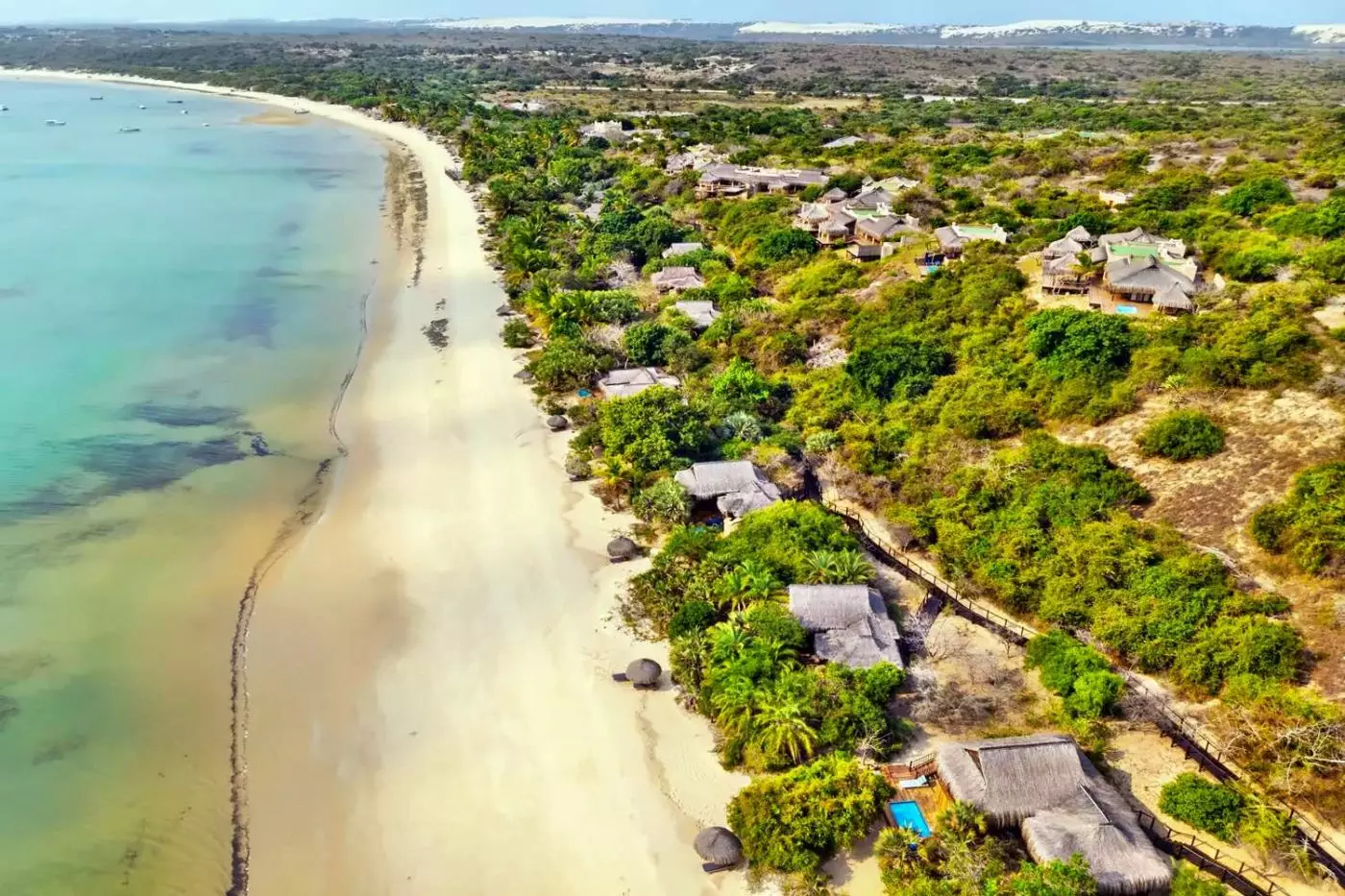
Anantara Bazaruto Island Resort
From 1’393 MZN
+4
More amenities
- Sauna
- Beach
- Romantic
- Sustainable
At Anantara Bazaruto Island Resort, the choice between a beach villa and a larger sea-view residence changes how you spend ti...
Please choose a hotel or destination from the list.
We couldn’t open your search results. Please try again.
Your private search
Finding exceptional stays
The luxury stays in this Inhambane collection lead to the Bazaruto Archipelago, where island landscapes shape the holiday. They are not hotels in the streets of Inhambane city. Begin with that distinction, then choose the island setting and pace you want: the sea, shoreline and time between excursions are central to the experience.
From 1’393 MZN
More amenities
At Anantara Bazaruto Island Resort, the choice between a beach villa and a larger sea-view residence changes how you spend ti...
Prices From 5’145 USD
More amenities
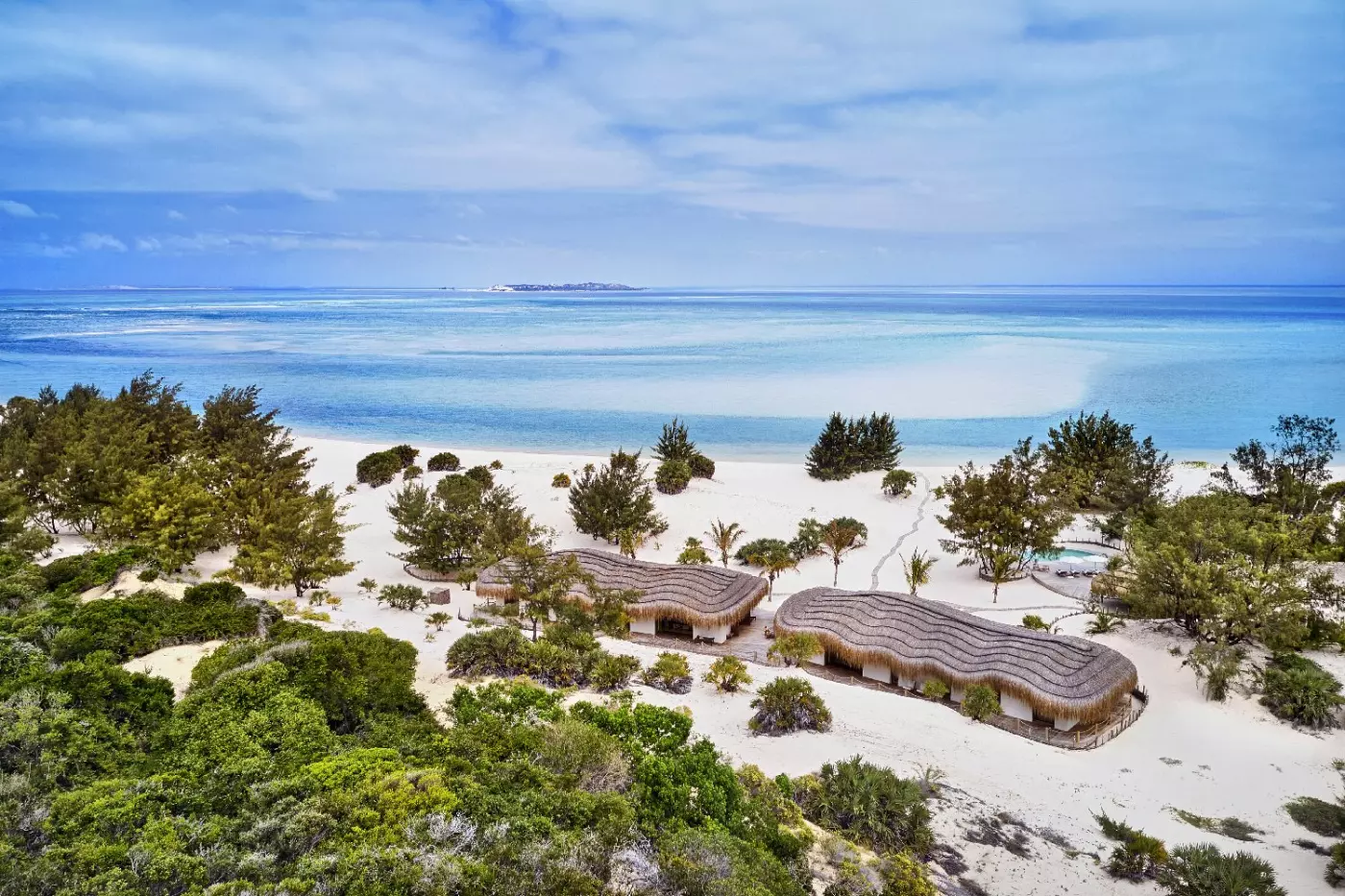
Kisawa Sanctuary occupies the southern end of Benguerra Island, where forest and dunes separate its residences from one anoth...
Reserved for You
Anantara Bazaruto Island Resort is on Bazaruto Island, while Kisawa Sanctuary is on Benguerra Island. These are distinct island bases in the same broader archipelago. Compare the place you will actually stay rather than assuming that a regional destination label means a mainland address or identical surroundings.
Kisawa’s southern Benguerra setting brings forest, beach and sand dunes into the accommodation choice. It suits a holiday where the immediate landscape should be part of daily life. Anantara’s Bazaruto setting provides another way to experience the archipelago.
The archipelago's birdlife gives a land-based outing its own purpose. Lagoons support flamingos, while fish eagles, bee-eaters and ospreys are among the birds recorded across the islands. Choose a birding interest for the contrast between wetland and coastal habitats: the focus shifts from the underwater world to the birds using the islands above it. Sightings remain an opportunity, with the habitat itself providing the reason to explore.
Bazaruto's large white sand dunes create a different landform from the wooded areas and lagoons. Their open slopes and the island's long shoreline suit a landscape-led excursion, particularly for travelers interested in photography or the shape of the coast. A local route through these different settings gives the land portion of an island stay more substance than a beach walk alone.
Inland lakes add another layer to the archipelago's geography. The islands contain freshwater habitats as well as the surrounding saltwater seascape, so an exploration ashore can focus on the relationship between sand, vegetation and water. Choose that land-based subject alongside marine outings, keeping each environment's character in view.
The Mozambique destination guide places the Bazaruto Archipelago within the country's wider island and mainland regions.
The park encompasses island and marine habitats. Its significance extends beyond attractive beaches to the ecological relationships within the seascape. Choose nature experiences with respect for that protected setting and follow the guidance provided locally.
No wildlife encounter should be treated as certain. The archipelago is important for dugong conservation, but that is a reason to value the habitat, not a promise of a sighting. Choose an outing for its broader marine interest.
Two Mile Reef is a named marine excursion setting associated with Bazaruto. Consider it for an interest in snorkeling and the underwater environment, with the activity selected around the circumstances and guidance of the day rather than a fixed expectation from a photograph.
Persian porcelain recovered at Ponta Dundo, on Bazaruto Island's southern tip, points to wider Indian Ocean trading links. Fragments of jars found elsewhere in the archipelago add to that archaeological picture. This gives the islands a commercial history alongside their natural interest, linking the coast with maritime exchange.
A dhow is a traditional wooden sailing vessel associated with Indian Ocean seafaring. A dhow outing brings that boat-building and sailing tradition into an archipelago stay. Choose it for time under sail and the perspective from the water, keeping wildlife encounters as possibilities rather than the purpose on which the whole experience depends.