



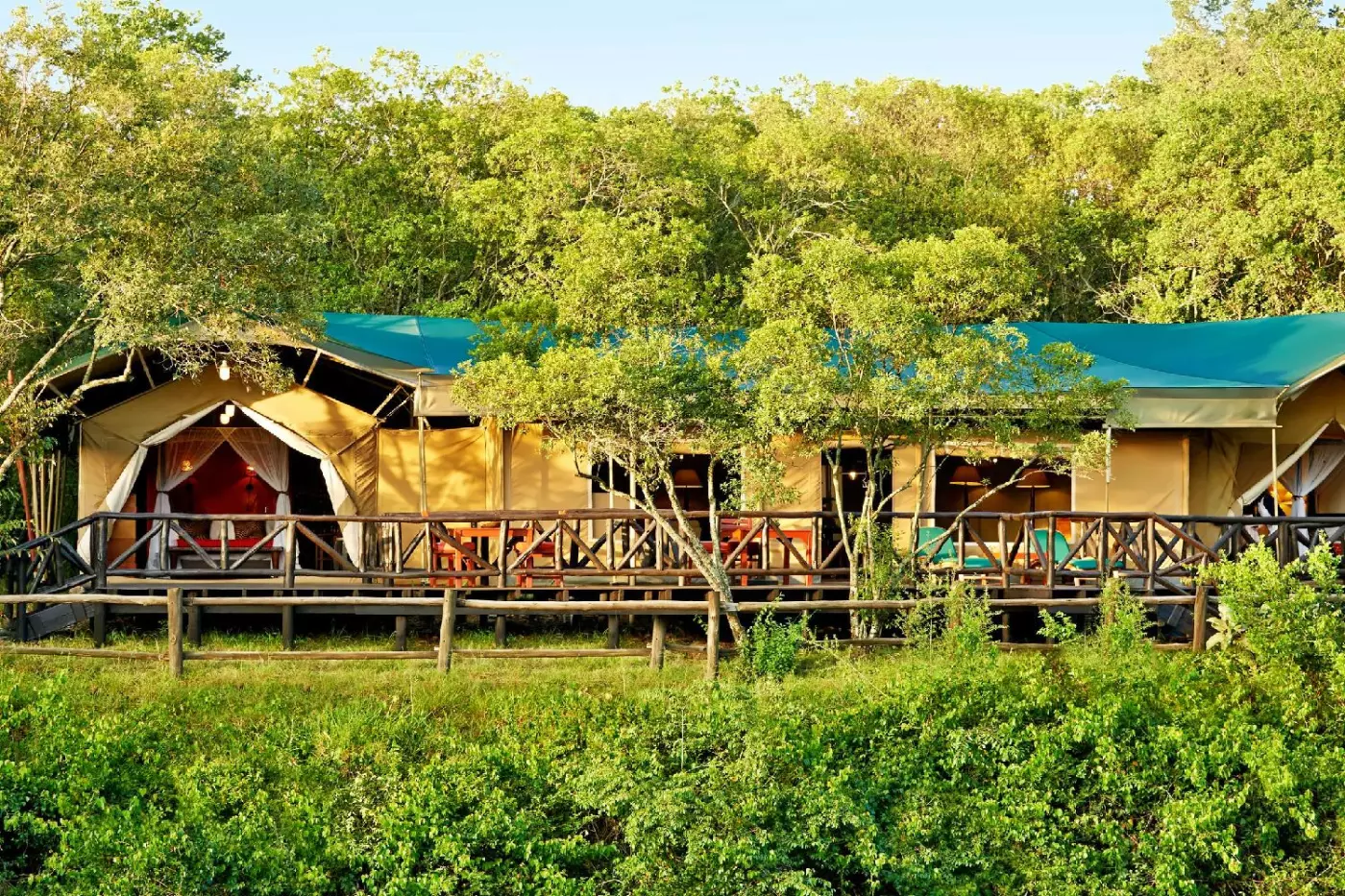
Fairmont Mara Safari Club
Prices From 1’117 USD
The Mara River runs beside the private decks at Fairmont Mara Safari Club, a 38-tent safari camp in Kenya's Olchoro Oirowua C...
Please choose a hotel or destination from the list.
We couldn’t open your search results. Please try again.
Your private search
Finding exceptional stays
The Masai Mara is a safari landscape, not a town with a single hotel district. Choosing accommodation means choosing a particular setting within that wider country. Look at the camp’s position and the kind of landscape you want to understand during the stay.
Prices From 1’117 USD
The Mara River runs beside the private decks at Fairmont Mara Safari Club, a 38-tent safari camp in Kenya's Olchoro Oirowua C...
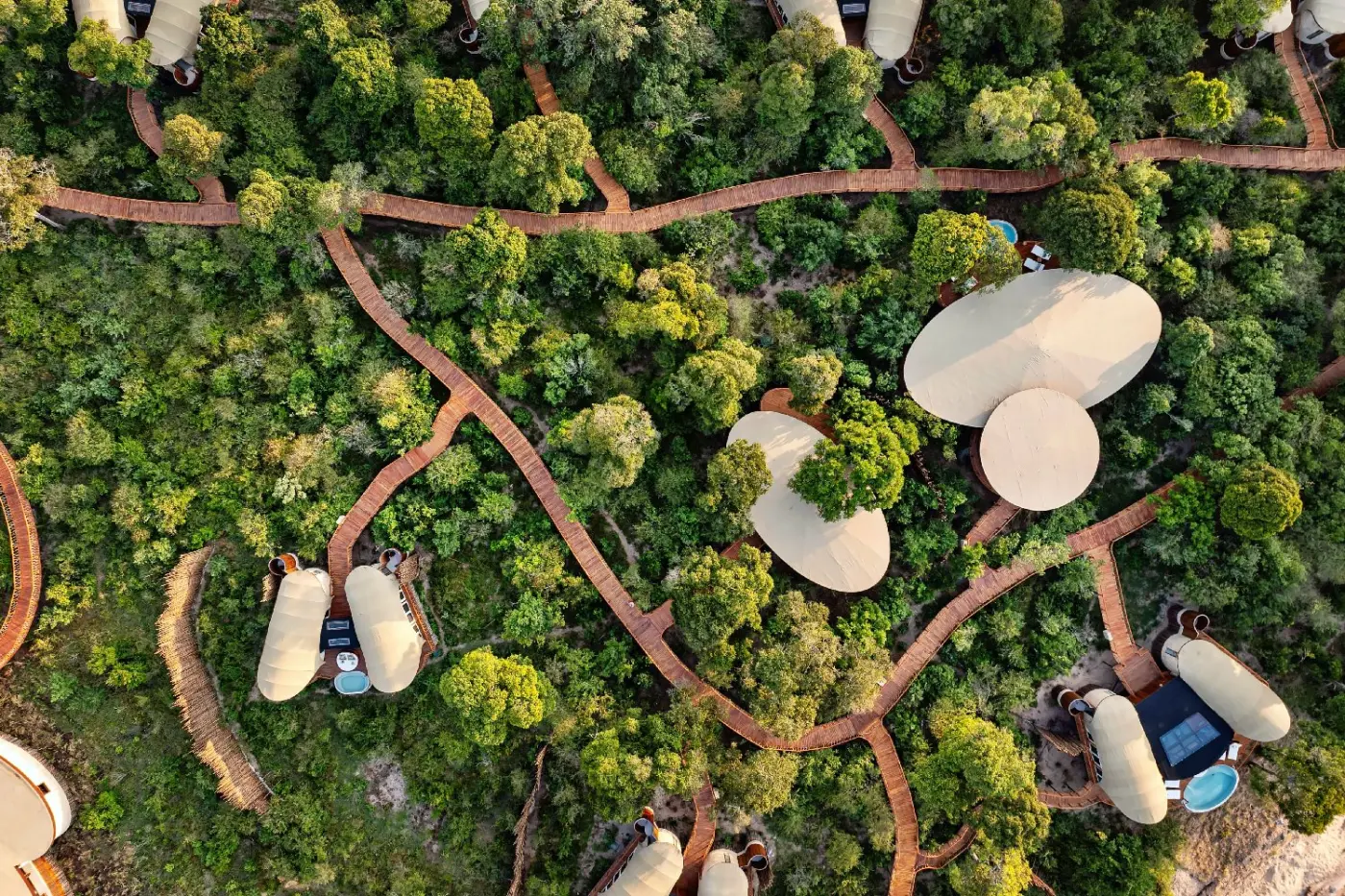
Prices From 4’000 USD
More amenities
Ritz Carlton Masai Mara Safari Camp sits in Kenya's Masai Mara National Reserve near the Sand River and the Tanzania border....
Fairmont Mara Safari Club stands in the northwestern Mara landscape, at the foot of the Aitong Hills in Olchoro Oirowua Conservancy. Its Mara River setting offers one perspective on the region. The Ritz-Carlton, Masai Mara Safari Camp is near the Sand River in the national reserve, toward the Tanzania border. These are distinct bases within a broad safari destination.
Choose with that geography in mind. A camp name containing Masai Mara does not put every property beside the same river or in the same reserve setting. Compare the places you want to experience from each base, keeping the actual address beside the landscape rather than relying on a general safari label.
The Mara Triangle is a defined western sector of the national reserve, bounded by the Mara River, the Oloololo Escarpment and the Tanzania border. Those three edges explain its name and give a map-based choice a recognizable landscape: the river on one side and the escarpment on the other. It covers only part of the reserve, rather than naming the whole Mara. Consider this sector when the relationship between the escarpment and the plains interests you, keeping it distinct from the northwestern conservancy and Sand River hotel bases already described. The area covered by an outing should be established with the guide from your chosen camp.
Our Kenya destination guide provides the wider national context. Consider what the safari contributes alongside any other part of the trip: outdoor observation and time in a city have different subjects and demands. Decide which interests belong to the Mara itself, keeping the broader journey from becoming a substitute for understanding the setting chosen here.
No. The Great Migration involves wild animals moving through an ecosystem. A riverside address does not establish when a crossing will happen or what you will see. Choose the safari for the wider landscape and wildlife experience, without making a single event its only measure of success.
Masai giraffes, topi, eland and both Thomson’s and Grant’s gazelles are part of the Mara Triangle’s wildlife. An interest in giraffes and different antelopes gives a safari a broader subject than predator sightings alone. Discuss those animal groups with your guide when shaping an outing, while leaving each encounter to the wildlife itself.
The Mara and Serengeti form adjoining parts of a larger wildlife landscape across Kenya and Tanzania. That ecological relationship does not make a cross-border hotel move an ordinary local excursion. Treat a separate Tanzania stay as a distinct stage of the journey.
Maa Beadwork is a social enterprise supporting Maasai women’s livelihoods through their craft. A visit to The Maa Trust’s headquarters can introduce the artisans and their beadwork, with the making and sale of the pieces connected to community income. It adds a contemporary craft interest to a wildlife stay. Arrange the visit with the Trust rather than assuming it forms part of every camp programme.
Choose a move only when the second location adds a clear landscape perspective. The northwestern conservancy and the Sand River area are different settings, but changing bases also uses time. A settled stay can be more rewarding than collecting addresses without time to appreciate either one.