



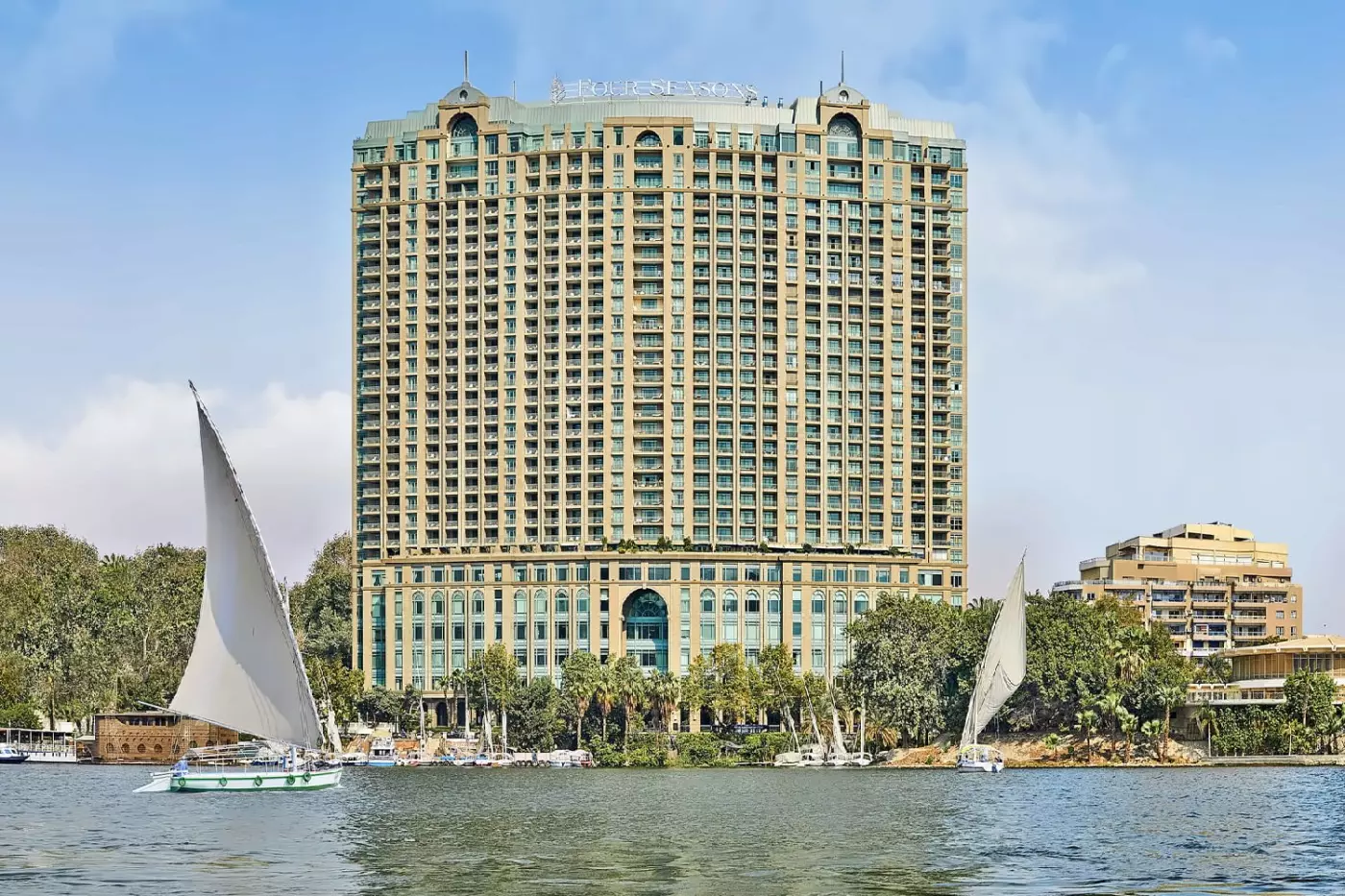
Four Seasons Hotel Cairo at Nile Plaza
Prices From 296 USD
+2
More amenities
- Culture
- City Vibe
At Four Seasons Hotel Cairo at Nile Plaza, private river-facing terraces bring the Nile into the room experience. The hotel s...
Please choose a hotel or destination from the list.
We couldn’t open your search results. Please try again.
Your private search
Finding exceptional stays
A luxury trip through Egypt can combine a Cairo hotel with the monuments of the Nile Valley or time on the Red Sea. This hotel selection concentrates on Cairo and Giza. Use it to choose the capital-area stay, then shape the wider journey around the places and experiences you want to add.
Prices From 296 USD
More amenities
At Four Seasons Hotel Cairo at Nile Plaza, private river-facing terraces bring the Nile into the room experience. The hotel s...
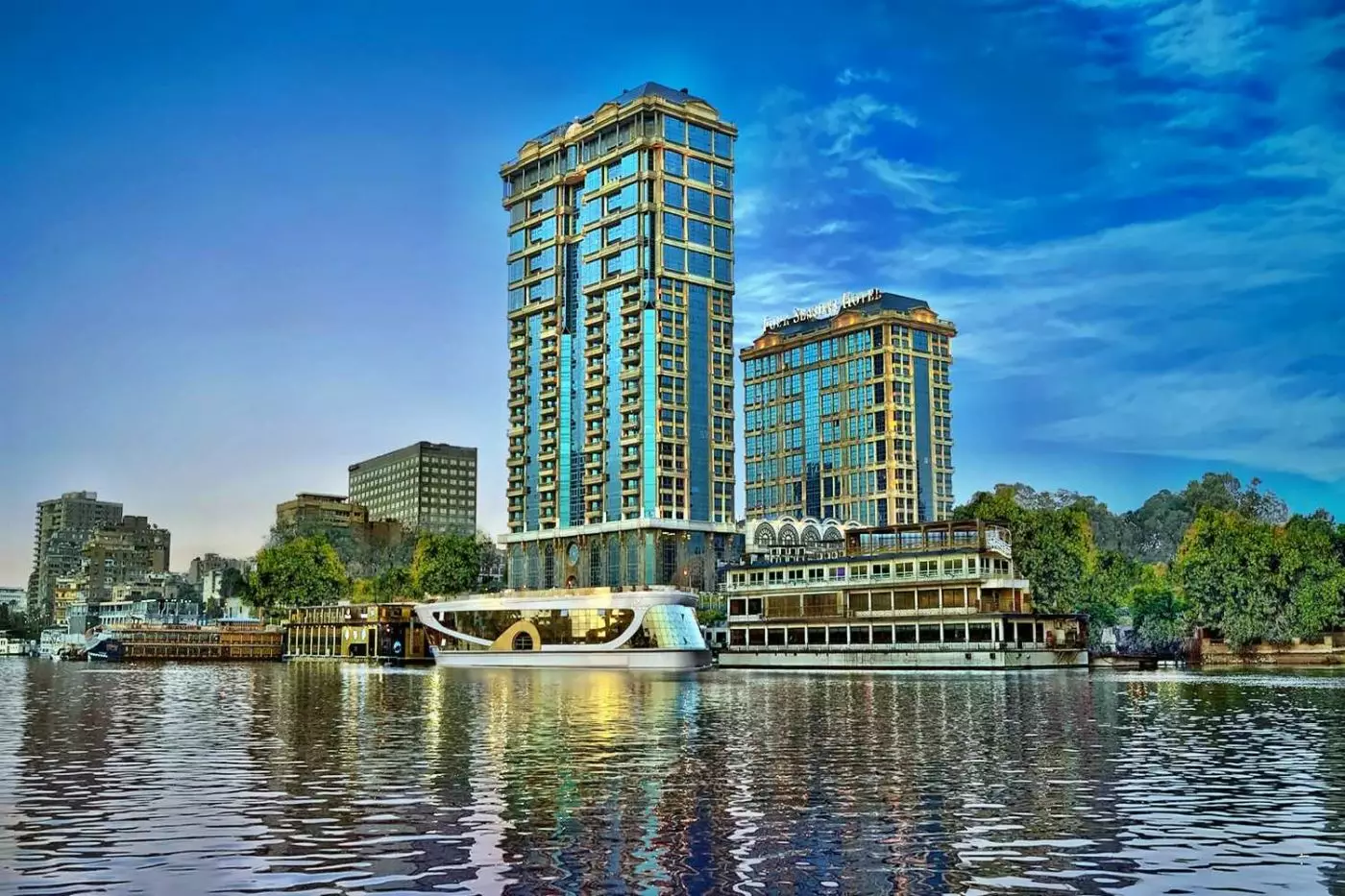
Prices From 342 USD
More amenities
French Empire-style furnishings, polished wood and gilt details give Four Seasons Hotel Cairo at The First Residence its trad...
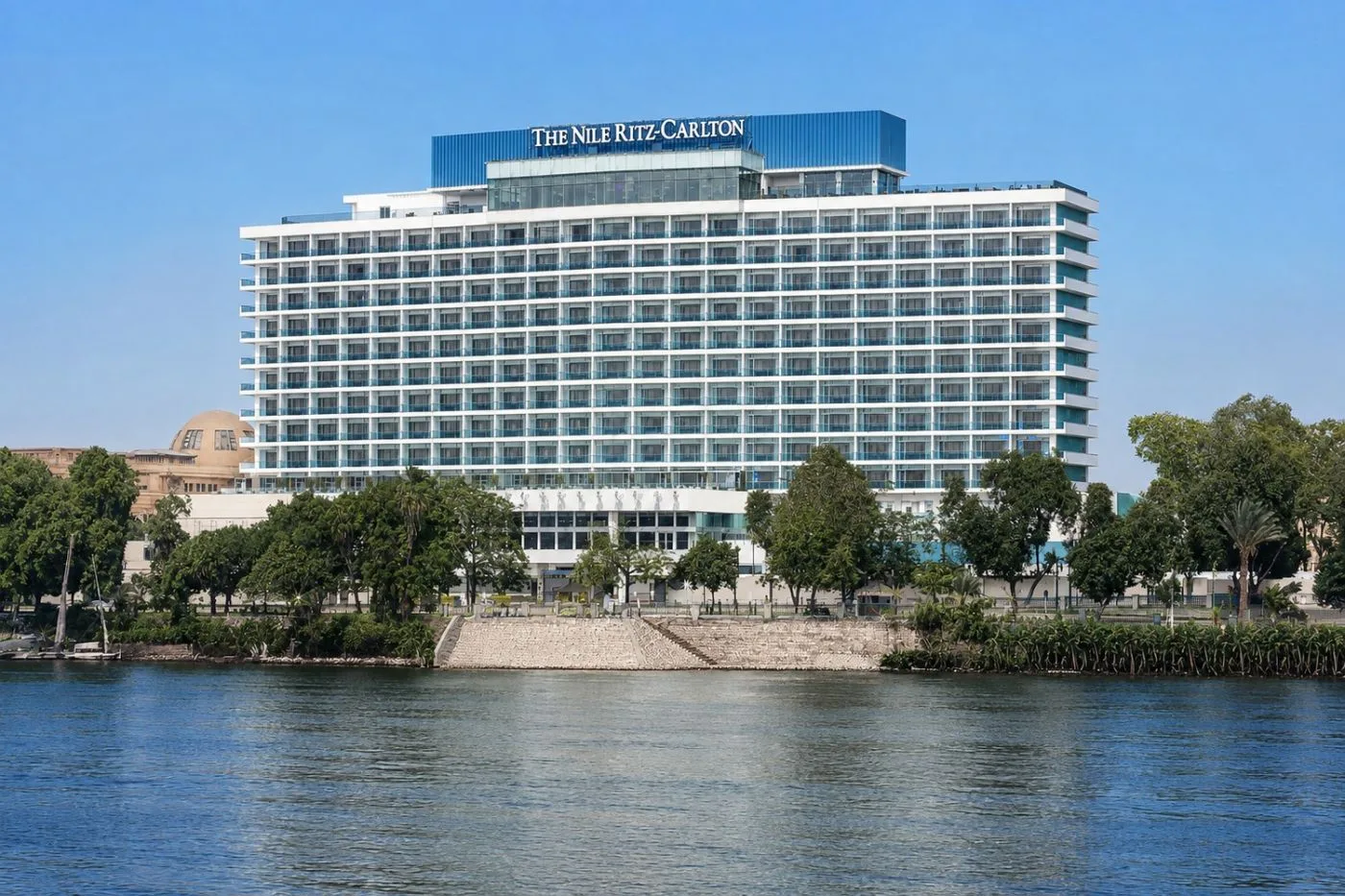
Prices From 257 USD
More amenities
The Nile Ritz-Carlton Cairo stands between the Nile River and Tahrir Square, placing guests in one of the city's most symboli...
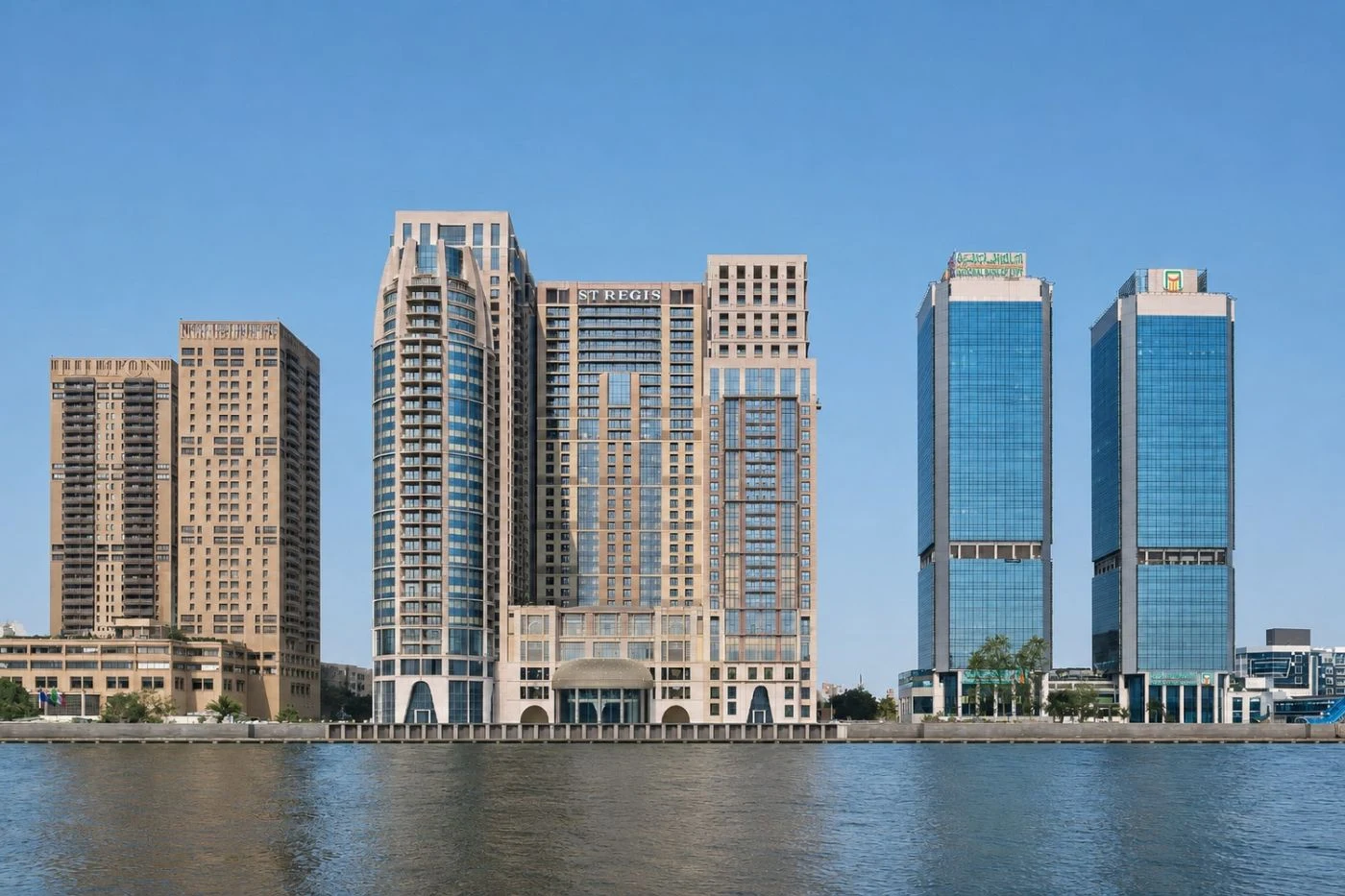
Prices From 412 USD
More amenities
The St. Regis Cairo stands on the Nile Corniche, with the river in front and central Cairo all around it. The hotel is grand...
Prices From 187 USD
More amenities
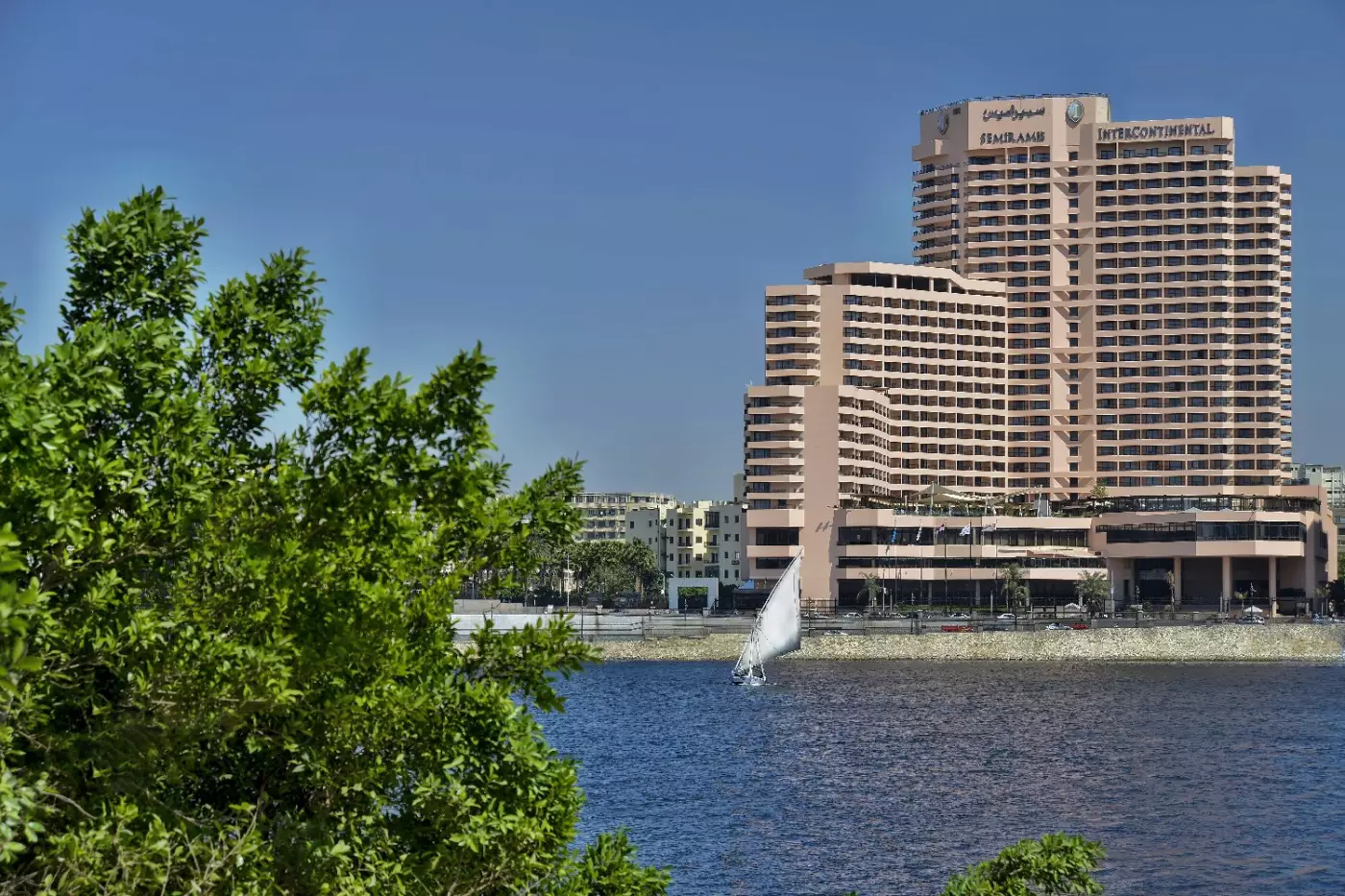
InterContinental Cairo Semiramis stands on Corniche El Nil, facing the river at one of Cairo's most recognizable urban edges....

Prices From 223 USD
More amenities
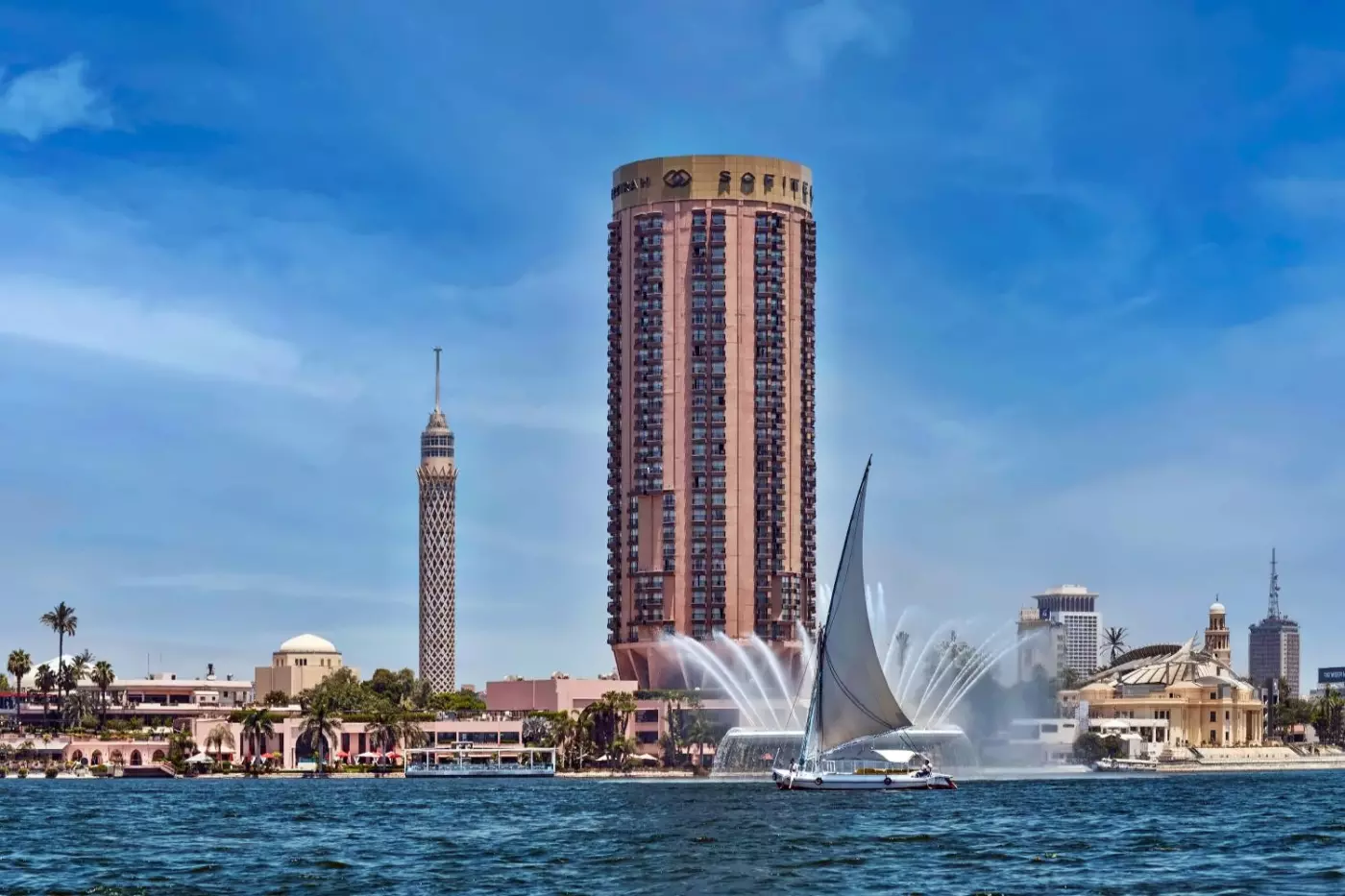
Sofitel Cairo Downtown Nile is a polished city hotel on the Nile in central Cairo. It gives guests a clear sense of place fro...
Prices From 135 USD
More amenities
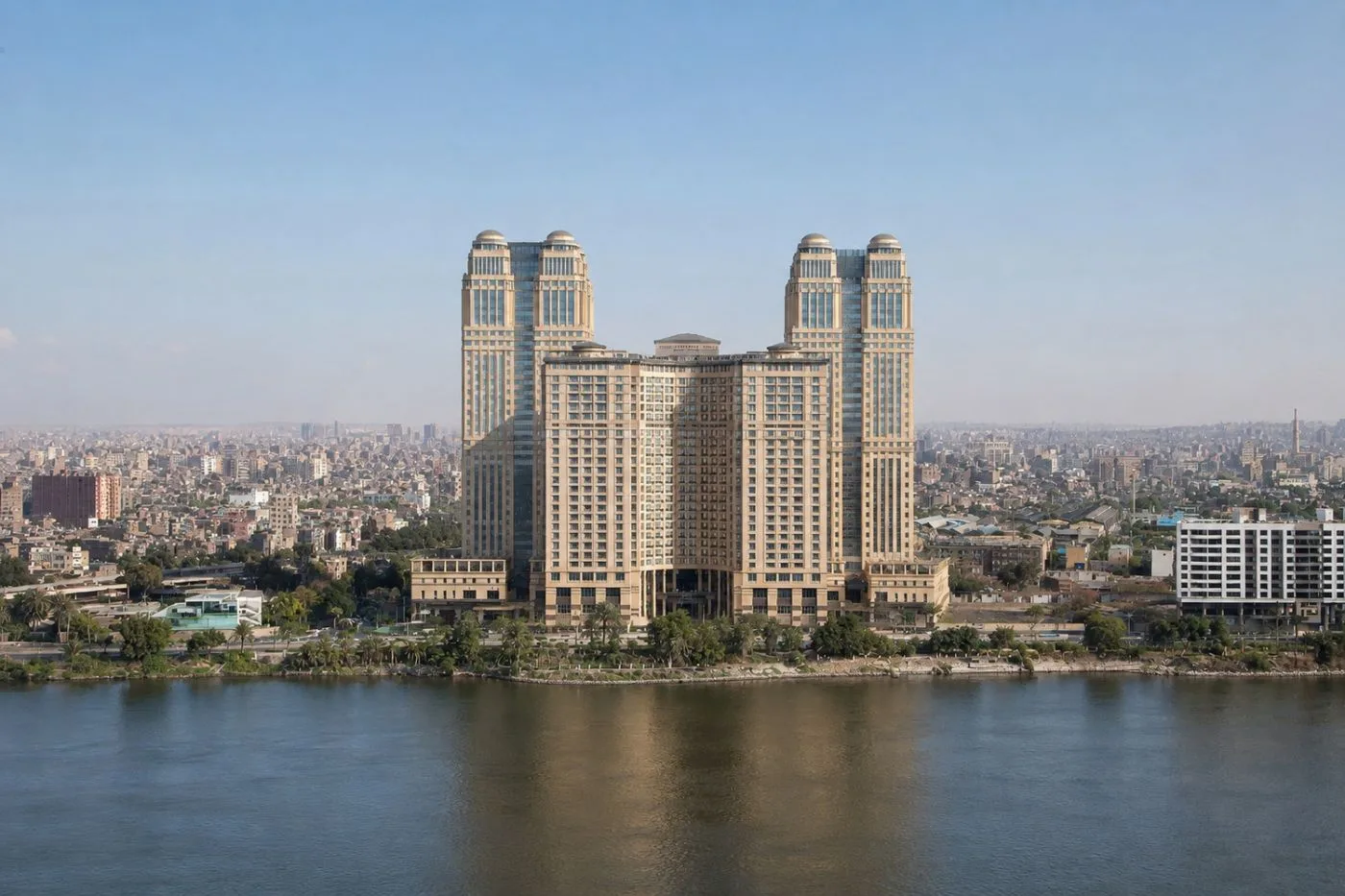
Fairmont Nile City is one of Cairo's most useful luxury hotels for travelers who want Nile views, strong dining, and a practi...
Prices From 256 USD
More amenities
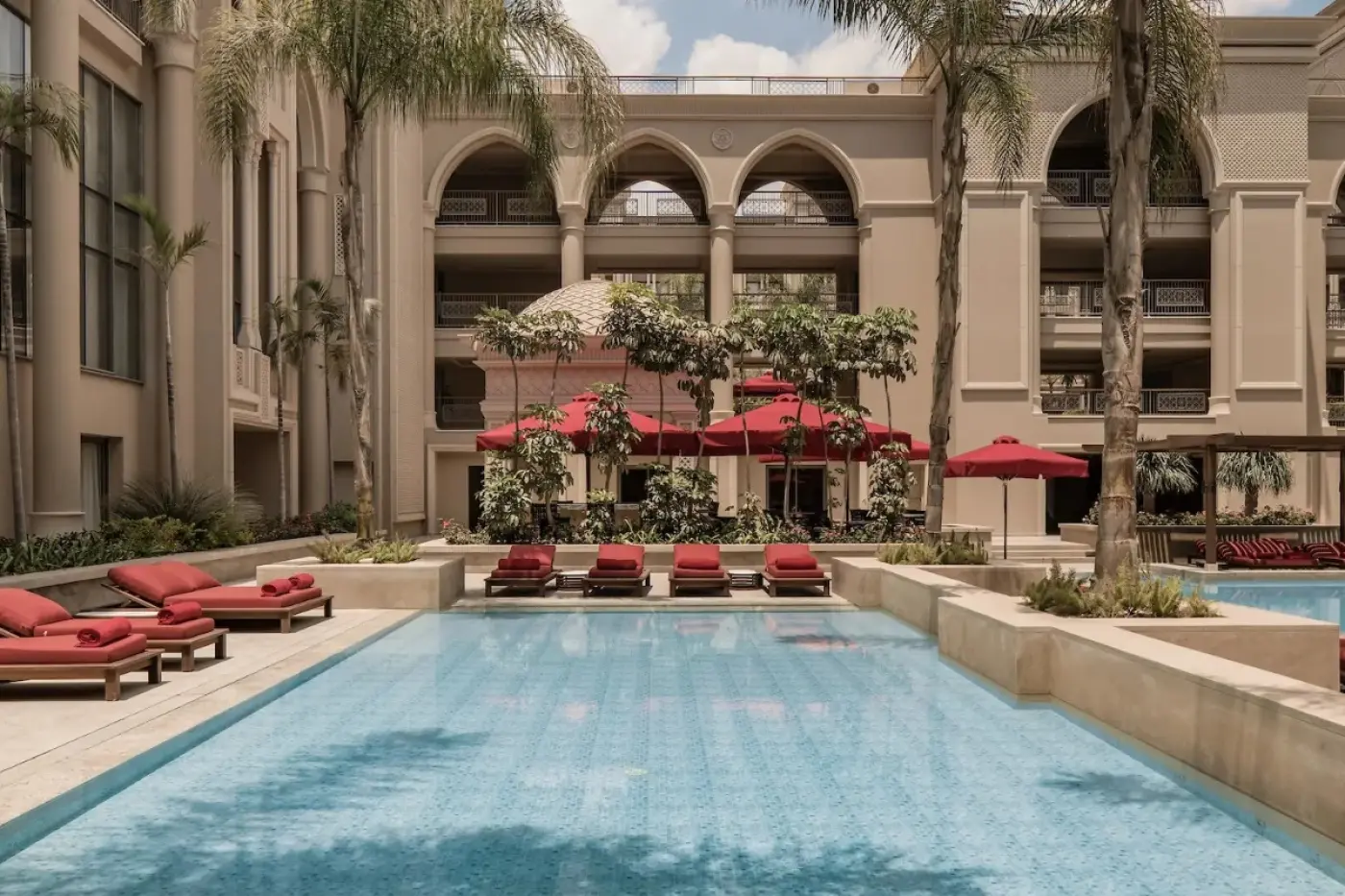
Giza Palace Hotel & Spa is a luxury hotel in West Cairo, set in Sheikh Zayed City near the Grand Egyptian Museum and the Pyra...
Prices From 238 USD
More amenities
Sofitel Cairo Nile El Gezirah sits at the southern end of Gezira Island. It is surrounded by wide Nile views and the movement...
Reserved for You
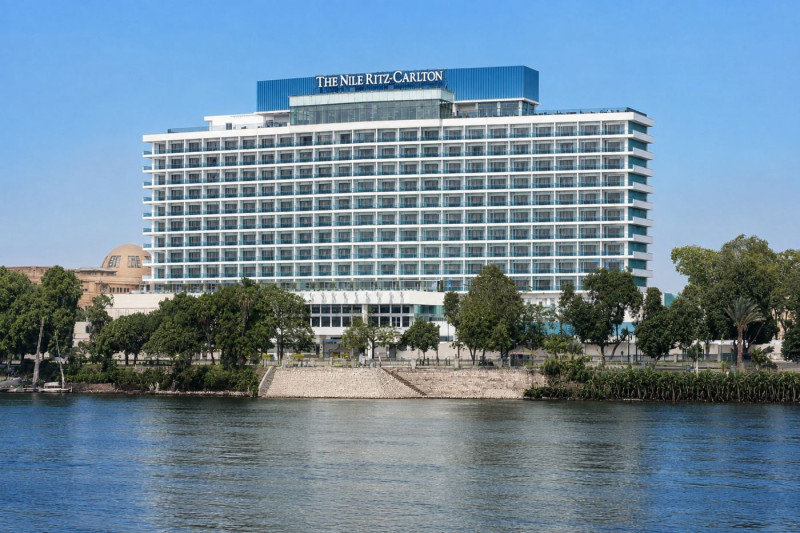
Begin by deciding how the capital fits the wider journey. A Nile-side Cairo hotel gives the city stage a river setting; a western Cairo base makes a different starting point for outings around Giza. The Nile Ritz-Carlton, Cairo, between the river and Tahrir Square, is one illustration of the former. Choose the base around the capital visits you want, and arrange those excursions separately from the hotel stay.
A Luxor-Aswan stage adds Upper Egypt to a Cairo visit. This is the part of the journey to build around temple landscapes and time on the river. Decide whether you want to move between places aboard a boat or spend the nights on land before assigning the hotel reservations; the choice changes how the trip unfolds.
Edfu and Kom Ombo give the Nile stage further architectural distinctions between Luxor and Aswan. Edfu’s temple is dedicated to the falcon god Horus; Kom Ombo combines cults of Horus and Sobek. Their surviving Ptolemaic and Roman-period architecture adds another historical layer to the river journey, with columned halls and carved reliefs providing specific subjects beyond a general view of the Nile.
The Red Sea can provide a coastal chapter after the Nile Valley, with a desert landscape behind the shore as well as reefs offshore. Near the Gulf of Suez, the monasteries of St Anthony and St Paul bring an early Christian heritage interest to the desert. St Anthony’s wall paintings and St Paul’s church interiors give a cultural reason to travel inland from the coast, distinct from a reef-led boat day.
Alexandria offers another coastal direction, with a Mediterranean city setting and Graeco-Roman heritage. Choose this extension when another historical layer interests you more than a reef-focused stay. A Nile Valley journey and a Mediterranean visit serve different purposes; include both only when each has a clear place in the itinerary.
The Bibliotheca Alexandrina gives Alexandria a contemporary cultural focus alongside its older monuments. The library complex in Al-Shatbi includes specialist libraries, museums and exhibitions. Its antiquities collection links the institution with finds from its own site, making the modern building and the city’s layered history part of the same cultural visit. These regional stages extend the journey; the hotel collection here remains concentrated in Cairo and Giza.
For individual neighborhoods and accommodation, continue to the Cairo hotel guide. Compare Egypt Hotel Offers for your chosen stay.
A classic Nile cruise combines living aboard with visits to ancient sites. A private dahabeya offers a more intimate charter between Luxor and Aswan, with the itinerary shaped around the stops you want. Choose the charter when sharing the boat privately matters to your party; compare the classic cruise's itinerary when its planned sequence fits your interests.
The East Bank contains Luxor and Karnak Temples, while the West Bank holds the ancient burial grounds. Include both when you want to compare temple architecture with the painted tombs, rather than treating Luxor as a single monument stop. Assign time to the specific sites on each bank before choosing the hotel nights or cruise itinerary.
Philae is an island temple visit reached by boat in the Aswan area. Abu Simbel lies farther south, beyond Lake Nasser, and is known for its rock-cut temples and colossal statues. Choose Philae for the island setting and Abu Simbel for the monumental temple facades; adding both means planning two distinct excursions from the Aswan stage of the trip.
Yes. Snorkeling is a separate way to explore the reefs. Hurghada has shallow reef outings, while Sharm el-Sheikh offers snorkeling as well as dive sites around the Sinai coast. Choose a stay around the reef trip and entry method you want, such as a shore visit or boat outing, and match the activity to your swimming experience when arranging it.
Alexandria adds a Mediterranean setting and a different historical layer. The coastal Citadel of Qayitbay stands on the site of the ancient Lighthouse of Alexandria, while Kom al-Dikka preserves a Roman amphitheater. Choose this chapter for coastal fortifications and Graeco-Roman heritage alongside the pharaonic sites elsewhere on the route.