



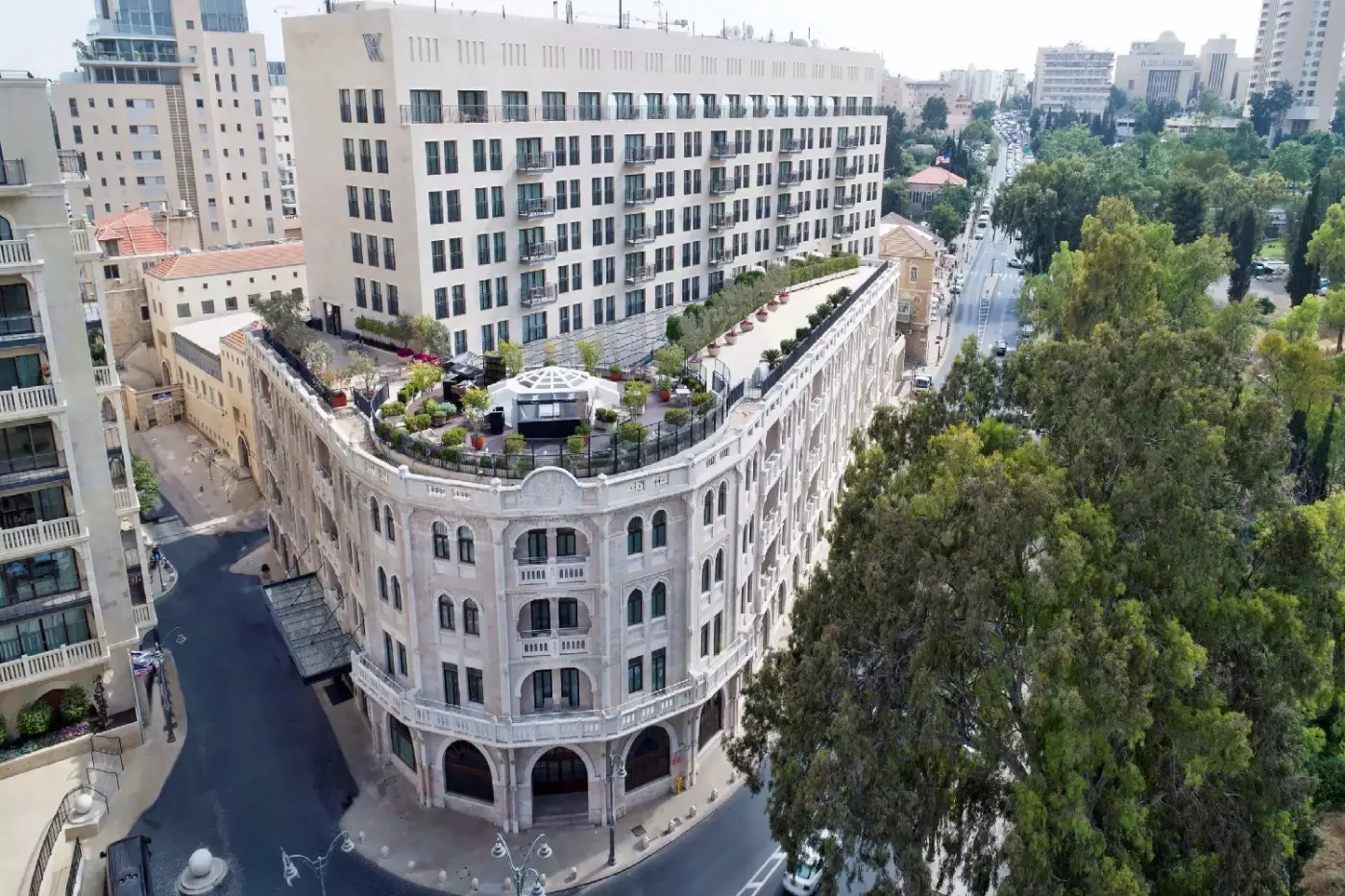
Waldorf Astoria Jerusalem
Prices From 652 USD
+3
More amenities
- Sauna
- Culture
- City Vibe
Waldorf Astoria Jerusalem stands on Agron Street, less than a kilometer from Jaffa Gate and Jerusalem's Old City. A historic...
Please choose a hotel or destination from the list.
We couldn’t open your search results. Please try again.
Your private search
Finding exceptional stays
Choose a Jerusalem hotel around the days you want to spend beyond its doors. The Old City, museum collections and the streets of the modern city call for different kinds of attention. A base near Mamilla or King David Street can support those visits, while the hotel’s architecture and atmosphere give the return its own character.
Prices From 652 USD
More amenities
Waldorf Astoria Jerusalem stands on Agron Street, less than a kilometer from Jaffa Gate and Jerusalem's Old City. A historic...
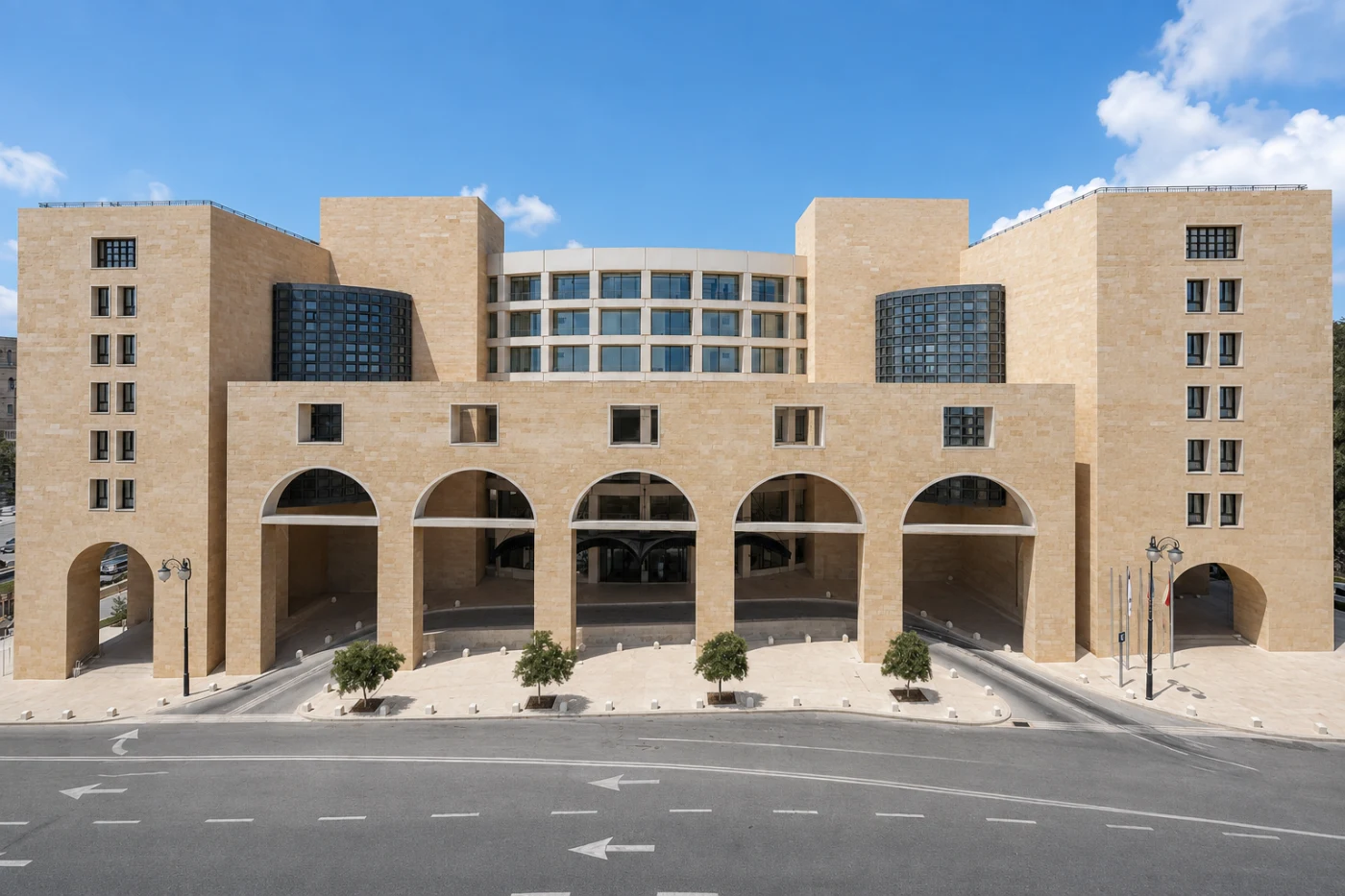
Prices From 1’890 USD
More amenities
At the David Citadel Hotel, Jerusalem's Old City is part of the outlook as well as the day's plans. The hotel stands at 7 Kin...
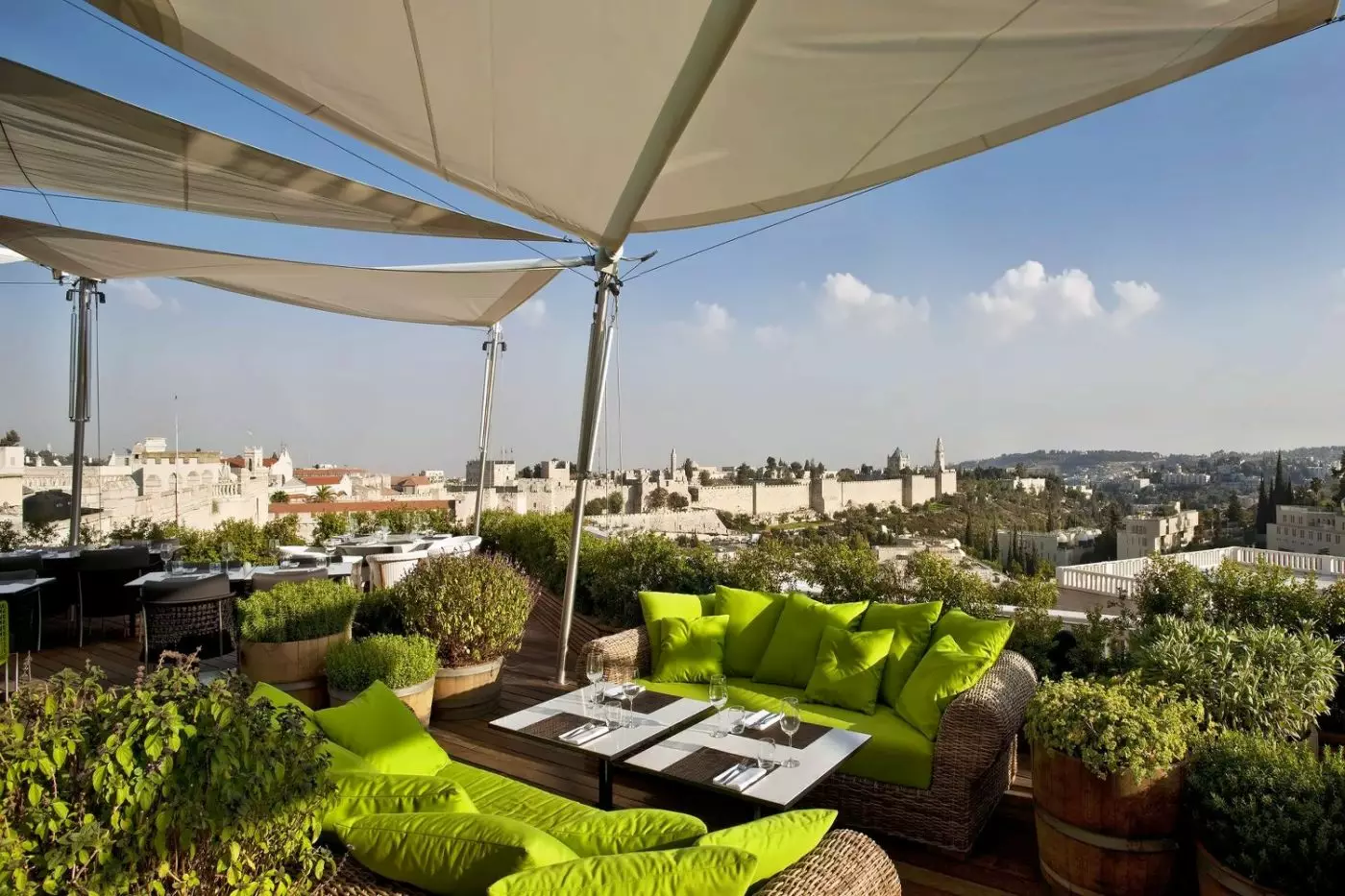
Prices From 577 USD
More amenities
Mamilla Hotel occupies one of Jerusalem's most useful addresses, alongside Alrov Mamilla Avenue and within a short walk of Ja...
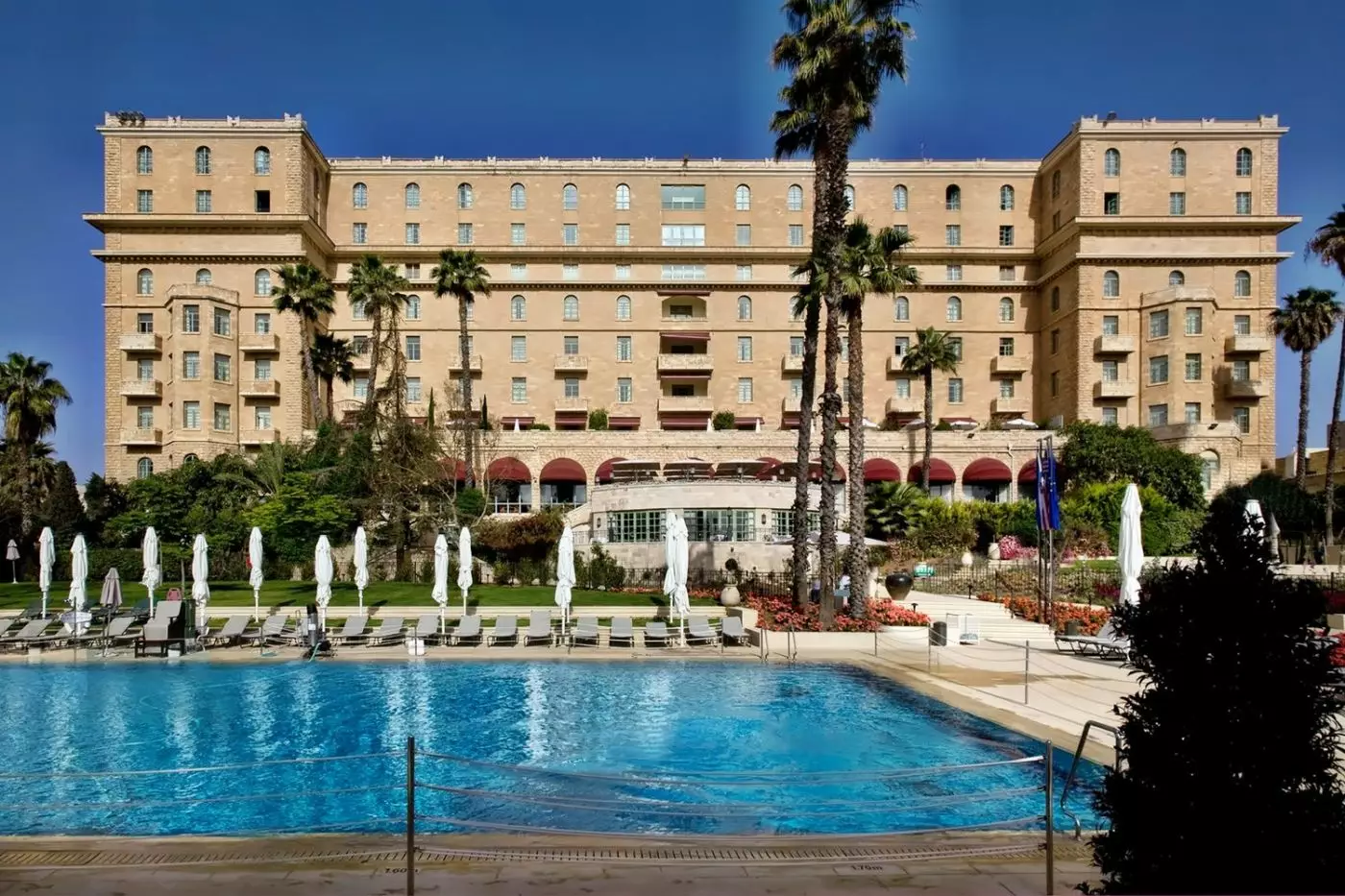
Prices From 2’187 USD
More amenities
The King David Jerusalem is the hotel to book when the point of the stay is not only comfort, but address, history, gardens,...
The collection is concentrated around the streets outside the Old City, rather than offering a spread of hotels within its quarters. Mamilla Hotel is on King Solomon Street; The David Citadel and The King David are on King David Street. Waldorf Astoria Jerusalem is on Gershon Agron Street. Compare those actual entrances with the beginning and end of your planned outings.
There is also a meaningful choice of character within this relatively focused area. Contemporary design at Mamilla and the classic public-room atmosphere of The King David appeal to different preferences. Let the setting contribute to the stay without allowing a lobby photograph to decide every practical detail. A room for resting between visits deserves as much consideration as the arrival impression.
The Old City is not one uniform attraction. A visit centered on the Church of the Holy Sepulchre, the Western Wall or a particular historical theme needs a route chosen for that interest. Explain your priorities to a suitable guide, including how much walking and standing you want to undertake. Do not equate an address near the walls with an effortless route through every lane.
Mishkenot Sha'ananim offers a historical walk about the city's growth beyond its walls. Its Montefiore Windmill was intended to grind flour locally, linking the neighborhood's housing with an effort to support local industry. Choose this part of the city for that nineteenth-century urban story, alongside the older religious sites. The stone-paved, landscaped square around the mill looks toward the Old City walls and Mount Zion, setting the low buildings and windmill against the monumental skyline beyond.
Emek Refaim and the German Colony bring historic buildings, local shops and cafe life into a different urban setting. Choose this kind of neighborhood interval when you want everyday streets and a leisurely meal to balance a more concentrated cultural day. It is an outing from the hotel collection, not a claim that the listed hotels stand in that neighborhood.
For wider combinations, use the Israel luxury hotel guide.
They offer different forms of interpretation within the Israel Museum setting. The Shrine of the Book is associated with the ancient manuscripts; the model reconstructs Jerusalem in the Second Temple period. One concerns surviving texts, the other a physical understanding of the historic city. Confirm which displays are available when planning the visit rather than assuming every object is continuously on view.
Isamu Noguchi designed it as a sculpted landscape, bringing art, terrain and space into the experience. Choose it for the relationship between the works and their outdoor setting, rather than treating it simply as a passage between galleries. Consider your preferred balance of indoor collections and time outside when arranging the museum day.
Choose between browsing the market and sitting down for a meal; they are different ways to experience the area. A focused tasting visit can help you follow an ingredient or culinary interest without trying everything. Confirm the vendors or restaurant you want for your dates, and keep any booked tasting distinct from an assumption that samples are included everywhere.
Seek out the maker and the process behind the piece, not just a familiar decorative pattern. Jerusalem has an established Armenian handmade ceramic tradition, including artisans in the Old City. Ask which work was made by the workshop you are visiting and what the object is intended for. A souvenir shop and a working artisan’s gallery need not represent the same purchase.
It offers a more intimate setting connected with Anna Ticho, whose drawings and other work explored Jerusalem and its surrounding landscape. Check the actual exhibition at the house on HaRav Agan Street before making the visit. Choose it for the artistic subject that interests you, rather than assuming a particular historic or temporary selection will always be displayed.