



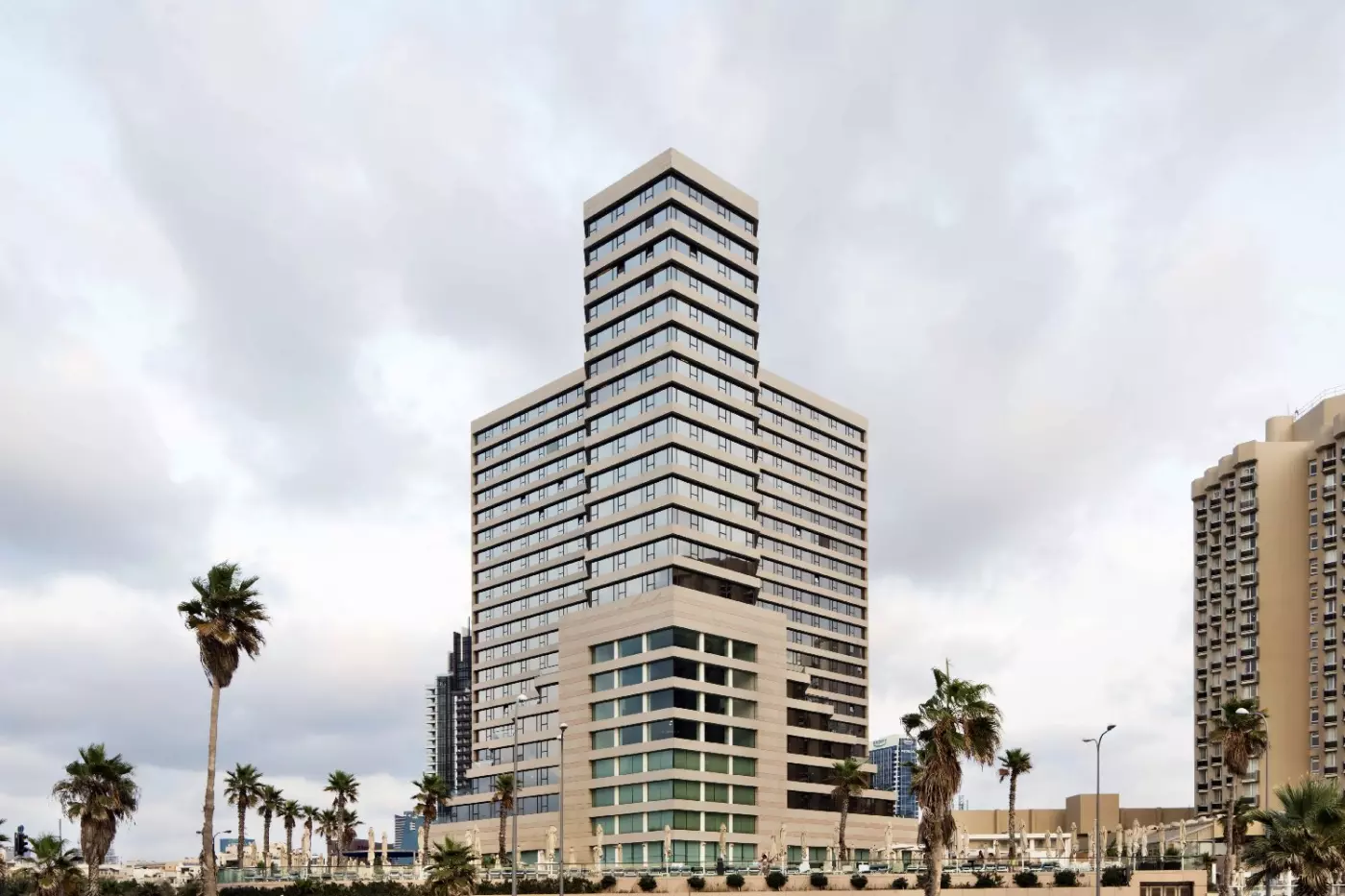
InterContinental David Tel Aviv
Prices From 696 USD
+3
More amenities
- Sauna
- Beach
- City Vibe
InterContinental David Tel Aviv places the Mediterranean, Neve Tzedek, the Carmel Market area, and the route to Old Jaffa wit...
Please choose a hotel or destination from the list.
We couldn’t open your search results. Please try again.
Your private search
Finding exceptional stays
Tel Aviv puts Mediterranean shoreline, modernist architecture and the old harbour district of Jaffa within one city stay. Choose your luxury hotel around the days you want to spend here: time beside the sea, an urban cultural itinerary, or exploring historic lanes before dinner.
Prices From 696 USD
More amenities
InterContinental David Tel Aviv places the Mediterranean, Neve Tzedek, the Carmel Market area, and the route to Old Jaffa wit...
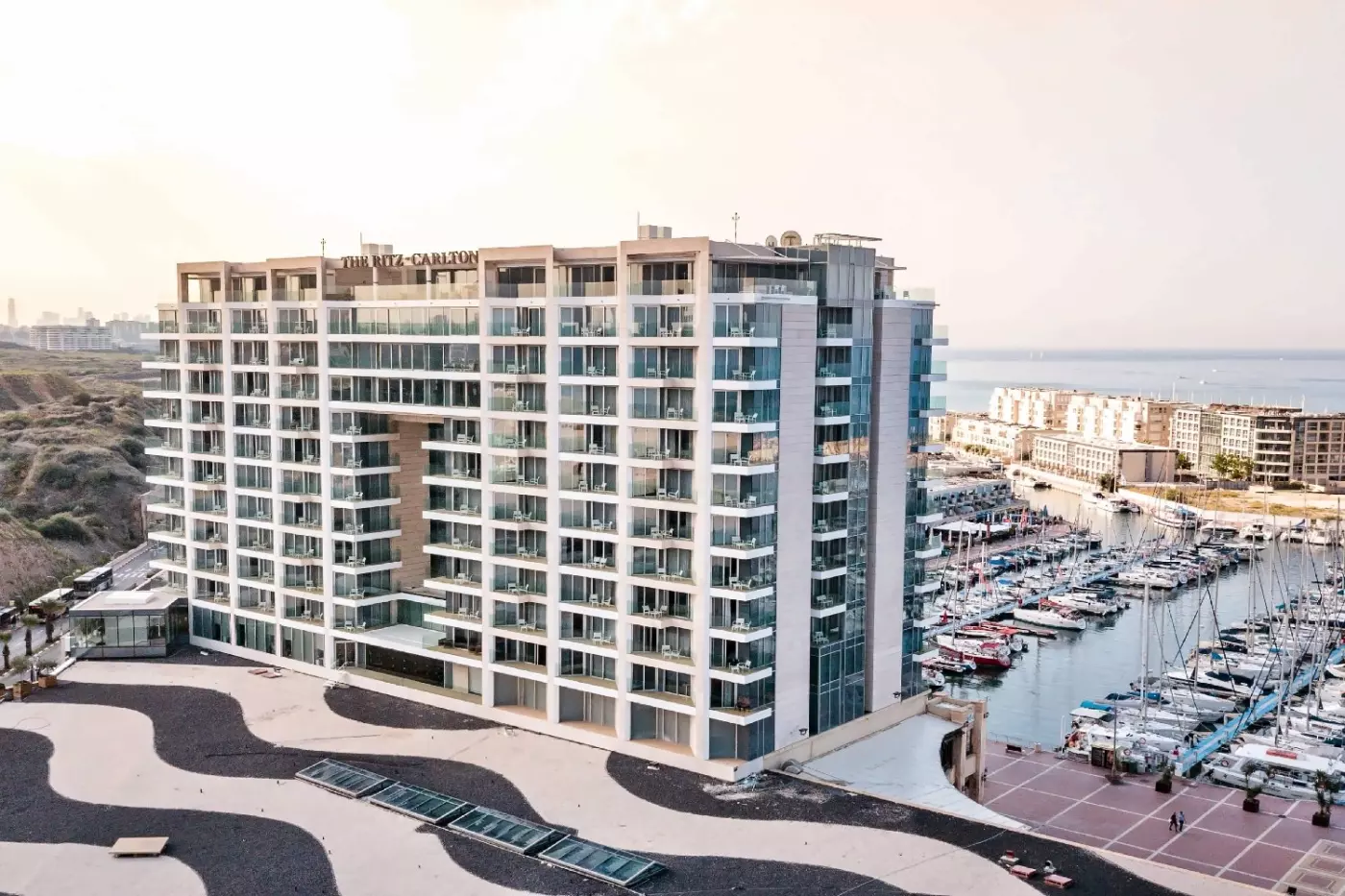
Prices From 708 USD
More amenities
The Ritz-Carlton, Herzliya has a distinctive position on Israel's Mediterranean coast. It rises above Herzliya Marina, close...
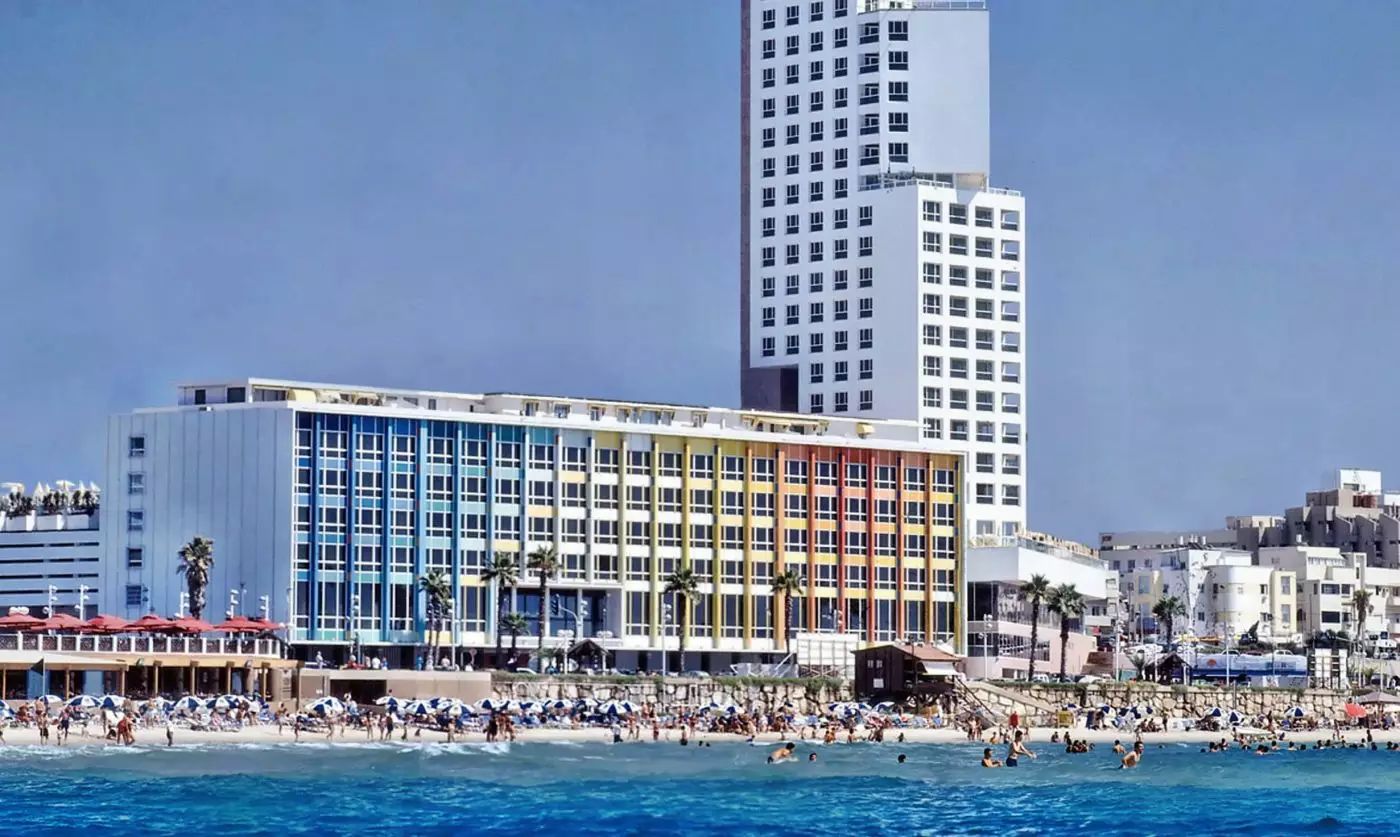
Prices From 1’257 USD
More amenities
Dan Tel Aviv occupies a seafront address at 99 HaYarkon Street, overlooking the Mediterranean and Tel Aviv's promenade. The h...
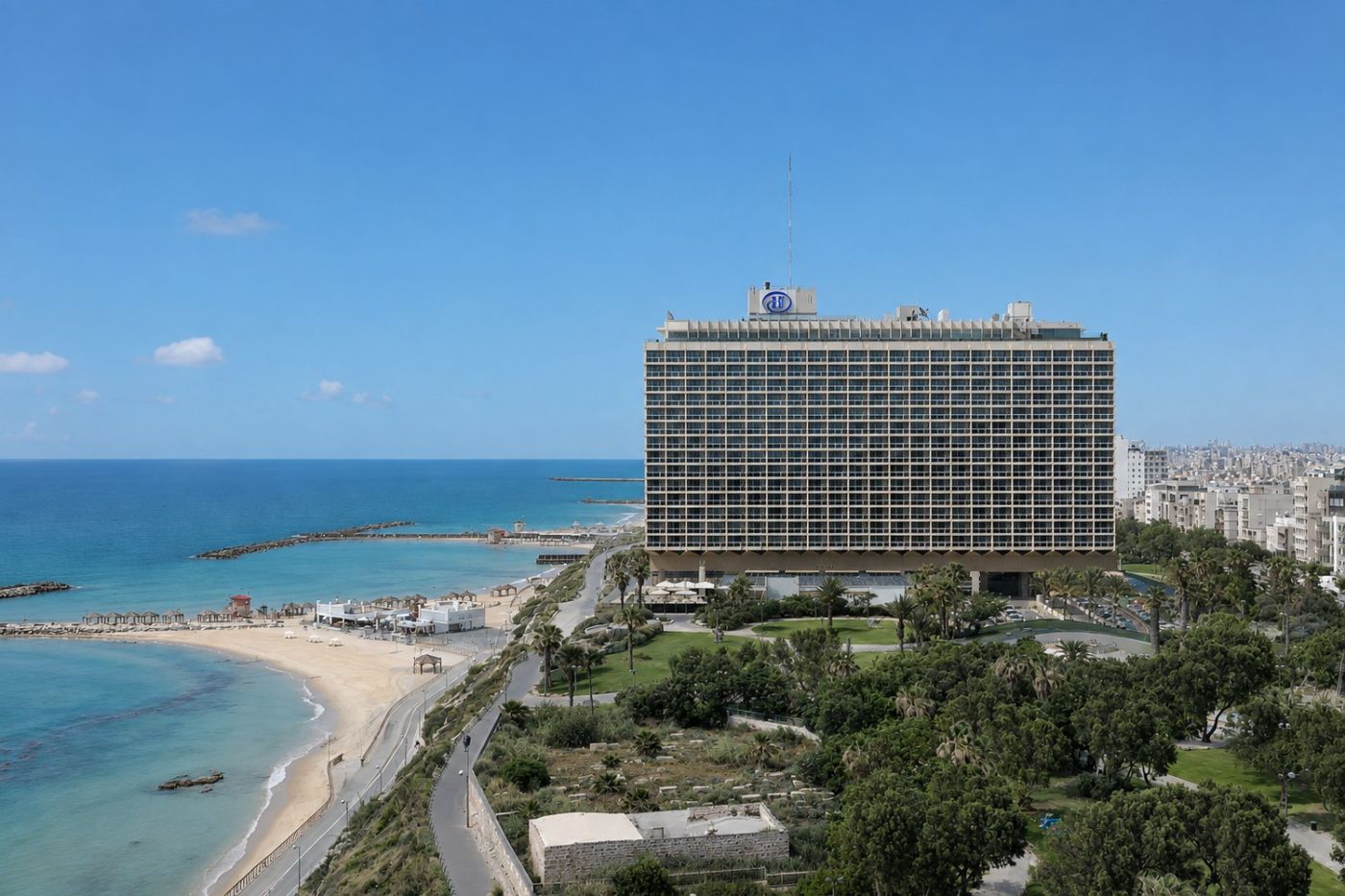
Prices From 1’010 USD
More amenities
The Vista at Hilton Tel Aviv is the elevated hotel-within-a-hotel on the upper floors of Hilton Tel Aviv, set beside the Medi...
Prices From 1’440 USD
More amenities
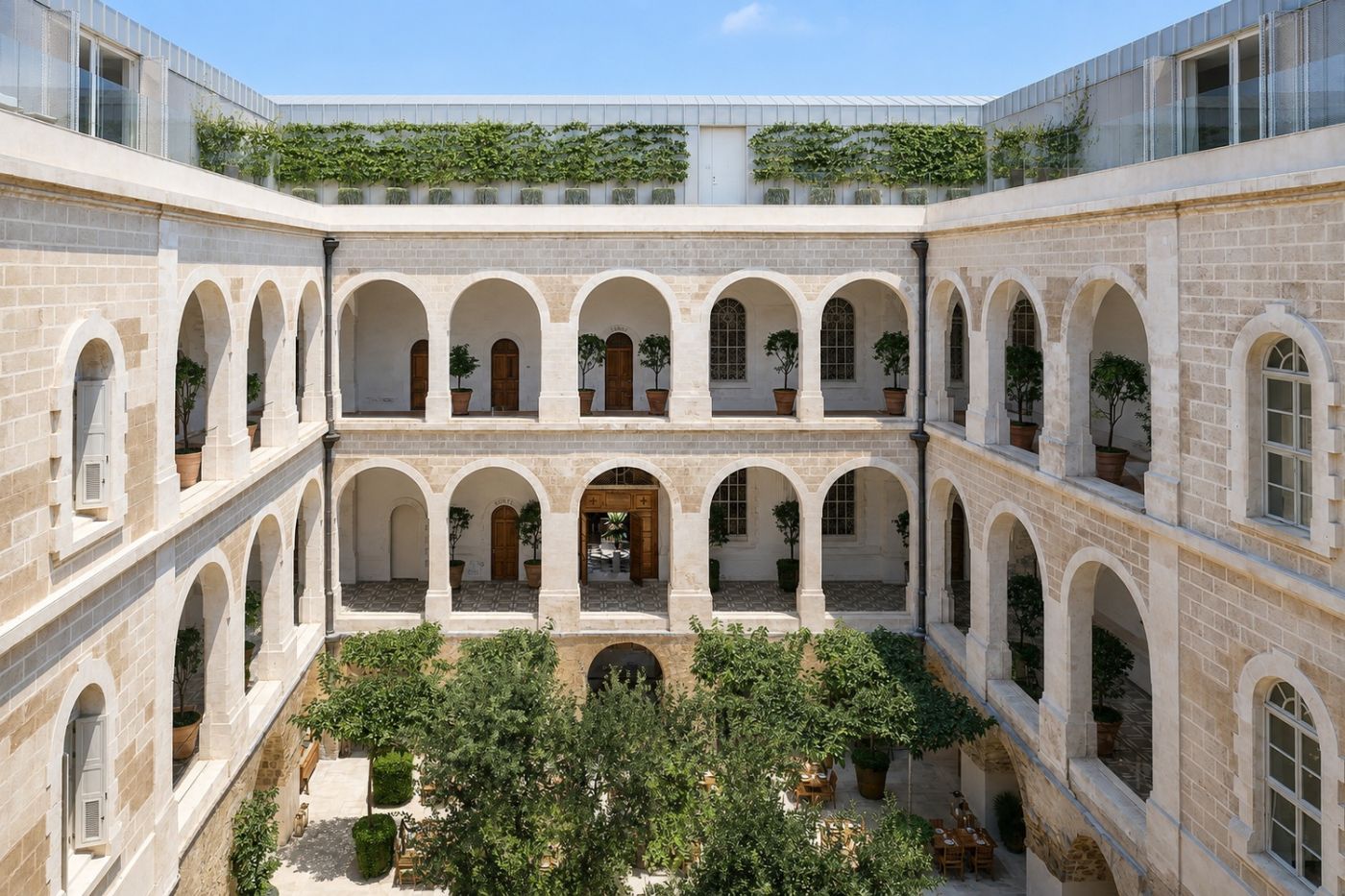
The Jaffa Hotel Tel Aviv asks for a more exact reading than many beach-adjacent hotels in the city. It is not on the sand. It...
Prices From 619 USD
More amenities
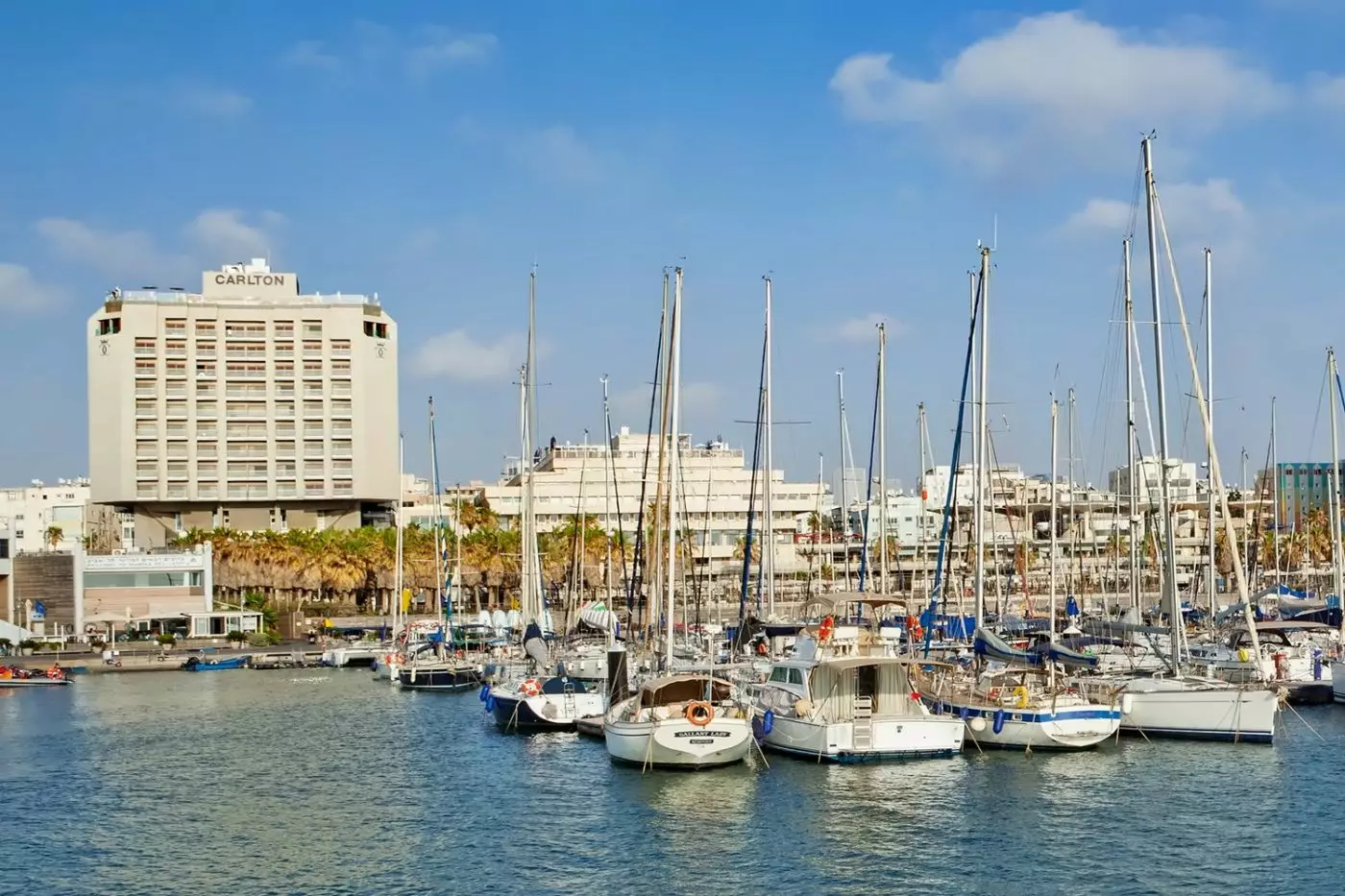
The Carlton Tel Aviv puts the city where many guests want it most: on the Mediterranean edge, beside the marina, a few steps...
Prices From 990 USD
More amenities
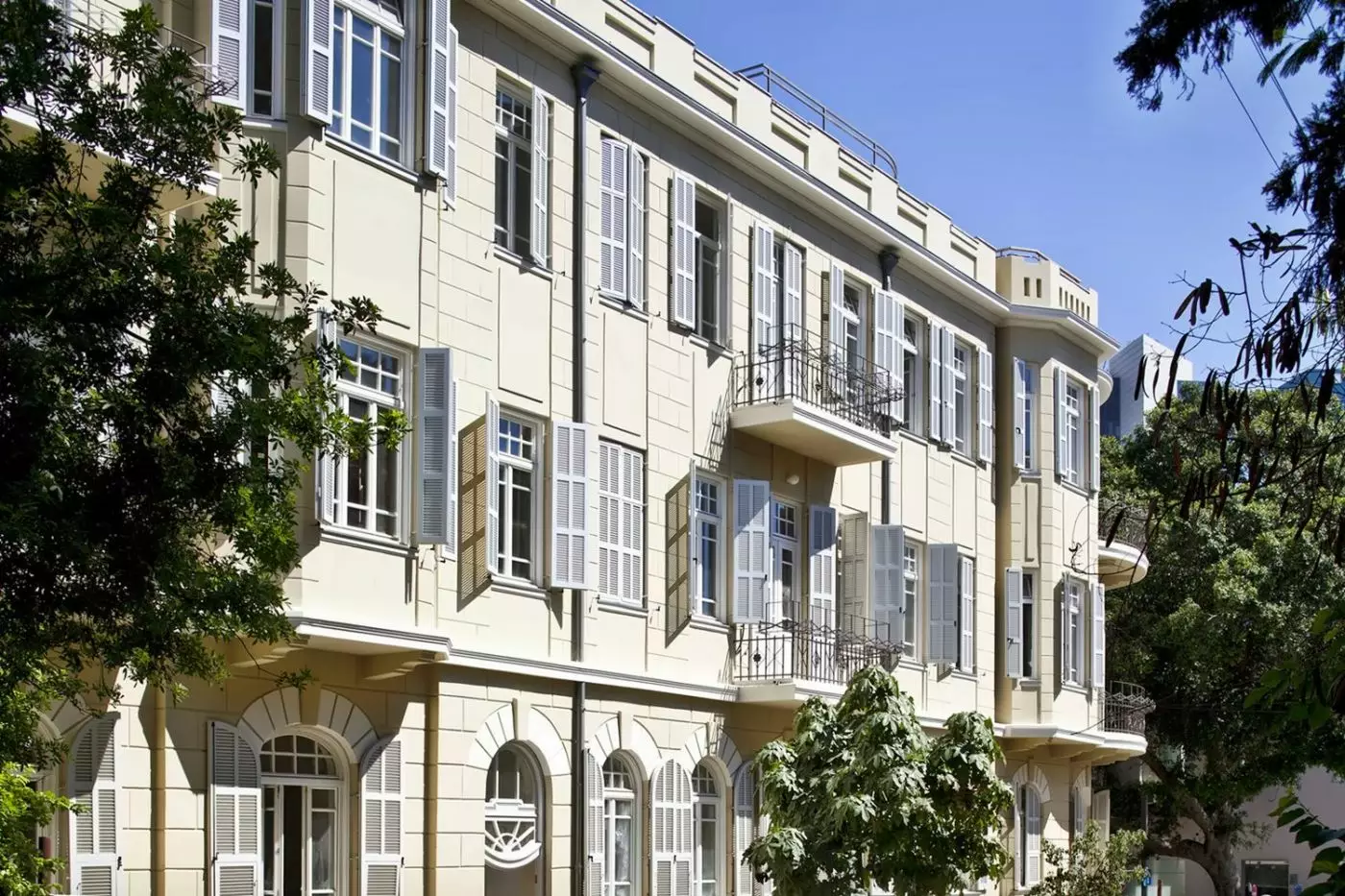
The Norman Tel Aviv is a polished boutique hotel on Nachmani Street. It sits close to Rothschild Boulevard, King Albert Squar...
Prices From 980 USD
More amenities
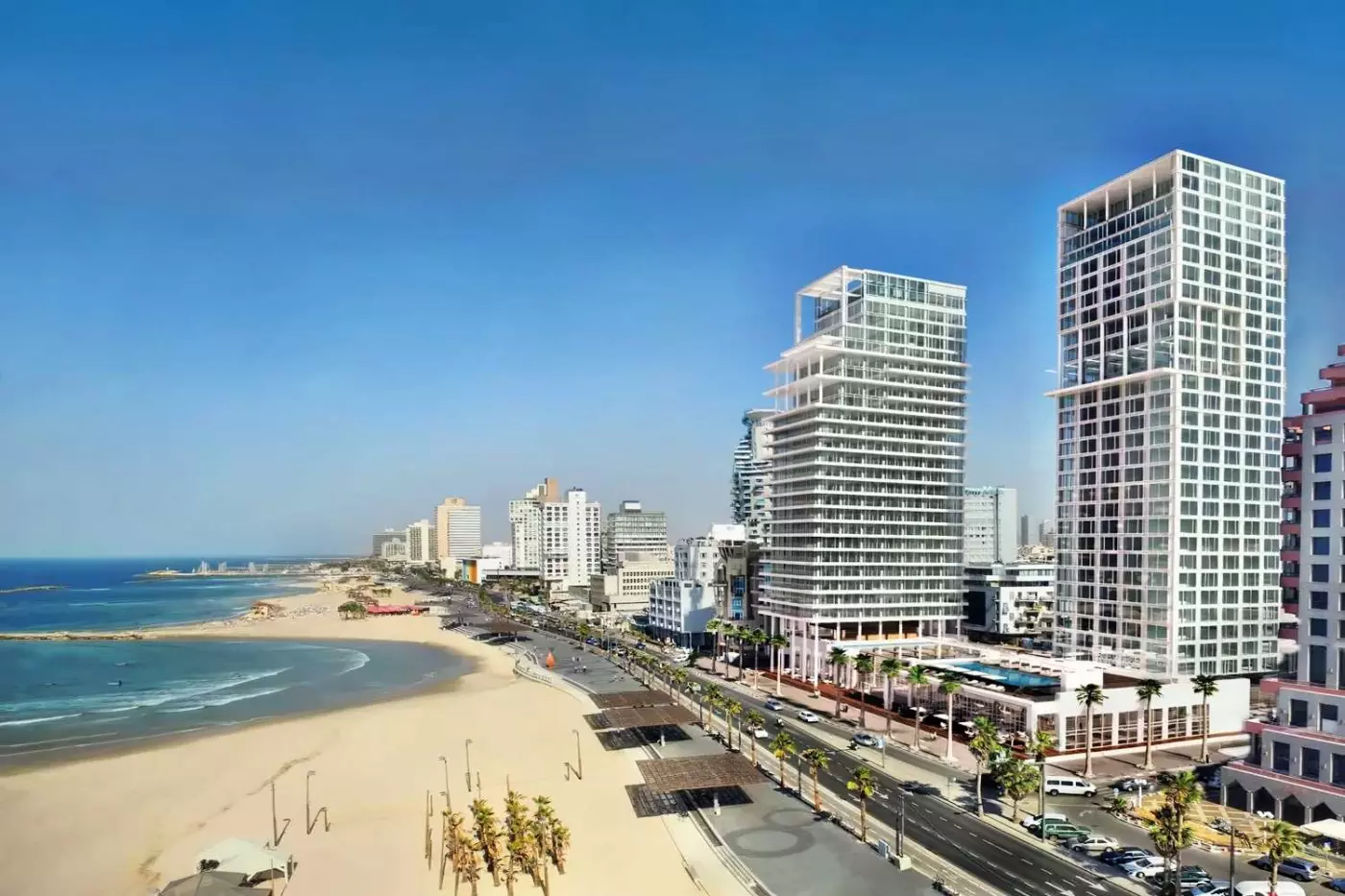
The David Kempinski Tel Aviv is a beachfront luxury hotel on the Tel Aviv Promenade. It faces the Mediterranean between Jaffa...
Reserved for You
The promenade follows Tel Aviv's western seashore, with walking and cycling space, places to sit and cafés along the water. A seafront base makes sense when you want the coast to be part of everyday downtime between city outings. The Carlton Tel Aviv is one hotel example for a Mediterranean outlook. Decide how much of your stay you want to spend beside the sea before comparing its address with a hotel deeper in the city.
The White City's International Style buildings give central Tel Aviv a different character. Rothschild Boulevard and its surrounding streets are useful places to see that architecture. Consider a central base when the buildings and urban streets are part of the reason for coming, with cultural visits forming the day's main appointments. An architecture-focused stay rewards time to look at the streets themselves; avoid filling every interval with another booked activity.
Old Jaffa brings a historic port, galleries and restaurants into the city itinerary. Its lanes and waterfront suit travelers who want an older urban setting alongside Tel Aviv's modern architecture. Give the district a dedicated outing, allowing room for the port and a meal rather than treating it as a brief stop between museum visits. When comparing a Jaffa hotel with a central or seafront address, think about the setting you want to return to after the day's outings.
Build the stay around a few priorities: an art visit, time by the Mediterranean, a Jaffa outing or a private introduction to the local creative scene. Keep restaurant reservations and guided visits as the fixed points, leaving the surrounding time for the streets and shoreline. For a trip combining several places, use our Israel hotel guide to plan the wider journey, then decide which Tel Aviv days belong to culture and which you want to keep open. The useful hotel choice is the base that supports that balance, rather than the property with the longest list of facilities.
A Bauhaus Center walking tour focuses on the White City's International Style buildings from the 1930s and 1940s. Guided and audio-guide formats offer different levels of independence. Choose this outing when you want to understand the streets and buildings as an urban landscape, then reserve the format and language that suit you.
Choose the Tel Aviv Museum of Art for Israeli and international art, including modern works and European art from the sixteenth through nineteenth centuries. ANU, the Museum of the Jewish People, explores Jewish identity, culture and history across communities and generations. The first suits an art-collection visit; the second adds a wider cultural and historical perspective.
Neve Tzedek offers low houses, narrow streets, galleries, small shops and cafés, with dance and theater at the Suzanne Dellal Centre. It suits a slower neighborhood outing alongside a formal museum visit. Decide whether you want to browse the streets or make a performance the focus; check the program for your dates before building the evening around a particular show.
Carmel Market has stalls selling produce, spices and pickled foods, alongside local food counters and informal restaurants. Combine it with the adjoining Kerem HaTemanim, the Yemenite Quarter, for casual dining. This is a different experience from a reserved restaurant dinner: leave room to choose food as you explore, rather than arriving immediately after a large meal.
Start with the artists or media that interest you, then ask for a visit built around those preferences. The Norman's art concierge can arrange personalized gallery and artist-studio tours, providing one way to make that introduction. Agree the specific visits and cost in advance. A focused appointment suits travelers who want a conversation about contemporary art beyond browsing a collection independently.